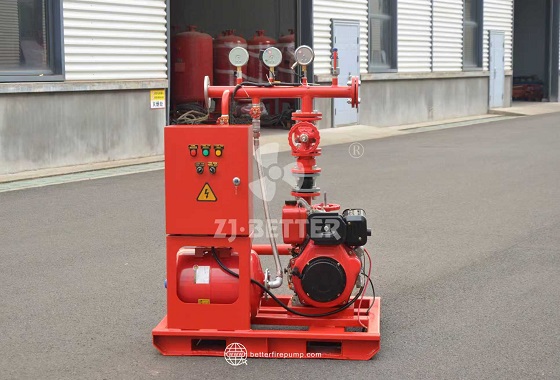
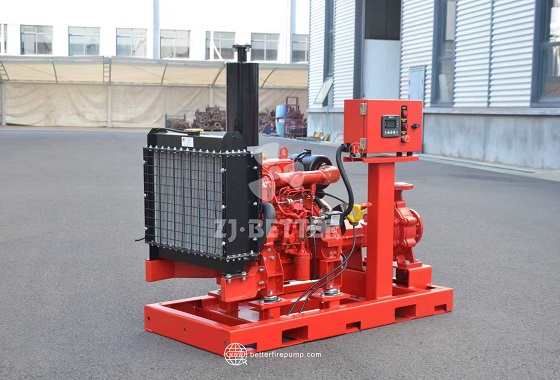
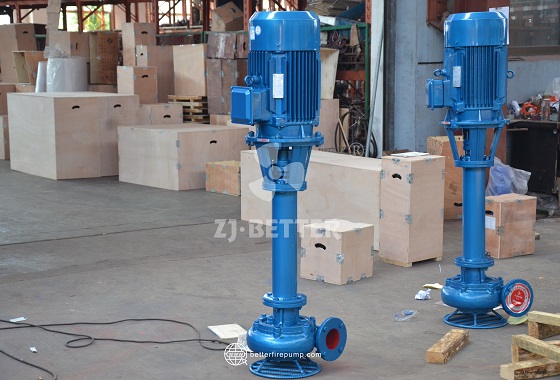
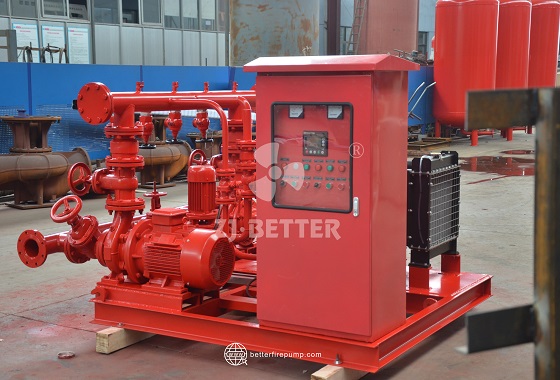
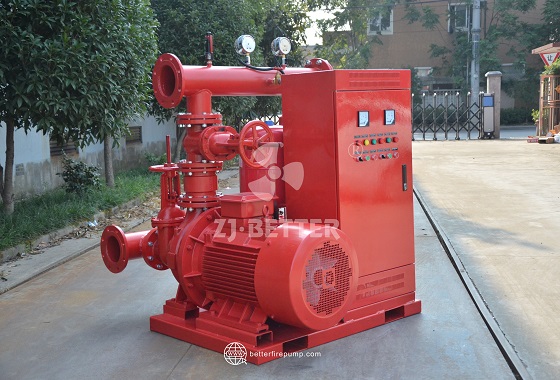
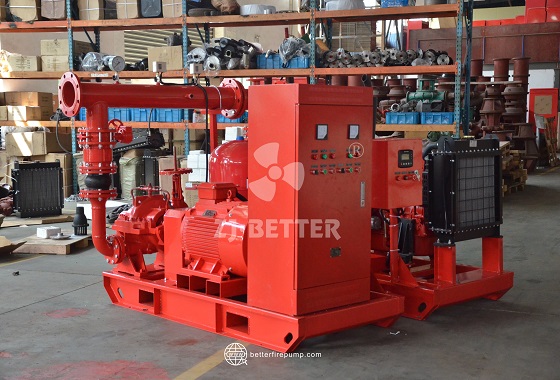
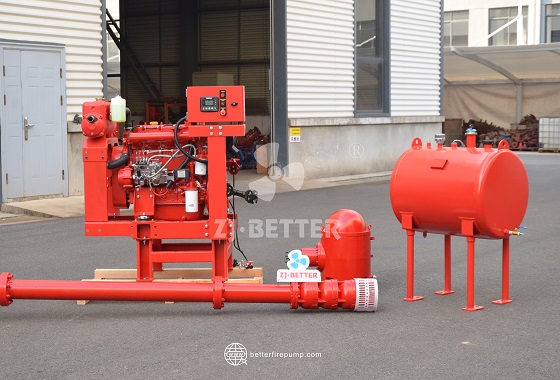
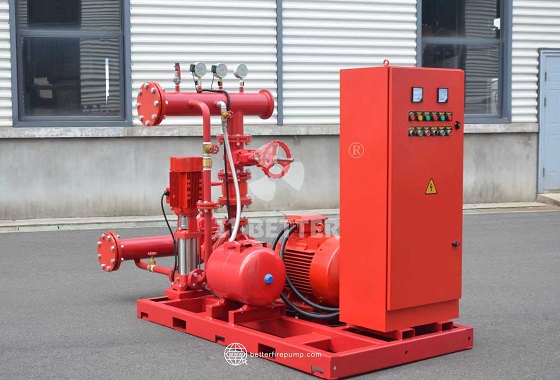
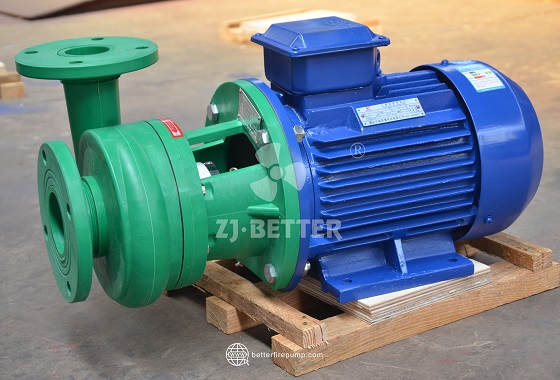
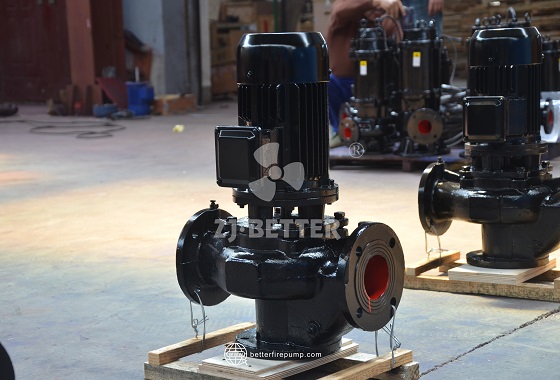
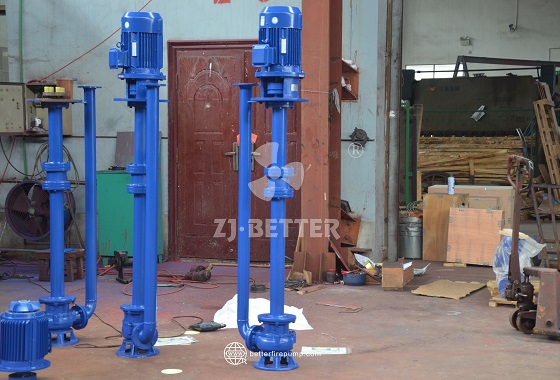
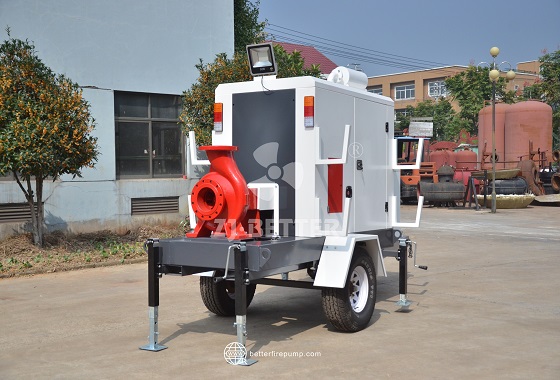
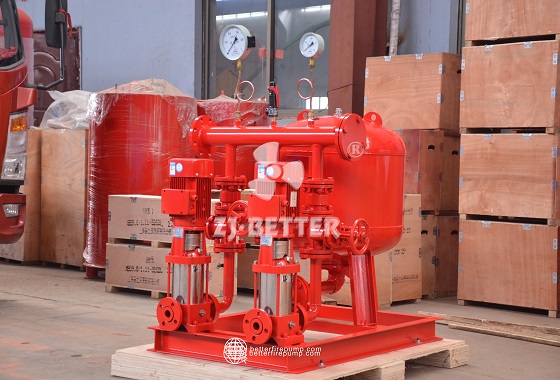
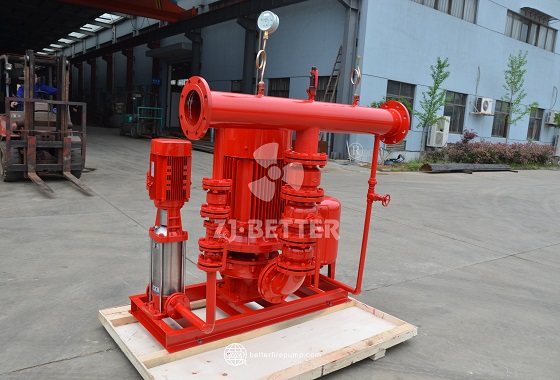
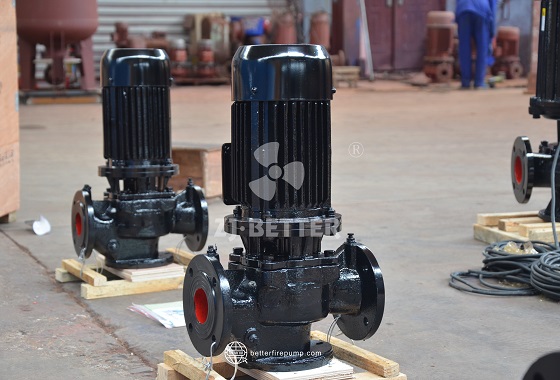
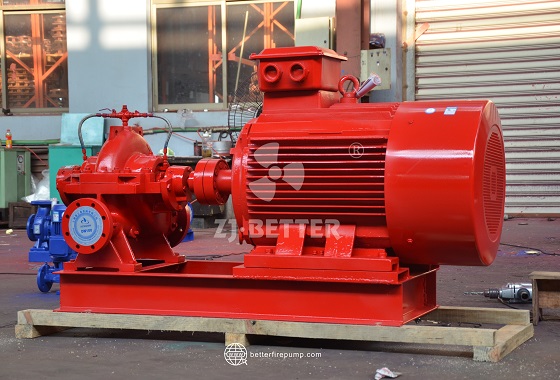
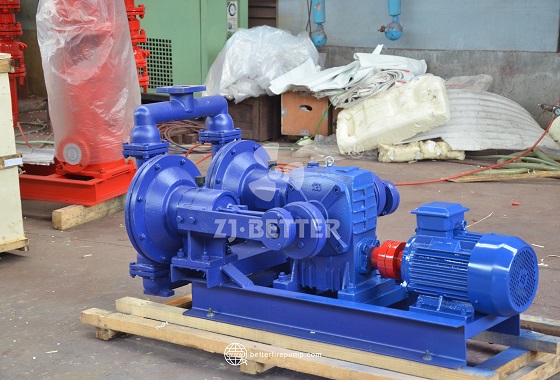
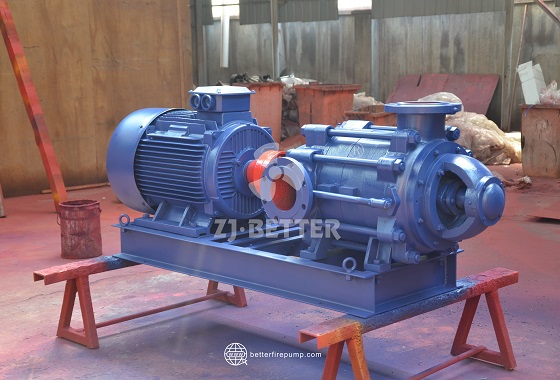
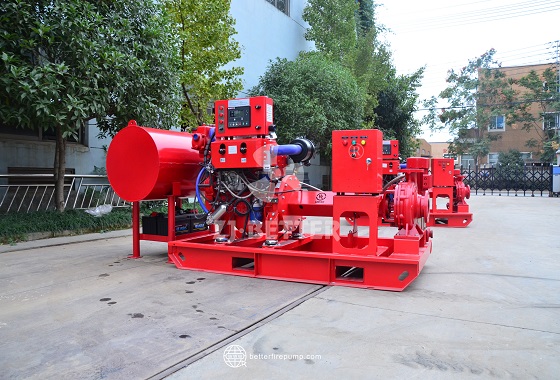
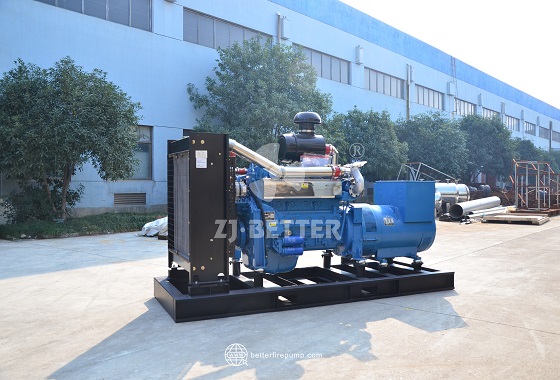
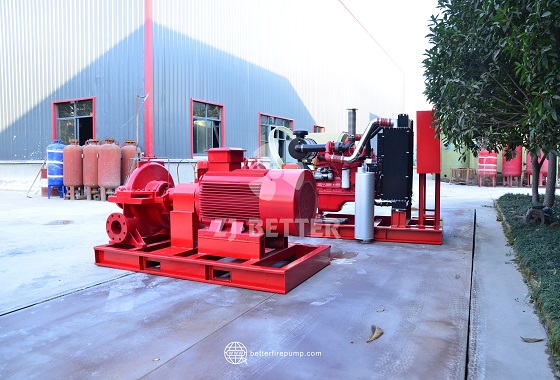
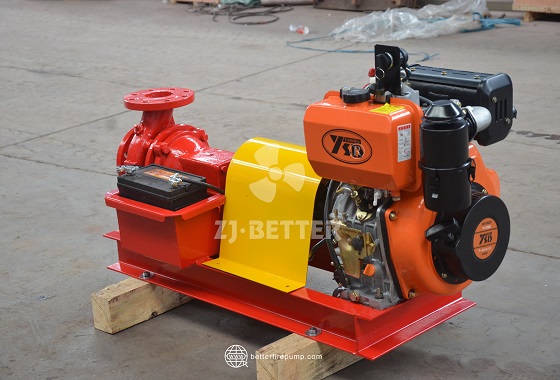
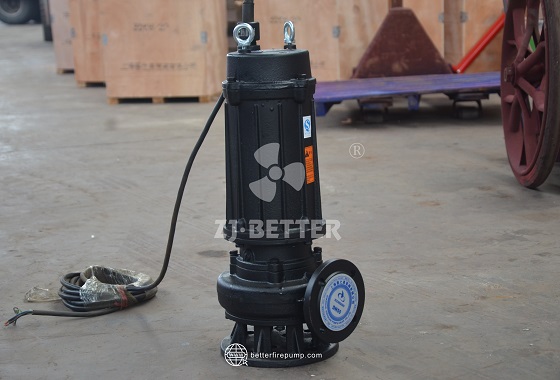
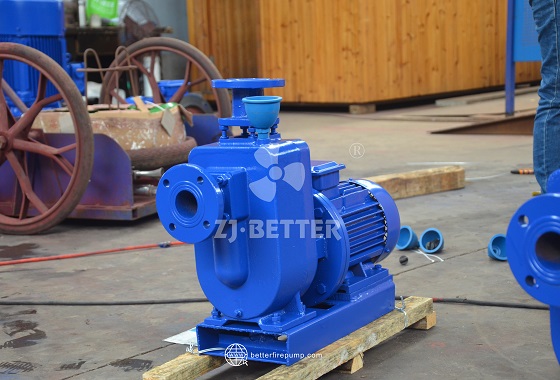
·UL Standard Flow:50-3000 GPM Head: 5-20 Bar (72.5-290 psi) Speed:740-2900 r/min ·Non-UL Standard Flow:30-9000 GPM Head: 3-20 Bar (40-300 psi) Speed:740-2900 r/min
Personnel should be trained in fire pump operation, routine maintenance, emergency procedures, and understanding of the relevant NFPA standards. Regular training updates ensure that staff remain knowledgeable about the latest safety practices.
Local building codes dictate specific requirements for fire pump installation, including minimum flow and pressure, power supply standards, and room construction. Compliance with these codes is essential for the system’s approval and operation.
Fire pump installations must consider factors such as temperature, humidity, and potential flooding. Pumps should be installed in environments that protect them from extreme conditions to ensure reliable operation.
Fire pumps are designed to run continuously during a fire emergency. They must be able to sustain operation for the duration required to control or extinguish the fire, which can be several hours.
Fire pumps are typically started automatically when the fire sprinkler system detects a pressure drop caused by the activation of one or more sprinklers. This automatic start is usually controlled by a pressure switch or controller.
With proper maintenance, a fire pump can last 15-20 years or longer. However, components such as seals, bearings, and impellers may need replacement during this period.
Signs include unusual noises or vibrations, reduced water pressure or flow, frequent tripping of the pump, leakage, and failure to start. Regular inspections and testing can help identify issues before they become critical.