Extreme temperatures, humidity, and corrosive environments can impact fire pump performance. Proper housing, insulation, and corrosion-resistant materials are necessary to protect pumps and ensure reliable operation.
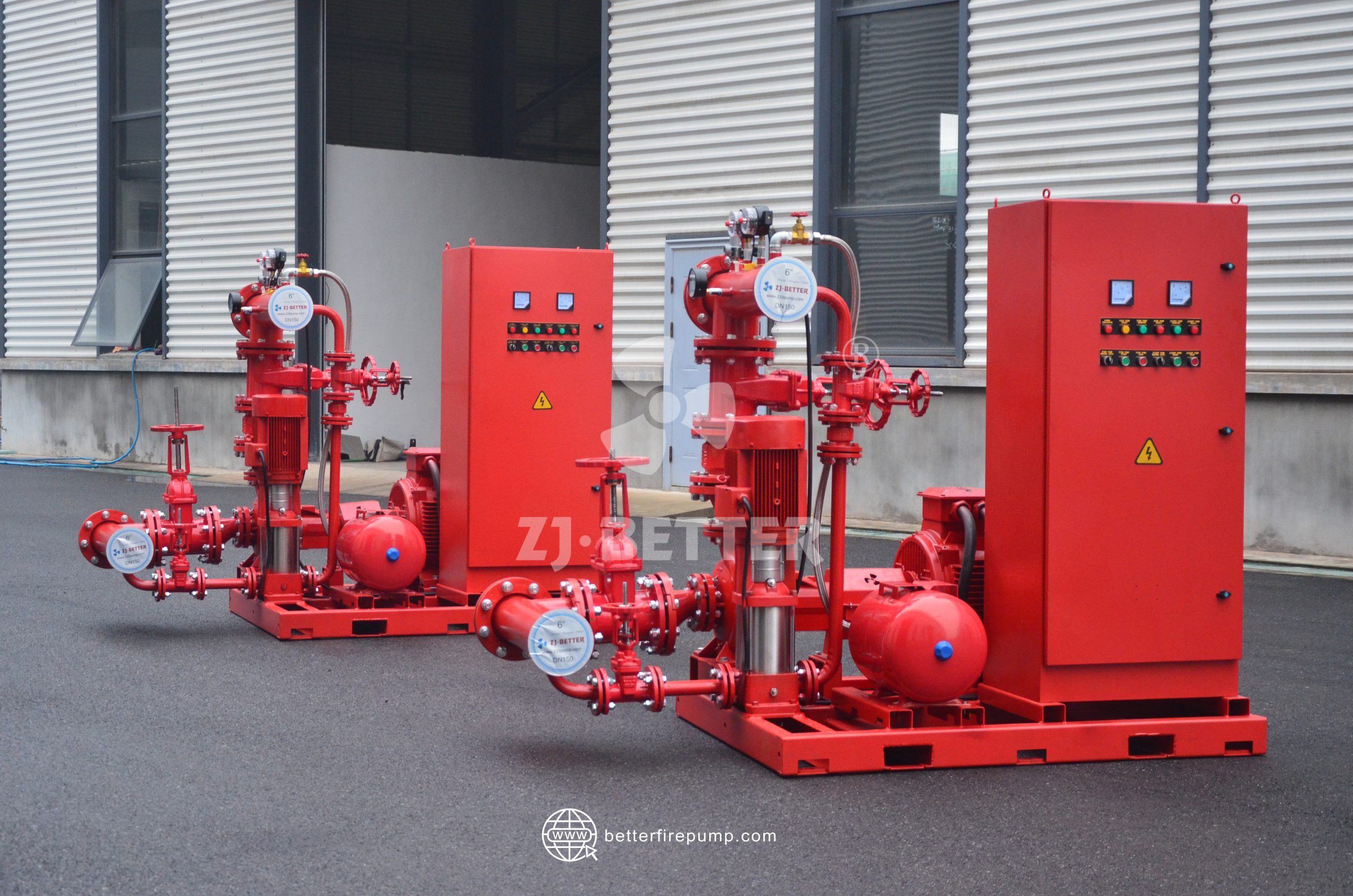
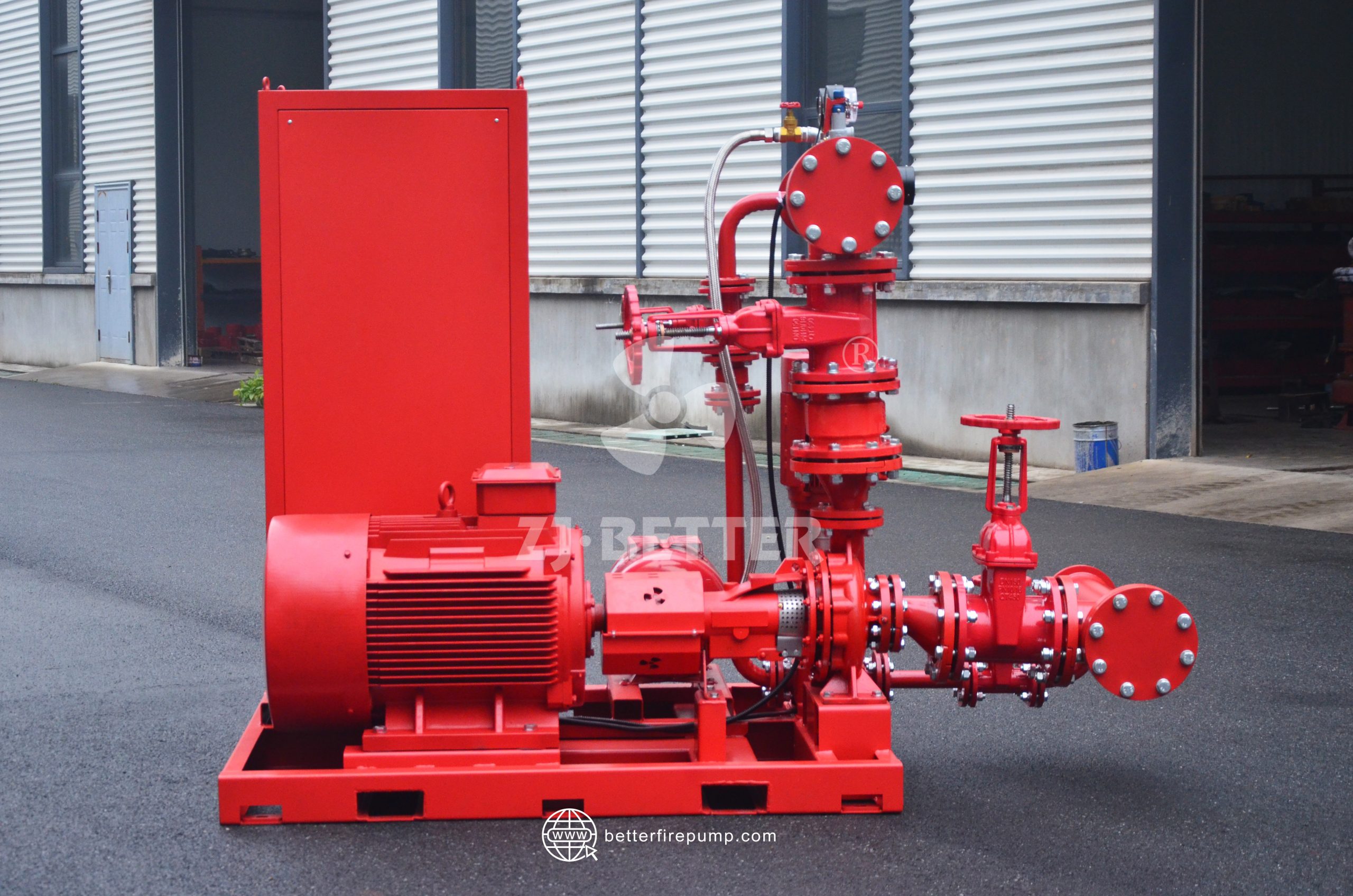
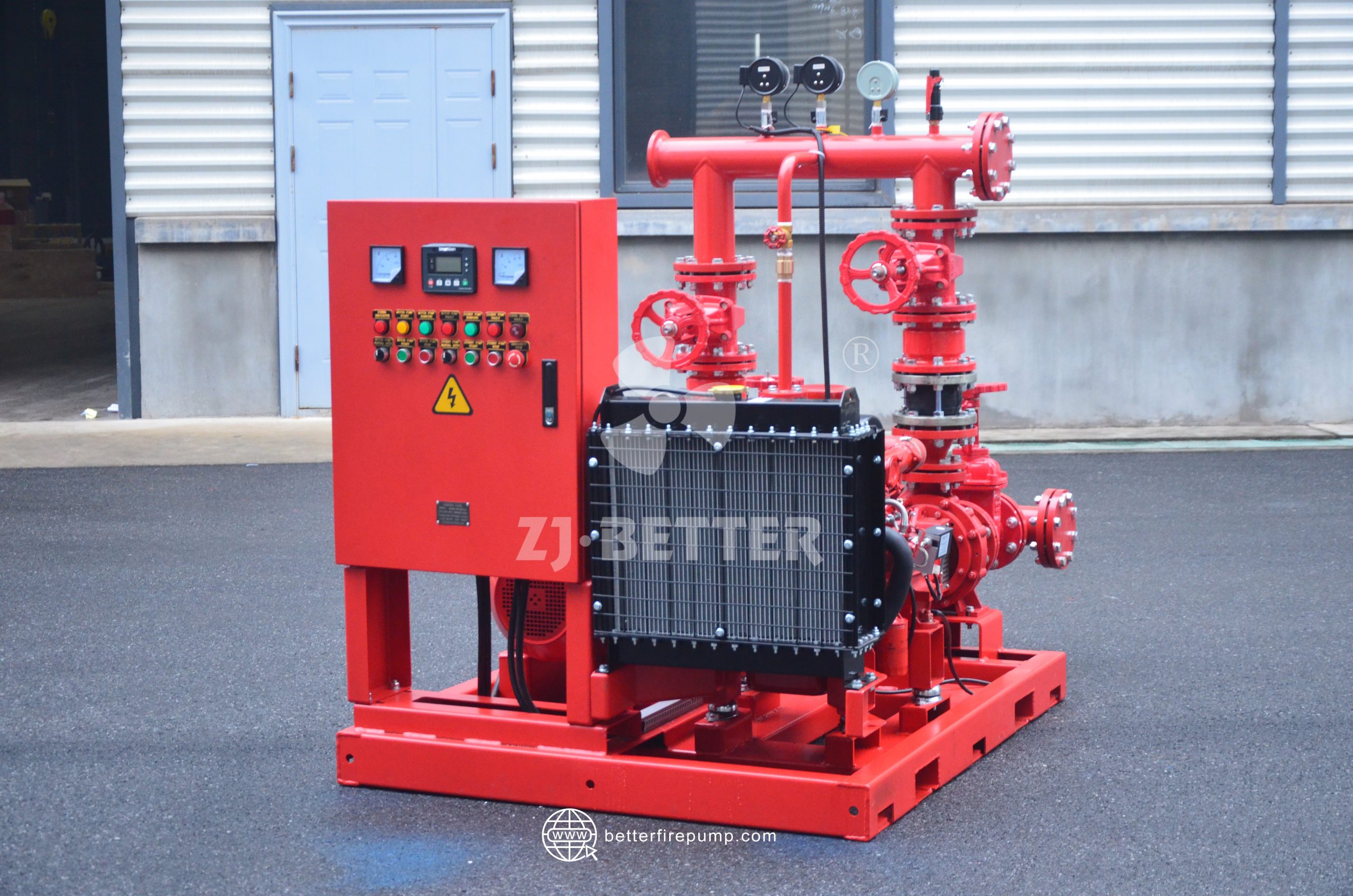
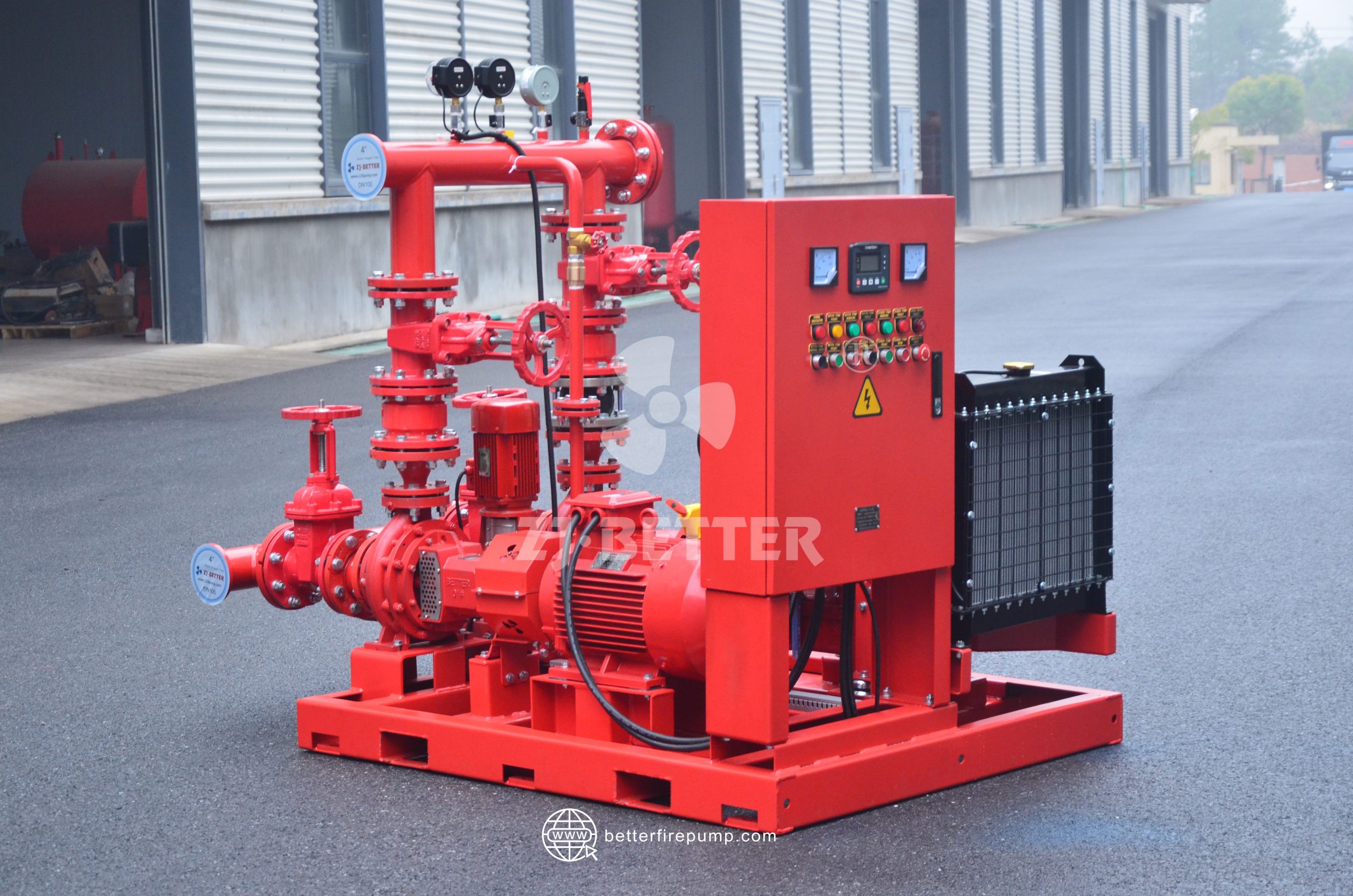
A fire pump controller manages the operation of the fire pump, including starting, stopping, and monitoring performance. It ensures the pump operates correctly during an emergency and complies with NFPA 20 requirements.
Fire pumps are often integrated with fire alarm systems to provide automatic alerts in case of pump activation or failure. This integration ensures that building occupants and emergency responders are immediately informed during a fire event.
A churn test involves running the fire pump without discharging water to ensure it starts and runs correctly. It is important for verifying the pump’s operational readiness and identifying potential issues that need maintenance.
Common causes include power supply issues, mechanical failures, improper maintenance, and incorrect installation. Regular testing and adherence to maintenance schedules are crucial to prevent failures.
Flow:25-10000 GPM Max Head:25 Bar
Reliability is ensured through regular maintenance, including fuel quality checks, battery inspections, and routine testing. Diesel engines should also have a dedicated fuel supply and meet the standards set by NFPA 20.
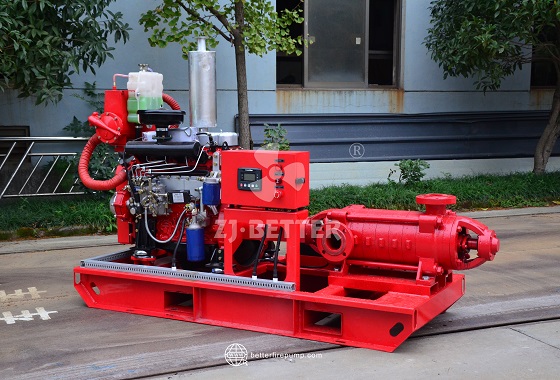
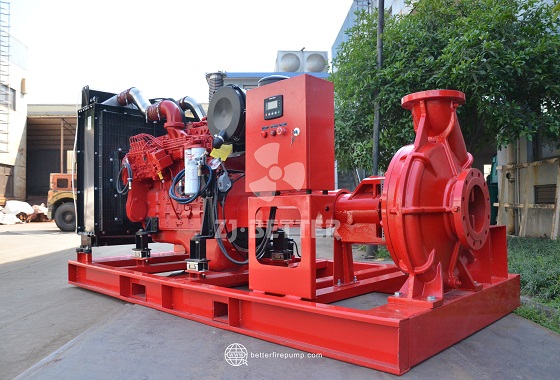
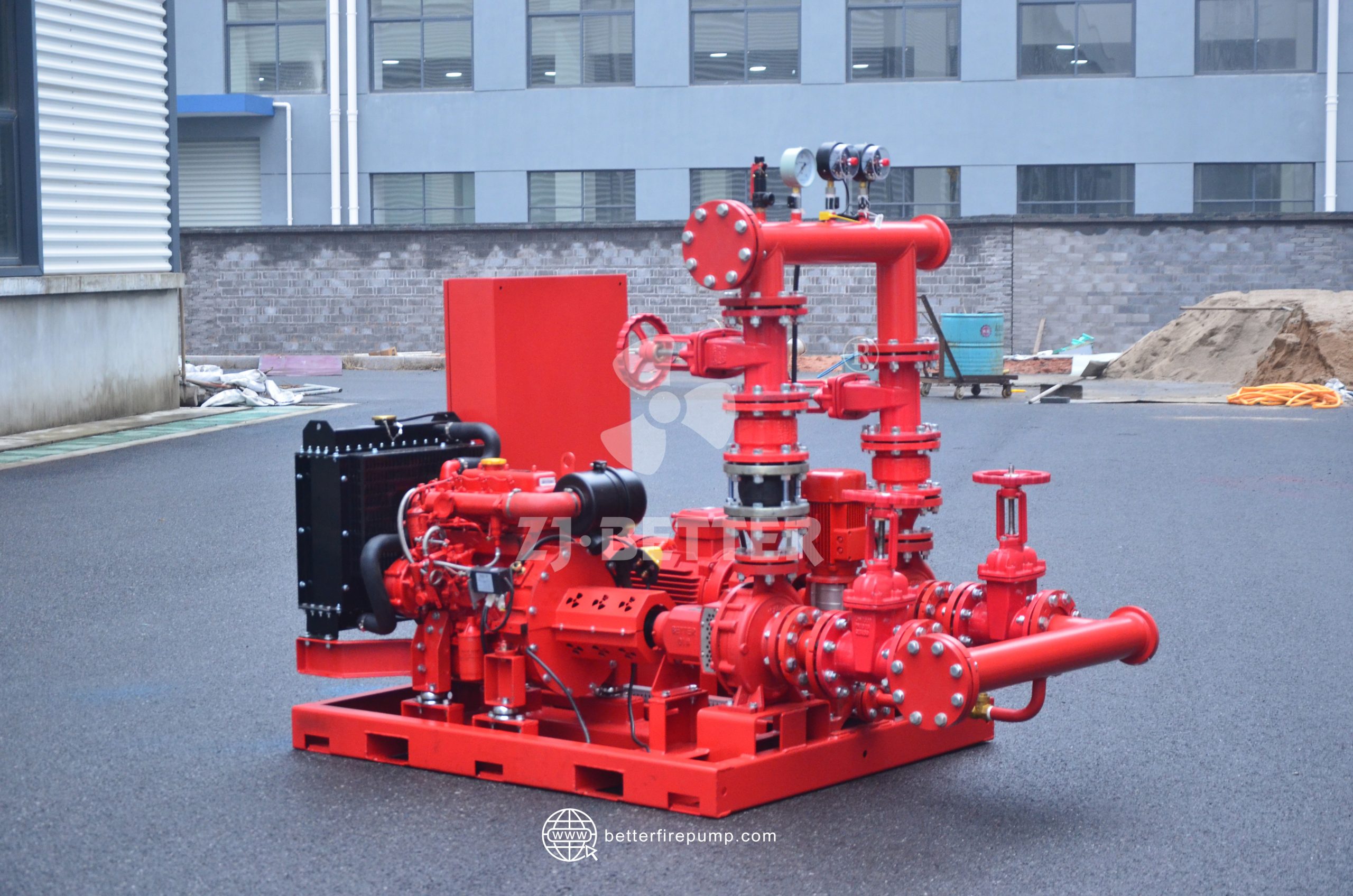
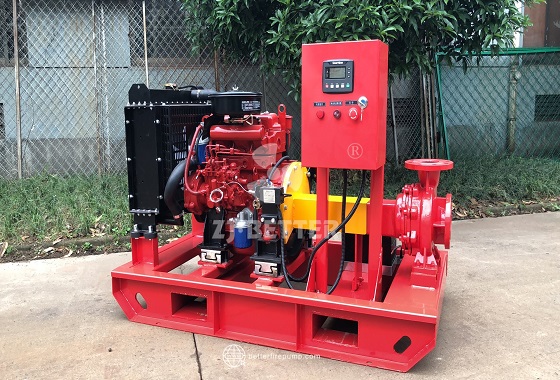
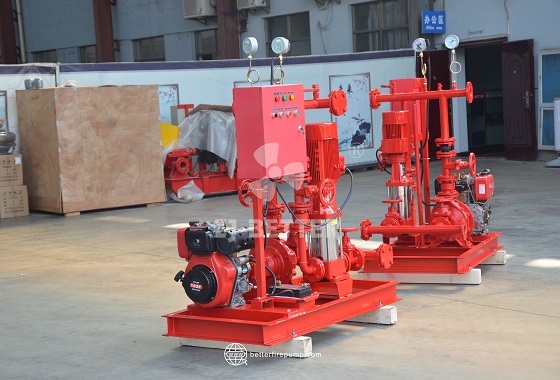
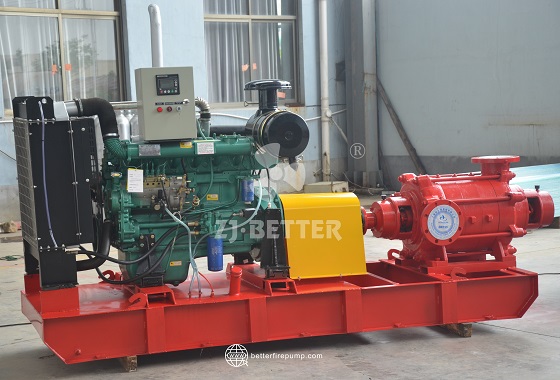
Diesel-driven fire pumps provide a reliable alternative to electric-driven pumps, especially in areas prone to power outages. They offer independent operation without relying on the building’s electrical supply and are often used in remote locations or where backup power is essential.
-UL Standard: Flow:100-3000 GPM Head: 90-250 PSI – NON-UL Standard: Flow:100-10000GPM Head: 40-250 PSI
Fire pumps can be integrated into smart building systems through advanced controllers and sensors that allow for remote monitoring and control. These systems can track the performance of the fire pump, alert maintenance teams to potential issues, and even adjust pump operation in real time to optimize efficiency and response during emergencies.
At higher altitudes, the atmospheric pressure is lower, which can reduce the performance of fire pumps. To compensate for this, fire pumps may need to be oversized or specially configured to deliver the necessary pressure and flow in high-altitude environments. Proper planning and design are essential to ensure that the system functions effectively under these conditions.
Fire pumps are designed to adapt to varying water supply conditions, such as fluctuating pressures or varying water levels in a reservoir. They achieve this through features like variable speed drives, which adjust the pump’s speed to maintain consistent water pressure and flow, regardless of changes in the supply.
·UL Standard Flow:50-3000 GPM Head: 5-20 Bar (72.5-290 psi) Speed:740-2900 r/min ·Non-UL Standard Flow:30-9000 GPM Head: 3-20 Bar (40-300 psi) Speed:740-2900 r/min
·UL Standard: Flow:50-2000 GPM Head: 80-250 PSI
·NON-UL Standard: Flow:50-5000GPM Head: 40-250 PSI
Flow:50-7500 GPM Head:3-20 Bar 40-300 psi Power:11-1000 kw Caliber:50-200 mm Frequency:50 or 60 Hz Working Pressure:≤1.6 MPa
Flow:80-2700 GPM Head:10-24 Bar 145-350 psi Power:11-1000 kw Caliber:65-300 mm Frequency:50 or 60 Hz Working Pressure:≤2.5 MPa