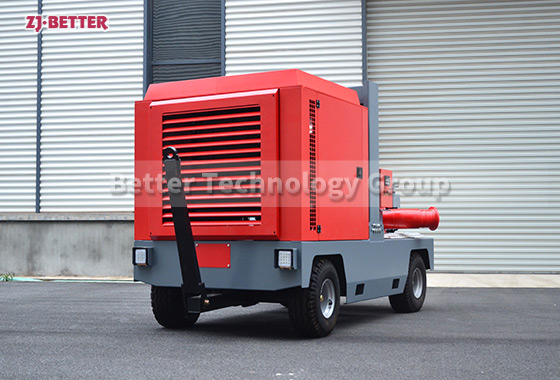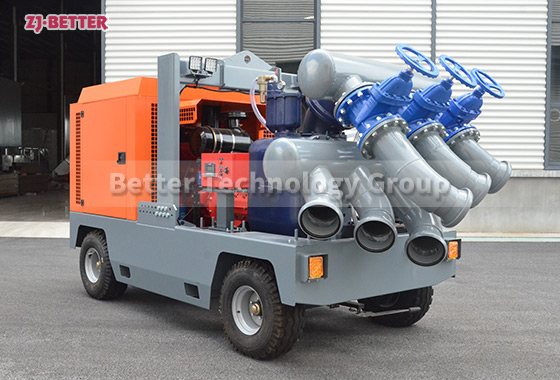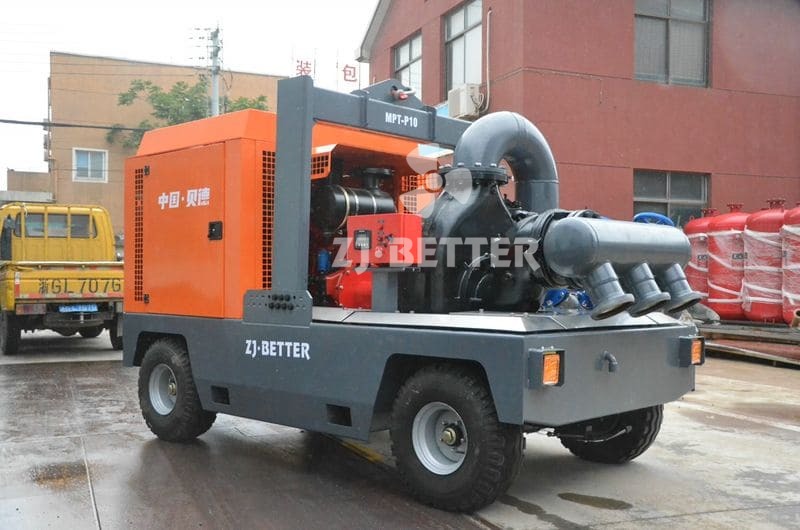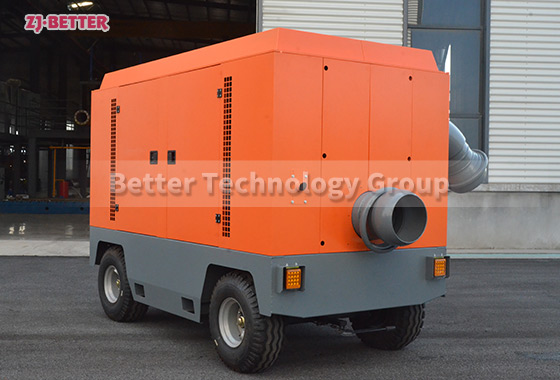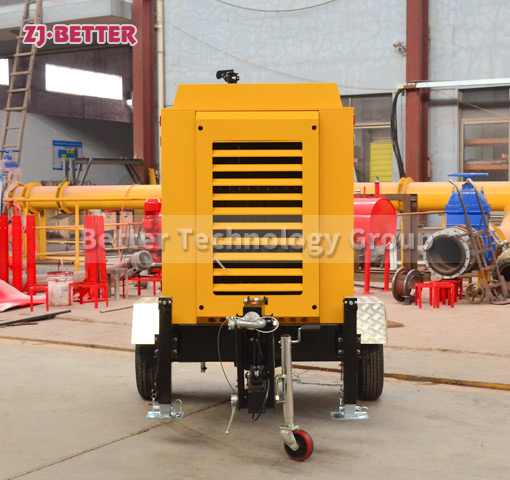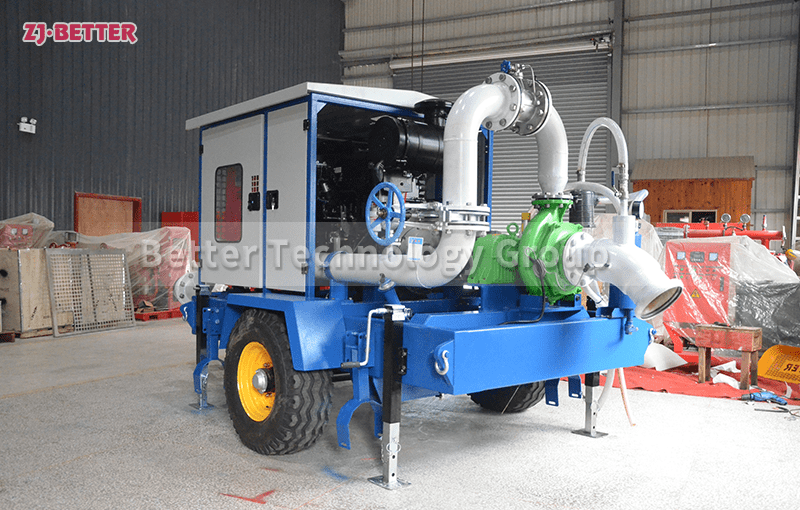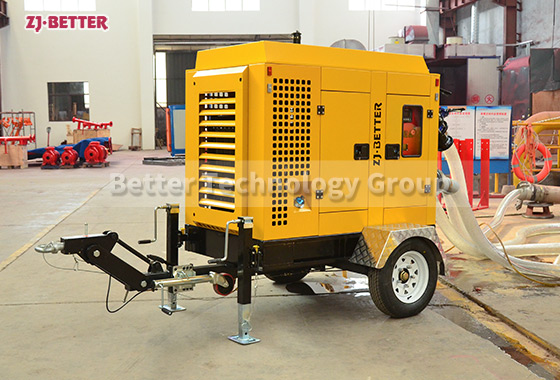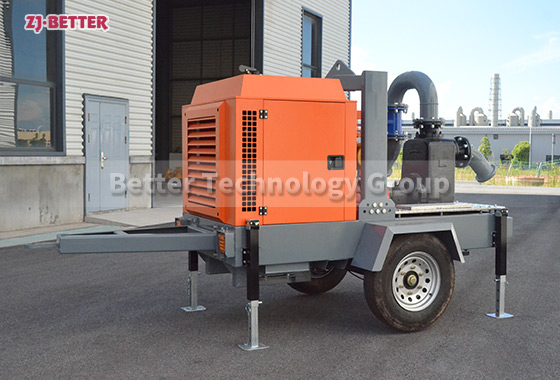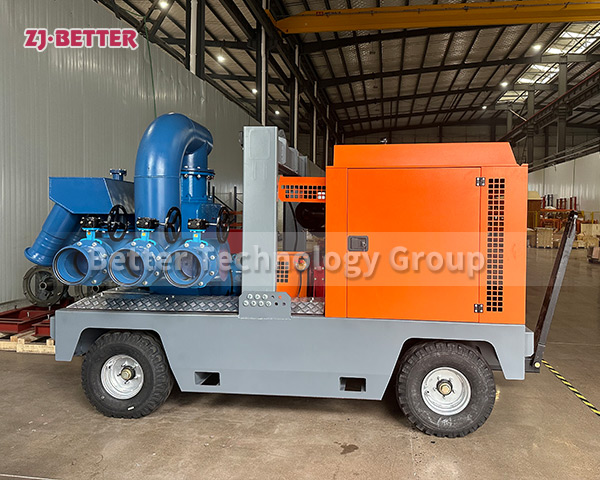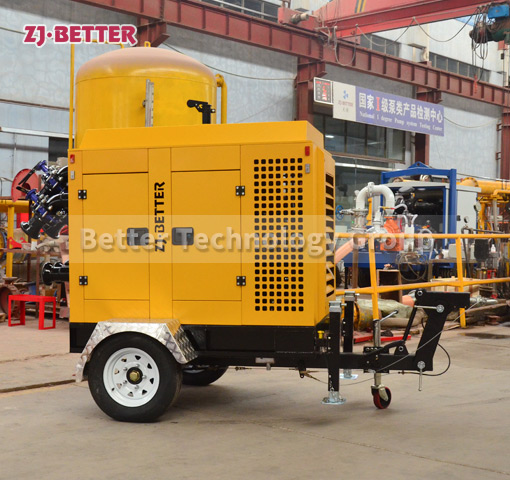
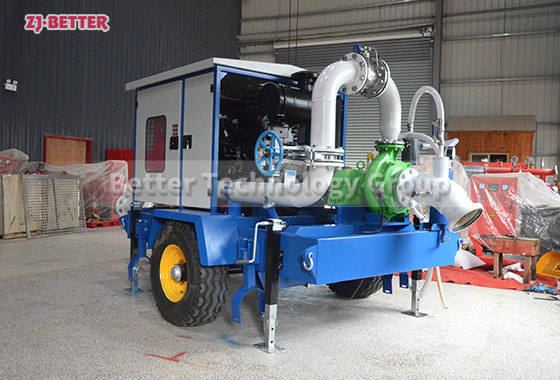
Routine maintenance of Mobile pump
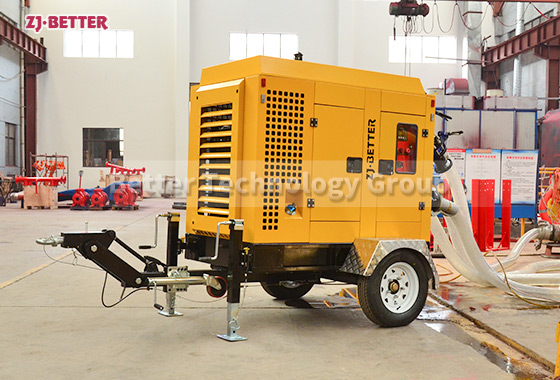
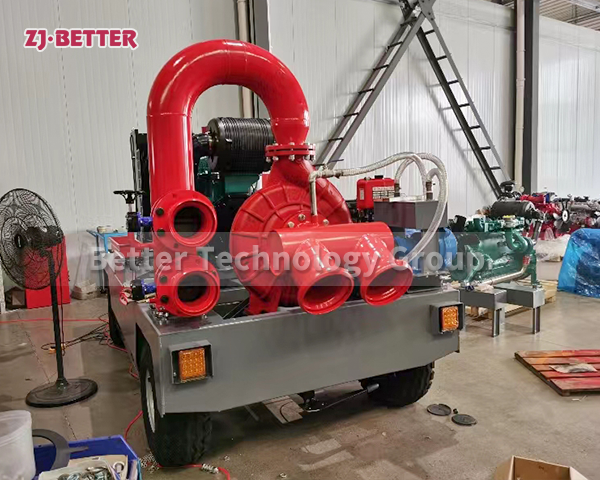
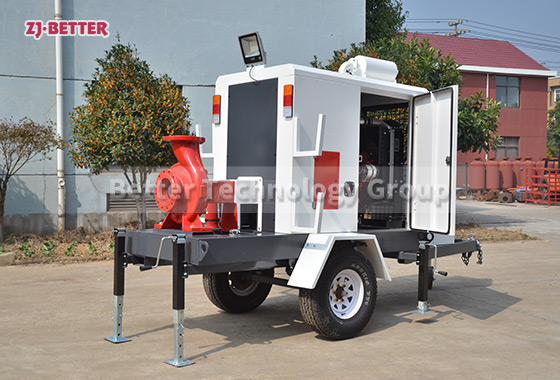
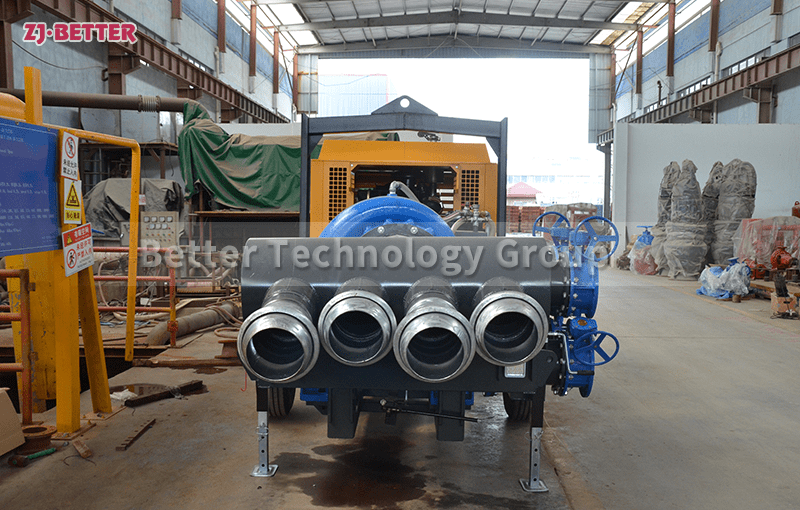
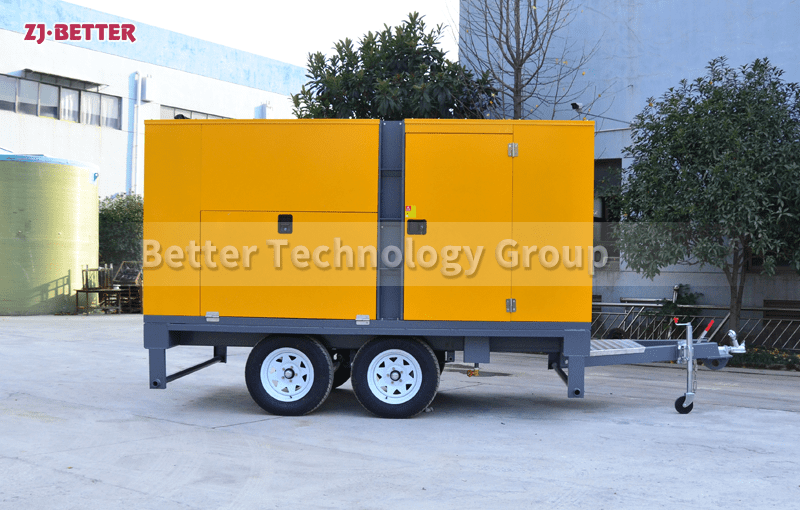
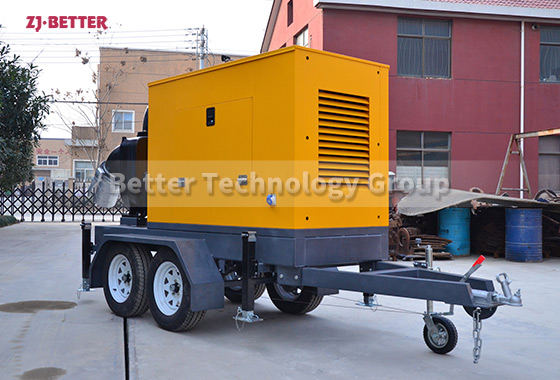
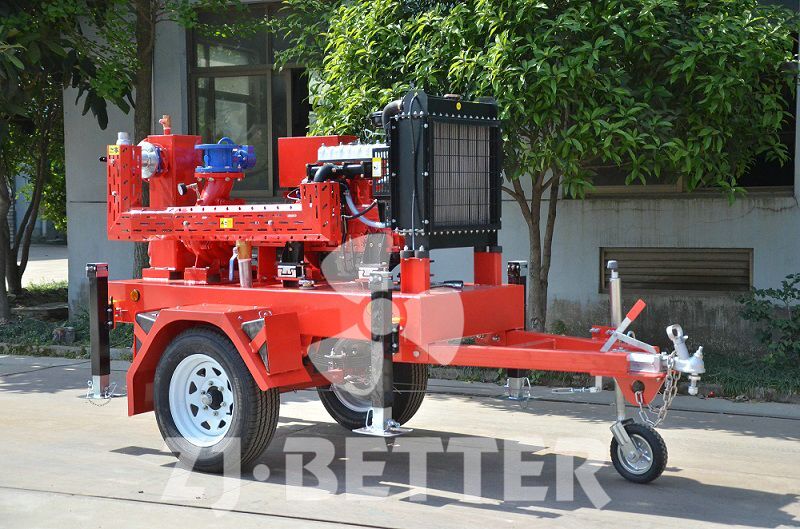
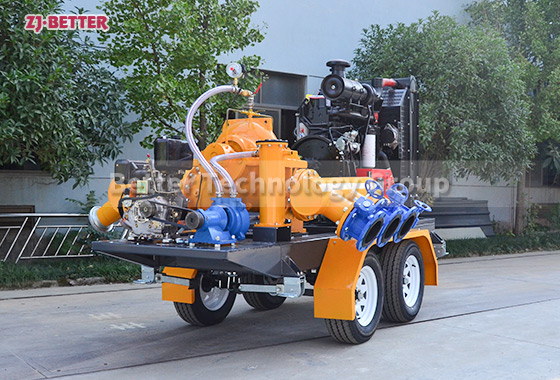
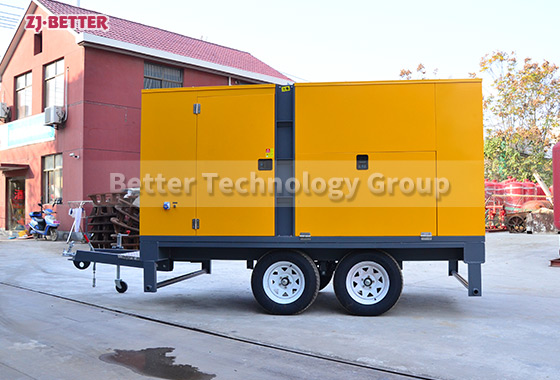
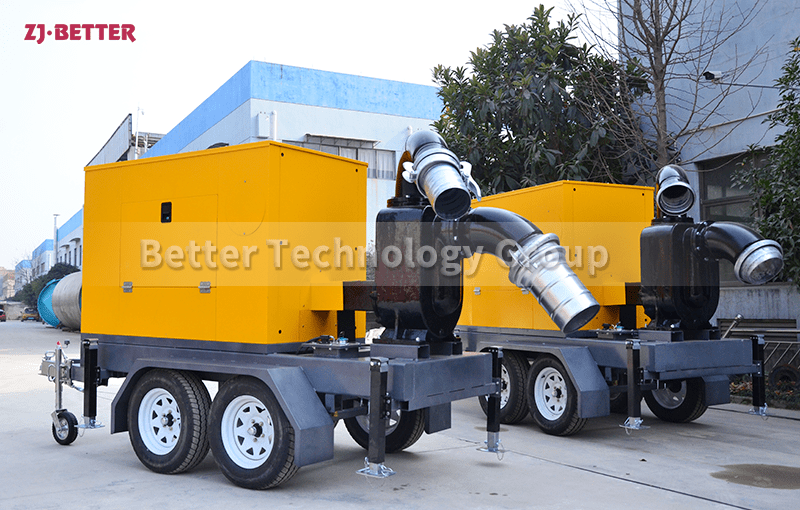
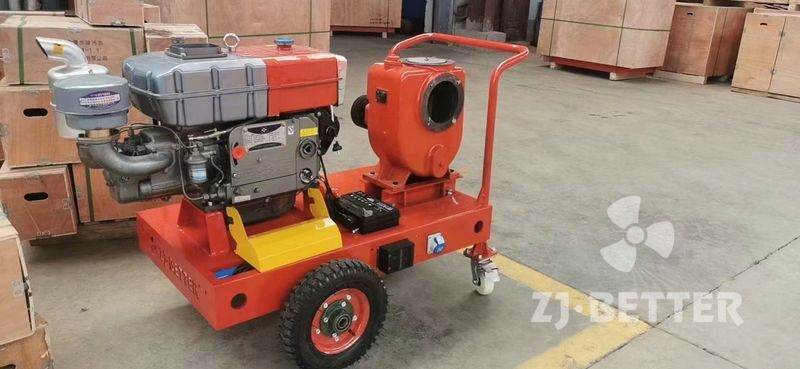
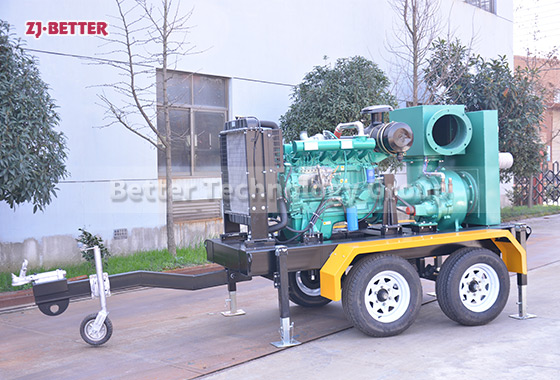
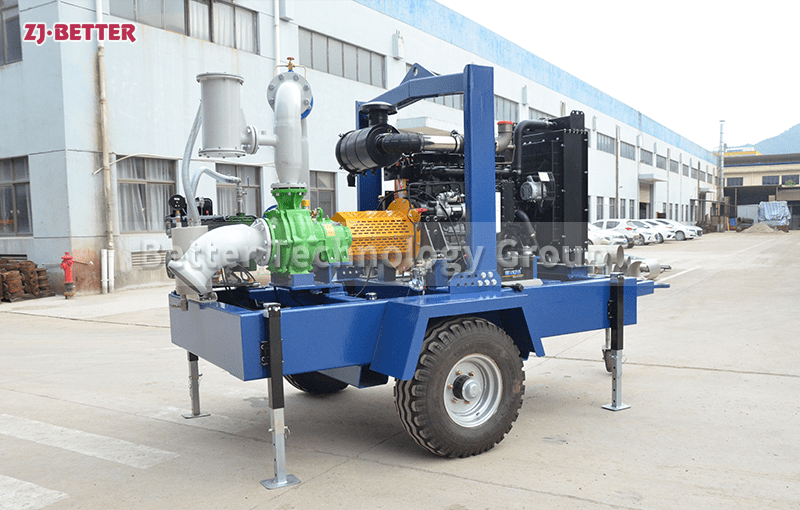
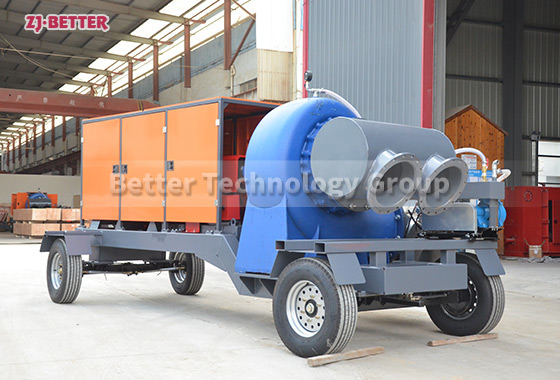
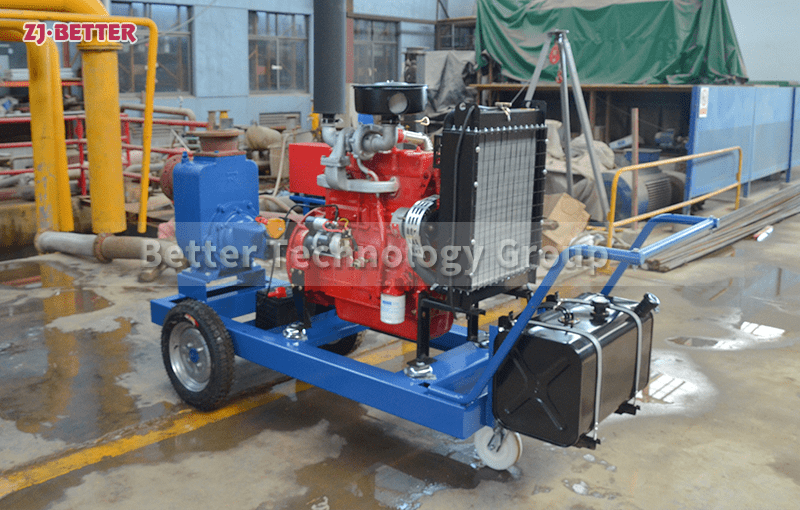
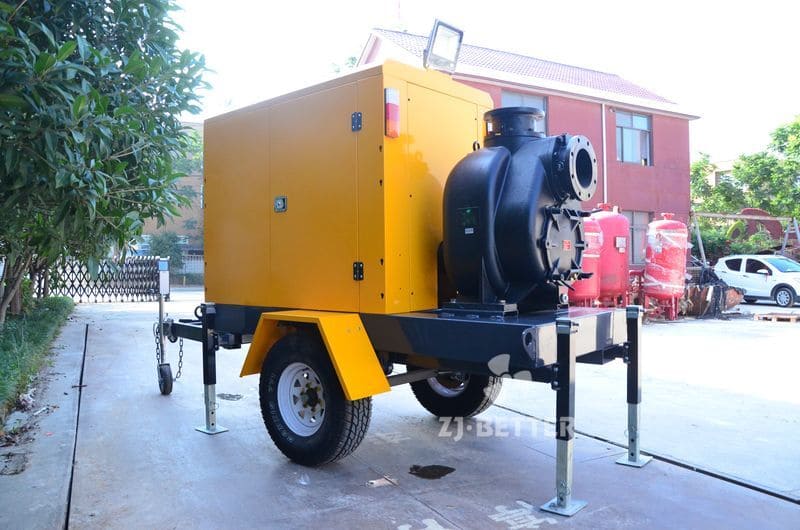
Routine maintenance of a mobile pump, is crucial to ensure its reliable performance and longevity. Here are the key steps for routine maintenance:
1. Follow Manufacturer’s Guidelines: Always refer to the manufacturer’s maintenance manual and guidelines specific to the mobile pump model you have. Different pumps may have varying maintenance requirements.
2. Daily Visual Inspection: Conduct a visual inspection of the mobile pump before each use. Look for any signs of leaks, damage, loose connections, or worn-out components.
3. Clean Intake and Strainer: Check and clean the intake screen or strainer daily to prevent clogging and ensure a continuous flow of water to the pump.
4. Check Fuel and Fluid Levels: Regularly check and maintain adequate levels of fuel, oil, and coolant. Low levels could lead to engine damage or pump failure.
5. Change Oil and Filters: Follow the recommended oil change schedule provided by the manufacturer. Also, change oil filters and fuel filters as per the recommended intervals.
6. Inspect Pump Impeller: Inspect the pump impeller for any signs of wear, damage, or debris. A damaged or clogged impeller can affect the pump’s efficiency.
7. Cooling System Maintenance: Regularly inspect the cooling system, including the radiator, for debris and clean it as needed. Ensure proper airflow to prevent engine overheating.
8. Check Belts and Hoses: Inspect the drive belts and hoses for wear, cracking, or leaks. Replace any damaged or worn components promptly.
9. Electrical Components: Check electrical connections, terminals, and wiring for any signs of damage or loose connections. Verify that all electrical systems, including the ignition and safety devices, are functioning correctly.
10. Battery Maintenance: If the mobile pump has a battery, check its charge level regularly. Clean the battery terminals and ensure proper connection.
11. Lubrication: Keep all moving parts properly lubricated as per the manufacturer’s recommendations.
12. Perform Performance Tests: Conduct periodic performance tests to ensure the pump can deliver the required flow and pressure as specified by the manufacturer.
13. Store Properly: When not in use, store the mobile pump in a clean and dry location. Protect it from extreme weather conditions and potential damage.
14. Keep Records: Maintain a maintenance log or checklist to document all maintenance activities, inspections, and repairs performed on the mobile pump. This recordkeeping helps track the pump’s maintenance history and assists in identifying any recurring issues.
15. Training: Ensure that personnel responsible for the mobile pump’s maintenance and operation are properly trained in maintenance procedures and safety protocols.
By following these routine maintenance steps, you can ensure that your mobile pump remains in optimal condition and ready to perform effectively during firefighting or emergency situations. Additionally, always adhere to any local fire safety regulations and guidelines when operating a mobile pump.