Home » Diesel engine fire pump » Diesel engine fire pump plays a pivotal role in the pump equipment industry

Diesel engine fire pump plays a pivotal role in the pump equipment industry

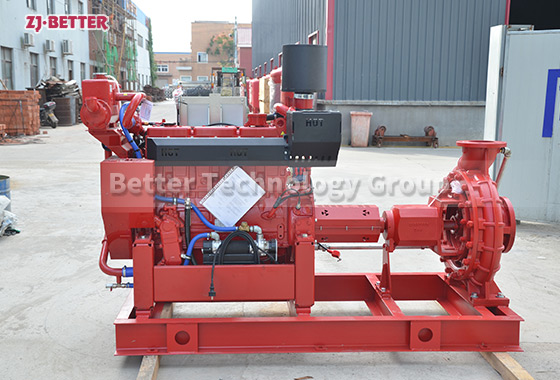
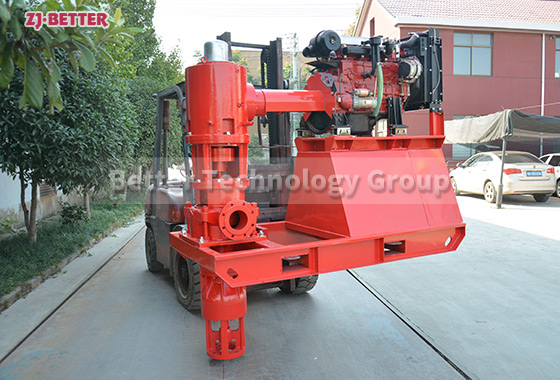
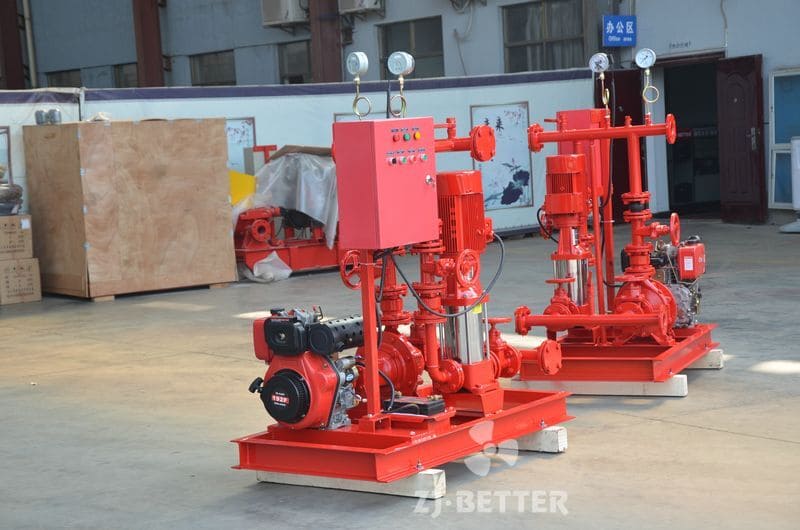
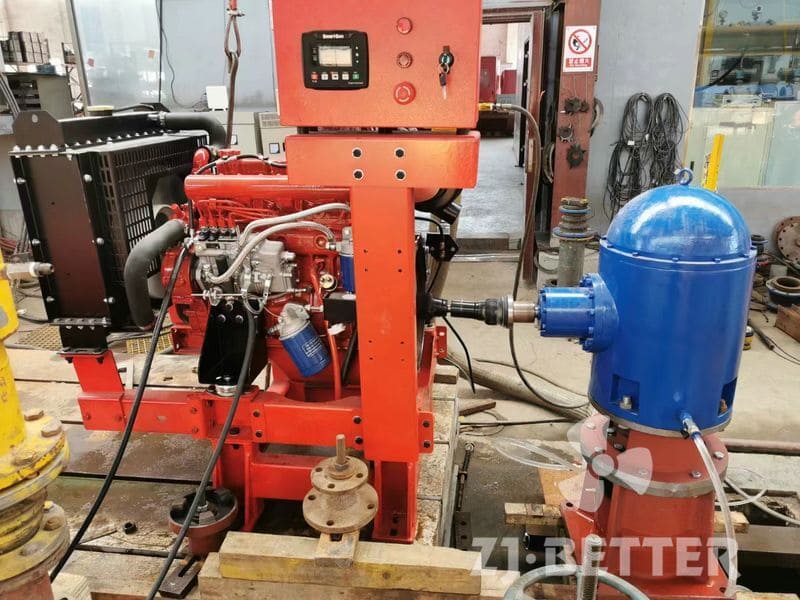
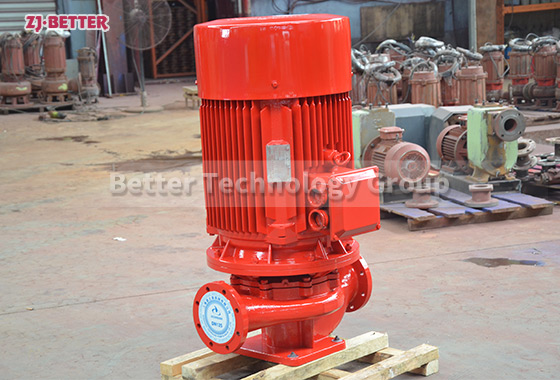
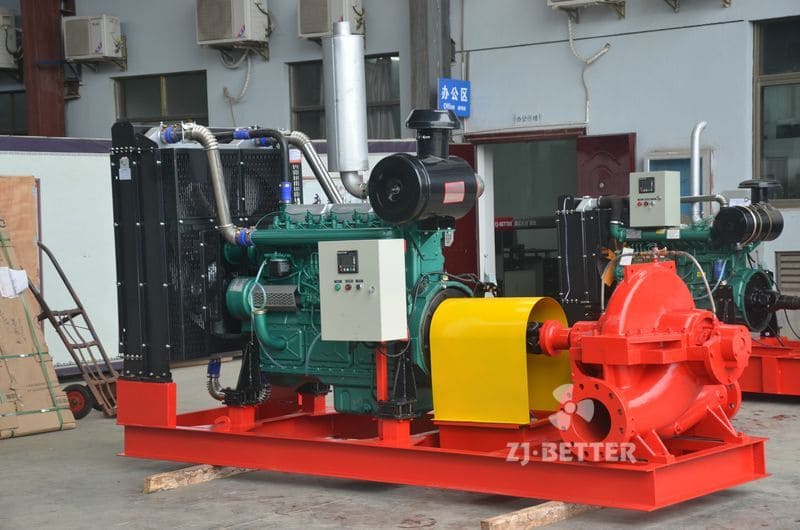
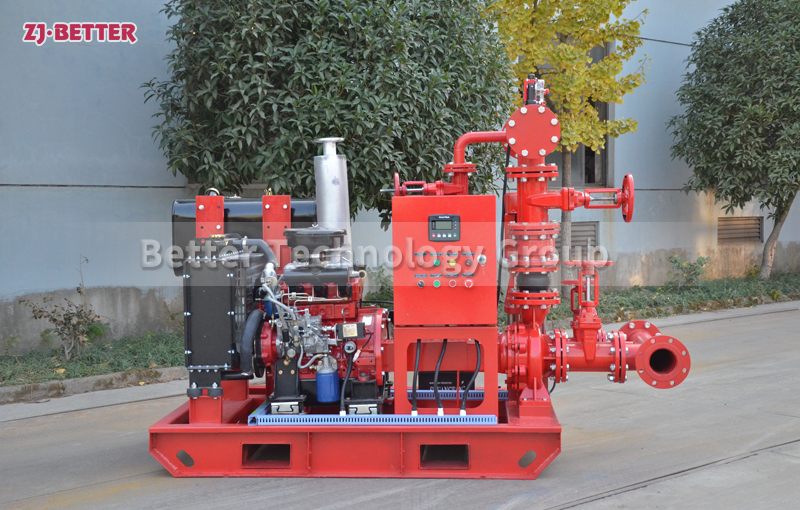
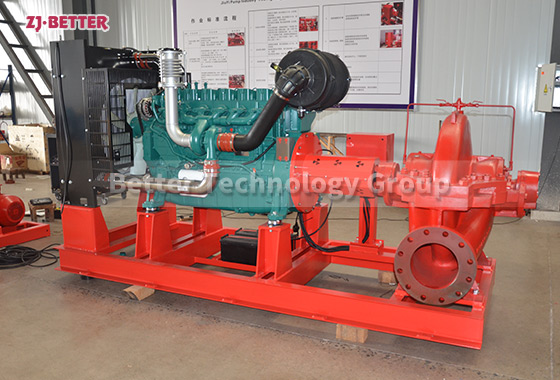
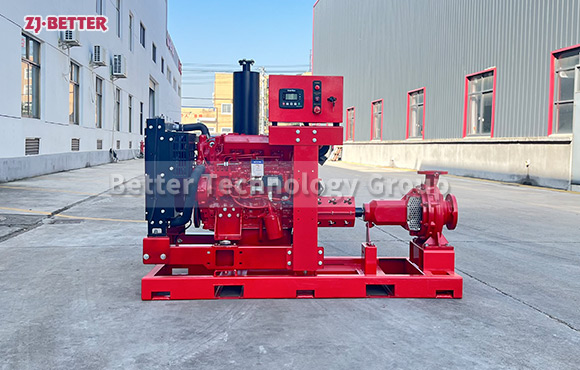
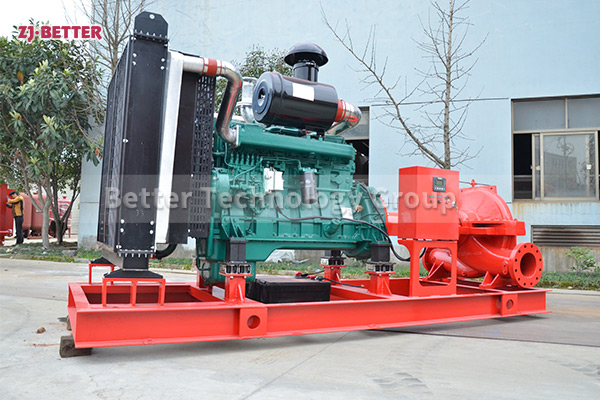
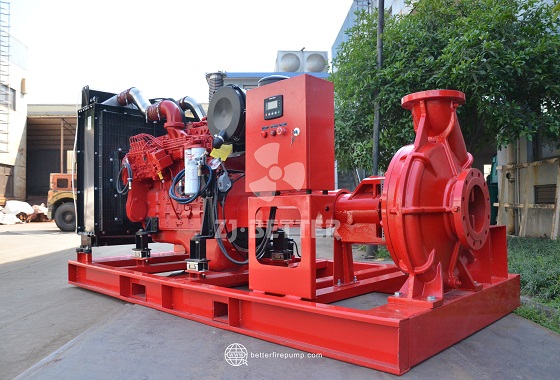
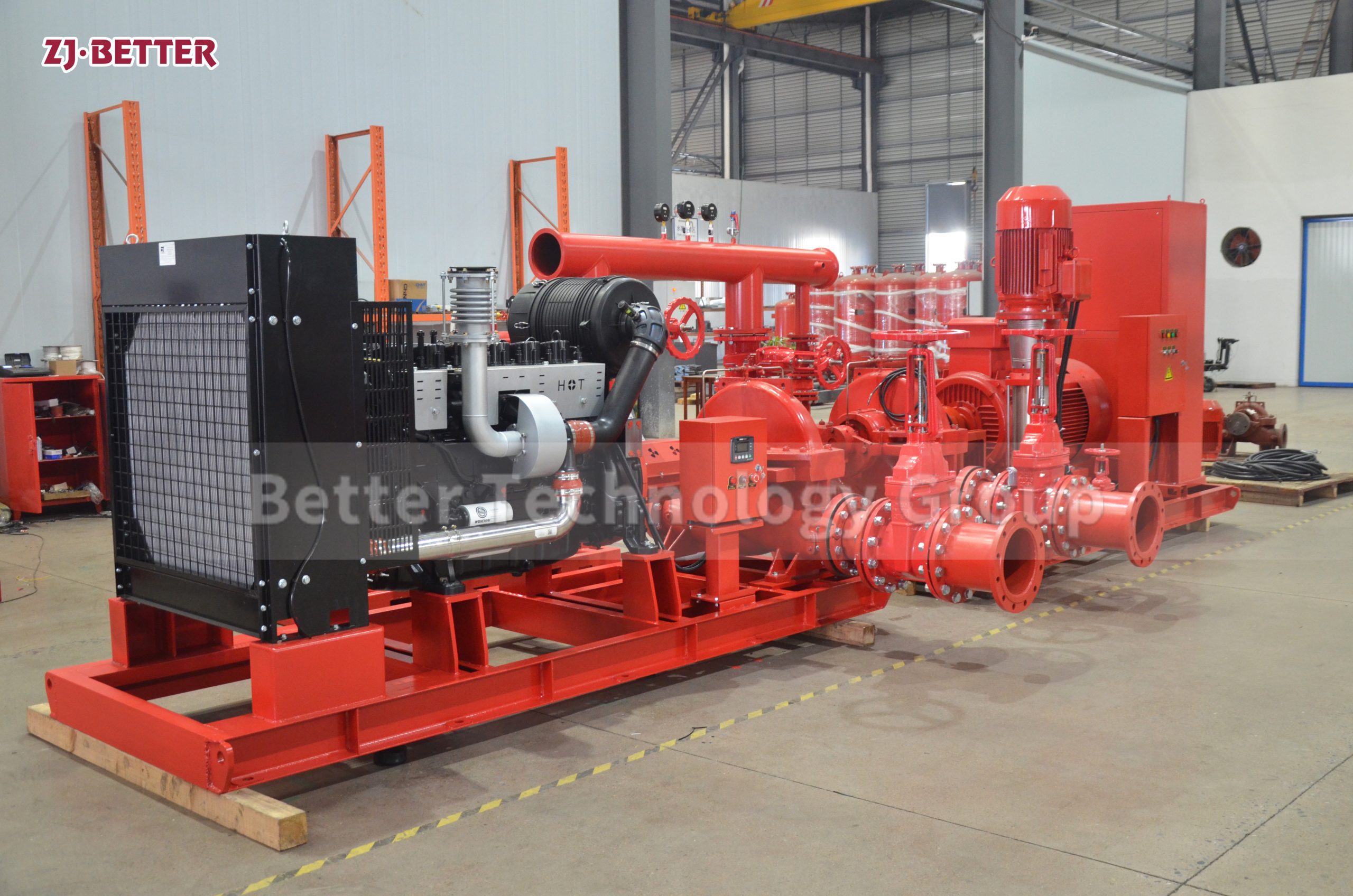
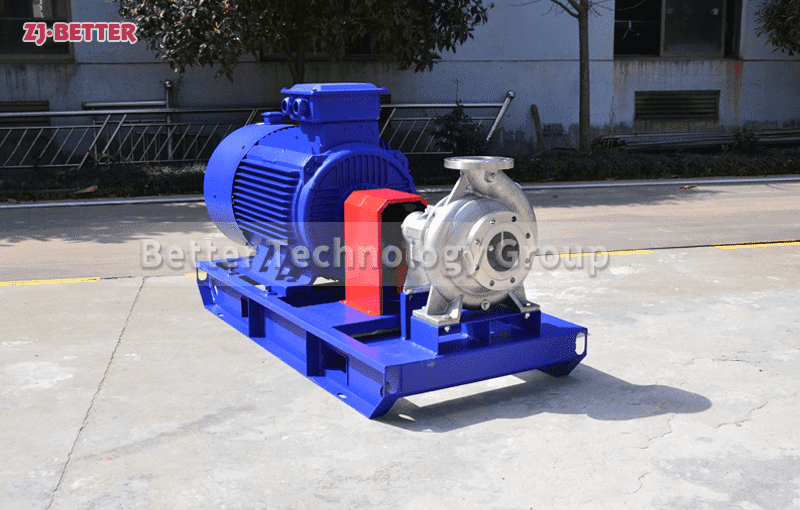
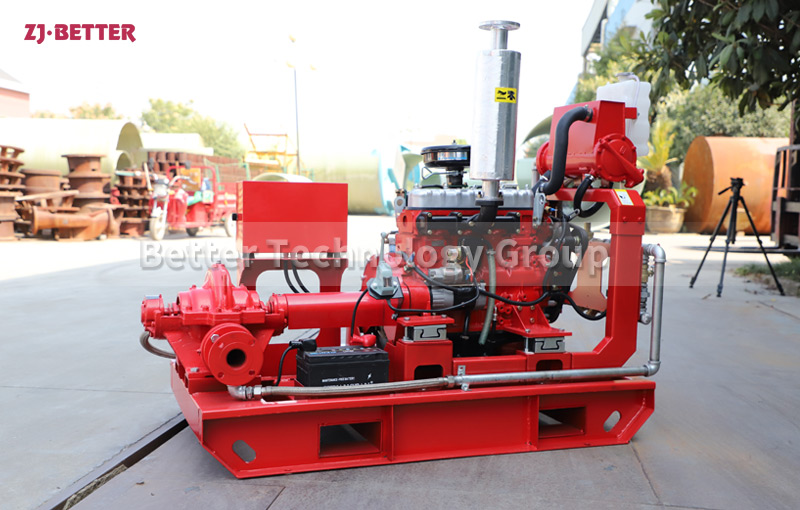
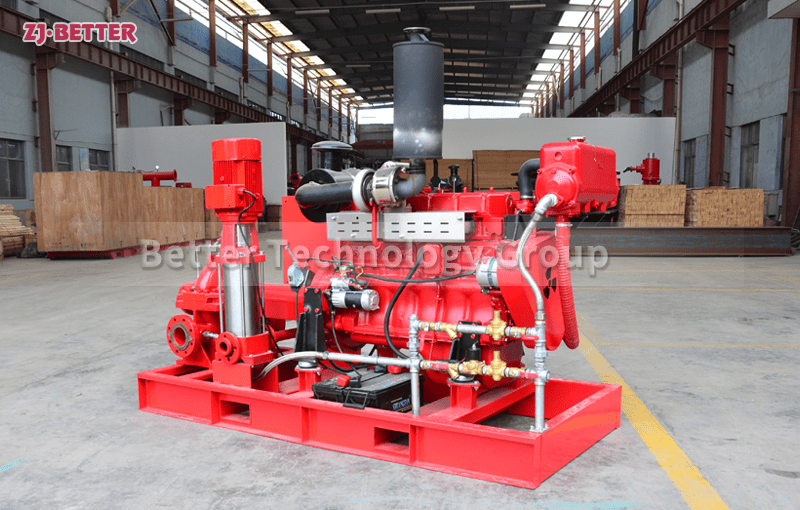
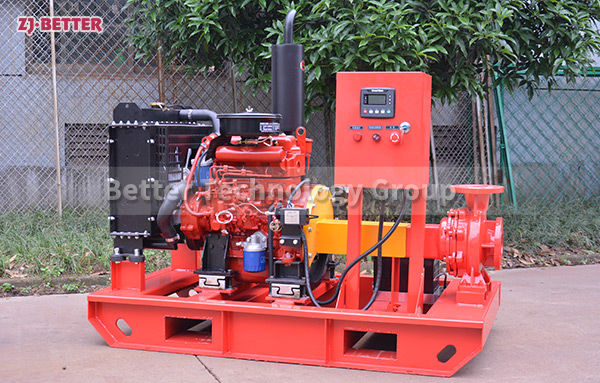
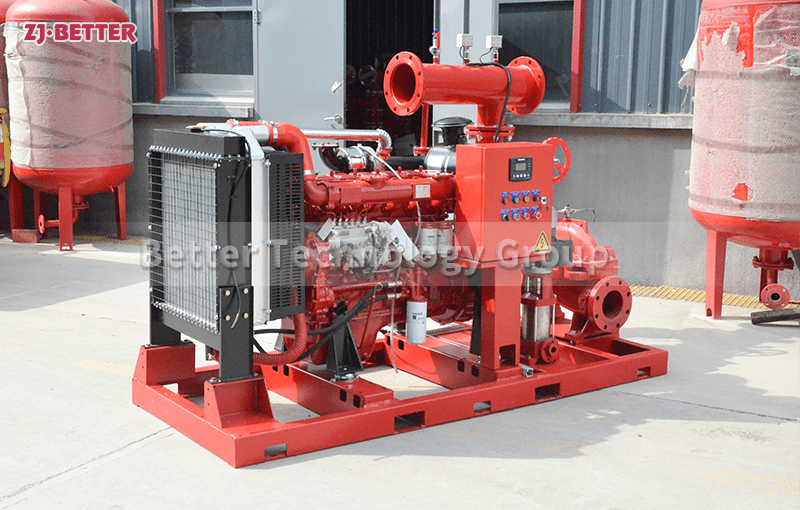
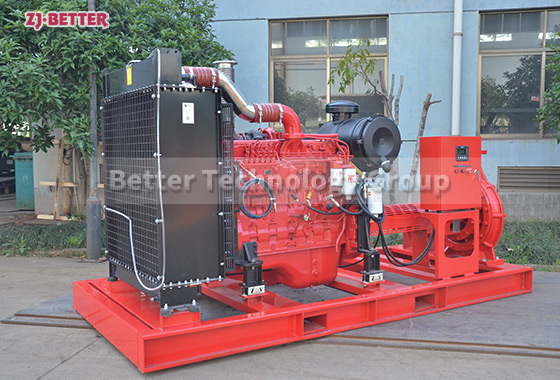
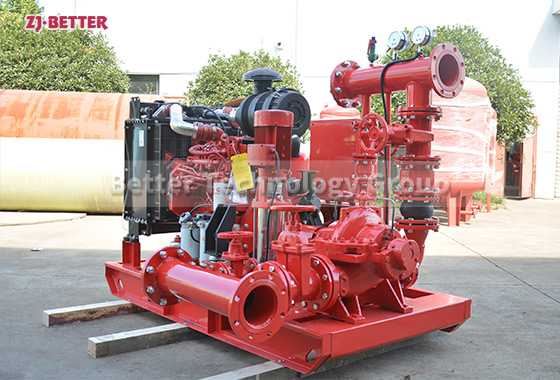
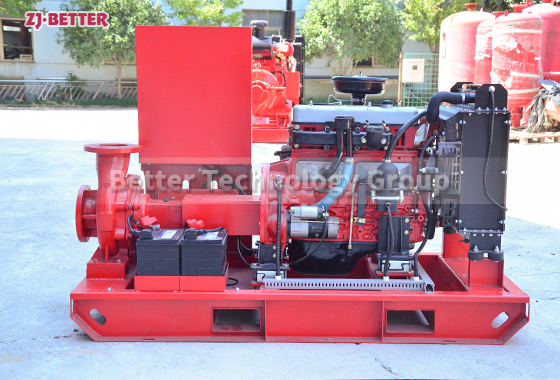
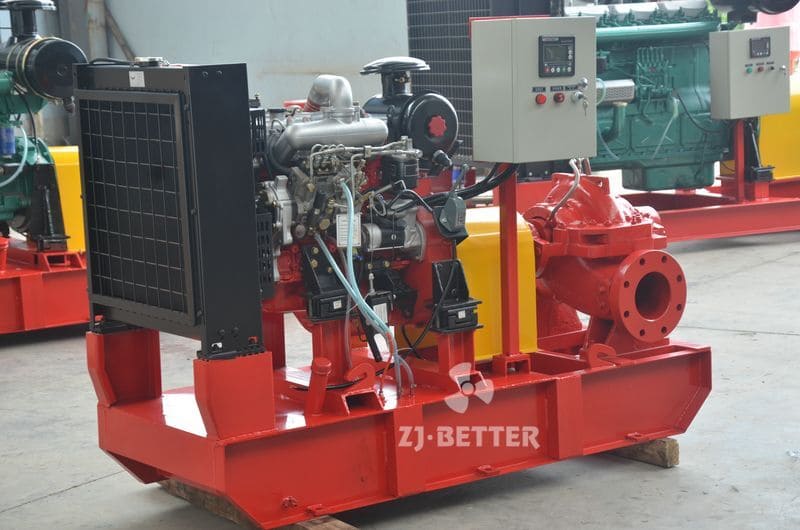
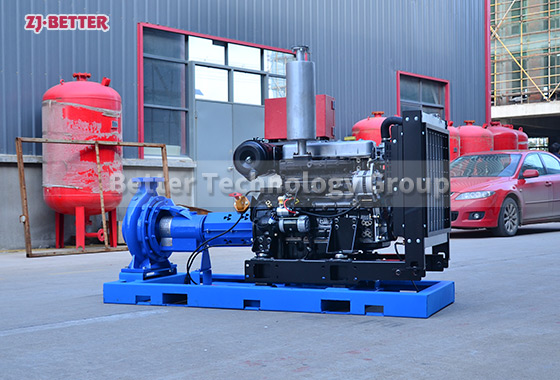
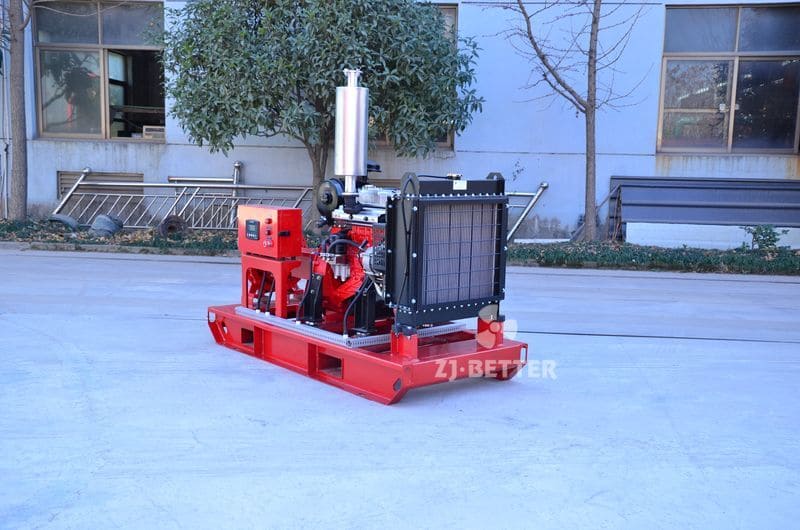
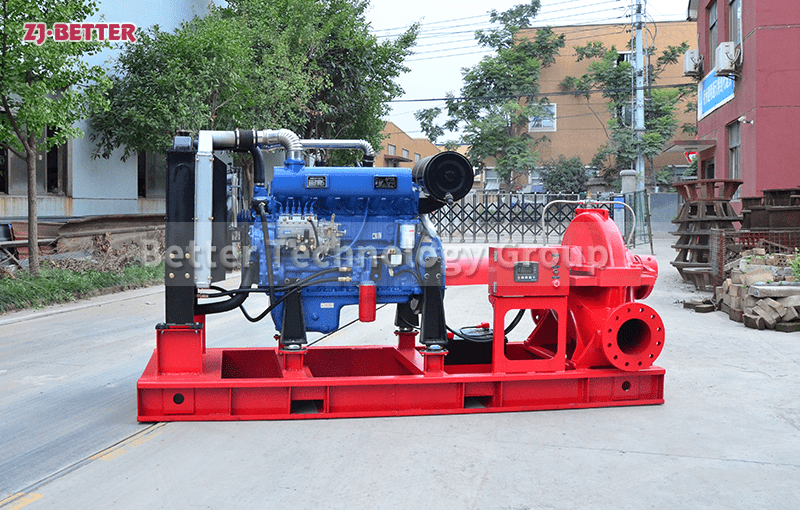
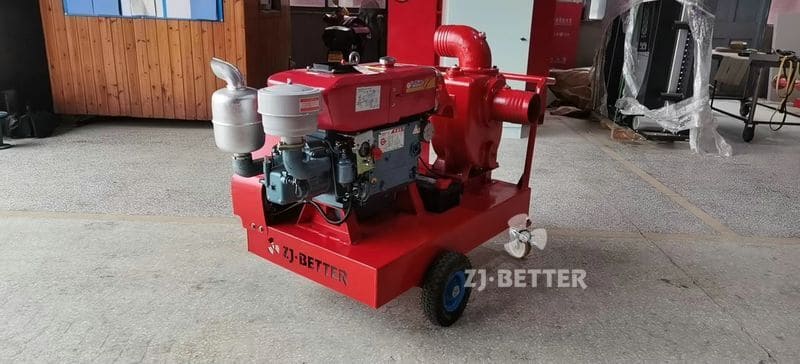
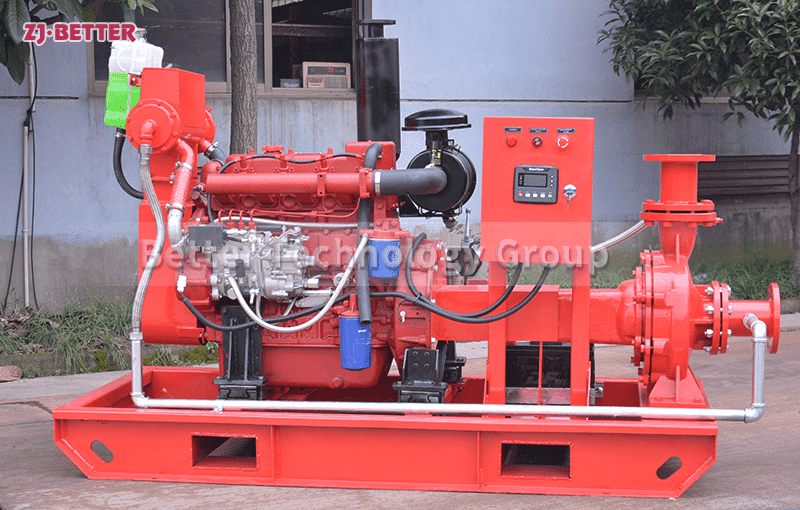
In order to avoid the wear of the diesel engine fire pump, a shaft sleeve is installed to protect the part where the shaft passes through the packing cavity. An O-ring is installed between the sleeve and the shaft to prevent air intake or water leakage along the mating surface. The transmission mode of the diesel engine fire pump is connected with the electric motor by lengthening the elastic coupling. The rotation direction of the pump, viewed from the driving end, is clockwise. The inlet and outlet flanges of the diesel engine fire pump are designed according to the pressure of 1.6Mpa, and the pipeline is convenient to match.

Rated 4.5/5 based on 218 customer reviews
Share:
Content

Diesel engine fire pumps are relatively common in life, and their performance requirements are relatively high. In ordinary use, more attention should be paid to maintenance, so as to prolong the service life of the pump. Because diesel fire pumps are not omnipotent, there will be some problems in daily use, so when choosing equipment, we must pay attention to whether the quality of the equipment meets the national standards. As fire equipment, all kinds of equipment must be To ensure performance, avoid affecting use in disaster situations and delaying rescue.
Inquiry


    More Diesel engine fire pump

    Maintaining a diesel engine fire pump is crucial to ensure its reliable operation in case of emergencies. Below are some essential maintenance tips for a diesel engine fire pump:

    Regular Inspections: Schedule periodic inspections by a certified technician to assess the condition of the fire pump. Inspect the engine, fuel system, cooling system, electrical connections, and other critical components.
    Battery and Electrical System: Inspect and maintain the battery and electrical connections to ensure reliable engine starting. Clean any corrosion from terminals and replace weak batteries promptly.

    Run Regular Tests: Perform routine tests of the diesel engine fire pump to verify its functionality. Regular testing will help identify potential issues and ensure the pump is ready for operation during emergencies.

    Follow Manufacturer’s Guidelines: Always adhere to the maintenance guidelines provided by the fire pump manufacturer. These guidelines are tailored to the specific model and will help extend the life of the equipment.

    Train Personnel: Ensure that the personnel responsible for maintaining and operating the diesel engine fire pump are well-trained and knowledgeable about its components and maintenance requirements.

    Emergency Plan: Have a contingency plan in place in case the fire pump fails during an emergency. This plan should include alternative water sources or backup fire suppression systems.

    Remember, regular maintenance is essential to keep the diesel engine fire pump in optimal working condition and ready to protect lives and property during critical situations. Always prioritize safety and follow best practices when handling and maintaining fire protection equipment.