Home » Diesel engine fire pump » Diesel engine pump has the characteristics of small size and small footprint

Diesel engine pump has the characteristics of small size and small footprint

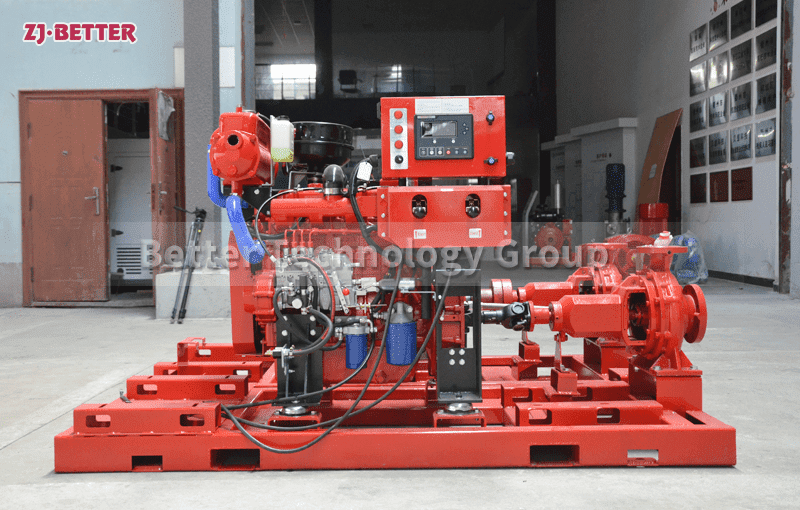
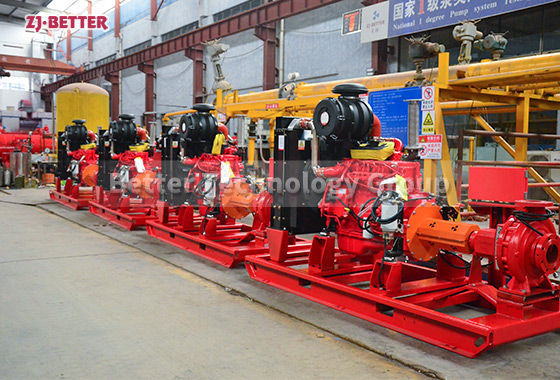
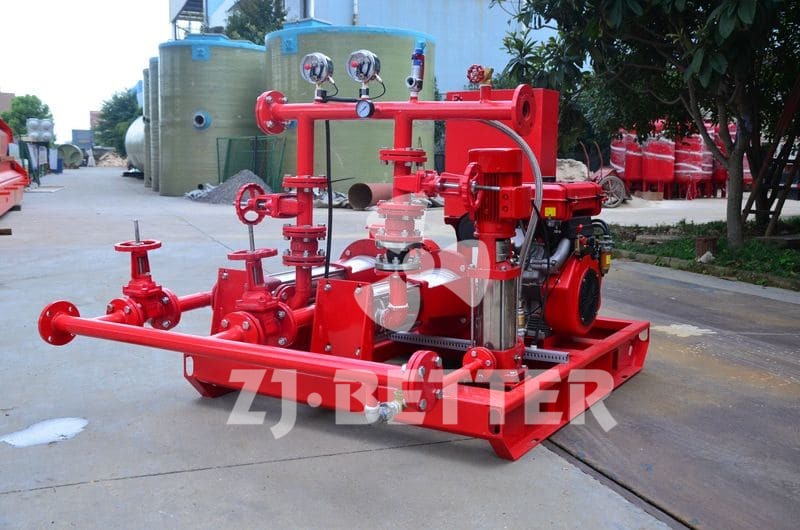
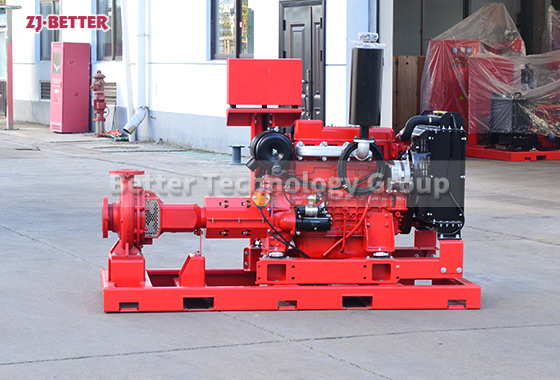
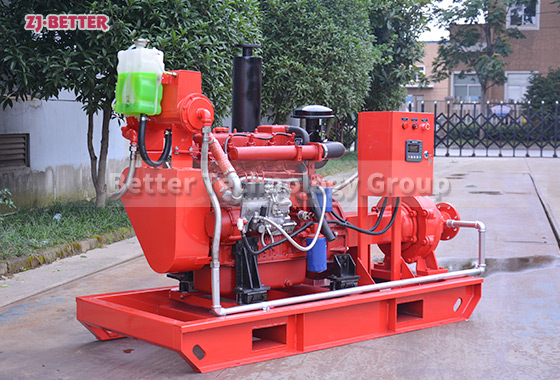
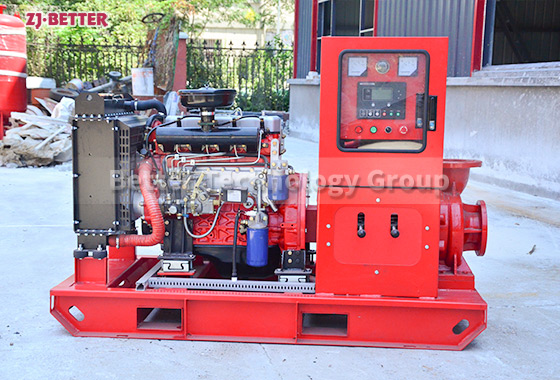
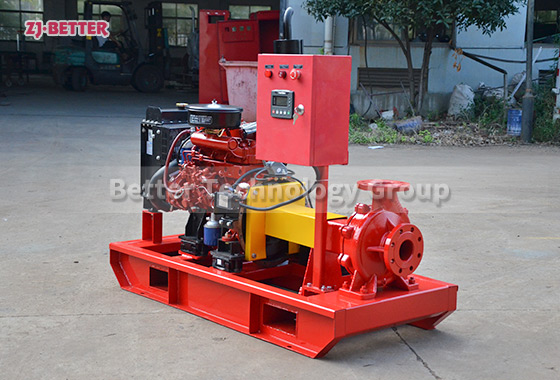
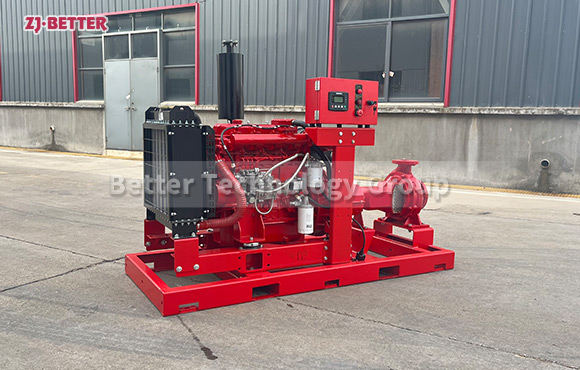
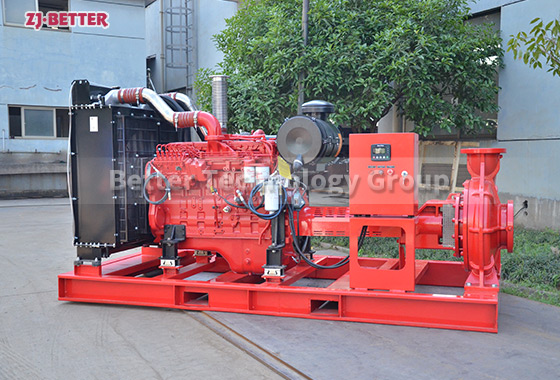
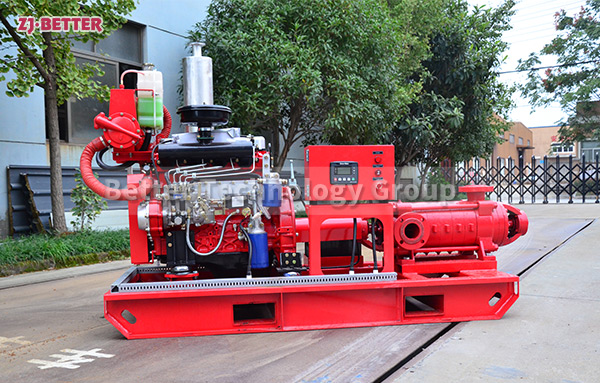
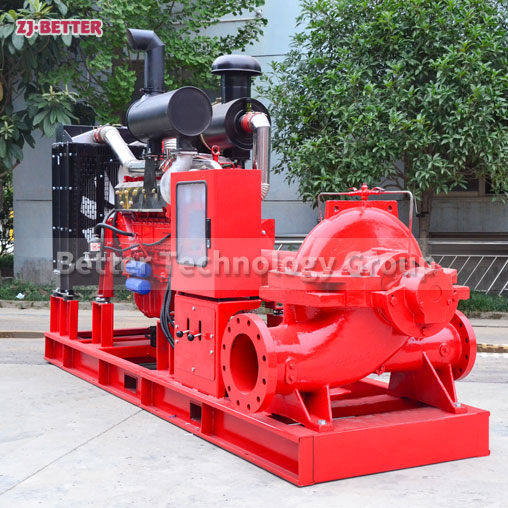
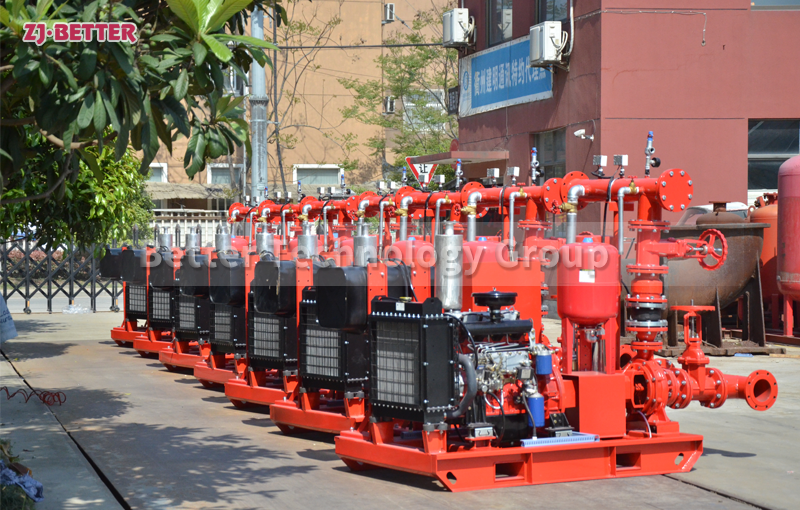
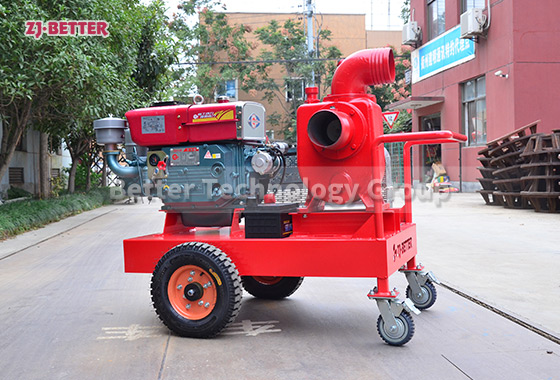
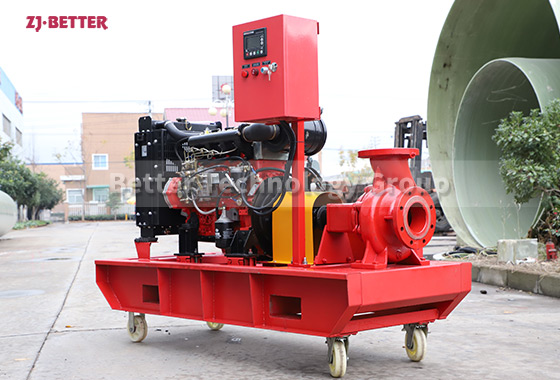
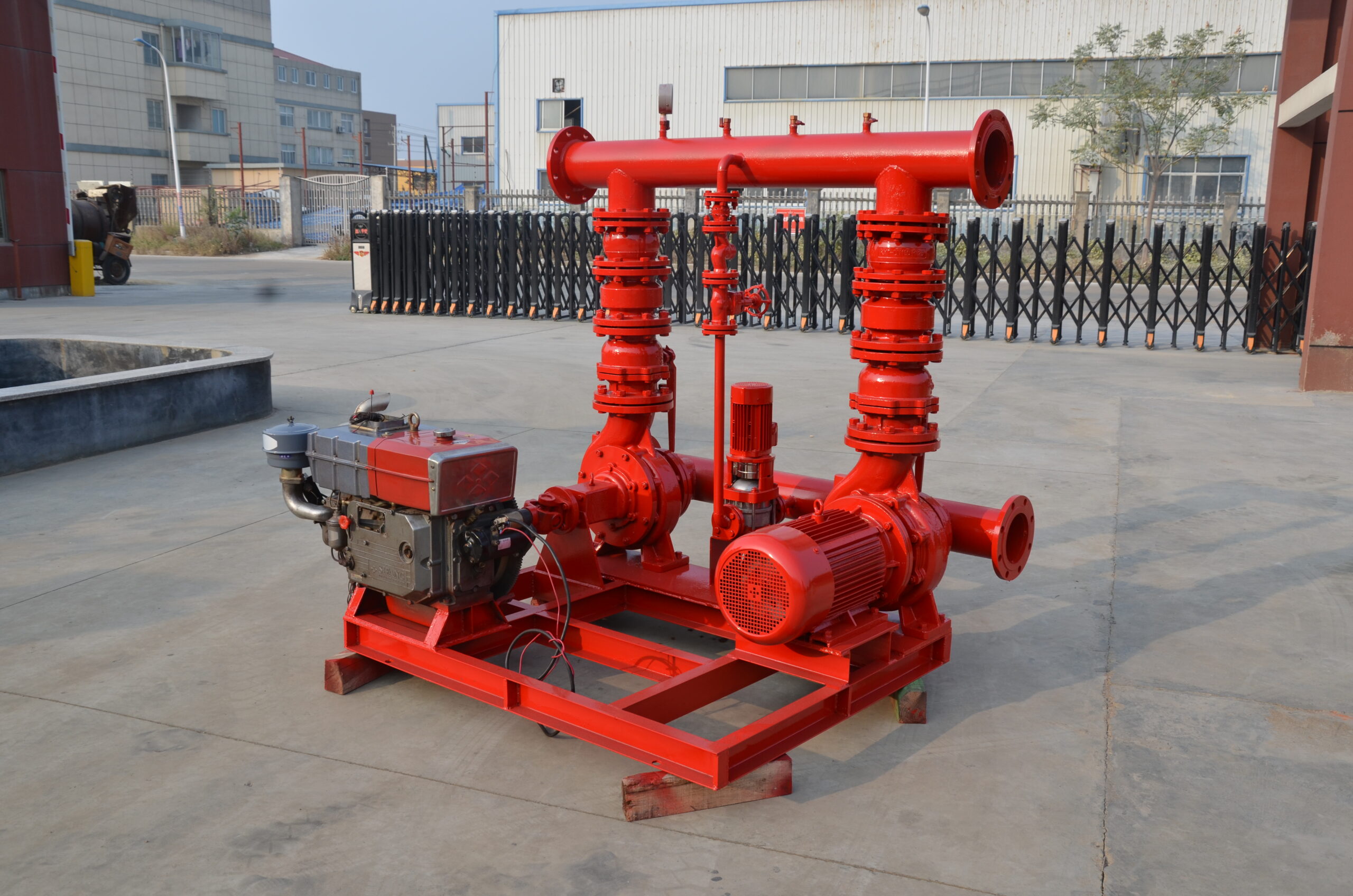
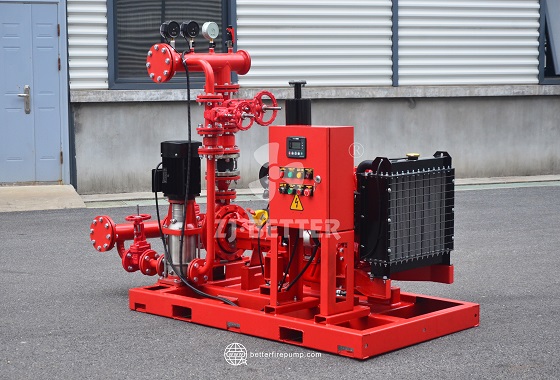
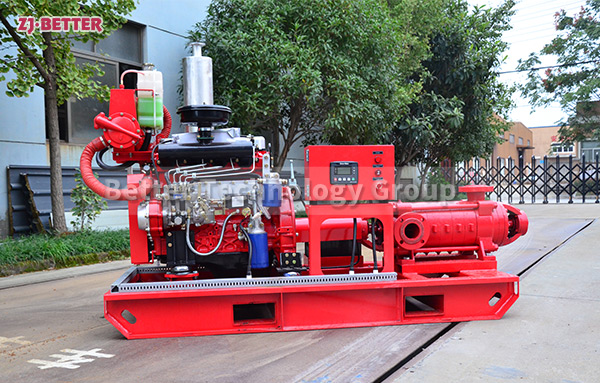
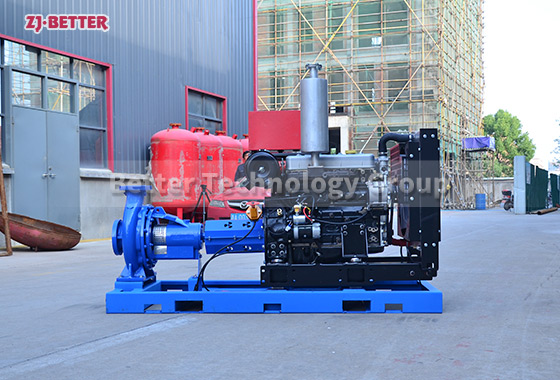
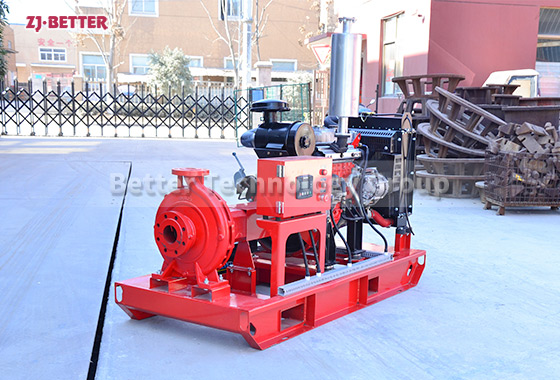
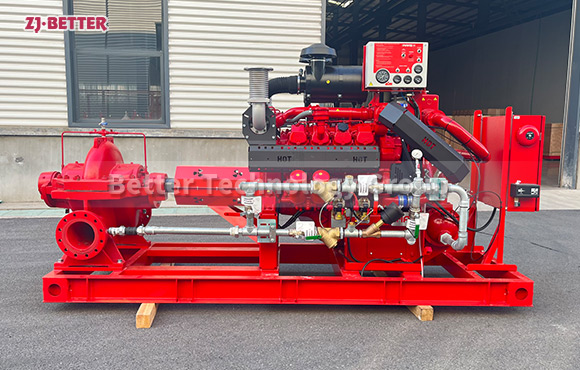
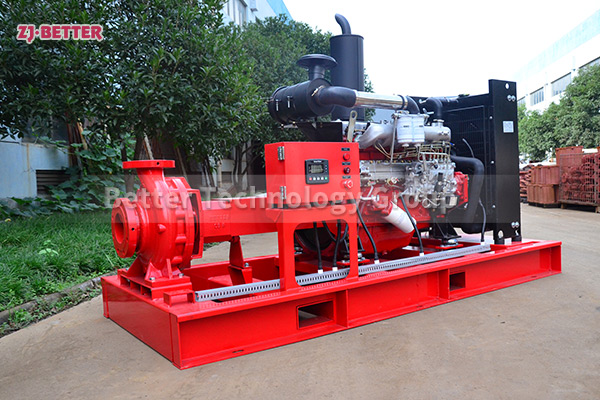
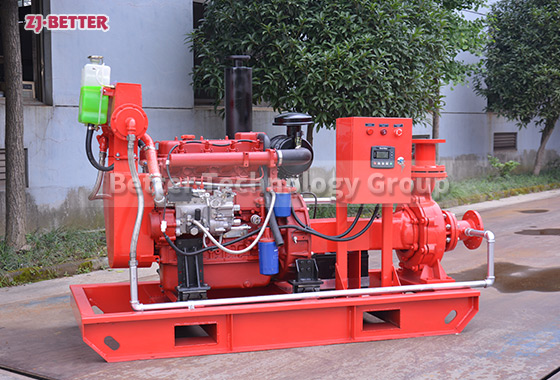
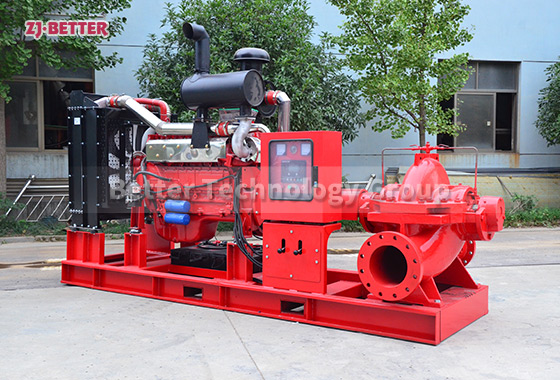
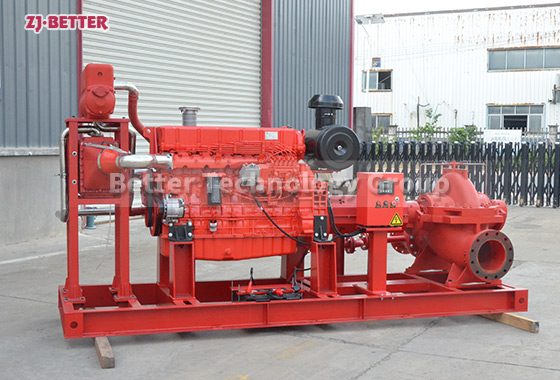
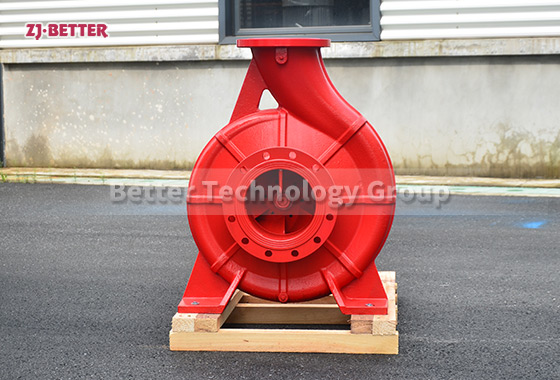
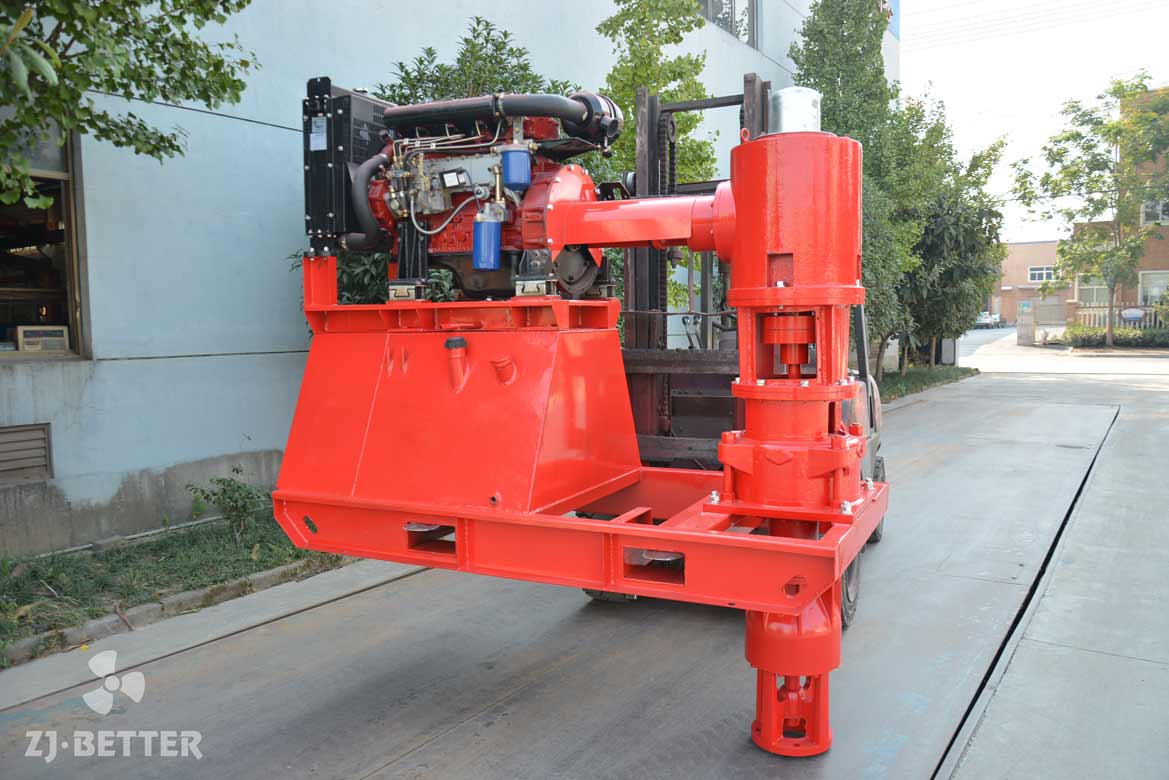
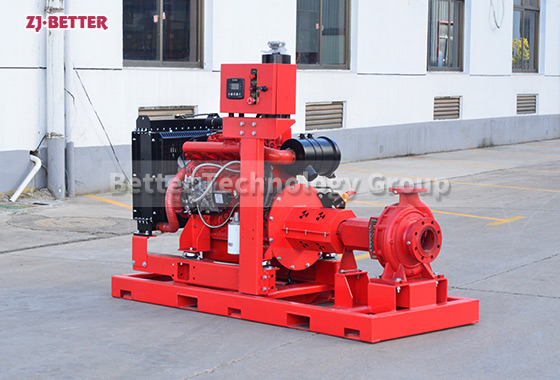
The diesel engine fire pump has compact structure, small size and beautiful appearance. Its vertical structure determines that the installation area is small, and its center of gravity coincides with the center of the pump foot, thus enhancing the running stability and service life of the pump. The horizontal direction simplifies the connection of the pipeline, the pump rotor has a small winding, stable operation, low vibration, low noise and long service life. Diesel engine fire pump is mainly used for pressurized water supply in fire protection system pipelines, and can also be used in industrial and urban water supply and drainage, high-rise building pressurized water supply, long-distance water supply, heating, bathroom, boiler cold and warm water circulation pressurized air conditioning refrigeration system water supply and equipment matching, etc. occasion.

Rated 5/5 based on 209 customer reviews
Share:
Content

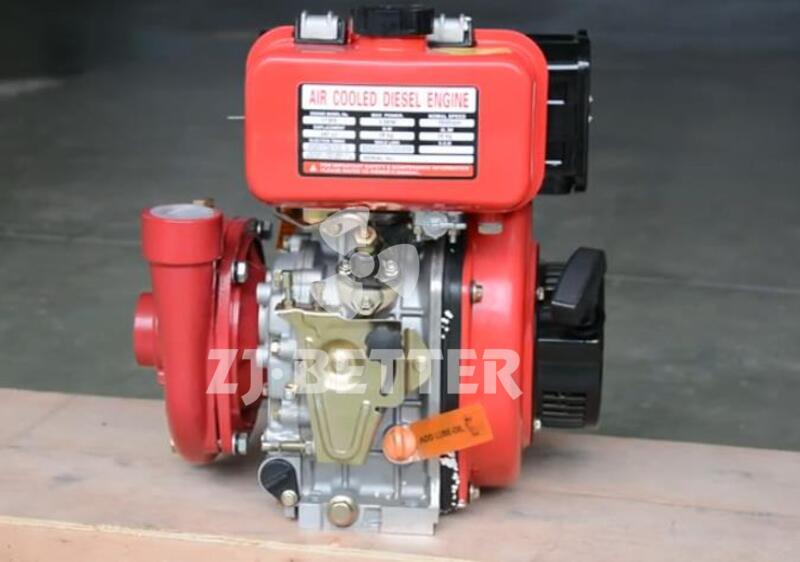
The main heat dissipation methods of diesel engine fire pumps can be divided into two types: wind heat dissipation and water heat dissipation. According to the two heat dissipation principles, the water heat dissipation system dissipates heat evenly and has a good heat dissipation effect. The relative price is also relatively low, so most diesel fire pumps mainly use water for heat dissipation. Wind cooling is divided into two types: natural wind and forced wind. Natural wind is to use the airflow coming in from the machine during movement to directly cool the cylinder head, cylinder block and other parts; The airflow at the place increases the cooling rate and area. The principle of water heat dissipation is to use water or antifreeze as a cooling medium to take away the heat of the high-temperature parts of the diesel fire pump engine to ensure the normal working temperature of the engine.
Inquiry


    More Diesel engine fire pump

    Maintaining a diesel engine fire pump is crucial to ensure its reliable operation in case of emergencies. Below are some essential maintenance tips for a diesel engine fire pump:

    Regular Inspections: Schedule periodic inspections by a certified technician to assess the condition of the fire pump. Inspect the engine, fuel system, cooling system, electrical connections, and other critical components.
    Battery and Electrical System: Inspect and maintain the battery and electrical connections to ensure reliable engine starting. Clean any corrosion from terminals and replace weak batteries promptly.

    Run Regular Tests: Perform routine tests of the diesel engine fire pump to verify its functionality. Regular testing will help identify potential issues and ensure the pump is ready for operation during emergencies.

    Follow Manufacturer’s Guidelines: Always adhere to the maintenance guidelines provided by the fire pump manufacturer. These guidelines are tailored to the specific model and will help extend the life of the equipment.

    Train Personnel: Ensure that the personnel responsible for maintaining and operating the diesel engine fire pump are well-trained and knowledgeable about its components and maintenance requirements.

    Emergency Plan: Have a contingency plan in place in case the fire pump fails during an emergency. This plan should include alternative water sources or backup fire suppression systems.

    Remember, regular maintenance is essential to keep the diesel engine fire pump in optimal working condition and ready to protect lives and property during critical situations. Always prioritize safety and follow best practices when handling and maintaining fire protection equipment.