Home » Diesel engine fire pump » Diesel Fire Pump Set: Reliable Protection When Power Fails

Diesel Fire Pump Set: Reliable Protection When Power Fails

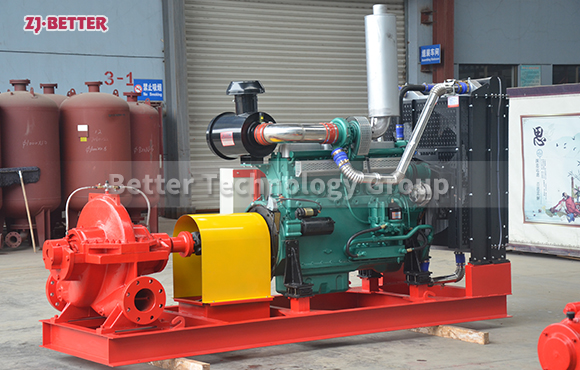
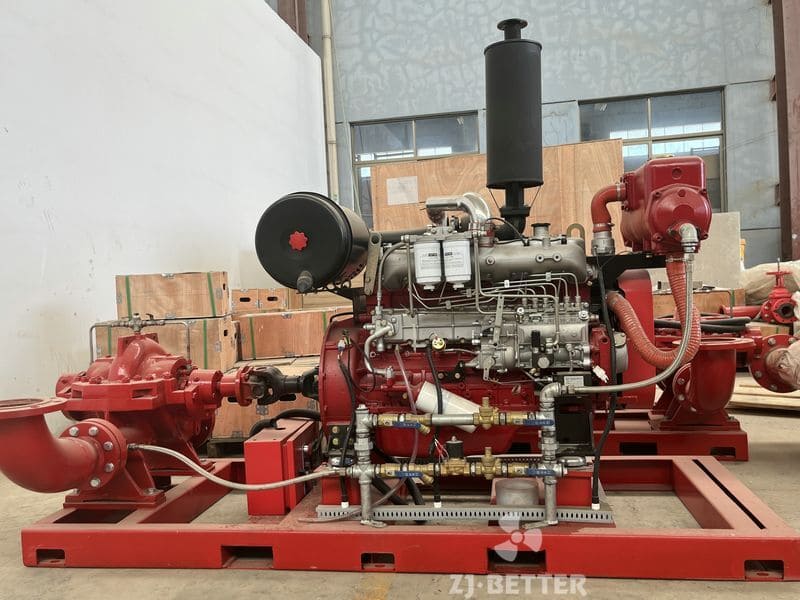
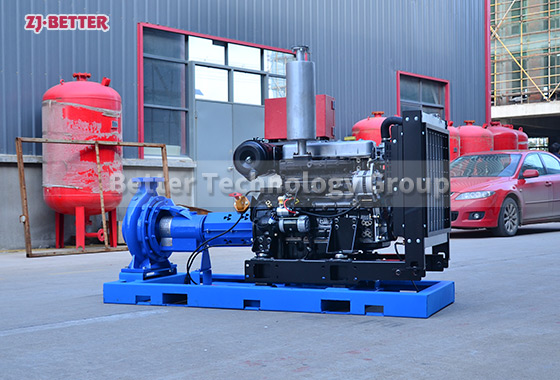
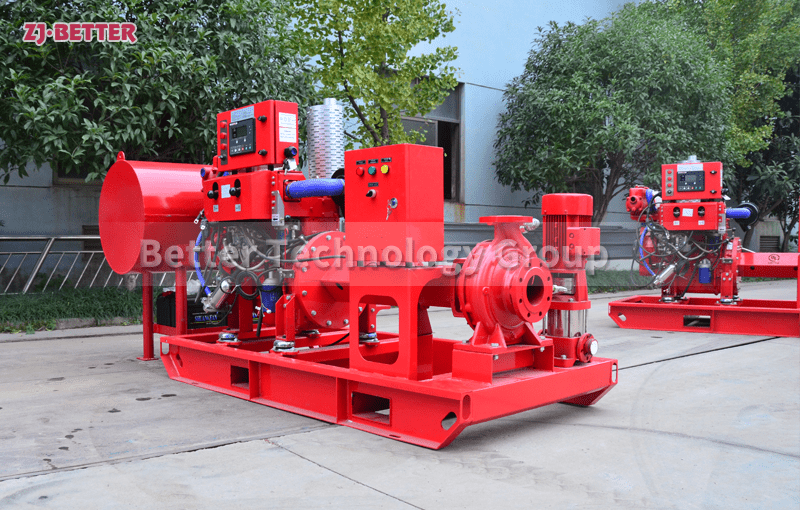
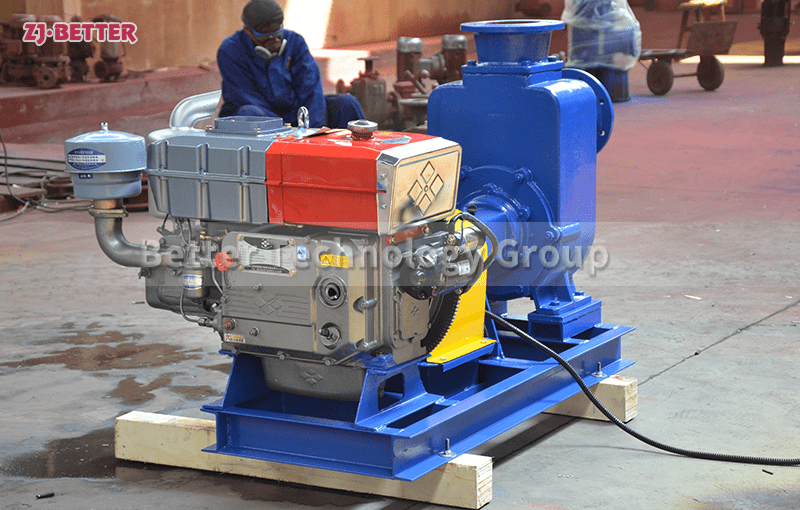
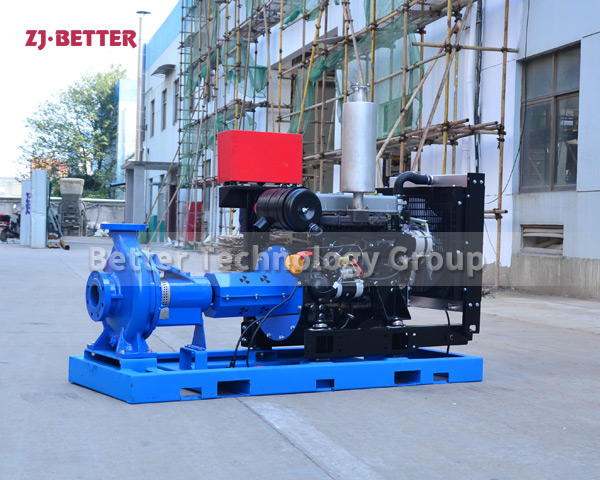
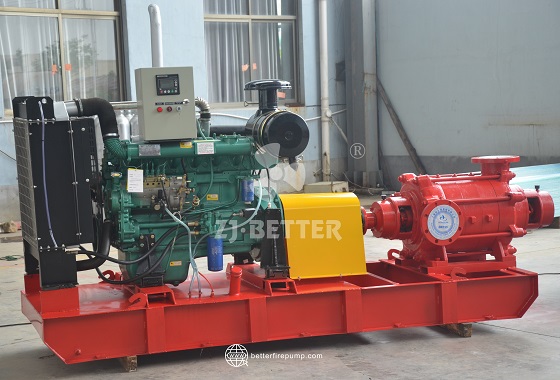
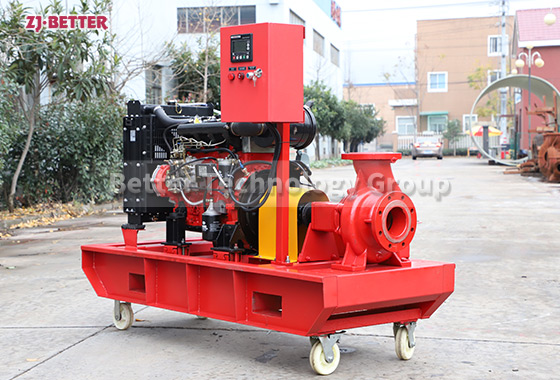
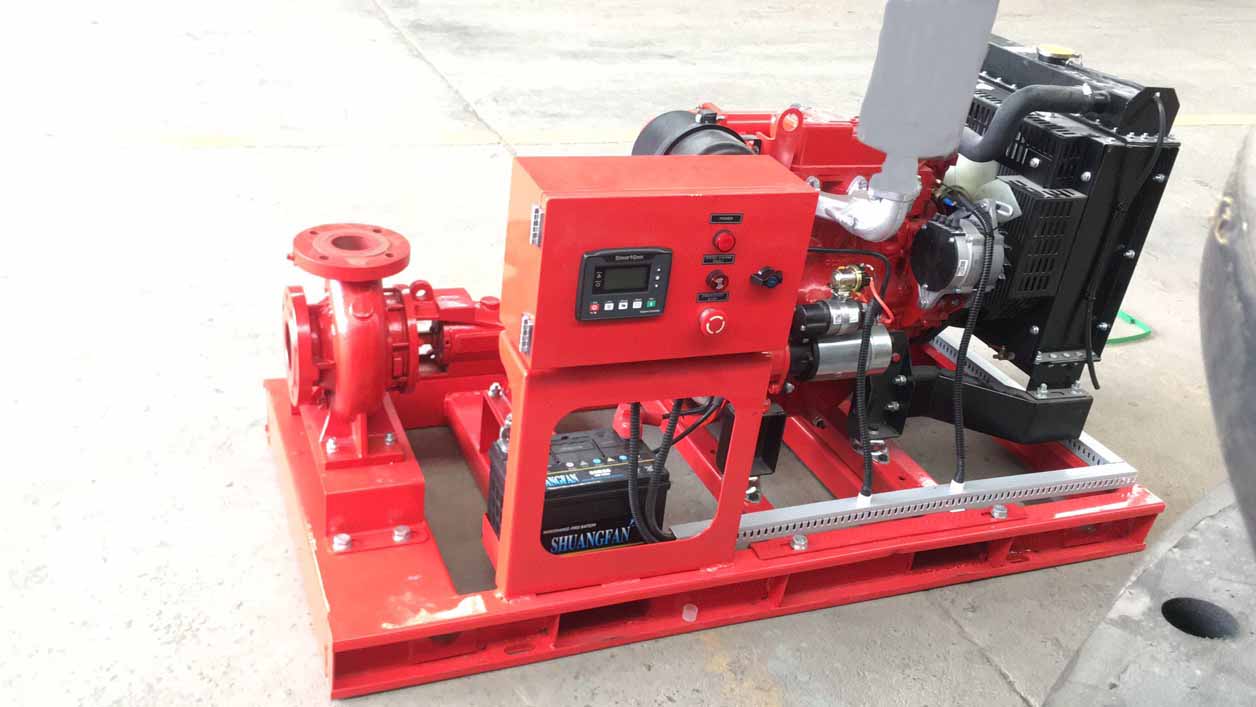
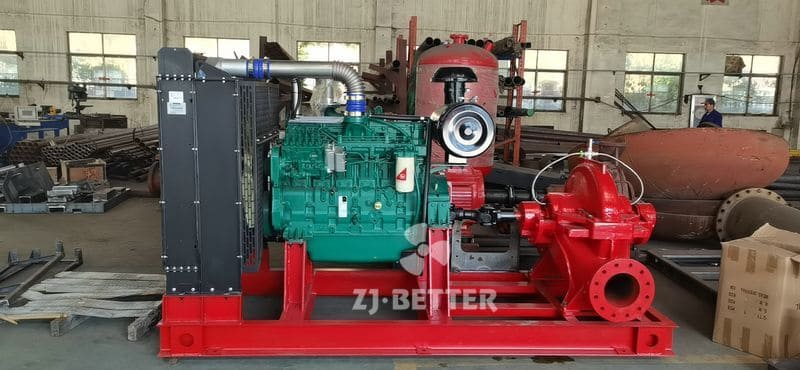
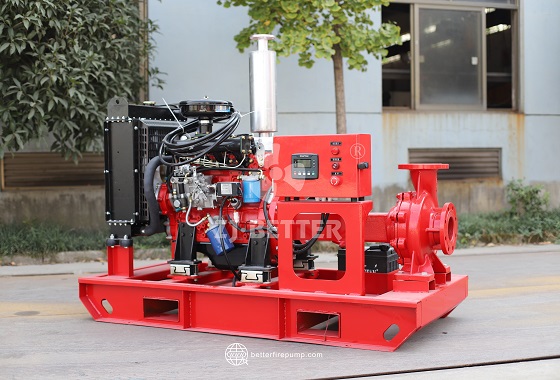
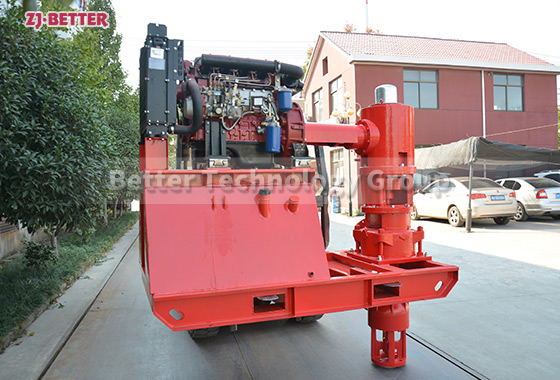
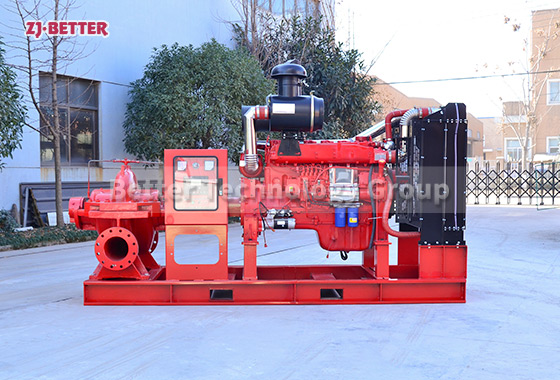
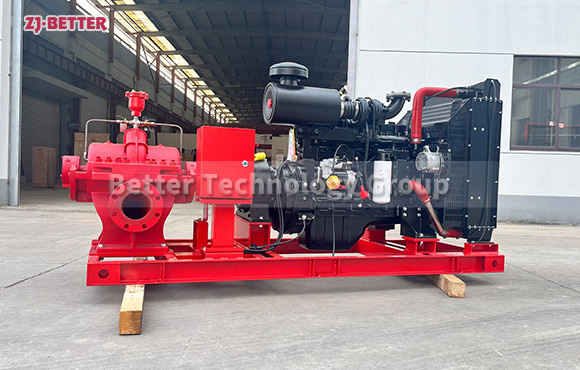
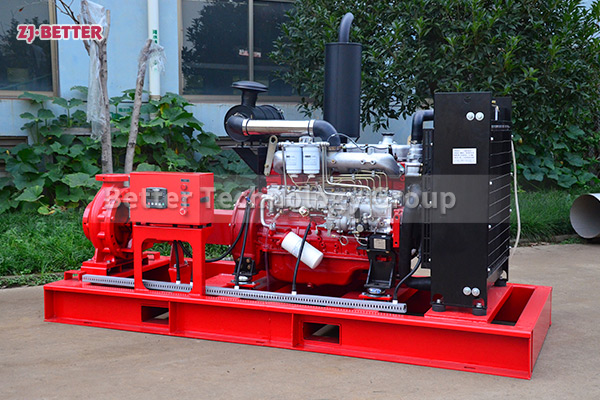
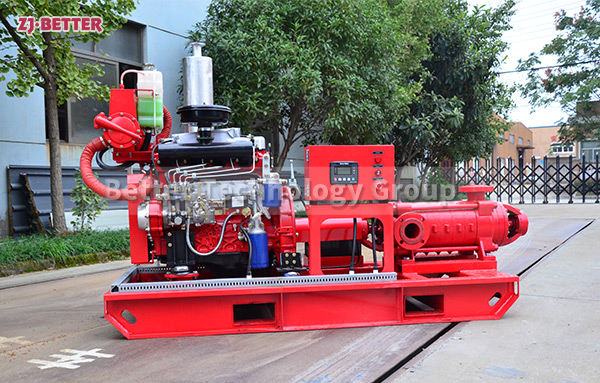
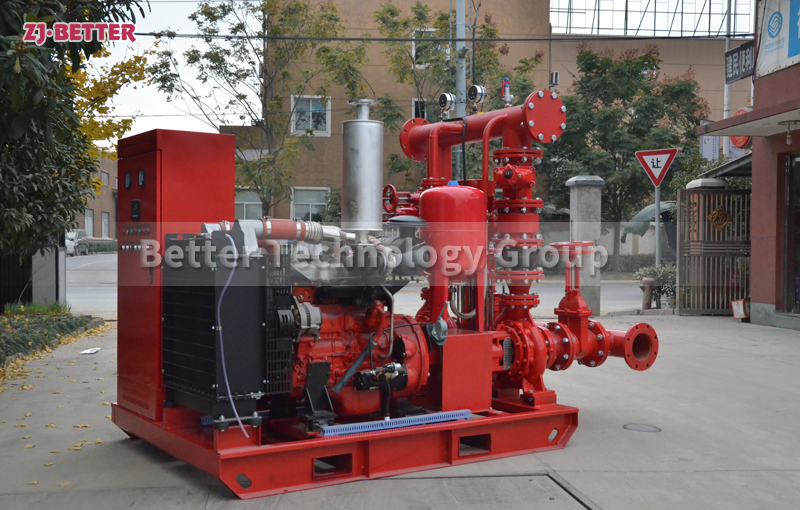
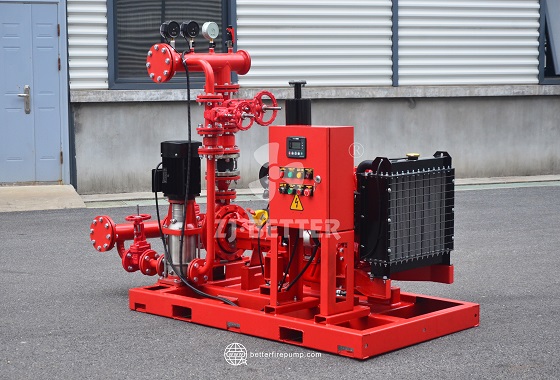
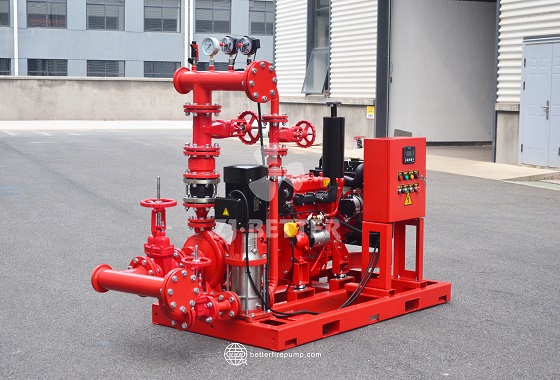
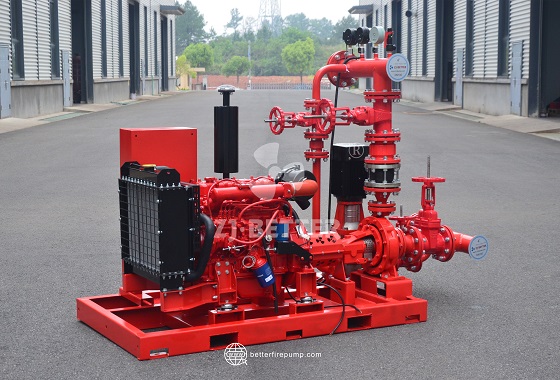
In emergency situations, a power outage can jeopardize the entire fire safety system. The Diesel Engine Driven Fire Pump Set is specifically engineered to deliver reliable and uninterrupted water supply even when electricity is unavailable.

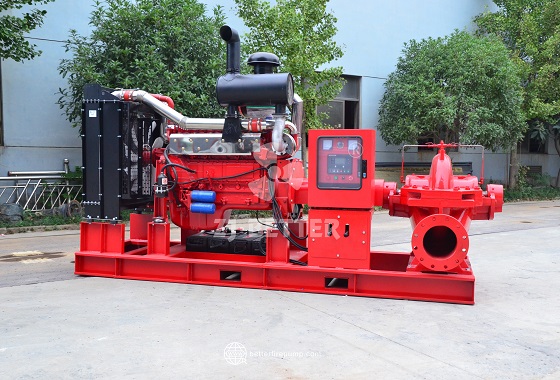
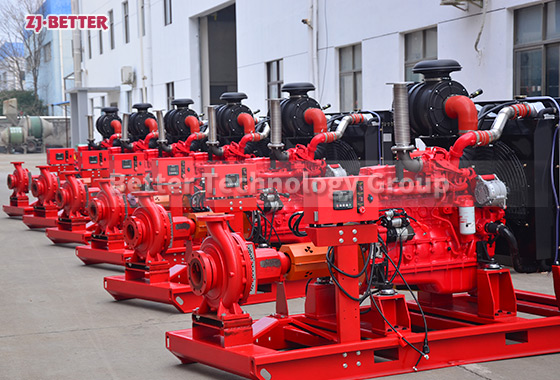
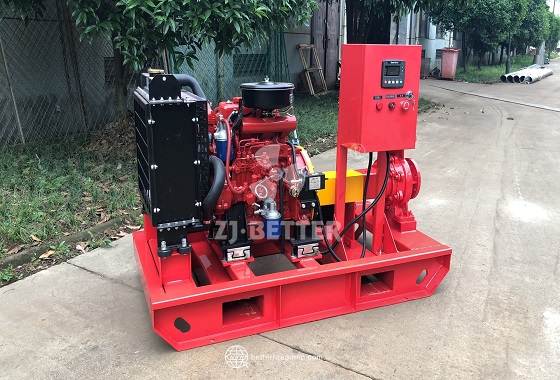
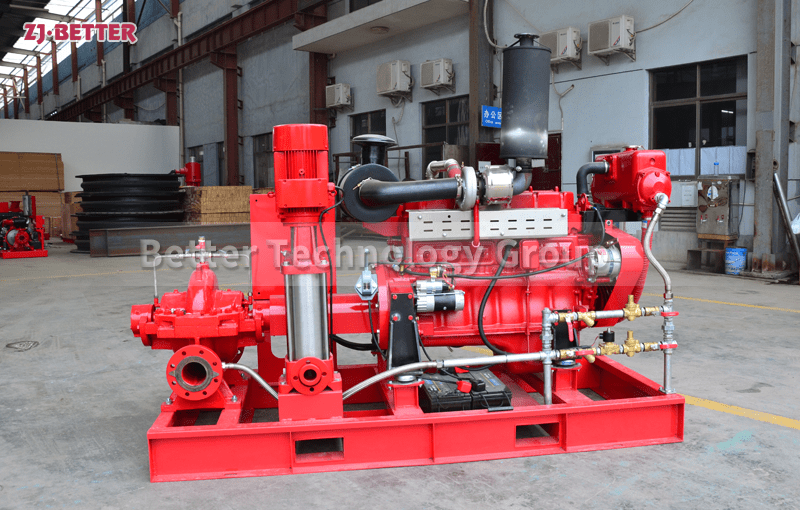
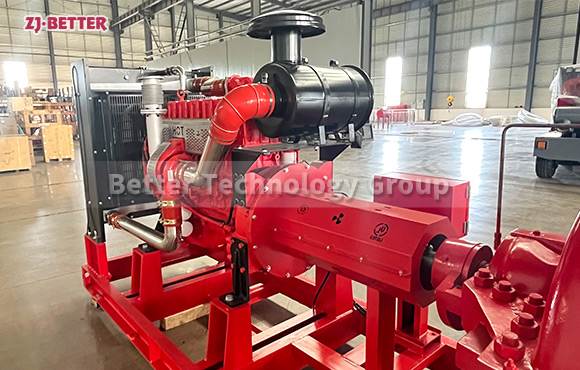
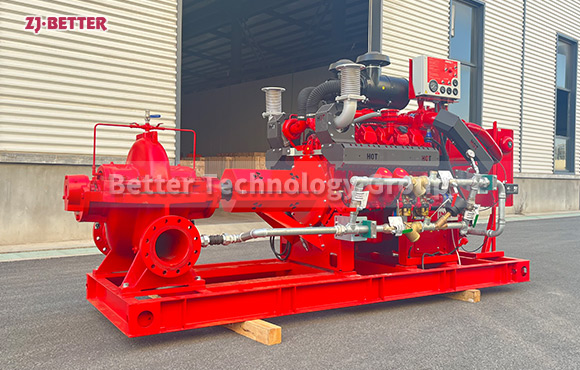
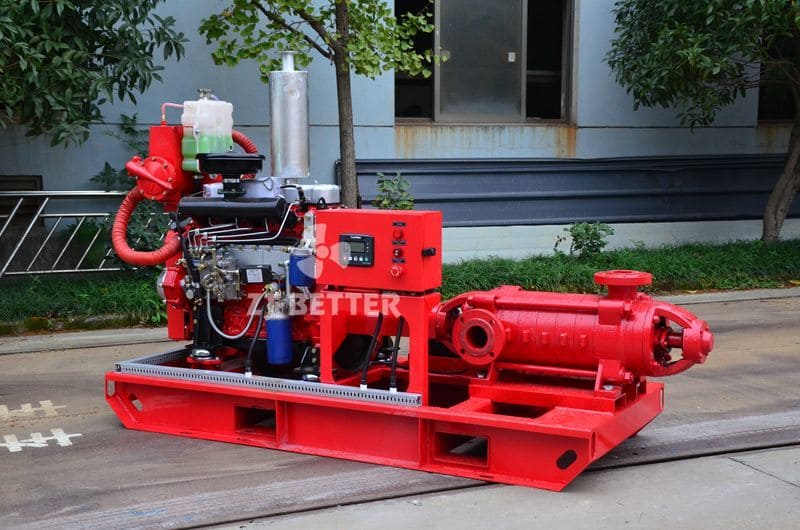
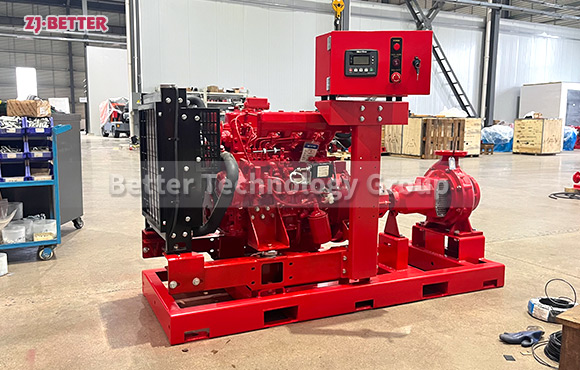
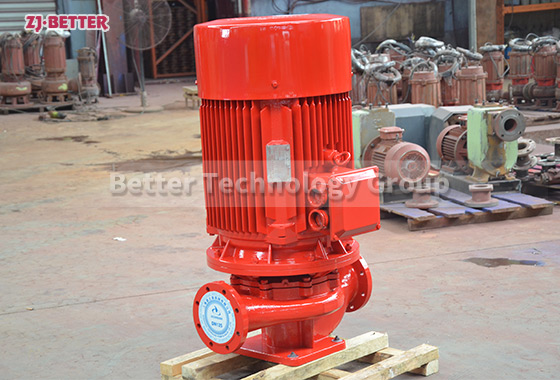
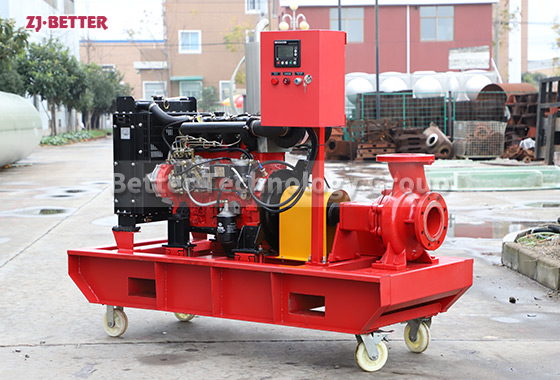
This unit features a high-performance diesel engine coupled with an efficient centrifugal pump, offering stable pressure, ample flow rate, and rapid start-up. Whether deployed in industrial parks, high-rise buildings, or remote fire protection zones, it ensures dependable operation at critical moments—protecting lives and assets.

Equipped with a smart control panel for one-touch start and automatic switch-over, this system is easy to maintain, cost-effective to operate, and fully compliant with international fire safety standards. It is widely trusted in fire protection projects across the globe.

Rated 4.9/5 based on 218 customer reviews
Share:
Content

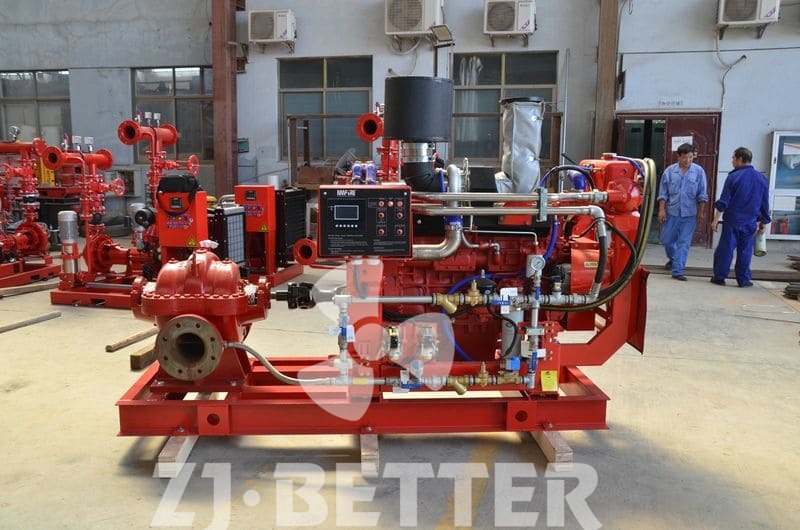
This company is a specialized manufacturer deeply rooted in the field of fire pump systems, integrating R&D, production, quality inspection, and after-sales service. It is dedicated to delivering efficient, safe, and intelligent fire protection solutions to clients worldwide. The product portfolio includes electric motor fire pump sets, diesel engine fire pumps, pressure maintenance equipment, control panels, and fully integrated pump stations—designed to meet the diverse fire safety requirements across a wide range of building applications.

Equipped with advanced CNC machinery and automated assembly lines, the company operates under a stringent quality management system. From raw material sourcing to final product delivery, every unit undergoes multiple inspection procedures to ensure long-lasting reliability and operational stability. All products comply with major global certifications such as GB, NFPA, and EN, making them suitable for high-rise buildings, commercial complexes, industrial plants, petrochemical storage, and municipal infrastructures.

The technical team is composed of experienced engineers, many with over a decade of expertise in fire system engineering, capable of providing tailored design solutions and comprehensive technical support. With a robust after-sales service network and flexible project delivery capabilities, the company’s products have been successfully exported to Southeast Asia, the Middle East, Africa, South America, and beyond—earning a strong reputation in the international market.

Driven by the mission of “Quality First, Integrity-Based,” the company continues to deepen its focus on fire safety innovation, advancing product performance and setting a reliable defense line for life and property around the world.


如需我将这段扩写内容改写为社交媒体简介、领
Inquiry


    More Diesel engine fire pump

    The fire pump impeller plays a crucial role in the operation and performance of a fire pump. It is a key component responsible for generating the flow and pressure of water or firefighting agents. Here are the main roles and characteristics of the fire pump impeller:

    Flow Generation: The primary role of the impeller is to create the flow of water or firefighting agents within the pump. It consists of curved blades or vanes that spin rapidly when driven by the pump’s motor or engine. As the impeller rotates, it draws water into the pump and imparts energy to the fluid, causing it to move radially outward towards the pump outlet.

    Pressure Generation: The impeller also contributes to the generation of pressure within the fire pump. The curved blades of the impeller impart centrifugal force to the water, increasing its velocity. This increase in velocity is then converted into pressure as the water is directed towards the pump’s outlet. The shape and design of the impeller blades play a crucial role in optimizing pressure generation.

    Efficiency: The impeller design influences the overall efficiency of the fire pump. Efficient impeller designs are aimed at minimizing energy losses and maximizing the conversion of input power into hydraulic energy. Factors such as blade shape, size, and spacing are carefully considered to optimize the impeller’s efficiency and hydraulic performance.

    Material Selection: The impeller is typically constructed using materials that are resistant to corrosion, wear, and erosion. Common materials include bronze, stainless steel, or composite materials. The chosen material must withstand the demands of pumping water or firefighting agents, especially when operating in challenging environments.

    Impeller Trim: The impeller trim refers to the adjustment or modification of the impeller’s diameter or blade length. By changing the impeller trim, the pump’s performance characteristics, such as flow rate and pressure, can be adjusted to meet specific requirements. Trim modifications are often made during the pump’s installation or commissioning phase to optimize its performance for a given system.

    Compatibility and Performance Matching: The impeller is carefully selected to match the pump’s design, performance requirements, and system characteristics. Proper selection ensures that the impeller’s characteristics, such as flow capacity and pressure head, align with the intended application and hydraulic conditions. Matching the impeller to the pump system helps achieve optimal performance and efficiency.

    Maintenance and Inspection: The impeller requires regular inspection and maintenance to ensure its proper functioning. Over time, debris or particles may accumulate on the impeller blades, affecting its performance. Regular cleaning, inspection of blade condition, and realignment of impeller components are necessary to maintain optimal pump performance and prevent efficiency losses.

    The fire pump impeller is a critical component that contributes to the overall performance and efficiency of a fire pump system. Its role in generating flow and pressure ensures the effective delivery of water or firefighting agents to combat fires and protect lives and property. Proper design, material selection, maintenance, and performance matching are essential to maximize the impeller’s effectiveness and overall fire pump performance.