Home » Diesel engine fire pump » Diesel engine fire pump set is compact and reasonable in structure

Diesel engine fire pump set is compact and reasonable in structure

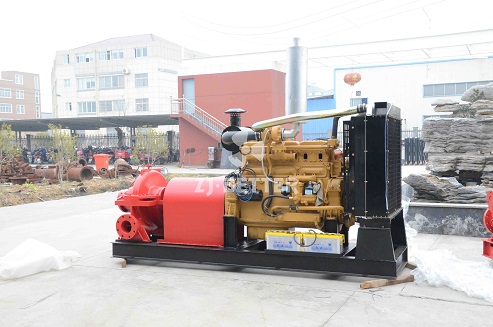
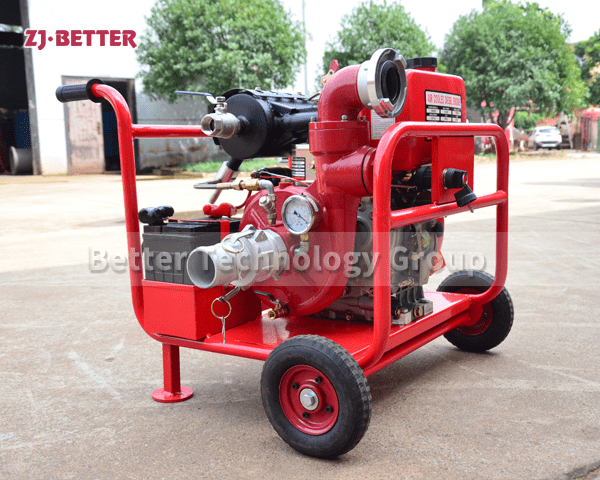
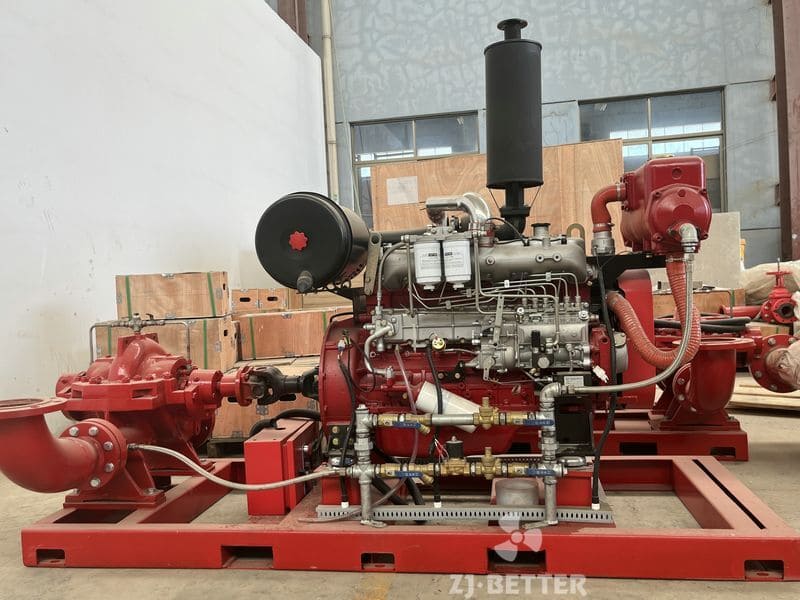
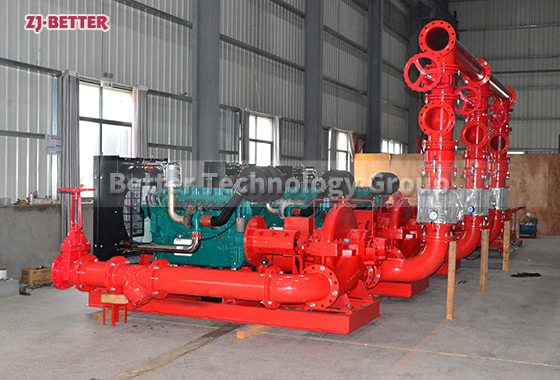
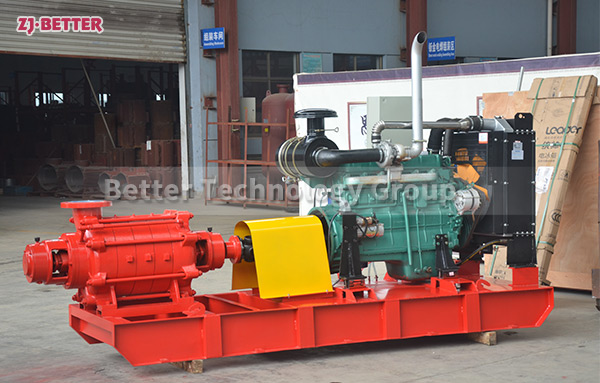
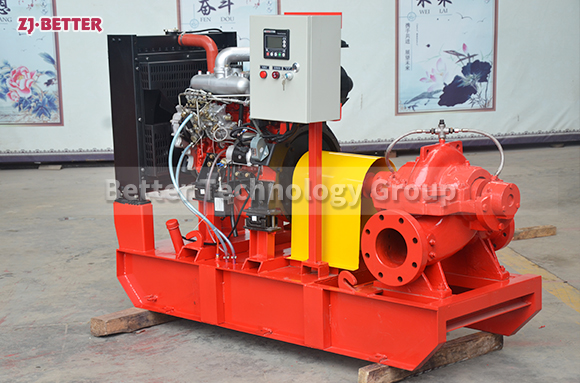
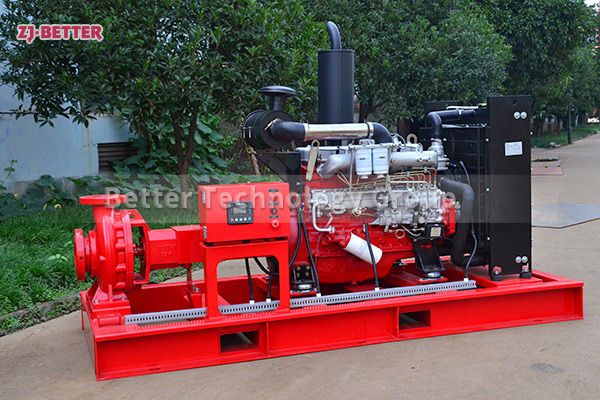
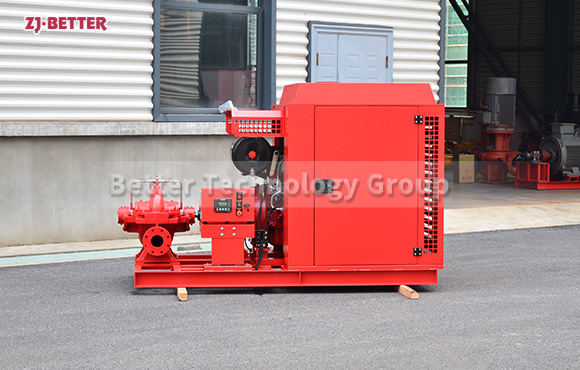
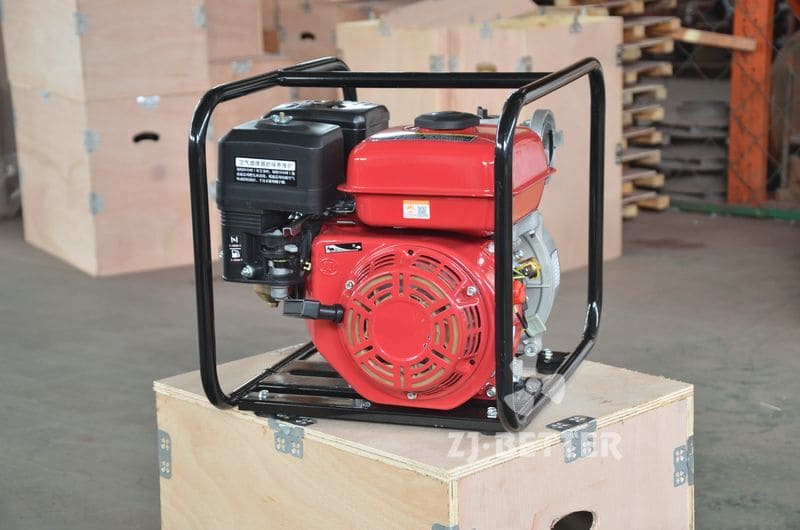
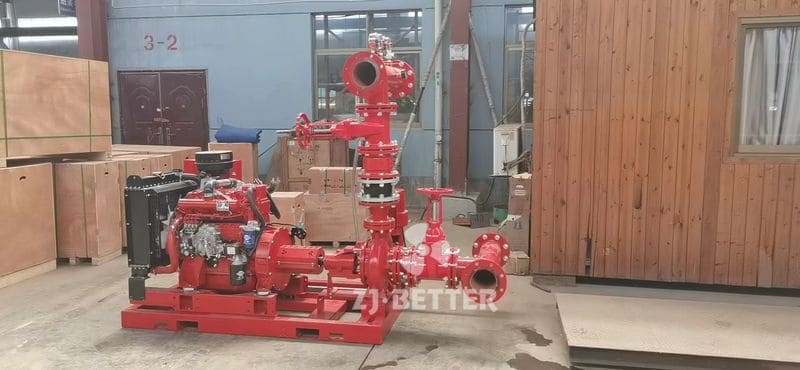
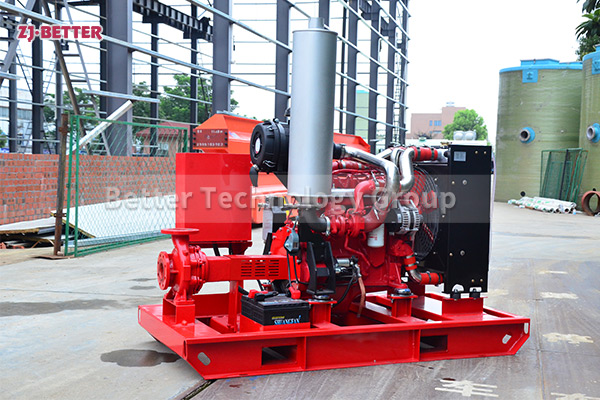
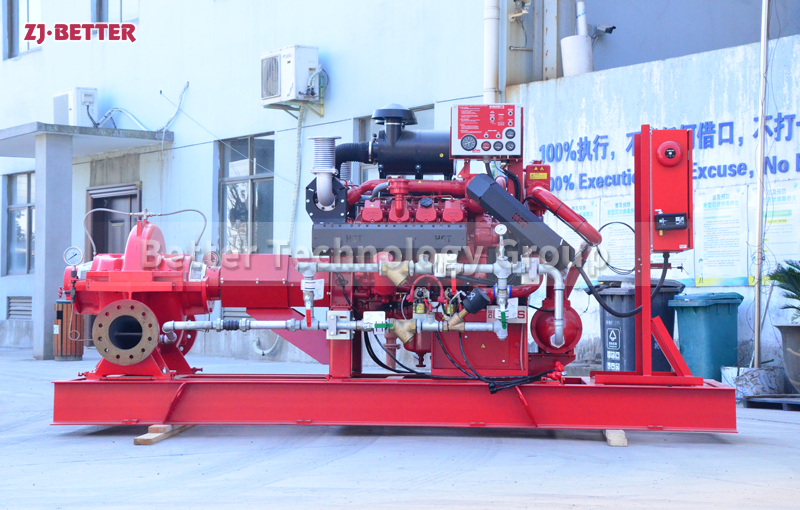
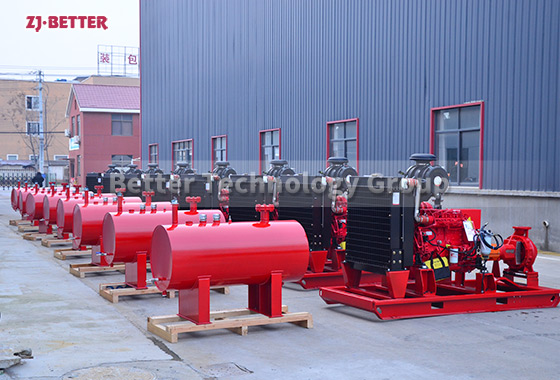
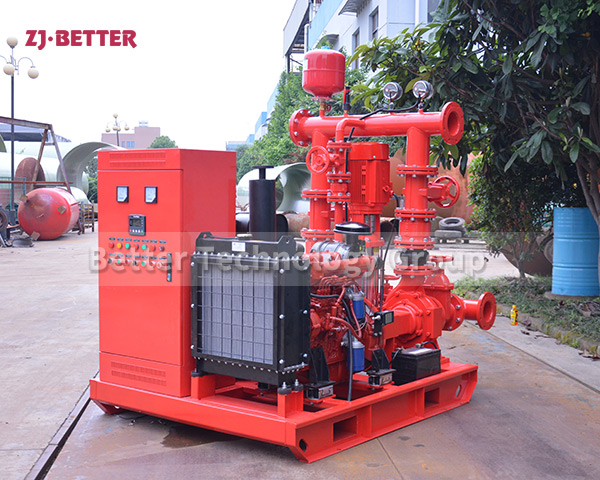
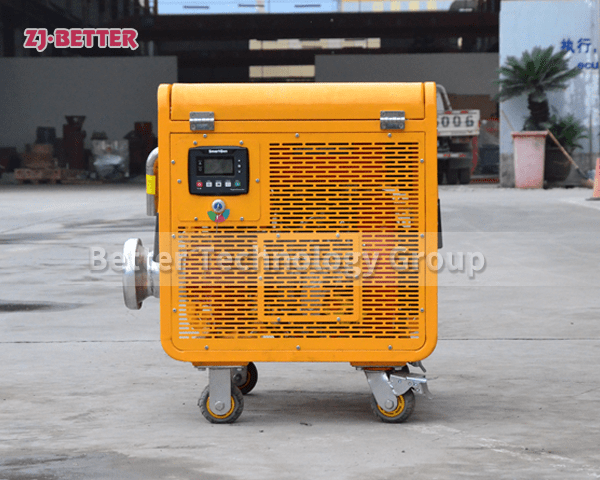
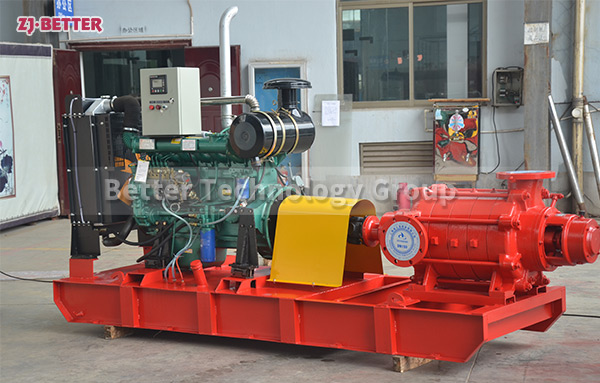
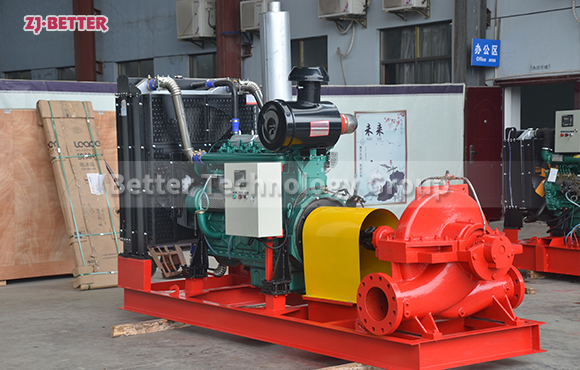
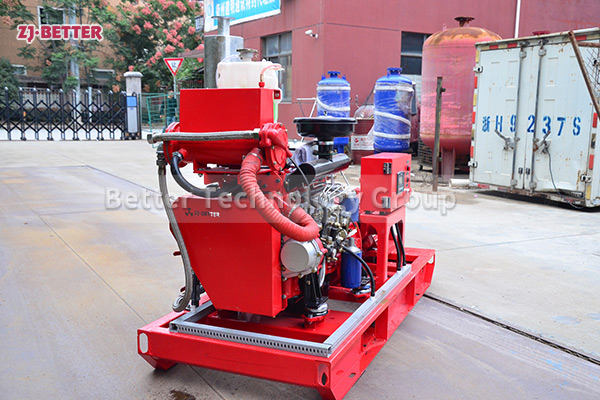
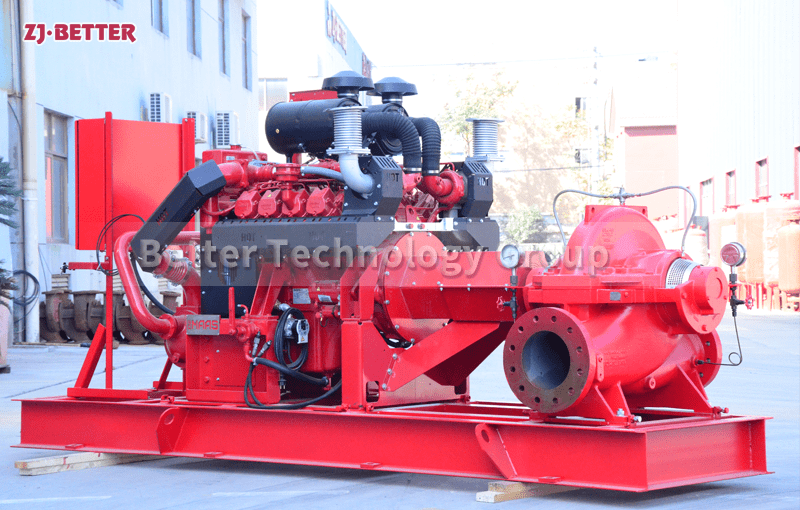
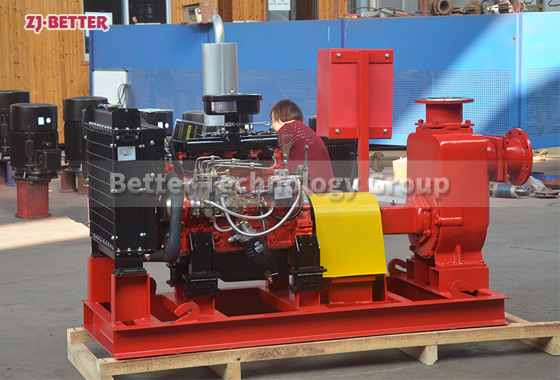
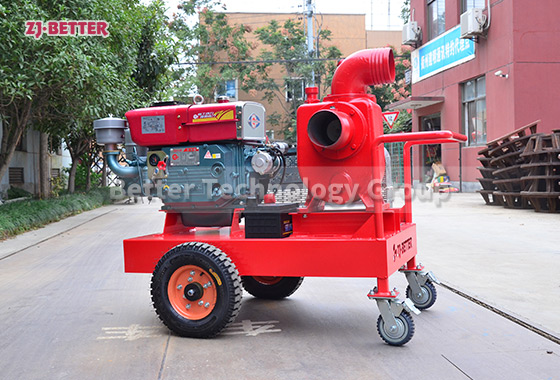
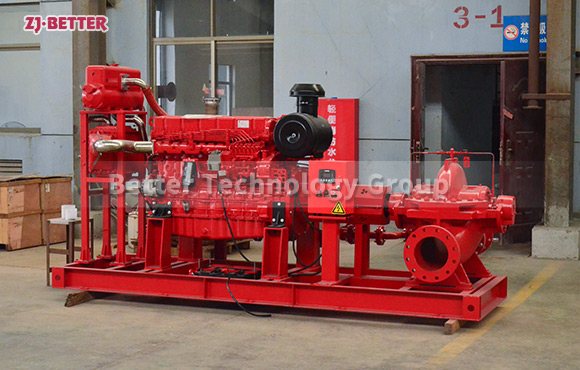
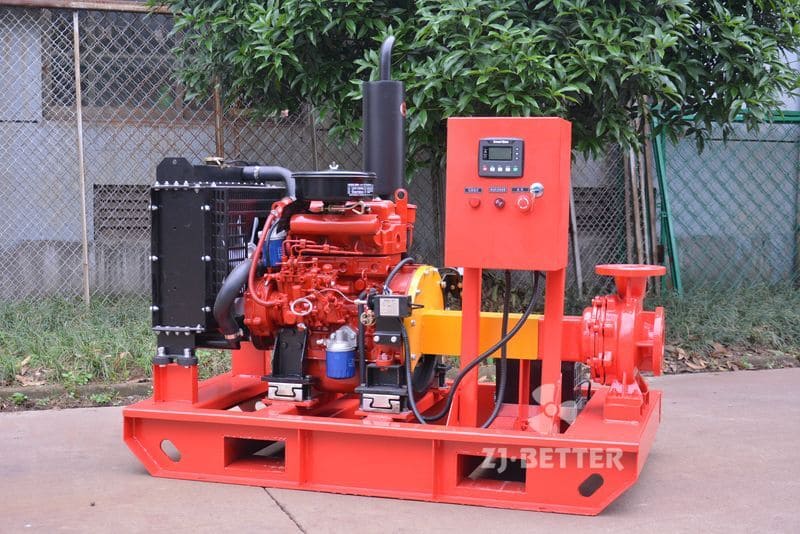
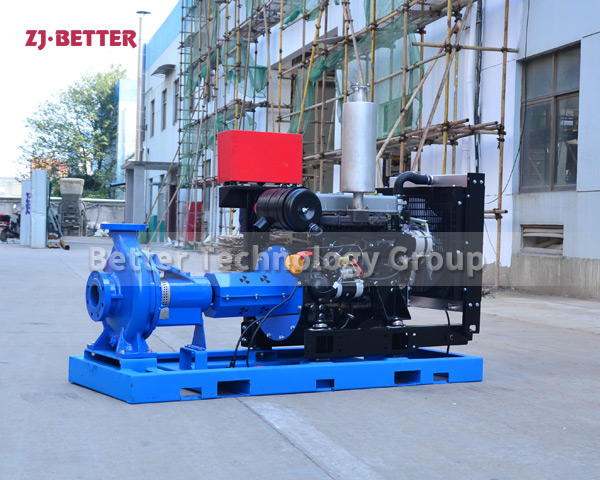
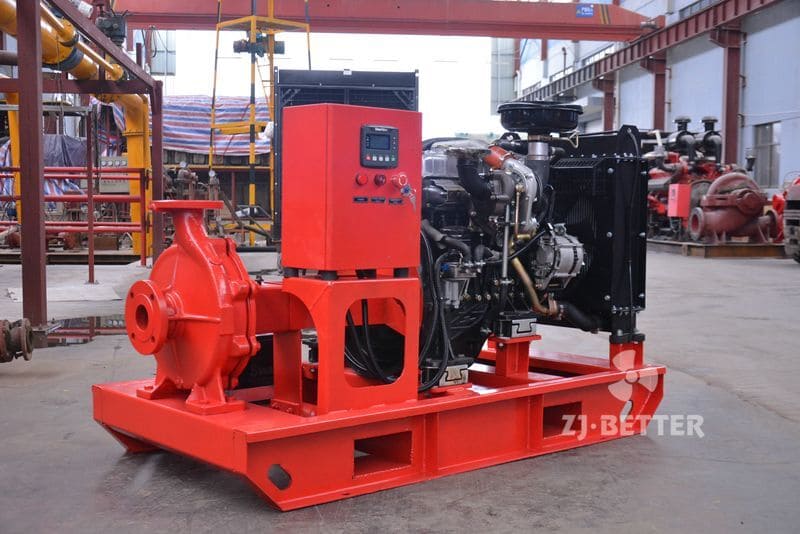
The diesel engine fire pump set has the characteristics of good starting characteristics, strong overload capacity, compact and reasonable structure, convenient maintenance, simple and reliable use, etc. The unit is equipped with protection functions such as overspeed, low oil pressure, three start failures, high water temperature, low oil level, and low battery voltage. At the same time, it can be connected with the customer’s automatic fire alarm device or the centralized control cabinet of the fire protection system to realize the function of remote monitoring.

Rated 4.7/5 based on 303 customer reviews
Share:
Content

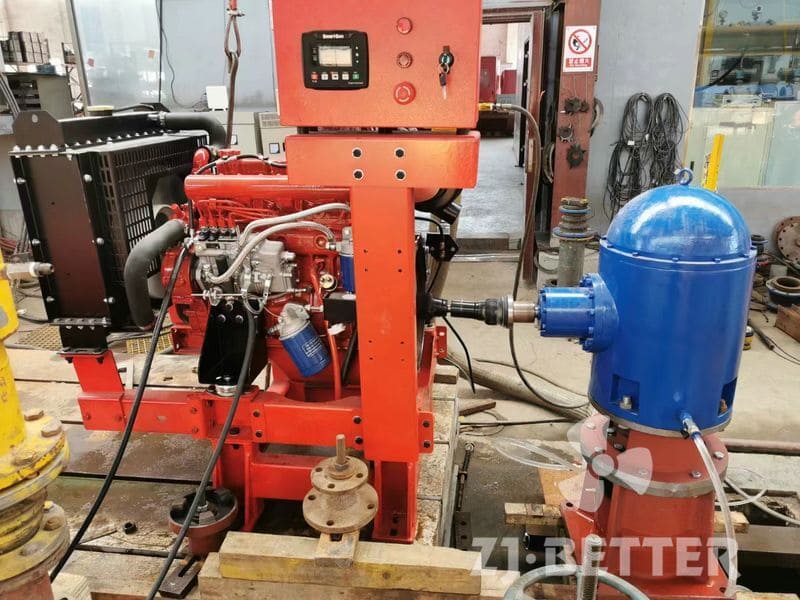
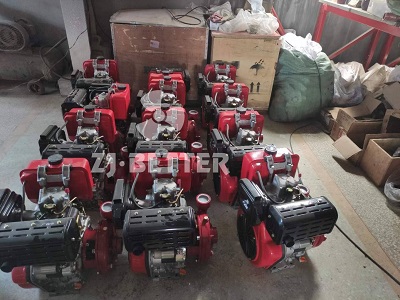
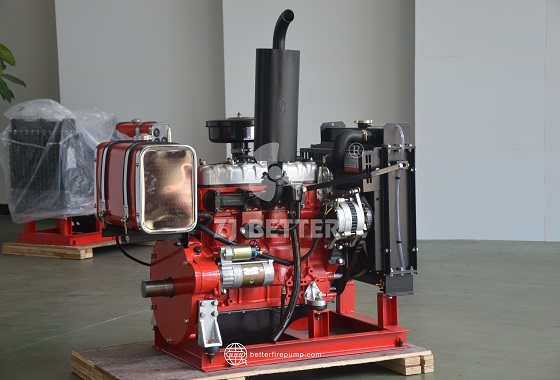
The diesel engine pump set is powered by 10-1000KW series diesel engines produced by Cummins and domestic well-known diesel engine manufacturers. It is assembled with the water pump through high-elastic couplings, clutches, reducers, etc., and has the characteristics of quick start, reliability, strong emergency response capability, compact structure, and convenient protection. It has the functions of manual, automatic, automatic switching, automatic charging, automatic protection (overspeed, low oil pressure, three start failures, high water temperature, low battery voltage alarm, shutdown protection, etc.), emergency lighting, remote monitoring connection and other functions. In order to ensure the normal operation of the unit in a cold climate below 5°C, the unit can be equipped with a cooling water preheating device.
Inquiry


    More Diesel engine fire pump

    Maintaining a diesel engine fire pump is crucial to ensure its reliable operation in case of emergencies. Below are some essential maintenance tips for a diesel engine fire pump:

    Regular Inspections: Schedule periodic inspections by a certified technician to assess the condition of the fire pump. Inspect the engine, fuel system, cooling system, electrical connections, and other critical components.
    Battery and Electrical System: Inspect and maintain the battery and electrical connections to ensure reliable engine starting. Clean any corrosion from terminals and replace weak batteries promptly.

    Run Regular Tests: Perform routine tests of the diesel engine fire pump to verify its functionality. Regular testing will help identify potential issues and ensure the pump is ready for operation during emergencies.

    Follow Manufacturer’s Guidelines: Always adhere to the maintenance guidelines provided by the fire pump manufacturer. These guidelines are tailored to the specific model and will help extend the life of the equipment.

    Train Personnel: Ensure that the personnel responsible for maintaining and operating the diesel engine fire pump are well-trained and knowledgeable about its components and maintenance requirements.

    Emergency Plan: Have a contingency plan in place in case the fire pump fails during an emergency. This plan should include alternative water sources or backup fire suppression systems.

    Remember, regular maintenance is essential to keep the diesel engine fire pump in optimal working condition and ready to protect lives and property during critical situations. Always prioritize safety and follow best practices when handling and maintaining fire protection equipment.

    Generally speaking, we recommend that where natural ventilation is used to install diesel engine fire pumps, there must be vents and exhaust ports of sufficient size, and the position of the vents ensures that there is enough fresh air to supply the diesel engine for combustion within the temperature limit. Of course, the water supply radiator can also be used to take away the heat of the circulating cooling water and the heat emitted from the surface of the unit. If the space cannot meet the requirements of natural ventilation and cannot effectively dissipate heat, it is recommended that you adopt forced ventilation, install an intake fan and an exhaust fan at the vent, and choose a location that can provide enough cold air for the diesel engine and take away the machine room hot air inside. Generally speaking, the air intake of the unit should be 6-7 times that of the diesel engine. Only in this way can normal ventilation be ensured and the operating efficiency of the equipment can be improved.

    In addition, it must be fixed firmly so that the entire unit can be supported to ensure that the unit is in a horizontal state and absorb vibration. Generally speaking, the foundation of the unit adopts a concrete structure. The length and width are 150-250mm on one side of the length and width of the unit chassis, and the depth is 300-600mm. The height of the anchor bolts should be about twice the bolt diameter. And there should be a 750mm channel on both sides and front of the unit to facilitate the operator’s inspection and general maintenance.

    Operating a diesel engine fire pump efficiently can help save energy and reduce fuel consumption. Here are some practices to consider for energy-saving operation of a diesel engine fire pump:

    Proper Sizing: Ensure that the fire pump is appropriately sized for the specific application. An oversized pump can lead to excessive energy consumption. Consult with fire protection experts or engineers to determine the correct pump size based on the required flow rate and pressure for your specific needs.

    Regular Maintenance: Perform regular maintenance on the diesel engine fire pump to ensure it operates at its optimal efficiency. This includes regular inspection and cleaning of filters, lubrication of moving parts, checking and adjusting belt tension, and monitoring fuel and oil quality. Proper maintenance helps keep the engine running smoothly, reducing energy waste due to inefficiencies or malfunctions.

    Optimal Operating Speed: Operate the diesel engine fire pump at its optimal speed. Running the pump at the highest necessary speed while still meeting the required flow and pressure will minimize energy consumption. Avoid unnecessarily high engine RPMs that can result in energy wastage.

    Variable Speed Control: Consider using a pump control system with variable speed capabilities. This allows the engine to operate at different speeds based on the required demand. The system adjusts the engine speed to match the required flow and pressure, saving energy by avoiding constant operation at maximum speed.

    Automatic Shutdown: Utilize automatic shutdown features when the fire pump is not in use. This prevents unnecessary idling and reduces fuel consumption. Programmable shutdown systems can be set to turn off the engine after a specific period of inactivity.

    Efficient Water Management: Implement efficient water management practices to reduce unnecessary water usage. Properly design the fire protection system, including the layout of sprinklers and fire hydrants, to ensure water is effectively distributed only where needed. This helps minimize the demand on the fire pump, reducing energy consumption.

    Training and Awareness: Provide training to operators and firefighters on energy-saving practices and the efficient operation of the diesel engine fire pump. Promote awareness of energy conservation and encourage responsible use of the equipment. Properly trained operators can make informed decisions and take actions to optimize energy efficiency during firefighting operations.

    Energy Monitoring: Install energy monitoring systems to track and analyze the energy consumption of the diesel engine fire pump. This allows for better understanding of energy usage patterns and identifies areas for improvement. Energy monitoring systems provide valuable data to optimize operations, identify inefficiencies, and implement energy-saving strategies.

    By implementing these energy-saving practices, you can reduce fuel consumption, minimize energy waste, and operate the diesel engine fire pump in an efficient and environmentally responsible manner. Energy efficiency not only reduces operational costs but also contributes to sustainable firefighting practices.