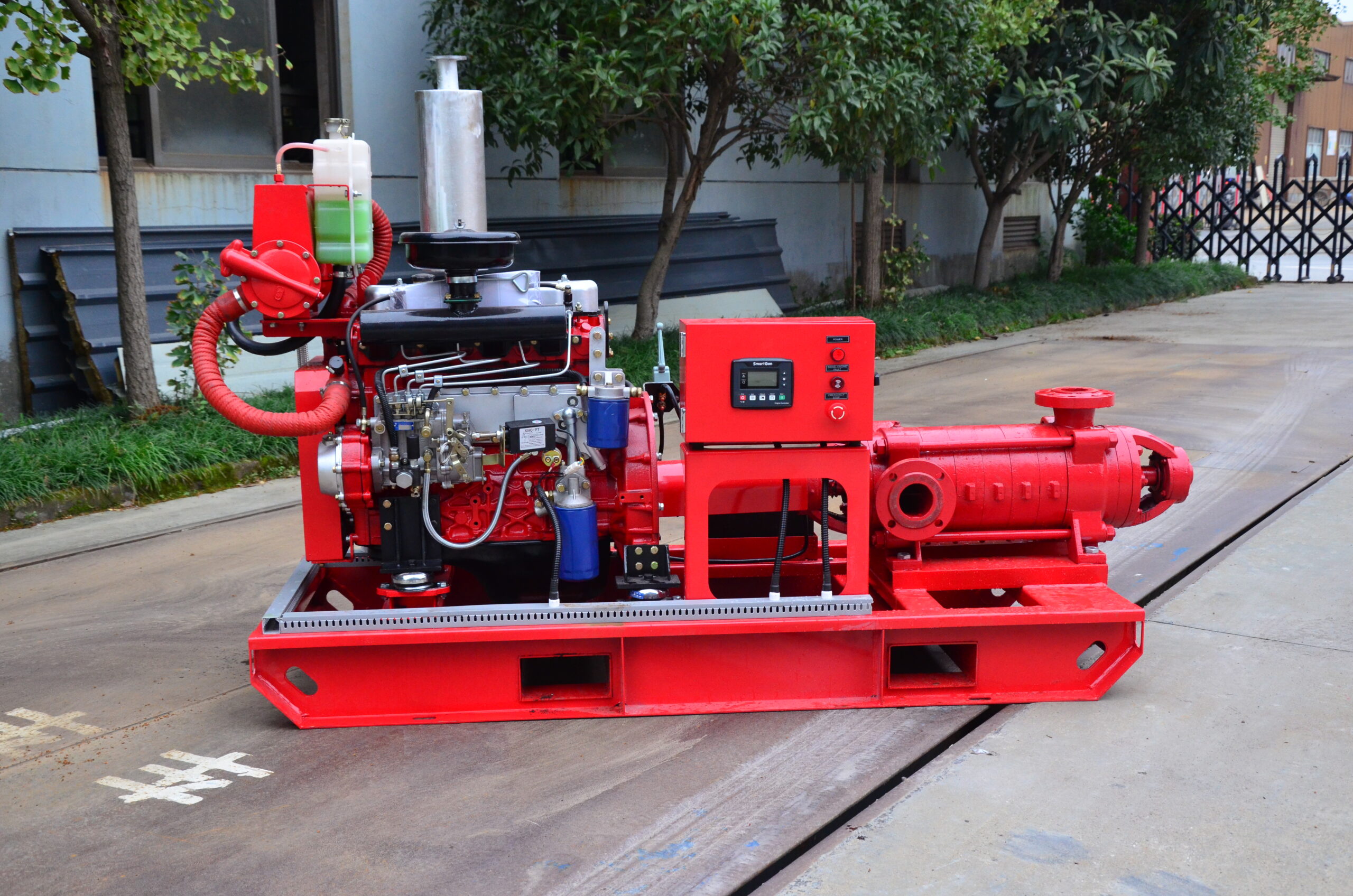
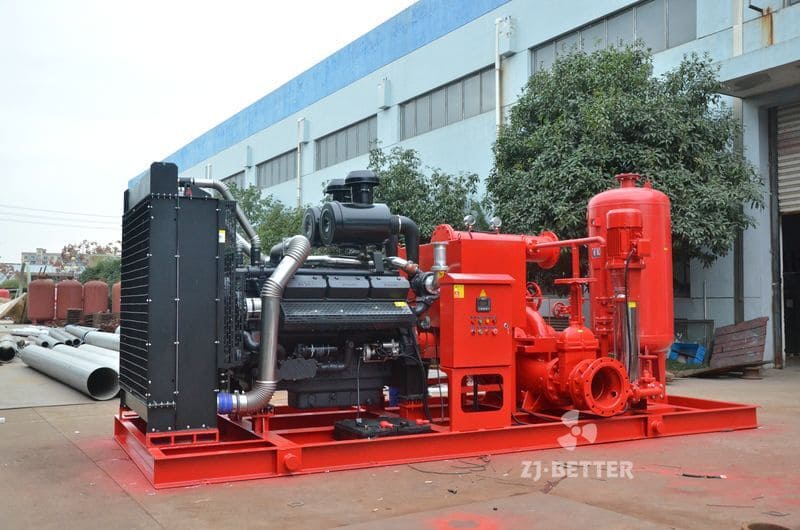
The fire pump impeller plays a crucial role in the operation and performance of a fire pump. It is a key component responsible for generating the flow and pressure of water or firefighting agents. Here are the main roles and characteristics of the fire pump impeller:
Flow Generation: The primary role of the impeller is to create the flow of water or firefighting agents within the pump. It consists of curved blades or vanes that spin rapidly when driven by the pump’s motor or engine. As the impeller rotates, it draws water into the pump and imparts energy to the fluid, causing it to move radially outward towards the pump outlet.
Pressure Generation: The impeller also contributes to the generation of pressure within the fire pump. The curved blades of the impeller impart centrifugal force to the water, increasing its velocity. This increase in velocity is then converted into pressure as the water is directed towards the pump’s outlet. The shape and design of the impeller blades play a crucial role in optimizing pressure generation.
Efficiency: The impeller design influences the overall efficiency of the fire pump. Efficient impeller designs are aimed at minimizing energy losses and maximizing the conversion of input power into hydraulic energy. Factors such as blade shape, size, and spacing are carefully considered to optimize the impeller’s efficiency and hydraulic performance.
Material Selection: The impeller is typically constructed using materials that are resistant to corrosion, wear, and erosion. Common materials include bronze, stainless steel, or composite materials. The chosen material must withstand the demands of pumping water or firefighting agents, especially when operating in challenging environments.
Impeller Trim: The impeller trim refers to the adjustment or modification of the impeller’s diameter or blade length. By changing the impeller trim, the pump’s performance characteristics, such as flow rate and pressure, can be adjusted to meet specific requirements. Trim modifications are often made during the pump’s installation or commissioning phase to optimize its performance for a given system.
Compatibility and Performance Matching: The impeller is carefully selected to match the pump’s design, performance requirements, and system characteristics. Proper selection ensures that the impeller’s characteristics, such as flow capacity and pressure head, align with the intended application and hydraulic conditions. Matching the impeller to the pump system helps achieve optimal performance and efficiency.
Maintenance and Inspection: The impeller requires regular inspection and maintenance to ensure its proper functioning. Over time, debris or particles may accumulate on the impeller blades, affecting its performance. Regular cleaning, inspection of blade condition, and realignment of impeller components are necessary to maintain optimal pump performance and prevent efficiency losses.
The fire pump impeller is a critical component that contributes to the overall performance and efficiency of a fire pump system. Its role in generating flow and pressure ensures the effective delivery of water or firefighting agents to combat fires and protect lives and property. Proper design, material selection, maintenance, and performance matching are essential to maximize the impeller’s effectiveness and overall fire pump performance.

.jpg)