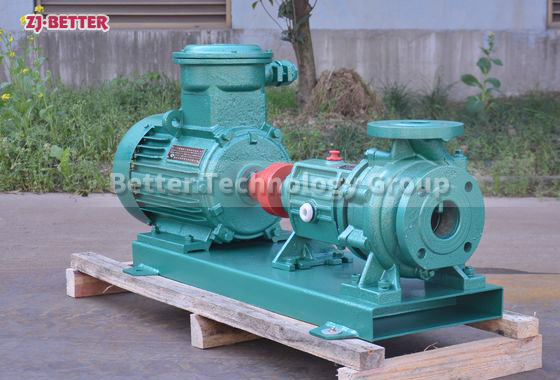
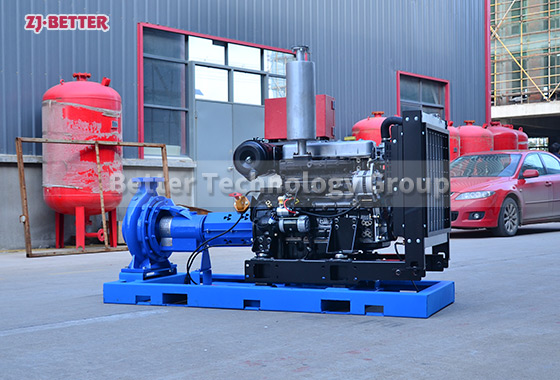
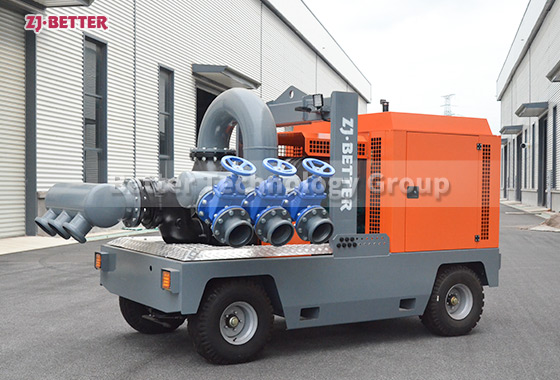
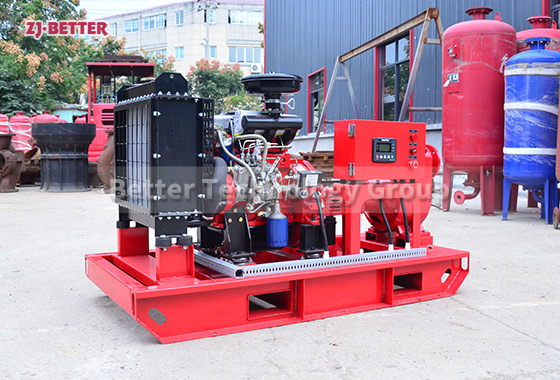
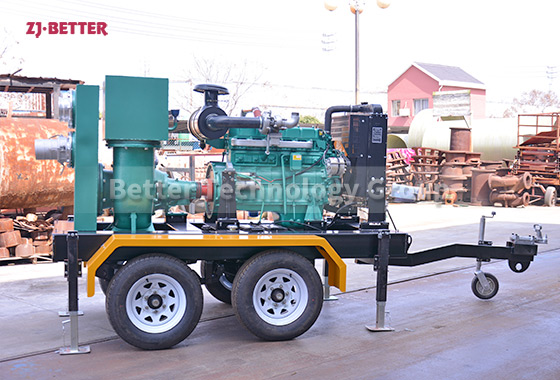
The fire pump impeller plays a crucial role in the operation and performance of a fire pump. It is a key component responsible for generating the flow and pressure of water or firefighting agents. Here are the main roles and characteristics of the fire pump impeller:
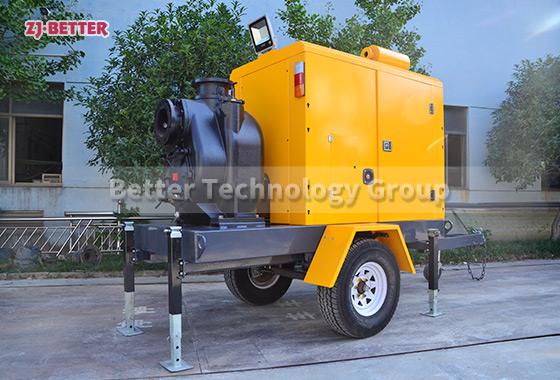
Flow Generation: The primary role of the impeller is to create the flow of water or firefighting agents within the pump. It consists of curved blades or vanes that spin rapidly when driven by the pump’s motor or engine. As the impeller rotates, it draws water into the pump and imparts energy to the fluid, causing it to move radially outward towards the pump outlet.

Pressure Generation: The impeller also contributes to the generation of pressure within the fire pump. The curved blades of the impeller impart centrifugal force to the water, increasing its velocity. This increase in velocity is then converted into pressure as the water is directed towards the pump’s outlet. The shape and design of the impeller blades play a crucial role in optimizing pressure generation.

Efficiency: The impeller design influences the overall efficiency of the fire pump. Efficient impeller designs are aimed at minimizing energy losses and maximizing the conversion of input power into hydraulic energy. Factors such as blade shape, size, and spacing are carefully considered to optimize the impeller’s efficiency and hydraulic performance.

Material Selection: The impeller is typically constructed using materials that are resistant to corrosion, wear, and erosion. Common materials include bronze, stainless steel, or composite materials. The chosen material must withstand the demands of pumping water or firefighting agents, especially when operating in challenging environments.

Impeller Trim: The impeller trim refers to the adjustment or modification of the impeller’s diameter or blade length. By changing the impeller trim, the pump’s performance characteristics, such as flow rate and pressure, can be adjusted to meet specific requirements. Trim modifications are often made during the pump’s installation or commissioning phase to optimize its performance for a given system.

Compatibility and Performance Matching: The impeller is carefully selected to match the pump’s design, performance requirements, and system characteristics. Proper selection ensures that the impeller’s characteristics, such as flow capacity and pressure head, align with the intended application and hydraulic conditions. Matching the impeller to the pump system helps achieve optimal performance and efficiency.

Maintenance and Inspection: The impeller requires regular inspection and maintenance to ensure its proper functioning. Over time, debris or particles may accumulate on the impeller blades, affecting its performance. Regular cleaning, inspection of blade condition, and realignment of impeller components are necessary to maintain optimal pump performance and prevent efficiency losses.

The fire pump impeller is a critical component that contributes to the overall performance and efficiency of a fire pump system. Its role in generating flow and pressure ensures the effective delivery of water or firefighting agents to combat fires and protect lives and property. Proper design, material selection, maintenance, and performance matching are essential to maximize the impeller’s effectiveness and overall fire pump performance.

Operating a diesel engine fire pump efficiently can help save energy and reduce fuel consumption. Here are some practices to consider for energy-saving operation of a diesel engine fire pump:

Proper Sizing: Ensure that the fire pump is appropriately sized for the specific application. An oversized pump can lead to excessive energy consumption. Consult with fire protection experts or engineers to determine the correct pump size based on the required flow rate and pressure for your specific needs.

Regular Maintenance: Perform regular maintenance on the diesel engine fire pump to ensure it operates at its optimal efficiency. This includes regular inspection and cleaning of filters, lubrication of moving parts, checking and adjusting belt tension, and monitoring fuel and oil quality. Proper maintenance helps keep the engine running smoothly, reducing energy waste due to inefficiencies or malfunctions.

Optimal Operating Speed: Operate the diesel engine fire pump at its optimal speed. Running the pump at the highest necessary speed while still meeting the required flow and pressure will minimize energy consumption. Avoid unnecessarily high engine RPMs that can result in energy wastage.

Variable Speed Control: Consider using a pump control system with variable speed capabilities. This allows the engine to operate at different speeds based on the required demand. The system adjusts the engine speed to match the required flow and pressure, saving energy by avoiding constant operation at maximum speed.

Automatic Shutdown: Utilize automatic shutdown features when the fire pump is not in use. This prevents unnecessary idling and reduces fuel consumption. Programmable shutdown systems can be set to turn off the engine after a specific period of inactivity.

Efficient Water Management: Implement efficient water management practices to reduce unnecessary water usage. Properly design the fire protection system, including the layout of sprinklers and fire hydrants, to ensure water is effectively distributed only where needed. This helps minimize the demand on the fire pump, reducing energy consumption.

Training and Awareness: Provide training to operators and firefighters on energy-saving practices and the efficient operation of the diesel engine fire pump. Promote awareness of energy conservation and encourage responsible use of the equipment. Properly trained operators can make informed decisions and take actions to optimize energy efficiency during firefighting operations.

Energy Monitoring: Install energy monitoring systems to track and analyze the energy consumption of the diesel engine fire pump. This allows for better understanding of energy usage patterns and identifies areas for improvement. Energy monitoring systems provide valuable data to optimize operations, identify inefficiencies, and implement energy-saving strategies.

By implementing these energy-saving practices, you can reduce fuel consumption, minimize energy waste, and operate the diesel engine fire pump in an efficient and environmentally responsible manner. Energy efficiency not only reduces operational costs but also contributes to sustainable firefighting practices.

Starting and operating a diesel engine fire pump in a low-temperature environment requires special attention to ensure proper functionality and prevent potential issues. Here are some key considerations for starting and operating a diesel engine fire pump in cold weather:

Preheating: Preheating the diesel engine is crucial in cold temperatures to facilitate easier starting. Use the engine’s preheating system, if available, to warm up the engine block and aid in combustion. Follow the manufacturer’s guidelines for the recommended preheating duration and procedures.

Fuel Quality: Ensure that the diesel fuel used in the fire pump is suitable for low-temperature conditions. Diesel fuel can gel or become thicker in cold temperatures, which can impede fuel flow and affect engine performance. Use a winter-grade diesel fuel or a fuel additive designed to prevent fuel gelling. Regularly monitor fuel quality and maintain fuel tanks in insulated areas, if possible.

Battery Maintenance: Cold temperatures can reduce battery performance and make it more challenging to start the engine. Ensure the batteries are fully charged and in good condition. Consider using cold-weather batteries or battery blankets to maintain optimal battery temperature. Regularly check and clean battery terminals to prevent corrosion, which can hinder electrical connections.

Engine Lubrication: Use an appropriate low-temperature engine oil with a winter viscosity rating that meets the manufacturer’s specifications. Cold temperatures can cause oil to thicken, making it difficult for the engine to start and for proper lubrication to occur. Follow the manufacturer’s recommendations for oil type and viscosity grade based on the expected ambient temperature.

Block Heater: If available, use a block heater to keep the engine block warm. This device keeps the coolant and engine components at a suitable temperature, making it easier to start the engine in cold weather. Ensure the block heater is properly installed and functioning correctly.

Regular Maintenance: Perform regular maintenance tasks specific to cold weather conditions. This includes checking and replacing fuel and oil filters, inspecting and cleaning air intake systems, and ensuring proper coolant levels and antifreeze concentration. Regularly inspect the engine components for any signs of wear or damage that may affect cold-weather performance.

Protection from the Elements: Protect the diesel engine fire pump from harsh weather conditions by housing it in a climate-controlled enclosure or installing insulation around critical components. This helps maintain the engine’s temperature and prevent freezing of fluids and components.

Operating Practices: During operation, allow the engine to warm up before applying heavy loads or demanding high RPMs. This allows the engine and its components to reach the optimal operating temperature gradually. Avoid sudden and aggressive acceleration or deceleration, as it can stress the engine and lead to potential damage in cold conditions.

Remember to consult the manufacturer’s recommendations and follow their specific instructions for starting and operating the diesel engine fire pump in low-temperature environments. Additionally, regular training and familiarization with the fire pump system are crucial for firefighters and operators to handle and operate the equipment effectively and safely in all weather conditions.

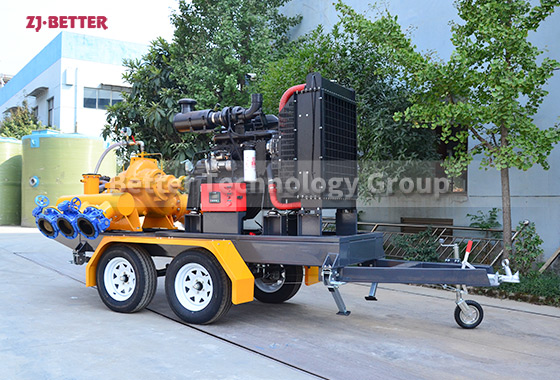
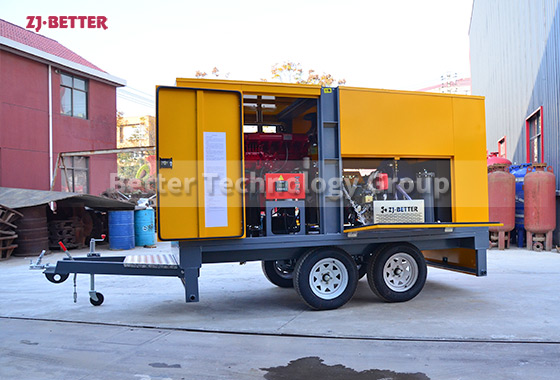
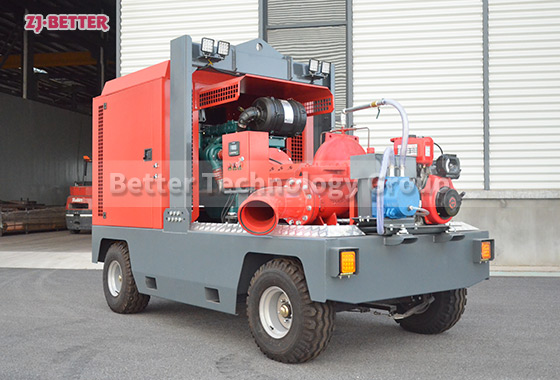
The main purpose of a mobile pump truck, also known as a fire pump truck or fire engine, is to provide a mobile and versatile firefighting solution. These trucks are specifically designed and equipped to transport firefighting equipment and personnel to the scene of a fire or emergency. The primary purpose of a mobile pump truck is to deliver water or firefighting agents to suppress fires effectively and provide support during emergency situations. Here are some key purposes and functionalities of a mobile pump truck:

Fire Suppression: The primary purpose of a mobile pump truck is to suppress fires. It is equipped with a pump system that can draw water from various sources, such as hydrants, rivers, or water tanks, and deliver it to the fire through hoses and nozzles. The pump system provides the necessary pressure to effectively extinguish flames and control the spread of fire.

Rapid Response: Mobile pump trucks are designed to be highly maneuverable and quickly respond to fire incidents. They are equipped with sirens, lights, and other emergency warning systems to alert others and clear the way to the incident location. These trucks are staffed with trained firefighters who can promptly assess the situation, initiate firefighting operations, and provide initial aid to affected individuals.

Water Supply: In addition to their firefighting capabilities, mobile pump trucks can also serve as a mobile water supply. They can transport large quantities of water to areas with limited or no water infrastructure. This is particularly valuable in rural areas, construction sites, or remote locations where a water source may not be readily available.

Equipment Storage and Deployment: Mobile pump trucks are designed with compartments and storage areas to carry firefighting equipment, such as hoses, nozzles, ladders, and tools. These trucks provide a convenient means of transporting and organizing the necessary firefighting gear. Firefighters can easily access and deploy equipment when they arrive at the scene, enhancing operational efficiency and effectiveness.

Emergency Response Coordination: Mobile pump trucks often serve as command centers during emergency situations. They provide a centralized location for incident management, coordination of resources, and communication with other emergency responders. The trucks may be equipped with communication systems, computers, and mapping tools to facilitate real-time information exchange and decision-making.

Rescue Operations: Mobile pump trucks are not limited to firefighting alone. They can also be equipped with rescue equipment, such as hydraulic tools, ropes, and stretchers, to assist in extrication and rescue operations. These trucks enable firefighters to provide emergency medical assistance, conduct search and rescue operations, and address hazardous situations.

Mobile pump trucks are versatile and essential vehicles in firefighting and emergency response. They play a critical role in protecting lives, property, and the environment by delivering prompt and effective firefighting capabilities to the scene of an incident.

Fire pumps are classified into various types based on their specific applications and operational characteristics. The common classifications of fire pumps include:

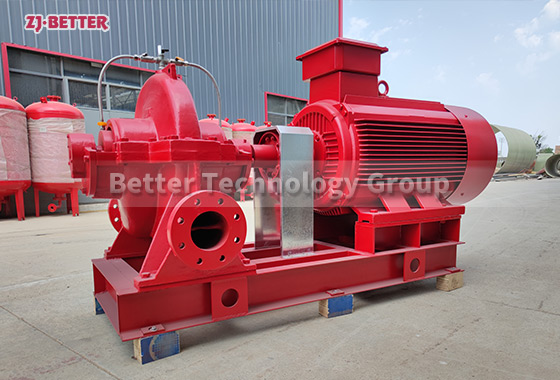
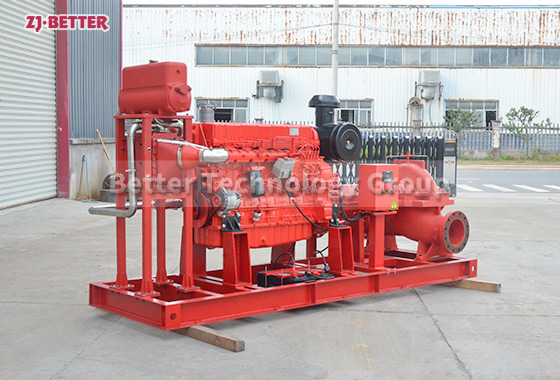
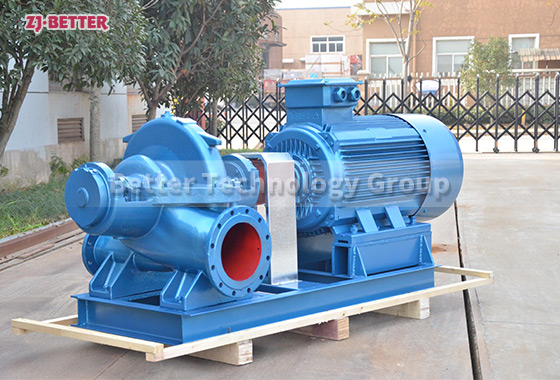
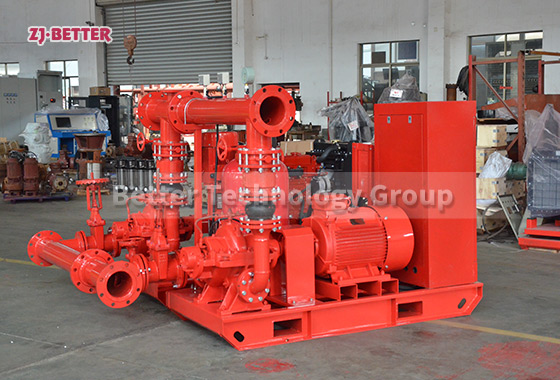
Horizontal Split Case Fire Pumps: These pumps have a horizontally split casing, which allows easy access to internal components for maintenance and repairs. They are typically used in large-scale fire protection systems, such as industrial facilities, commercial buildings, and high-rise structures. Horizontal split case pumps are known for their high flow rates and can handle a wide range of pressures.

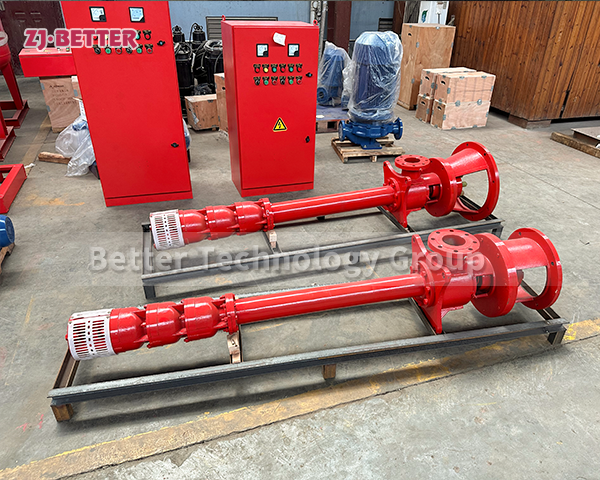
Vertical Turbine Fire Pumps: Vertical turbine pumps have a vertical shaft and are designed to operate with submerged impellers. These pumps are commonly used in water sources such as wells, rivers, or lakes. Vertical turbine fire pumps are ideal for locations where space is limited, as they have a small footprint. They are also suitable for applications that require high pressures but lower flow rates.

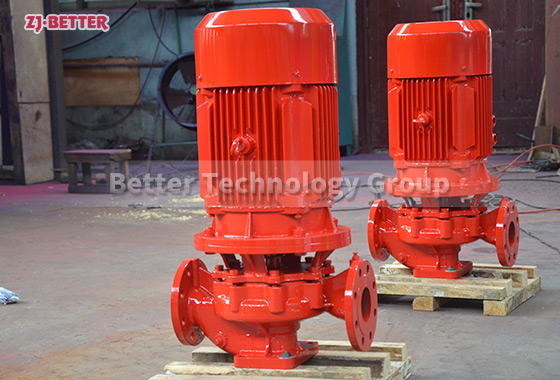
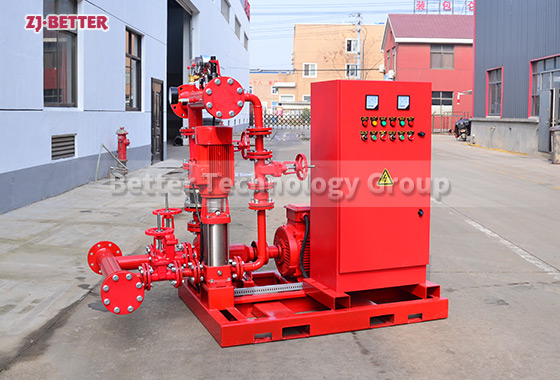
Vertical Inline Fire Pumps: Vertical inline pumps have a vertical design with the motor located above the impeller. These pumps are compact and space-saving, making them suitable for installations where floor space is limited. Vertical inline fire pumps are commonly used in commercial and industrial applications, such as office buildings, hospitals, and manufacturing facilities.

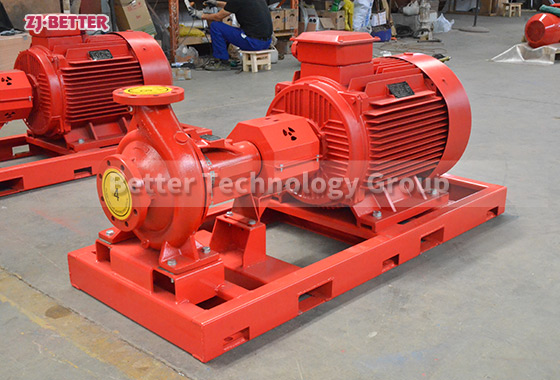
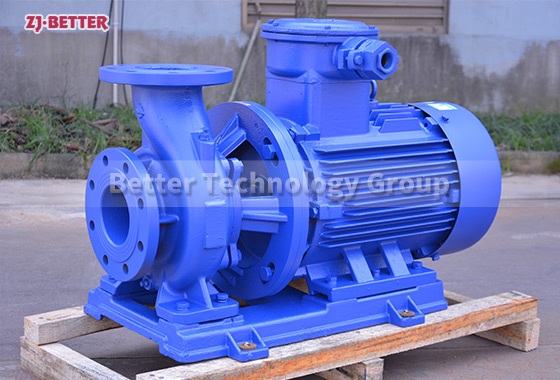
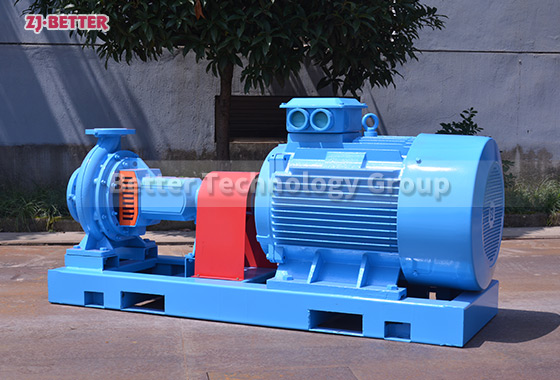
End Suction Fire Pumps: End suction pumps have a single impeller mounted on the end of the shaft. They are widely used in various applications, including fire protection systems. These pumps are known for their simplicity, ease of maintenance, and cost-effectiveness. End suction fire pumps are typically used in smaller buildings, residential properties, and light commercial applications.

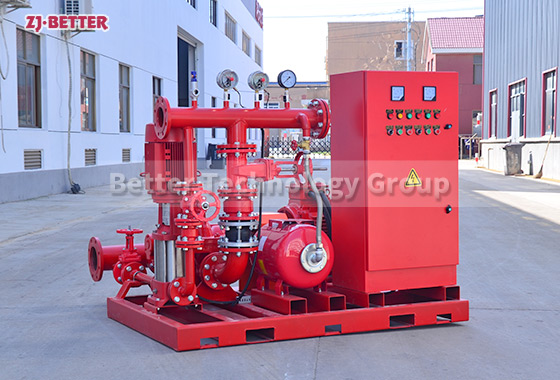
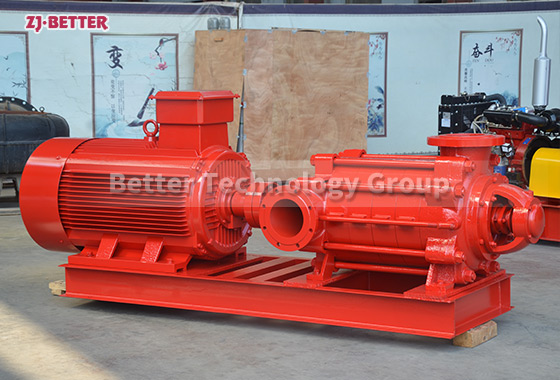
Multistage Fire Pumps: Multistage pumps consist of multiple impellers arranged in series. Each impeller adds pressure to the water, allowing these pumps to deliver high pressures. Multistage fire pumps are suitable for applications that require high-pressure delivery, such as high-rise buildings, industrial plants, and sprinkler systems with demanding pressure requirements.

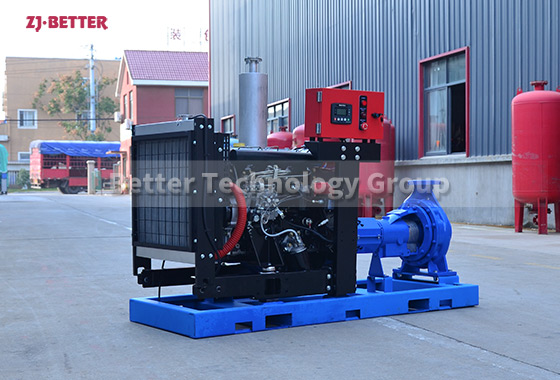
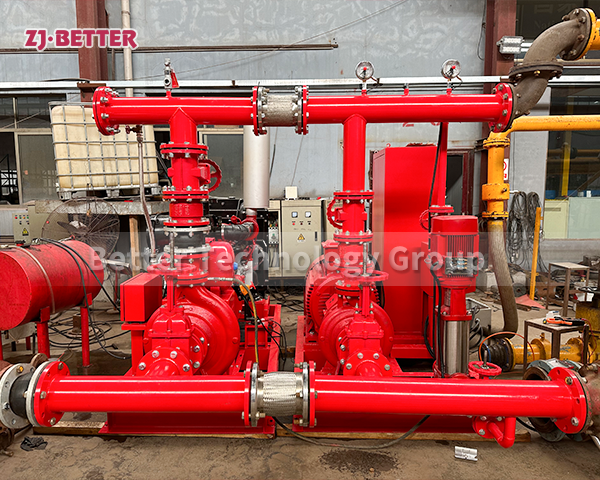
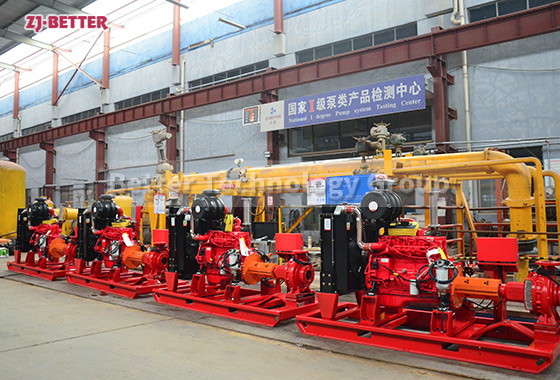
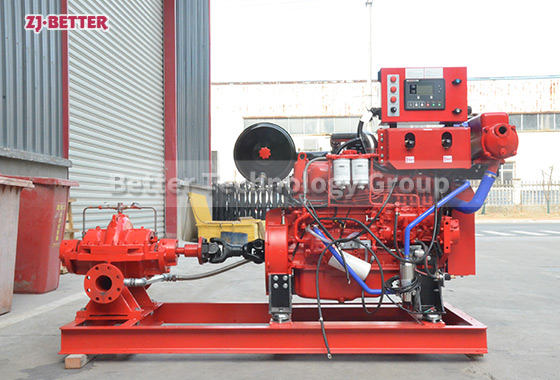
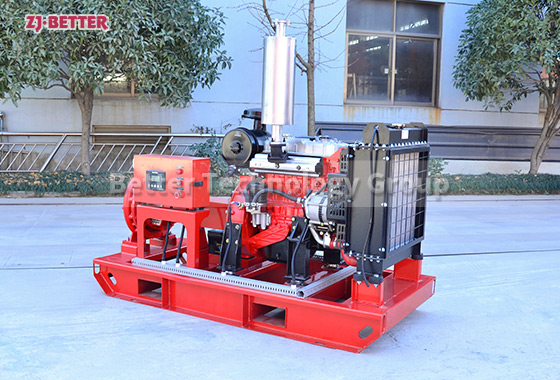
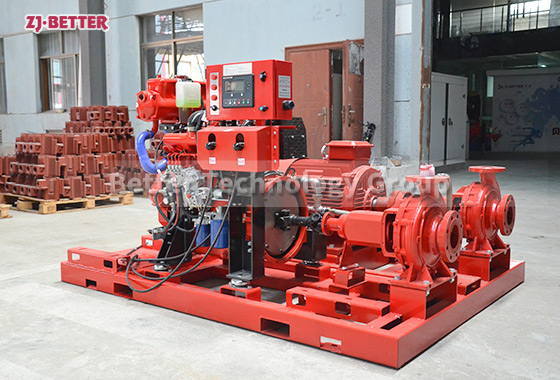
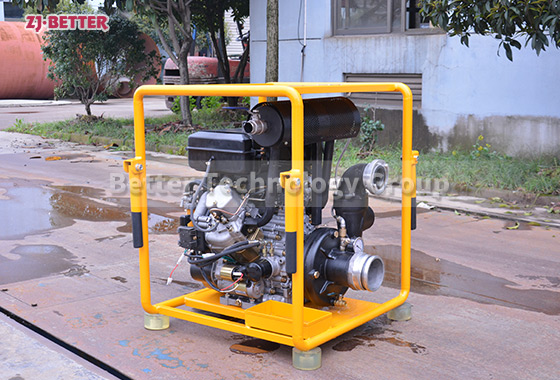
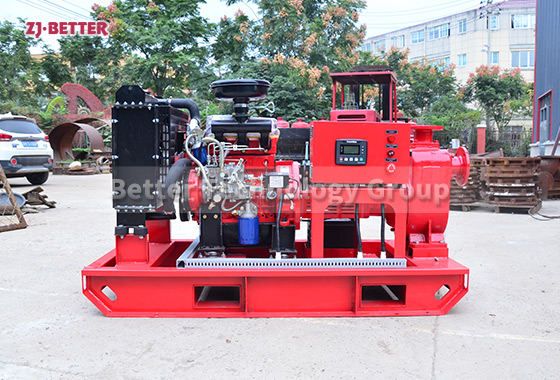
Diesel-Driven Fire Pumps: Diesel-driven fire pumps are powered by diesel engines, providing a reliable source of power in situations where electricity may be unavailable or unreliable. These pumps are commonly used in remote locations, off-grid areas, and critical infrastructure where continuous operation is essential. Diesel-driven fire pumps are known for their durability and ability to deliver high flow rates and pressures.

It’s important to note that these classifications are not exhaustive, and variations of fire pumps exist within each category. The choice of fire pump classification depends on factors such as system requirements, available space, flow rates, pressure requirements, and power sources. Consulting with fire protection experts or system designers can help determine the most suitable fire pump classification for a specific application.

Choosing a good fire pump is crucial for ensuring the effectiveness and reliability of your fire protection system. Here are some key factors to consider when selecting a fire pump:

Flow and Pressure Requirements: Determine the required flow rate and pressure for your specific application. Consider factors such as the size of the protected area, the type of fire hazards, and any applicable fire safety regulations. Ensure that the fire pump you choose can meet these requirements.

Pump Type: Select the appropriate pump type based on your needs. The two common types of fire pumps are centrifugal pumps and positive displacement pumps. Centrifugal pumps are widely used due to their high flow rates and ability to handle large volumes of water. Positive displacement pumps, on the other hand, are better suited for applications that require high pressure but lower flow rates.

Performance and Efficiency: Look for a fire pump that offers high performance and efficiency. Consider the pump’s rated capacity, which indicates the maximum flow rate it can deliver. Additionally, check the pump’s efficiency rating to ensure it operates optimally and minimizes energy consumption.

Reliability and Durability: A good fire pump should be reliable and durable to withstand the demands of fire protection operations. Consider the quality and reputation of the manufacturer, as well as the pump’s construction materials. Look for features such as corrosion-resistant coatings, sturdy construction, and reliable seals and bearings.

Compliance with Standards: Ensure that the fire pump you choose complies with relevant industry standards and codes, such as the National Fire Protection Association (NFPA) standards. Compliance with these standards ensures that the pump meets essential safety and performance requirements.

Maintenance and Support: Consider the ease of maintenance and availability of support for the chosen fire pump. Look for pumps with accessible components, clear maintenance instructions, and readily available spare parts. Additionally, check if the manufacturer or supplier provides technical support and assistance.

Testing and Certification: Check if the fire pump has undergone rigorous testing and certification by reputable organizations. Look for certifications from recognized bodies that validate the pump’s performance, efficiency, and safety.

Budget and Cost Considerations: While it is essential to choose a reliable and efficient fire pump, consider your budget and cost constraints. Compare prices, warranties, and ongoing maintenance costs to find a balance between quality and affordability.

System Integration: Consider how the fire pump will integrate with your overall fire protection system. Ensure compatibility with other components, such as fire alarms, sprinklers, and control panels. Coordinate with system designers or consultants to ensure seamless integration.

Consult with Experts: If you are unsure about the specific requirements or complexities of selecting a fire pump, consult with fire protection experts, engineers, or consultants. They can provide valuable insights and recommendations based on your unique needs and circumstances.

Remember that selecting a good fire pump is a critical decision that requires careful consideration. By evaluating the factors mentioned above and seeking professional guidance, you can choose a fire pump that meets your requirements and ensures the safety of your property and occupants in the event of a fire.

More