Home » Fire Pump Set » Features of multistage fire pump set

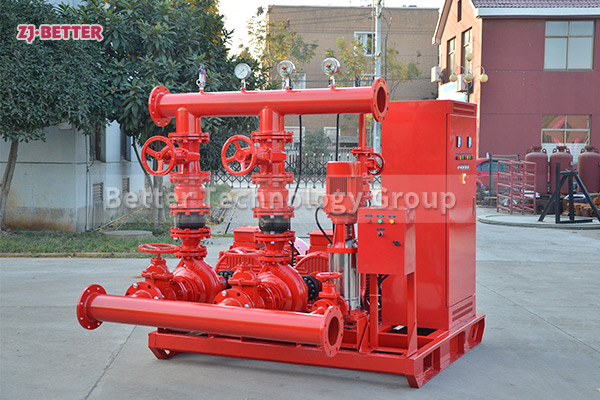
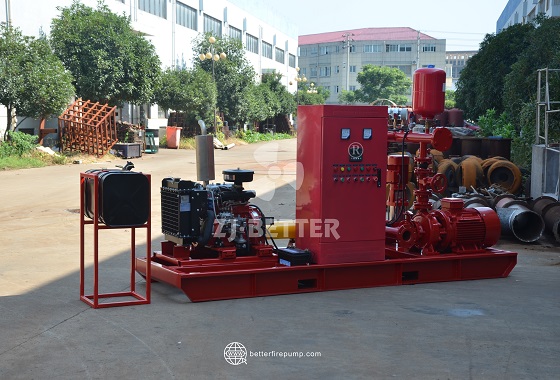
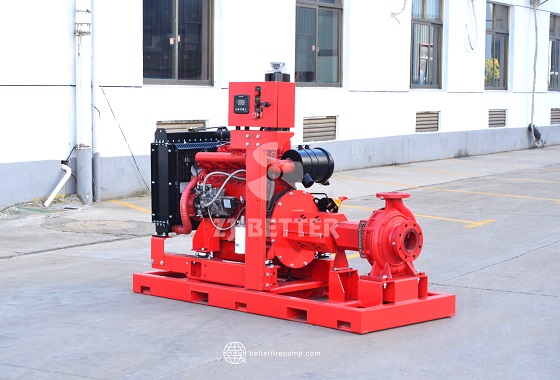
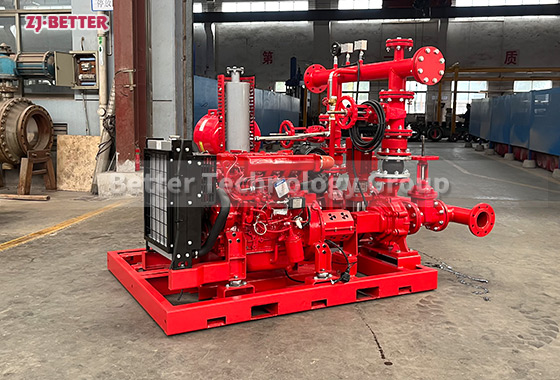
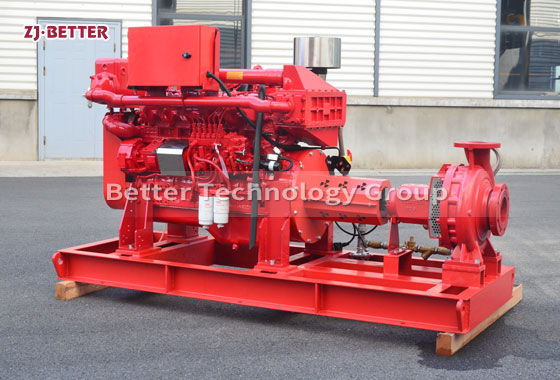
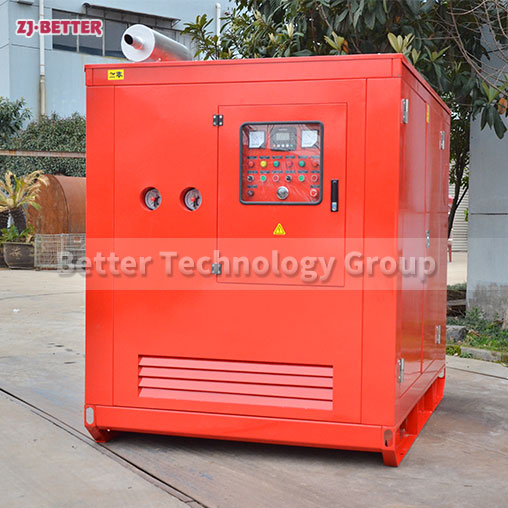
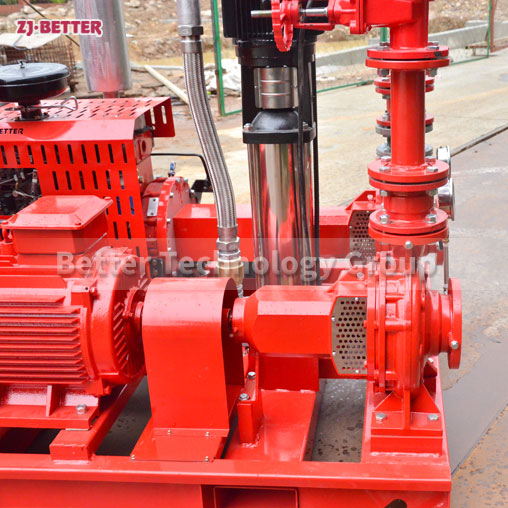
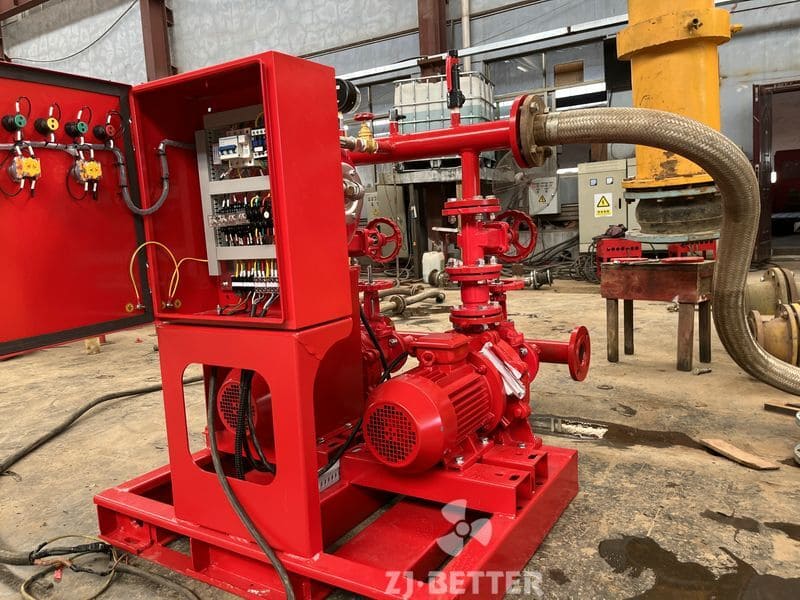
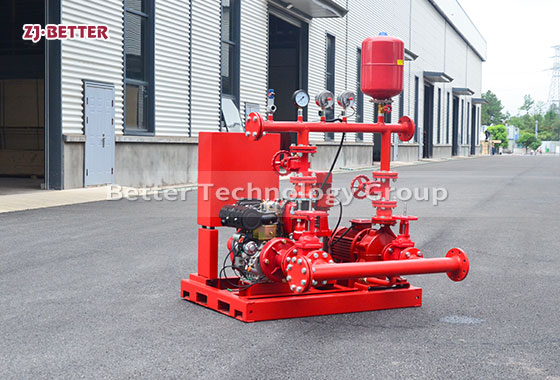
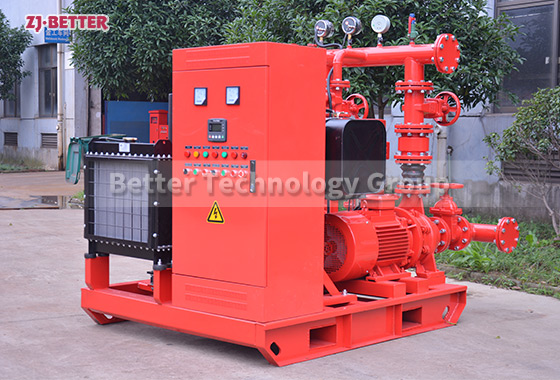
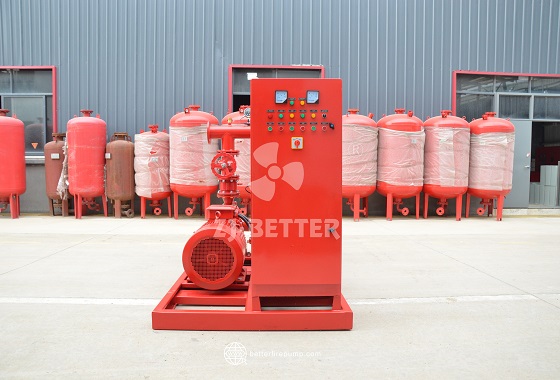
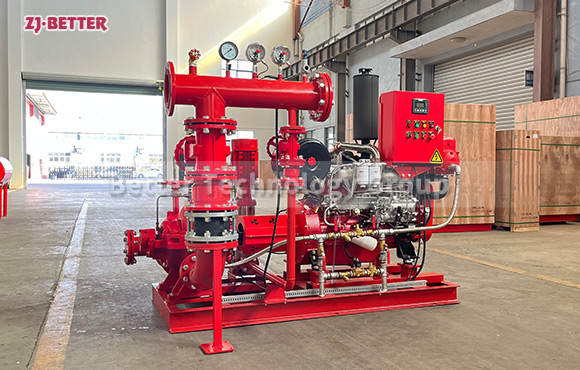
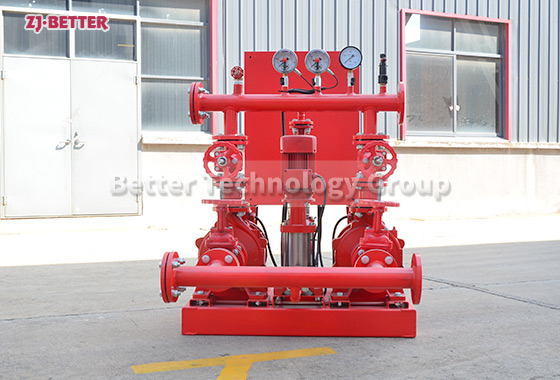
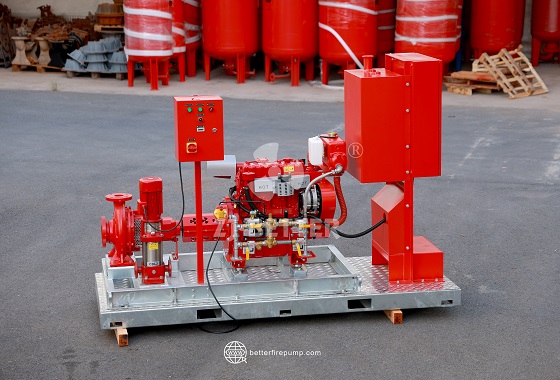
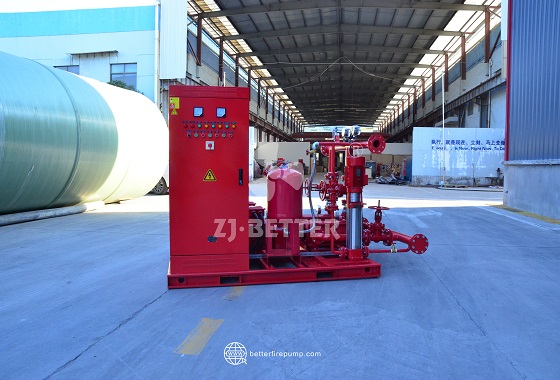
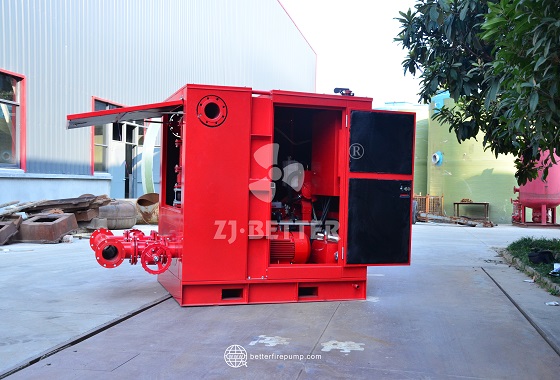
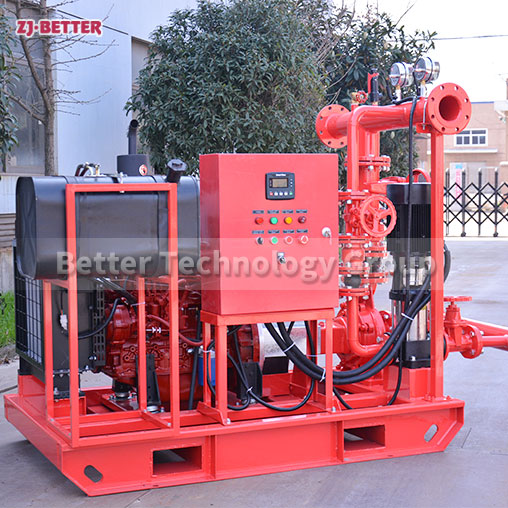
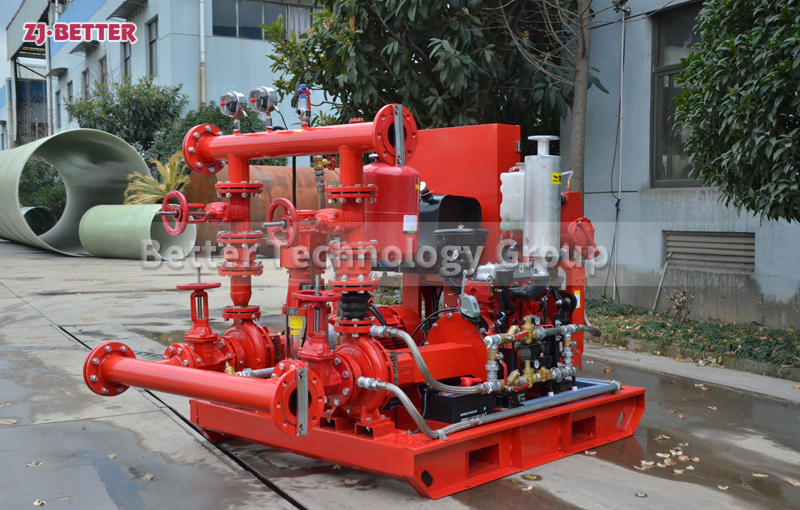
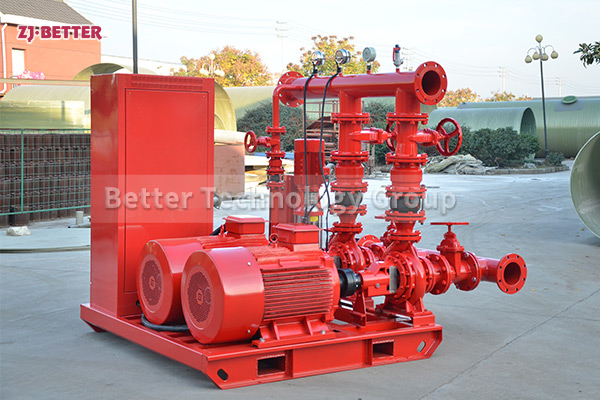
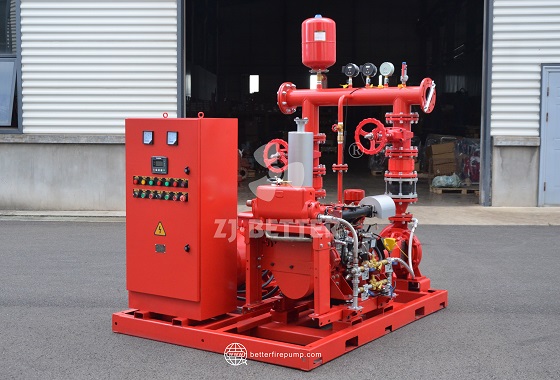
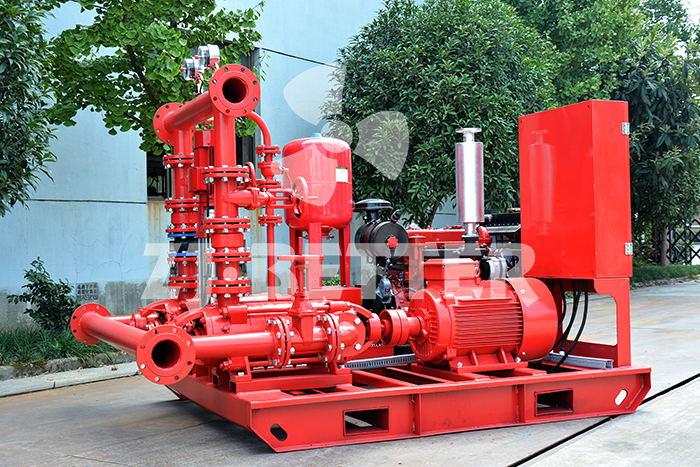
Features of multistage fire pump set

Applications:
High-rise hotel, high public places;
High-rise office buildings, high-rise residential;
Chemical, oil refining, metallurgical, enterprises;
Energy, medicine and military, enterprises.

Rated 4.6/5 based on 363 customer reviews
Share:
Previous:
Content

Environmental and Working Conditions

Ambient temperature:
Ambient temperature range 4℃-40℃.
Working to improve the ambient temperature every 5℃, its power decreased by 1%(to 25℃ as the base);
Altitude:
Reference elevation 91.4m, the reference atmospheric pressure is 100KPa;
If the work to an altitude of over 1000m, reference should be corrected GB1105 1-1987 diesel engine power, you can consult the specific technical department;
Relative humidity ≤80% (20℃), outdoor allow 90% (when installed outdoors in the order presented, you can choose to configure the outdoor structure, protection class IP55).

The Scope of Work
Water pressure: 0. 2-2.5MPa (20~250 meters);
Flow range: 5-1200L/S
Power: 3kW~2000kW;
Speed range: 1500~3200r/min
Permissible media: Drinking water, chilled water, fire water, and other impurities without abrasive or long-fiber impurities and no chemical or mechanical pump for corrosive media.
Allow the maximum medium temperature 70℃, the maximum ambient temperature of 40℃;
Maximum allowable working pressure of 1.6MPa, the maximum inlet pressure 0.6MPa.
Inquiry


    More Fire Pump Set

    Using a fire pump efficiently and reasonably is crucial to ensure its optimal performance and effective firefighting capabilities. Here are some key considerations for using a fire pump efficiently:

    Proper Sizing: Ensure that the fire pump is properly sized for the specific application.

    Regular Maintenance: Perform regular maintenance on the fire pump to keep it in optimal condition.

    Optimal Operating Speed: Operate the fire pump at the optimal speed based on the required flow rate and pressure.

    Water Management: Manage the water supply efficiently to avoid unnecessary waste.

    Training and Familiarization: Provide training to firefighters and operators on the proper operation of the fire pump.

    Monitoring and Control: Utilize monitoring and control systems to optimize pump operation. These systems can provide real-time information on flow rates, pressures, and energy consumption. Use this data to adjust operating parameters as needed and identify any anomalies or inefficiencies that may require attention.

    Shut Down When Not in Use: When the fire pump is not actively needed, consider shutting it down to conserve energy and reduce wear on the equipment.

    Record Keeping: Maintain records of pump operation, maintenance activities, and any performance issues.

    Efficient and reasonable use of a fire pump not only helps conserve resources but also ensures its readiness to combat fires effectively. By following proper operating procedures, conducting regular maintenance, and promoting a culture of efficiency among operators, the fire pump can operate optimally and provide reliable firefighting capabilities when needed most.