Energy-Efficient Constant Pressure Fire Water Supply System for Long-Term Operation
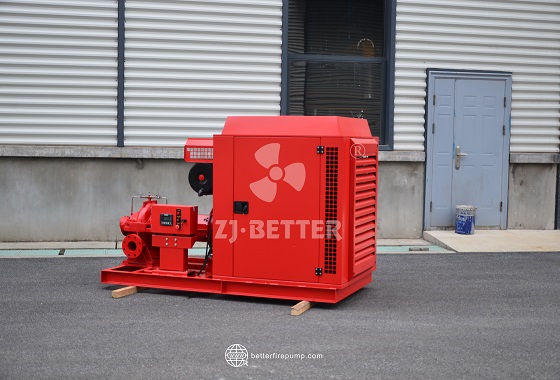
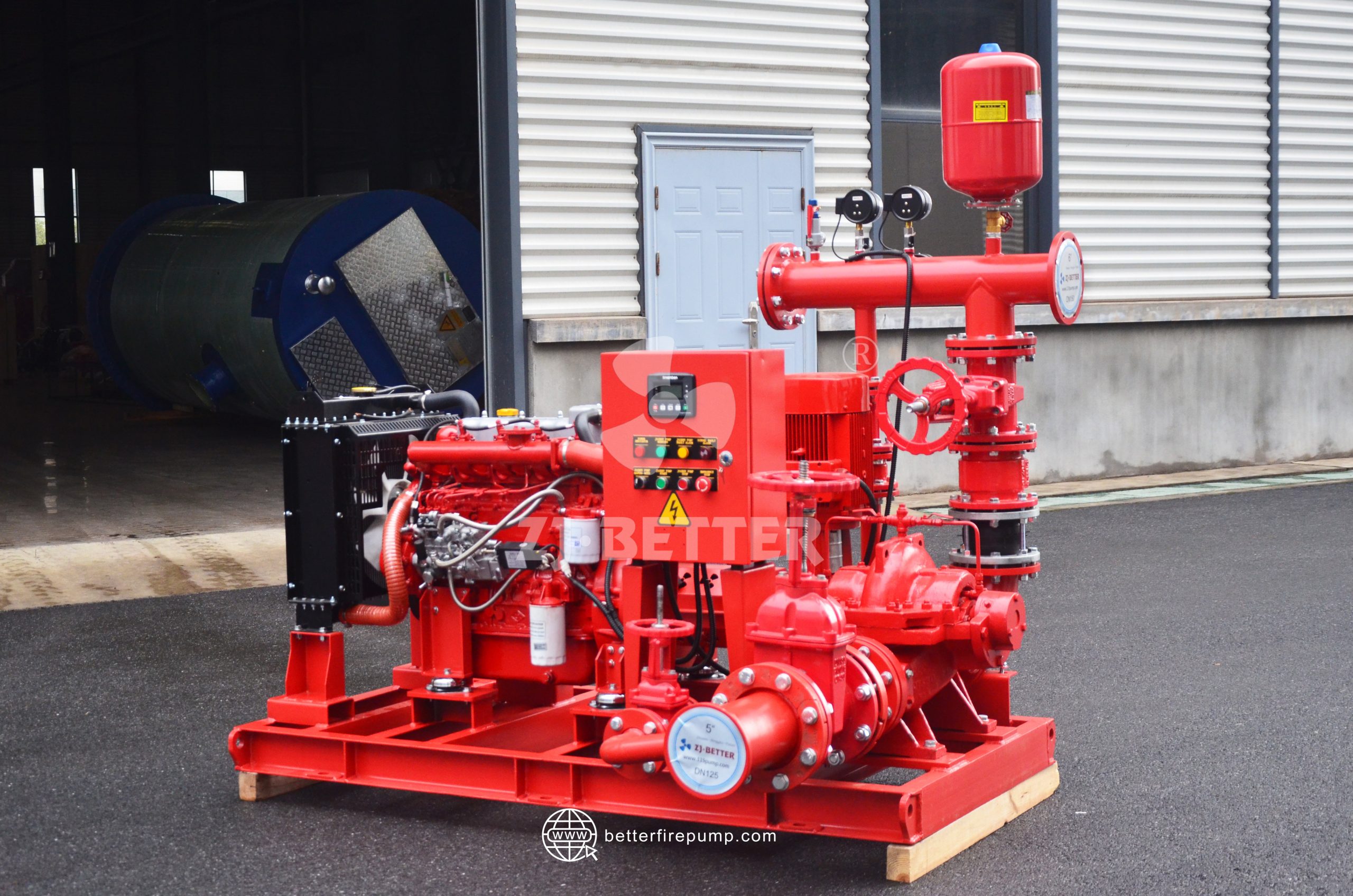
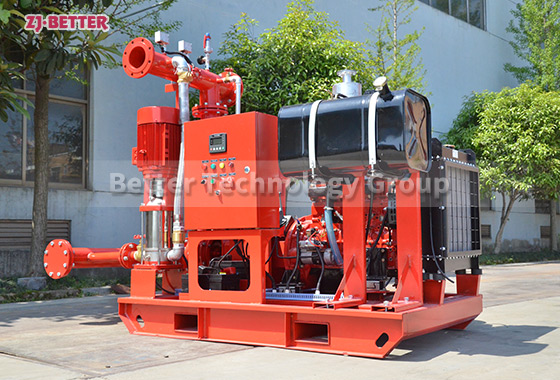
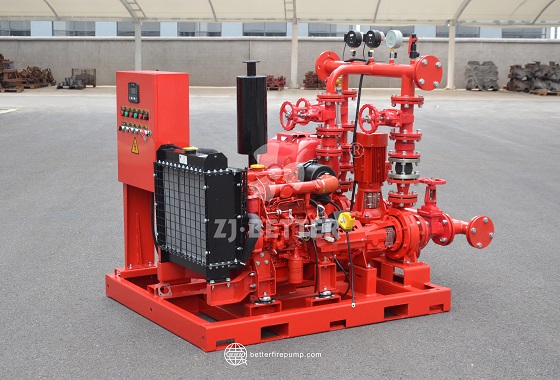
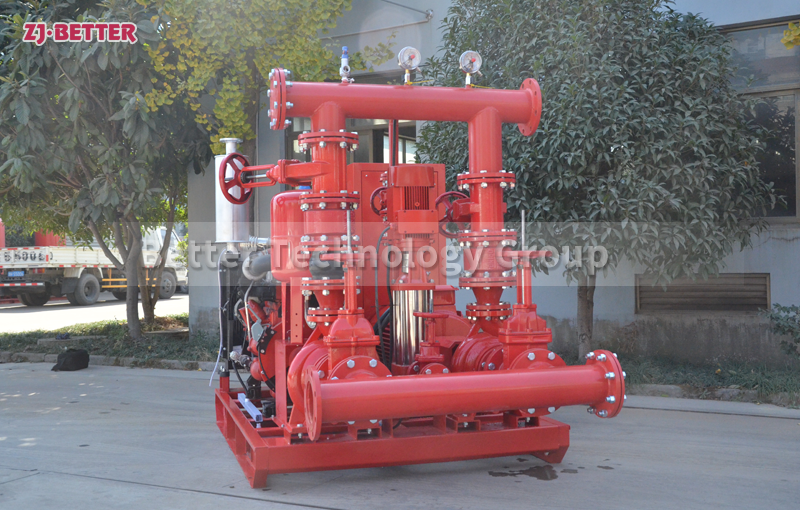
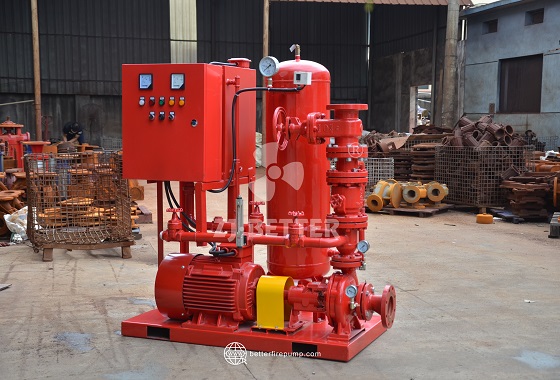
The energy-saving constant pressure fire water supply system integrates electric fire pumps, pressure stabilizing pumps and pressure tanks, and has the advantages of precise constant pressure control, low energy consumption operation and intelligent management. It is widely applicable to high-rise buildings, industrial parks and large-scale fire protection projects, ensuring long-term stable water supply and efficient fire response.
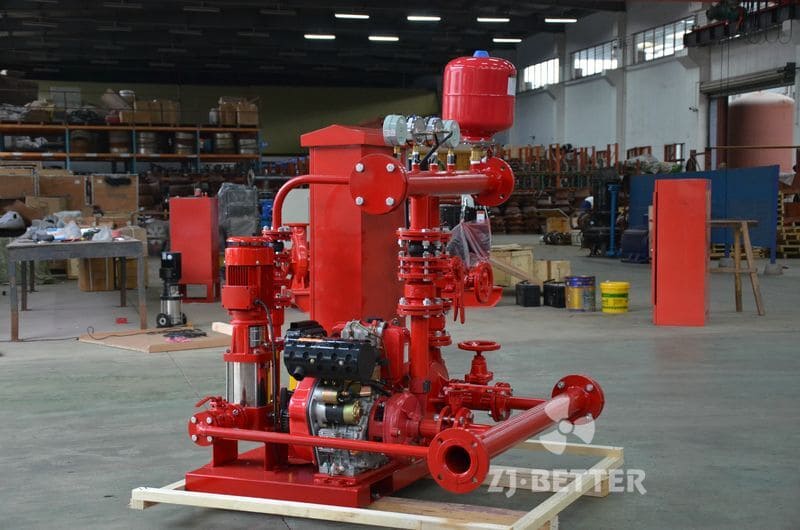
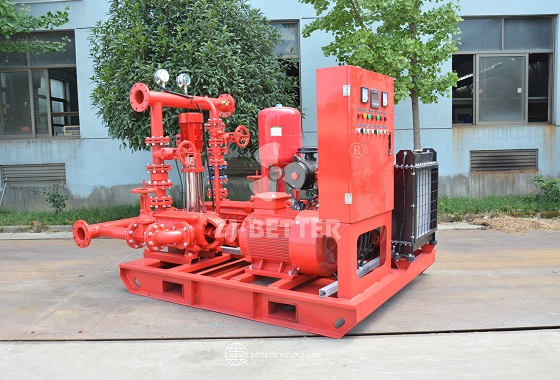
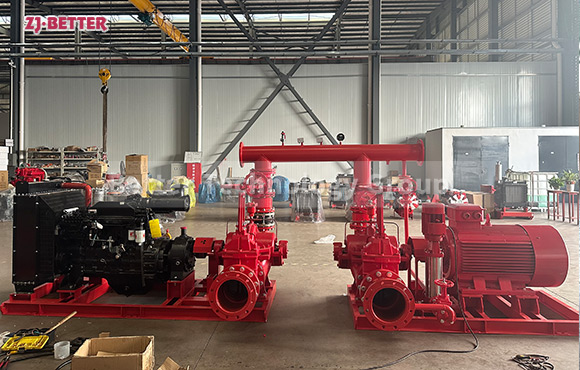
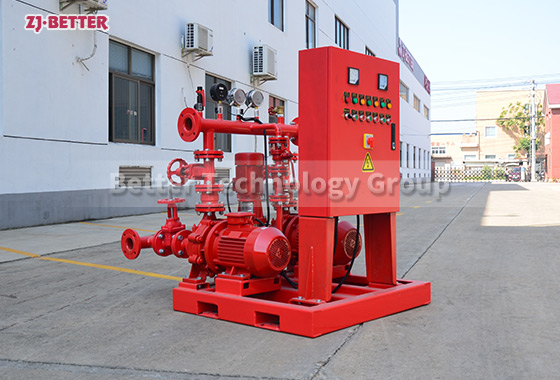
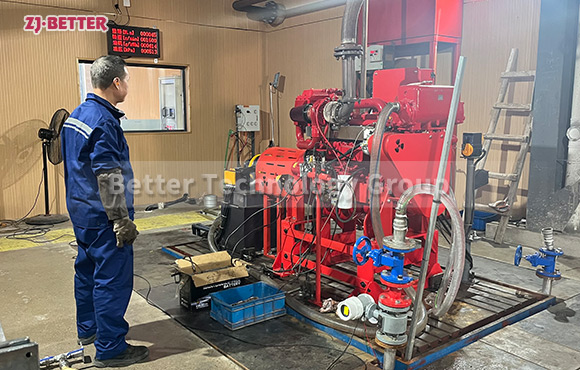
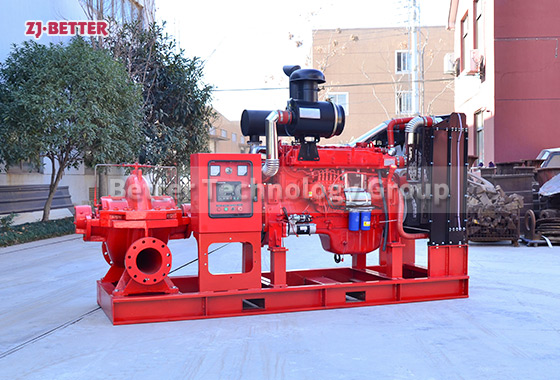
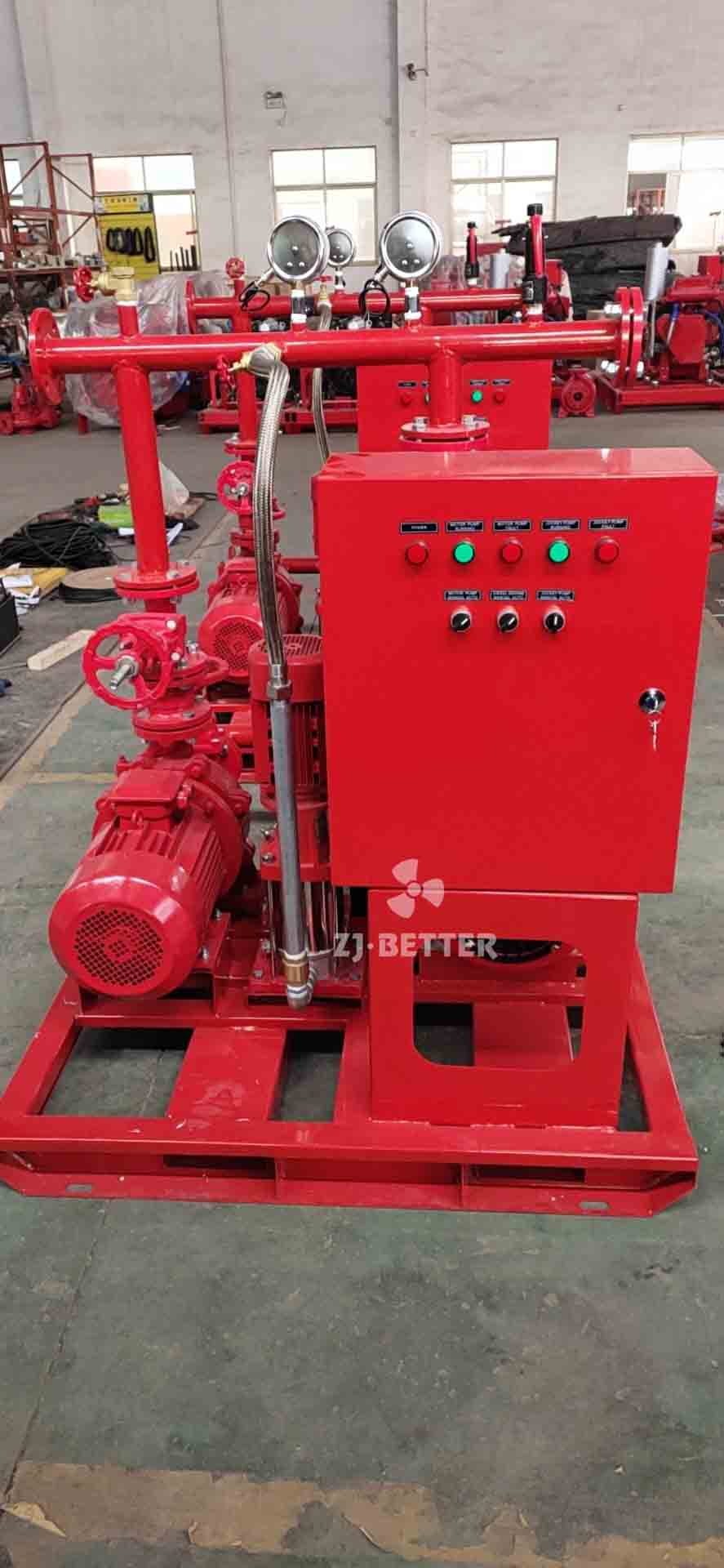
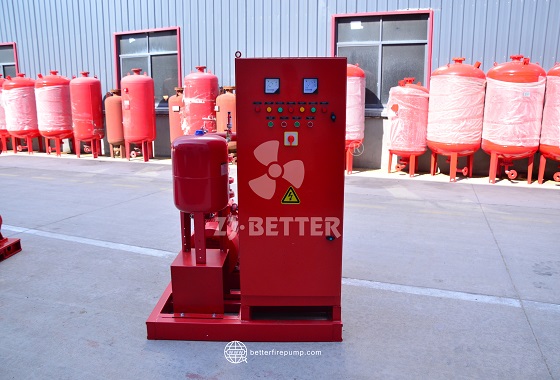
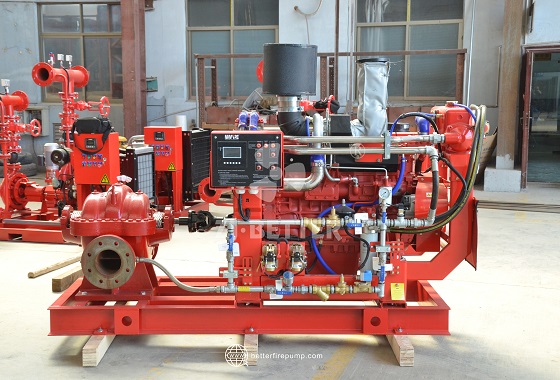
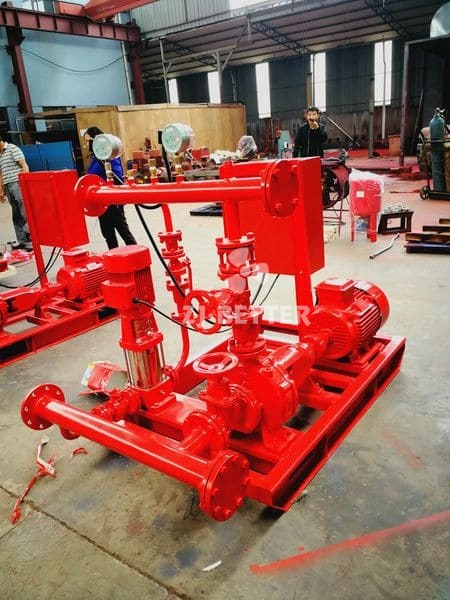
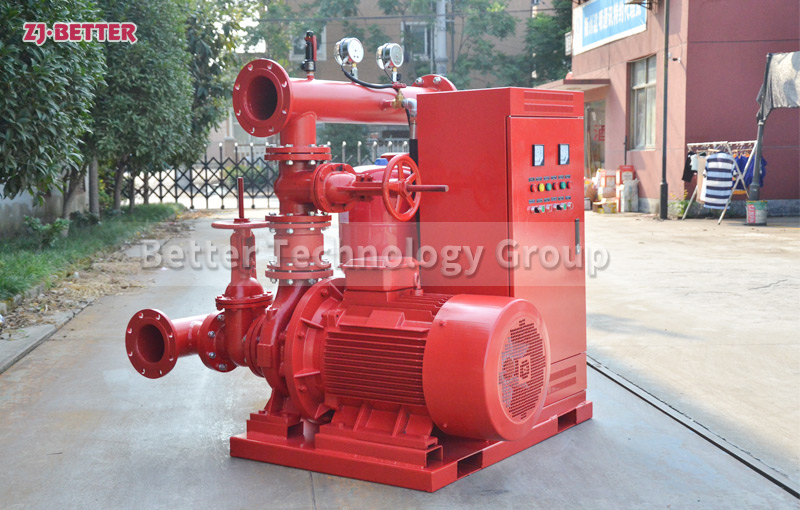
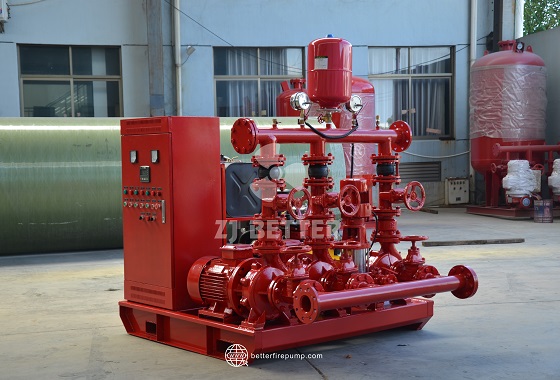
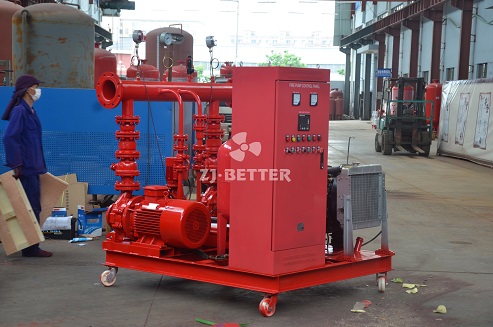
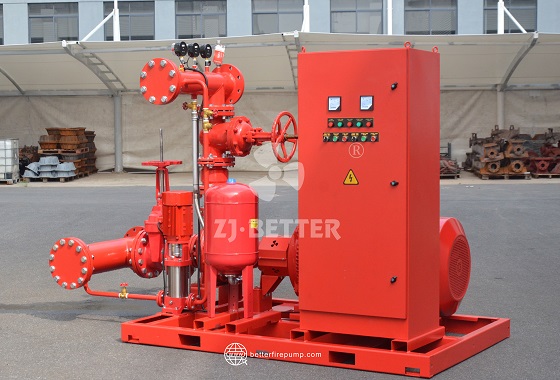
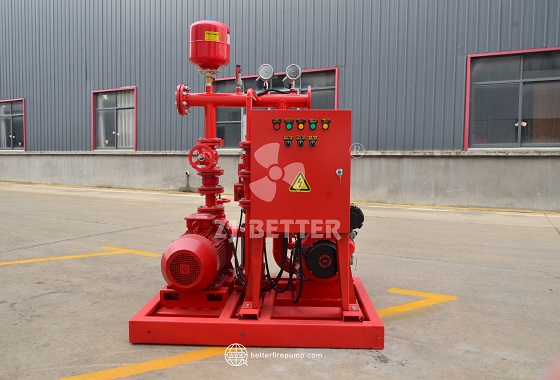
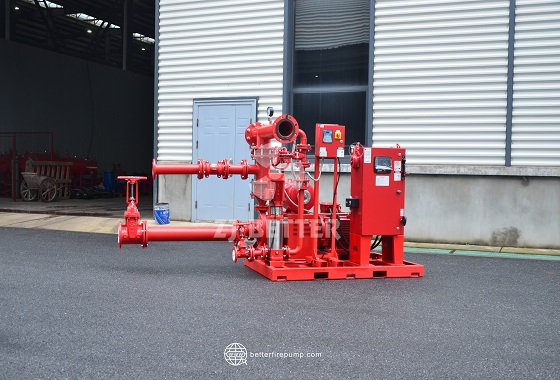
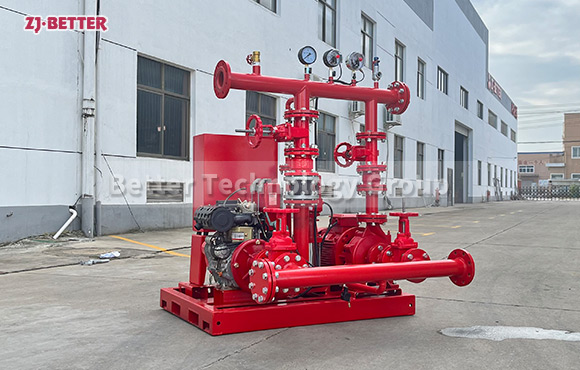
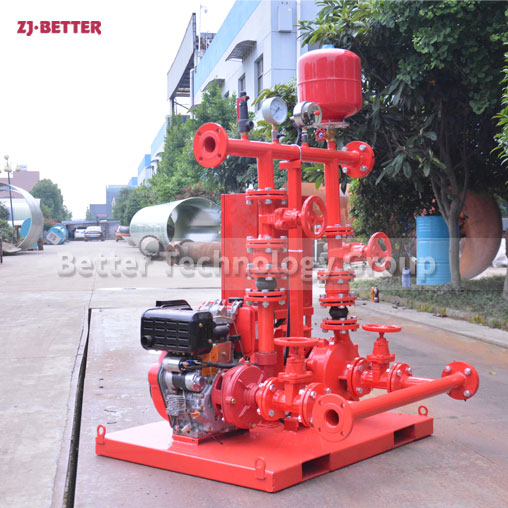
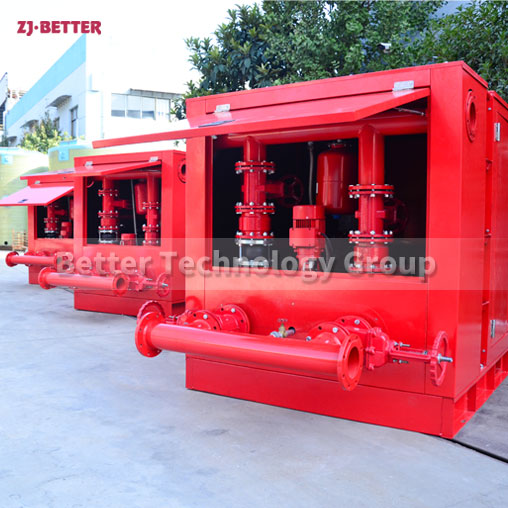
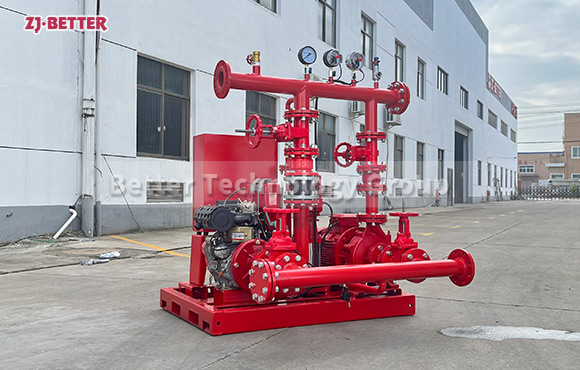
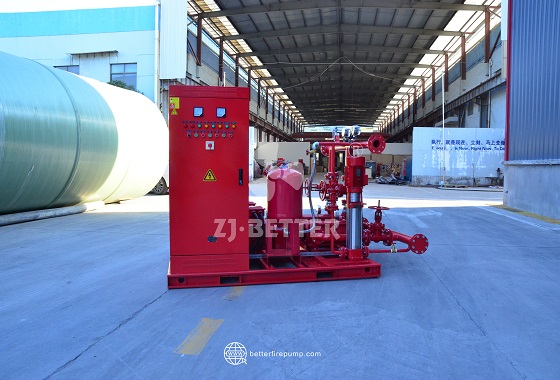
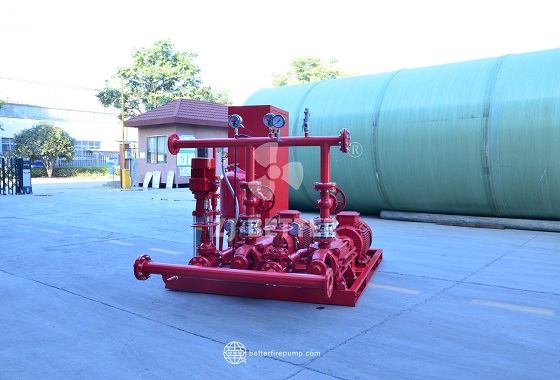
Energy-saving constant pressure fire-fighting water supply systems are suitable for long-term operation scenarios. They are advanced water supply solutions designed to meet the comprehensive needs of modern fire protection engineering for efficiency, stability, and economy. In fire protection systems that require continuous operation year-round, such as industrial parks, large commercial complexes, high-rise building clusters, warehousing and logistics centers, and public infrastructure, water supply equipment not only needs to rapidly provide sufficient water pressure and flow during a fire, but also must maintain stable pipeline pressure during normal operation while minimizing energy consumption and maintenance costs. This energy-saving constant pressure fire-fighting water supply system achieves a harmonious balance between stable water supply and energy-saving operation through optimized hydraulic design, intelligent control strategies, and efficient equipment combinations, thereby significantly improving system operating economy while ensuring fire safety. From a system composition perspective, this equipment typically… Composed of an electric fire-fighting main pump, a vertical multi-stage pressure-stabilizing pump, a pressure tank, an intelligent control cabinet, and a pressure sensing and piping system, the components are scientifically arranged to form an integrated structure, enabling the system to operate efficiently and adapt to various installations. The electric main pump, as the core water supply equipment, is responsible for providing a large flow of high-pressure water during a fire. The pressure-stabilizing pump maintains stable pipeline pressure during daily operation, while the pressure tank further reduces system pressure fluctuations through energy storage and regulation. These three components work together to construct a highly efficient and reliable constant-pressure water supply system. In terms of performance, the system’s most significant feature is its precise constant-pressure control capability. High-sensitivity pressure sensors monitor pipeline pressure changes in real time and feed the data back to the control system for analysis. When even a slight pressure fluctuation occurs, the system prioritizes the pressure tank. The system employs a buffer regulation mechanism. When the pressure drops below a set range, the pressure-stabilizing pump automatically starts to replenish water and automatically stops when the pressure recovers, thus maintaining the pipeline pressure within a stable range. Conversely, when the pressure drop is significant or a fire signal is detected, the main fire pump quickly starts and provides high-intensity water supply. This tiered response mechanism not only improves the system’s response speed but also avoids increased energy consumption and equipment wear caused by frequent main pump starts, making the entire system more efficient and rational in its operation. Regarding energy efficiency, this constant-pressure fire water supply system optimizes energy consumption through various technologies. First, the pressure-stabilizing pump handles daily small-flow water replenishment, ensuring the main pump only operates when necessary, significantly reducing power consumption. Second, the pressure tank reduces pump start-stop frequency through energy storage, further reducing system operating frequency. Simultaneously, the high-efficiency motor… Combined with optimized hydraulic design, the system minimizes energy loss during operation, achieving long-term energy-saving operation. For fire protection systems requiring continuous 24/7 operation, this energy-saving advantage significantly reduces operating costs and extends equipment lifespan. In terms of hydraulic performance, the system employs an optimized pump body structure and high-precision impeller machining technology, ensuring smoother water flow within the pump and effectively reducing hydraulic losses. This allows for higher flow and pressure output with lower energy consumption, meeting the needs of large pipe networks and multi-point water supply. Dynamic balancing reduces vibration and noise, ensuring stable and reliable operation even during extended periods of continuous operation. This is particularly important for long-term operation scenarios, improving both system stability and the operating environment. Regarding intelligent control, the system is equipped with advanced automatic… The automatic control cabinet supports multiple modes, including automatic operation, manual control, and remote monitoring. Users can view the system’s operating status in real time, including key parameters such as pressure, flow rate, motor operation, and equipment operating time. The system also features comprehensive fault alarm and protection functions. In case of abnormal conditions such as abnormal pressure, motor overload, or sensor failure, it can promptly issue alarms and take corresponding protective measures, effectively preventing equipment damage and ensuring safe system operation. Furthermore, the system can be linked with fire alarm systems or building management systems to achieve a higher level of automated management. In terms of adaptability, this energy-saving constant pressure fire water supply system has strong multi-scenario application capabilities and can be flexibly configured according to different project needs, including adjustments to flow rate, head, and control methods, making it widely applicable. This system is suitable for various scenarios including high-rise buildings, commercial complexes, industrial plants, warehousing and logistics centers, and municipal engineering projects. These locations typically require fire protection systems to be on standby for extended periods. This system effectively reduces energy consumption while ensuring a stable water supply, meeting the practical needs of different application environments. Regarding installation and maintenance, the system adopts a modular design concept, with compact and rationally laid-out components, making on-site installation simple and quick. The equipment also provides ample maintenance space for easy daily maintenance and troubleshooting. Standardized designs for key components facilitate repair and replacement, thereby reducing maintenance costs and improving equipment availability. In terms of safety, the system is equipped with multiple protection mechanisms, including overvoltage protection, water shortage protection, motor overload protection, and emergency shutdown functions, enabling rapid response in abnormal operating conditions. Measures should be taken to prevent equipment damage or system failure, thereby ensuring stable operation at critical moments. This comprehensive safety design provides reliable protection for users. In terms of materials and manufacturing, key components of the system are typically made of corrosion-resistant materials, adaptable to different water quality conditions and extending service life. Advanced manufacturing processes ensure high-precision fit between components, thereby improving overall operational stability and reliability. The equipment undergoes rigorous testing before leaving the factory, including performance testing, pressure testing, and continuous operation testing, to ensure it meets design standards and can operate stably in practical applications. Furthermore, this energy-saving constant-pressure fire-fighting water supply system has excellent expandability and can be linked with backup fire pump systems or other fire-fighting equipment. Through reasonable configuration, multi-stage water supply and system redundancy can be achieved, thereby… To further enhance the reliability and safety of the overall fire protection system, in practical applications, this system not only maintains stable pressure during daily operation but also rapidly provides a powerful water supply capacity during a fire, offering strong support for firefighting efforts. In summary, the energy-efficient constant pressure fire water supply system is suitable for long-term operation scenarios. Through efficient energy-saving design, precise pressure control, and intelligent management, it excels in performance, economy, reliability, and adaptability, making it an indispensable piece of equipment in modern fire protection engineering. It maintains a stable water supply and effectively reduces energy consumption during long-term operation, while responding rapidly in emergencies to provide a continuous and reliable water source for the fire protection system. This plays a crucial role in protecting the lives and property of personnel and is an important solution for achieving high-quality fire protection.