Building Fire Pipeline Pressure Stabilization Solutions with Vertical Fire Pump Equipment
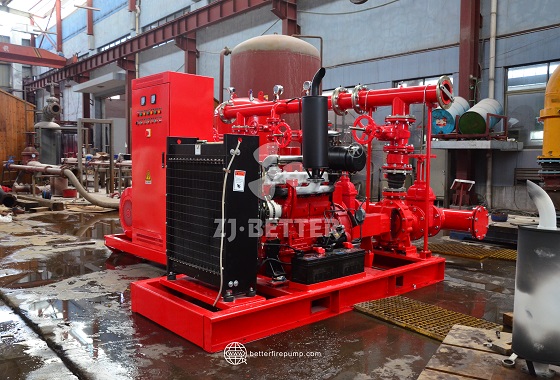
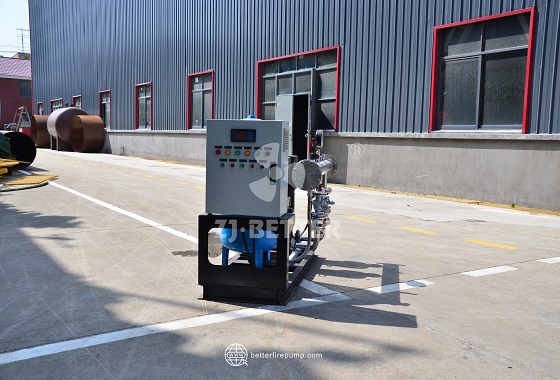
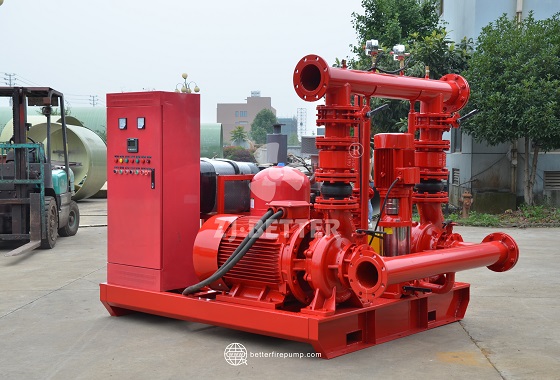
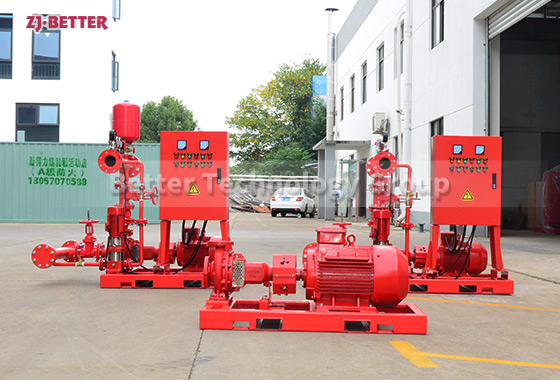
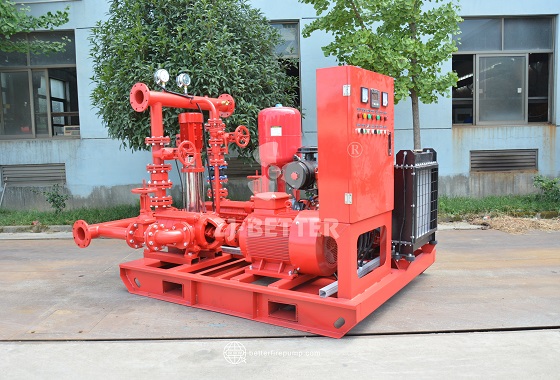
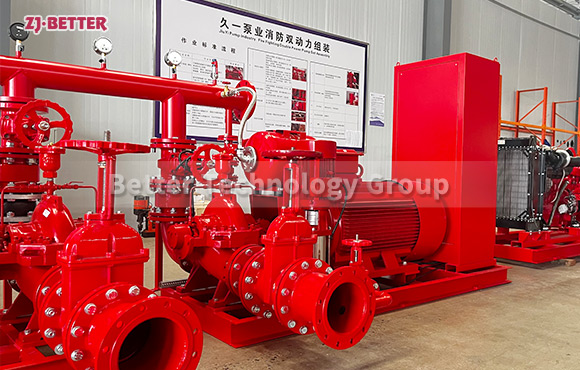
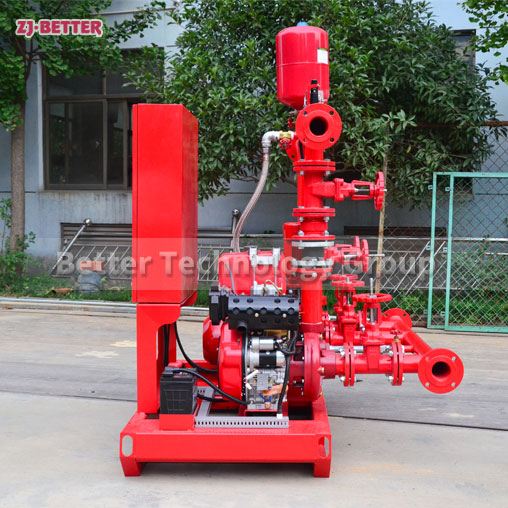
Vertical fire pump equipment is specially designed for building fire protection pipe network pressure stabilization systems. It has advantages such as compact structure, automatic control, stable operation and high efficiency. It is widely used in high-rise buildings, commercial complexes and industrial fire protection systems to ensure stable and reliable fire water supply pressure.
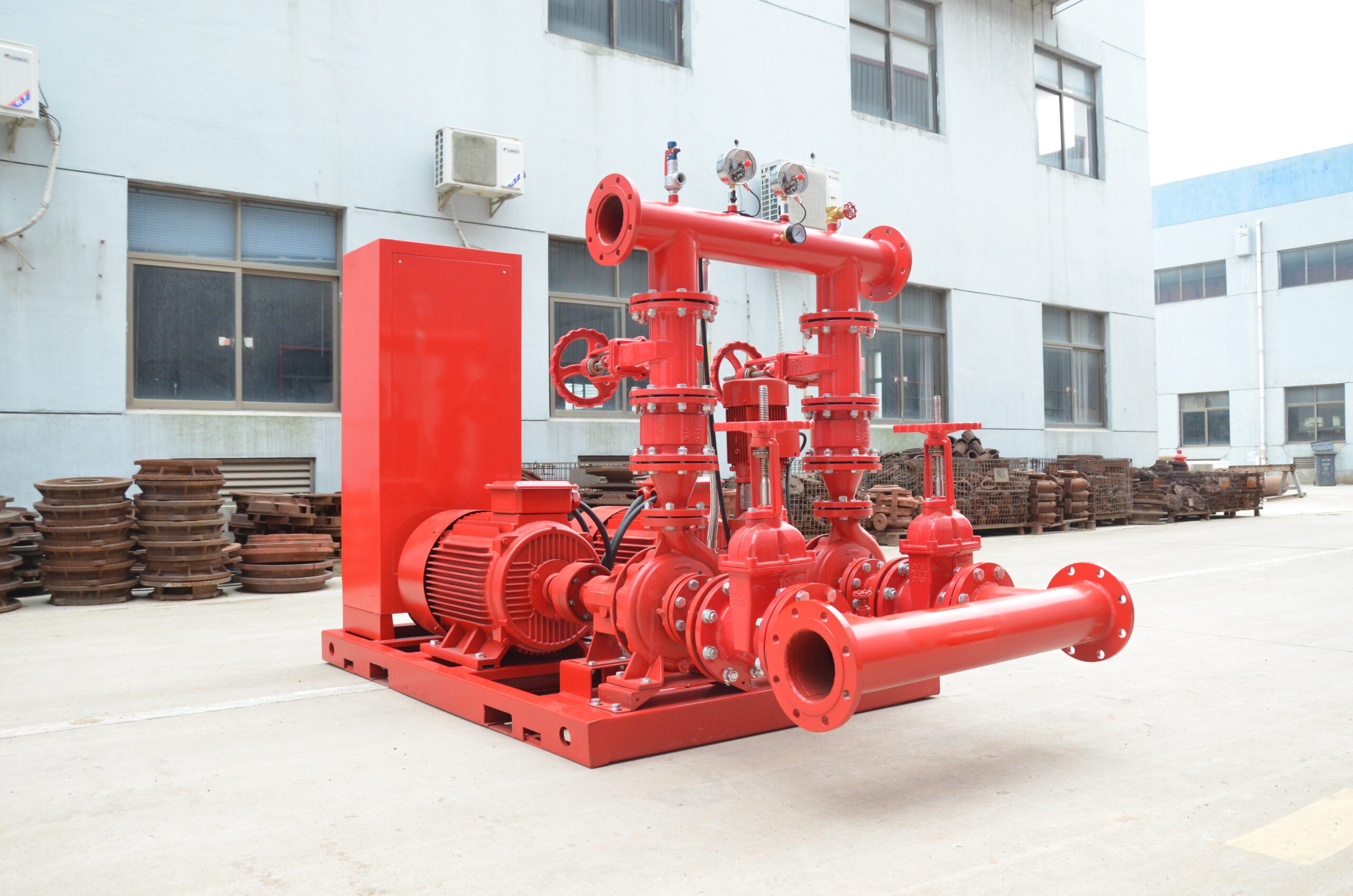
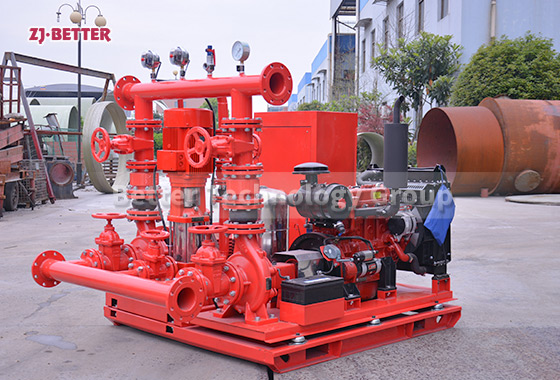
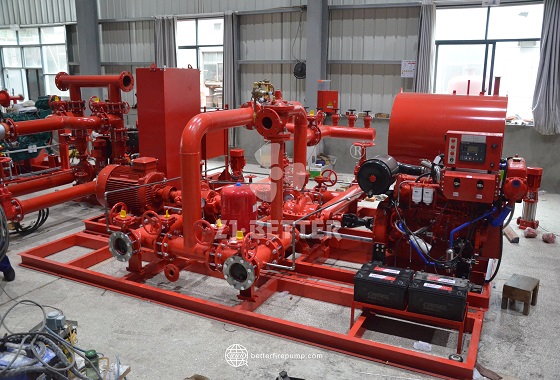
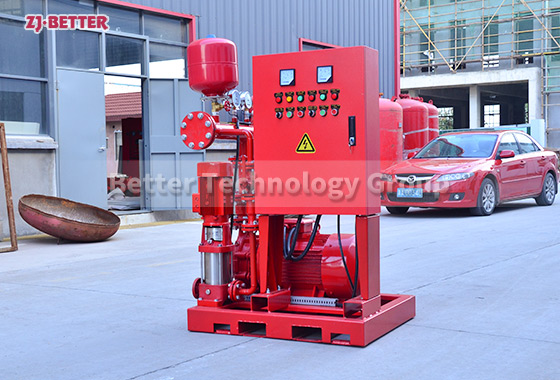
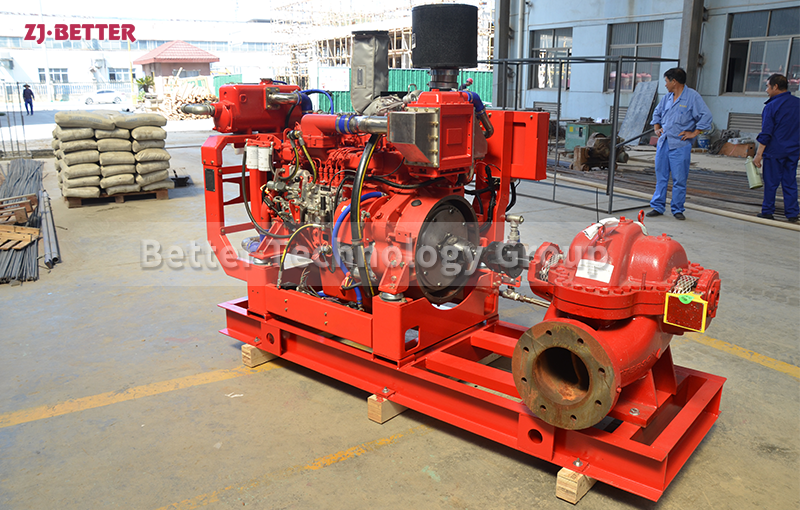
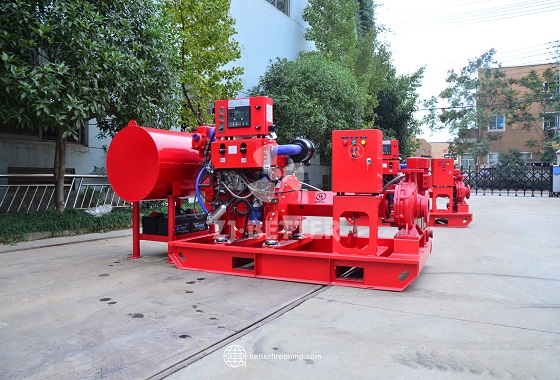
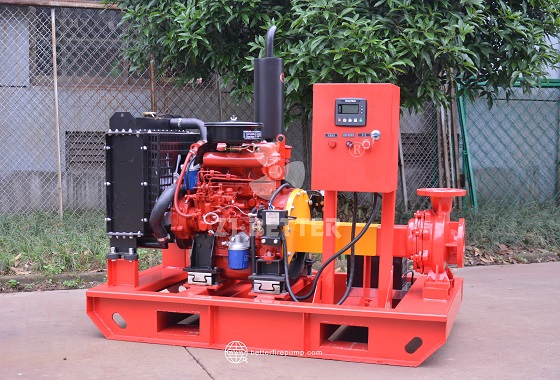
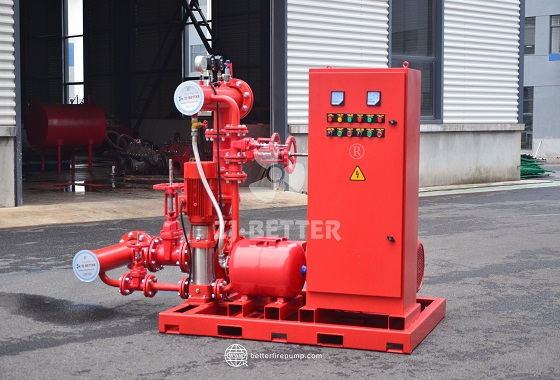
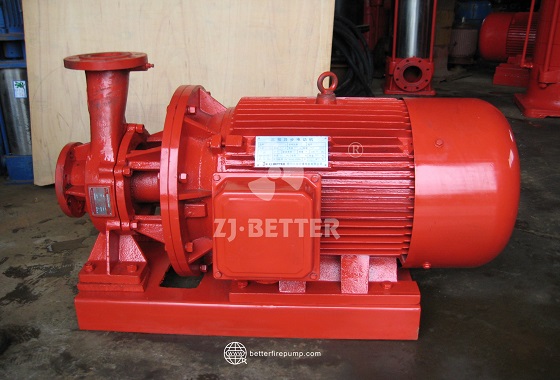
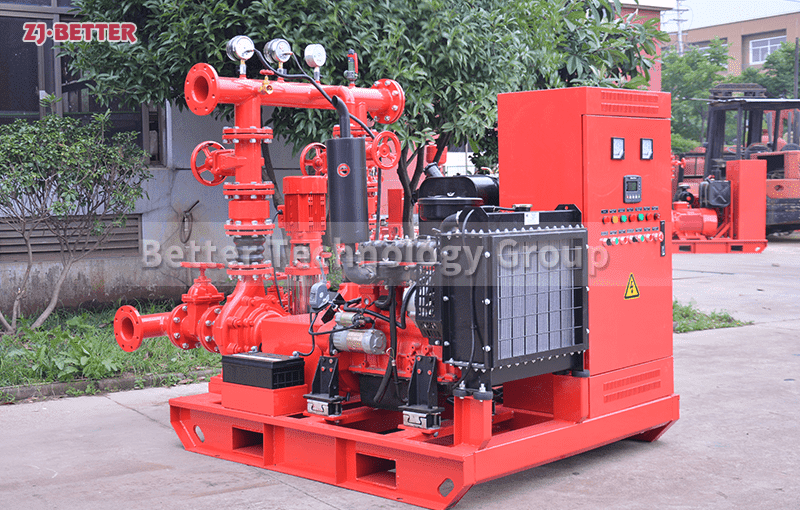
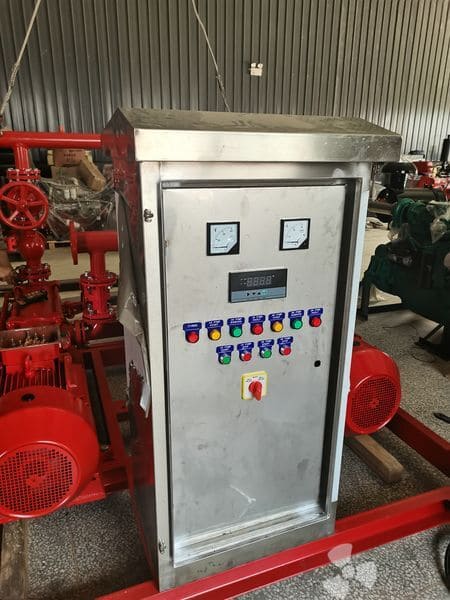
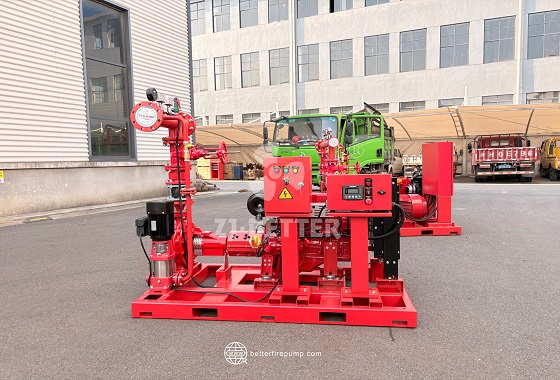
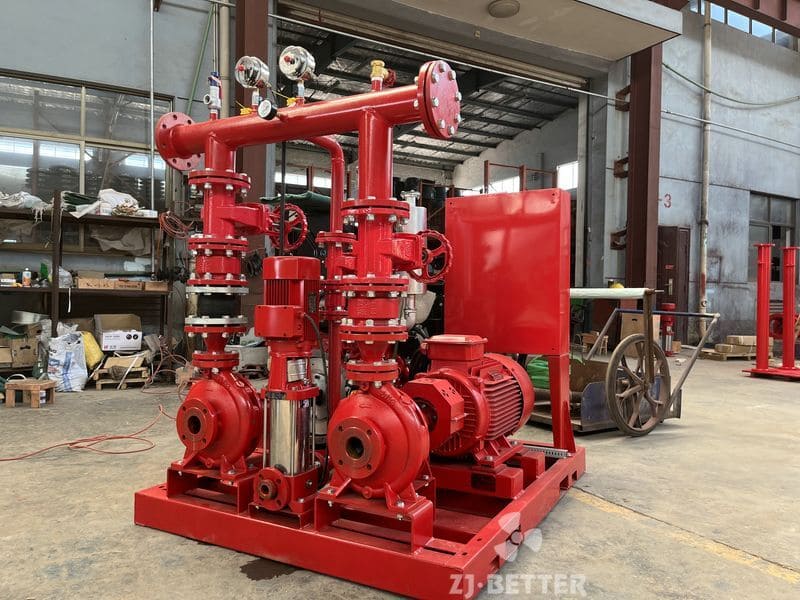
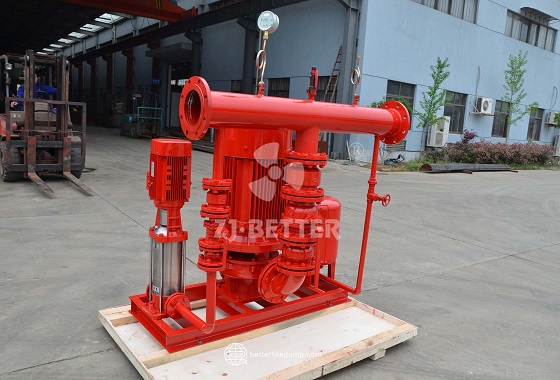
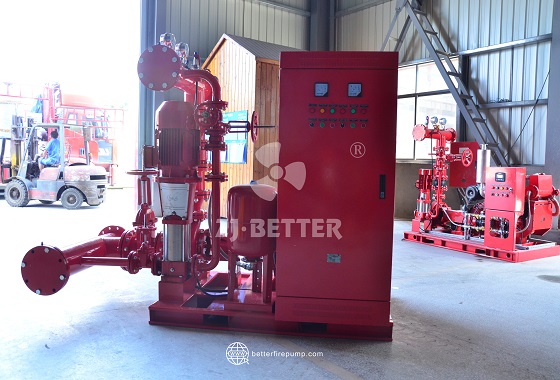
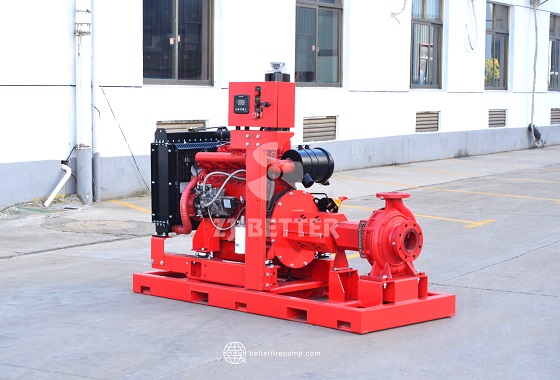
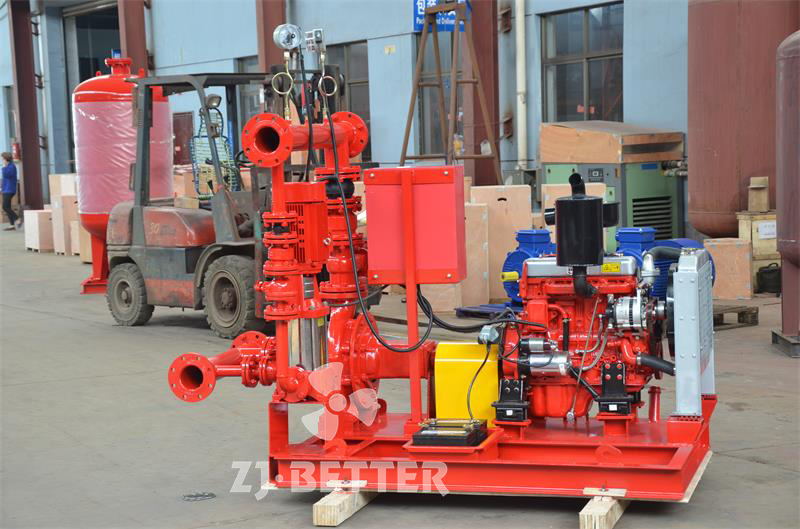
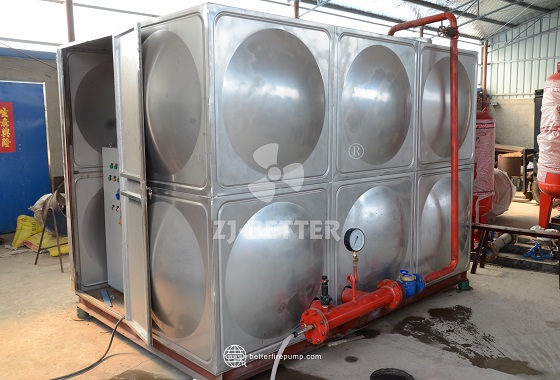
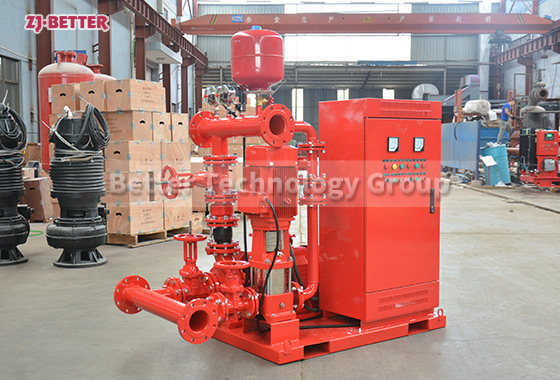
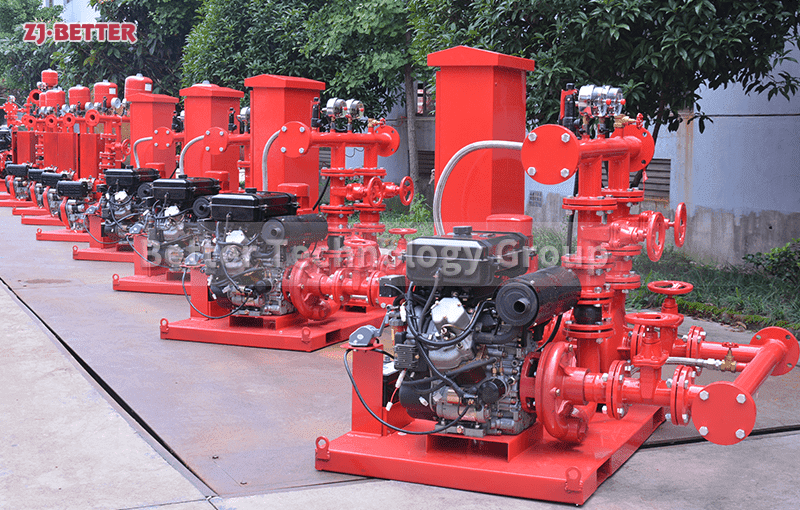
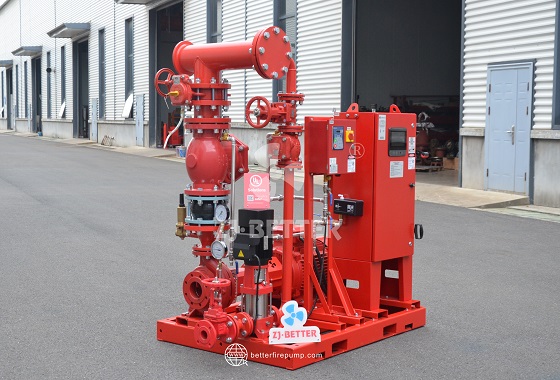
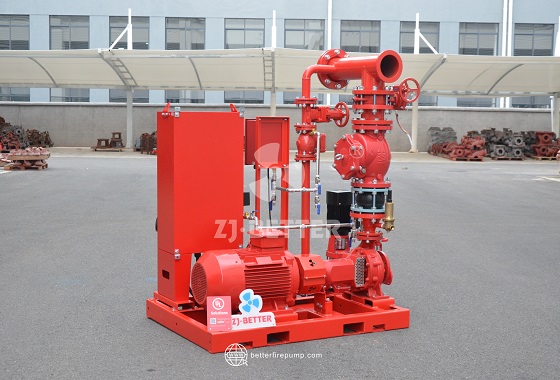
In modern building fire protection systems, stable and reliable fire water supply pressure is a crucial foundation for ensuring the normal operation of the entire system. With the accelerating pace of urbanization, the number of high-rise buildings, large commercial complexes, industrial parks, underground spaces, and public infrastructures is constantly increasing, placing higher demands on fire water supply systems due to their complex structures. The fire pipeline network must maintain a stable pressure at all times to ensure that automatic sprinkler systems, fire hydrant systems, and other fire extinguishing equipment can be quickly deployed and function effectively in the event of a fire. Against this backdrop, vertical fire pumps, as an important component of the fire pipeline network pressure stabilization system, are widely used in various building fire protection systems due to their compact structure, stable operation, convenient installation, and high degree of automation. Vertical fire pumps continuously monitor the fire pipeline network pressure and automatically adjust the water supply, keeping the entire fire protection system within a safe and reliable operating range, thus providing a solid guarantee for building fire safety. Vertical fire pumps typically employ a vertical pipeline structure design, with the pump body directly installed in the pipeline system, allowing water to flow in a straight line within the pump body, thereby reducing hydraulic losses and improving overall operating efficiency. This structure not only saves installation space but also reduces complex piping connections, making equipment installation simpler. For fire pump rooms or underground equipment rooms in buildings with limited space, the vertical structure effectively reduces the equipment’s footprint, allowing for a more rational layout of fire equipment. During long-term operation of the fire protection system, the compact structure also reduces vibration and noise, ensuring stable and reliable operation. The core components of a vertical fire pump are a high-performance impeller and a high-strength pump body structure. The impeller, through precise hydraulic design and high-precision manufacturing, allows water to form a stable flow path within the pump body, thereby improving pump efficiency and reducing energy loss. The high-performance impeller can quickly convert mechanical energy into water kinetic energy during rotation, enabling the fire pipeline pressure to quickly return to the set range. To accommodate the long-term standby operation of fire protection systems, the impeller and pump body are typically made of corrosion-resistant materials, ensuring good performance even under prolonged contact with water. Simultaneously, the pump shaft system is usually equipped with high-quality bearings and reliable mechanical seals, ensuring stability and good sealing even at high speeds. The main function of a fire-fighting pressure stabilization system is to quickly replenish water when the pressure in the fire-fighting pipeline network drops, restoring the system pressure to the set range. Vertical fire pumps are typically equipped with advanced pressure monitoring devices and automatic control systems, which control equipment operation by monitoring changes in the fire-fighting pipeline network pressure in real time. When the pipeline pressure falls below the set value, the control system automatically starts the pressure-stabilizing pump and replenishes water to the pipeline network, thereby restoring the system pressure; when the pressure reaches the set range, the equipment automatically stops operating to avoid energy waste. This automated control method not only ensures that the fire-fighting system maintains stable pressure but also significantly improves equipment operating efficiency and reduces manual intervention. Modern fire-fighting systems typically require equipment with high reliability; therefore, vertical fire pumps are designed with multiple safety protection measures in mind, such as motor overload protection, short-circuit protection, phase loss protection, and equipment abnormality alarms. These protection functions can take timely protective measures when equipment malfunctions, thereby preventing equipment damage and improving system safety. In some large-scale building fire-fighting systems, vertical fire pumps can also be linked with fire alarm systems. When a fire alarm signal is triggered, the system can automatically start the fire pump unit, enabling the fire-fighting system to quickly enter operational status. In addition to automatic control functions, vertical fire pumps also possess excellent operational stability. Because the pump body is directly connected to the piping system, water flow remains stable within the equipment, reducing the impact of water hammer on the pipe network. Simultaneously, the equipment structure is rigorously designed to maintain low vibration and low noise during long-term operation, thereby improving overall system reliability. In building fire protection systems, equipment often needs to be in standby mode for extended periods; therefore, a stable and reliable design is crucial to ensuring normal startup in critical moments. To further enhance system stability, vertical fire pumps are typically used in conjunction with pressure tanks or pressure vessels. Pressure tanks can buffer minor changes in pipe network pressure through energy storage, reducing frequent pump starts. This not only extends equipment lifespan but also improves overall system efficiency. By rationally configuring the pressure tank capacity and control parameters, the fire protection system can maintain stable pressure during daily operation while reducing energy consumption. Vertical fire pumps also have wide applicability. In high-rise building fire protection systems, this equipment can be used to maintain fire pipe network pressure, keeping sprinkler and fire hydrant systems on standby at all times. In public buildings such as large commercial centers, hotels, hospitals, and office buildings, a stable fire water supply system effectively protects the safety of people and property. In the industrial sector, such as petrochemical plants, power facilities, warehousing and logistics centers, and manufacturing plants, vertical fire pumps also play a crucial role. These locations typically have a high fire risk and therefore require a reliable fire water supply system for safety. Using high-efficiency fire pumps ensures that the fire protection system can quickly provide a stable water source in emergencies. With the continuous development of modern fire protection technology, vertical fire pumps are constantly being upgraded in design and manufacturing. For example, advanced hydraulic model optimization design can further improve pump efficiency and reduce energy consumption; intelligent control systems enable remote monitoring and automatic operation management, making fire protection system maintenance more convenient; and the use of high-performance materials improves the equipment’s corrosion resistance and wear resistance, thereby extending its service life. The application of intelligent control technology also enables the equipment to be linked with building automation systems, achieving centralized management and remote monitoring, which is of great significance for fire protection systems in large buildings. In summary, vertical fire pumps, with their compact structure, high efficiency, automated control, and stable reliability, have become an indispensable piece of equipment in modern building fire protection systems. Through proper configuration and scientific design, this equipment can effectively maintain the pressure of the fire hydrant network, ensuring the entire fire protection system operates reliably at all times. When a fire occurs, a stable fire water supply pressure ensures the rapid deployment of various fire-fighting equipment, providing sufficient water support for firefighting operations. As urban building scale continues to expand and fire safety standards continue to rise, vertical fire pumps will play an even more important role in future fire protection projects, providing more efficient, reliable, and stable water supply solutions for building fire safety.