High-Performance Diesel Fire Pump Set with Complete Auxiliary Components for Fire System Operation
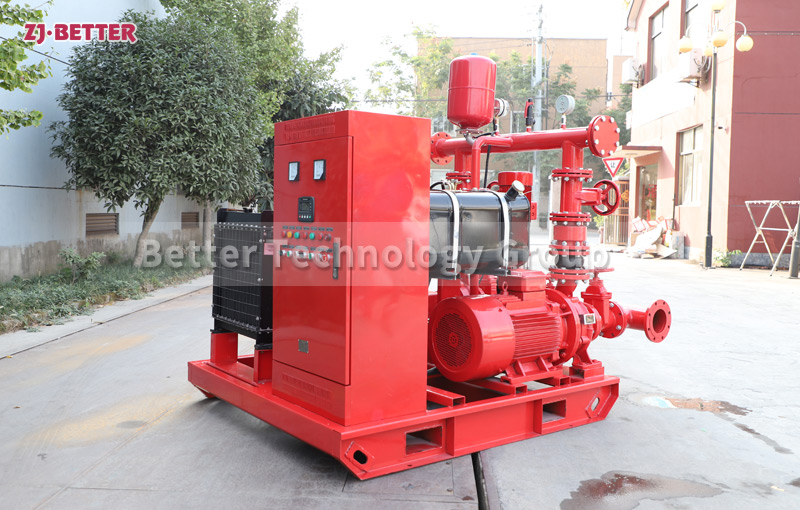
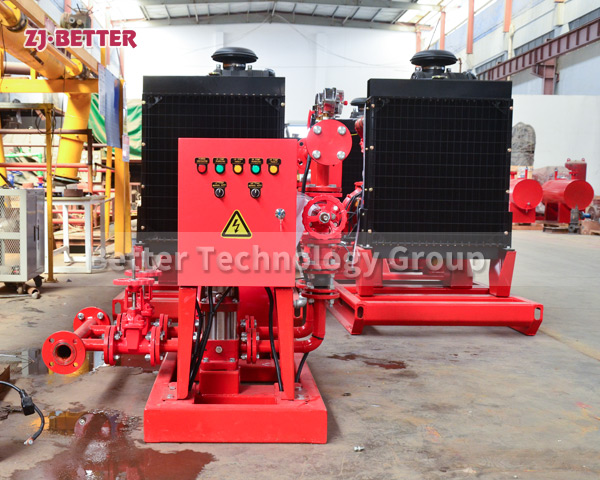
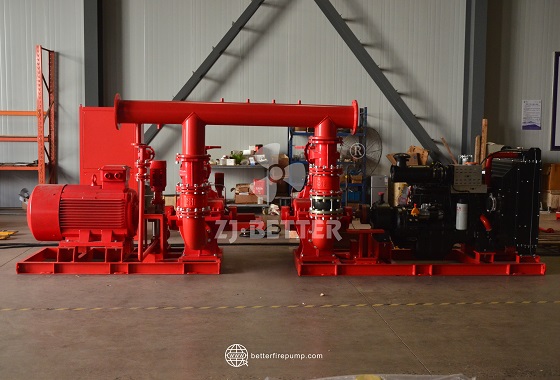
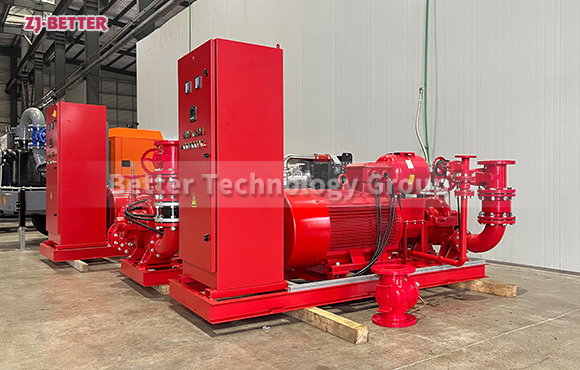
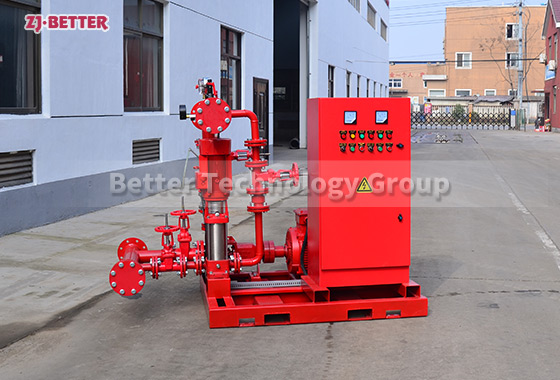
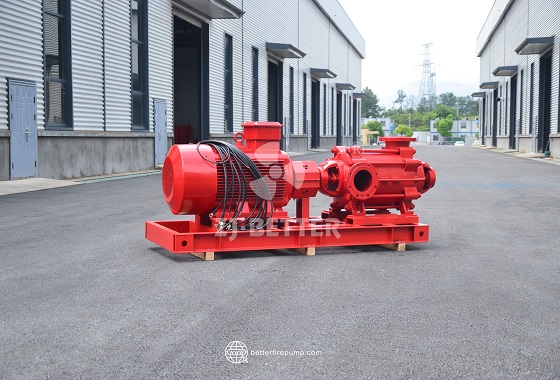
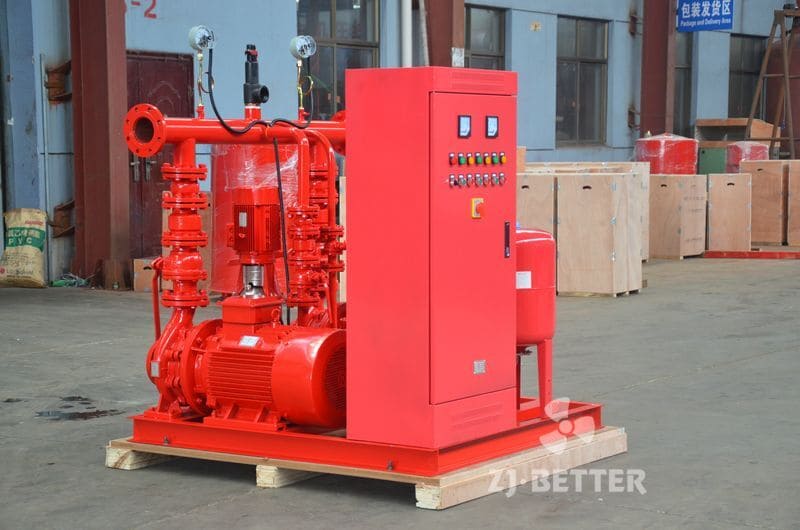
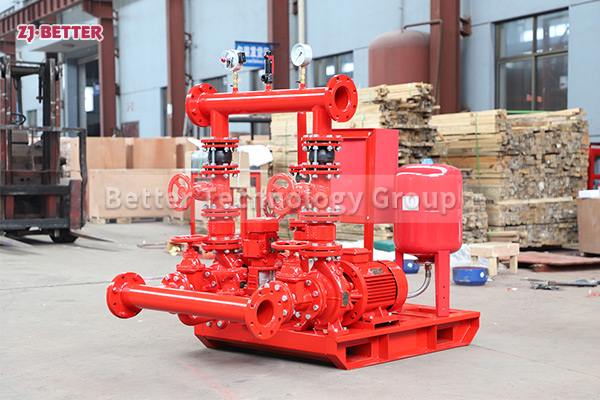
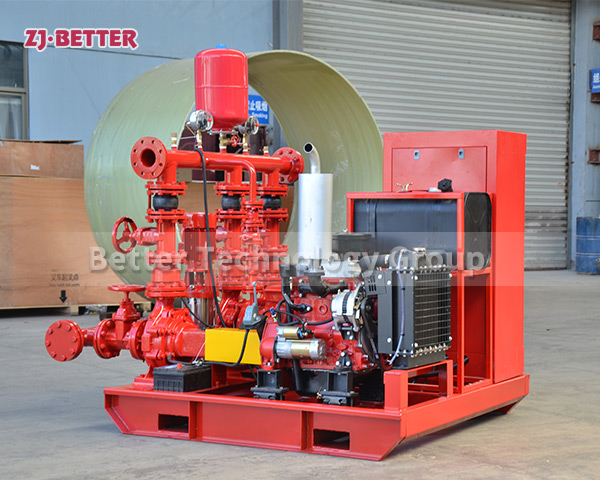
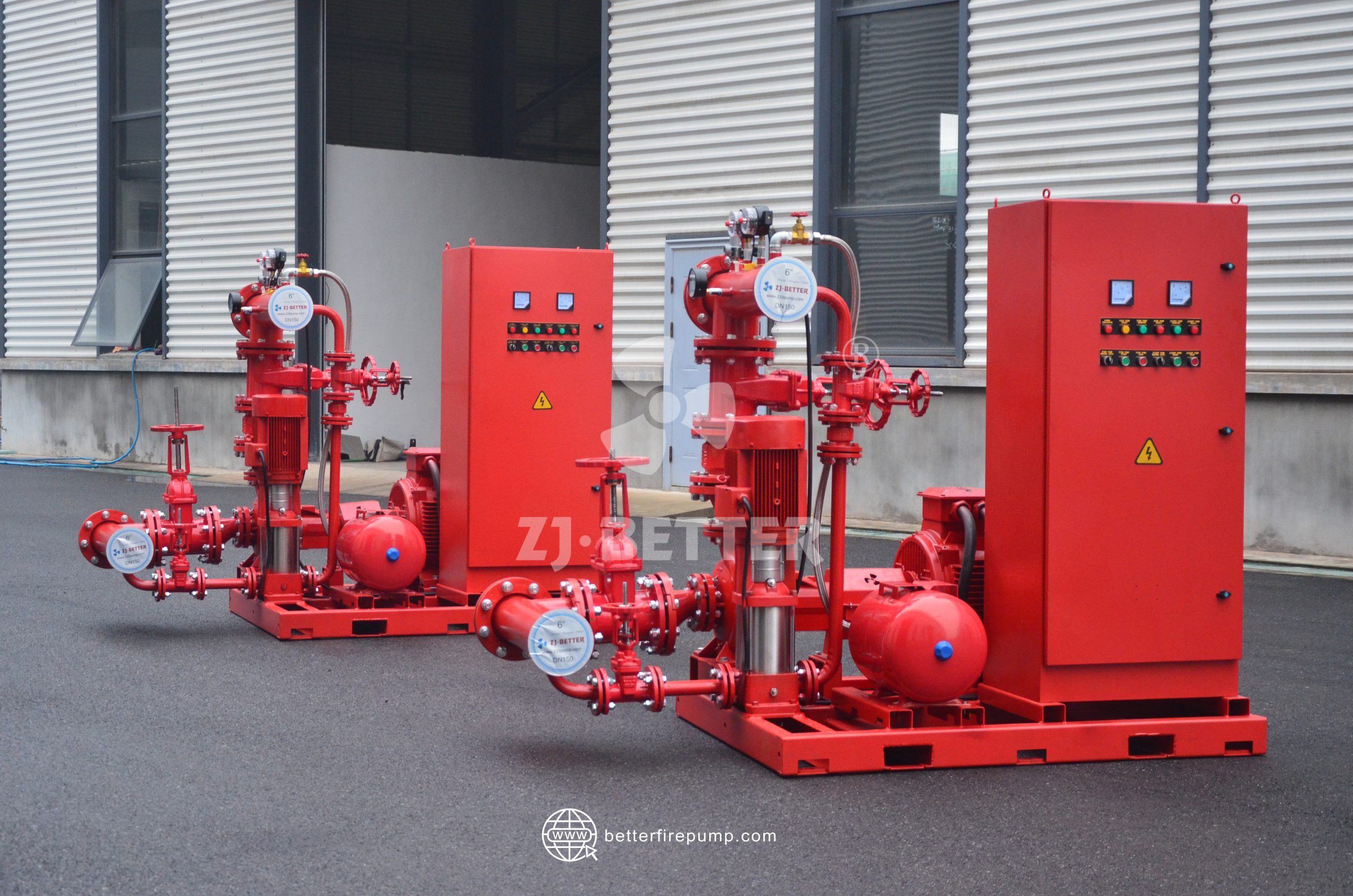
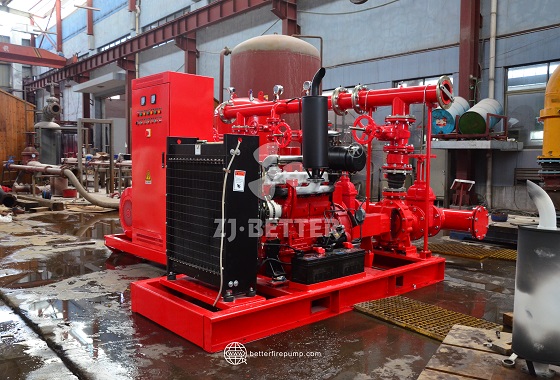
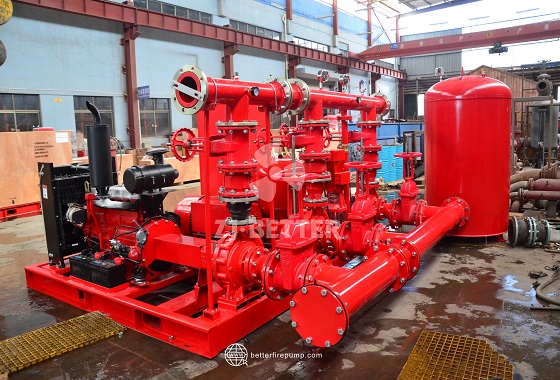
High-performance diesel fire pump sets integrate a diesel engine, fire pump, pressure stabilizing pump, pressure vessel, control cabinet, and complete auxiliary components. They can be flexibly configured according to flow rate, head, and engineering requirements, and are suitable for industrial, warehousing, and large-scale fire water supply systems.
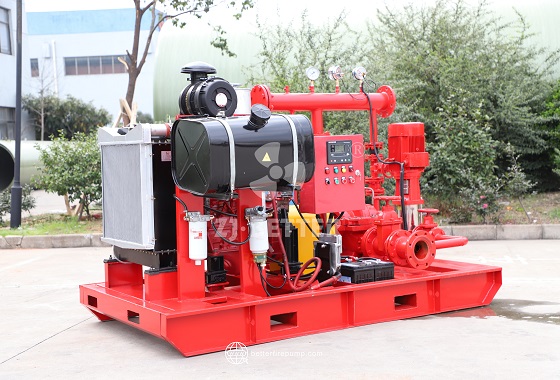
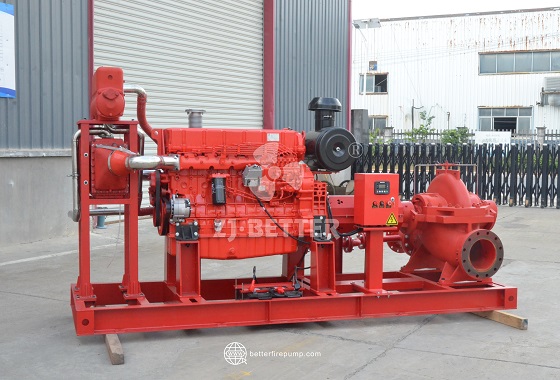
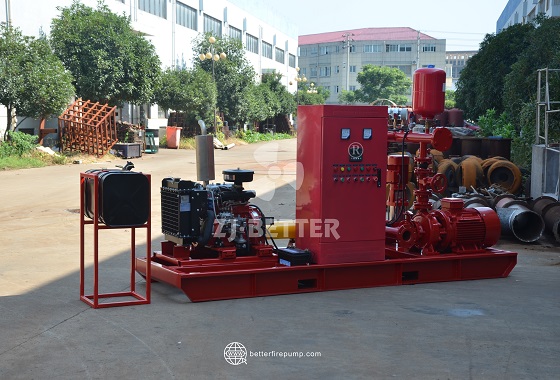
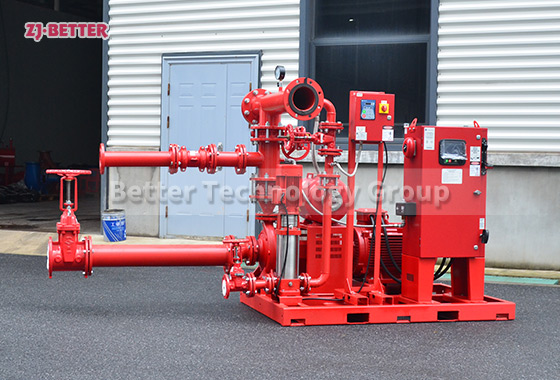
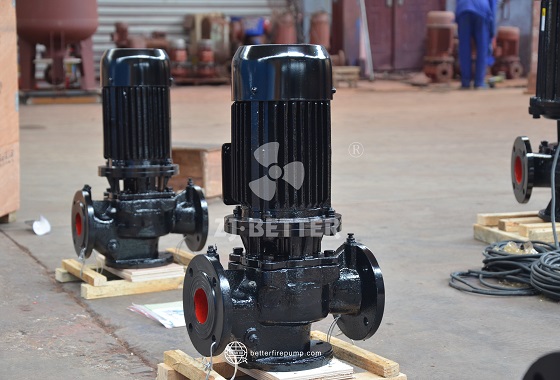
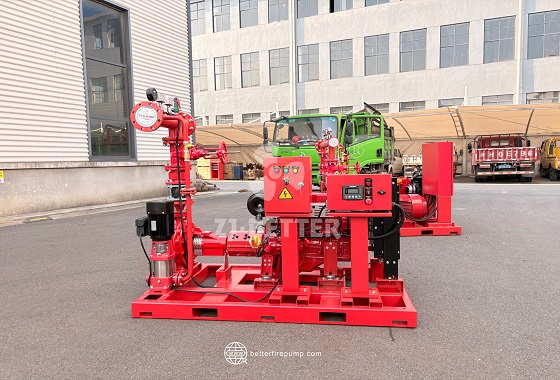
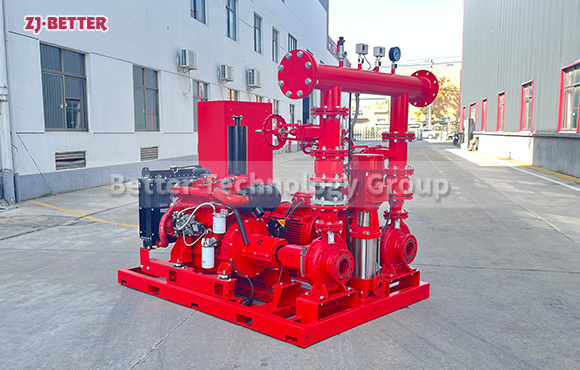
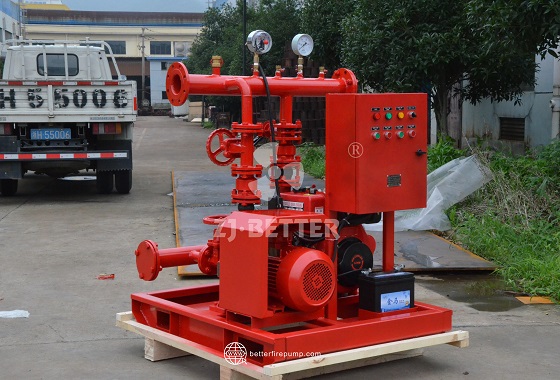
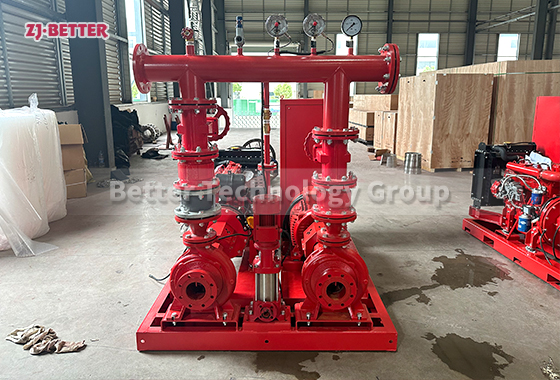
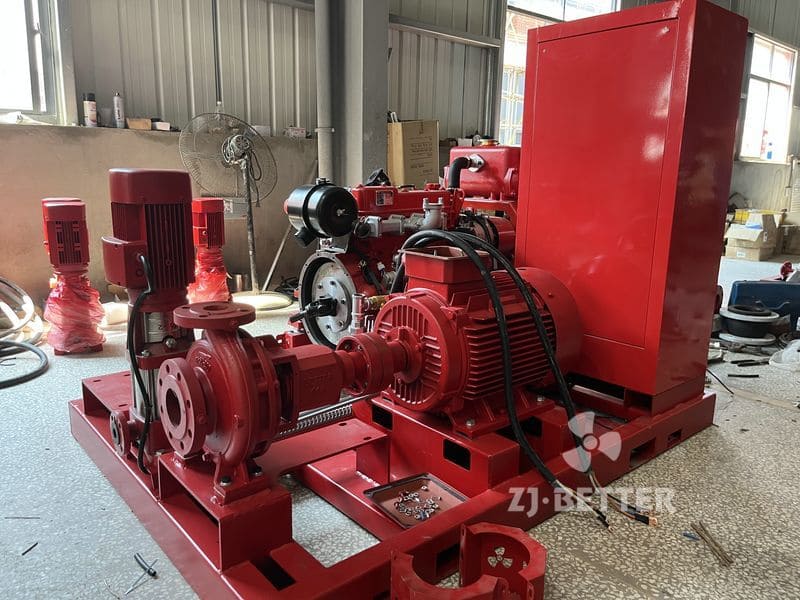
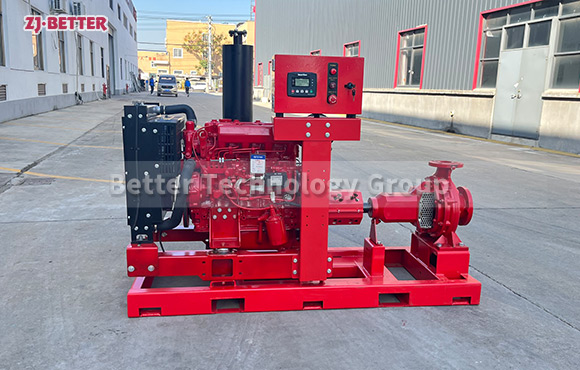
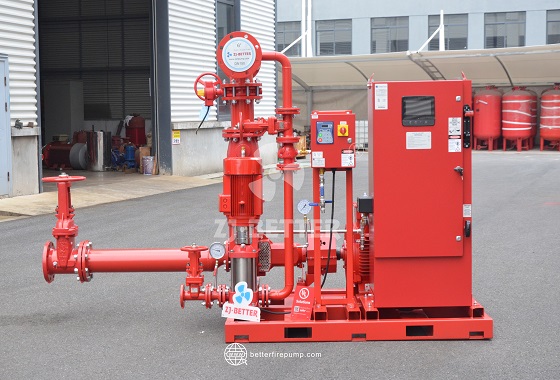
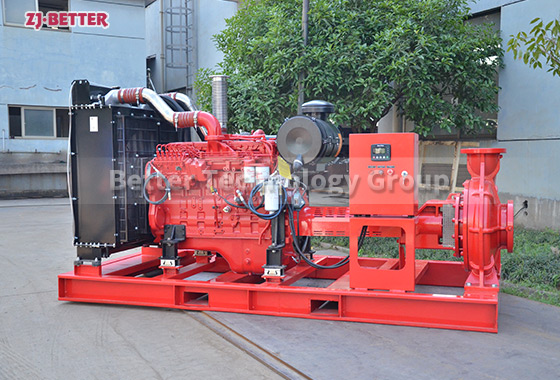
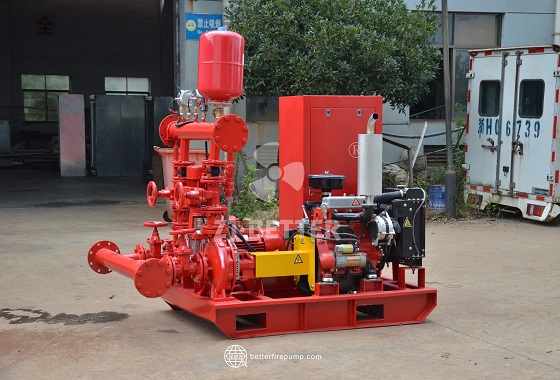
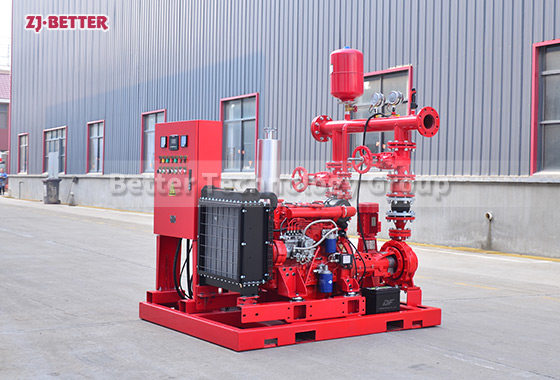
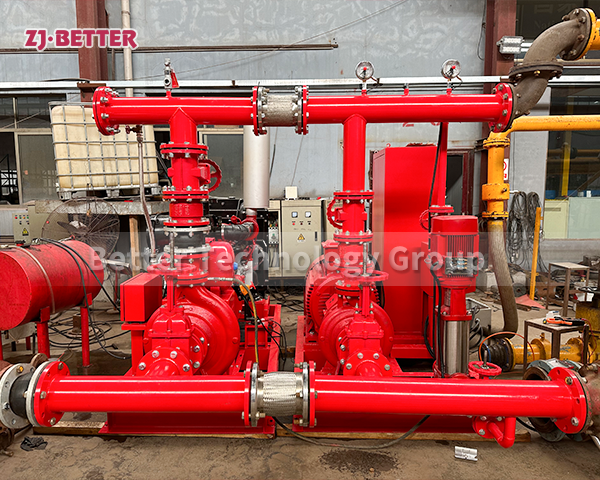
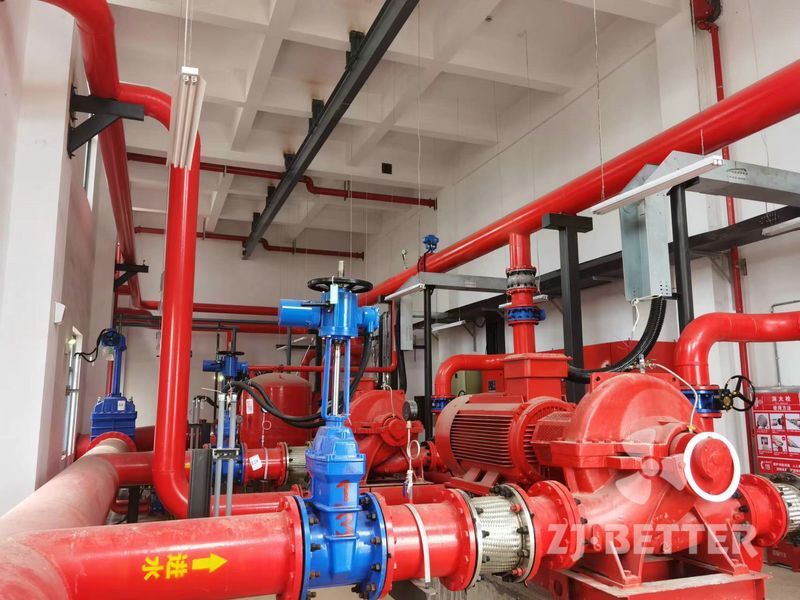
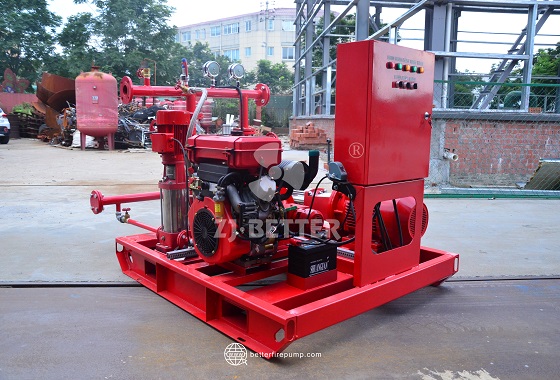
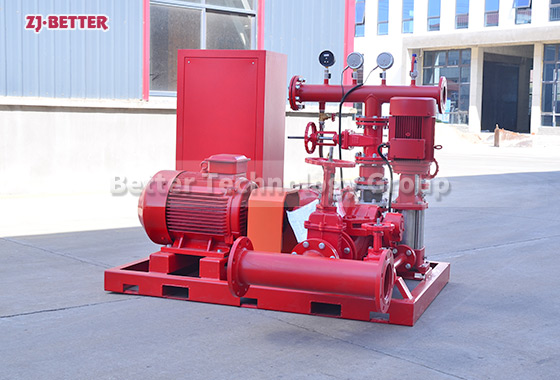
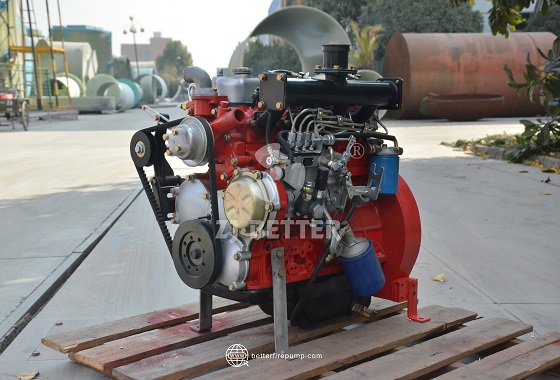
High-performance diesel fire pump sets are complete sets of equipment designed for stationary fire water supply systems. They typically consist of a diesel engine, main fire pump, pressure-stabilizing pump, pressure vessel, control cabinet, valves, pressure gauges, pressure sensors, flanges, and piping accessories. Through proper system integration, they provide a continuous and stable water supply to the fire protection network. The diesel engine powers the main fire pump, driving it when fire water supply is needed. Compared to equipment entirely reliant on a fixed power source, diesel power offers independent operation, making it suitable for industrial plants, warehouses, docks, airports, petrochemical facilities, power facilities, and other locations requiring fire water supply. These fire pump sets allow for the selection of different main pump types based on the actual project’s flow rate, head, pipe diameter, and installation conditions. These include single-stage pumps, horizontal double-suction pumps, end-suction pumps, and multi-stage pumps, enabling the equipment to better match the hydraulic parameters of different fire protection networks. According to the official website, this series of diesel fire pump sets has a flow rate range of 30–9000 GPM, a head of approximately 3–20 bar, and a speed range of approximately 740–2900 r/min. It supports 50 Hz or 60 Hz operating environments; specific parameters should be selected based on project design requirements. Regarding auxiliary systems, pressure-stabilizing pumps are mainly used to handle small flow pressure variations in the fire protection network. When the system pressure drops slightly, pressure compensation can reduce unnecessary frequent starts of the main diesel fire pump, thus helping to maintain stable network pressure. Pressure vessels provide a certain pressure buffer for the system; their capacity and operating pressure can be selected according to the fire protection system parameters. The official website lists specifications such as 25 L, 50 L, 75 L, and 100 L, and pressure ratings such as 0.6 MPa, 1.0 MPa, and 1.6 MPa. Control cabinets, pressure sensors, and pressure gauges are used for centralized management and operational status monitoring. The control system can achieve automatic control according to configuration and can be set with overload and overcurrent protection functions, allowing operators to more intuitively understand the equipment’s operating status. A complete set of valves and piping accessories also facilitates the establishment of standardized connections between fire pump sets and fire hydrant networks. Components such as check valves, gate valves, flexible joints, flanges, and common suction and discharge pipes meet the needs of equipment connection, flow control, and operational monitoring. From an overall structural perspective, diesel engines, fire pumps, pressure-stabilizing pumps, pressure vessels, and related accessories can be centrally installed in a unified equipment unit, reducing the installation and connection work between dispersed equipment on-site, while also facilitating equipment positioning, piping connections, and subsequent inspection and maintenance. High-performance diesel fire pump sets do not employ a single fixed configuration but require rational selection based on the project’s fire flow rate, system head, pipeline pressure, installation environment, and power requirements. Through matching the diesel engine, main fire pump, pressure-stabilizing pump, pressure vessel, control system, and auxiliary piping, suitable equipment solutions are provided for fire water supply projects of different scales and application environments.