Fire Pump Vacuum Priming Pump – Rapid Air Removal for Improved Fire Pump Start-Up Efficiency
The fire pump vacuum priming pump helps to establish a stable negative pressure by quickly removing air from the pump body and suction pipe, thereby improving the priming conditions of the suction-type fire pump and enhancing the starting efficiency and emergency water supply response capability of the fire pump.
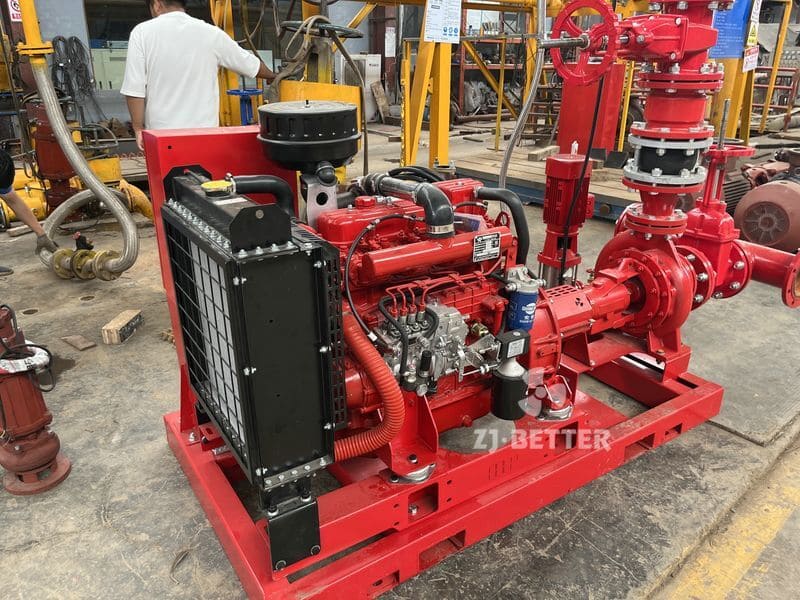
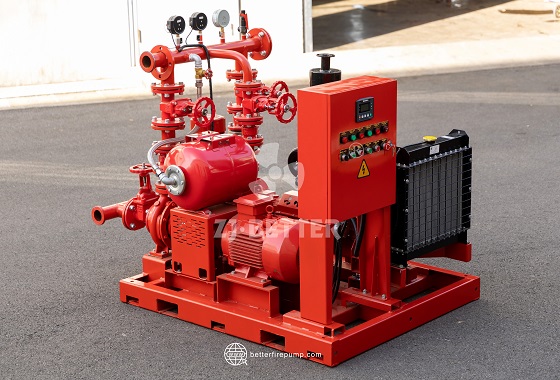
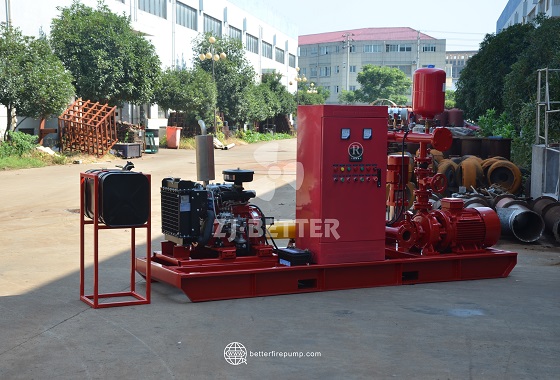
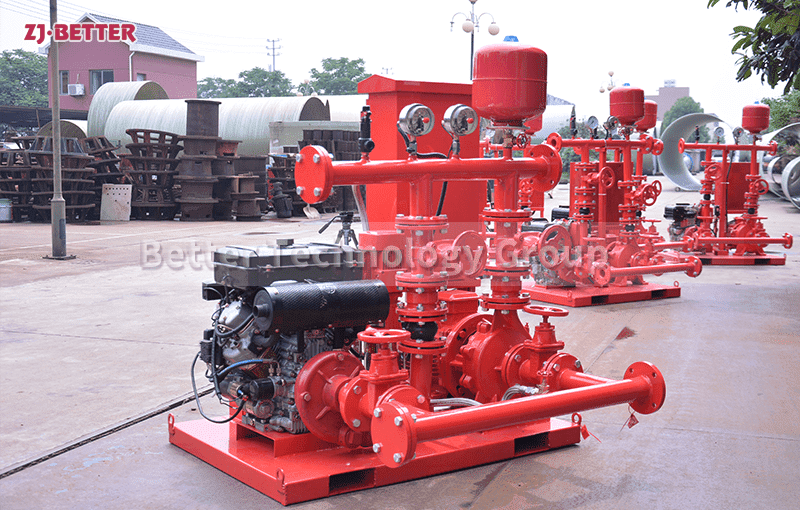
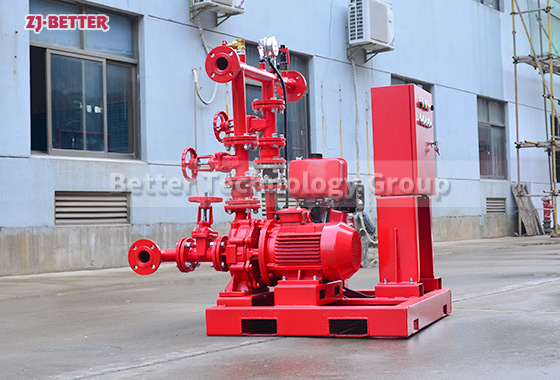
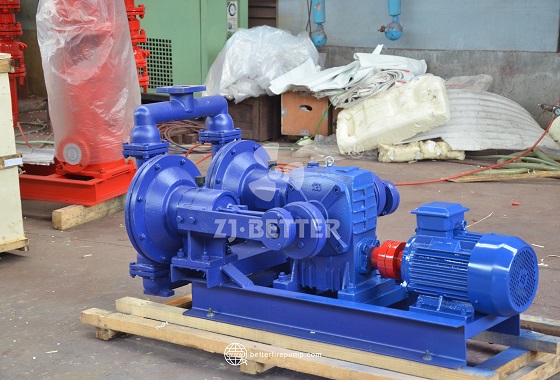
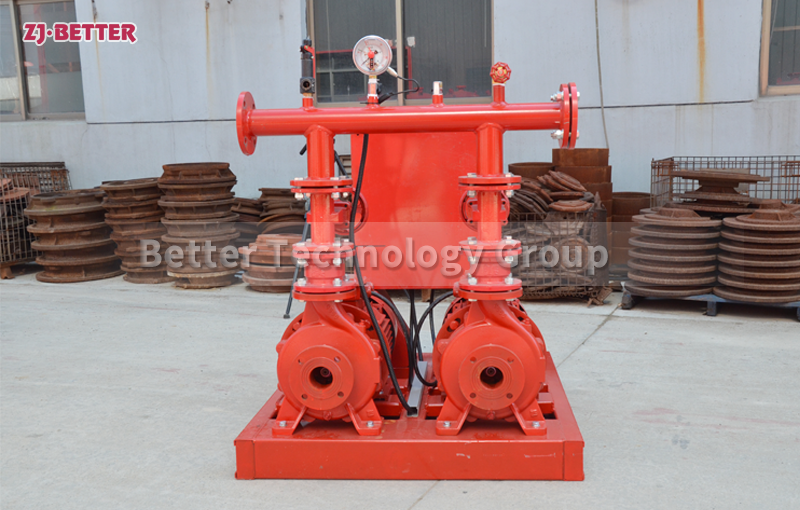
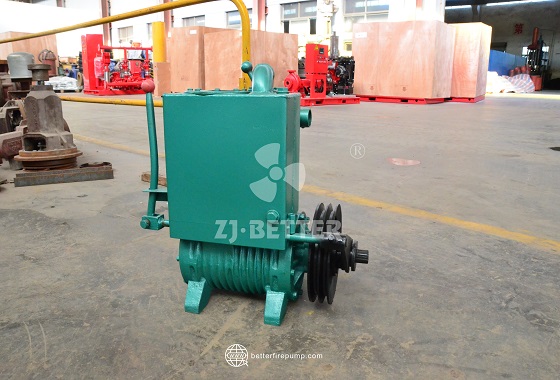
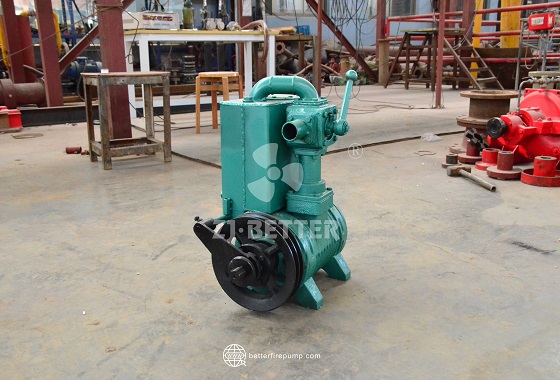
A fire pump vacuum priming pump is an important auxiliary device for priming fire pumps. It is mainly used in situations where the fire pump is installed above the water source, the suction pipe is long, or air is prone to accumulate during system startup. Its core function is to quickly remove air from the fire pump body and suction pipe through mechanical air extraction, helping the system establish a stable vacuum or negative pressure condition, allowing water to enter the fire pump more quickly, thereby improving the priming performance during the fire pump startup phase. The device shown in the picture adopts a horizontal mechanical structure, equipped with a drive shaft and pulleys, etc., and has a compact overall structure, facilitating installation with fire pump sets. Compared with ordinary centrifugal fire pumps operating alone, configuring a vacuum priming device provides an auxiliary solution to the air problem in suction-type installations, reducing priming difficulties caused by air retention and creating conditions for the fire pump to quickly enter normal water supply. In terms of performance, vacuum priming pumps firstly possess strong air extraction capabilities. By continuously expelling air from the pump body and suction pipe, they gradually create pressure conditions in the pipeline that favor water flow, making them particularly suitable for fire-fighting water supply systems with a certain suction head. Secondly, the mechanical transmission structure can stably transmit power to the vacuum pump components, meeting the auxiliary air extraction requirements before the fire pump starts. Simultaneously, the equipment structure is relatively independent and can be rationally matched according to the specific configuration of the fire pump set. For suction-type fire pumps, suction height, pipeline length, pipeline sealing, and air retention directly affect the priming effect; therefore, using vacuum assistance can further improve the system’s starting conditions. Relevant fire pump data shows that suction head and air removal are usually key considerations for suction-type and self-priming equipment, and a reasonable priming design helps improve the reliability of equipment startup. This equipment also features a compact structure, flexible installation, and convenient maintenance. A suitable installation location can be selected based on the fire pump room space and pump set layout, and it operates collaboratively with the fire pump system through the transmission mechanism. In practical engineering, a suitable vacuum priming scheme can be selected based on the fire pump’s flow rate, head, suction head, suction pipe diameter, and water source location to ensure reasonable coordination between the auxiliary priming capacity and the main fire pump’s performance. For warehouses, industrial plants, ports, airports, large buildings, and other locations requiring reliable fire water supply, fire pumps typically need to be configured with different pump types and auxiliary equipment according to specific engineering conditions. Complete diesel fire pump systems can also be configured in combination based on flow rate, head, and installation conditions. During emergency fire water supply, the starting speed directly affects whether the equipment can promptly enter the water supply state. Therefore, the value of a vacuum priming pump lies not only in removing air but also in improving the stability of the fire pump’s startup process. When a fire pump is restarted after a long period of standby, or when there is a significant amount of air in the suction pipe, auxiliary vacuum priming can reduce the need for manual air venting and repetitive operations, allowing the fire pump to establish effective suction conditions more quickly. Compared to traditional methods requiring complex manual priming operations, mechanical vacuum-assisted schemes are more suitable for fire water supply systems requiring rapid response. It is important to note that the specific priming time, allowable suction head, and air extraction capacity should be designed based on the actual pump type, pipeline length, installation height, and water source conditions. Actual performance cannot be judged solely based on the equipment’s appearance. Overall, the vacuum priming pump for fire pumps offers significant advantages in rapid air extraction, assisting in establishing negative pressure, improving suction conditions, and enhancing startup efficiency. It is a valuable auxiliary device in suction-type fire pump systems. By properly matching the vacuum priming pump with the main fire pump, the startup performance of the fire water supply system can be further optimized, enabling the equipment to maintain a more stable priming capacity under complex installation conditions and providing reliable support for the rapid deployment of the fire pump.