Towable Firefighting Unit for Complex Emergency Fire Operations
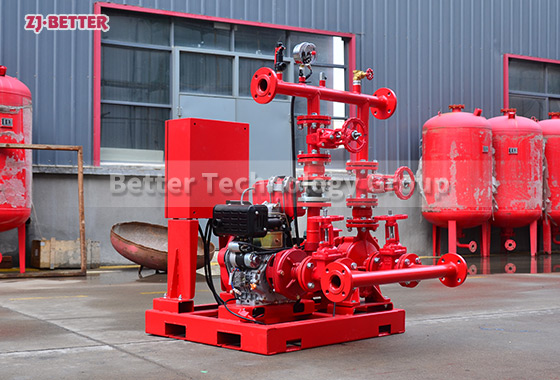
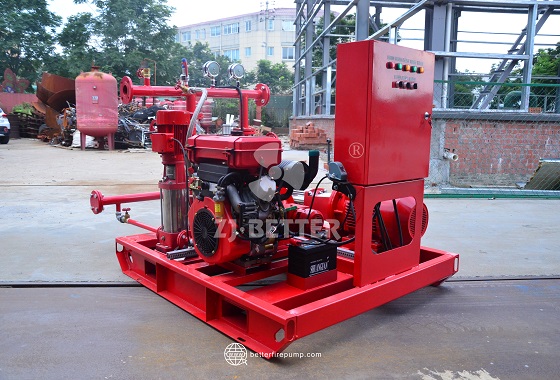
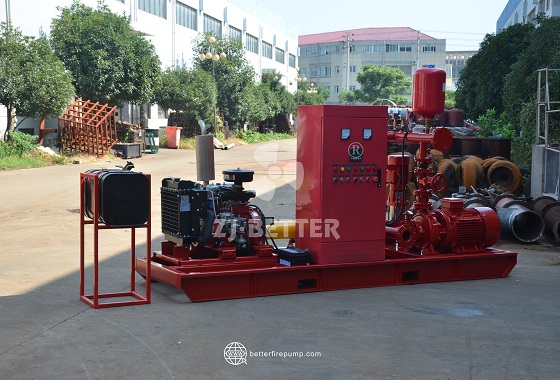
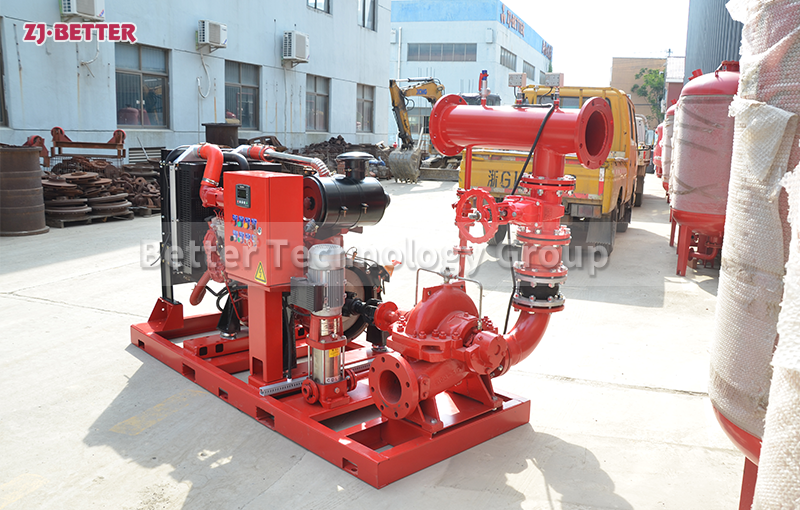
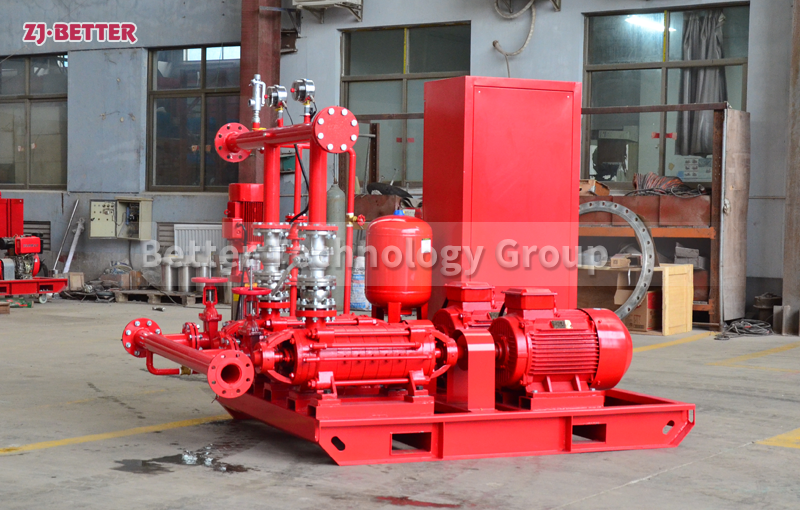
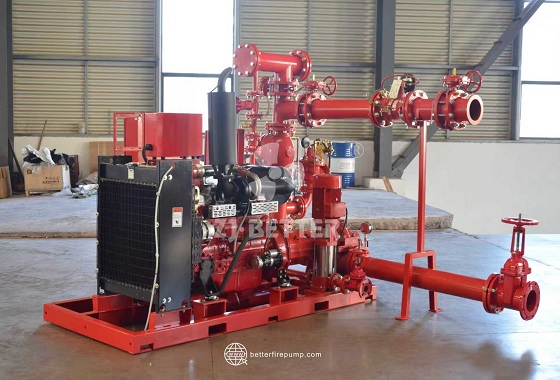
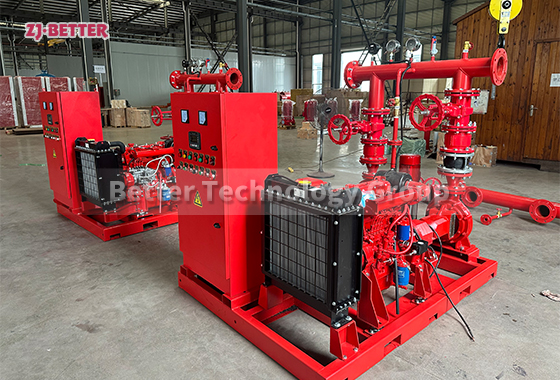
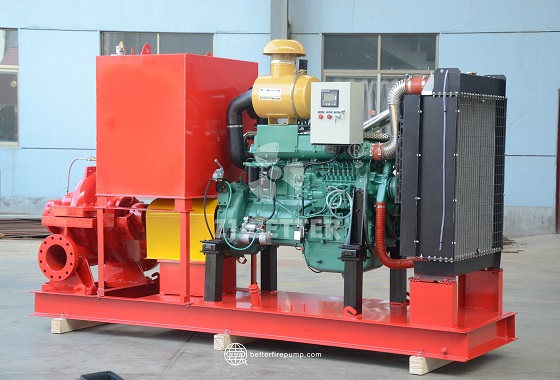
Trailer-mounted fire extinguishing systems are characterized by their mobility, efficient water supply, long-range fire extinguishing capabilities, and adaptability to complex environments. They are widely used in industrial parks, forest fire prevention, construction sites, and emergency firefighting, improving fire extinguishing efficiency and fire safety assurance capabilities.
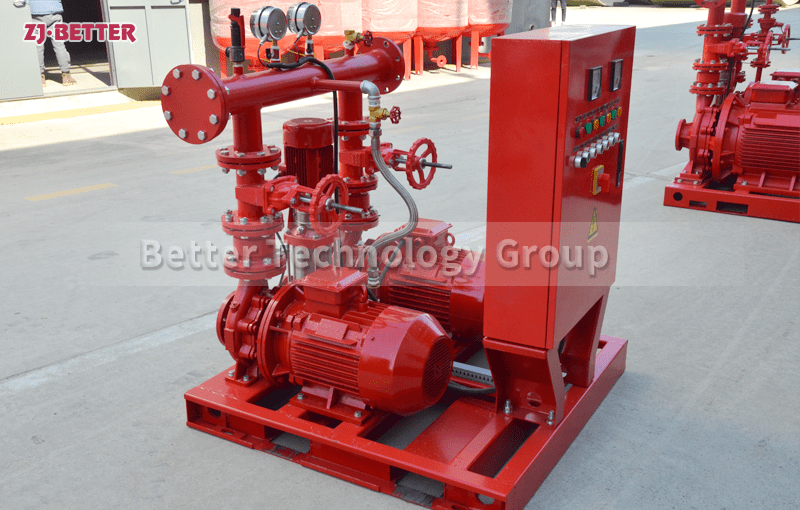
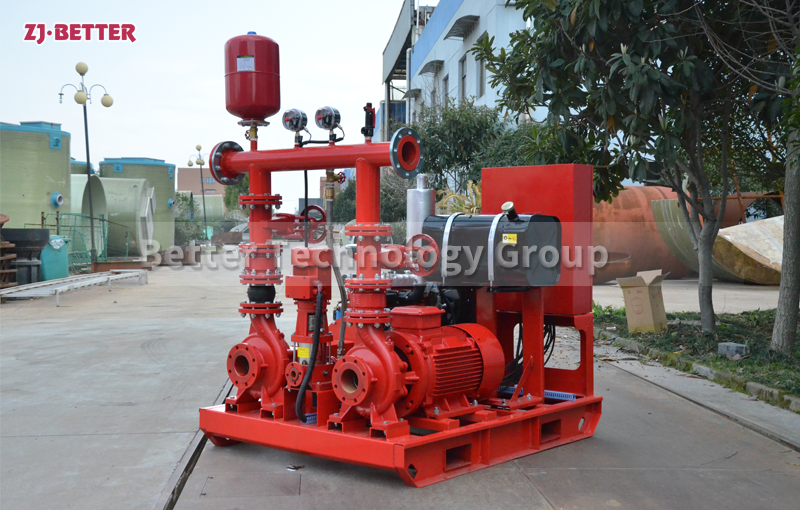
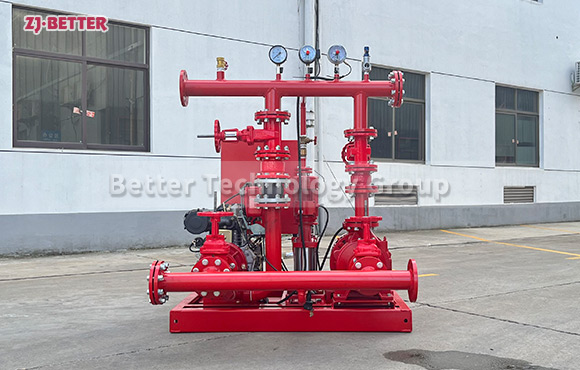
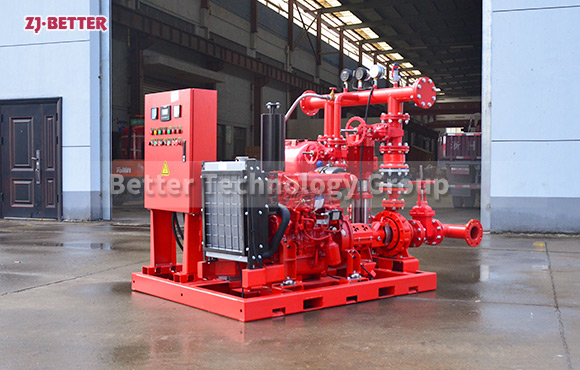
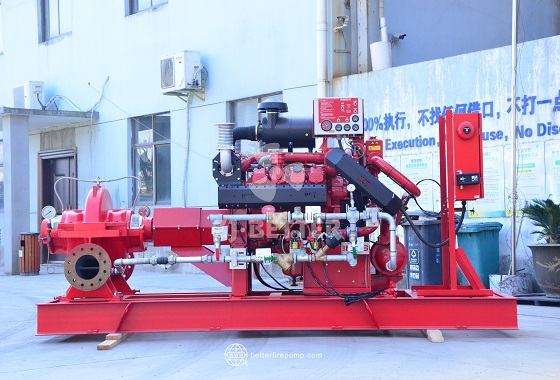
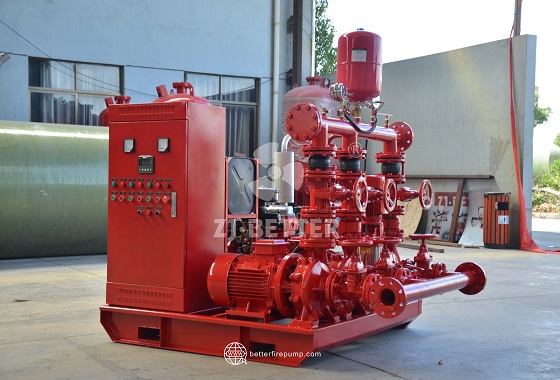
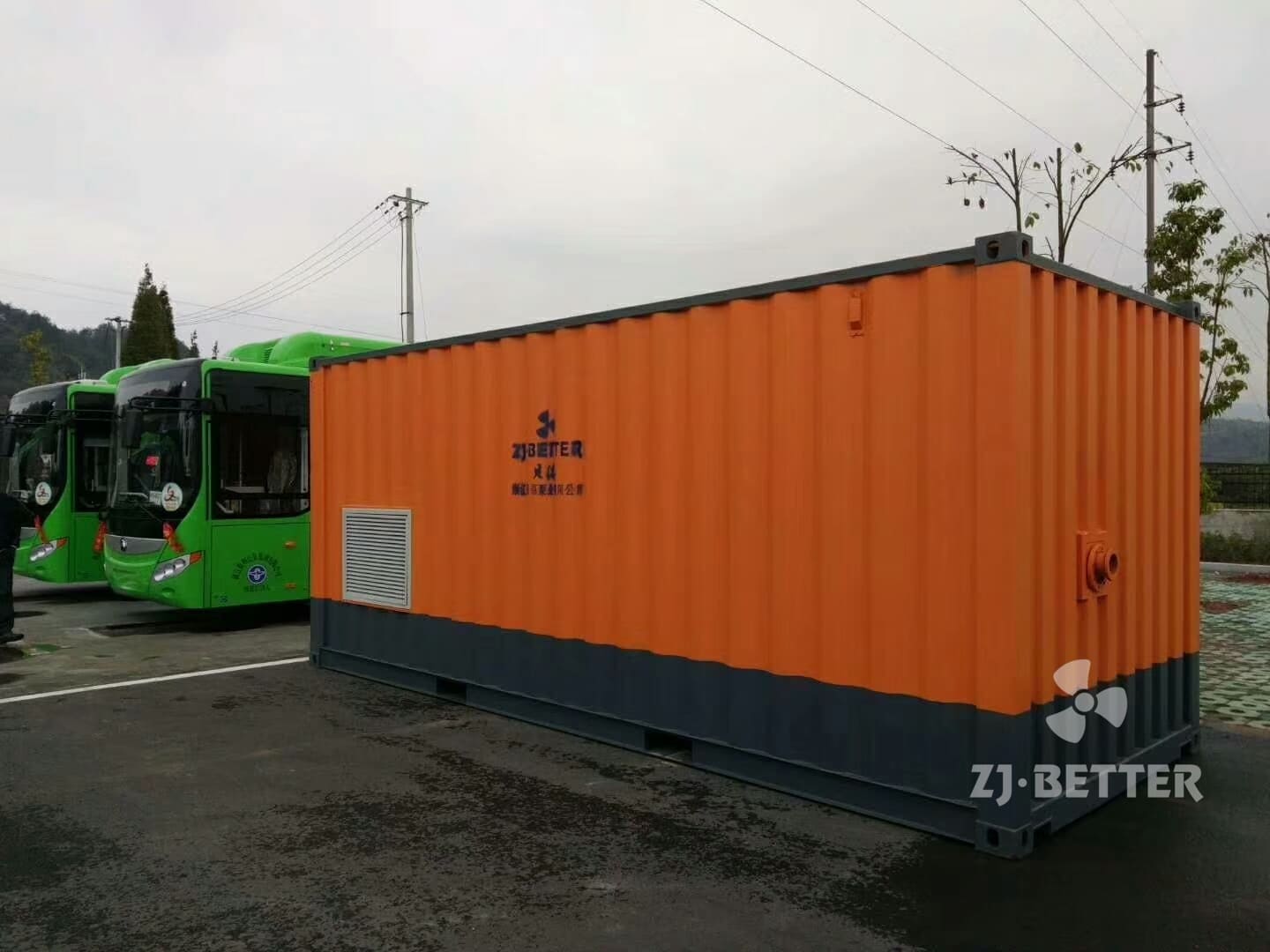
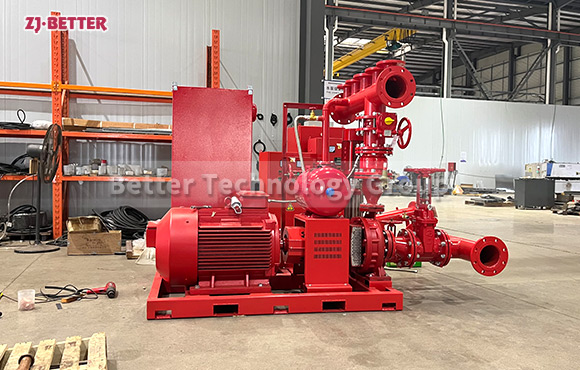
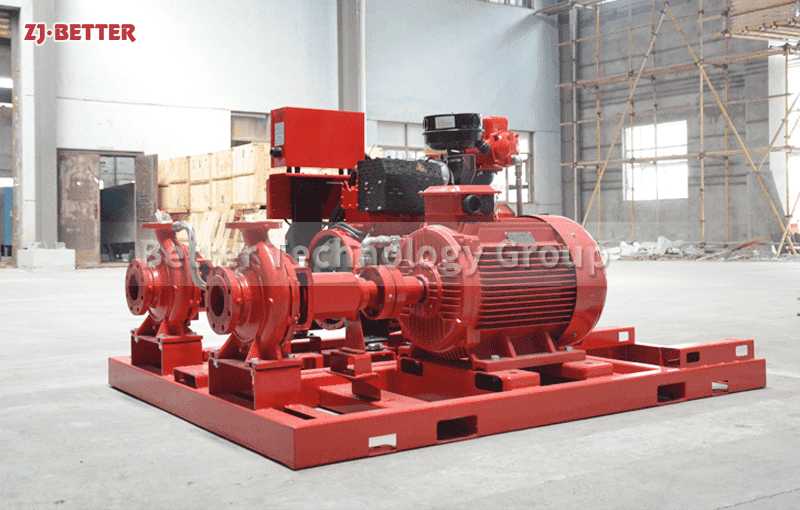
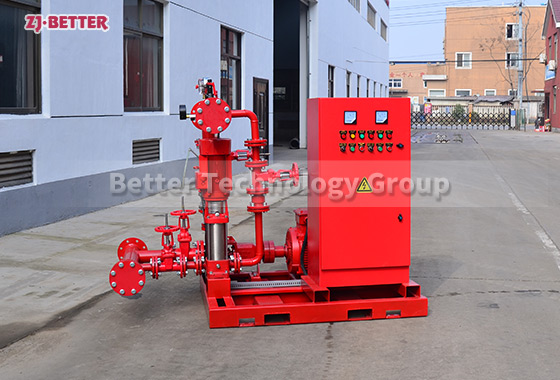
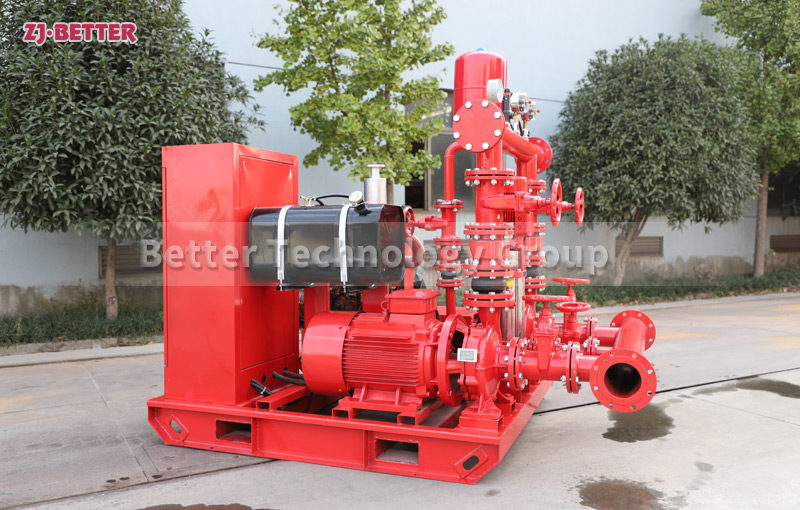
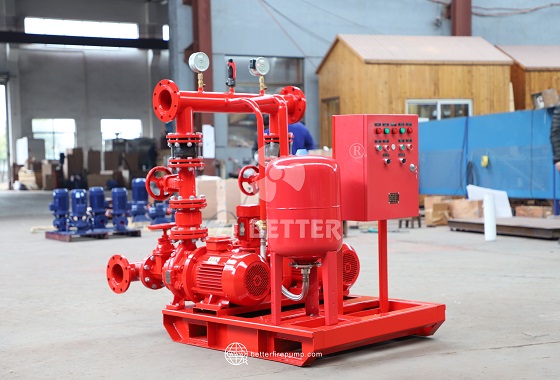
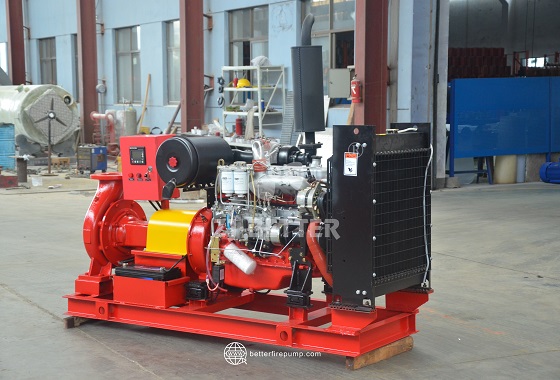
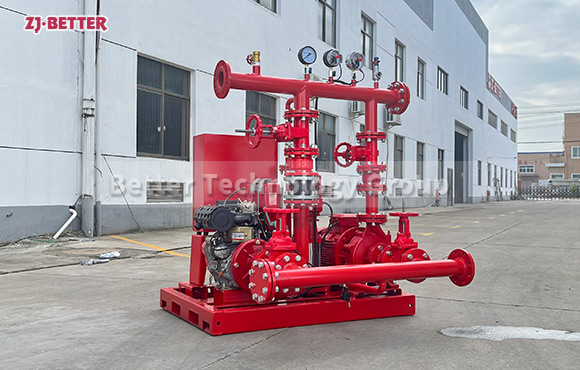
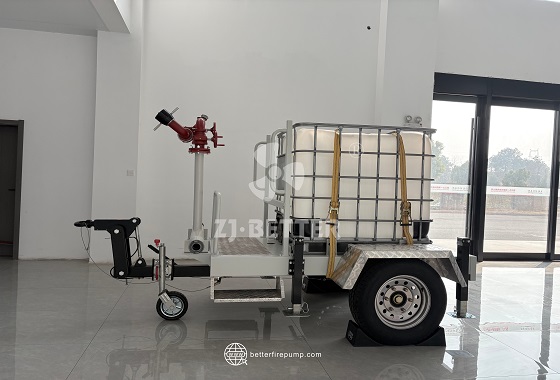
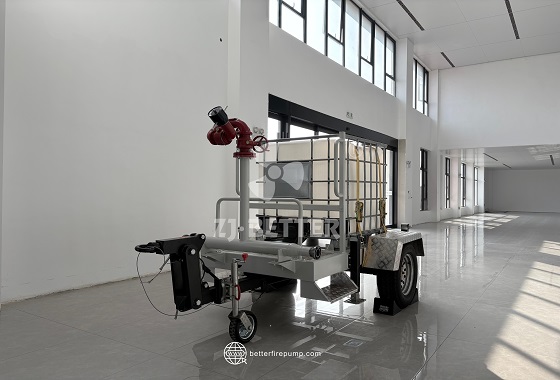
With the continuous upgrading of modern fire safety systems, traditional fixed fire protection systems can no longer fully meet the emergency firefighting needs in complex environments. This is especially true in scenarios such as large industrial parks, petrochemical projects, mining areas, forest fire prevention zones, remote construction sites, ports and docks, large outdoor activity venues, and temporary emergency rescue areas. In these environments, fire protection systems not only need rapid deployment capabilities but also must be adaptable to complex terrain and changing environments. Trailer-mounted fire extinguishing systems have gradually become important equipment in the modern mobile firefighting field due to such market demands. These systems highly integrate fire water supply systems, water storage devices, fire monitors, mobile trailer platforms, and control systems, enabling rapid transportation, flexible deployment, and continuous water supply, providing an efficient and reliable solution for fire emergency operations in complex environments. Compared to traditional fixed fire protection equipment, trailer-mounted fire extinguishing systems offer higher mobility, stronger environmental adaptability, and a more flexible firefighting coverage range. They can quickly establish temporary fire water supply systems in various sudden fire scenarios, significantly improving overall firefighting efficiency and emergency response capabilities. One of the core advantages of trailer-mounted fire extinguishing systems lies in their excellent mobility and rapid deployment capabilities. Traditional fire-fighting water supply systems typically rely on fixed fire pump rooms and pipe networks. In the event of a distant fire or a temporary area fire, it is often difficult to establish an effective water supply in a timely manner. Trailer-mounted fire extinguishing systems, however, utilize a specialized trailer chassis structure, allowing for rapid transport to the fire scene and quick deployment and water supply preparation. The equipment has a compact overall structure, is highly mobile, and adaptable to various road conditions and complex terrains. Even in mountainous areas, wilderness, construction sites, or temporary activity areas without fixed fire-fighting facilities, a mobile fire-fighting system can be rapidly established. This rapid response capability is crucial for controlling the initial spread of fires, effectively reducing fire losses and improving emergency rescue efficiency. High-efficiency water supply is a key performance characteristic of trailer-mounted fire extinguishing systems. The equipment is typically equipped with a large-capacity water tank, a high-performance fire pump, and a long-range fire monitor system, providing a continuous and stable fire-fighting water supply according to different fire-fighting needs. The high-efficiency fire pump employs an optimized hydraulic model design, ensuring high head output while improving flow stability, enabling the equipment to maintain stable operation under long-distance water delivery and high-pressure fire-fighting environments. For large industrial fires, oil fires, or warehouse fires, high-pressure continuous water supply ensures the long-term stable operation of fire monitors and sprinkler systems, improving fire suppression coverage and efficiency. Some equipment also supports foam extinguishing systems, meeting the specific fire suppression needs of petrochemical plants, oil depots, and flammable liquid storage areas. Adaptability to complex environments is a key advantage of trailer-mounted fire extinguishing systems compared to traditional firefighting equipment. Modern firefighting environments often involve complex conditions such as high temperature, high humidity, dust, mud, rugged terrain, and severe weather; therefore, equipment must possess excellent environmental adaptability. Trailer-mounted fire extinguishing systems typically use high-strength steel chassis and corrosion-resistant manufacturing processes for key components, ensuring long-term stable operation in harsh environments. The trailer system is equipped with heavy-duty tires and a stable support structure, maintaining equipment stability under complex terrain conditions. Some equipment also features rainproof, dustproof, and shockproof designs, enabling long-term outdoor standby and high-intensity operation. Even in complex environments such as remote mountainous areas, forest fire prevention zones, or large construction sites, the equipment maintains efficient and stable operation, providing reliable support for firefighting operations. Remote fire suppression capability is also a key technical feature of trailer-mounted fire extinguishing systems. These systems are typically equipped with high-pressure fire monitors, enabling long-distance, high-flow-rate spraying and effectively increasing fire coverage. Some high-performance fire monitors have automatic horizontal and vertical adjustment functions, allowing for flexible adjustment of the spray angle based on fire conditions for precise fire suppression. Remote spraying not only improves fire suppression efficiency but also effectively protects firefighters’ safety, reducing their proximity to high-temperature and high-explosion-risk areas. In high-risk scenarios such as oil tank areas, chemical plant areas, and large warehouses, remote fire monitors play a crucial role in rapidly controlling the spread of fire while ensuring personnel safety. Intelligent control systems further enhance the equipment’s operational efficiency and management capabilities. Modern trailer-mounted fire extinguishing systems are typically equipped with intelligent control cabinets and digital display systems, capable of real-time monitoring of operating pressure, flow rate, water level, and equipment status. When system anomalies occur, the equipment can automatically alarm and activate protection procedures to prevent overload, water shortage, or abnormally high temperatures. Some equipment supports remote control and wireless operation, allowing firefighters to start/stop the equipment, adjust the direction of the water cannon, and control the flow rate from a safe distance, improving the safety and flexibility of firefighting operations. Intelligent control not only reduces the difficulty of manual operation but also makes the equipment more adaptable to the needs of modern smart firefighting development. Continuous and stable operation is particularly crucial for emergency firefighting equipment. Trailer-mounted fire extinguishing systems typically employ highly reliable power systems and stable water supply structures, maintaining stable operation under prolonged high-load conditions. High-quality engines provide strong power output while employing efficient cooling systems and low fuel consumption designs, enabling continuous operation even in high-temperature environments. The fire pump system undergoes rigorous dynamic balancing testing and durability verification, effectively reducing operational vibration and mechanical wear. Key pipelines and valves are manufactured using pressure-resistant and corrosion-resistant materials, reducing the risk of leakage and damage during long-term operation. This high-reliability design ensures rapid deployment in emergencies and a continuous and stable supply of fire-fighting water. Modular structural design improves the efficiency of equipment installation and maintenance. Trailer-mounted fire extinguishing systems integrate fire pumps, water storage systems, water cannon systems, power units, and control systems onto a unified trailer platform. Their compact and rational structure minimizes footprint and facilitates transportation. Before leaving the factory, the equipment typically undergoes overall commissioning and performance testing, allowing for rapid deployment upon arrival at the site, significantly reducing emergency deployment time. The rational structural layout also facilitates later maintenance and upkeep, enabling maintenance personnel to quickly access key components for inspection and repair, minimizing equipment downtime and improving overall operational efficiency. Energy conservation and environmental protection are also important development directions for modern trailer-mounted fire extinguishing systems. With the continuous promotion of green fire protection concepts, equipment increasingly emphasizes energy conservation and consumption reduction in power systems and operational control. High-efficiency power systems combined with intelligent control technology can automatically adjust operating power according to actual fire extinguishing needs, reducing unnecessary energy consumption. Some equipment also supports low-noise operation modes and environmentally friendly emission designs, meeting the environmental and noise control requirements of urban fire protection and large public event venues. These energy-saving and environmentally friendly characteristics not only reduce operating costs but also align with the development trend of modern green engineering construction. Trailer-mounted fire extinguishing systems are widely used in various fields, including forest fire prevention, mine rescue, petrochemical projects, large construction sites, ports, airports, warehousing and logistics centers, large event venues, and emergency fire fighting in remote areas. In these complex environments, the equipment can quickly establish a mobile fire water supply system and flexibly adjust the fire extinguishing plan according to actual needs, significantly improving the efficiency of emergency fire response. With the continuous development of modern fire protection technology, trailer-mounted fire extinguishing systems are also continuously upgrading towards greater intelligence, efficiency, and multi-functionality. In the future, mobile fire-fighting equipment with remote intelligent control, automatic cruise spraying, unmanned operation, and new energy power systems will gradually become an important development trend in the field of emergency fire fighting. Overall, trailer-mounted fire extinguishing systems, with their advantages of high mobility, rapid deployment, efficient water supply, remote fire fighting, adaptability to complex environments, and intelligent control, can effectively meet the needs of emergency fire fighting operations in complex environments, providing safer, more efficient, and reliable fire extinguishing solutions for modern mobile fire fighting systems. They also play an increasingly important role in enhancing the fire safety capabilities of large projects and special areas.