Diesel Fire Pump Set Equipment — Integrated Power, Pressure Stabilization and Control
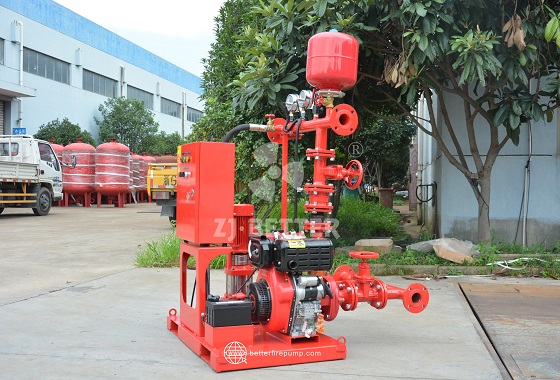
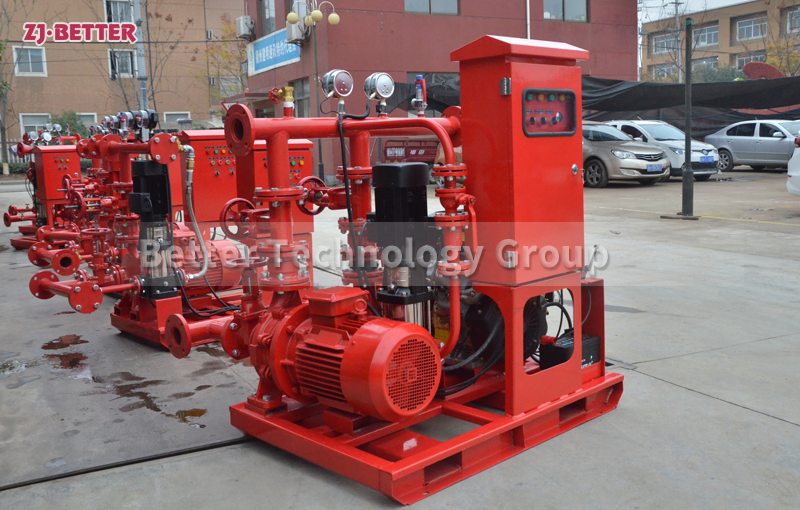
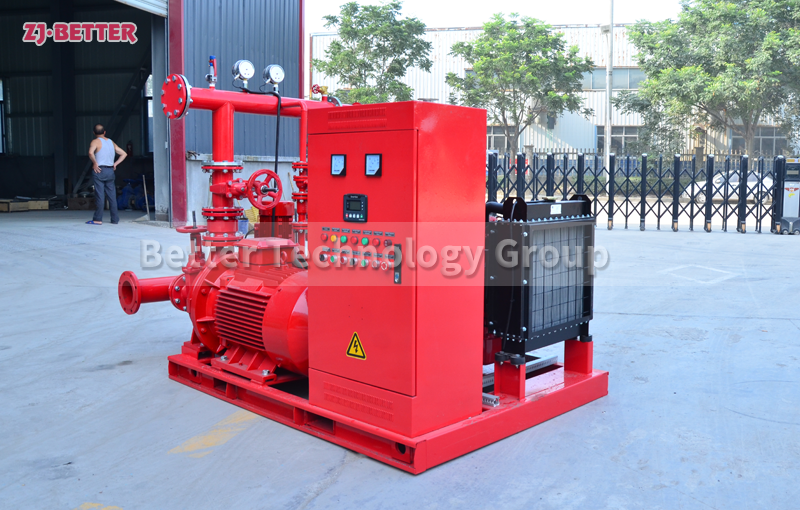
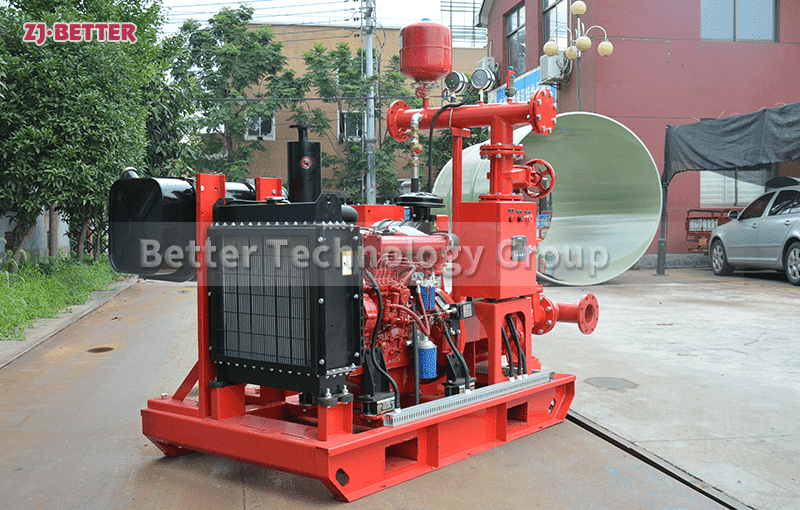
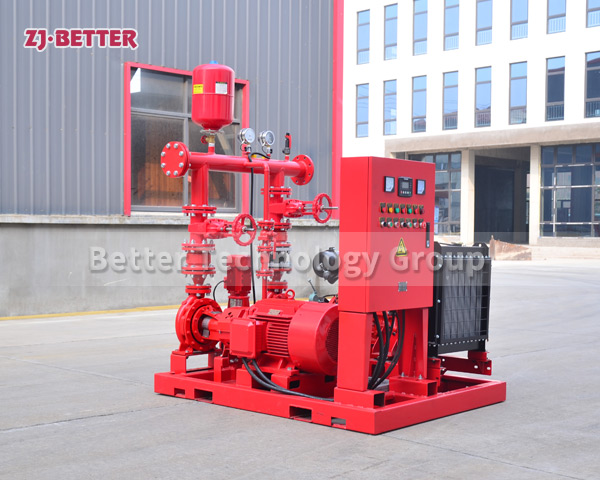
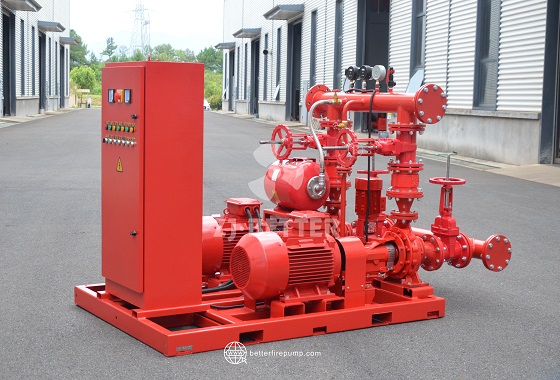
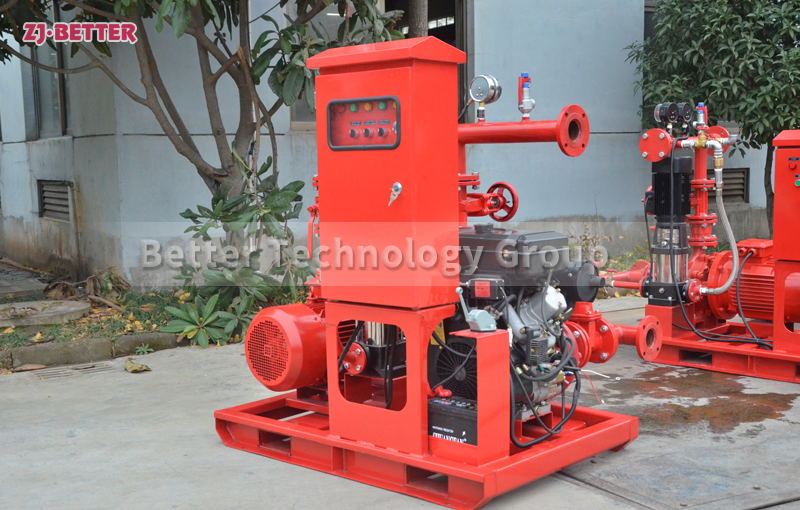
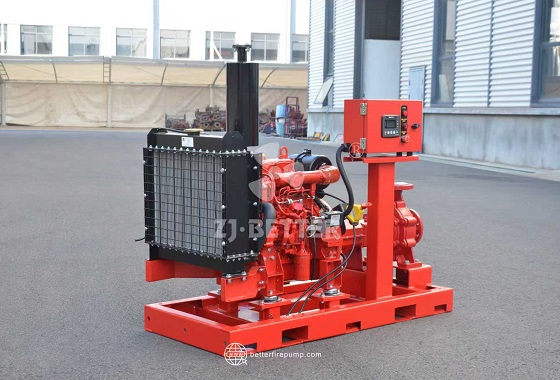
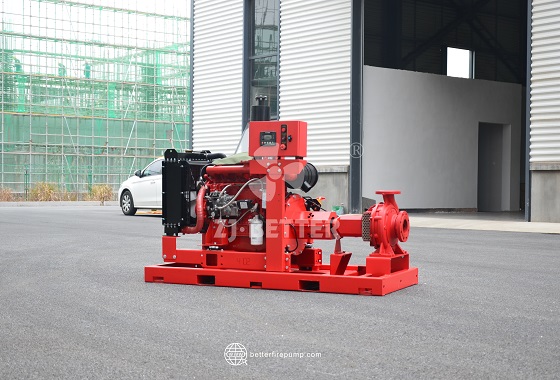
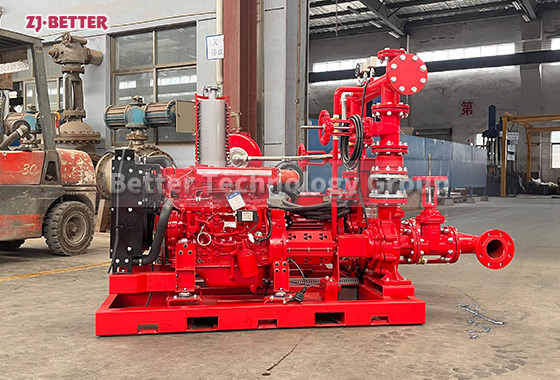
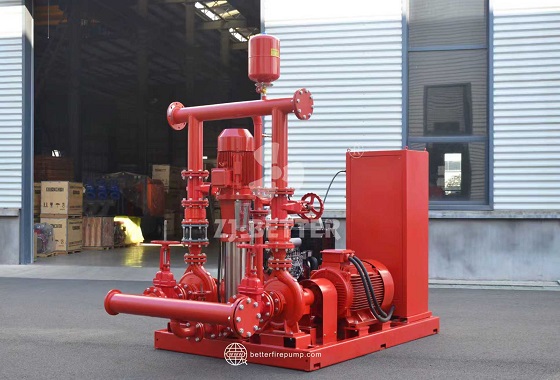
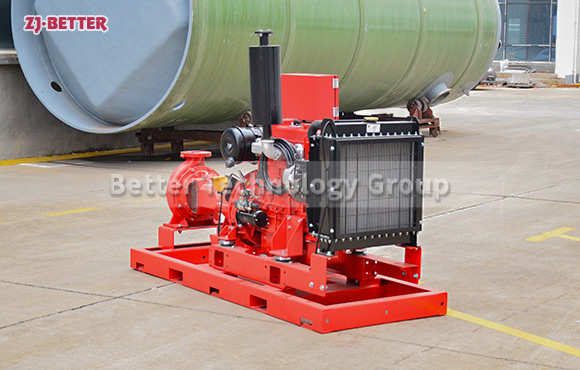
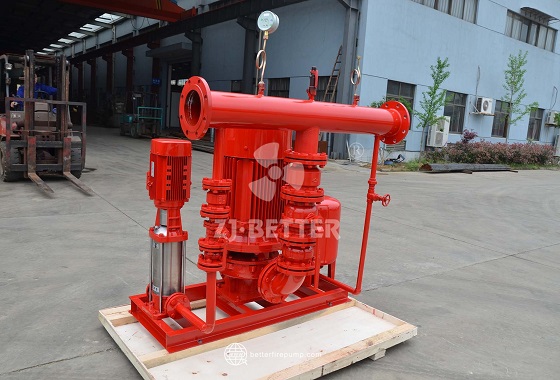
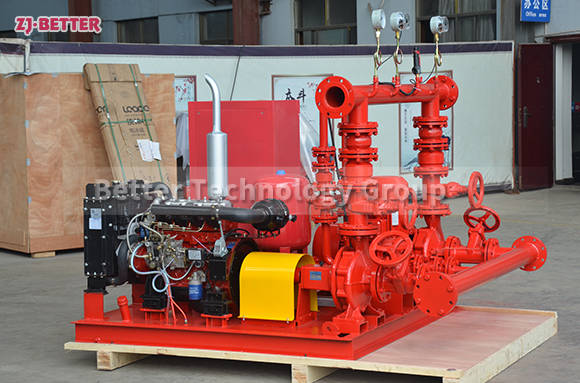
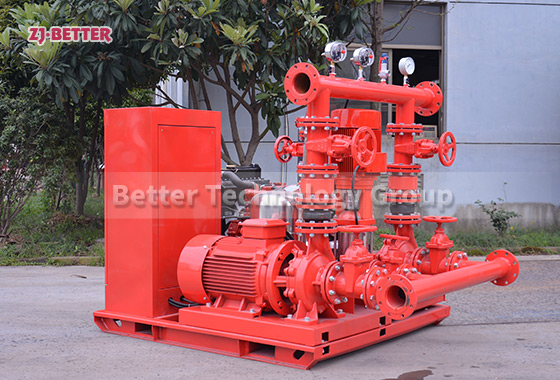
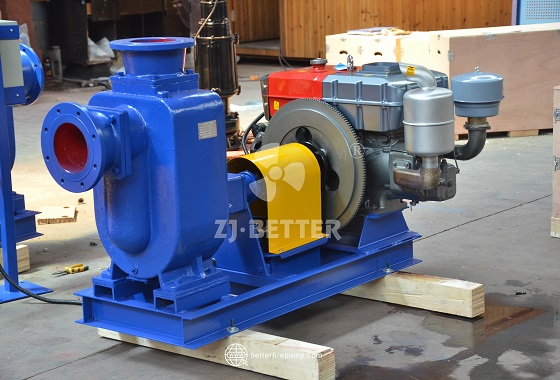
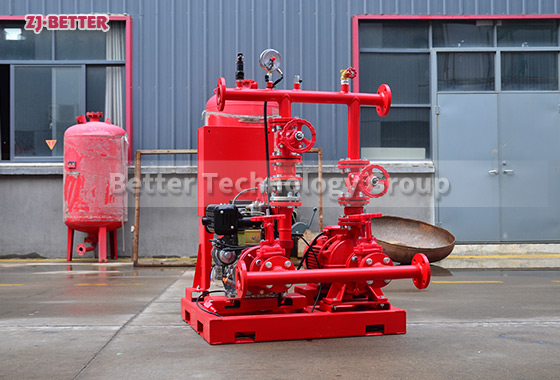
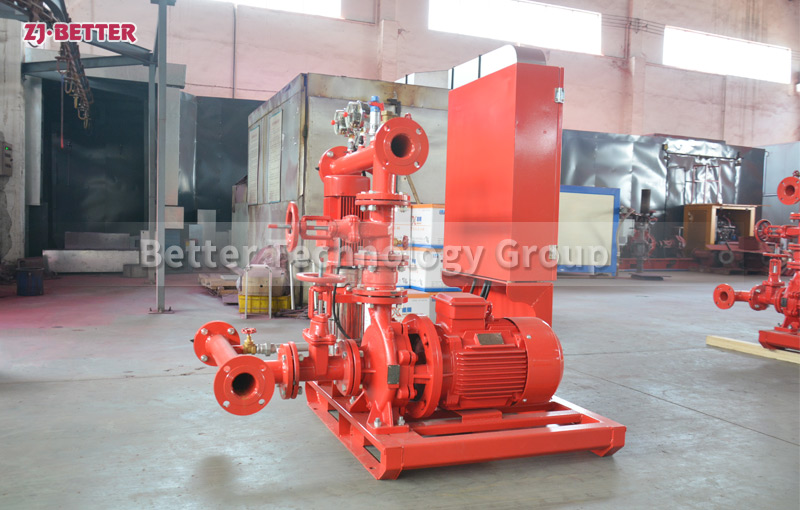
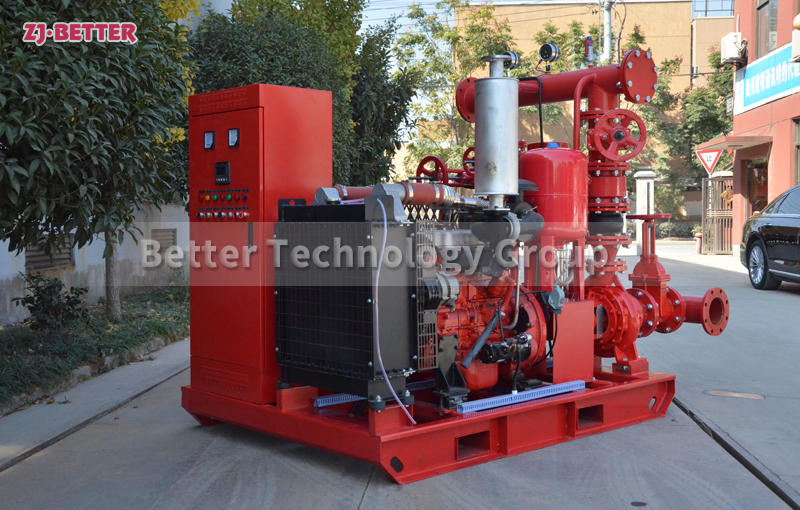
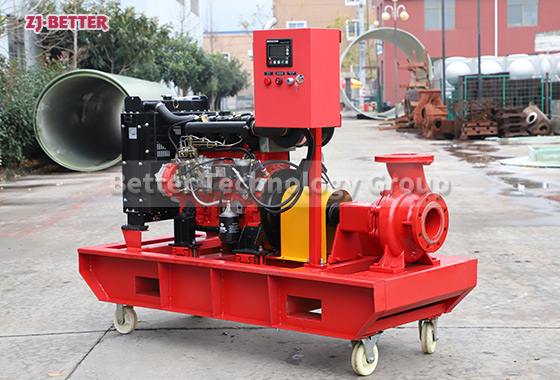
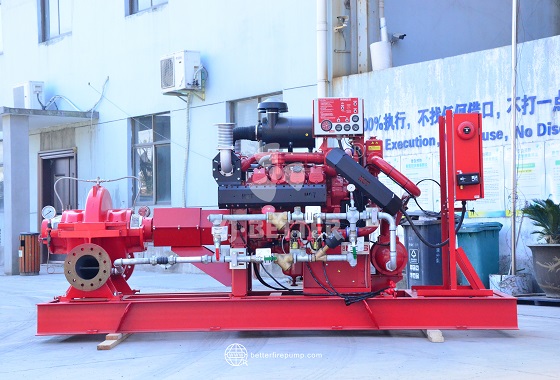
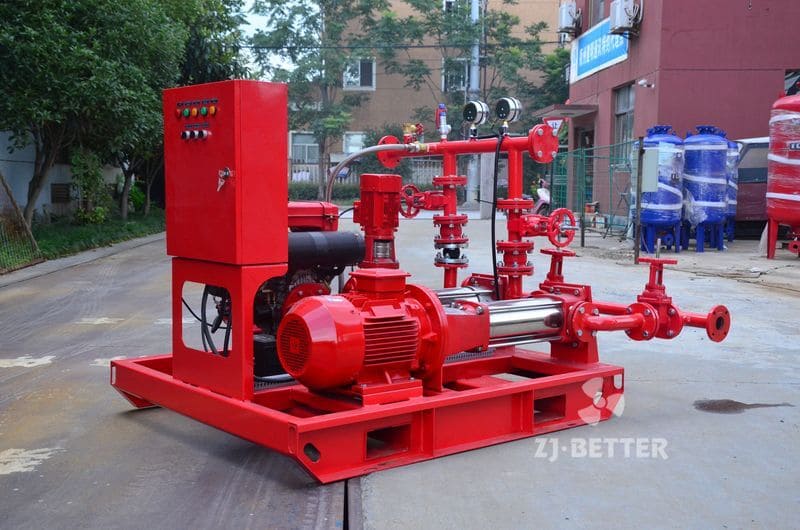
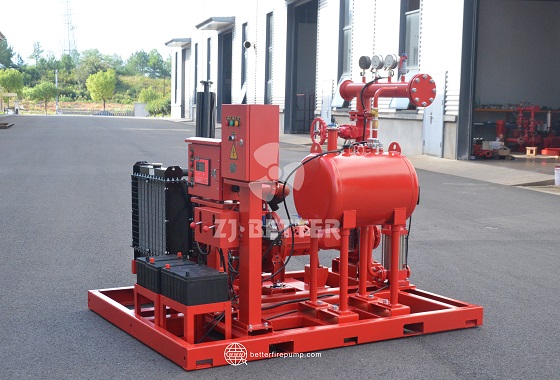
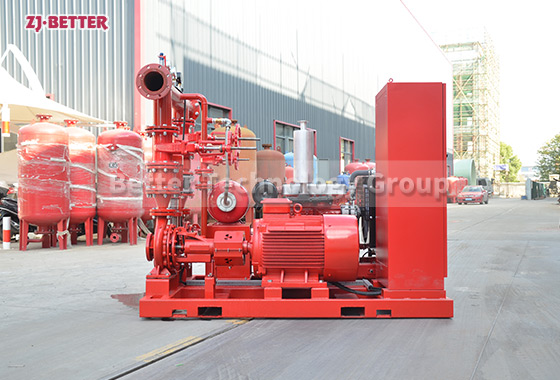
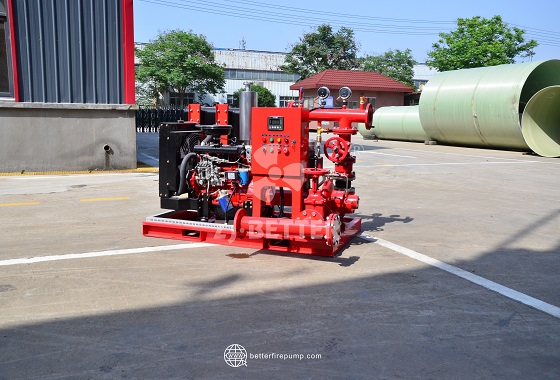
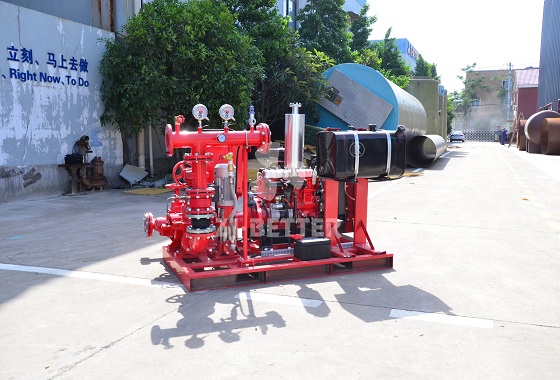
The diesel fire pump unit integrates a diesel engine, fire pump, jockey pump, pressure monitoring system, and automatic control components. It supports a wide range of pump types and flow/head configurations, making it suitable for fire water supply systems in industrial facilities, warehouses, ports, airports, and petrochemical plants. The unit is designed for ease of installation, operational management, and routine maintenance. This information is based on the product configuration and application data for complete diesel fire pump units.
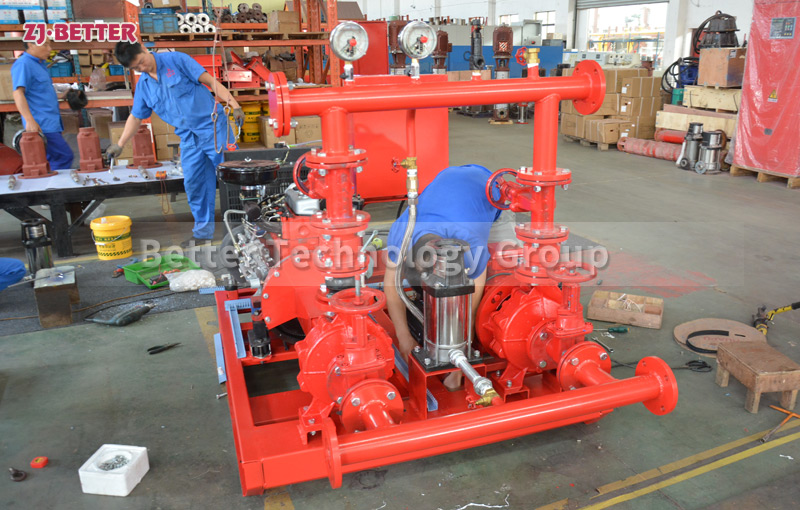
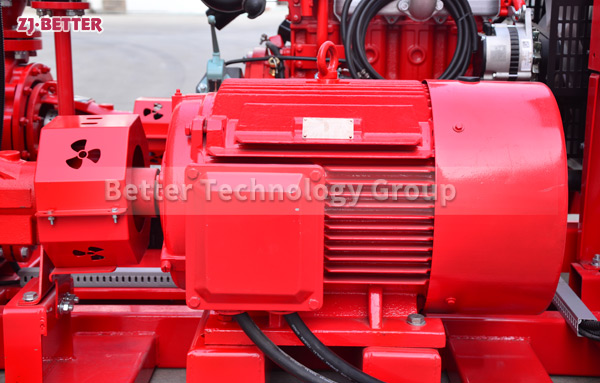
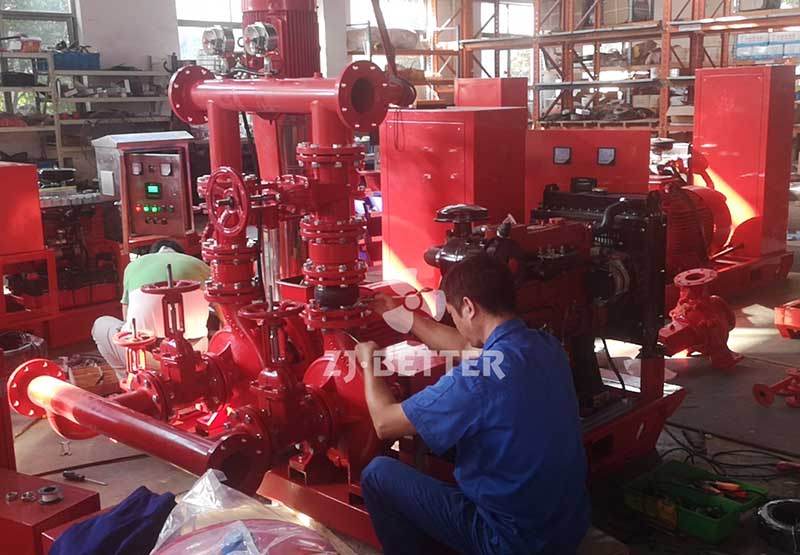
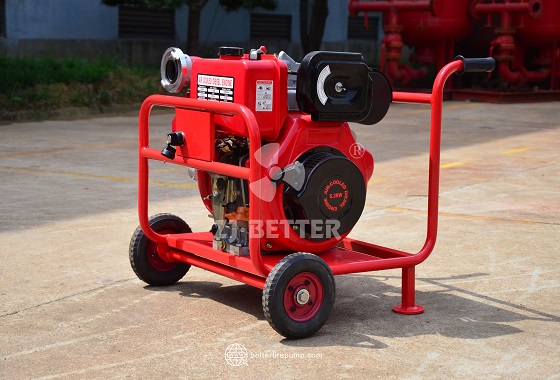
A diesel-powered fire pump unit is an integrated fire-fighting water supply system that combines a diesel engine, a fire pump, a pressure-maintenance device, and a control system. It is primarily designed to provide the necessary water flow and pressure for fire protection systems in buildings, industrial facilities, and other infrastructure. The system utilizes a diesel engine to drive the main fire pump; depending on specific project requirements and water supply needs, various pump configurations—such as end-suction, horizontal split-case, single-stage, or multi-stage pumps—can be selected to accommodate different flow rates, heads, and installation constraints. Unlike procuring individual components separately, this integrated configuration mounts the primary equipment and associated piping components onto a common base, which simplifies transportation, on-site installation, and plumbing connections, while also reducing the labor required for field assembly and interface coordination. The diesel engine provides an independent mechanical power source for the pump, making this solution particularly valuable for projects with limited power supply or those that specifically require a diesel-powered fire-fighting water supply. The unit can be equipped with a fuel tank, cooling system, control panel, and other auxiliary components, with the exact configuration determined by the engine model and project design specifications. A pressure-maintenance pump (jockey pump) is typically included to compensate for routine pressure losses within the fire-fighting piping network; it operates at a lower flow rate and provides the necessary head to maintain standby pressure, thereby preventing the main fire pump from starting unnecessarily due to minor leaks or pressure fluctuations. A pressure tank may also be incorporated to assist with pressure storage, while pressure gauges and sensors monitor the network pressure, providing the control system with the data needed for operational decision-making. The control cabinet enables automated operation of both the diesel fire pump and the pressure-maintenance pump, and includes protective features—such as overload and overcurrent protection—to facilitate efficient equipment management. Pump components can be constructed from materials such as cast iron or stainless steel, depending on the pumped medium, operating environment, and project requirements; some models may also feature bronze impellers to meet specific material selection criteria. The flow rate and head of the unit are not fixed; rather, the actual performance depends on the specific pump model, impeller design, diesel engine power and rotational speed, and the resistance within the system’s piping network. When selecting equipment, factors such as building height, required fire-fighting flow rate, necessary pressure, water suction conditions, pipe diameter, available installation space, and applicable local fire safety codes must be comprehensively considered to ensure that the diesel engine and the water pump are properly matched for the intended design operating conditions. Diesel-powered fire pump sets are suitable for use in warehouses, ports, airports, petrochemical facilities, power plants, and other locations requiring a reliable fire-fighting water supply. By systematically integrating power, pumping, pressure-stabilizing, and control components, these units provide a well-structured, easy-to-install, and maintainable water supply solution that can be configured to meet specific project requirements. In practice, the diesel engine, fuel system, batteries, cooling system, pump unit, control cabinet, and piping accessories should be inspected regularly—in accordance with the equipment manual and fire safety system management requirements—and subjected to necessary start-up and operational tests to ensure the equipment remains in a ready-to-use state.