Duty and Standby Fire Pump Package – Coordinated Electric Main and Diesel Standby Pumps
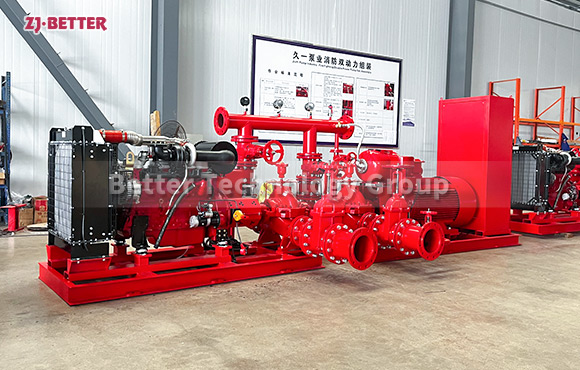
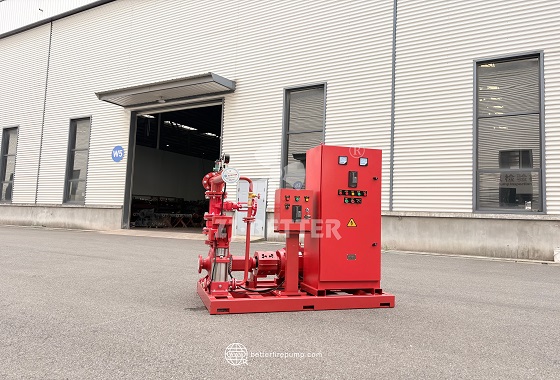
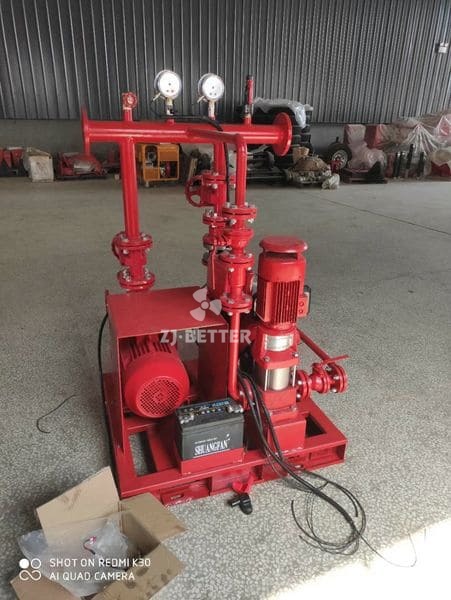
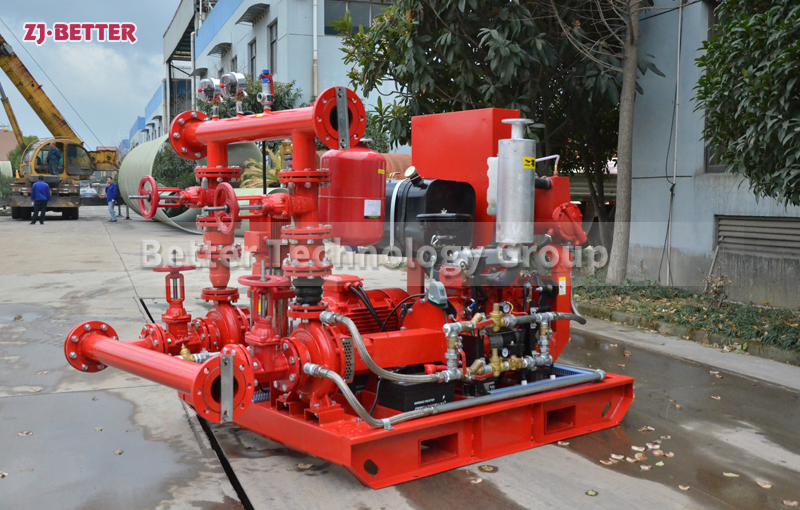
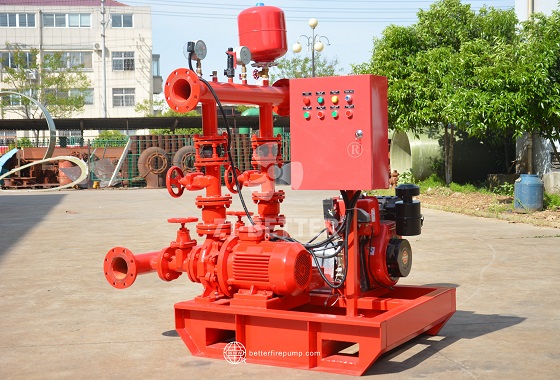
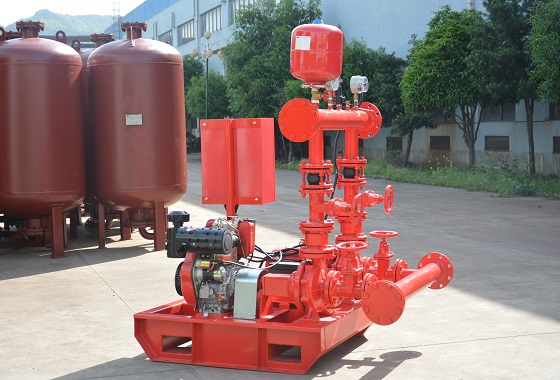
The primary-backup fire pump system features a dual-power configuration—an electric primary pump and a diesel backup pump—integrated with a jockey pump, a pressure tank, and a control system. This setup provides a reliable primary and backup water supply solution for fire protection projects in industrial facilities, warehouses, docks, and similar locations.
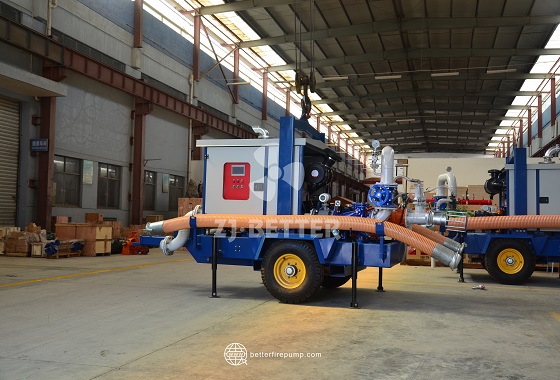
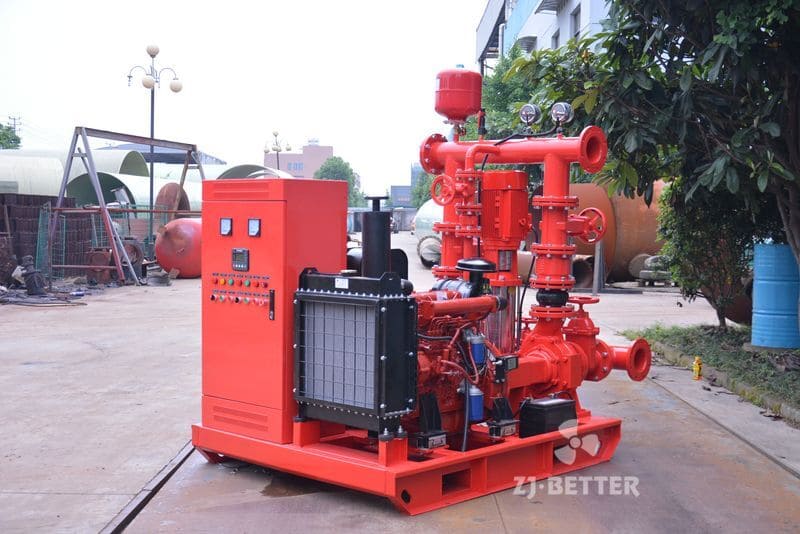
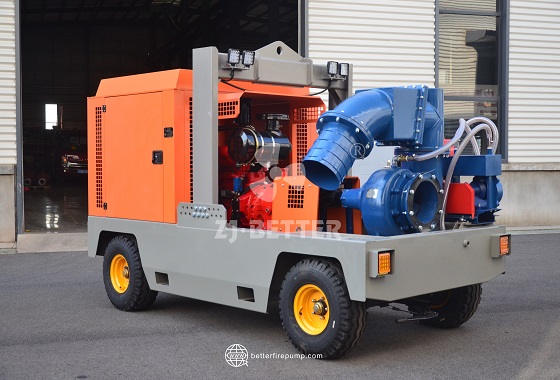
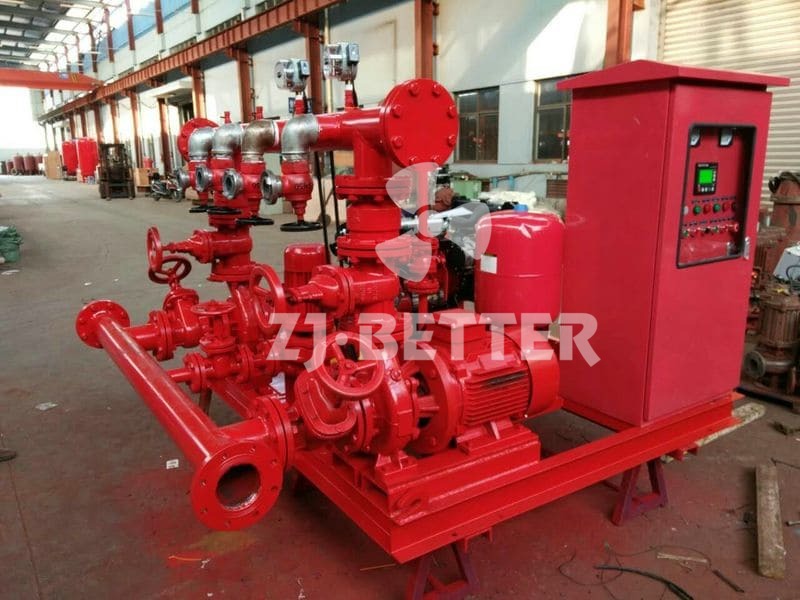
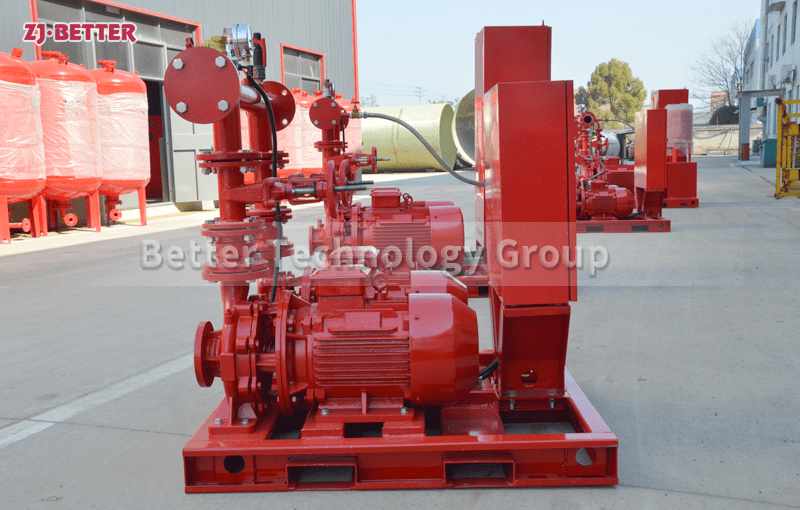
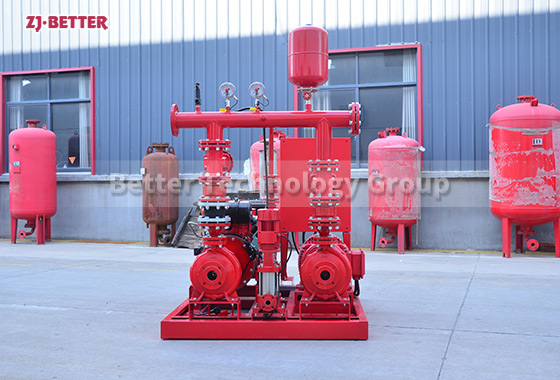
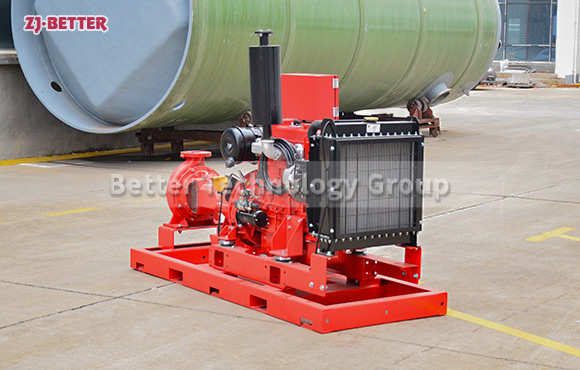
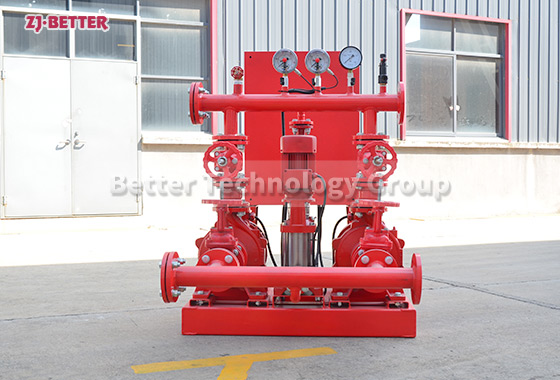
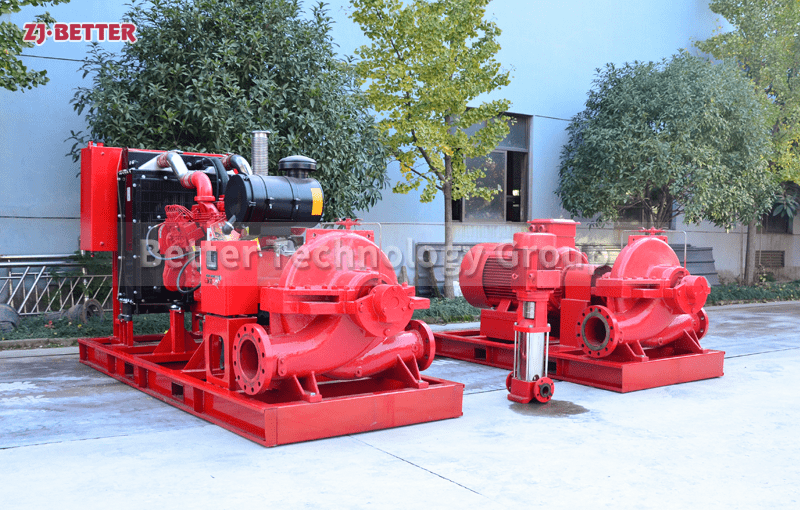
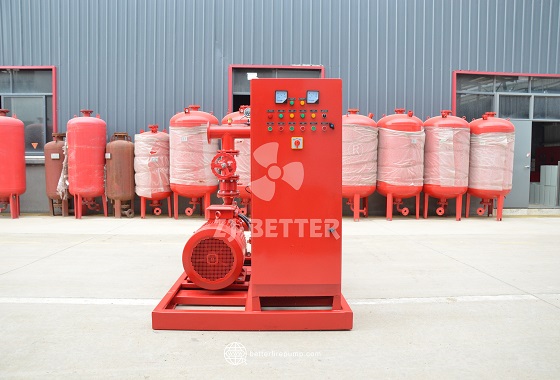
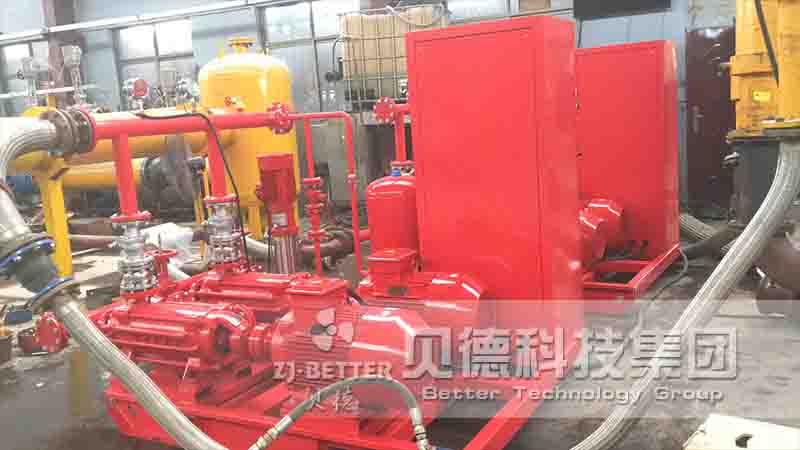
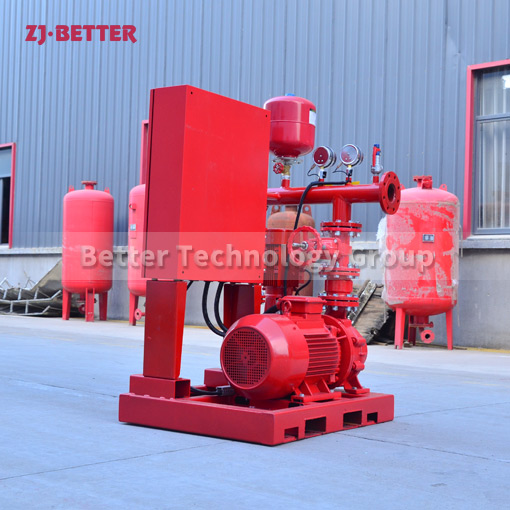
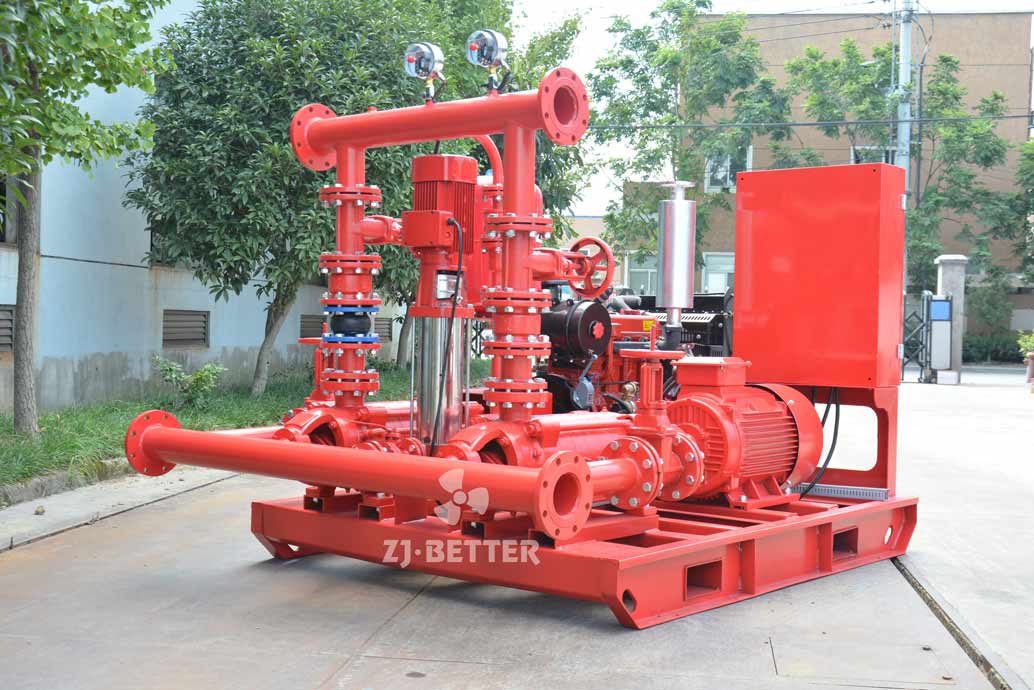
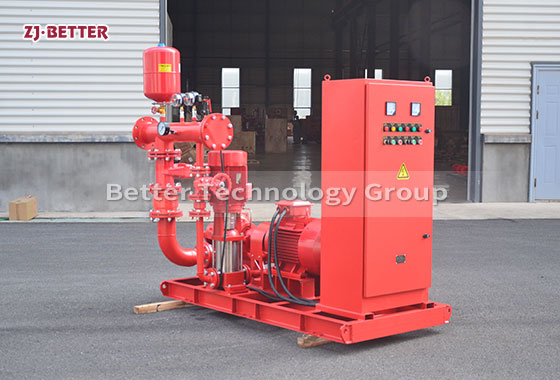
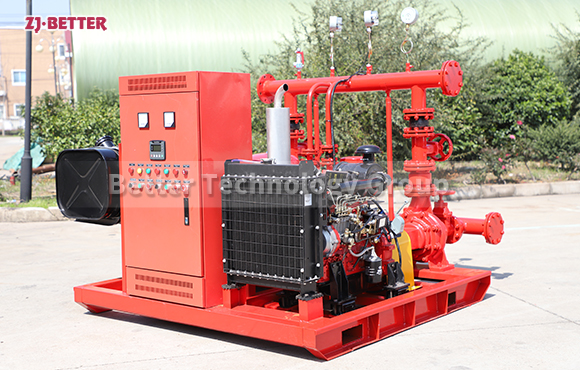
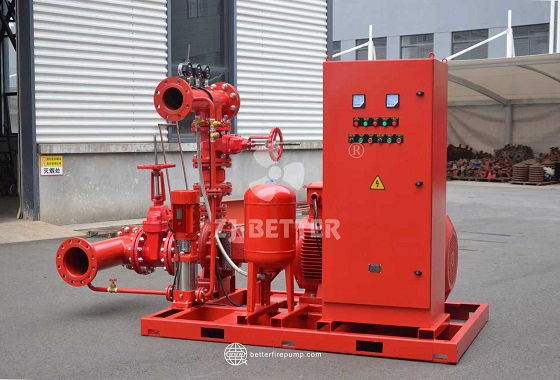
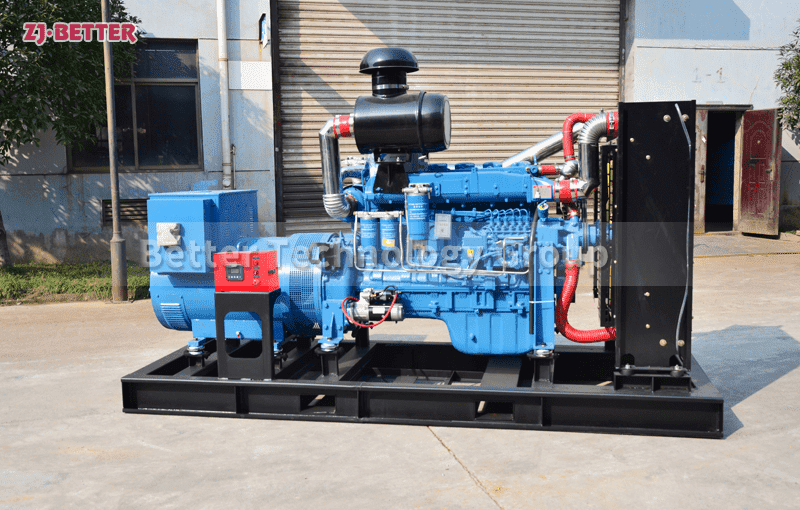
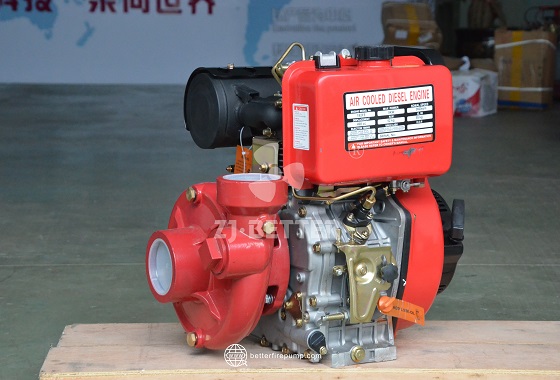
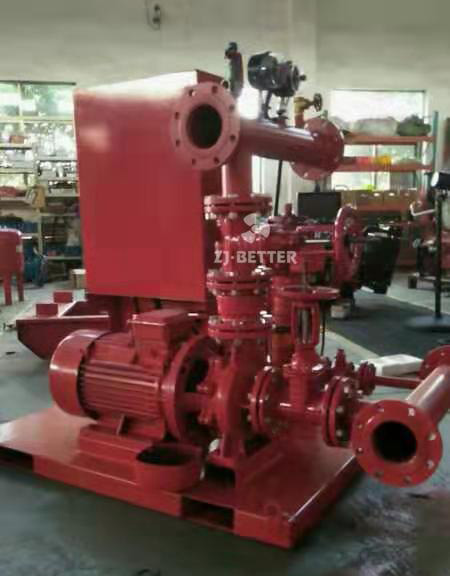
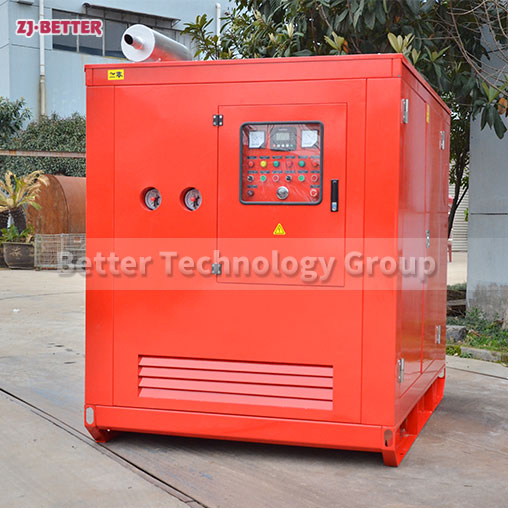
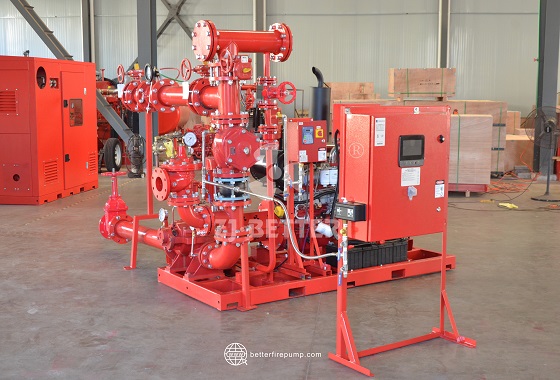
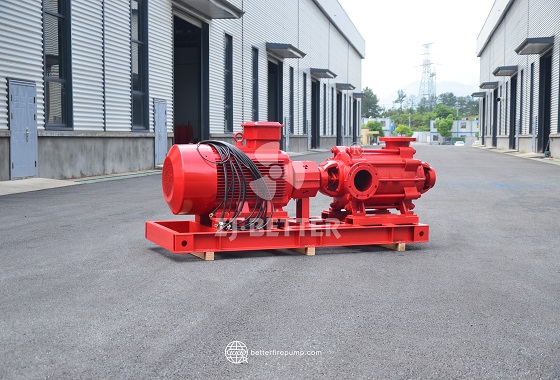
A primary-backup fire pump system is an integrated fire water supply assembly comprising an electric fire pump, a diesel-powered backup fire pump, a pressure-maintenance (jockey) pump, a control cabinet, a pressure tank, and the necessary piping and instrumentation. Its core feature is the dual-power configuration—utilizing an electric pump as the primary unit and a diesel-driven pump as the backup—to ensure a reliable water supply for fire protection systems under various operating conditions. The electric pump typically serves as the primary power source, driven by an electric motor to deliver the required flow rate and pressure in accordance with system control specifications during normal power supply conditions. The diesel-powered backup pump, driven by an independent diesel engine, activates when the primary power supply is compromised or when the system control logic dictates the need for an alternative power source; this mitigates the risk of supply interruption that could arise from relying on a single power source. The flow rate and head (pressure) of both the primary and backup pumps are matched to specific fire protection design requirements, ensuring that both units can meet the system’s hydraulic parameters. Depending on project-specific conditions, the fire pumps may be of various types—such as end-suction, horizontal split-case, vertical split-coupled, or vertical in-line—selected based on factors including required flow, head, pipe diameter, water source, and available installation space. The pressure-maintenance (jockey) pump is designed to compensate for pressure drops while the fire protection piping network is in a standby state; it typically features a lower flow rate than the primary fire pump, with a head configured to meet the system’s pressure requirements. When a minor pressure drop occurs in the network, the jockey pump restores pressure, keeping the system within a set range and preventing the primary fire pump from starting frequently due to insignificant pressure fluctuations. The pressure tank acts as a storage and buffer component, holding a volume of pressurized water to help manage small pressure variations within the network; its specific capacity and operating pressure are determined by the system’s design parameters. The control cabinet serves as the central control unit for the entire assembly, managing the electric pump, diesel backup pump, and jockey pump. It integrates with devices such as pressure sensors and gauges to monitor the system’s operational status and often includes protective features against conditions like electrical overload or overcurrent. These integrated equipment packages consolidate primary pump units, control systems, pressure components, and piping accessories onto a common base. This design reduces the workload for on-site equipment layout and interconnection, while facilitating the transport, positioning, and maintenance of the system as a whole. According to product specifications, such fire-fighting pump packages can offer flow rates ranging from 30 to 9,000 GPM and heads from 3 to 20 bar. The power ratings for electric and diesel-driven pumps can be configured based on the specific model, while jockey pumps (pressure-maintenance pumps) are designed for lower flow rates and higher heads; the exact parameters must be selected according to the requirements of each individual project. This equipment is suitable for facilities such as warehouses, docks, airports, petrochemical plants, power stations, and marine vessels—or any location requiring a fixed fire-fighting water supply system. During installation, the specific specifications for the primary pumps, backup pumps, jockey pumps, and pressure tanks must be determined in accordance with local fire codes and project design requirements. Furthermore, proper provisions must be made for the diesel engine’s fuel supply, cooling, and exhaust systems to ensure an optimal environment for operation and maintenance. In summary, by utilizing a dual-power configuration—typically an electric primary pump paired with a diesel backup pump—and incorporating jockey pumps, pressure tanks, and automatic control systems, these integrated fire-fighting pump packages effectively coordinate primary water supply, backup supply, and pipeline pressure maintenance, providing a comprehensive fire-fighting water supply solution for a wide range of projects.