Diesel Fire Pump Pressure Compensation Equipment – Jockey Pump and Pressure Tank for System Pressure Maintenance
The diesel fire pump pressure compensation system integrates a main diesel pump, a jockey pump, and a pressure tank. It maintains pressure within the fire-fighting piping network through pressure storage and automatic pressure replenishment. This system is suitable for industrial facilities, warehouses, ports, and various other fire-fighting water supply applications.
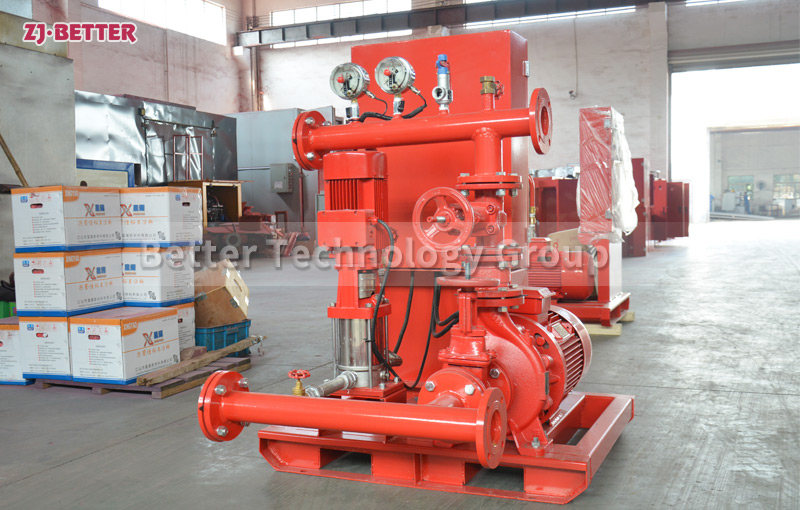
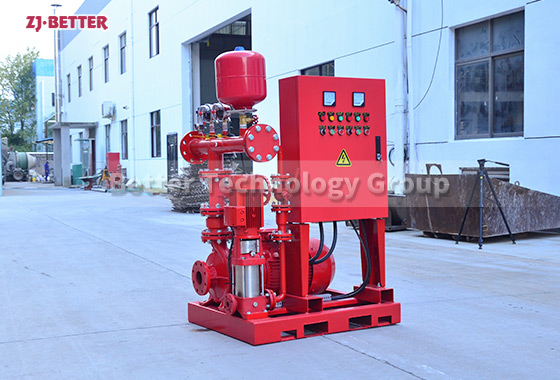
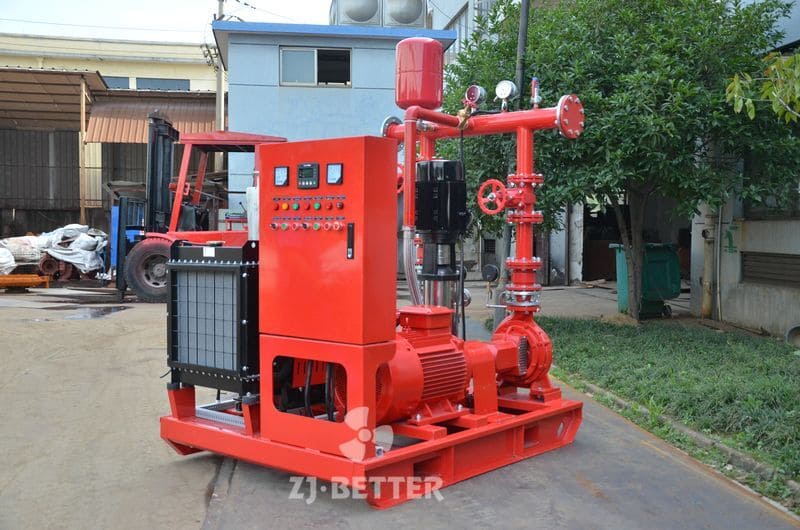
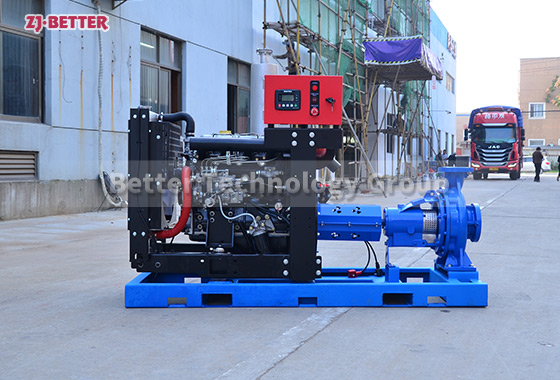
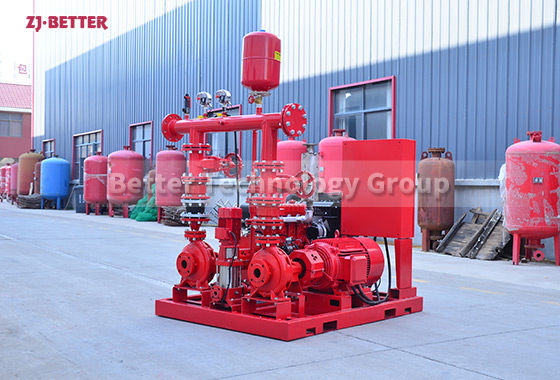
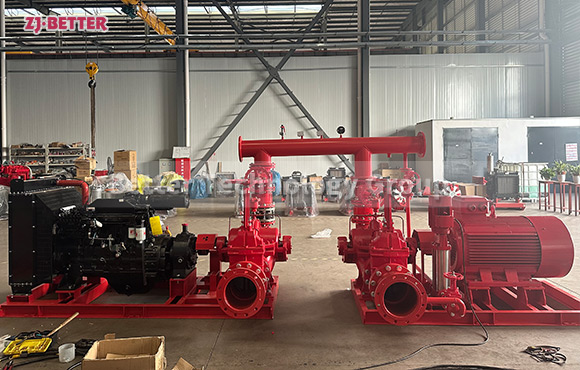
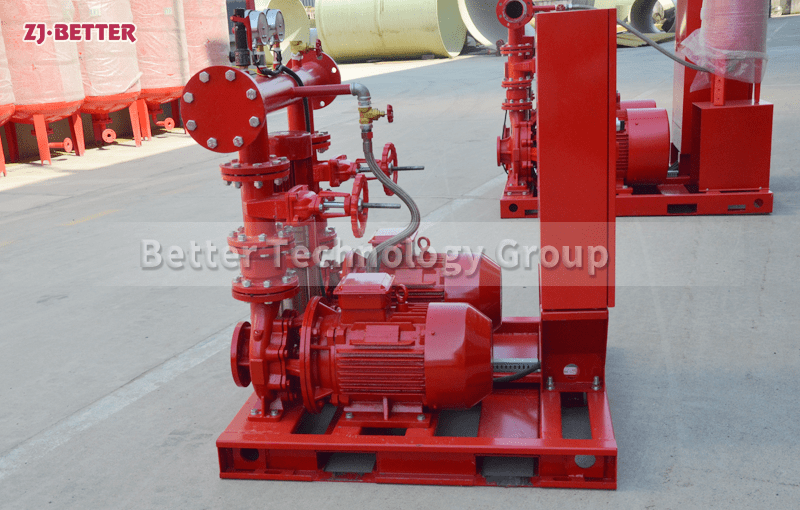
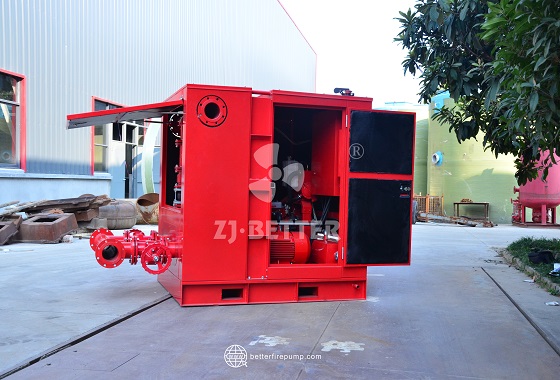
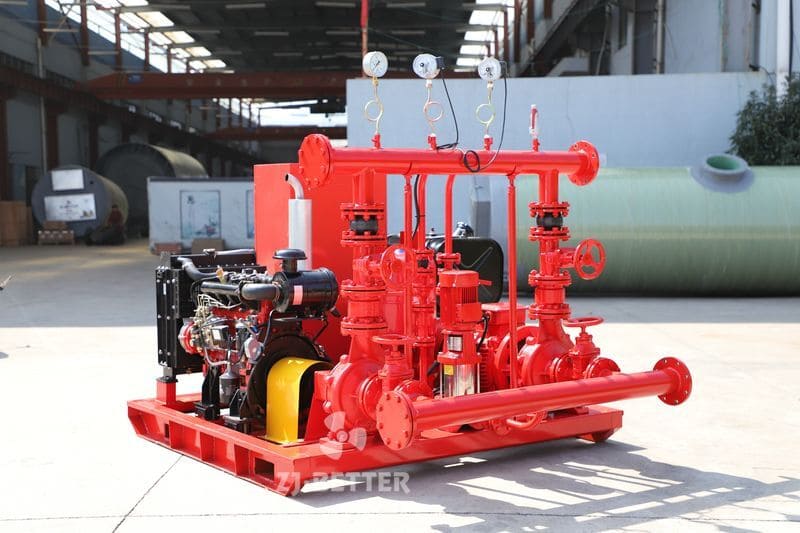
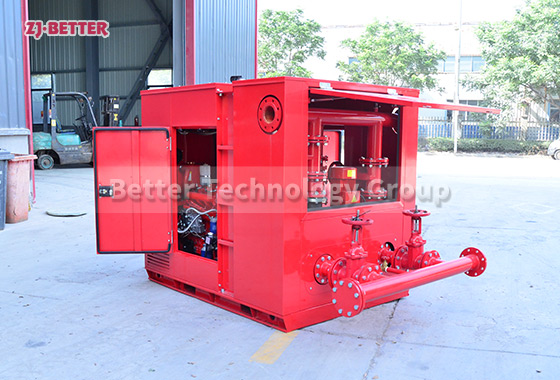
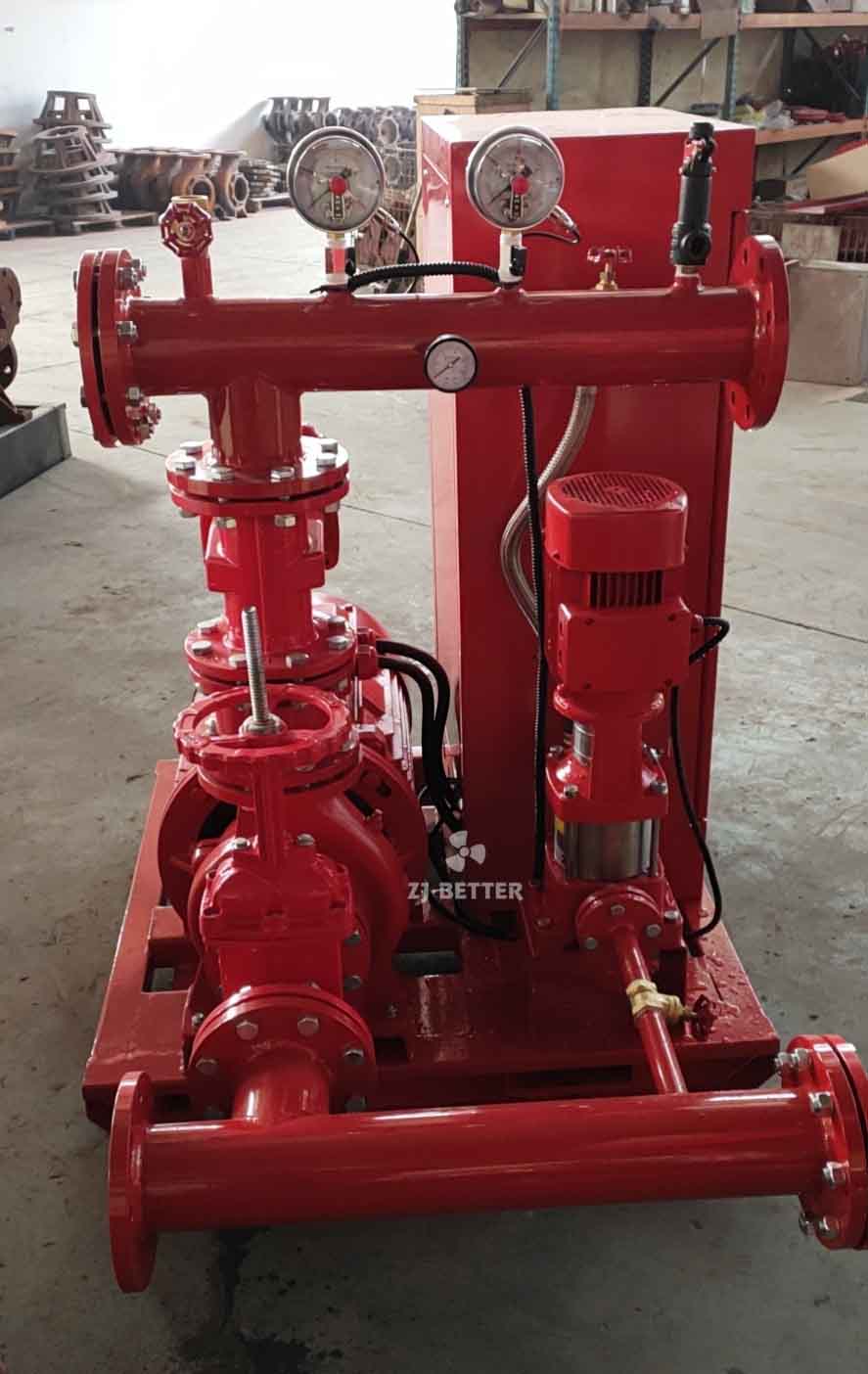
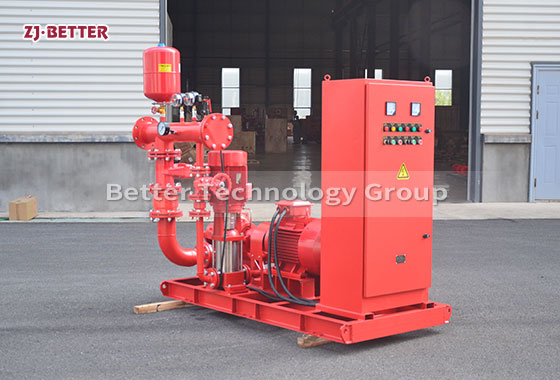
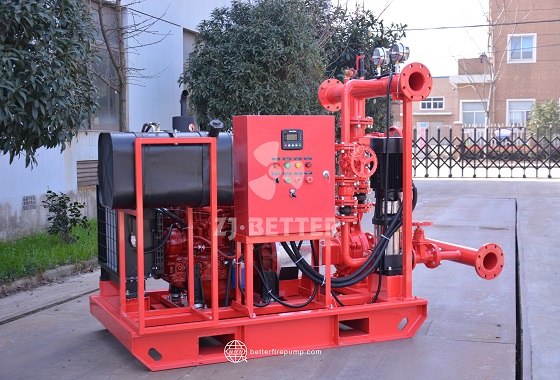
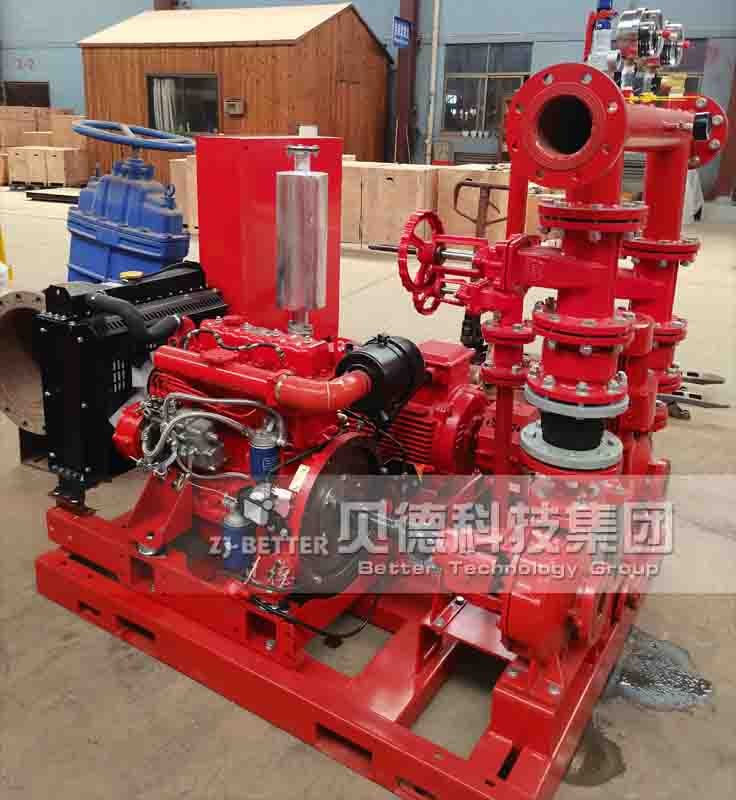
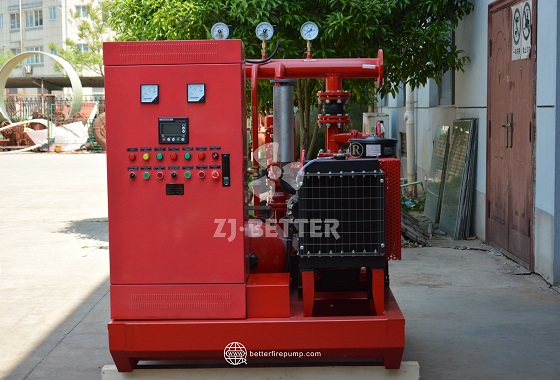
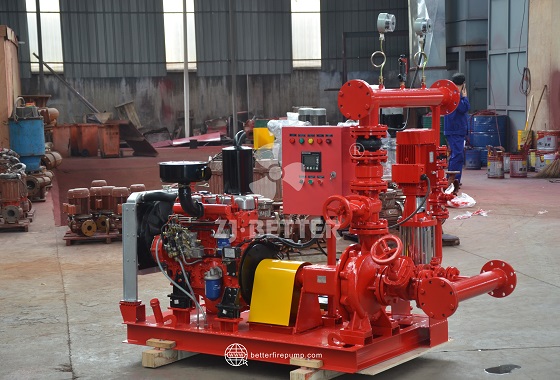
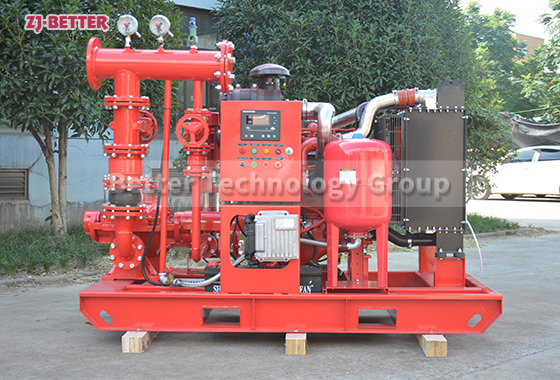
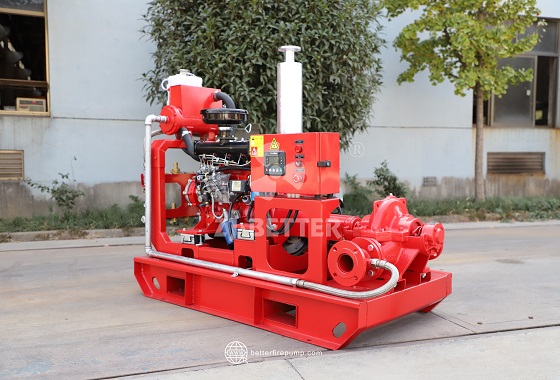
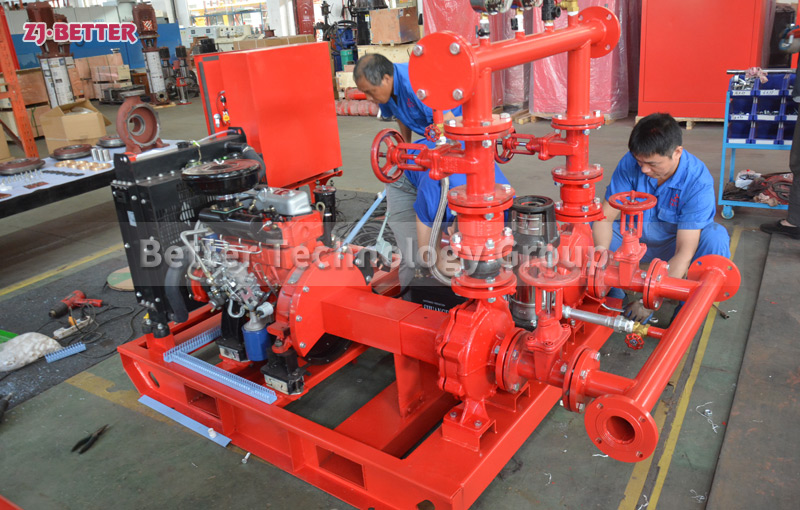
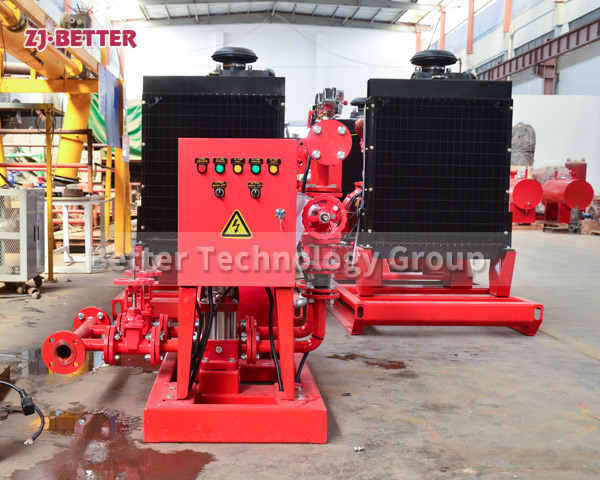
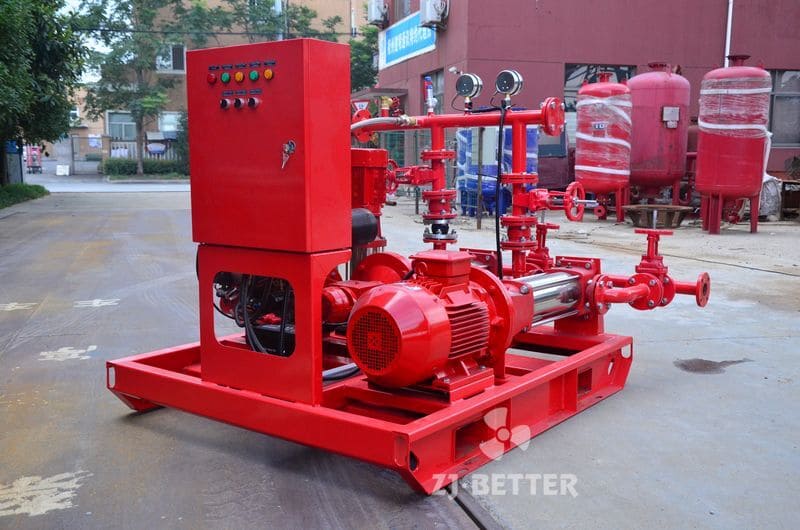
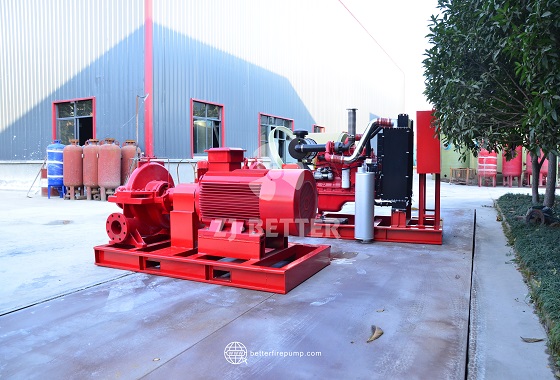
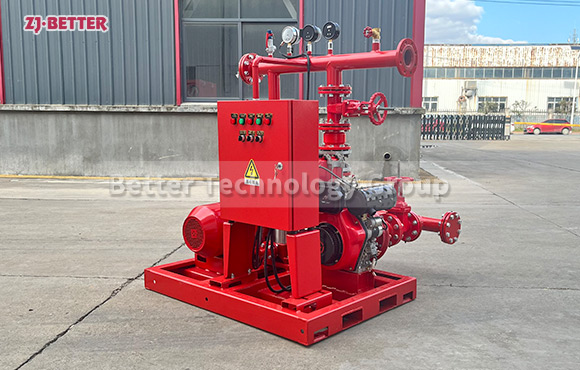
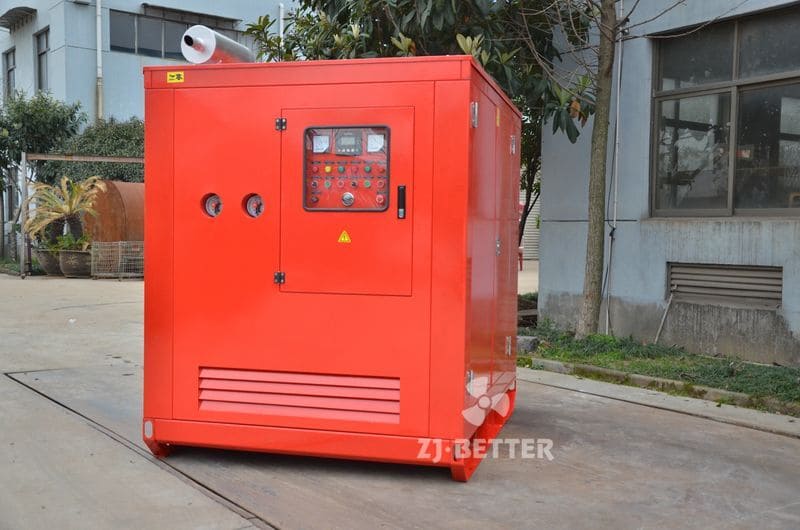
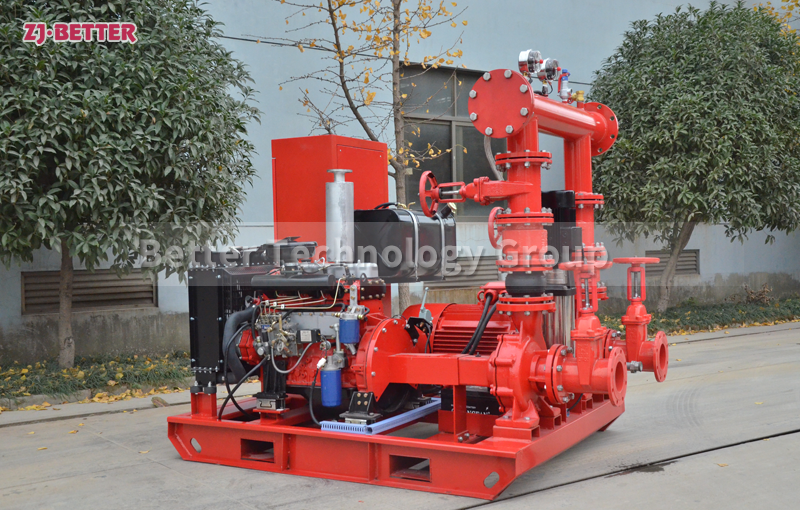
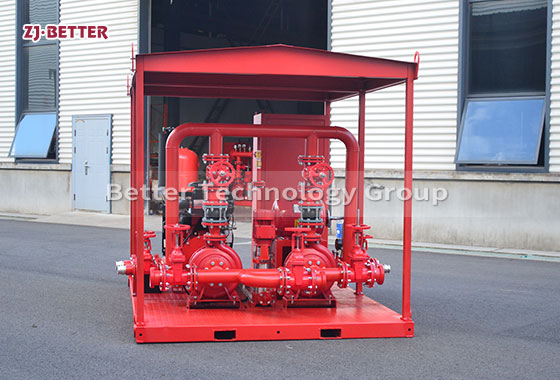
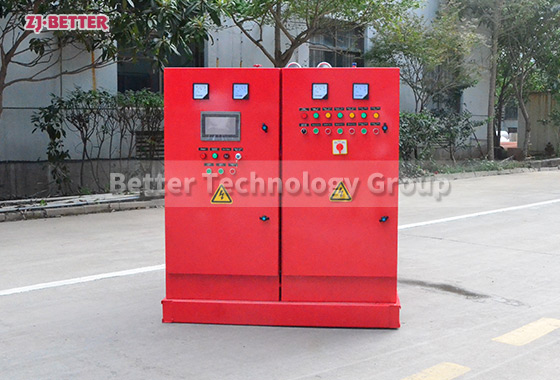
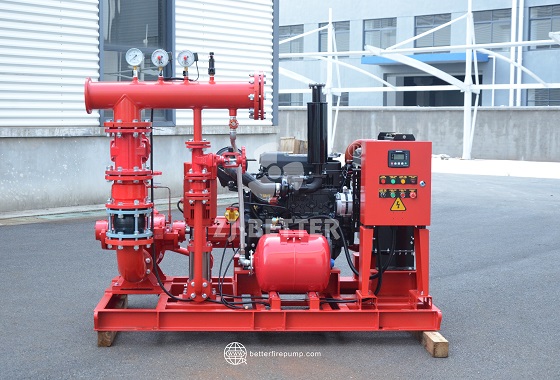
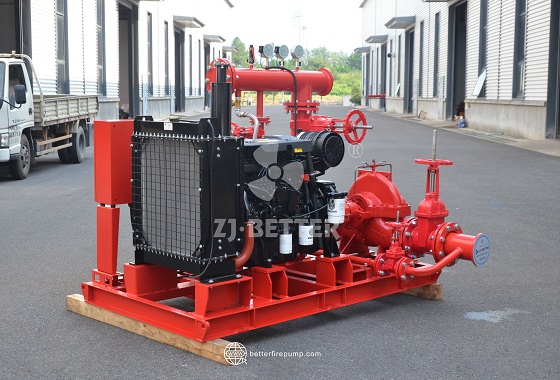
A diesel fire pump pressure compensation system is a fire-fighting water supply assembly that integrates a diesel fire pump, a jockey pump (pressure-maintenance pump), a pressure tank, a control cabinet, pressure-sensing devices, and associated piping components. It is primarily designed to manage pressure within a fire-fighting system during both standby and active water-supply modes. Its core function is to utilize the diesel-driven main fire pump for primary water supply, while employing a jockey pump and a pressure tank to compensate for minor pressure fluctuations—thereby maintaining relatively stable pressure in the fire-fighting piping network during non-fire conditions. The diesel engine provides an independent power source for the main fire pump; when the system requires a high-volume water supply, the control system triggers the main pump to deliver the necessary flow and pressure. The jockey pump, which has a lower flow capacity than the main pump, is designed to address minor pressure drops during routine operation, with its head (pressure) configured according to specific system design requirements. This functional division prevents the main fire pump from starting frequently due to minor pressure fluctuations, which improves overall equipment management. The pressure tank acts as a pressure-storage and buffering component, holding a volume of pressurized water and using the interplay between air and water pressure to dampen fluctuations within the network. In the event of minor leaks, temperature-induced pressure changes, or other routine pressure losses, the pressure tank works in tandem with the jockey pump to provide compensation, thereby reducing unnecessary pump activations. The volume and operating pressure of the pressure tank must be determined based on the specific fire-fighting system pressure, piping network volume, and pump parameters—they cannot be established in isolation from the specific project conditions. Depending on the flow, head, and installation requirements of a given project, the main fire pump may feature various configurations—such as end-suction, horizontal split-case, or multi-stage designs—to suit different operational needs. According to available technical data, such diesel fire pump systems typically offer flow capacities ranging from 30 to 9,000 GPM and heads of approximately 3 to 20 bar. The power ratings for both the diesel pump and the jockey pump are configured based on the specific model selected; actual parameters should always be verified against the chosen model specifications and project design requirements. The equipment features an integrated design, mounting the diesel engine, fire pump, jockey pump (pressure-maintenance pump), pressure tank, and control cabinet onto a common base. This configuration facilitates on-site positioning, piping connections, and future inspection and maintenance. The control cabinet provides centralized management of the main fire pump and the jockey pump, while integrating with pressure gauges, pressure sensors, and other devices to monitor system status. Depending on the specific configuration, protective functions—such as overload and overcurrent protection—can be incorporated to enhance operational management. The inlet and outlet piping can be equipped with components such as check valves, gate valves, flexible connectors, and flanges, ensuring a seamless connection between the pump assembly and the fire-fighting piping network. For industrial facilities, logistics warehouses, ports, airports, petrochemical plants, power infrastructure, and other projects requiring independent diesel-powered fire-fighting water supplies, the equipment configuration can be tailored to site-specific requirements, including water source, flow rate, head, pipe diameter, operating pressure, and available installation space. During installation and operation, careful consideration must be given to the diesel engine’s fuel supply, heat dissipation, exhaust venting, and the space required for equipment maintenance. Furthermore, the pressure tank, piping, valves, control cabinet, and pump assembly must be inspected in accordance with established requirements. In summary, by effectively coordinating the roles of the diesel-driven main pump, the jockey pump, and the pressure tank, this diesel fire-pump pressure-compensation system integrates fire-fighting water supply, routine pressure maintenance, and pressure buffering. It offers a comprehensive pressure management solution for fire-fighting piping networks, while the integrated, modular design simplifies both engineering installation and equipment management.