Home » Fire Pump Set » Electric fire pump set has a wide range of applications

Electric fire pump set has a wide range of applications

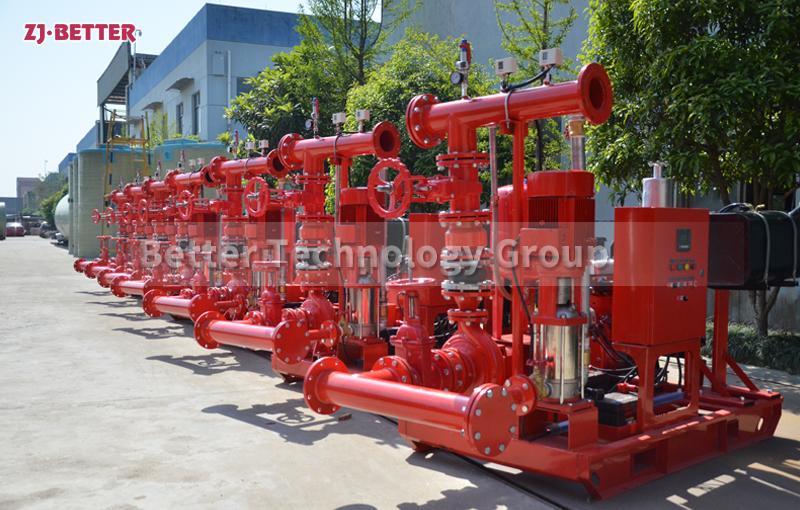
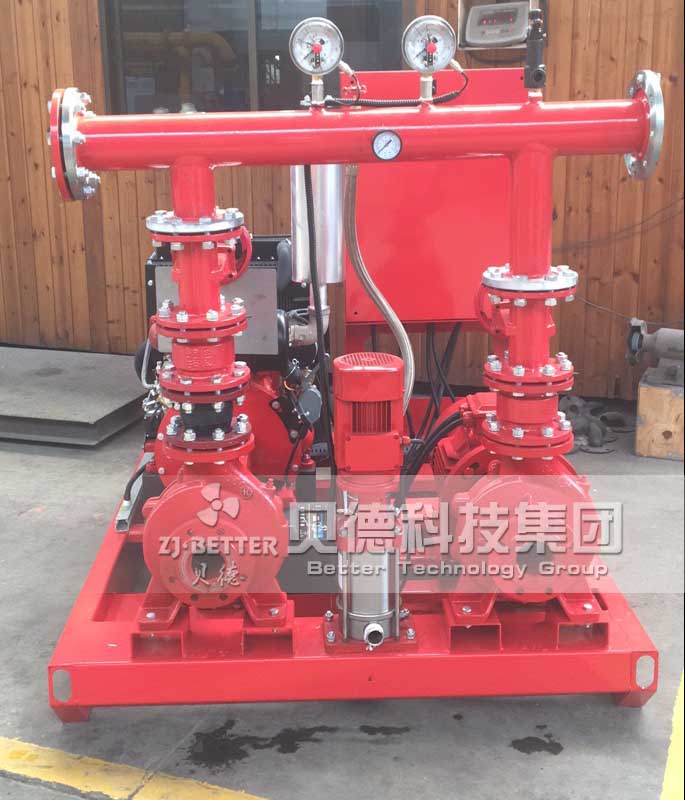
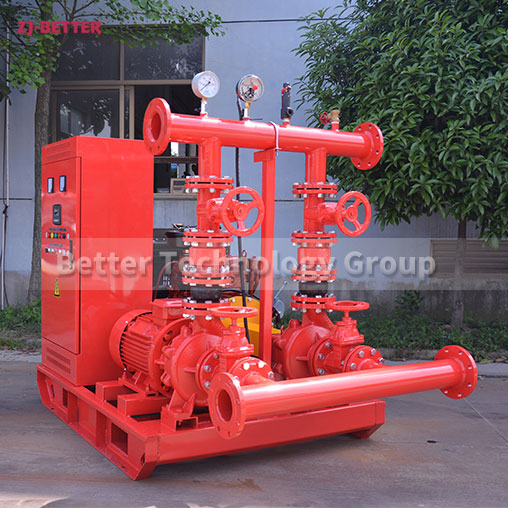
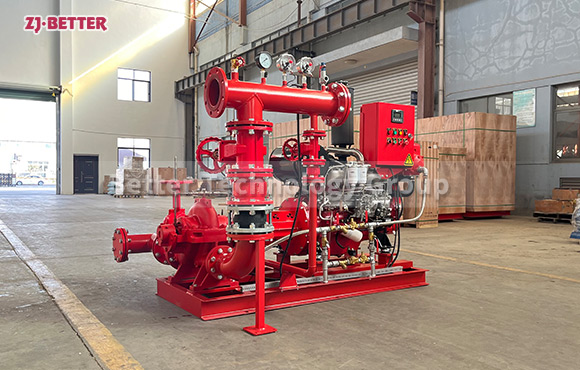
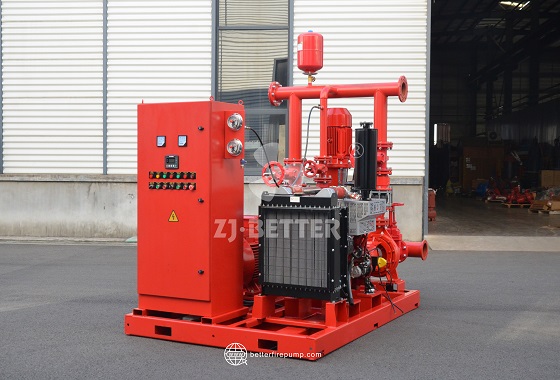
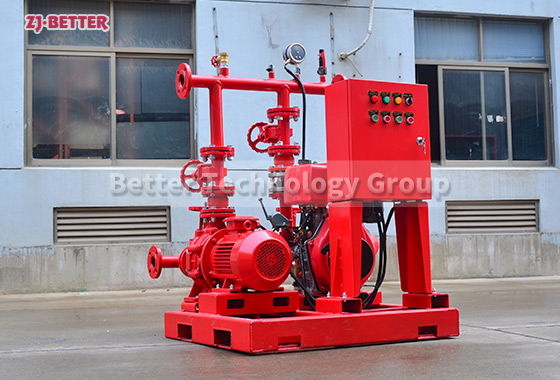
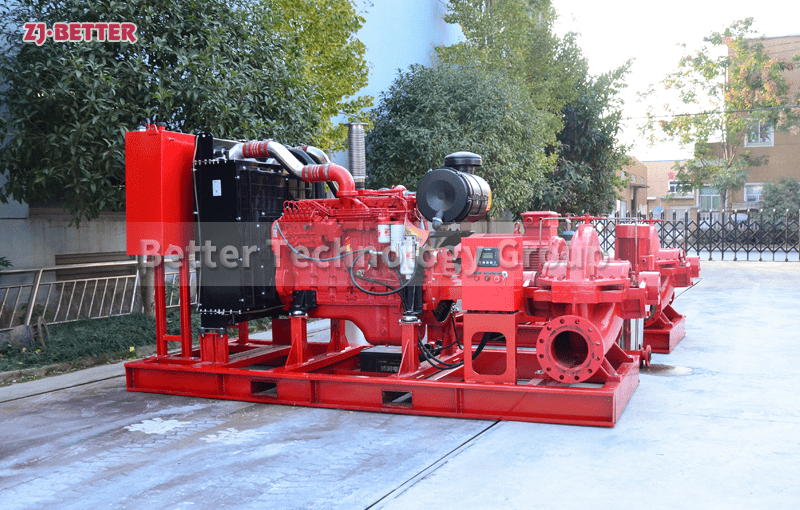
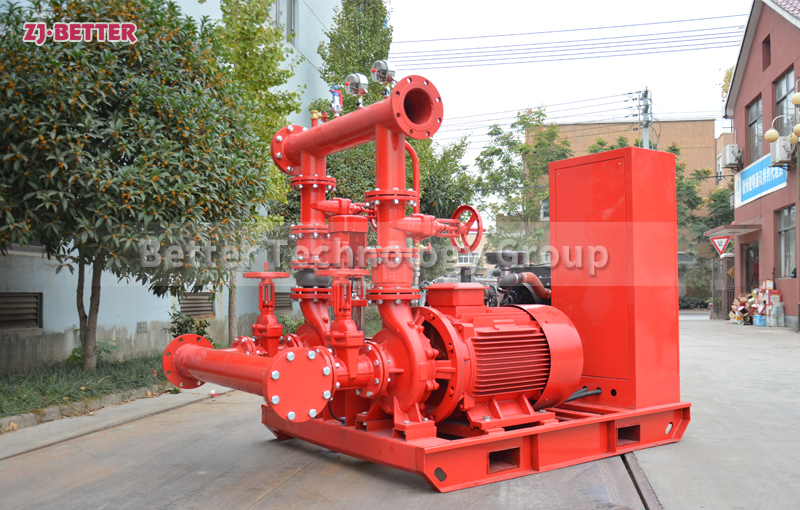
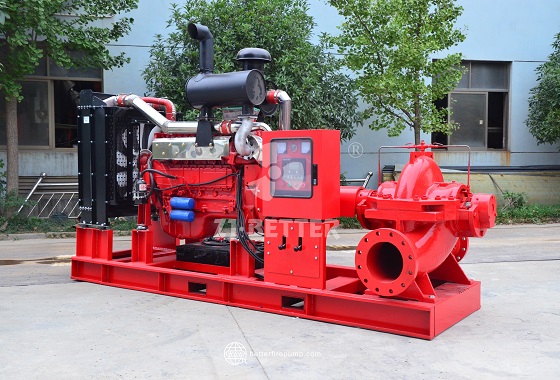
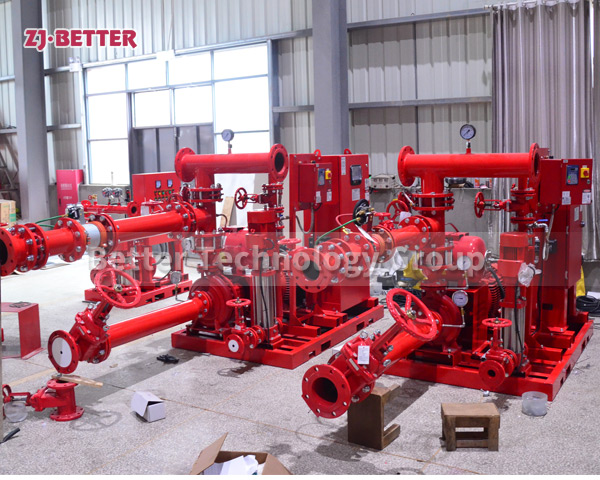
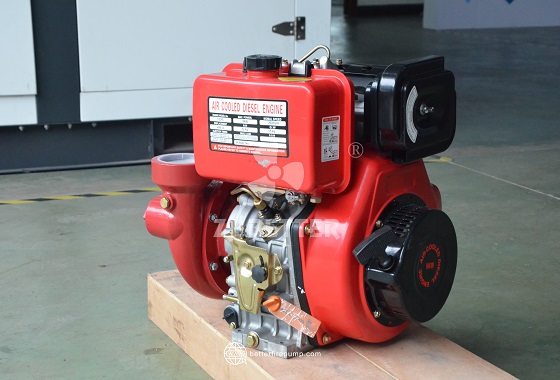
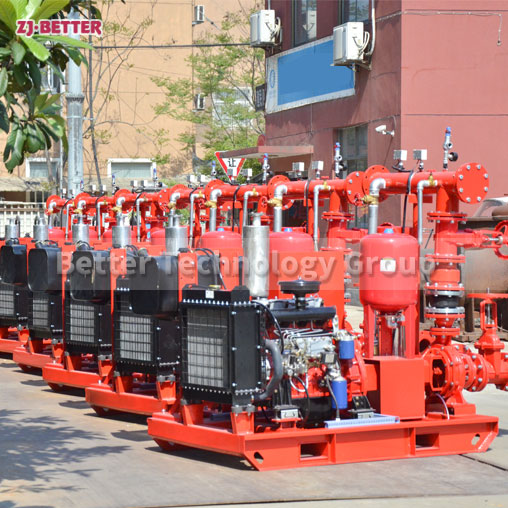
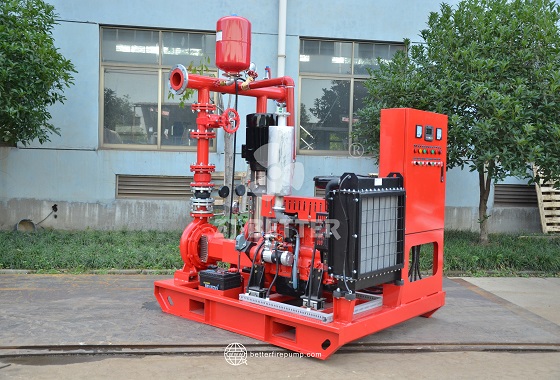
Fire pump refers to a clean water pump used for fire water supply, and a single water pump with a non-corrosive treatment medium temperature below 80°C. The pump unit is a joint operation of multiple fire pumps to ensure the quantity and stability of water supply. The electric motor fire pump set adopts multiple fire water pumps powered by electric motors. The general fire water supply environment is equipped with one electric and one diesel fire pump as the reserve water pump to ensure sufficient emergency water consumption.

Rated 4.9/5 based on 523 customer reviews
Share:
Content

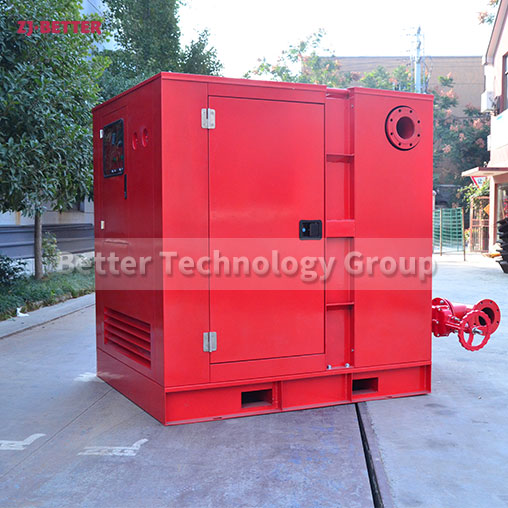
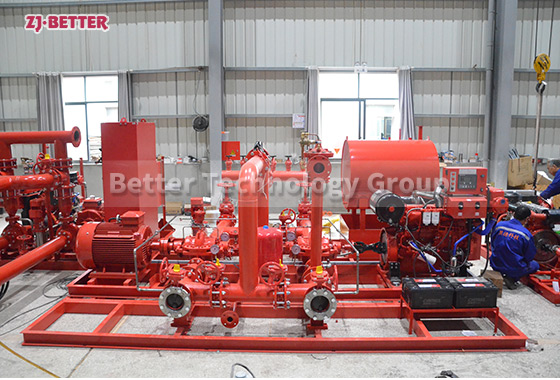
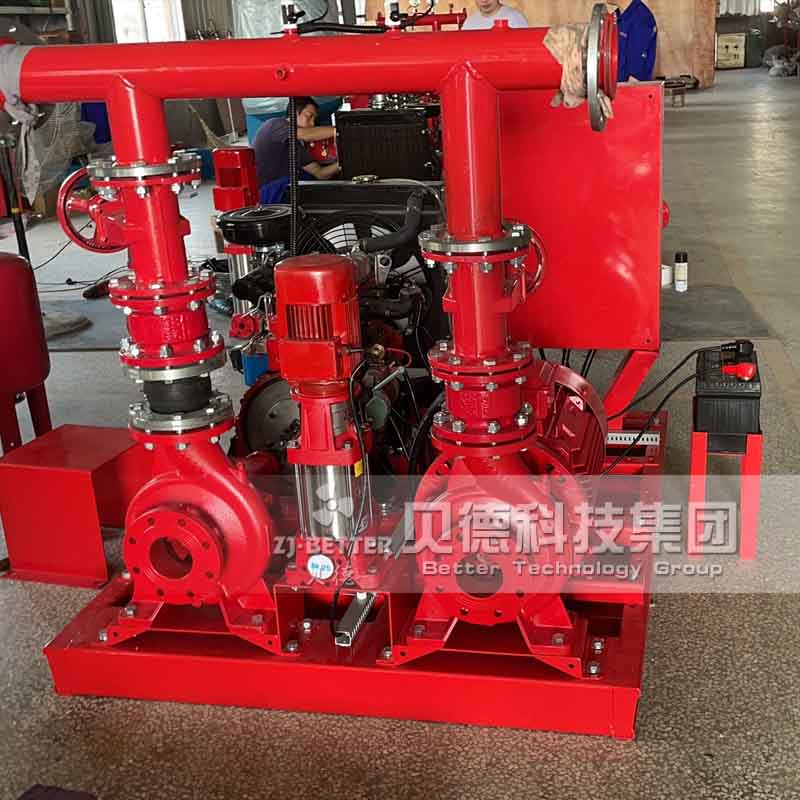
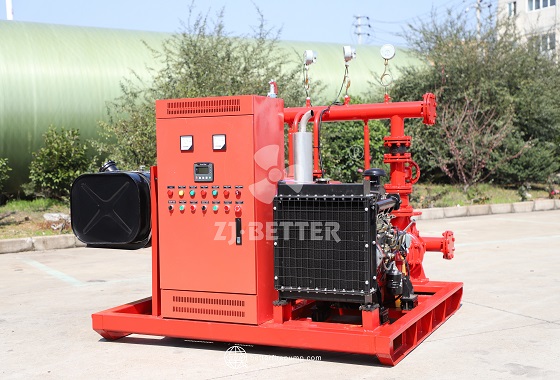
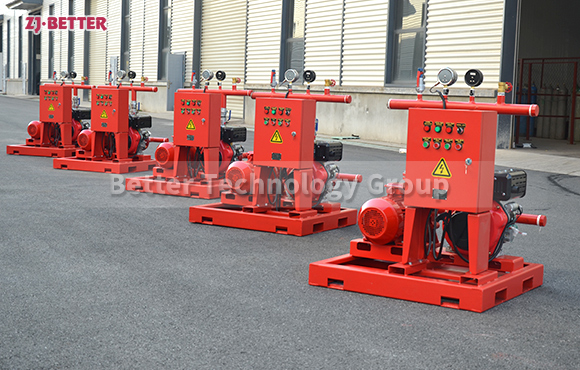
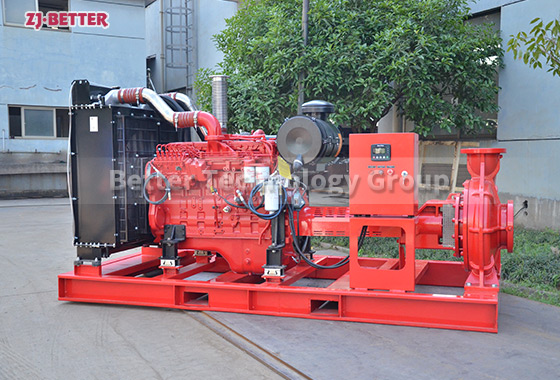
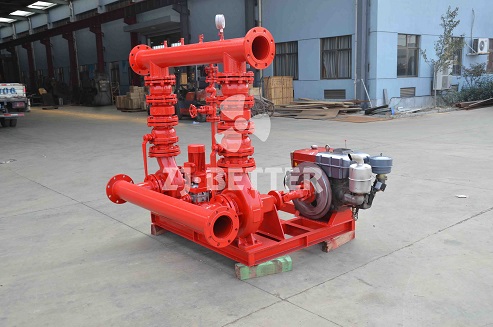
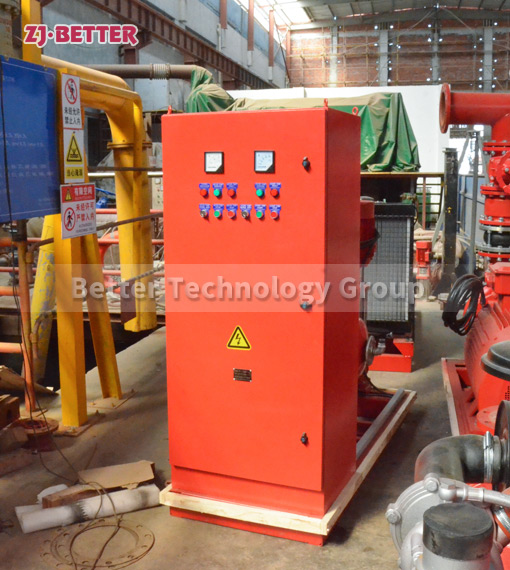
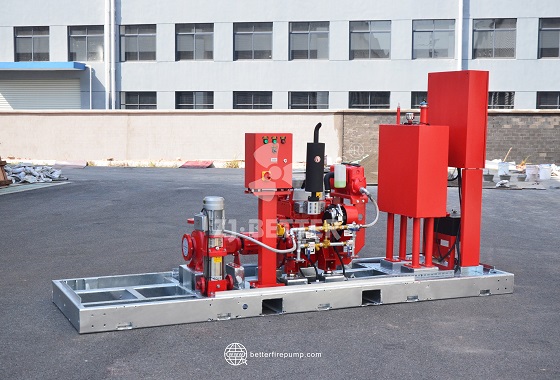
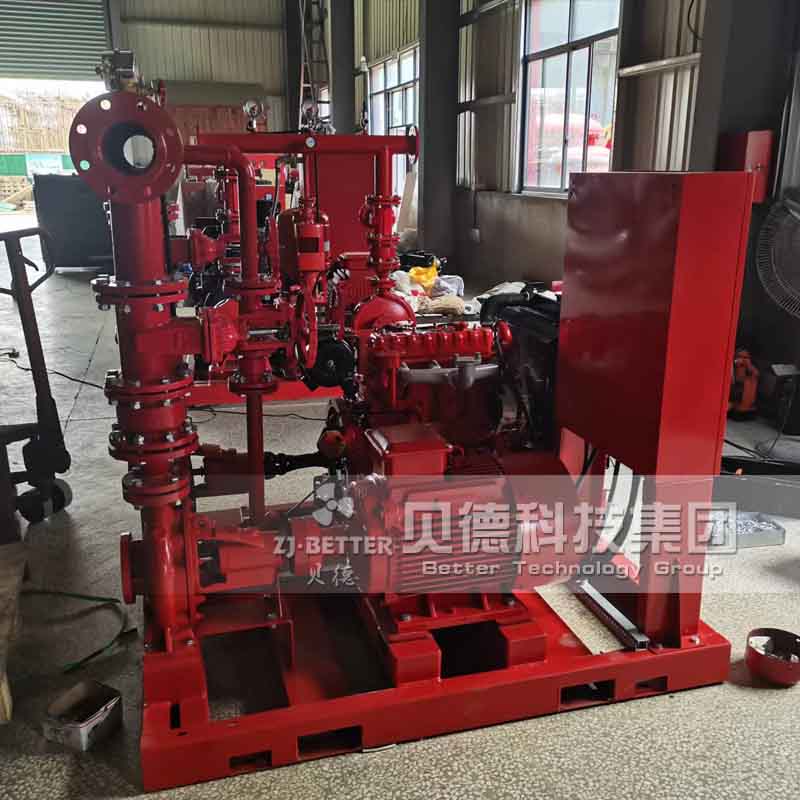
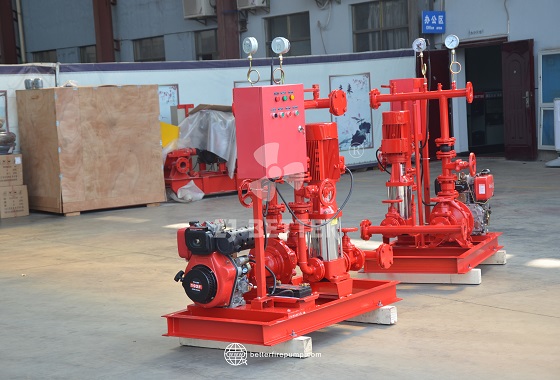
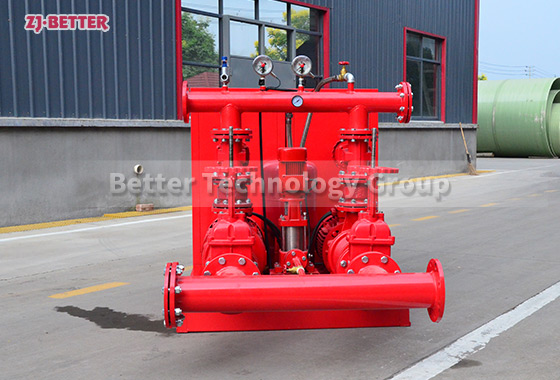
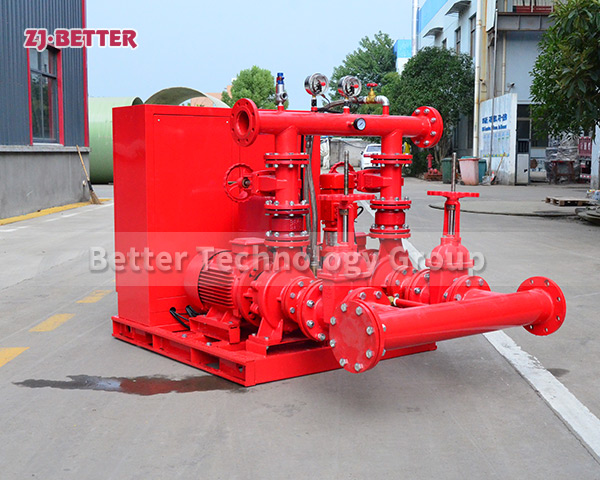
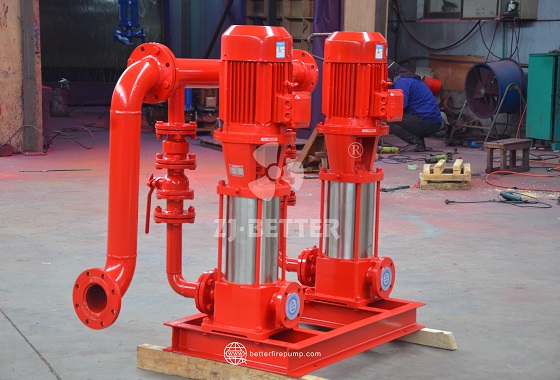
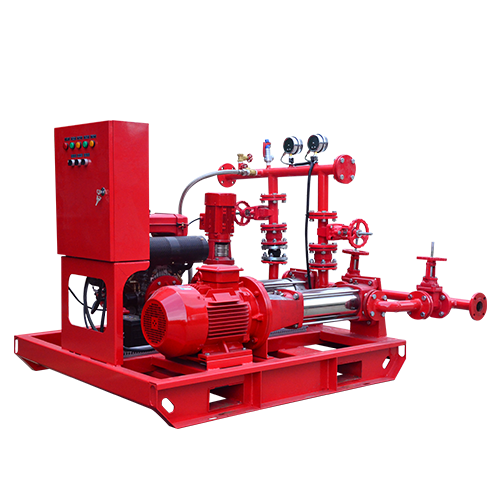
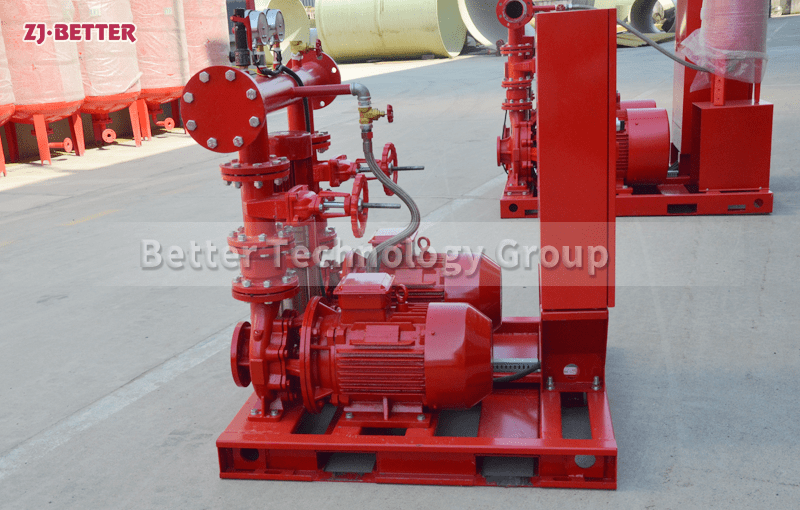
The electric fire pump set is powered by an electric motor, drives the fire pump, and outputs pressure water or air foam mixture for fire fighting. The pump set is mainly composed of a motor, a water pump, a transmission device, a common base and an instrument table. Its control cabinet is installed near the pump group for starting the motor.
The electric fire pump set has the advantages of quick start, reliable water diversion, stable operation, high degree of automation, wide range of pressure and flow, etc. It is an advanced and reliable fixed fire-fighting equipment. It is mainly used in fire water supply and foam fire extinguishing systems in industries such as petroleum, chemical industry, natural gas, power plants, textiles, wharves, gas stations, storage, high-rise buildings, etc.
Inquiry


    More Fire Pump Set

    When installing a fire pump, it is essential to adhere to specific requirements to ensure its proper functionality and compliance with safety standards. Here are some important installation requirements to consider:

    Codes and Standards: Familiarize yourself with local fire codes, regulations, and industry standards applicable to fire pump installations.

    Location and Accessibility: Choose an appropriate location for the fire pump that allows for easy access, maintenance, and serviceability.

    Foundation and Mounting: Ensure that the fire pump is installed on a stable and level foundation capable of supporting its weight and minimizing vibration.

    Electrical Connections: Electrical connections should be performed by licensed electricians following electrical codes and regulations.

    Water Supply: Ensure an adequate and reliable water supply for the fire pump.

    System Piping and Valves: The piping system should be installed following the pump manufacturer’s specifications and relevant standards.

    Controls and Monitoring: Install the pump’s control panel and associated instrumentation according to manufacturer guidelines.

    Testing and Commissioning: Thoroughly test and commission the fire pump system before placing it into service.

    Documentation and Training: Maintain comprehensive documentation of the installation, including drawings, equipment specifications, test reports, and maintenance records.

    It is crucial to consult with fire protection professionals, including fire engineers and pump manufacturers, to ensure compliance with all relevant requirements during the installation process. Proper installation is essential for the reliable operation of the fire pump and the safety of the facility and its occupants.

    1. Ability to provide a steady and reliable flow of water: Fire pumps are designed to provide a steady and reliable flow of water to the fire suppression system. This ensures that the fire is extinguished quickly and without any damage to the property.

    2. High-Pressure Output: Fire pumps can provide a high-pressure output to ensure that the water is able to reach further distances and at higher pressures than would be achievable by a standard water system. This is important in controlling and extinguishing fires, as it allows the water to reach all areas of the fire.

    3. Emergency Operation: Fire pumps are designed to be able to operate in the event of a power outage. This ensures that the fire suppression system can still be operational in the event of a power failure. This is especially important in commercial buildings and other areas where power outages can occur.

    4. Automatic Activation: Fire pumps are designed to automatically activate in the event of a fire. This ensures that the fire suppression system can be activated quickly and without any manual intervention. This is especially important in the event of a large fire, as it ensures that the system is already in operation before the fire department arrives.

    5. Low Maintenance: Fire pumps are designed to be low maintenance, requiring only regular inspections and maintenance to ensure that they are working correctly. This ensures that the fire suppression system is always ready for use and that it can be relied upon in the event of a fire.