Automatic Fire Jockey Pump Unit to Reduce Main Fire Pump Starts
Automatic fire-fighting pressure-stabilizing pump devices are used to maintain the pressure of fire-fighting water supply systems. They have advantages such as automatic start-stop, precise pressure control, stable and reliable operation, and reduced frequent start-ups of the main fire pump. They are suitable for high-rise buildings, industrial plants, and various fire protection projects, improving system safety and service life.
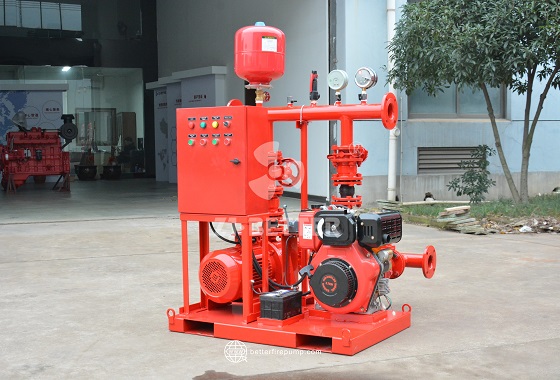
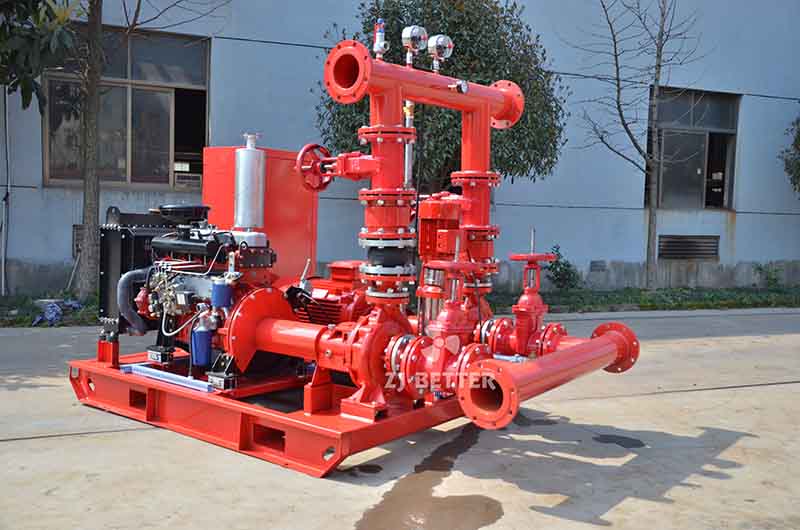
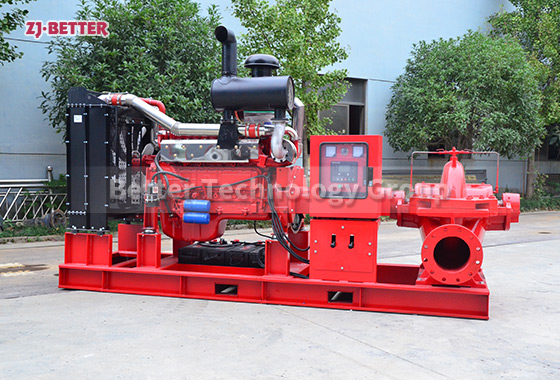
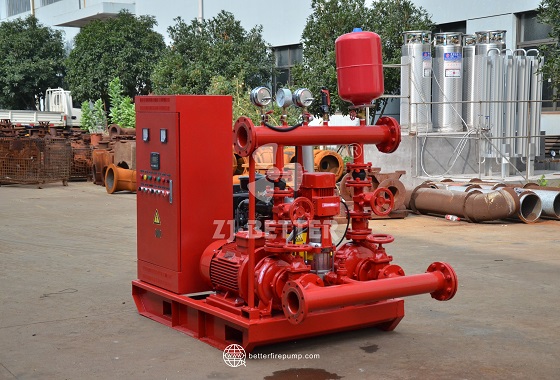
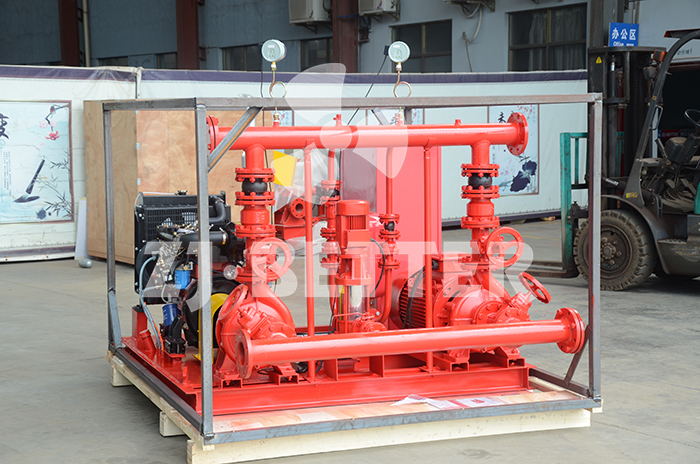
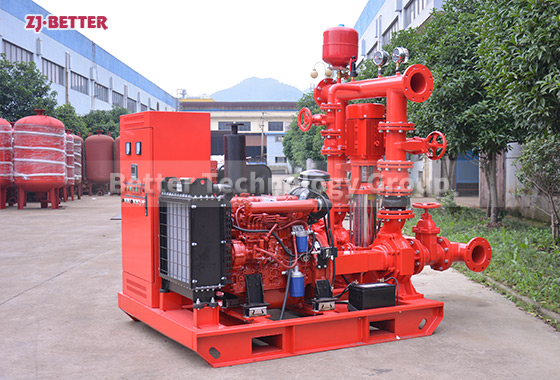
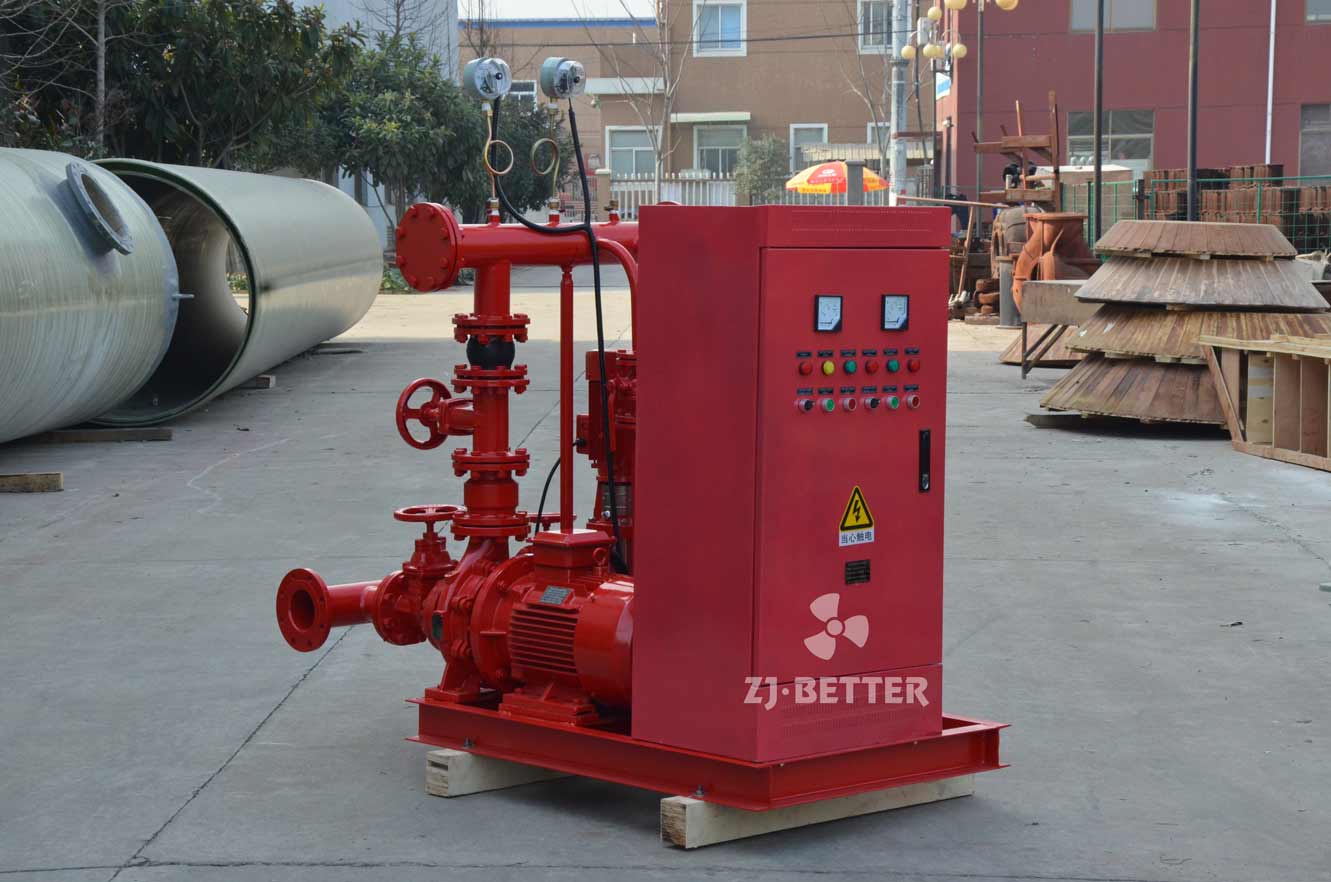
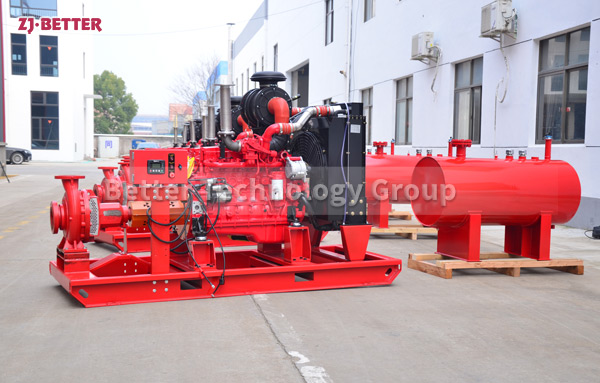
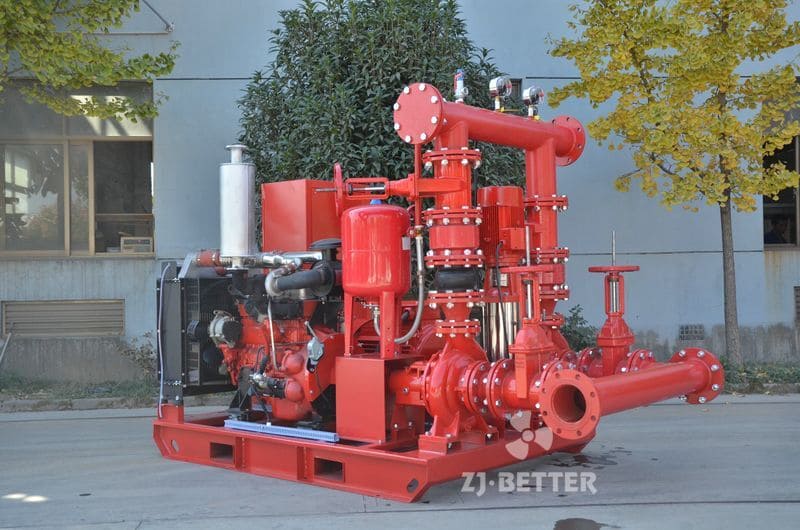
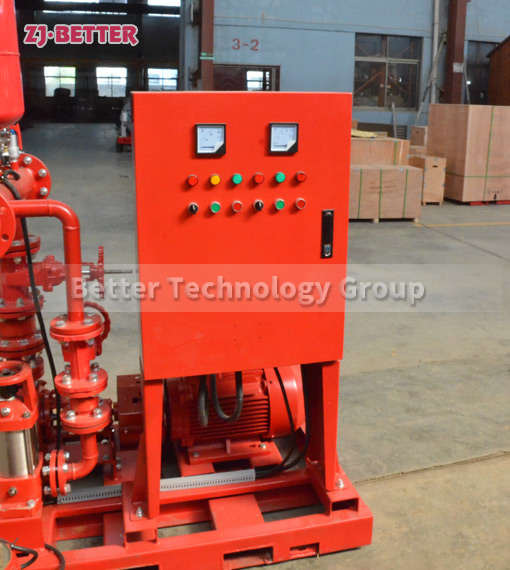
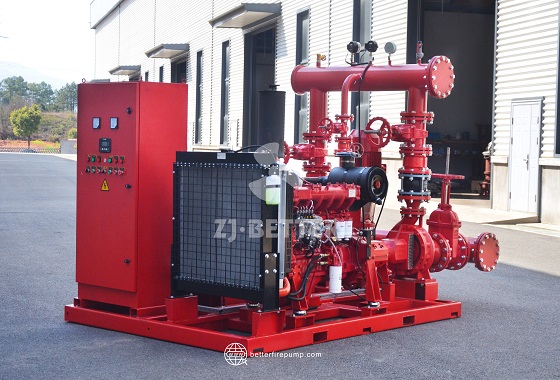
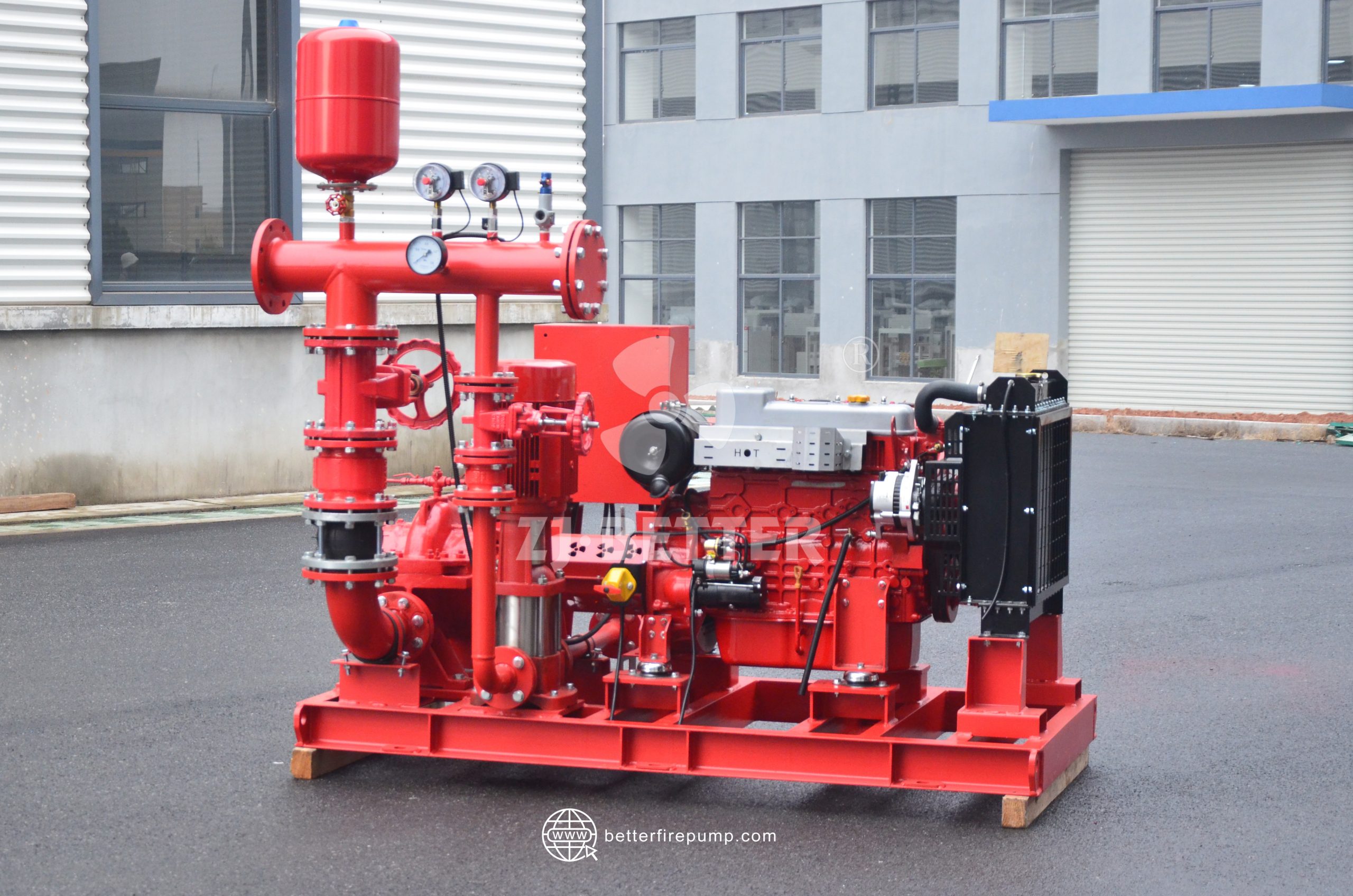
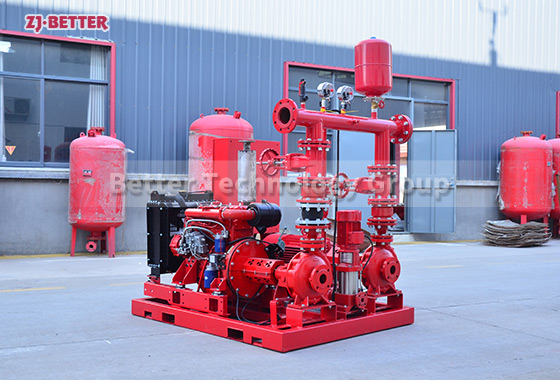
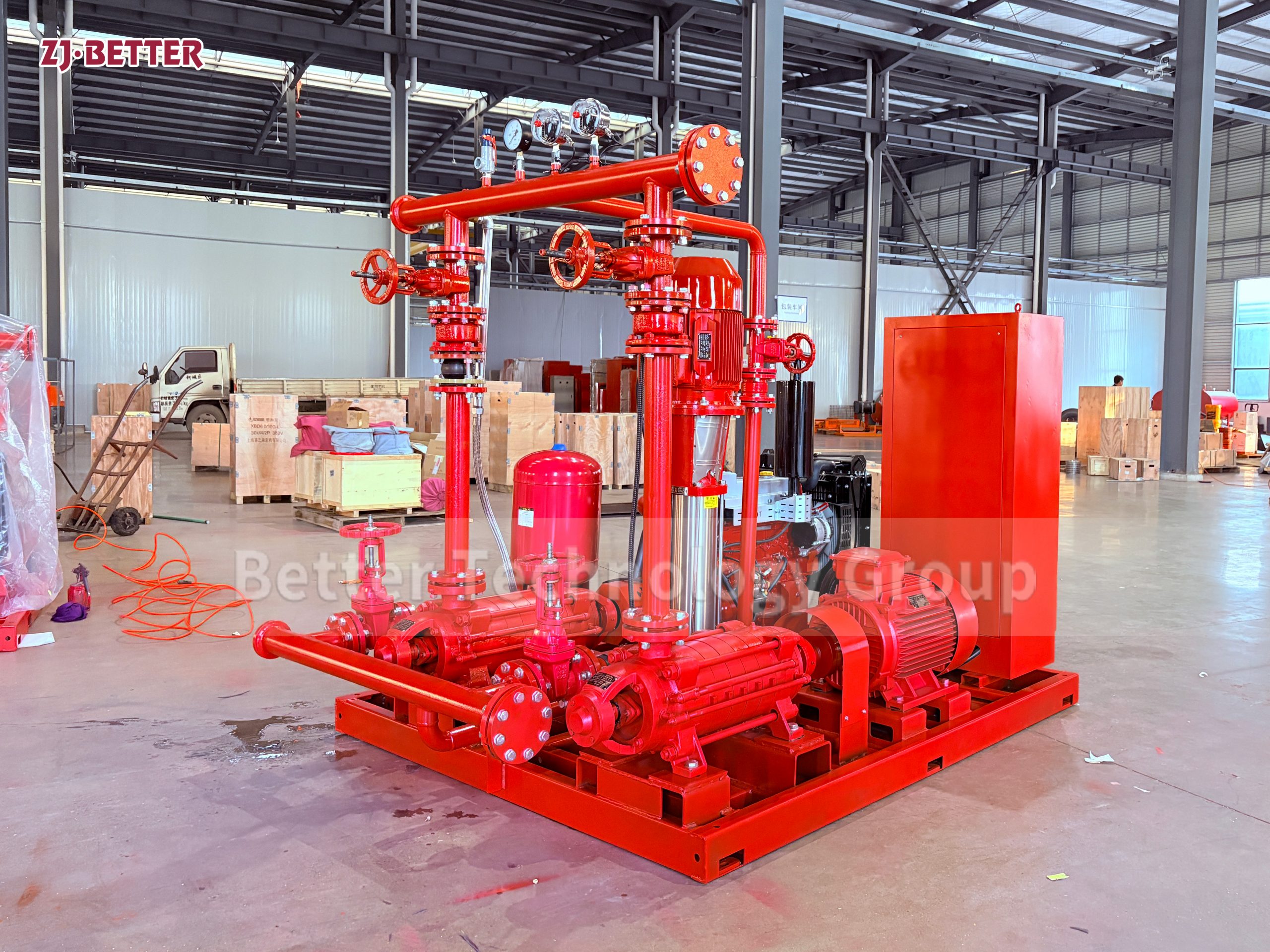
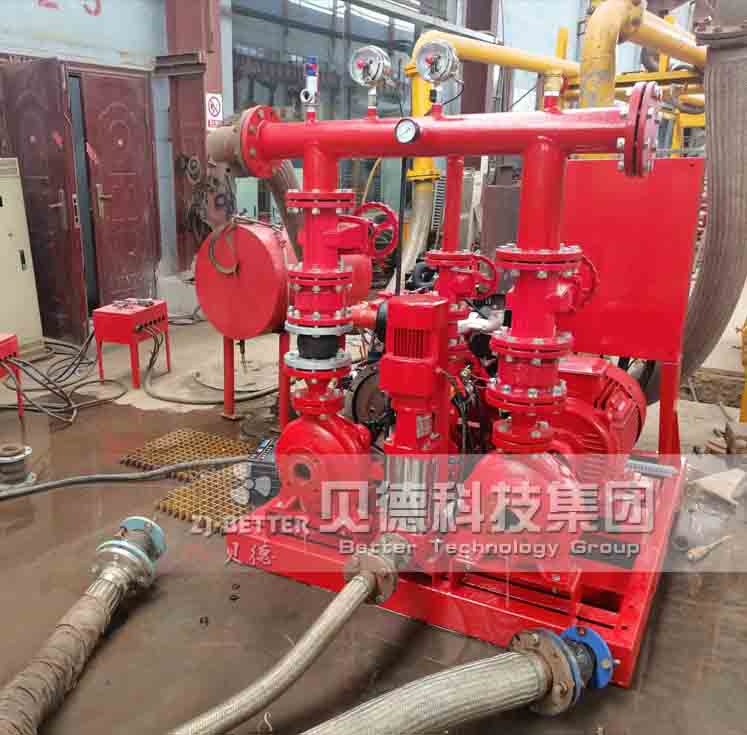
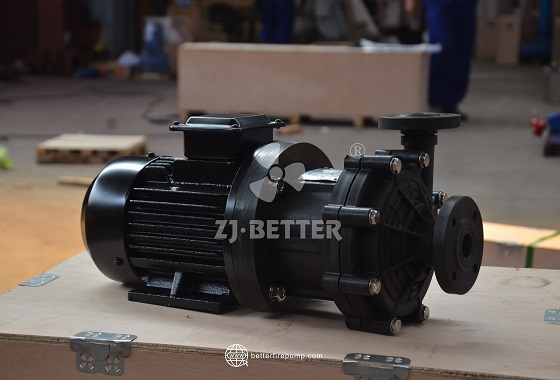
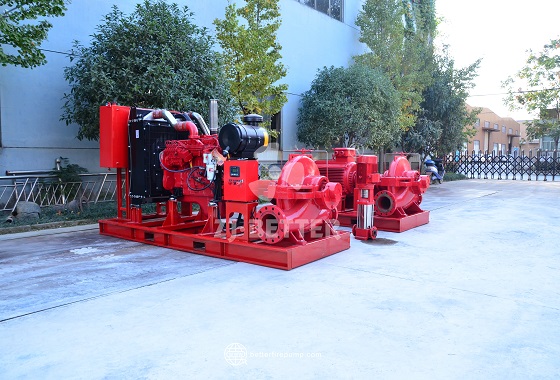
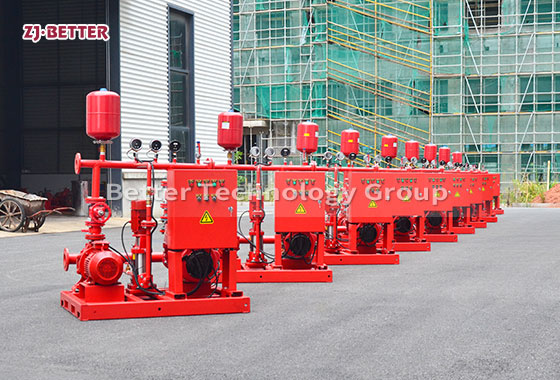
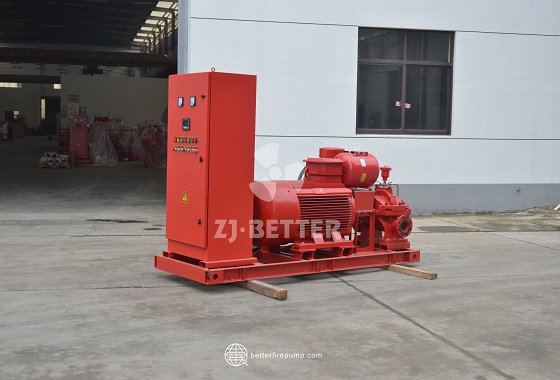
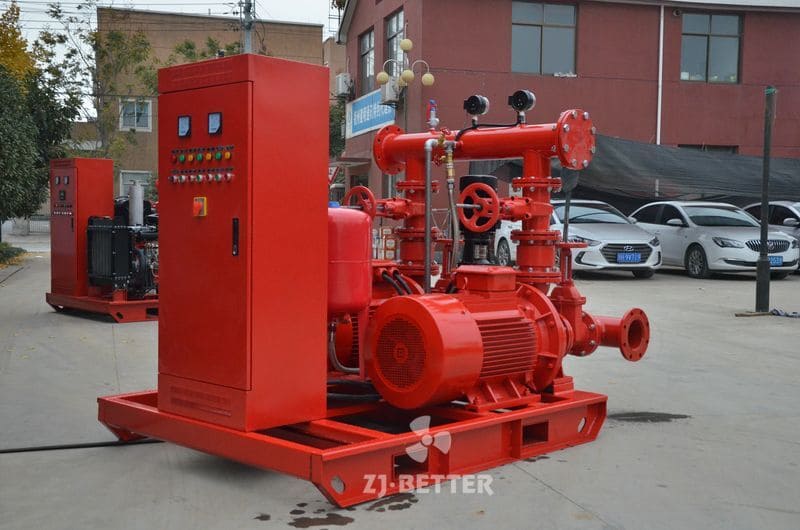
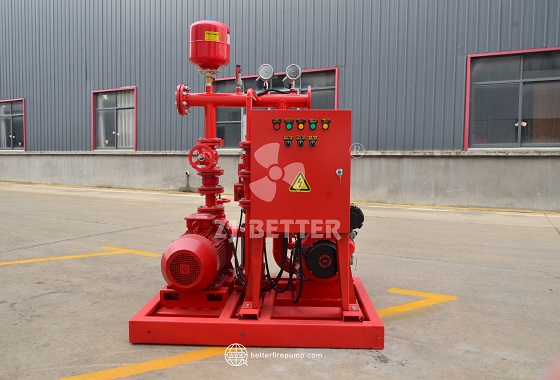
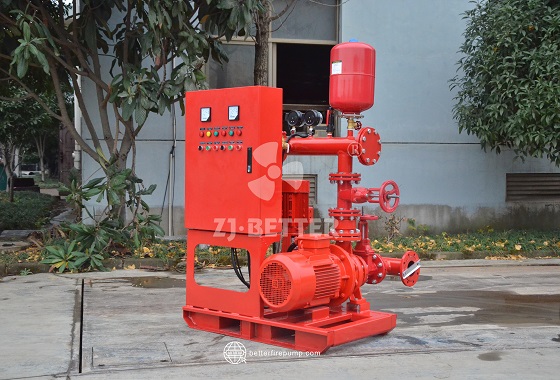
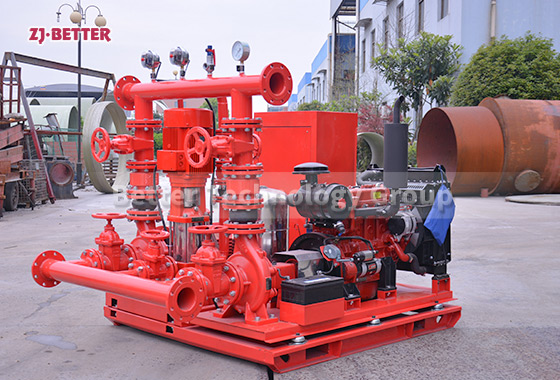
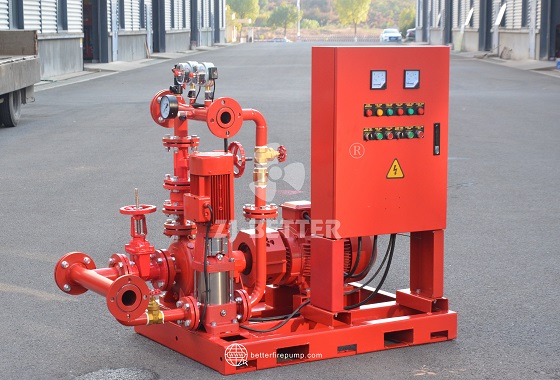
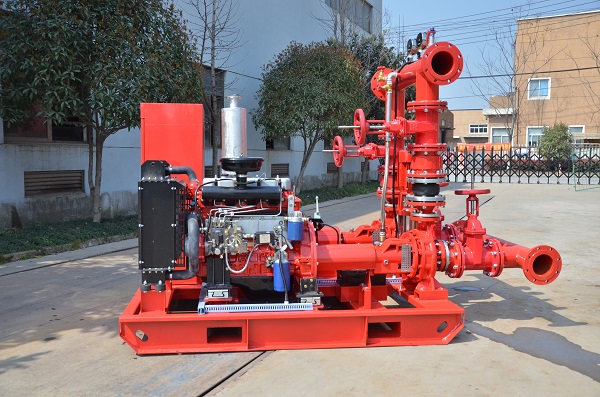
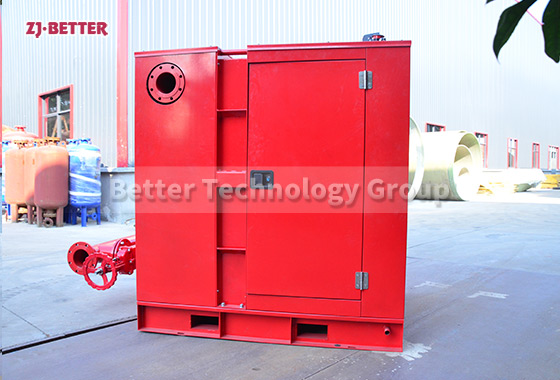
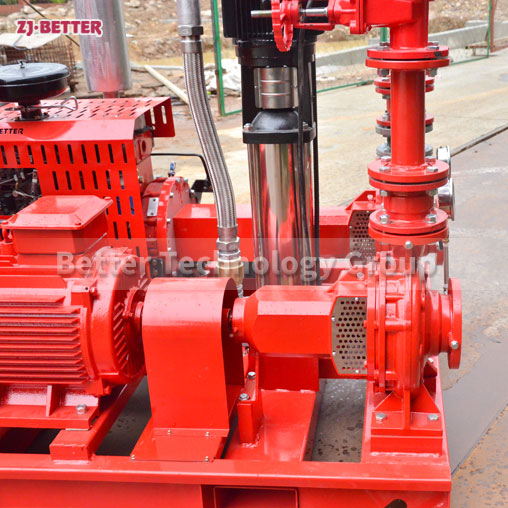
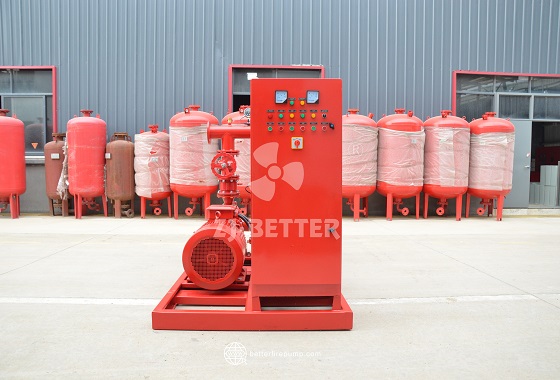
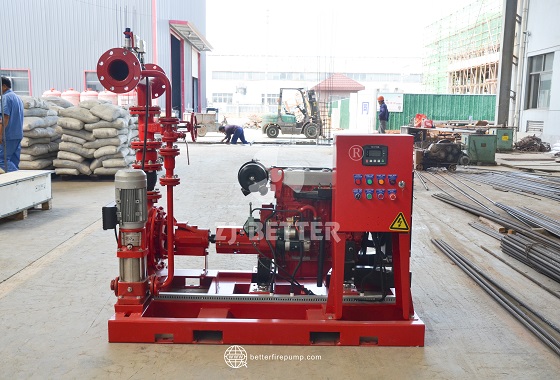
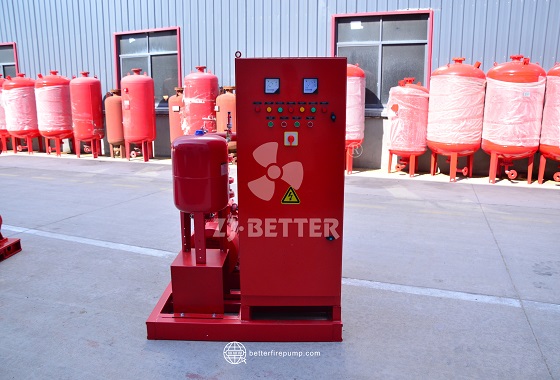
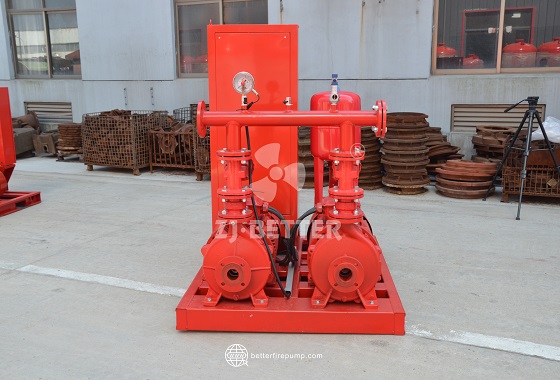
Automatic fire-fighting pressure-stabilizing pump units are crucial auxiliary devices specifically designed to maintain pipeline pressure in fire-fighting water supply systems and reduce the frequent starting of main fire pumps. They are widely used in high-rise buildings, commercial complexes, industrial plants, warehousing and logistics centers, hospitals, schools, and various locations requiring long-term standby status for fire protection systems. Their core function is to maintain the set pressure in the pipeline network through a low-flow, high-sensitivity pressure stabilization method when no fire has occurred and only minor leaks or pressure fluctuations exist. This prevents the main fire pump from frequently starting and stopping due to slight pressure drops, extending the main pump’s service life and improving the overall reliability and economy of the fire protection system. These automatic fire-fighting pressure-stabilizing pump units typically consist of a pressure-stabilizing pump, a pressure-stabilizing tank, an intelligent control cabinet, pressure sensors, and related pipeline valves. The overall structure is compact, requiring little space, and easy to install as a complete set in a pump room or equipment room. They form a clear division of labor with the main fire pump system: the pressure-stabilizing pump is responsible for daily pressure maintenance, while the main fire pump only starts under actual fire conditions or when there is a high flow rate demand. The system logic is clear and complies with fire protection engineering design specifications. The device’s performance design fully considers the characteristics of long-term standby operation of fire protection systems. The pressure-stabilizing pump selection prioritizes stability and durability, employing a high-efficiency hydraulic model and wear-resistant mechanical structure. It can operate continuously or frequently under low flow conditions without significant performance degradation. The pump body material and sealing structure possess excellent corrosion and aging resistance, adapting to the humid environment of the pump room and ensuring stable pressure output even after years of operation. The automatic control system is one of the key performance advantages of this pressure-stabilizing pump device. High-precision pressure sensors monitor real-time pressure changes in the fire protection network. When the pressure falls below the set lower limit, the pressure-stabilizing pump automatically starts to replenish pressure; when the pressure recovers to the set upper limit, it automatically shuts down. The entire process requires no manual intervention, featuring fast response and high pressure control accuracy, effectively avoiding false alarms or equipment damage caused by excessive pressure fluctuations. Simultaneously, the control logic supports multiple operating mode settings, allowing flexible adjustment of the start/stop pressure range according to actual project needs. To further reduce the starting frequency of the main fire pump, the pressure-stabilizing pump device has undergone scientific optimization in system matching. The flow rate and head of the pressure-stabilizing pump are precisely matched to the needs of micro-leakage and normal pressure loss in the pipeline network. It can quickly compensate for pressure without causing drastic system pressure fluctuations due to excessive flow. The pressure-stabilizing tank is used to buffer instantaneous pressure changes and absorb pressure fluctuations in the pipeline network caused by valve operation or temperature differences, making the system pressure curve more stable and structurally reducing the possibility of the main pump being falsely triggered. This automatic fire-fighting pressure-stabilizing pump device also has significant advantages in reliability. The electrical control part uses industrial-grade components and has multiple protection functions such as overload, short circuit, phase loss, and overvoltage, ensuring that the equipment can safely shut down and issue alarm signals under abnormal operating conditions, facilitating timely handling of potential hazards by maintenance personnel. The pressure-stabilizing pump body and the control system achieve good linkage, maintaining stable operation without control failure or malfunction even in environments with frequent small pressure changes. For building fire protection systems that require long-term unattended operation, this device significantly reduces maintenance pressure and the frequency of manual inspections. It also reduces energy consumption and equipment wear by decreasing the number of main fire pump starts, saving users operating and maintenance costs throughout the entire lifecycle. The automatic fire pressure stabilizing pump device also excels in installation and system compatibility. Its interface design conforms to common fire water supply system standards, allowing for easy connection to sprinkler systems, fire hydrant systems, and other fire water supply networks. The standardized design makes on-site installation more efficient, shortens the construction cycle, reduces the risk of installation errors, and facilitates later maintenance and component replacement. In practical applications, this device continuously maintains the fire protection system in optimal standby condition, ensuring sufficient initial pressure in the network in the event of a fire. This creates favorable conditions for the rapid start-up and stable water supply of the main fire pump, preventing insufficient network pressure from affecting fire response time and significantly improving the overall fire protection level of the building from a safety perspective. In summary, automatic fire-fighting pressure-stabilizing pump devices play an indispensable role in modern fire protection systems due to their precise pressure control capabilities, stable and reliable operation, comprehensive automation control, and effective protection of the main fire pump. They are an important component for achieving long-term stable operation of fire protection systems, reducing energy consumption and maintenance costs, and improving emergency response efficiency. They are especially suitable for various building and industrial projects with high fire safety requirements, long operating cycles, and high system complexity.