Pressure Control Accuracy and System Reliability of Vertical Fire Jockey Pump Units
Vertical fire-fighting pressure-stabilizing pumps effectively maintain the pressure of fire-fighting pipelines through high-precision pressure control and stable operation, reducing the frequent start-up of the main fire pump and improving system reliability. They are suitable for high-rise buildings, commercial complexes, and industrial fire-fighting water supply systems.
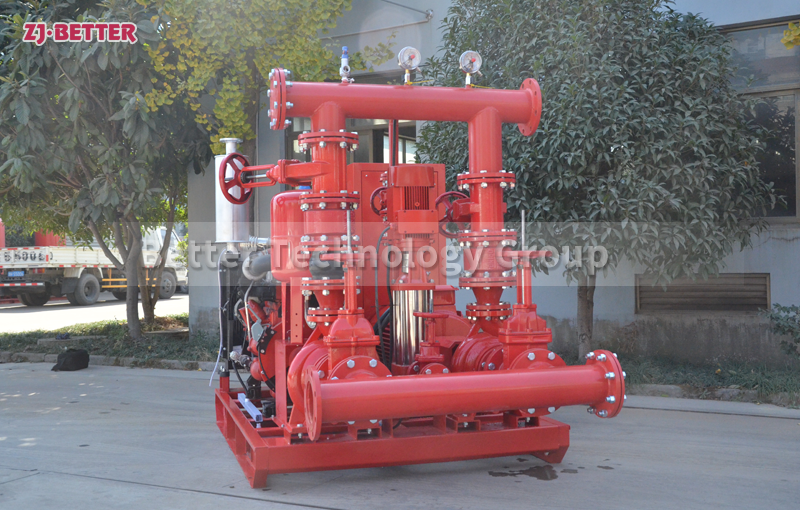
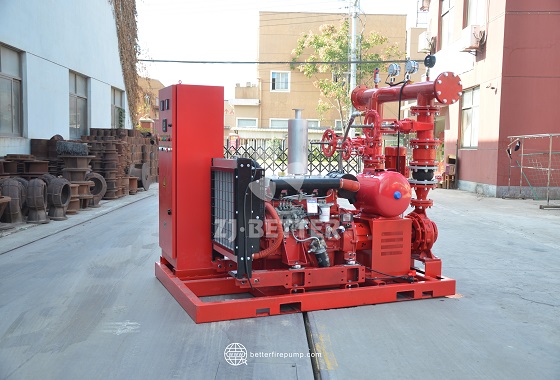
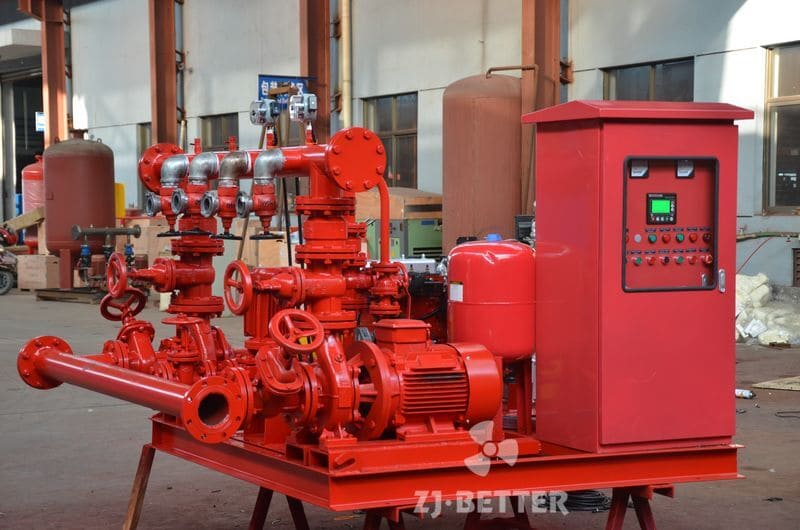
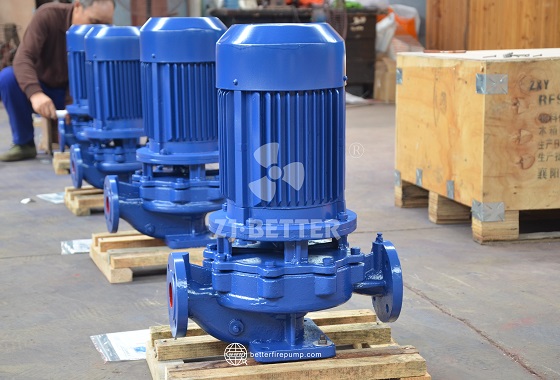
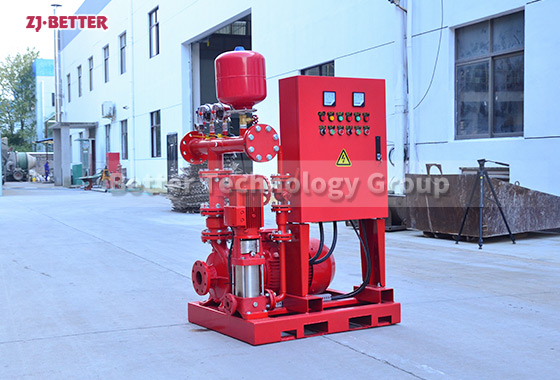
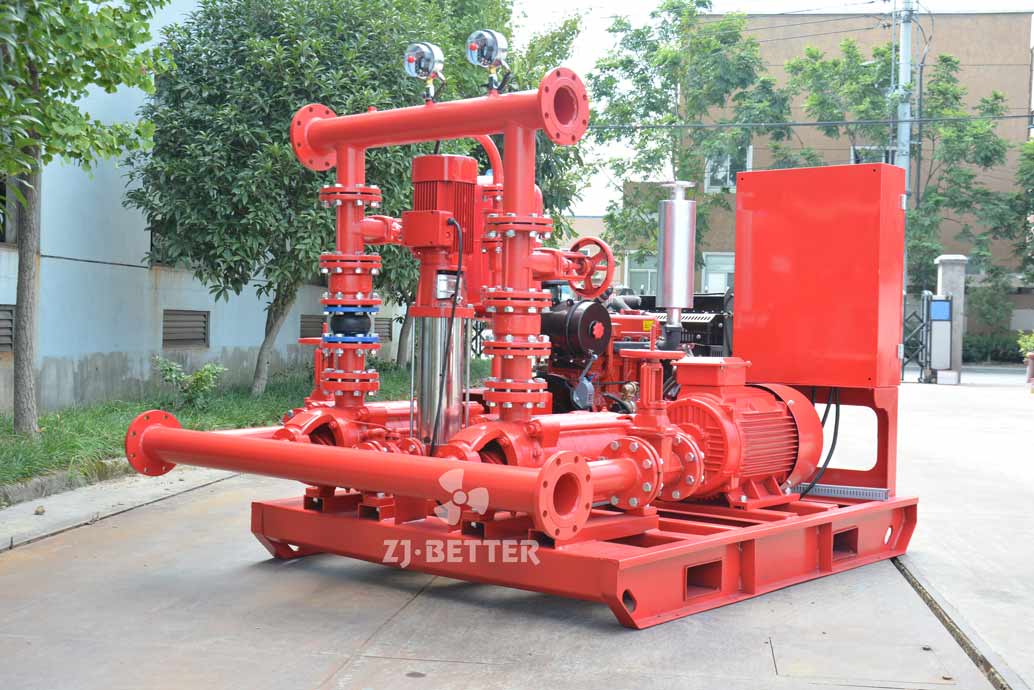
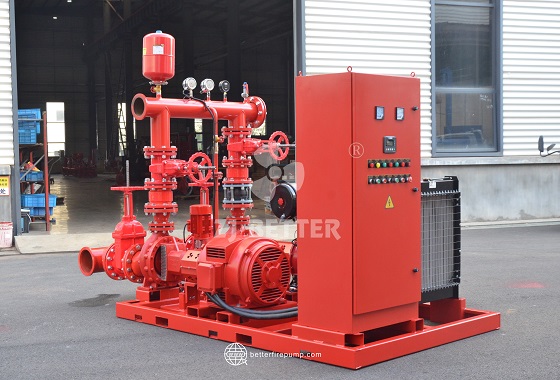
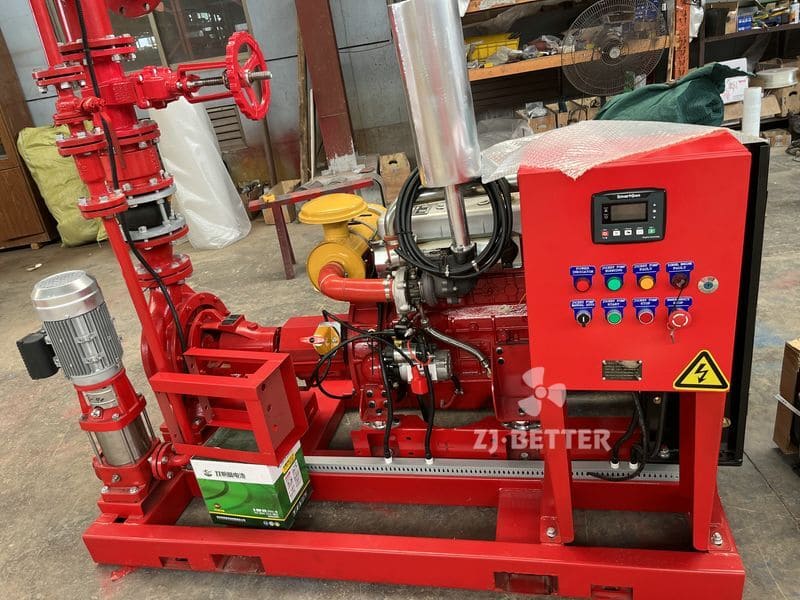
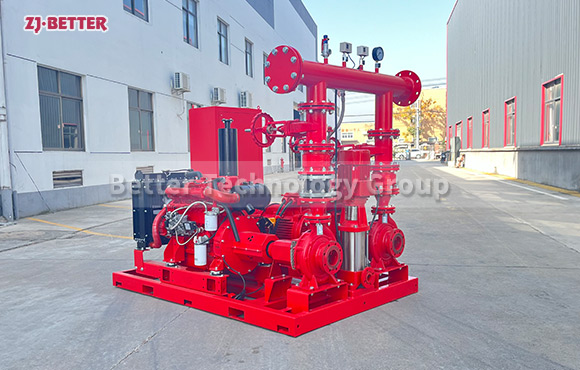
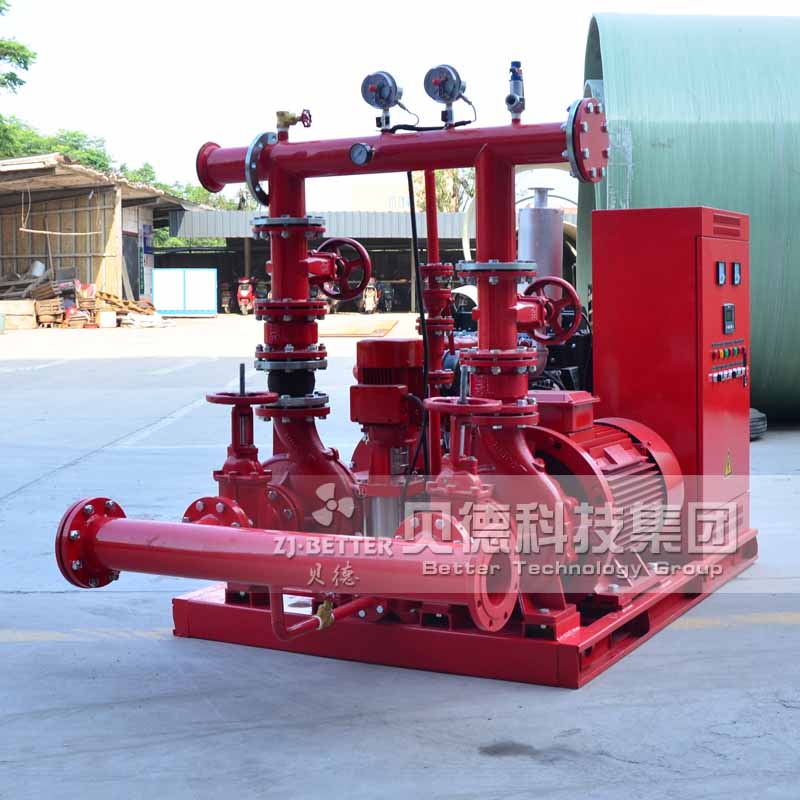
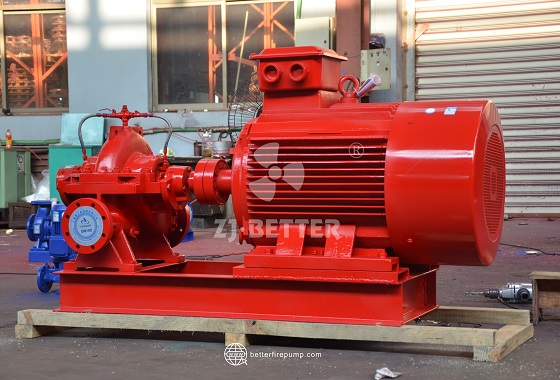
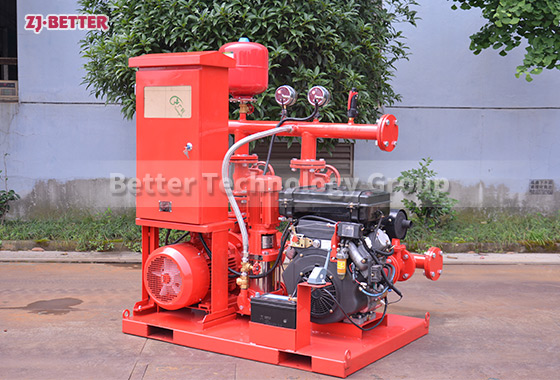
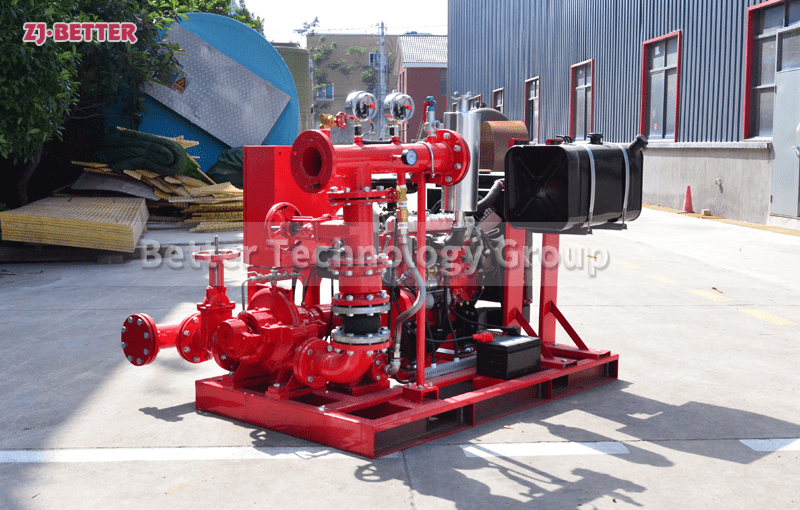
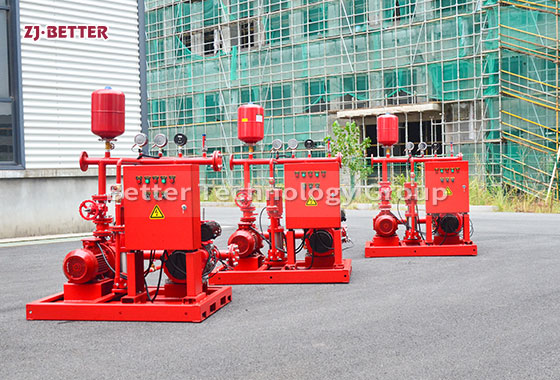
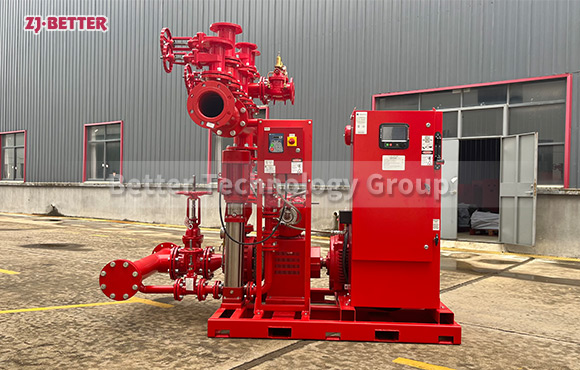
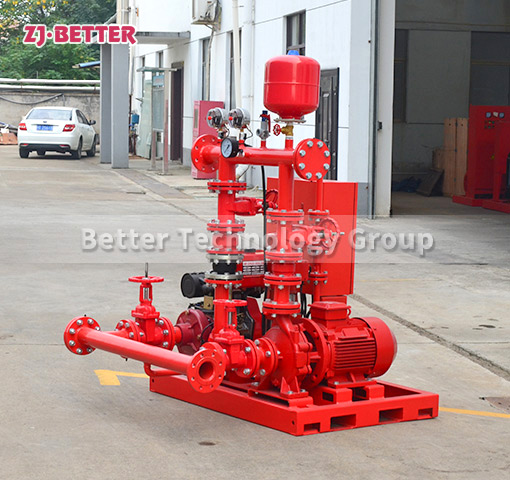
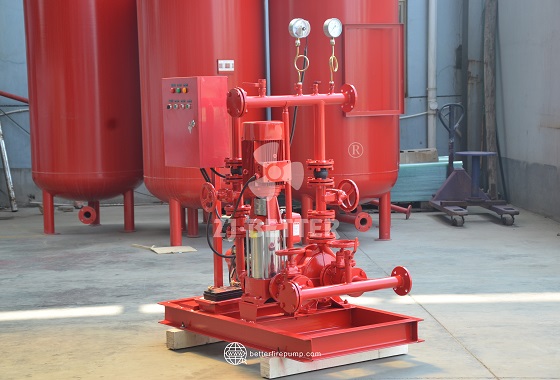
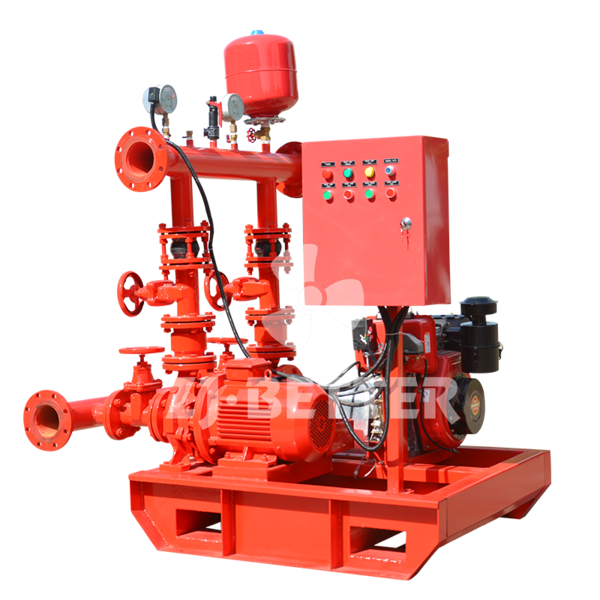
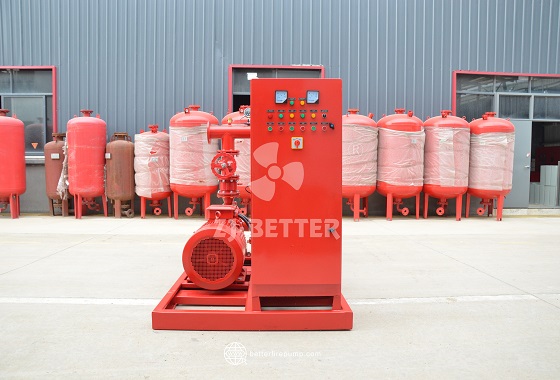
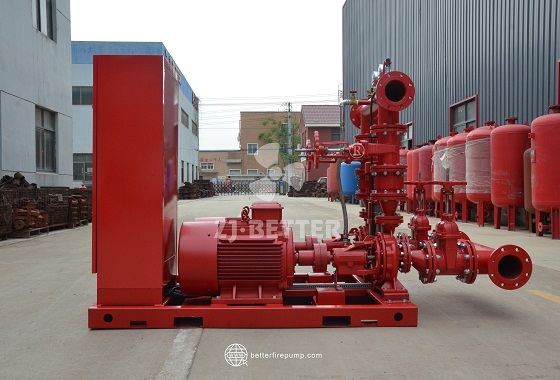
Vertical fire-fighting pressure-stabilizing pump units, as key auxiliary equipment in fire-fighting water supply systems, are valuable because they ensure the entire fire-fighting pipeline network maintains a safe and stable operating pressure range during non-fire conditions through high-precision pressure control and highly reliable system operation. This creates ideal conditions for the rapid and effective startup of the main fire pump in the event of a fire. These units typically employ a vertical design, highly integrating the pump, motor, pressure tank, pressure control components, and electrical control system. They have a small footprint and flexible layout, making them particularly suitable for applications with limited machine room space, such as high-rise buildings, commercial complexes, industrial plants, and underground fire pump rooms. Regarding pressure control accuracy, vertical fire-fighting pressure-stabilizing pump units use high-sensitivity pressure sensors to monitor pipeline pressure changes in real time. When the system experiences a slight pressure drop due to minor leaks, temperature changes, or daily pipeline fluctuations, the pressure-stabilizing pump can automatically start to replenish pressure within a very short time and smoothly shut down after the pressure returns to the set upper limit. The entire process is responsive and precise, effectively avoiding the impact of pressure fluctuations on the pipeline network, valves, and terminal equipment. Compared to the traditional method of relying on the main fire pump for direct pressure replenishment, the intervention of the pressure-stabilizing pump significantly reduces the start-stop threshold, making system pressure control more continuous and gentle. This fundamentally reduces the mechanical wear, energy waste, and system instability risks caused by frequent main pump starts. Vertical fire-fighting pressure-stabilizing pumps are designed with the stringent reliability requirements of fire protection systems in mind. Their hydraulic components typically employ high-efficiency hydraulic models with smooth internal flow channels and minimal hydraulic losses, maintaining stable output even under low flow and high head conditions, ensuring efficient and controllable pressure replenishment. The motor configuration is rationally matched to the pump body, possessing excellent heat dissipation performance and long-term continuous operation capability, maintaining stable and reliable operation even in pump room environments with high temperature, high humidity, or poor ventilation. To further enhance the safety and intelligence of the system, vertical fire-fighting pressure-stabilizing pump units are generally equipped with independent control cabinets, integrating manual, automatic, and remote control functions. They can automatically determine start-stop logic based on actual pressure requirements and possess multiple electrical protection measures, including overload, short circuit, phase loss, and undervoltage protection. In the event of abnormal operating conditions, they can promptly alarm and take protective actions to prevent the fault from escalating and affecting the entire fire protection system. The pressure-stabilizing tank, as a crucial component of the system, works in conjunction with the pressure-stabilizing pump. During periods of minor pressure fluctuations, it prioritizes regulation through air-water buffering, further reducing the pump’s start-stop frequency, making the system operate more smoothly and quietly, and extending the overall service life of the equipment. The vertical structural design not only makes the equipment compact and concentrates maintenance space but also optimizes the stress state of the pump shaft to a certain extent, reducing operating vibration and noise levels, which is particularly important for commercial buildings and public facilities with high environmental noise control requirements. In practical fire protection engineering applications, vertical fire-fighting pressure-stabilizing pump units typically form a complete fire water supply solution with the main fire pump, standby fire pump, and control system. The pressure-stabilizing pump is responsible for maintaining daily pressure, while the main pump quickly starts supplying a large flow of water after a fire signal is triggered. Their functions are clearly defined and do not interfere with each other, ensuring the entire system maintains optimal operating conditions under various circumstances. From a system reliability perspective, the pressure-stabilizing pump unit effectively reduces the aging rate of mechanical seals, motor bearings, and electrical components by reducing the number of start-stop cycles during the main pump’s standby period, significantly improving the overall long-term reliability and emergency availability of the fire pump set. Simultaneously, stable pipeline pressure helps reduce potential hazards such as pipe leaks and loose connections caused by sudden pressure drops or frequent fluctuations, thereby reducing daily maintenance costs. Vertical fire-fighting pressure-stabilizing pumps offer high flexibility in selection and configuration, allowing for reasonable matching based on the system pressure level, pipeline scale, and operating environment of different projects. They can meet the precise pressure stabilization needs of small building fire protection systems as well as adapt to the pressure maintenance requirements of complex pipeline networks in large complexes or industrial parks. Its stable and precise pressure control capabilities ensure that the fire protection system remains in good condition during long-term operation, providing a continuous and reliable foundation for fire safety. In summary, vertical fire-fighting pressure-stabilizing pumps, with their excellent pressure control accuracy, mature and stable structural design, and highly integrated and intelligent system configuration, play an irreplaceable role in modern fire protection engineering. They not only improve the operational reliability of fire water supply systems but also provide more solid and lasting technical support for the fire safety of buildings and industrial facilities.