Home » Fire Pump Set » Everything You Need to Know About Fire Pump Fuel Tanks
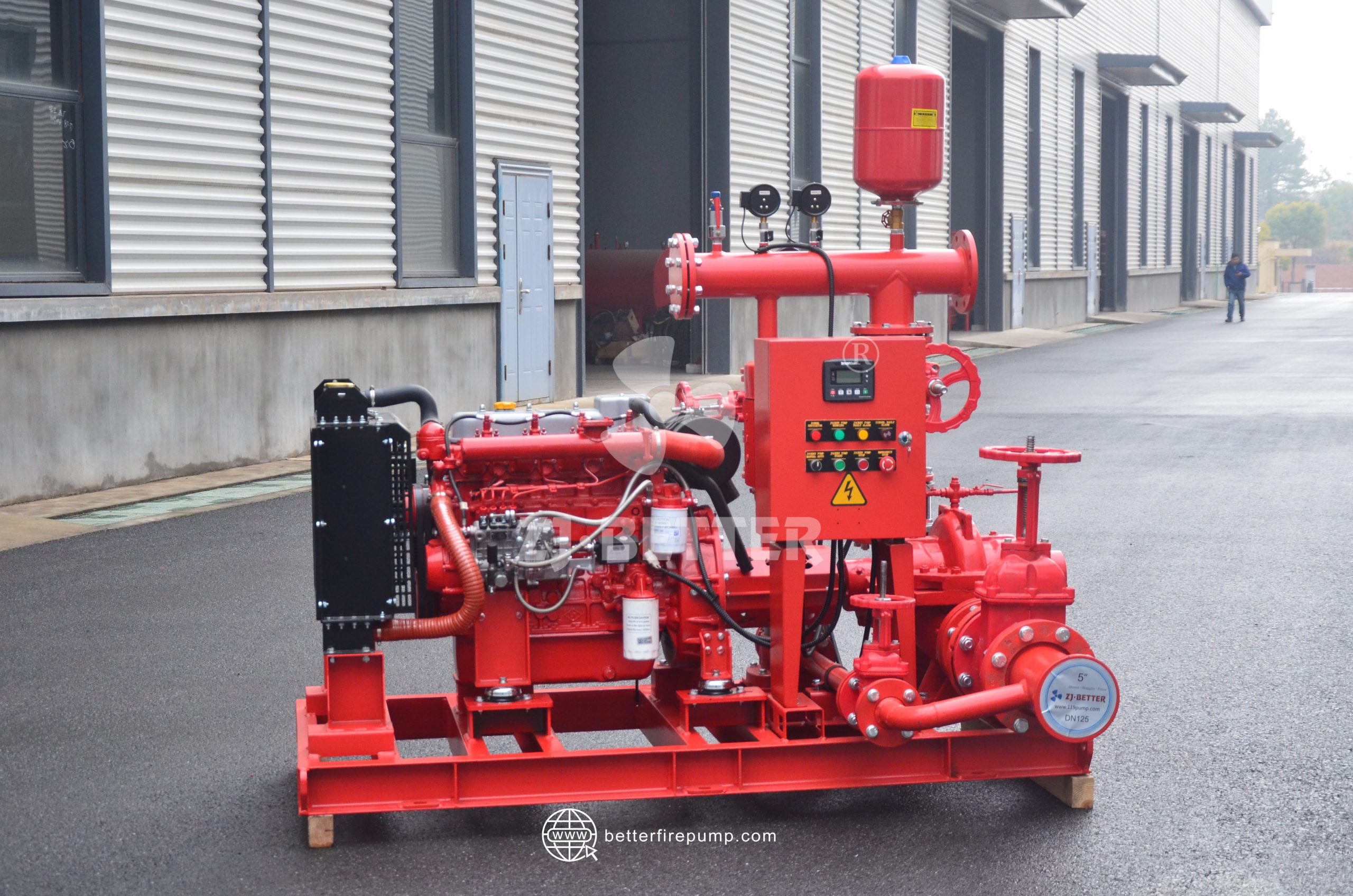
Everything You Need to Know About Fire Pump Fuel Tanks

Learn about fire pump fuel tank sizing, NFPA 20 requirements, and best practices for maintenance.

Rated 4.9/5 based on 300 customer reviews
Share:
Content

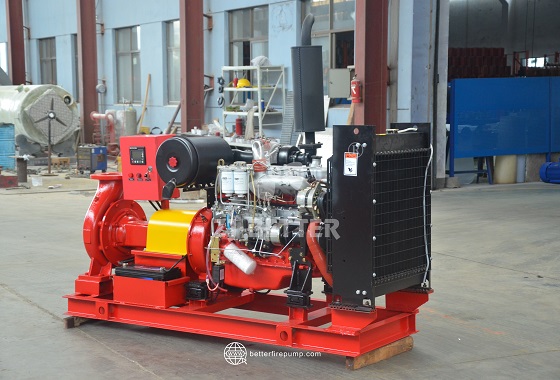
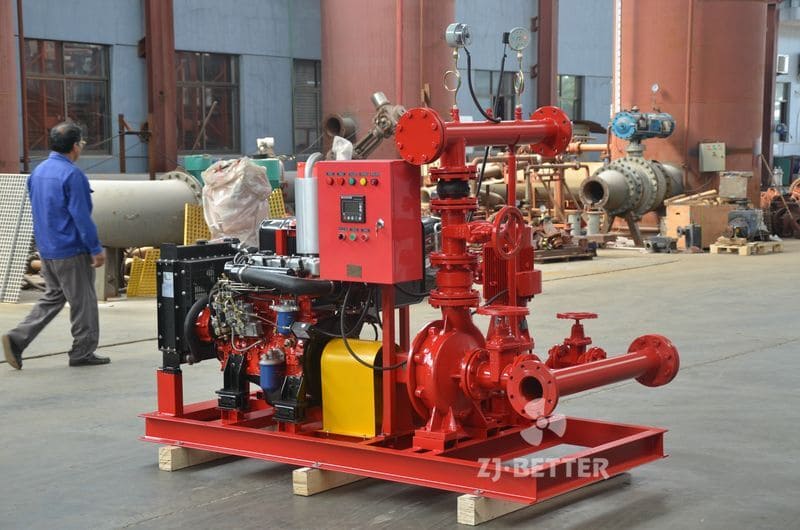
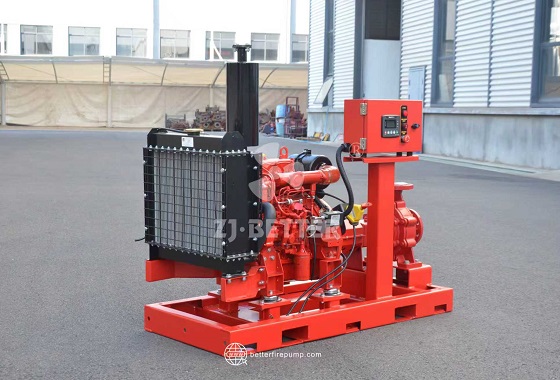
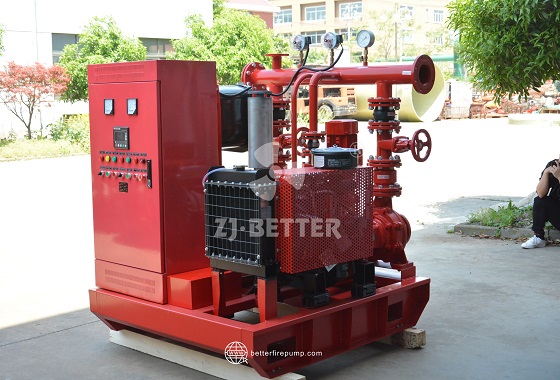
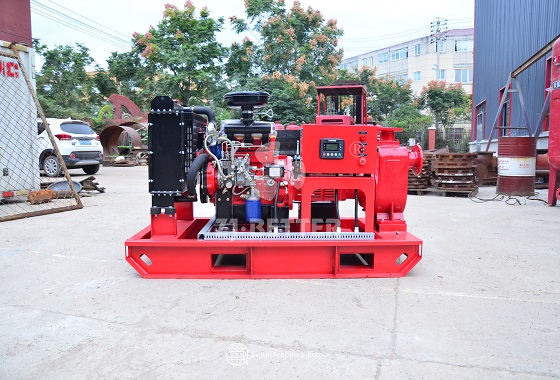
Diesel-driven fire pumps require dedicated fuel tanks to ensure reliable operation during power outages. Here’s what you need to know:

1. NFPA 20 Fuel Tank Requirements

  • Must store enough fuel for 8 hours of continuous operation.

  • Constructed from corrosion-resistant materials like steel.

2. Types of Fire Pump Fuel Tanks

  • Above-ground tanks (easy to inspect and maintain).

  • Underground tanks (space-saving but require leak detection systems).

3. Maintenance Best Practices

  • Conduct monthly fuel quality checks to prevent contamination.

  • Ensure proper ventilation and leak monitoring.

A properly maintained fuel tank ensures uninterrupted fire pump operation when it’s needed most.

Inquiry


    More Fire Pump Set
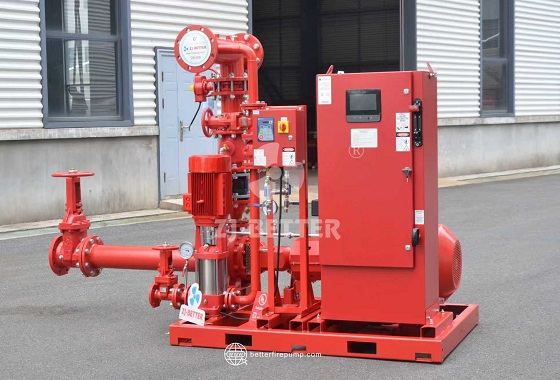
    Using a fire pump efficiently and reasonably is crucial to ensure its optimal performance and effective firefighting capabilities. Here are some key considerations for using a fire pump efficiently:

    Proper Sizing: Ensure that the fire pump is properly sized for the specific application.

    Regular Maintenance: Perform regular maintenance on the fire pump to keep it in optimal condition.

    Optimal Operating Speed: Operate the fire pump at the optimal speed based on the required flow rate and pressure.

    Water Management: Manage the water supply efficiently to avoid unnecessary waste.

    Training and Familiarization: Provide training to firefighters and operators on the proper operation of the fire pump.

    Monitoring and Control: Utilize monitoring and control systems to optimize pump operation. These systems can provide real-time information on flow rates, pressures, and energy consumption. Use this data to adjust operating parameters as needed and identify any anomalies or inefficiencies that may require attention.

    Shut Down When Not in Use: When the fire pump is not actively needed, consider shutting it down to conserve energy and reduce wear on the equipment.

    Record Keeping: Maintain records of pump operation, maintenance activities, and any performance issues.

    Efficient and reasonable use of a fire pump not only helps conserve resources but also ensures its readiness to combat fires effectively. By following proper operating procedures, conducting regular maintenance, and promoting a culture of efficiency among operators, the fire pump can operate optimally and provide reliable firefighting capabilities when needed most.