Easy-Operation Diesel Fire Pump Equipment for Improved Local Fire Response
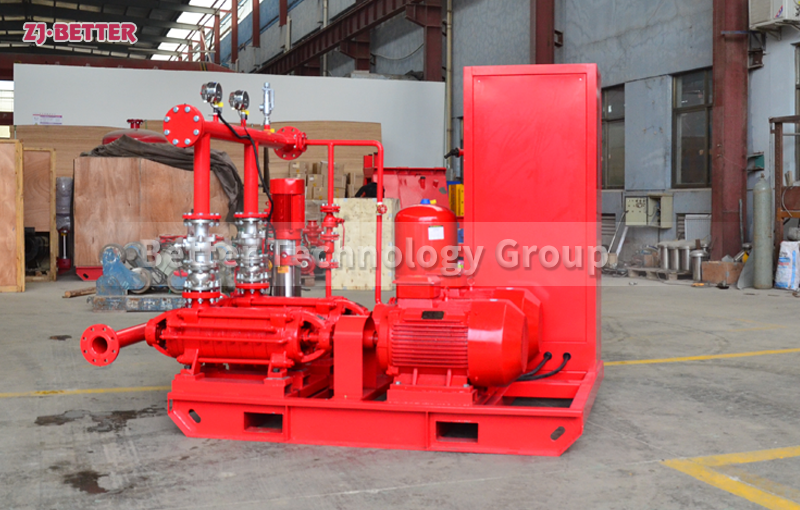
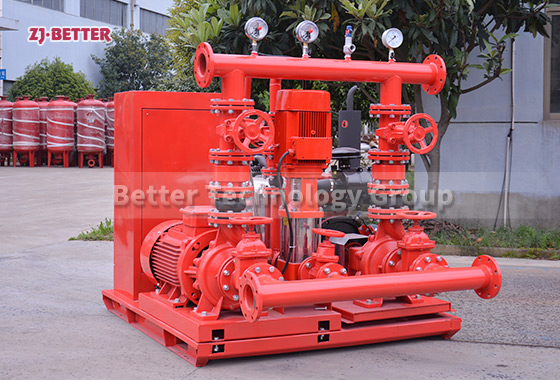
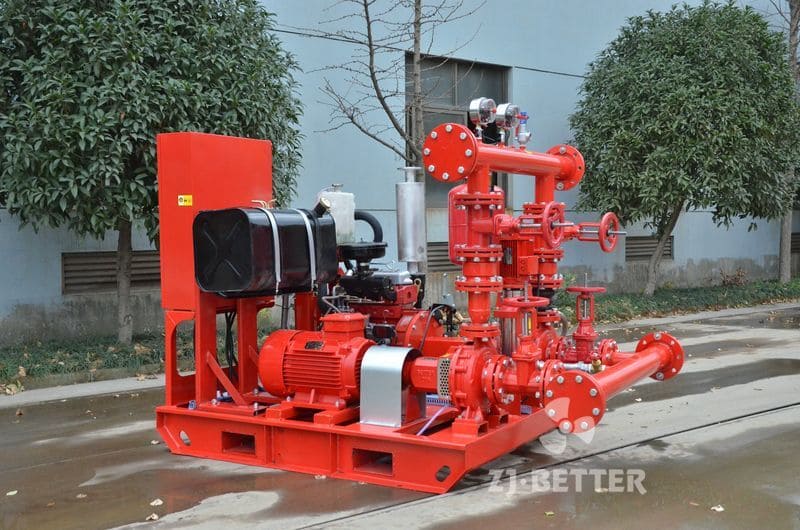
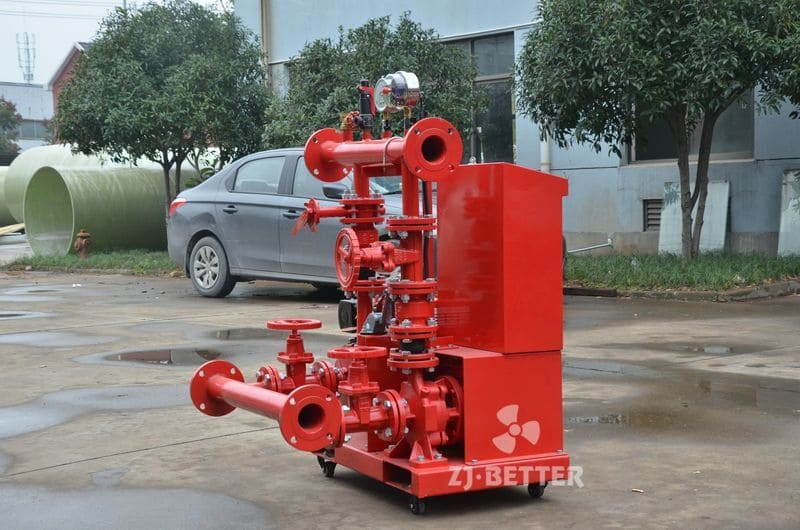
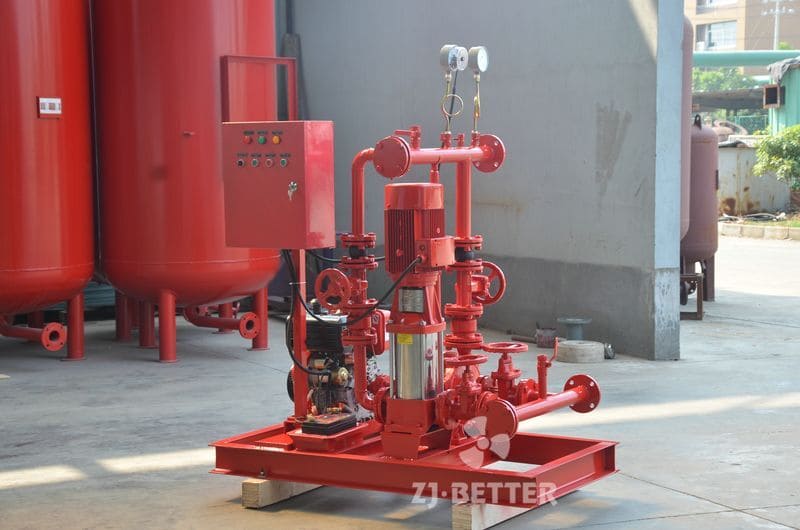
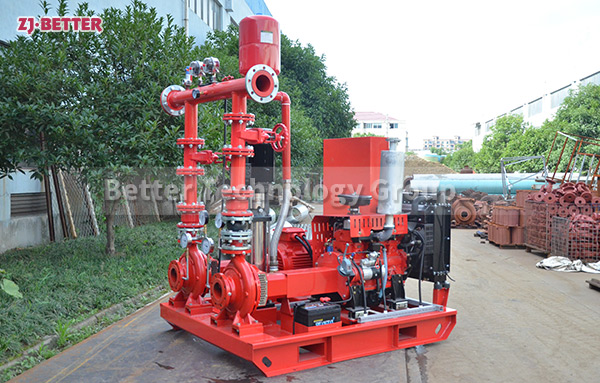
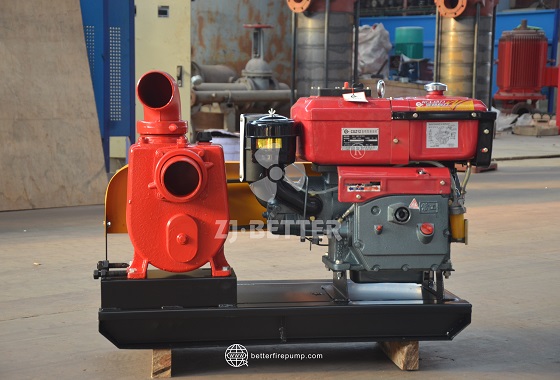
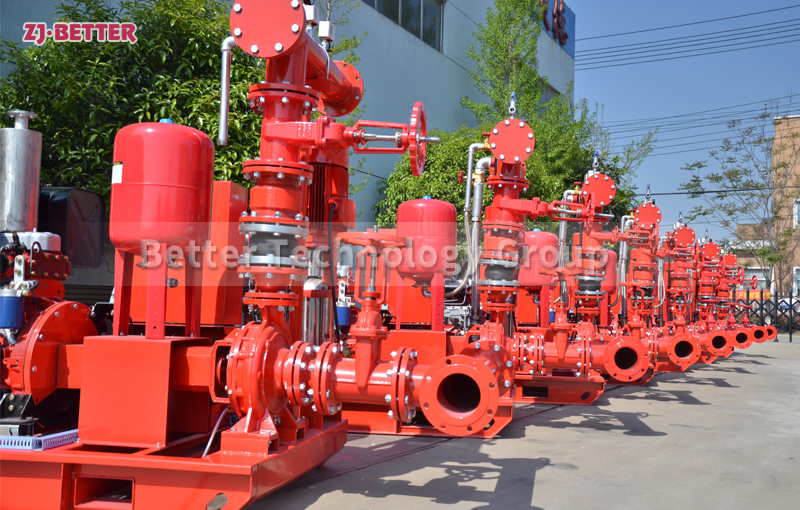
The easy-to-operate diesel fire pump equipment features independent power, rapid start-up, simple operation, and stable water supply capability. It is suitable for grassroots fire fighting, rural areas, and emergency scenarios, effectively improving the efficiency of initial fire response and fire extinguishing capabilities.
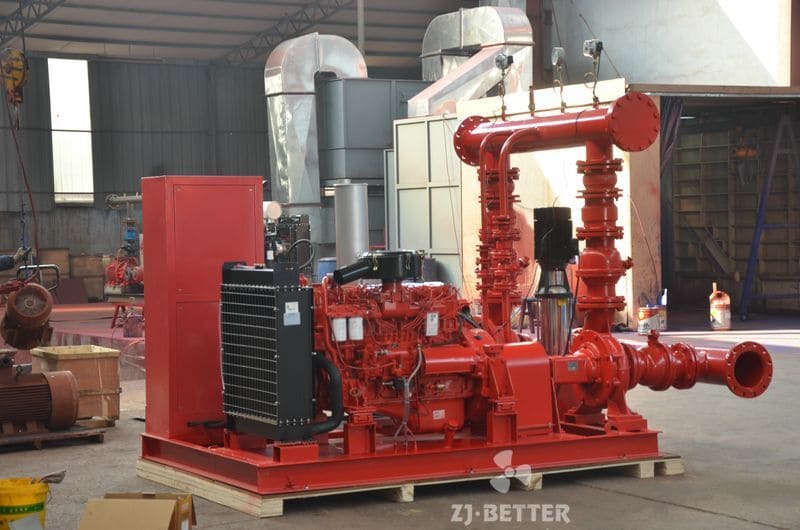
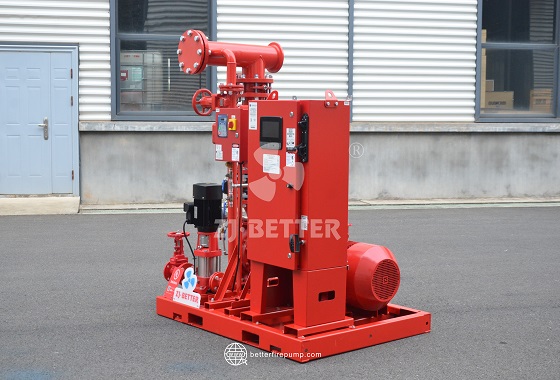
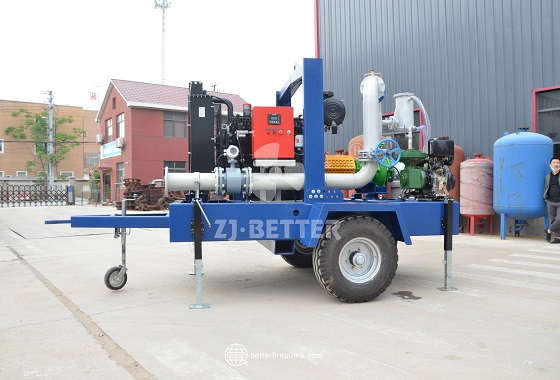
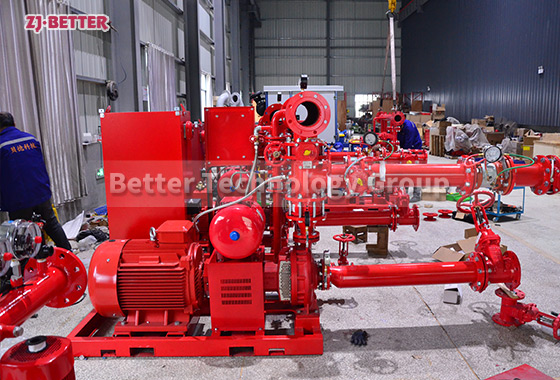
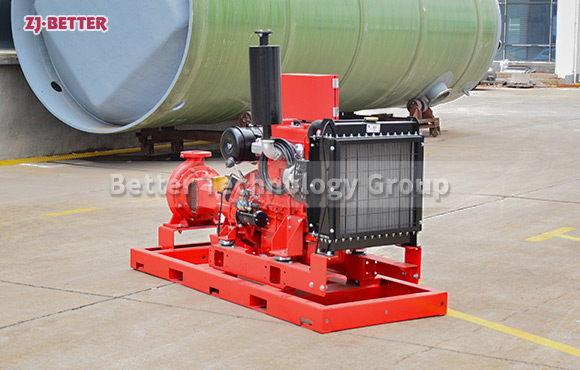
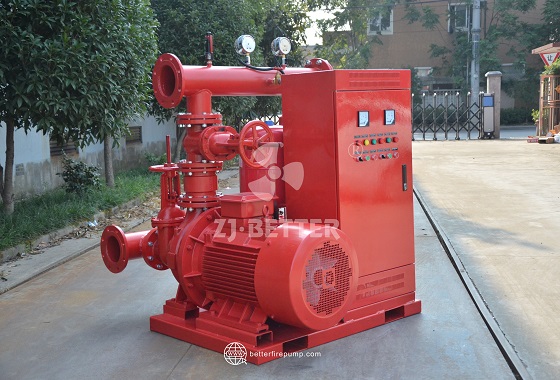
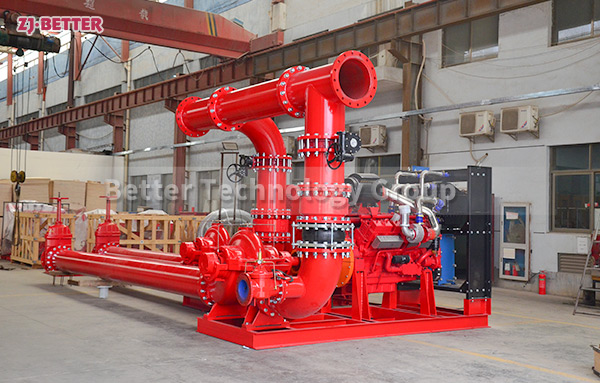
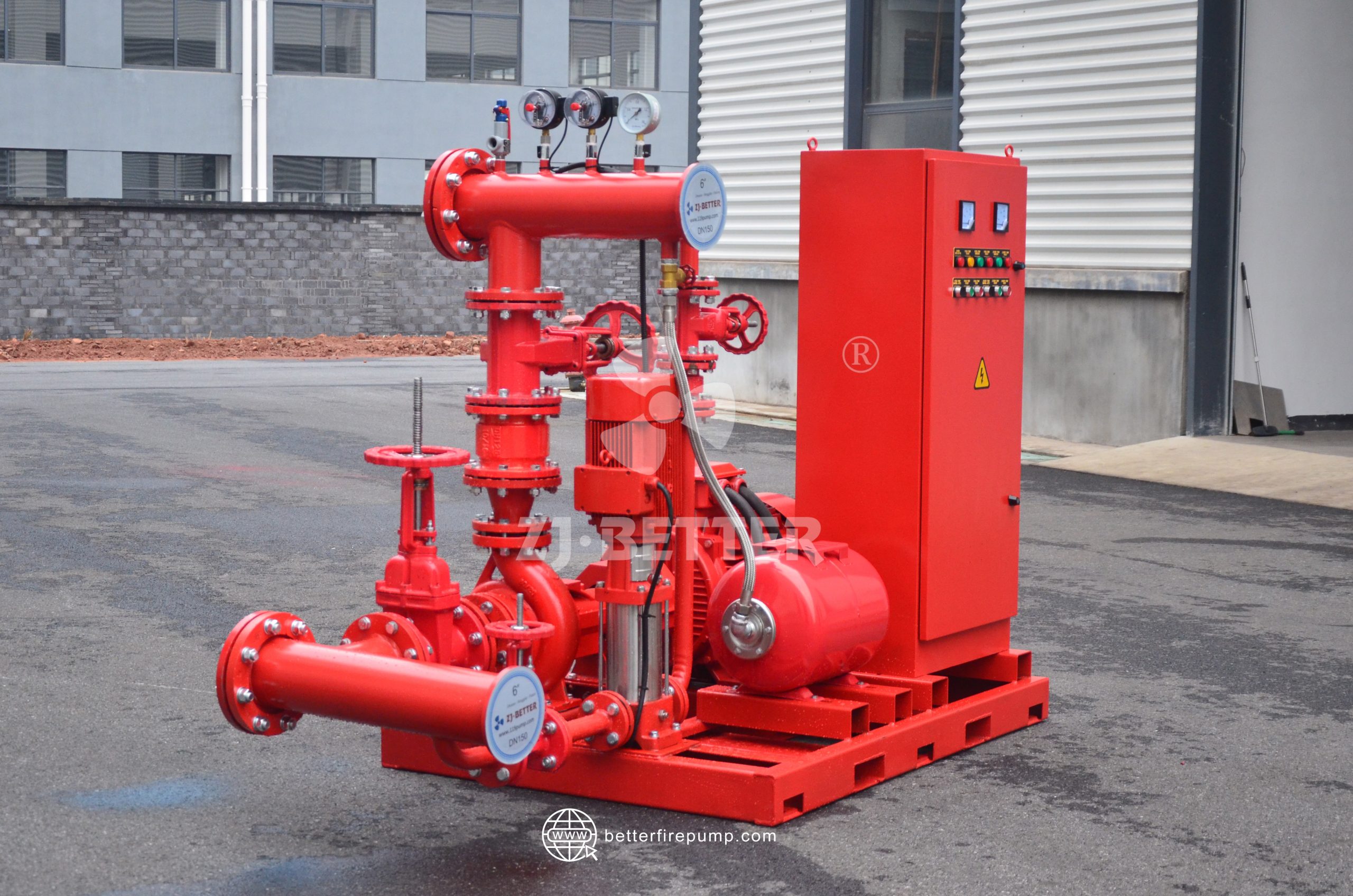
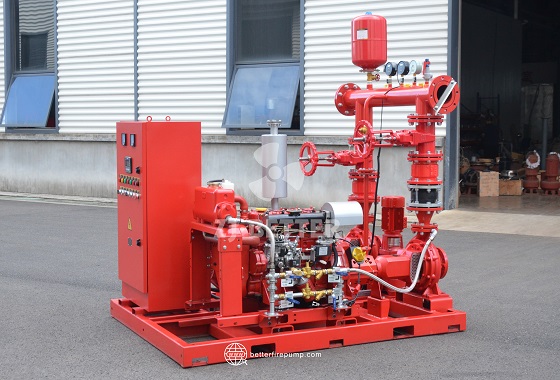
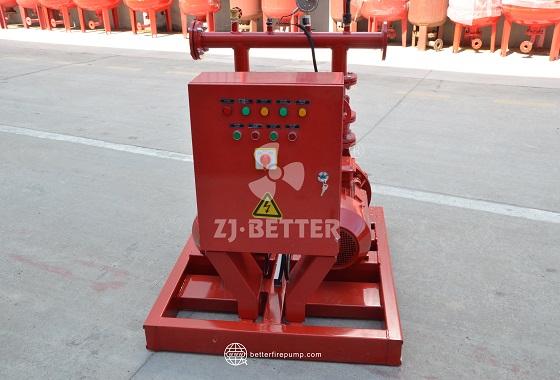
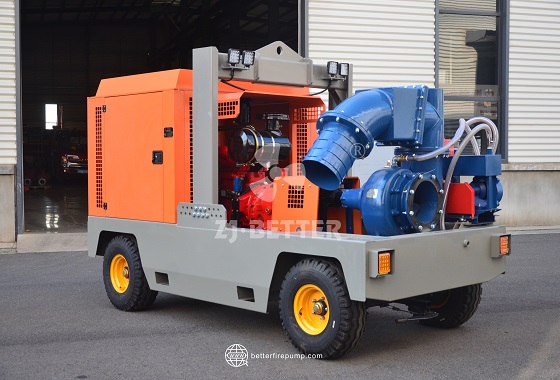
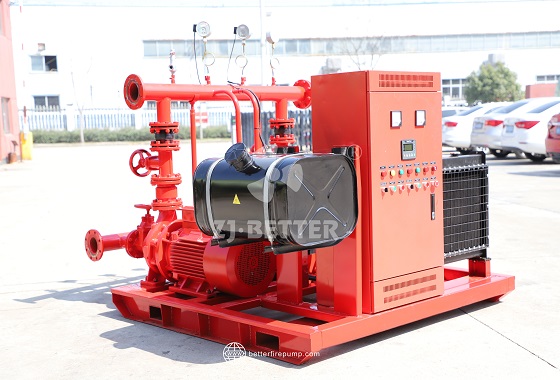
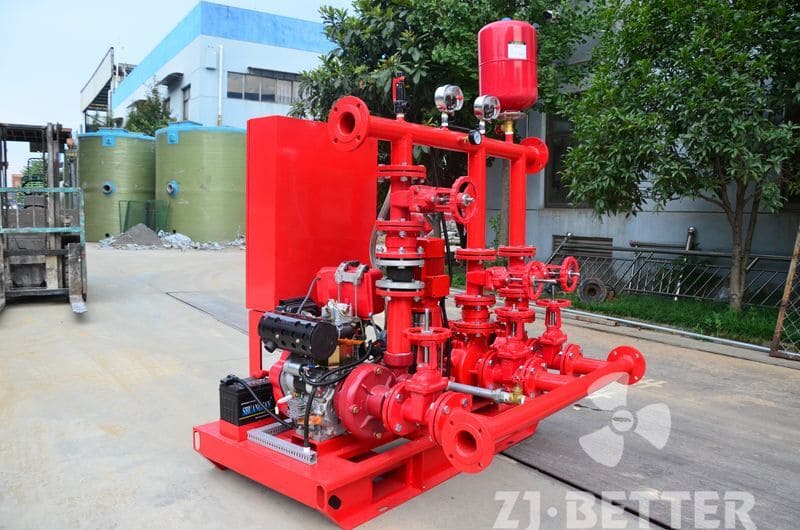
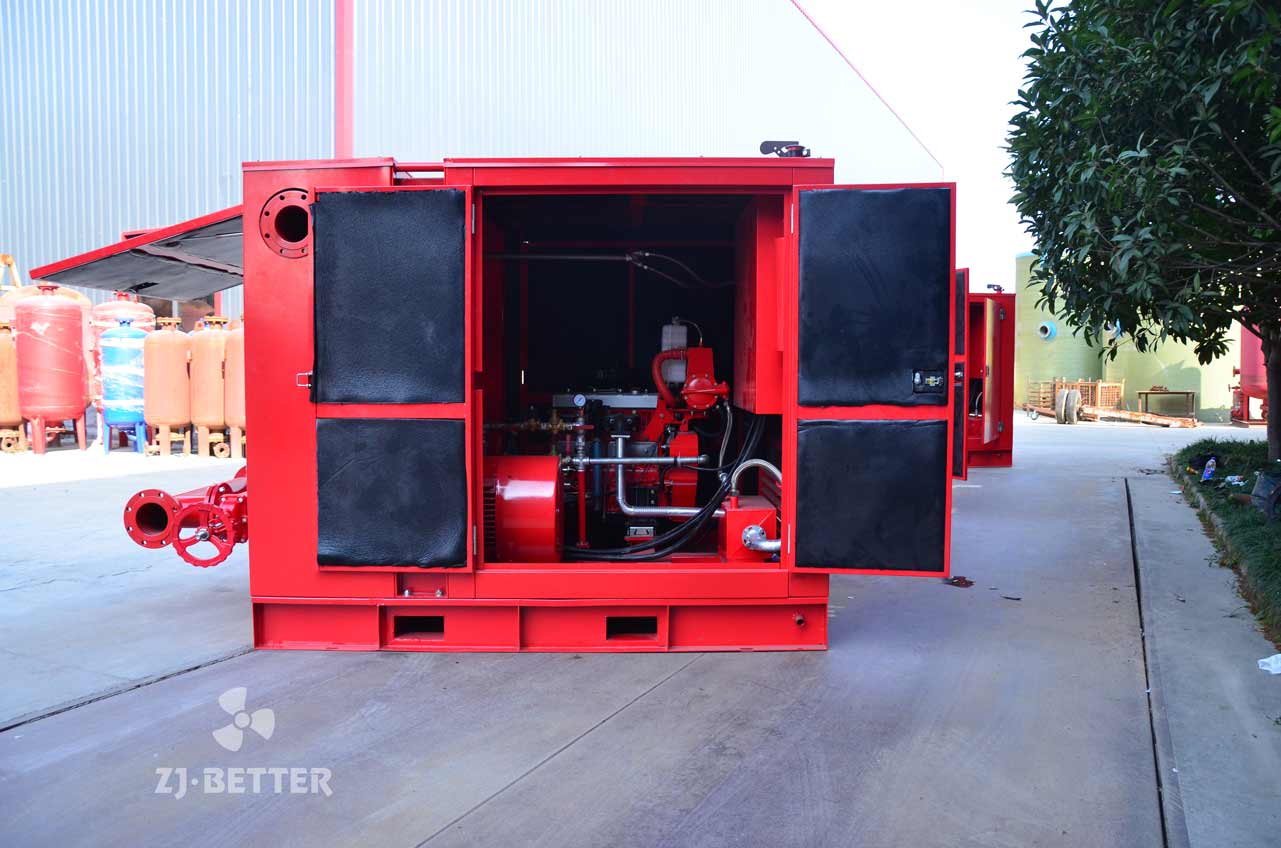
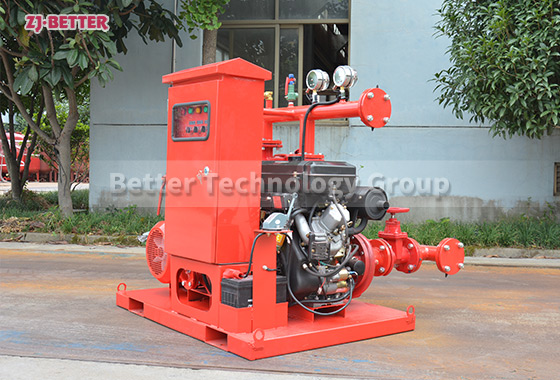
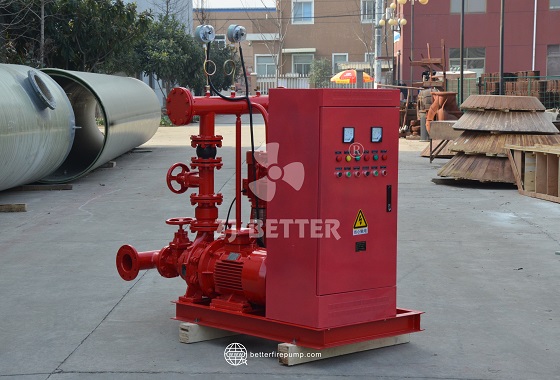
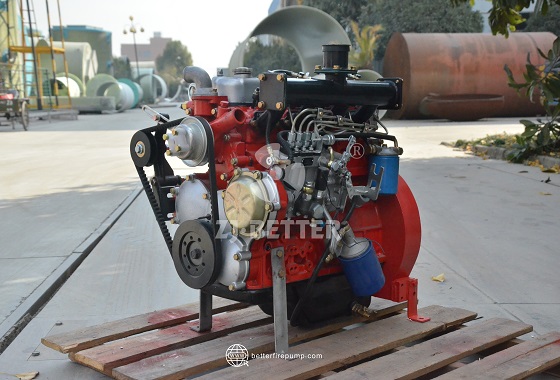
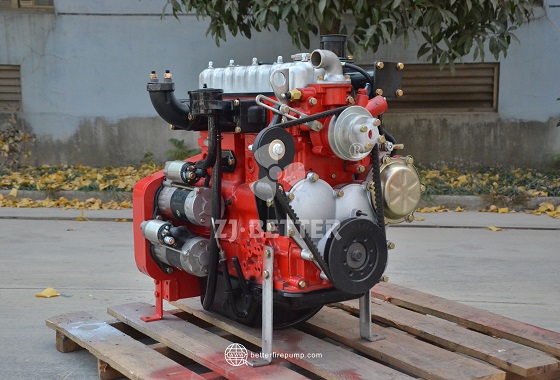
With the fire protection system continuously extending to the grassroots level, improving the fire emergency response capabilities of townships, communities, industrial parks, and various small and medium-sized venues has become an important direction for the development of fire protection equipment. Especially in areas with relatively weak infrastructure, unstable power supply, or insufficient coverage by professional fire protection forces, the initial response capability often directly determines the extent of disaster losses once a fire occurs. Therefore, fire protection equipment that can be quickly started, easy to operate, and has stable performance is particularly crucial. The easy-to-operate diesel fire pump equipment is a type of efficient emergency fire protection equipment developed under the drive of this actual demand. Through optimized structural design and operating logic, it enables non-professionals to master the use of the equipment in a short time, thereby significantly improving the efficiency of grassroots fire response and initial fire extinguishing capabilities. This type of equipment uses a diesel engine as its core power source, enabling independent operation. It can supply water without relying on an external power source and maintains stable operation even during sudden power outages or in outdoor environments. This characteristic makes it particularly suitable for complex environments such as rural areas, construction sites, forest fire prevention, and temporary activity areas. Its compact design significantly reduces the equipment’s size and weight, making transportation and handling more convenient. It can be quickly transported to the fire scene by vehicle, shortening response time and achieving “ready to use upon arrival” in practical applications, effectively seizing the golden opportunity for initial fire suppression. In terms of user experience, the convenient diesel fire pump equipment significantly lowers the barrier to entry through its user-friendly design. Its starting system typically combines electric and manual start-up methods. It can be started with a single button when power is sufficient, and can also be quickly put into use manually in emergencies, ensuring good availability under various conditions. The control panel layout is clear and intuitive, with all switches and indicators readily apparent. Even untrained personnel can quickly understand the operating procedures, greatly reducing the risk of misoperation and improving equipment efficiency. In terms of performance, although these diesel fire pumps are relatively small in size, they still possess excellent water supply capabilities. Through optimized pump structure and impeller design, they achieve stable flow output and reliable pressure supply, meeting various needs such as fire hydrant water supply, sprinkler system replenishment, and emergency firefighting. They provide continuous and stable water support in a short time, effectively controlling the spread of fire and buying time for subsequent professional firefighting forces to arrive. Simultaneously, the equipment exhibits good stability and low vibration characteristics during operation, improving user comfort and extending equipment lifespan. Regarding reliability, the easy-to-operate diesel fire pumps utilize a mature and stable diesel power system, capable of adapting to long-term standby and frequent start-stop operation modes. They can quickly start and continue operating when needed. Key components are manufactured using high-quality materials, possessing excellent wear resistance and corrosion resistance, maintaining stable performance even in complex water source environments. This is particularly important for grassroots fire protection systems, reducing response delays caused by equipment failure and further enhancing overall safety. In terms of maintenance, this type of equipment also demonstrates extremely high practical value. Its structural design is simple and rational, with clear layout of functional modules. Daily inspection and maintenance operations are convenient and quick. Routine maintenance tasks such as changing engine oil and cleaning filters can be performed by frontline personnel without the need for complex tools or professional technical support, thereby reducing maintenance costs and improving the equipment’s sustainable use capability. Furthermore, due to the mature technology of diesel engines and the high degree of parts interchangeability, the equipment maintains good economy and maintainability during long-term use. Regarding environmental adaptability, the easy-to-operate diesel fire pump equipment can adapt to various complex working conditions, including high temperature, low temperature, humid, and dusty environments. Its structural design can be enhanced with protective measures as needed, such as rain covers and dust filtration systems, ensuring stable operation even in harsh environments. For cold regions, preheating devices can be added to improve low-temperature start-up performance, ensuring good responsiveness under extreme climatic conditions. This broad environmental adaptability allows it to play a vital role in various emergency scenarios. In practical applications, this type of equipment has been widely used in township fire stations, community mini fire stations, internal fire protection systems of industrial enterprises, and forest fire prevention, among other fields. Its rapid deployment and ease of operation significantly enhance the fire emergency response capabilities of grassroots units, enabling fires to be effectively controlled in their early stages, thereby reducing casualties and property losses. Especially when large fire-fighting forces cannot arrive immediately, this equipment often becomes the most critical firefighting tool. As fire protection concepts shift from “post-incident response” to “rapid response and early control,” the importance of easily operable diesel fire pump equipment is becoming increasingly prominent. It not only compensates for the deficiencies in grassroots fire-fighting equipment but also, through technological optimization and design upgrades, equips more personnel with basic firefighting skills, thus building a more comprehensive socialized fire protection system. In the future, with continuous technological advancements, this type of equipment will continue to improve in terms of intelligence, energy efficiency, and ease of operation. For example, the introduction of remote monitoring systems will enable real-time equipment status management; fuel systems will be optimized to reduce energy consumption and emissions; and operational procedures will be further simplified to improve user experience. These development directions will further enhance its market competitiveness and application value. Overall, the easy-to-operate diesel fire pump equipment, with its advantages of independent power, simple operation, stable performance and strong adaptability, has become one of the important pieces of equipment for improving the efficiency of grassroots fire response. It plays an irreplaceable role in various emergency rescue and fire prevention and control work, and provides strong support for building a safe, reliable and efficient fire protection system.