Emergency Diesel Fire Pump Set for Locations with Unreliable Power Supply
Diesel engine emergency fire pump sets provide independent power for reliable fire water supply in locations with unstable electricity. Explore integrated cooling, automatic controls, pressure monitoring, and flow options from 30 to 9,000 GPM with heads of 3–20 bar, depending on configuration.
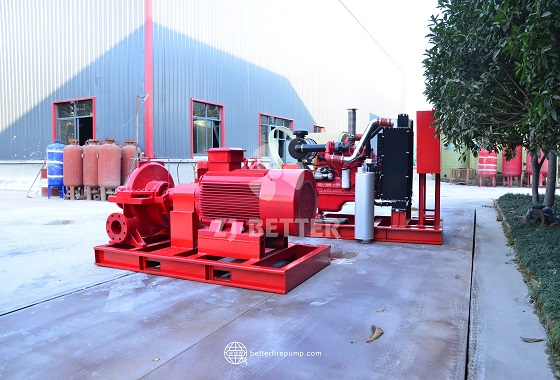
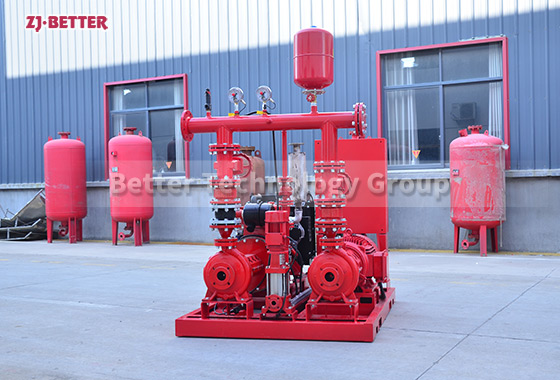
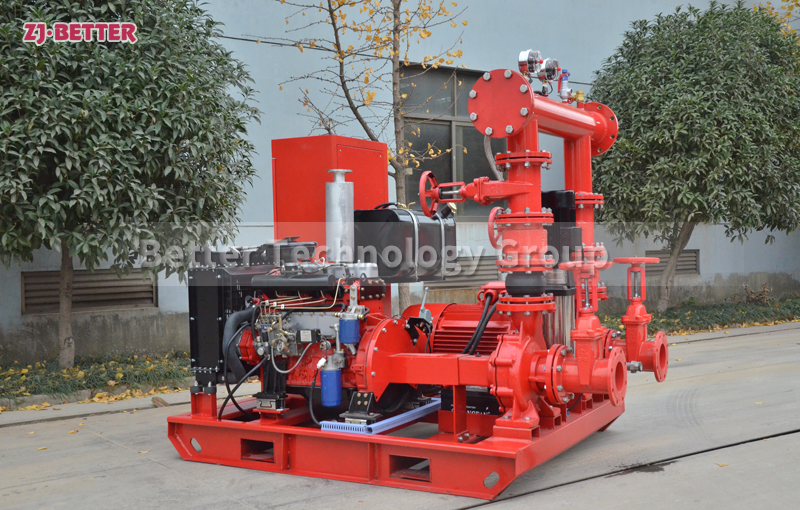
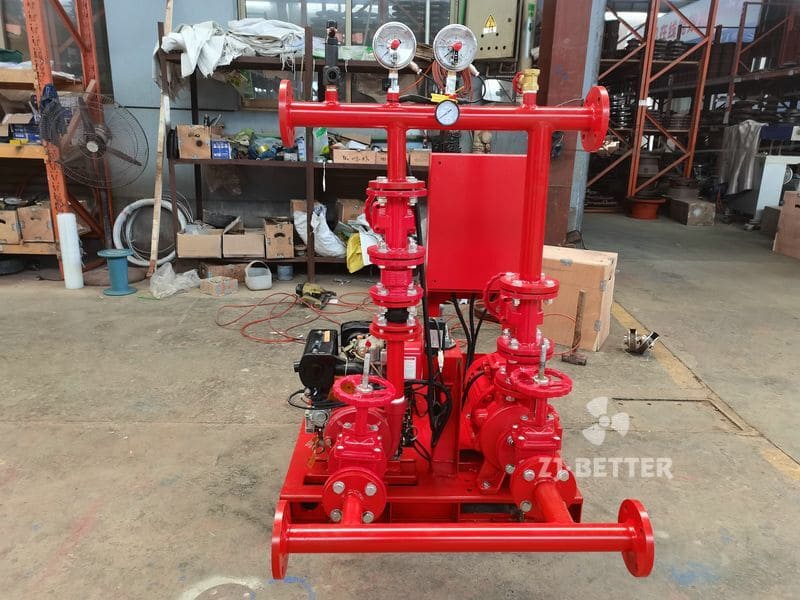
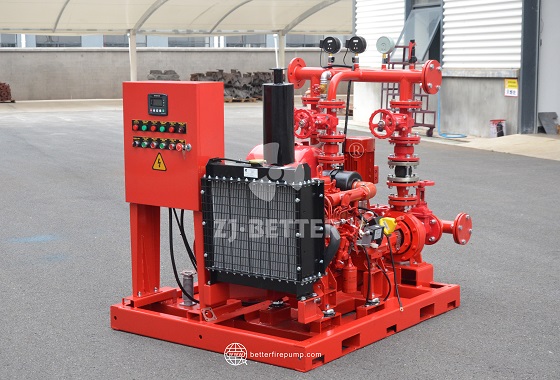
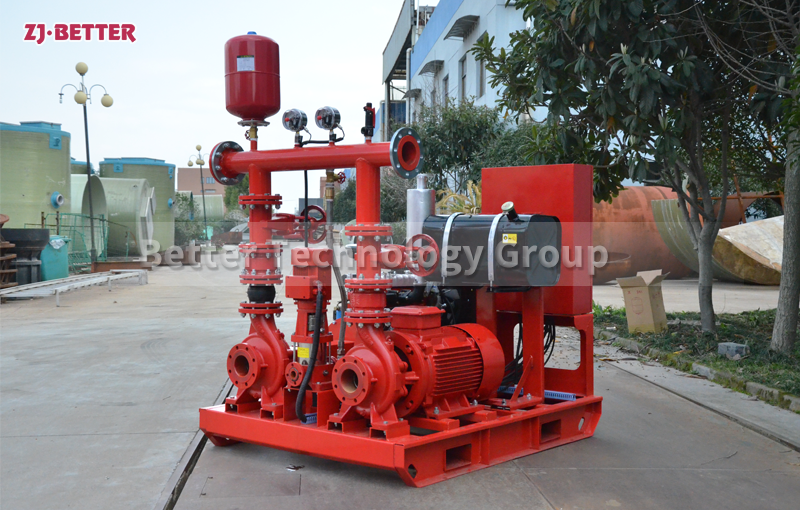
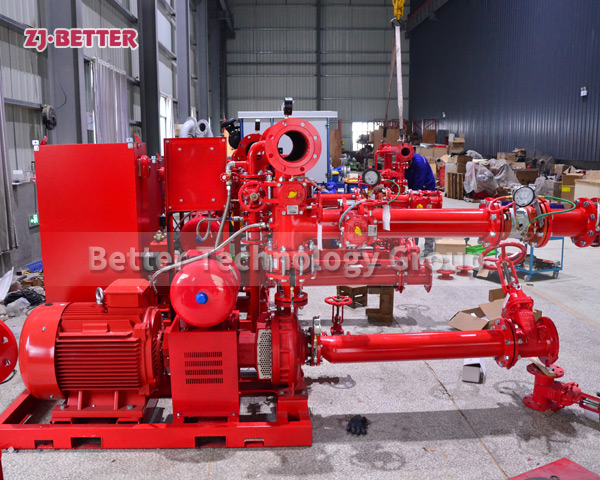
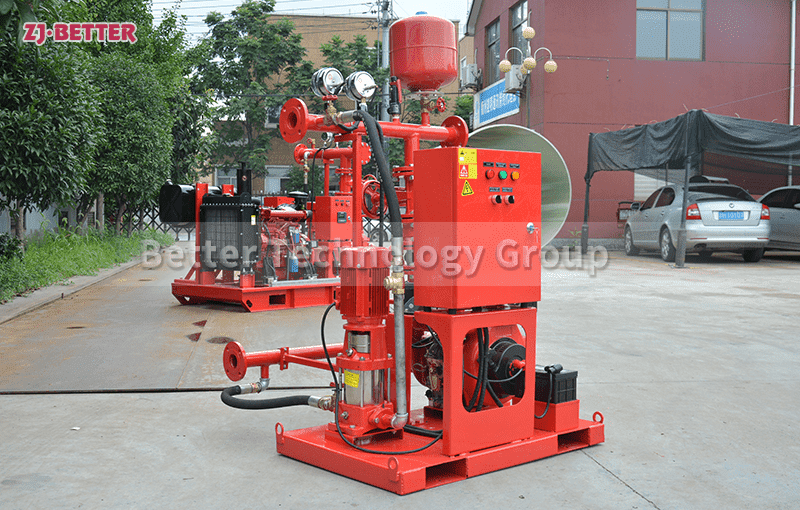
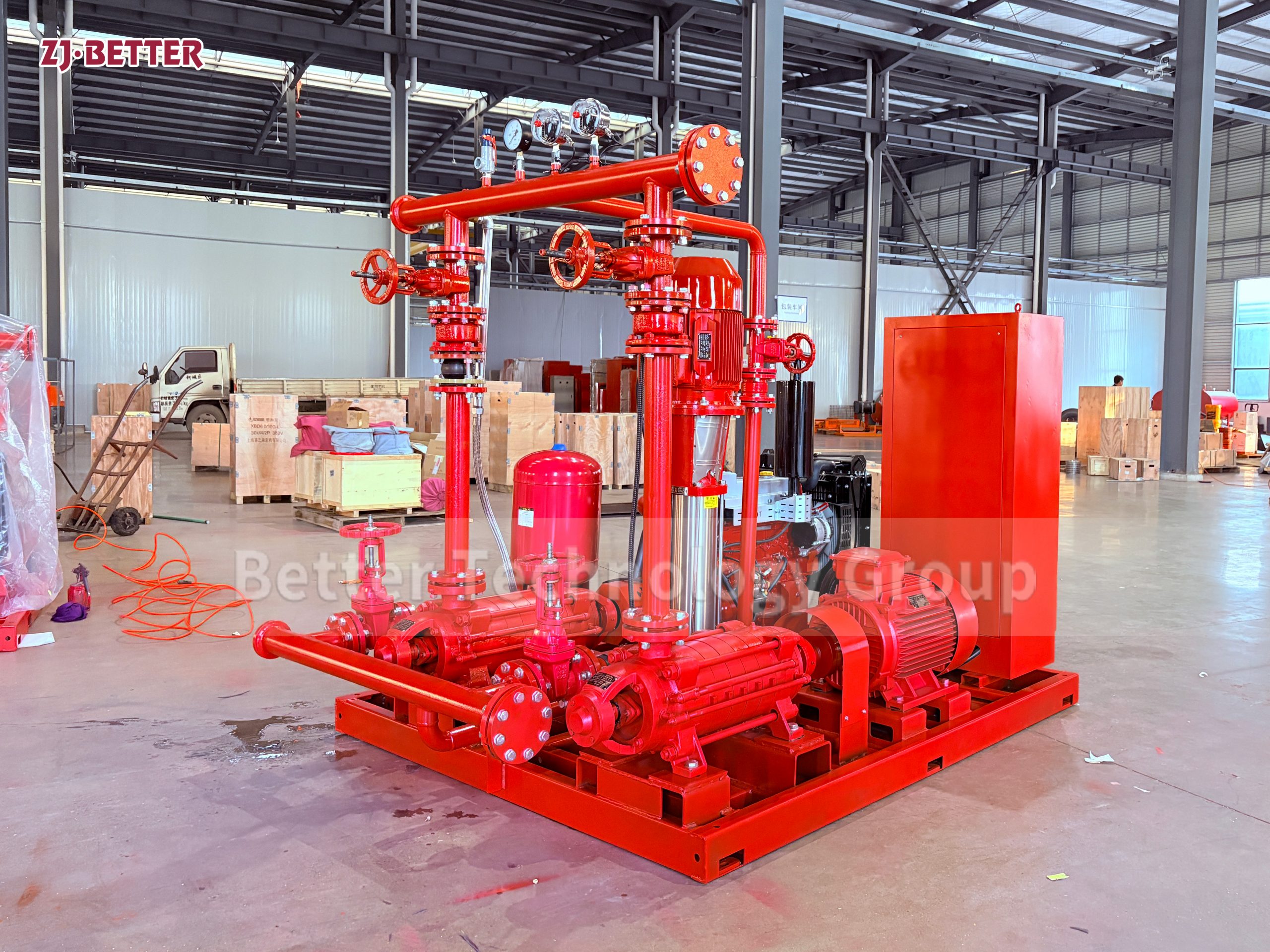
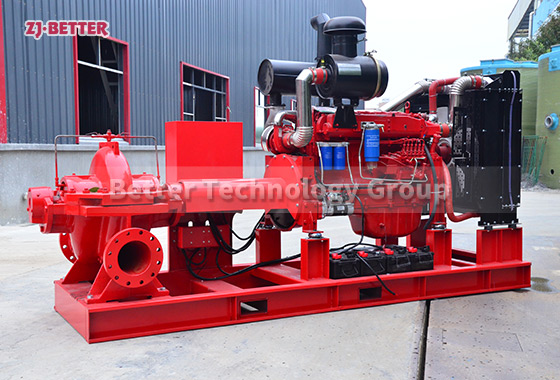
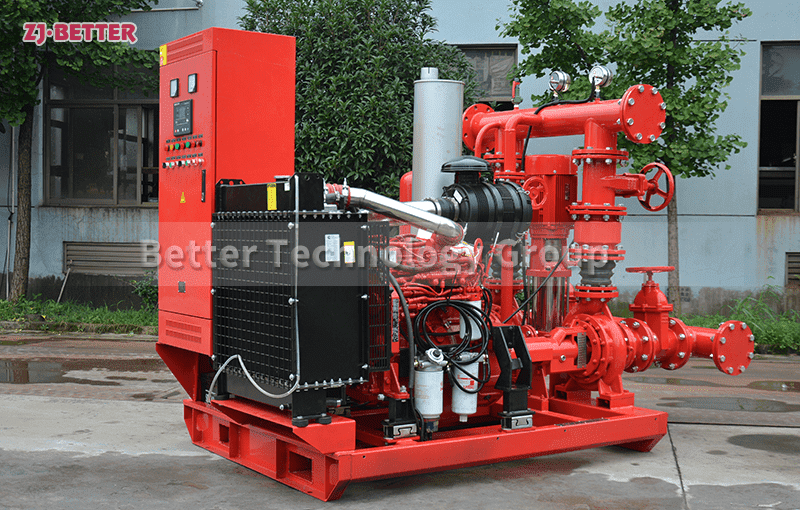
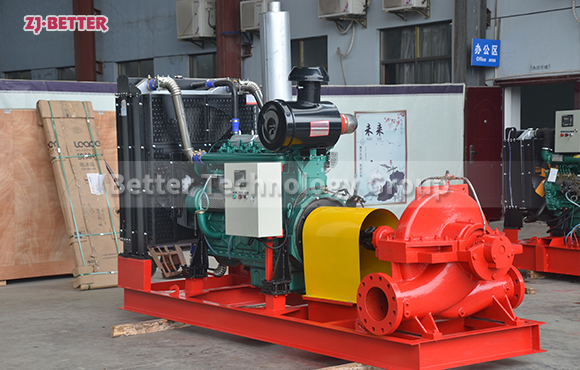
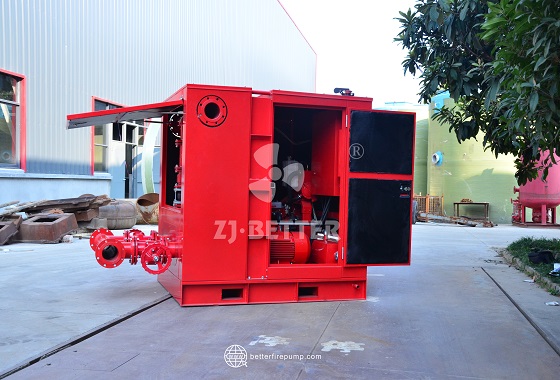
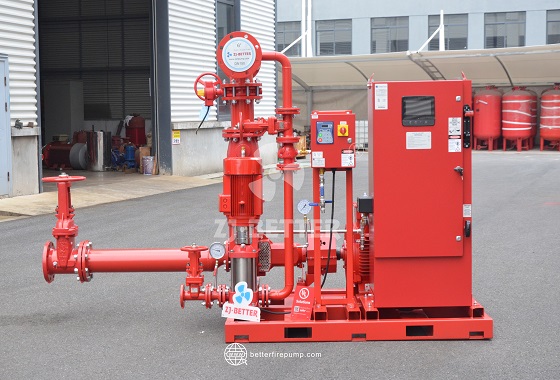
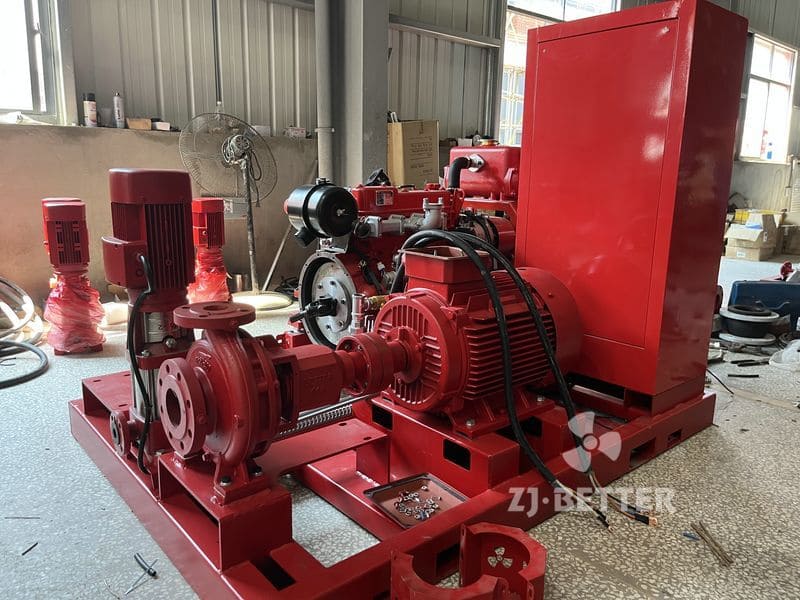
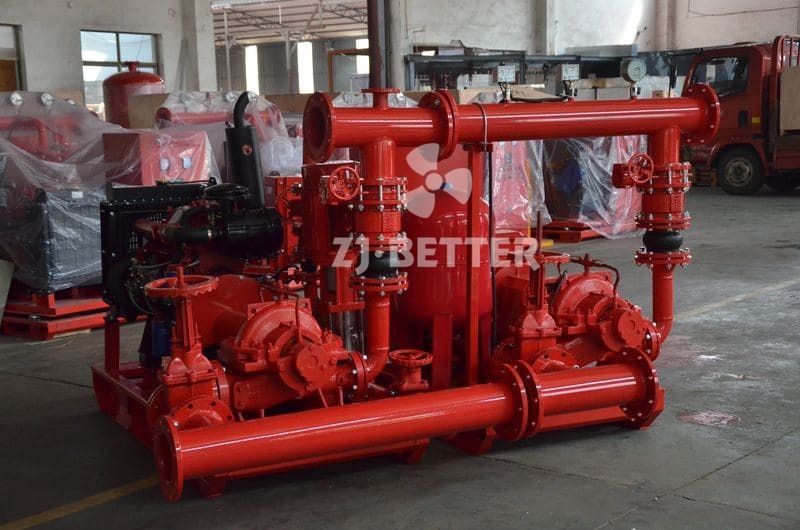
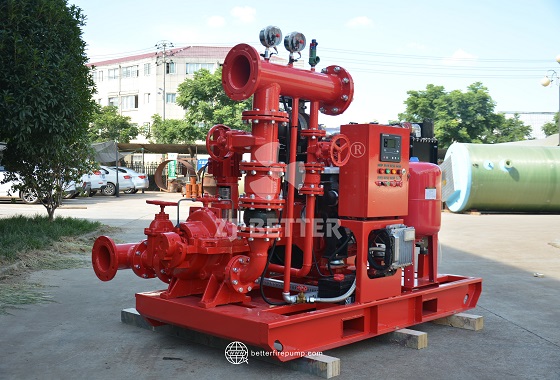
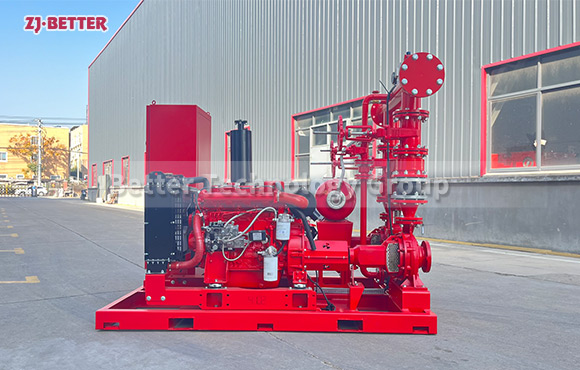
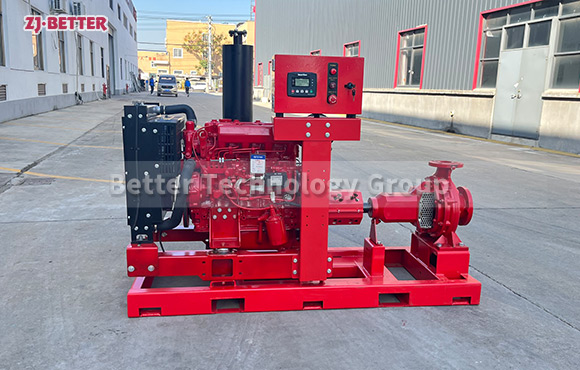
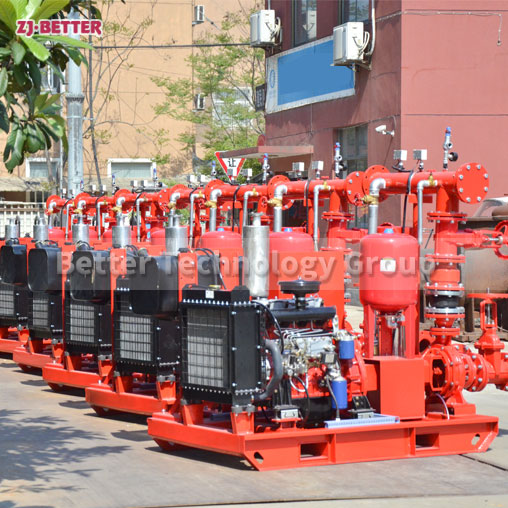
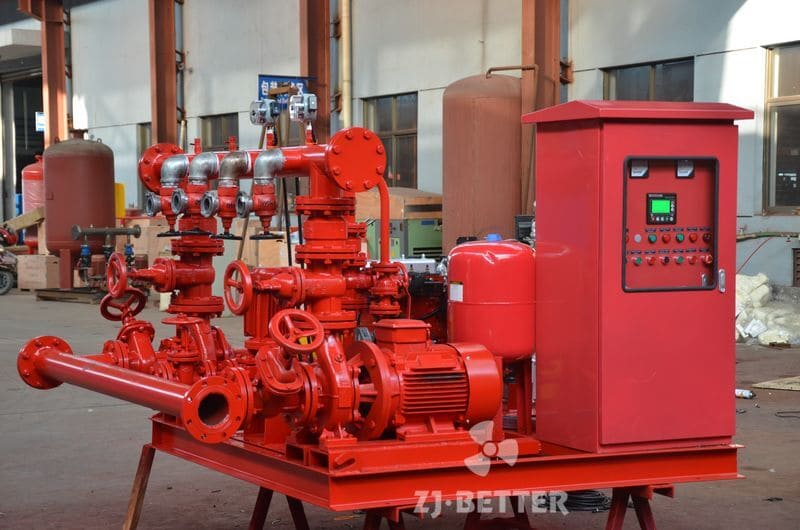
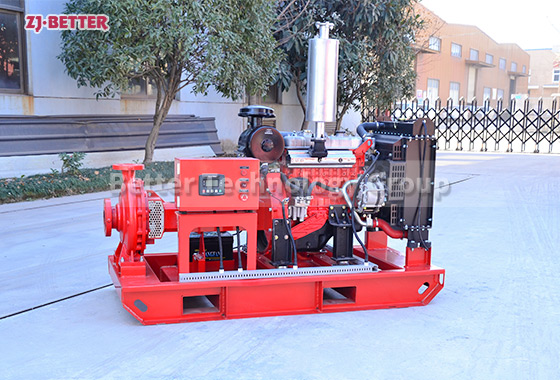
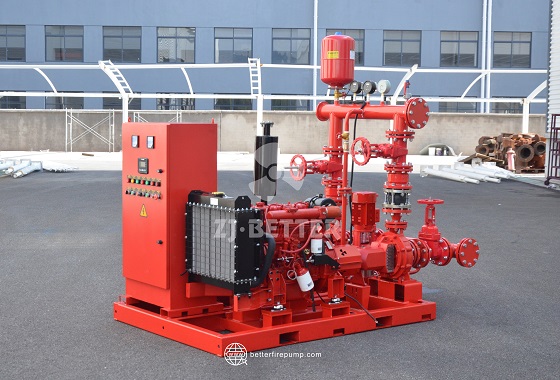
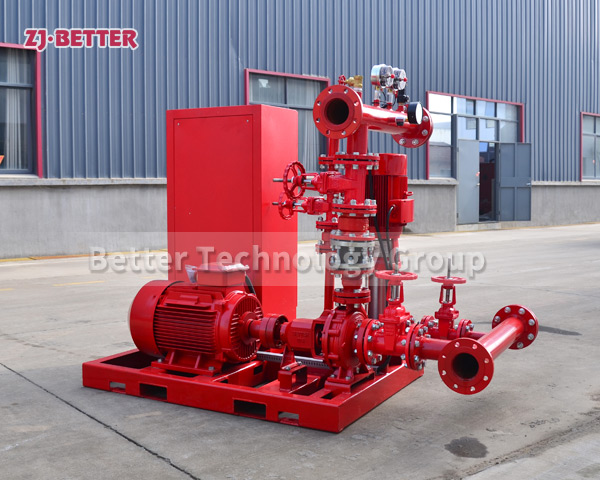
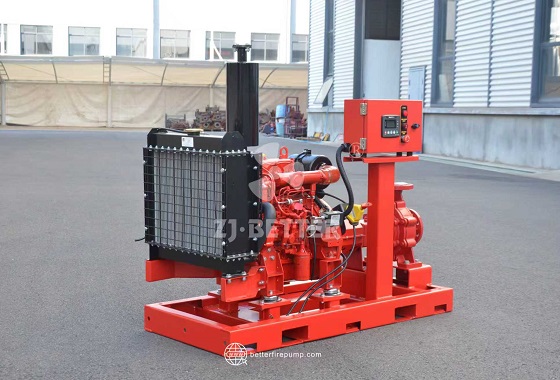
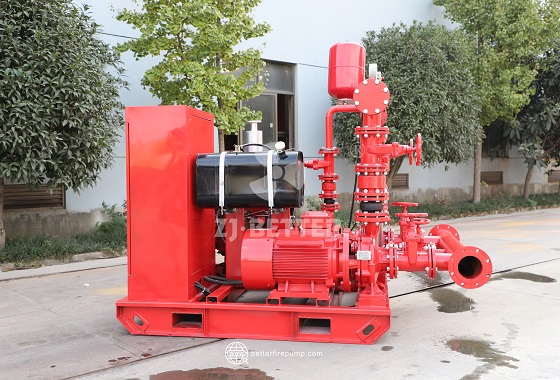
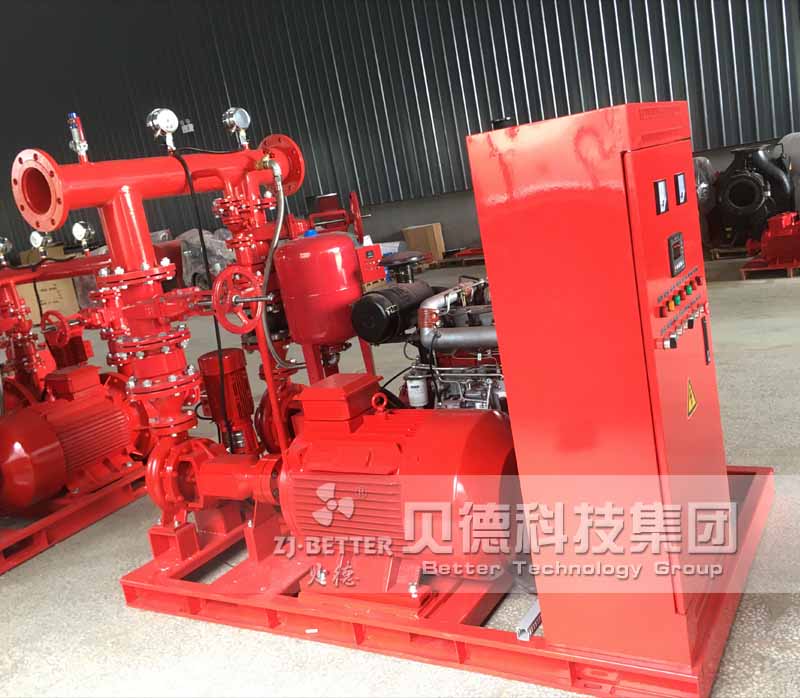
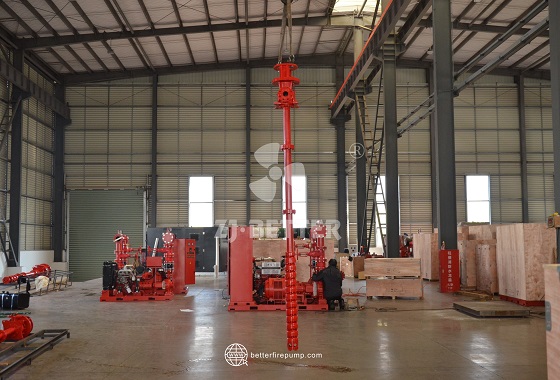
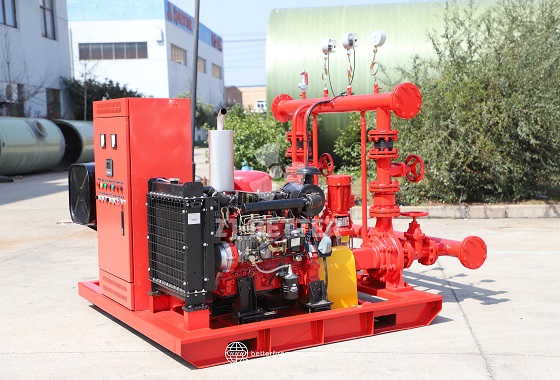
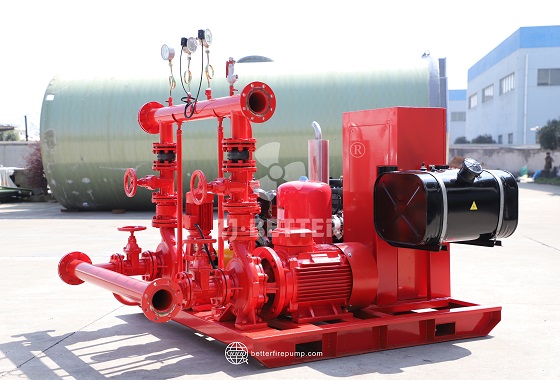
The diesel engine emergency fire pump set is a complete fire water supply system powered by a diesel engine; it is suitable for fire protection projects where the power supply is unstable, a reliable power source is lacking, or an independent emergency water supply capability is required. Unlike fire pumps driven solely by electric motors, diesel-driven pumps provide an independent power source during external power outages or when electrical conditions are limited, thereby enhancing the emergency resilience of the fire water supply system. The equipment typically comprises a diesel engine, a main fire pump, a cooling system, a control cabinet, a fuel system, pressure monitoring instruments, valves, and connecting piping. It utilizes a skid-mounted base for centralized installation, integrating the power unit, pump body, and control components into a compact assembly that facilitates transportation, on-site positioning, and maintenance. The diesel engine delivers continuous mechanical power to the fire pump, while the associated cooling system regulates the engine’s operating temperature to ensure stable performance under specified conditions. The main fire pump generates the necessary water pressure—based on selected flow rates, head, and piping network resistance—to meet the fire suppression needs of various buildings and industrial facilities. The system can be configured with different types of fire pumps and tailored engine power, pump speeds, inlet/outlet diameters, and piping layouts to suit the specific scale and requirements of the project. An integrated piping layout minimizes on-site connection work, while pressure gauges and monitoring components allow operators to track system pressure and operational status. The control cabinet manages start/stop operations and status monitoring, with specific automatic start logic and protection functions determined by the control system configuration. For projects requiring higher reliability, the system design can incorporate independent electric fire pumps, jockey pumps, or other backup equipment to create a fire pump system compatible with local power supply conditions. These diesel emergency fire pump sets are suitable for industrial plants, logistics warehouses, petrochemical facilities, docks, power plants, remote sites, and other locations requiring reliable fire water supply; they are particularly ideal for projects where power independence is a key design requirement. During actual equipment selection, parameters such as rated flow, rated head, diesel engine power, fuel reserves, cooling method, starting power supply, operating duration, and relevant certification requirements must be verified against fire safety design specifications to ensure compatibility with the fire piping network and on-site emergency power supply conditions. Through optimized power configuration, a compact integrated design, and comprehensive operational monitoring, diesel-driven emergency fire pump sets provide a reliable power solution for fire protection systems in environments with unstable power supplies, thereby enhancing the emergency reliability of fire water supply systems.