Home » Fire Pump Set » How to Determine the Correct Suction Lift for Fire Pumps?
How to Determine the Correct Suction Lift for Fire Pumps?

Key Factors to Consider:
NPSHa vs. NPSHr: The Net Positive Suction Head Available (NPSHa) must always exceed the Net Positive Suction Head Required (NPSHr) to prevent cavitation.
Elevation & Water Source: Pumps drawing from underground tanks or reservoirs need to account for elevation changes and friction losses.
Pipe Sizing & Layout: Use properly sized pipes and minimize bends to reduce suction losses.
Compliance with NFPA 20: Follow recommended practices for suction piping to ensure smooth operation.

Rated 4.7/5 based on 204 customer reviews
Share:
Content

Key Factors to Consider:

  • NPSHa vs. NPSHr: The Net Positive Suction Head Available (NPSHa) must always exceed the Net Positive Suction Head Required (NPSHr) to prevent cavitation.
  • Elevation & Water Source: Pumps drawing from underground tanks or reservoirs need to account for elevation changes and friction losses.
  • Pipe Sizing & Layout: Use properly sized pipes and minimize bends to reduce suction losses.
  • Compliance with NFPA 20: Follow recommended practices for suction piping to ensure smooth operation.
Inquiry


    More Fire Pump Set
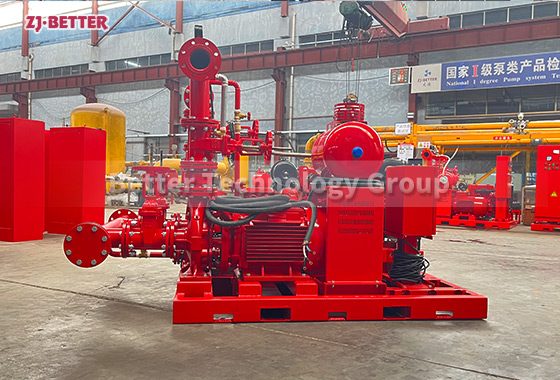
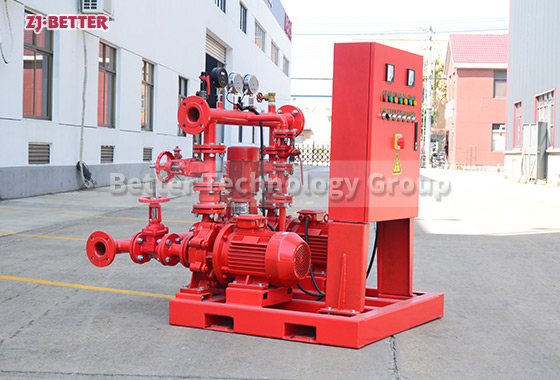
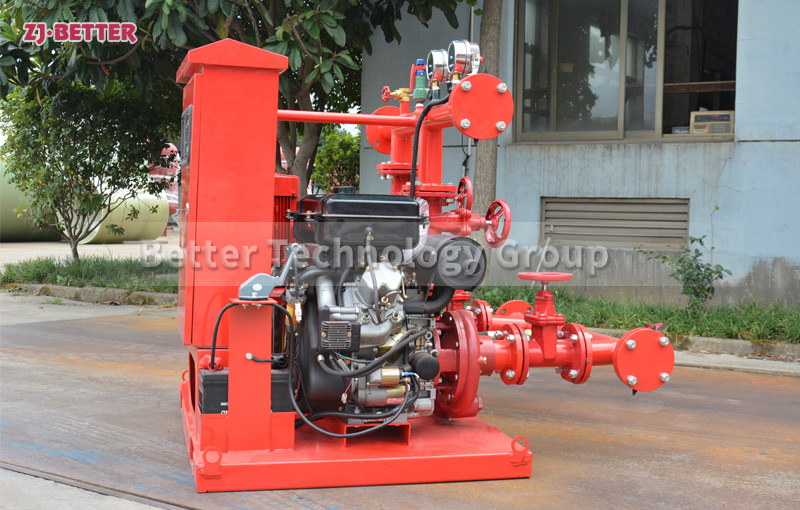
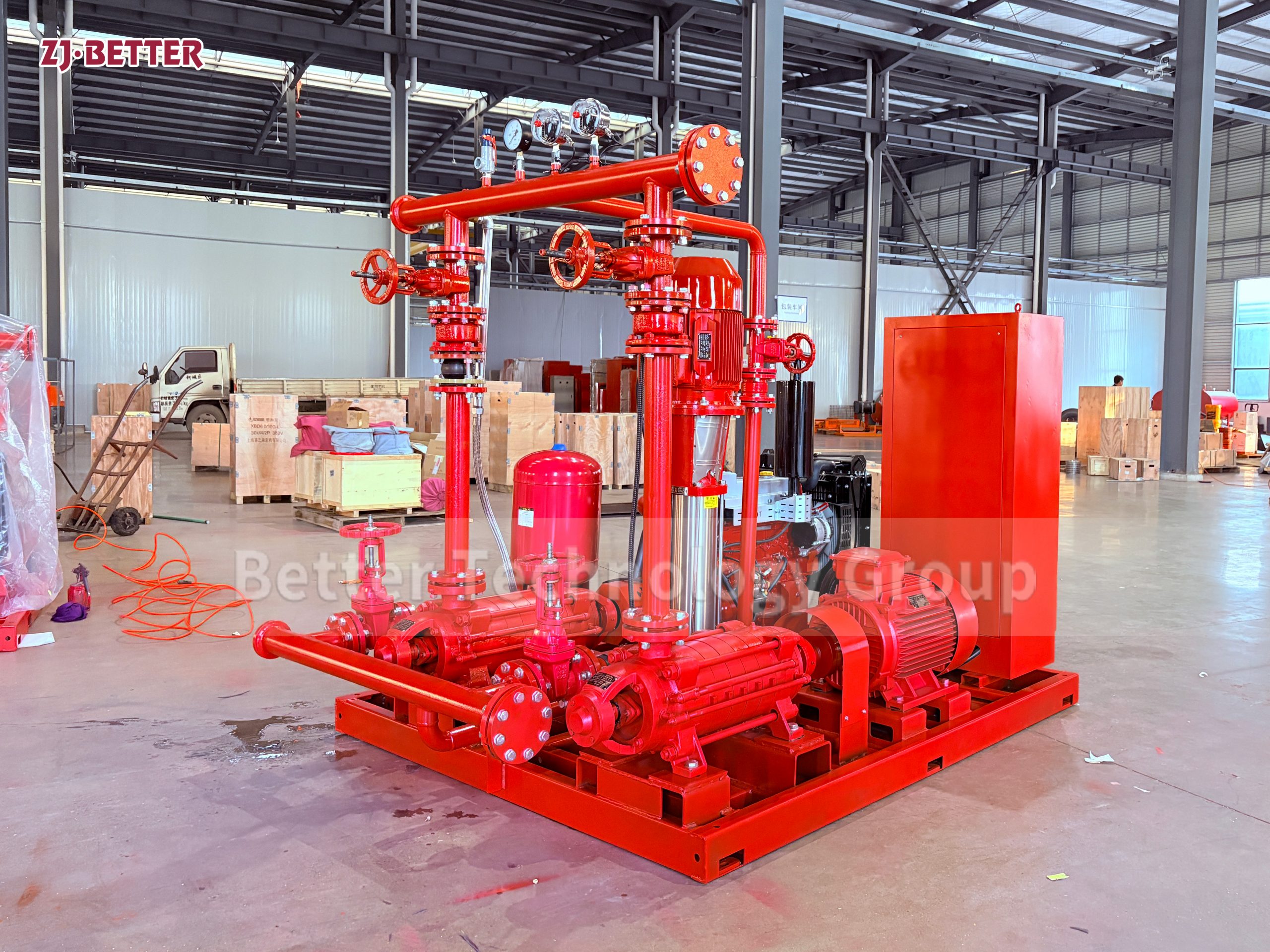
    As the core component of a fire protection system, the performance of fire pumps directly affects fire suppression efficiency. To ensure optimal performance, we maintain strict control over every stage, from design and manufacturing to installation and maintenance.

    In the design phase, we utilize advanced fluid dynamics technology to optimize the pump structure, minimizing energy loss and maximizing water flow efficiency. The carefully designed impeller and flow channels enable the pump to maintain stable operation under high pressure while reducing noise and vibration, thereby extending its service life.

    During the manufacturing process, we select high-strength, corrosion-resistant materials such as stainless steel and ductile iron to ensure durability in harsh environments. Precision machining and rigorous quality inspections guarantee that every fire pump meets industry standards before leaving the factory.

    Proper installation is equally critical. Our professional team develops the best installation plan based on the site environment, ensuring tight pipe connections, smooth water flow, and stable electrical control system operation. The integration of intelligent control systems allows for automatic start-stop functions and remote monitoring, significantly improving response speed and operational convenience.

    Finally, regular maintenance and inspection are essential for long-term efficiency. Our comprehensive after-sales services include routine inspections, spare parts replacement, and remote troubleshooting, ensuring the pump remains in peak condition.

    Through scientific design, high-quality manufacturing, expert installation, and thorough maintenance, our fire pumps provide reliable fire protection solutions, helping to build highly efficient and secure fire suppression systems.

    Installing fire pumps requires careful planning and adherence to specific precautions to ensure proper functionality and compliance with safety standards. Here are some important precautions to consider during the installation process:

    Compliance with Codes and Standards: Familiarize yourself with local fire codes, regulations, and industry standards applicable to fire pump installations. Ensure that the installation meets the requirements of organizations such as the National Fire Protection Association (NFPA) and local authorities having jurisdiction (AHJs).

    Professional Installation: Fire pump installations should be carried out by qualified professionals experienced in fire protection systems. Engage licensed contractors or fire protection engineers who specialize in fire pump installations. They possess the necessary knowledge and expertise to ensure a correct and safe installation.

    Proper Location: Choose an appropriate location for the fire pump installation. Consider factors such as accessibility, proximity to water sources, electrical connections, and suitable drainage. The location should allow for easy maintenance and serviceability. Follow the manufacturer’s guidelines regarding clearance requirements and proximity to other equipment.

    By following these precautions, you can ensure a safe and effective installation of a fire pump system. Proper installation is critical for the system’s performance, compliance with regulations, and the overall safety of the facility and its occupants. Consult with fire protection professionals and refer to relevant codes and standards throughout the installation process.