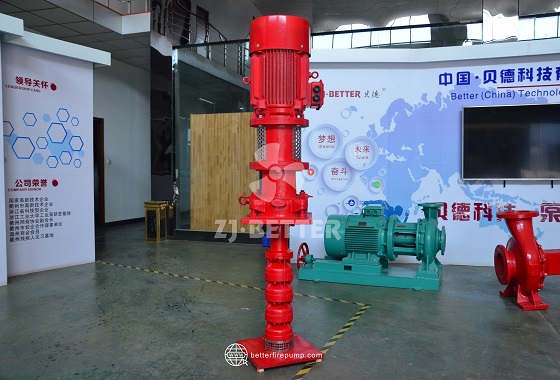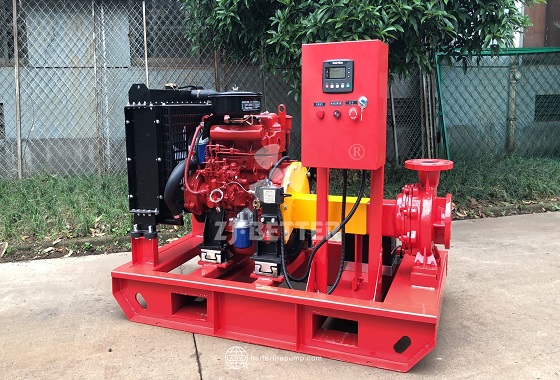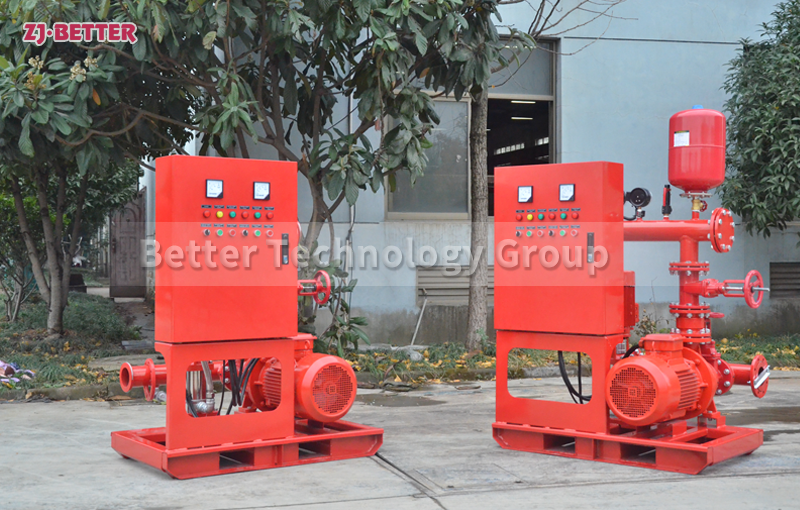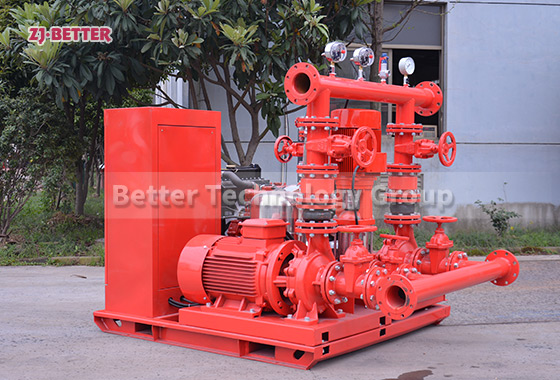
Fixed Electric Fire Pump – Vertical Structure for Hydrant and Sprinkler Water Supply Systems
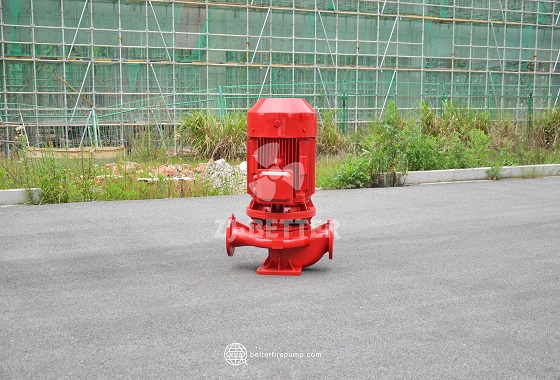
Stationary electric fire pumps feature a compact vertical structure and motor drive; suitable for fire hydrant and automatic sprinkler systems, they allow for flexible selection based on flow rate, head, and piping network requirements to meet fire water supply needs in both building and industrial sectors.
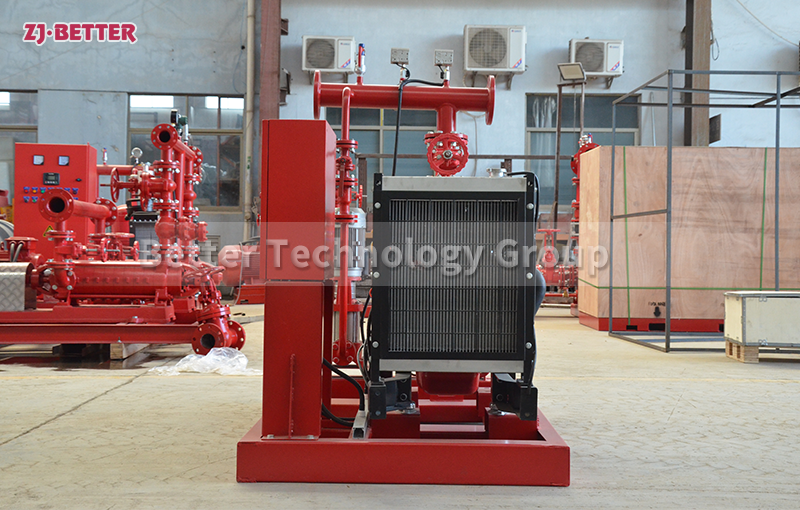
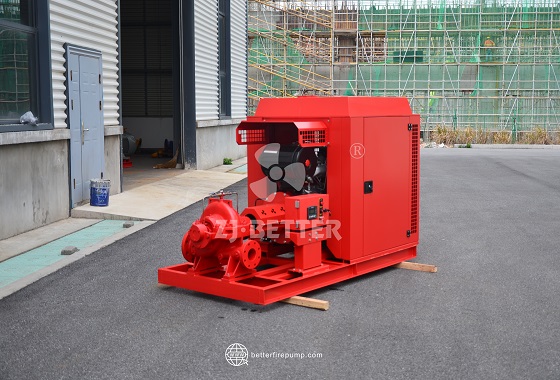
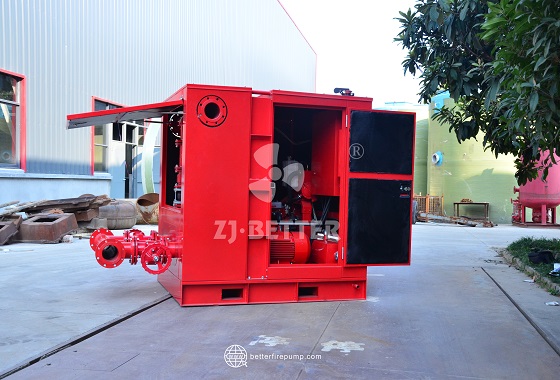
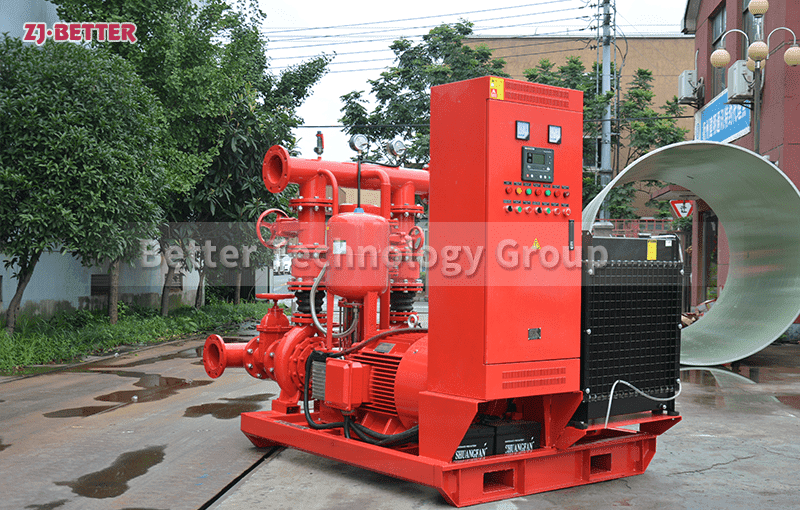
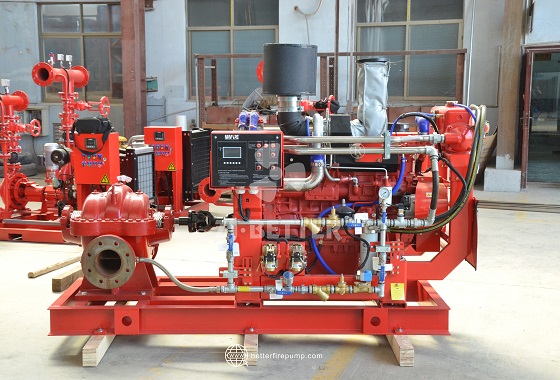
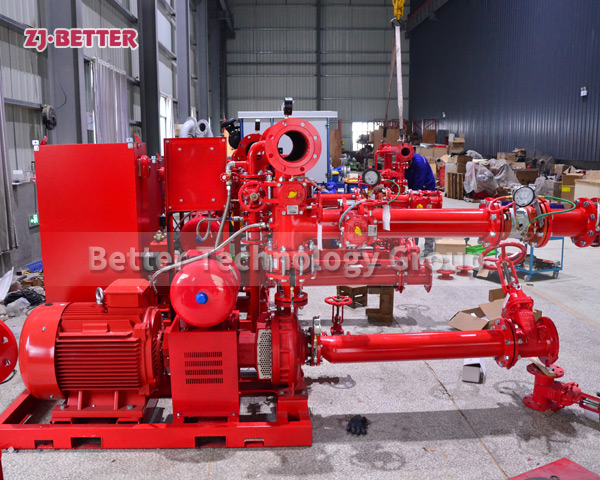
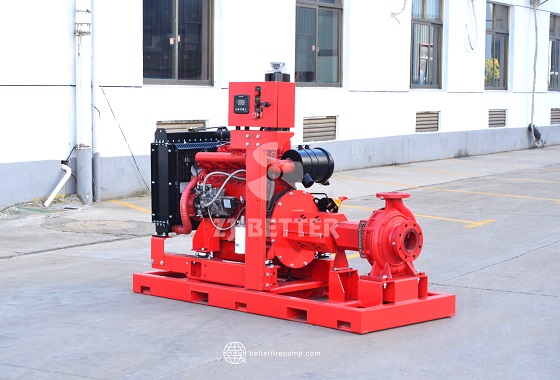
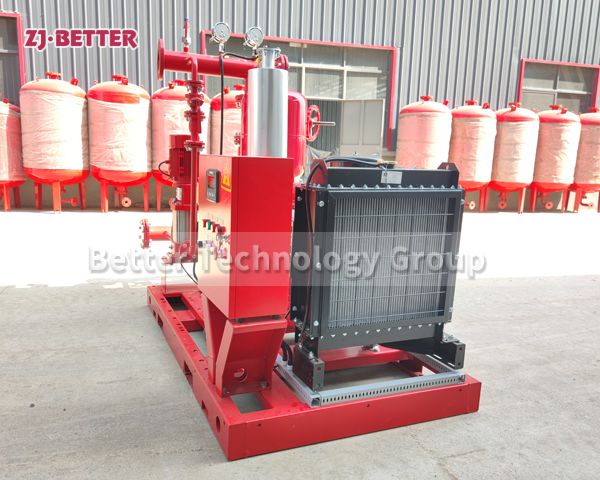
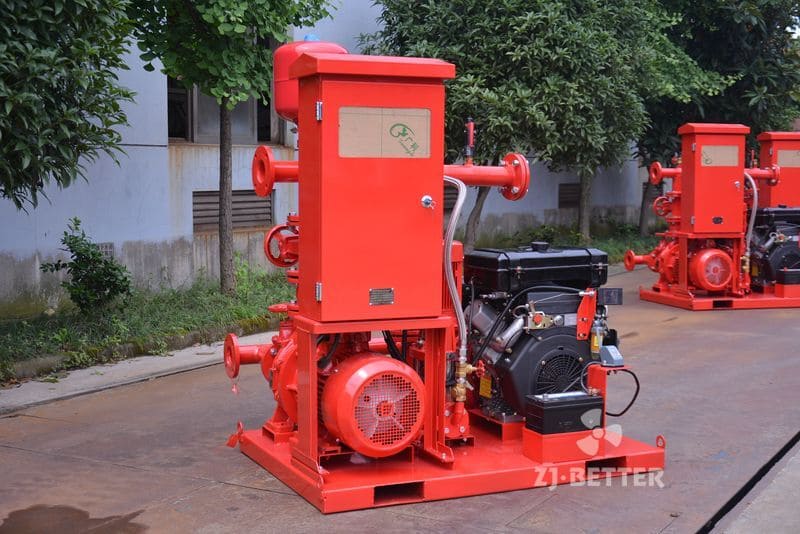
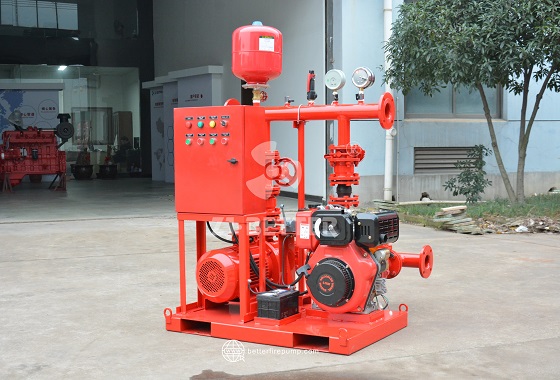
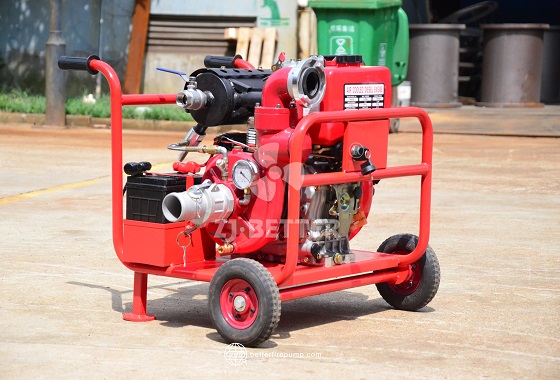
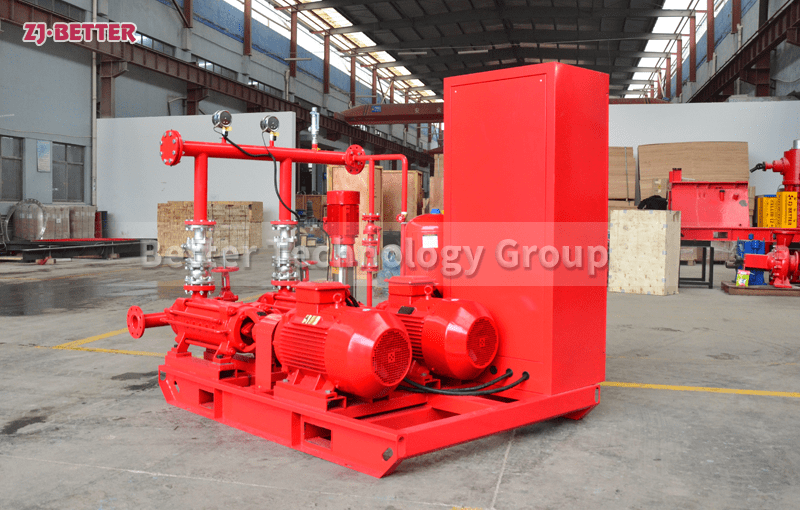
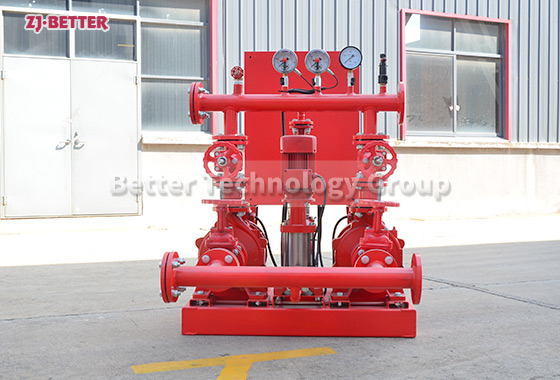
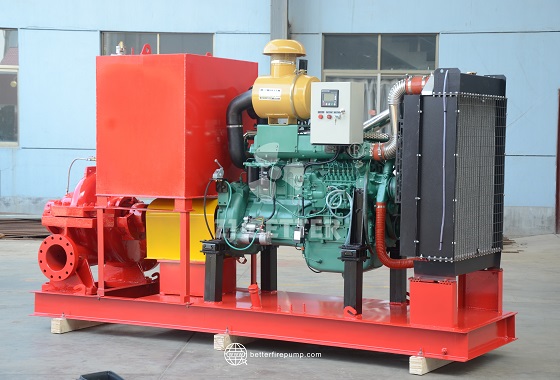
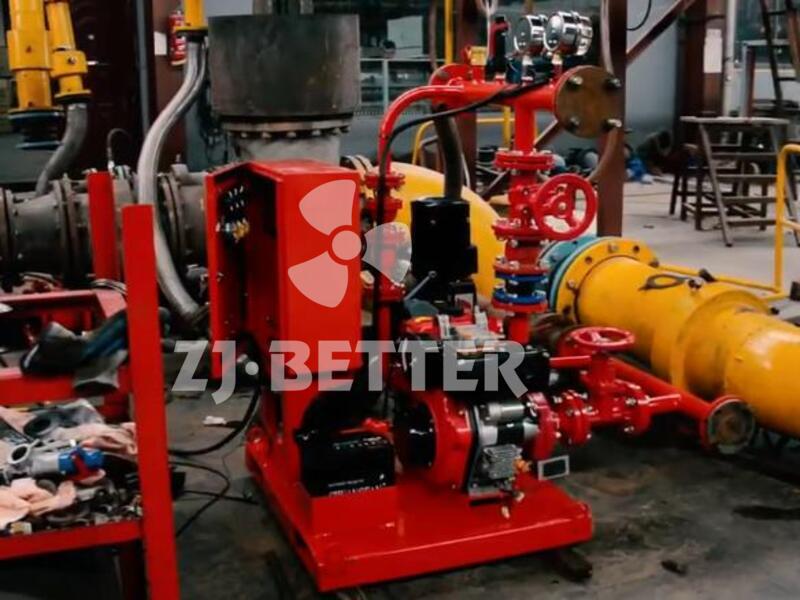
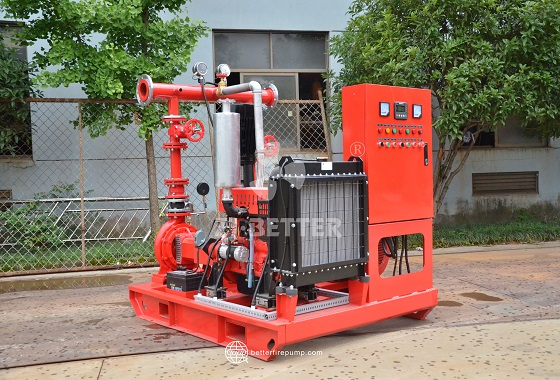
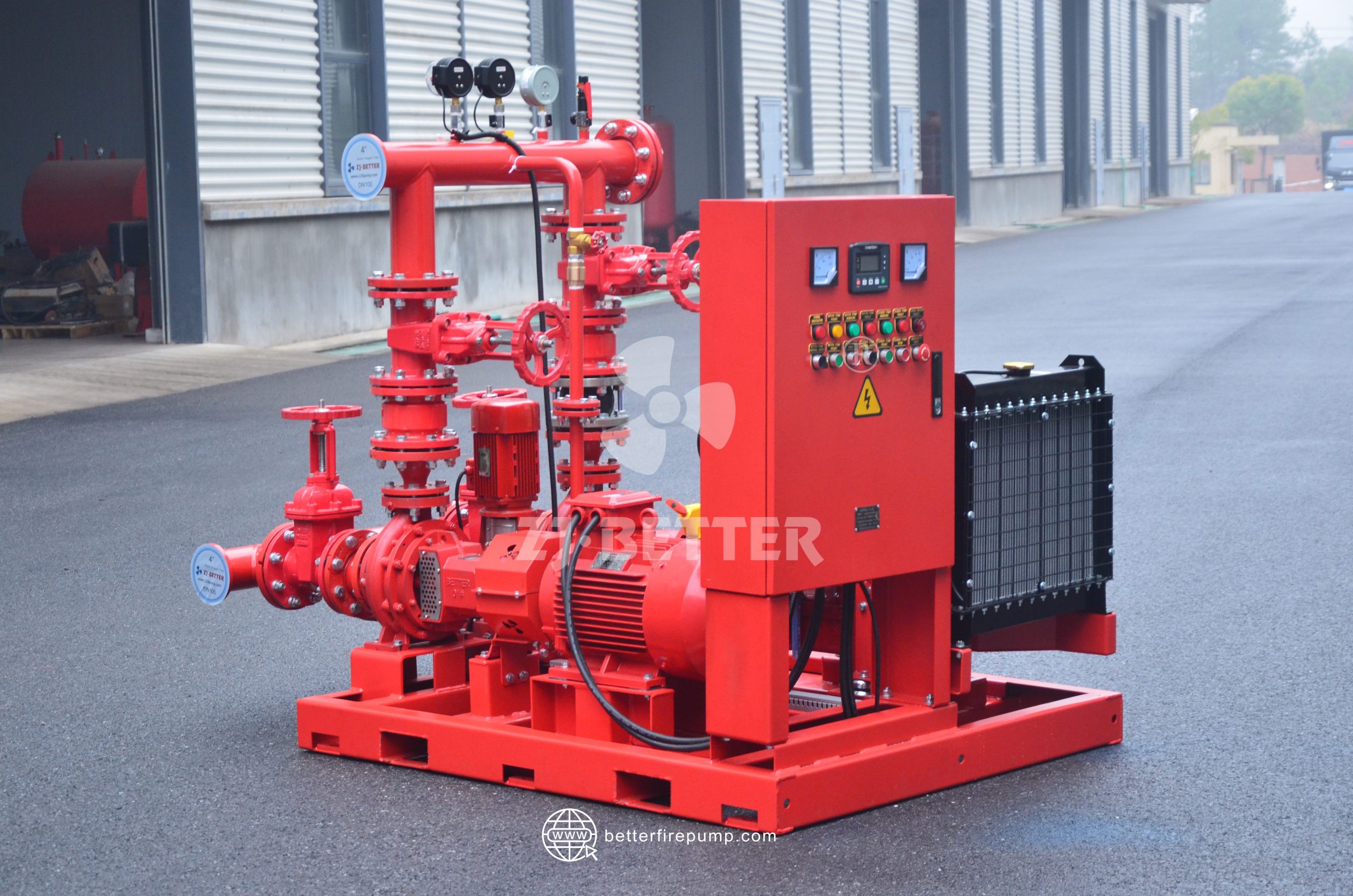
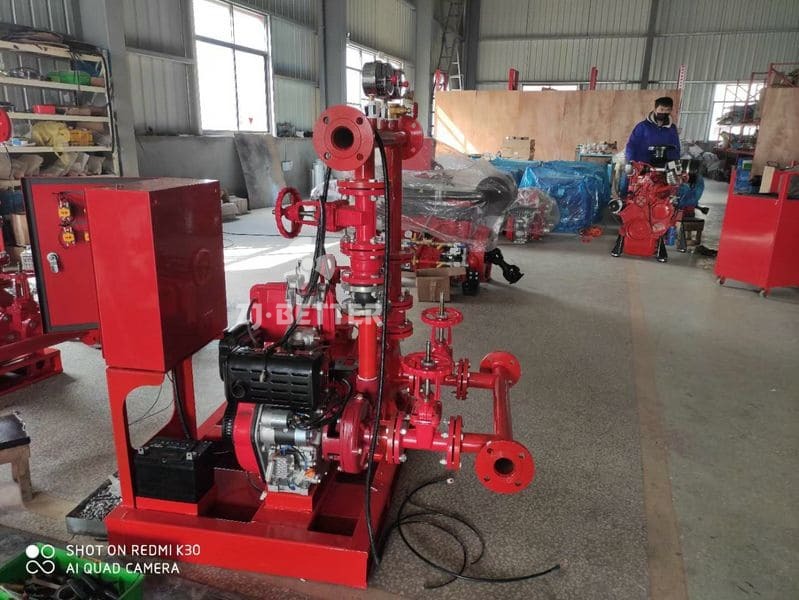
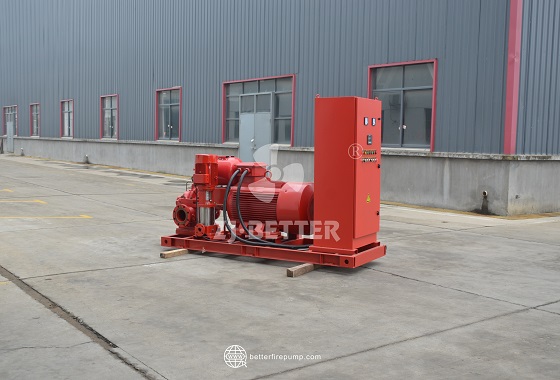
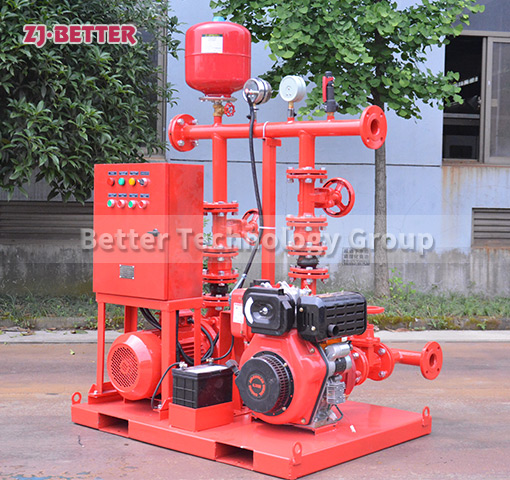
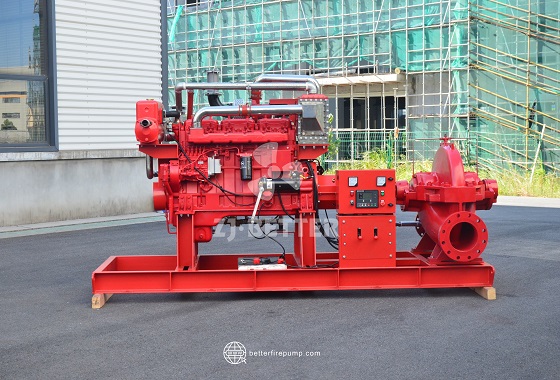
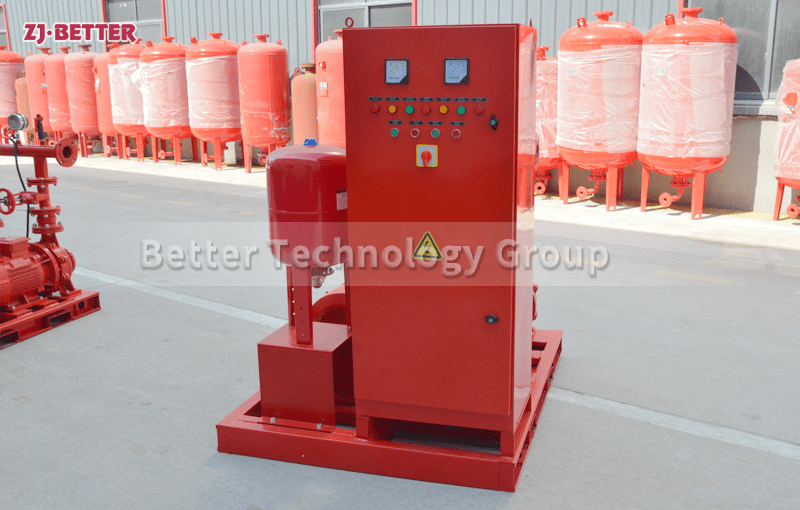
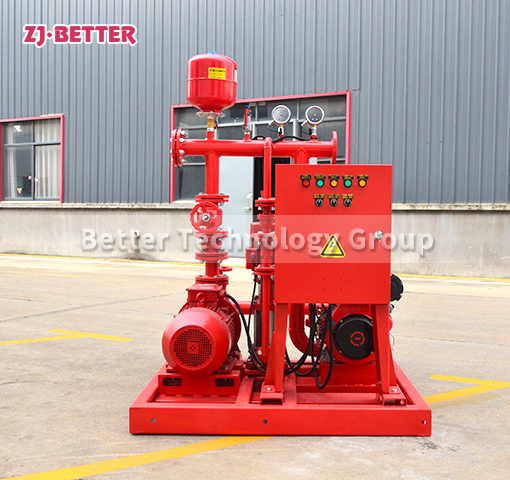
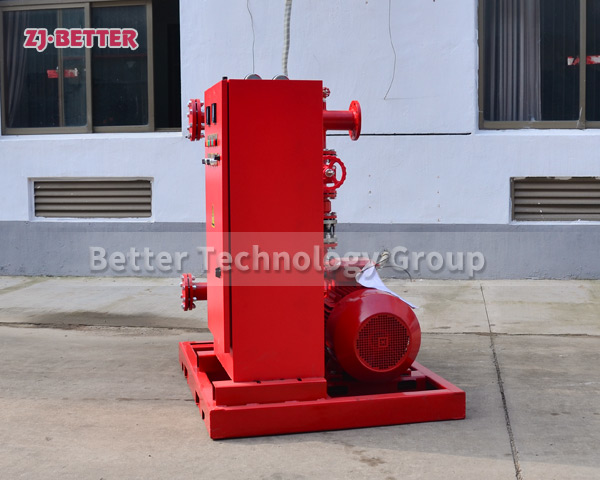
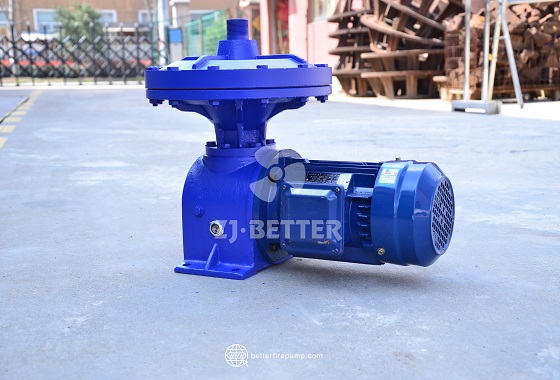
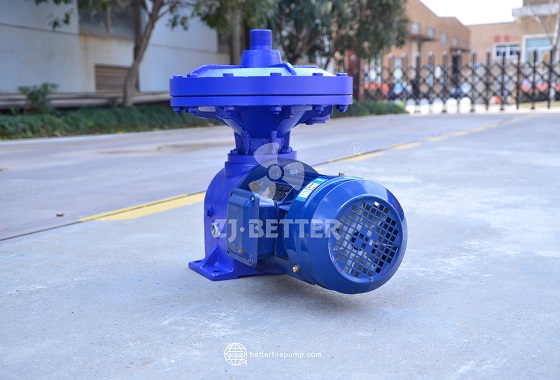
The stationary electric fire pump is a specialized piece of equipment driven by an electric motor, designed for fixed fire-fighting water supply systems in buildings, industrial plants, warehouses, and other facilities requiring a continuous fire-fighting water supply. Featuring a compact, integrated vertical structure combining the pump body and motor, the unit occupies minimal floor space, making it ideal for installation in fire pump rooms or areas with spatial constraints. Internally, the pump converts mechanical energy into water pressure and kinetic energy through impeller rotation, providing stable flow and pressure to fire-fighting piping networks; it is suitable for use with both stationary fire hydrant systems and automatic sprinkler systems. According to published specifications, this series offers flow rates ranging from 1 to 300 L/s, discharge pressures of approximately 0.15 to 1.6 MPa, and inlet/outlet diameters of 25 to 500 mm (specific performance depends on the exact model). The compact coupling between the motor and pump body ensures high concentricity of the pump shaft, which minimizes vibration and noise during operation and promotes stable performance. The vertical configuration effectively reduces the horizontal footprint—offering advantages for space utilization in pump rooms—while the strategic alignment of the pump’s center of gravity and mounting feet further enhances operational stability. Hydraulic components are precision-engineered; impellers and pump bodies can be configured to meet specific flow and pressure requirements, allowing the unit to adapt to the parameters of various fire-fighting piping networks. A wear-resistant mechanical seal minimizes fluid leakage during operation and extends the service life of sealing components. The pump body is equipped with pressure gauge ports, drainage outlets, and air release valves, facilitating status monitoring, pre-start venting, and routine maintenance. In fire-fighting applications, this type of stationary electric pump serves as a critical pressurization unit between the water source and the piping network, delivering the necessary pressure and flow to fire hydrants, sprinkler systems, and other fire-fighting facilities in accordance with system design specifications. For high-rise buildings, industrial plants, commercial complexes, logistics warehouses, and other fixed fire protection installations, the appropriate model can be selected by considering factors such as building height, piping system resistance, design flow rate, and required pressure, ensuring the pump unit’s operating point aligns with the fire protection system’s design specifications. Official product information indicates that stationary electric fire pumps are suitable for a wide range of applications, including industrial parks, commercial buildings, high-rise residential complexes, hospitals, schools, airports, ports, and municipal infrastructure projects. Another key feature is the flexibility of specifications and configurations; parameters such as flow rate, head, power output, and connection size can be tailored to specific project requirements—with some product lines covering a power range of 0.75 to 160 kW and offering various rotational speeds and port diameters—thereby enabling precise selection for fire water supply systems of varying scales. Designed for permanent installation and routine maintenance, these pump units feature a clear, accessible structure; components such as the motor, pump body, mechanical seal, and hydraulic parts are easily accessible for daily inspection and servicing, facilitating the monitoring of operational status by facility management personnel. In practical applications, specific models should be determined based on a comprehensive assessment of the fire protection system’s design flow and head, water source conditions, piping resistance, available installation space, and relevant fire safety codes, rather than relying solely on the pump’s external appearance or a single parameter. Overall, thanks to their compact vertical design, electric motor drive, stable hydraulic performance, and flexible configuration options, stationary electric fire pumps effectively meet the equipment needs of fixed fire water supply systems—such as fire hydrant and automatic sprinkler networks—making them a standard choice for pressure-boosting applications in industrial and building fire protection projects.