Emergency Standby Diesel Fire Pump Systems for Critical Facility Protection
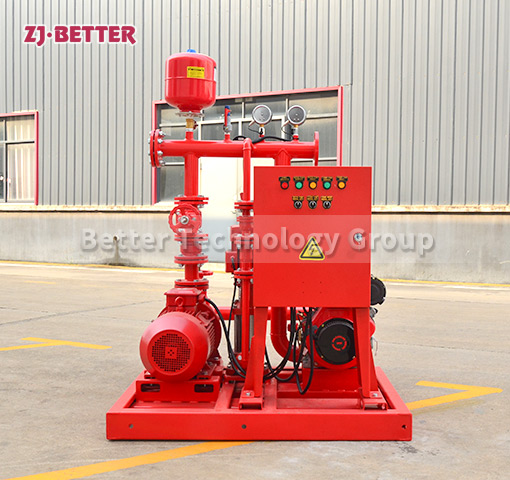
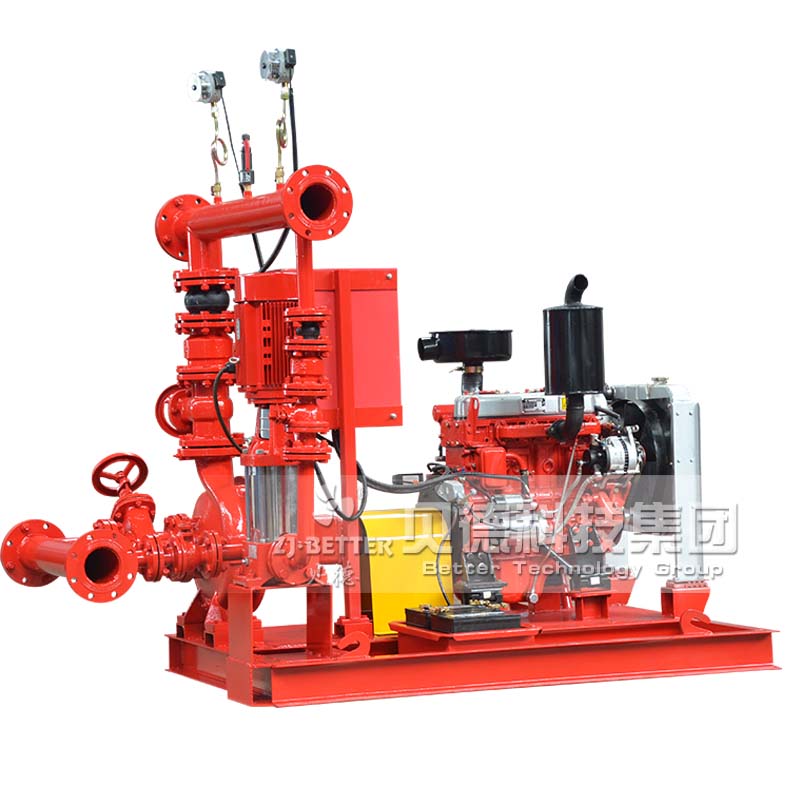
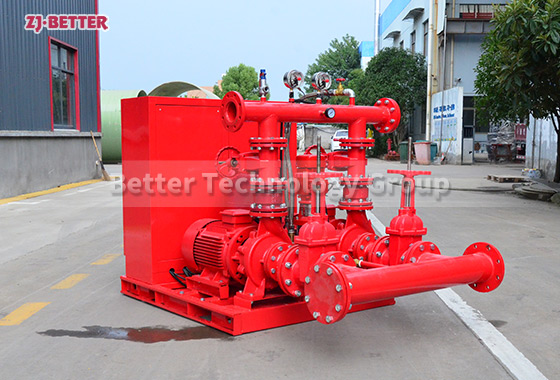
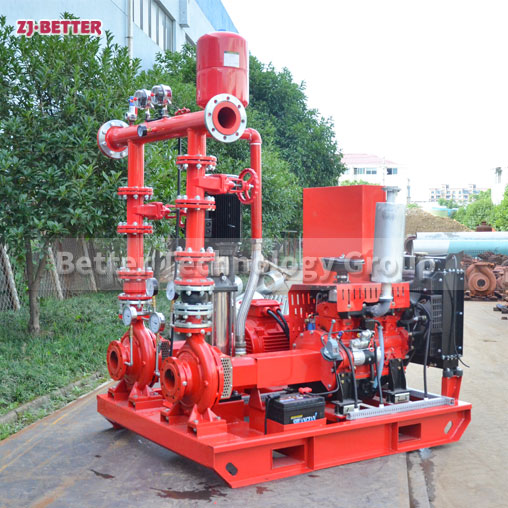
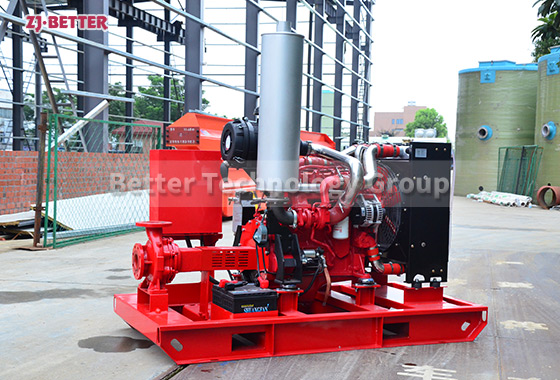
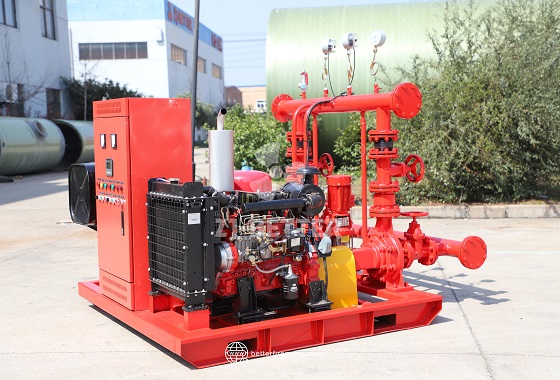
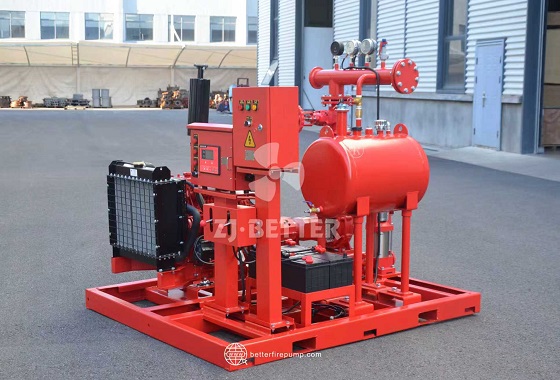
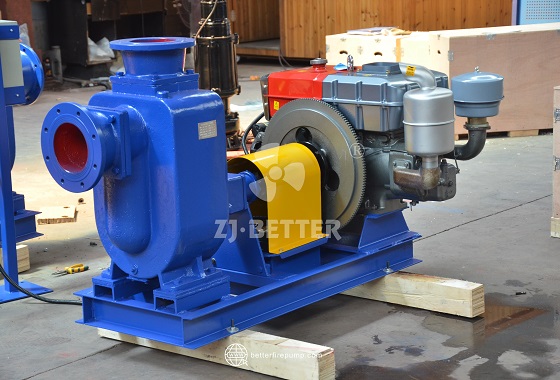
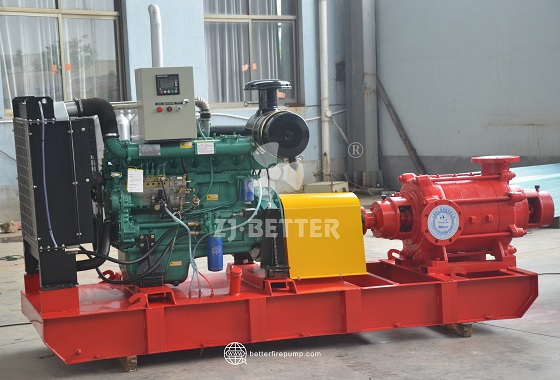
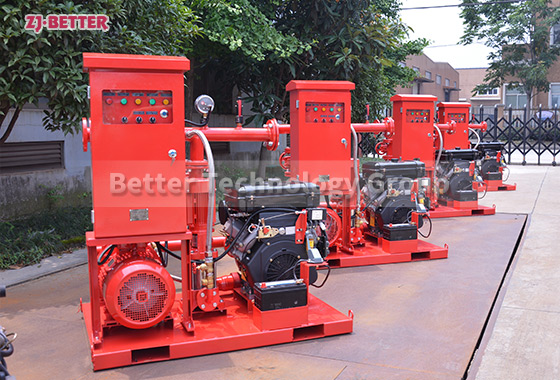
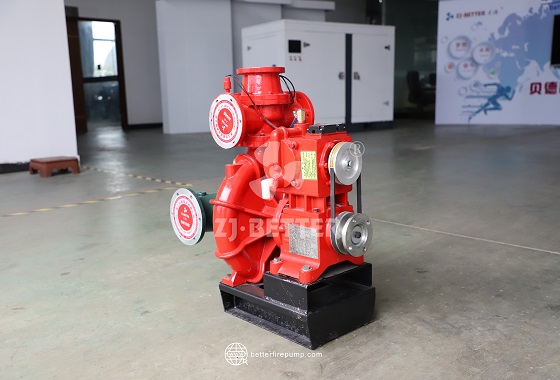
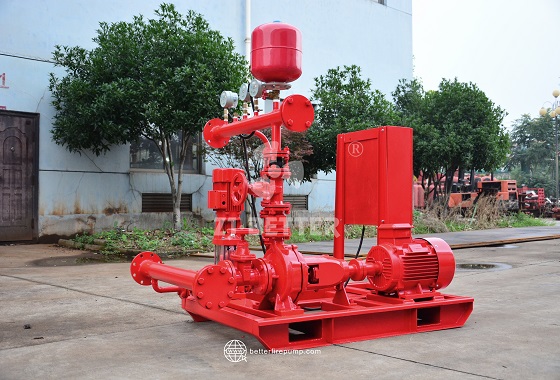
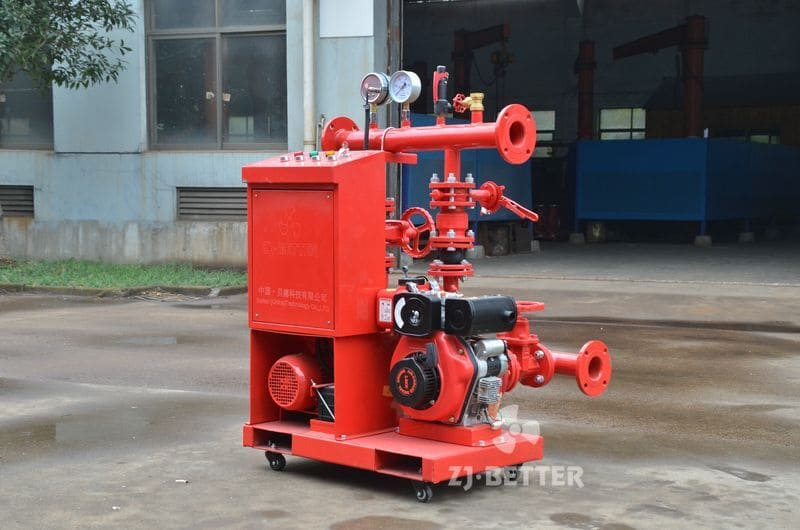
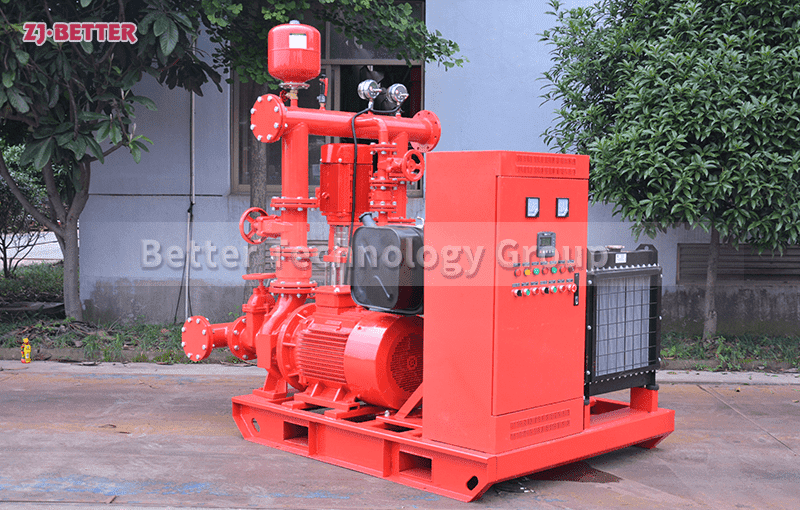
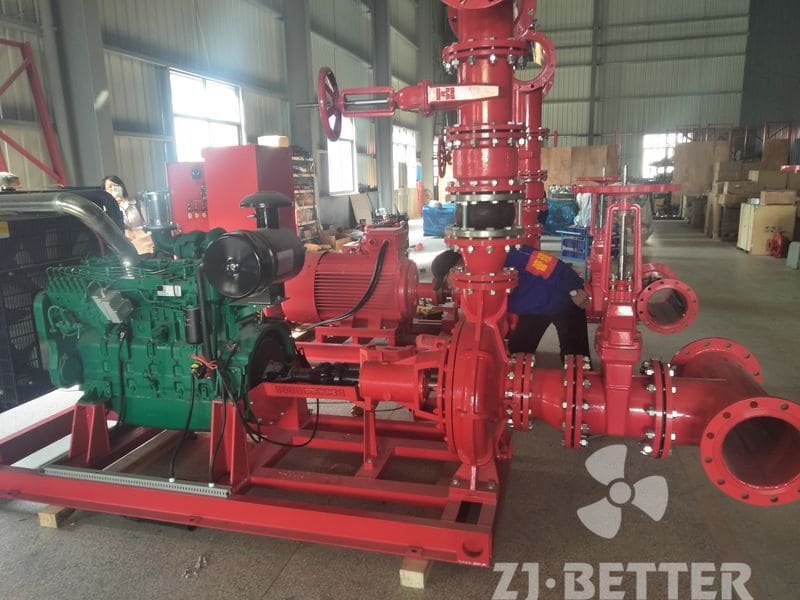
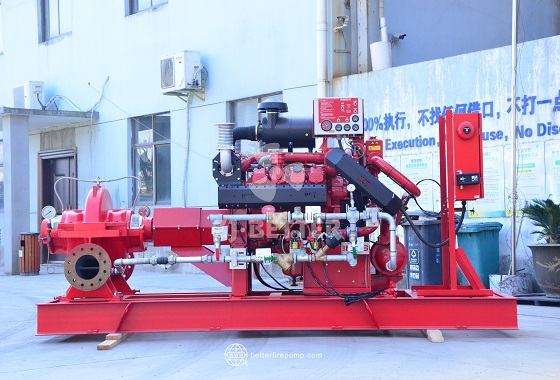
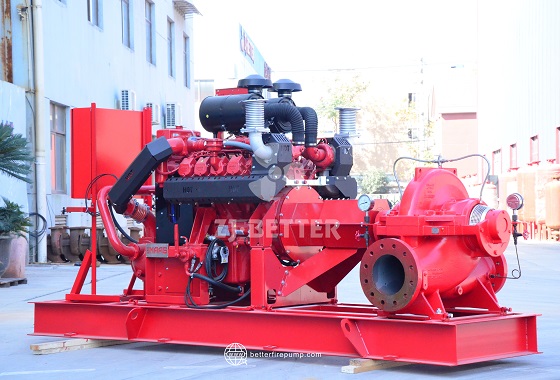
The emergency backup diesel fire pump system uses a diesel engine to drive a horizontal centrifugal fire pump. It has advantages such as automatic start, independent power, large flow rate, high head, continuous water supply, intelligent control, multiple safety protections and stable operation. It is widely used in petrochemical, power, port, airport, high-rise building, warehousing and logistics, municipal engineering and industrial fire protection systems, providing a highly reliable emergency fire water supply solution for fixed fire water supply projects.
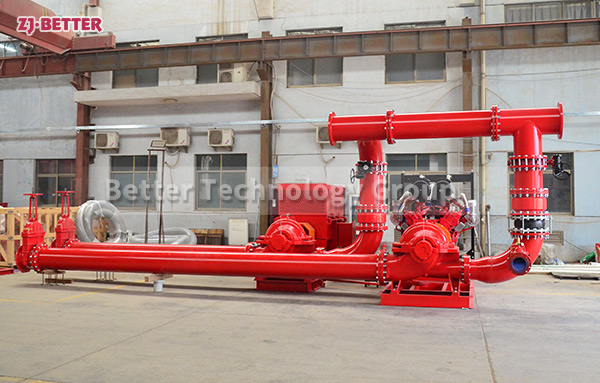
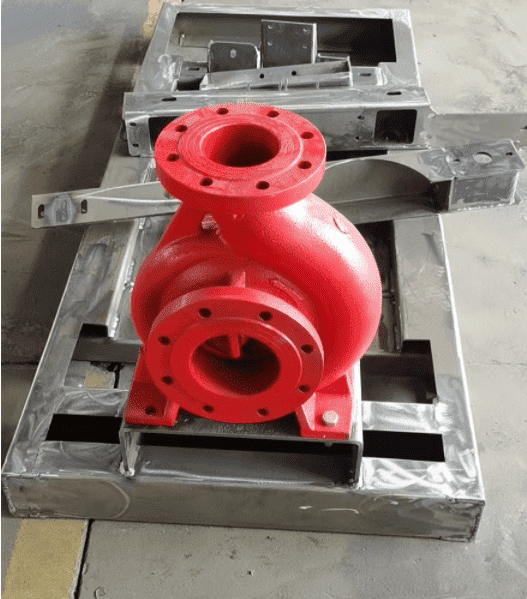
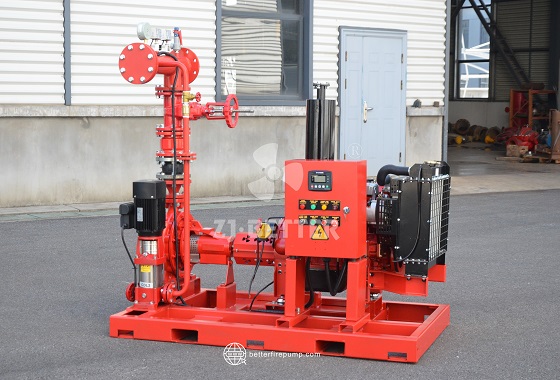
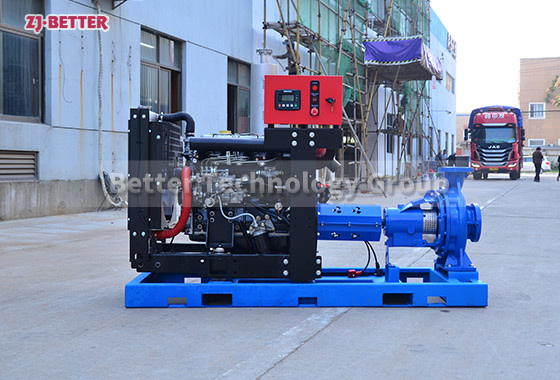
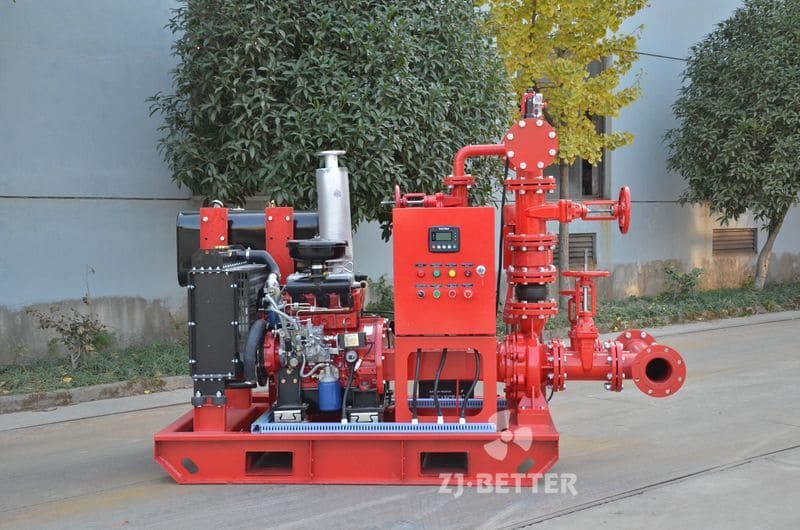
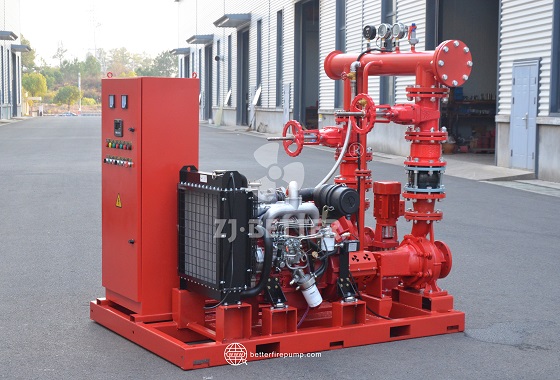
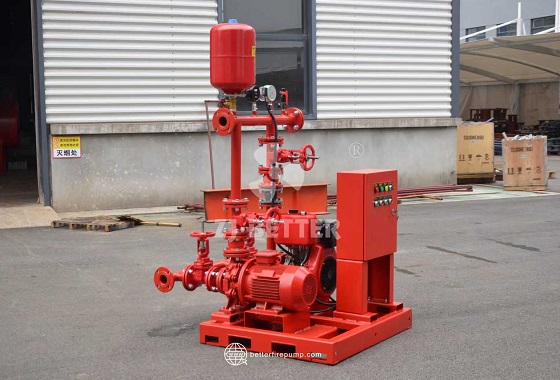
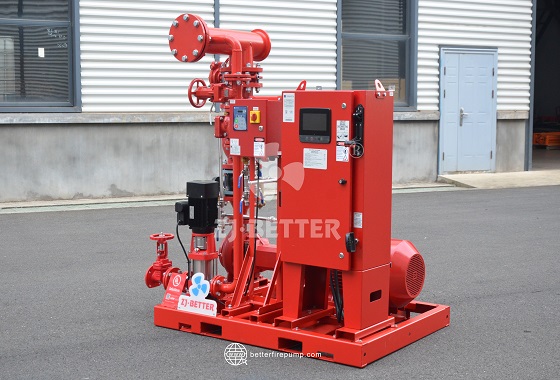
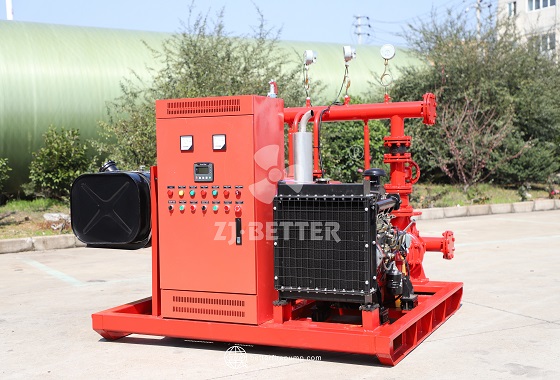
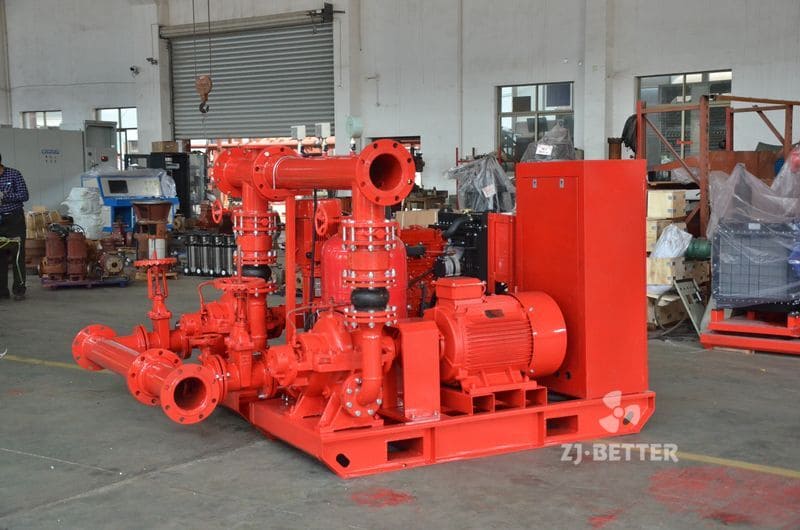
Emergency backup diesel fire pump systems are crucial core equipment in modern fixed fire water supply projects, ensuring fire safety. They are primarily used in emergencies where mains power is interrupted or the main fire pump cannot operate normally, providing a continuous, stable, and reliable fire water supply to the entire fire protection system. The product uses a diesel engine as an independent power source, integrated with a high-efficiency horizontal centrifugal fire pump, intelligent fire control system, fuel system, cooling system, lubrication system, and automatic monitoring device. Even in the event of a fire causing power system failure or abnormal power supply, it can still quickly start and continue operating, providing sufficient pressure and flow support for automatic sprinkler systems, indoor and outdoor fire hydrant systems, water mist fire extinguishing systems, foam fire extinguishing systems, and fire monitor systems. The entire system is designed for continuous operation, and all components have undergone rigorous matching and performance testing. It features rapid start-up, ample power, stable operation, convenient maintenance, strong environmental adaptability, and long service life. It is widely used in petrochemical, power energy, airports, ports, large manufacturing enterprises, data centers, commercial complexes, high-rise buildings, warehousing and logistics centers, municipal engineering projects, and other key fire protection locations. The diesel engine features a high-torque output design, delivering stable power even at low speeds. This allows for rapid drive of the fire pump to its rated operating condition, ensuring the fire system establishes water pressure immediately and saving valuable time for firefighting and rescue operations. The engine boasts a mature fuel injection system and high-efficiency combustion technology, ensuring stable power output and high fuel utilization. It maintains reliable performance during long-term continuous operation, meeting the continuous water supply requirements of large-scale fire protection projects. The fire pump employs an advanced hydraulic model design, with an impeller optimized for fluid flow and dynamically balanced. It features high flow rate, high head, high efficiency, and low cavitation performance, adapting to long-distance water delivery, high-rise building water supply, and complex fire protection pipe networks. This ensures a stable and sufficient supply of firefighting water to all fire terminals after a fire breaks out. The pump body is constructed from high-strength materials with smooth internal flow channels, reducing hydraulic losses, improving delivery efficiency, and enhancing wear and corrosion resistance. It is suitable for long-term fixed installation and high-frequency standby operation. The product adopts an integrated common base design, with the engine, fire pump, control cabinet, fuel system, and pipelines all mounted on the same base. This design ensures high overall rigidity, convenient transportation, and quick on-site installation, effectively shortening the project construction cycle. The coupling utilizes high-precision coaxial connection technology, effectively reducing equipment vibration and noise, improving power transmission efficiency, reducing mechanical wear, and extending the service life of bearings and transmission components. To ensure stable operation in various complex environments, the system is equipped with a high-efficiency radiator and circulating cooling device, which quickly removes heat generated by the engine, preventing overheating during prolonged high-load operation and ensuring continuous and stable power output. The lubrication system employs forced circulation lubrication, continuously lubricating all moving parts of the engine, reducing friction and wear, and improving overall reliability and durability. The fuel system features a reasonably sized fuel tank and a high-efficiency fuel filter, ensuring a stable diesel supply, reducing impurities entering the engine, improving combustion efficiency and operational reliability, and meeting the requirements for continuous water supply over extended periods. The intelligent control cabinet employs advanced control programs to monitor engine speed, water temperature, oil pressure, battery voltage, running time, fire hydrant network pressure, and equipment operating status in real time. When the fire hydrant network pressure drops or a fire linkage activation signal is received, the control system can automatically complete the entire process of starting, accelerating, running, and stopping without manual intervention, achieving true automation. The control system also features manual control, automatic control, remote monitoring, fault alarms, historical record queries, and parameter settings. It can be linked with the building’s fire control center for management, further enhancing the intelligence level of the fire protection system. To ensure long-term safe operation, the product is equipped with multiple protection functions, including low oil pressure protection, high coolant temperature protection, overspeed protection, start-up failure alarm, battery fault alarm, charging abnormality alarm, low fuel alarm, and emergency shutdown protection. When equipment malfunctions, alarm information is promptly issued and protective measures are taken to effectively prevent equipment damage and improve the overall reliability of the fire protection system. The product fully considers the climatic characteristics of different regions and can be configured with special features suitable for high-altitude, cold, hot, and coastal high-salt-fog environments, ensuring excellent operating performance under various complex natural conditions. The machine features a compact structure, a reasonable footprint, and ample maintenance space. Its scientifically laid-out main components facilitate routine maintenance, filter replacement, lubrication system inspection, and fire pump overhaul, significantly reducing maintenance costs and improving equipment efficiency. Supporting multiple communication protocols, the product can be connected to a fire monitoring platform for remote operational status monitoring, fault diagnosis, maintenance reminders, and data analysis, providing reliable data support for smart fire protection construction. The equipment allows for flexible selection of flow rate, head, power, and control methods to meet diverse project needs. It can be integrated with electric fire pumps, pressure-stabilizing pumps, fire water tanks, fire control cabinets, and fire alarm systems to form a complete fire water supply system, enabling automatic switching and coordinated operation of the main and standby pumps, thus improving the overall reliability of the fire protection system’s water supply. With its advantages such as independent diesel power, high-efficiency fire pumps, intelligent automatic control, continuous and stable water supply, rapid emergency response, convenient installation and maintenance, safe and reliable operation, and strong environmental adaptability, the emergency backup diesel fire pump system has become an indispensable and important piece of equipment in modern fire protection engineering. It can not only ensure the continuous and stable water supply of fire protection facilities in various emergency situations, but also effectively reduce the risk of system failure, improve the fire safety level of key buildings and industrial facilities, and provide a solid and reliable fire water supply guarantee for the safety of life and property. It plays an irreplaceable and important role in the construction of modern smart fire protection and large-scale fixed fire protection systems.