Smarter and Easier Control: Automatic Operation Advantages of Vertical Fire Pump Sets Explained
The intelligent control system for vertical fire pump sets enables automatic start-stop, multi-pump coordination, fault protection, and remote monitoring, ensuring continuous water supply, efficient fire extinguishing, and low maintenance costs. It is widely applicable to fire protection systems in high-rise buildings, industrial parks, and public facilities.
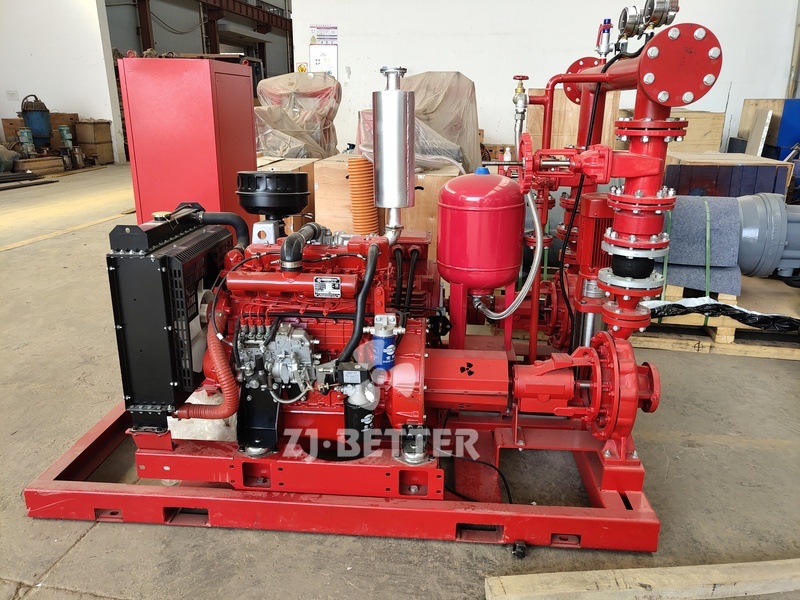
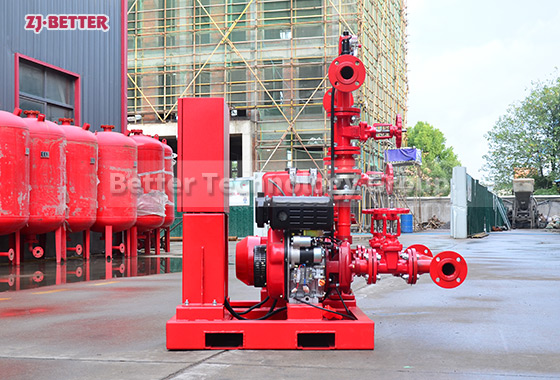
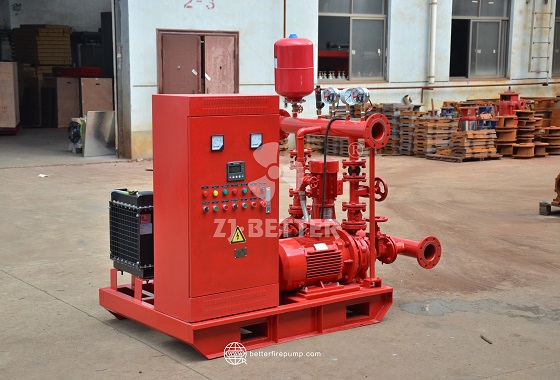
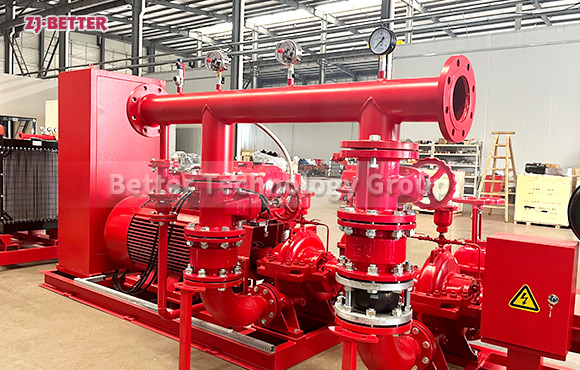
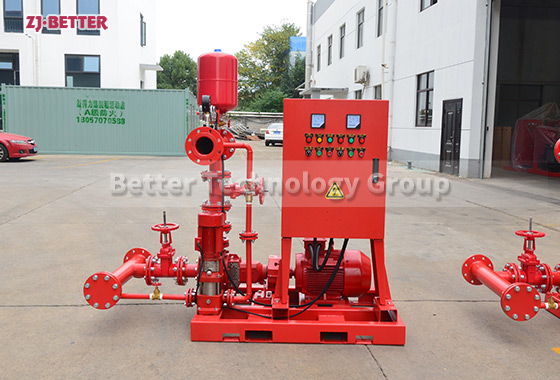
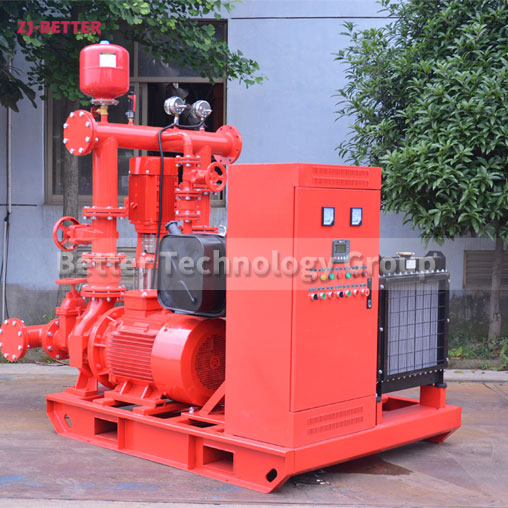
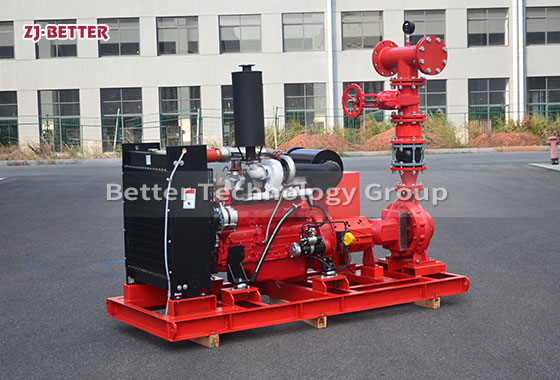
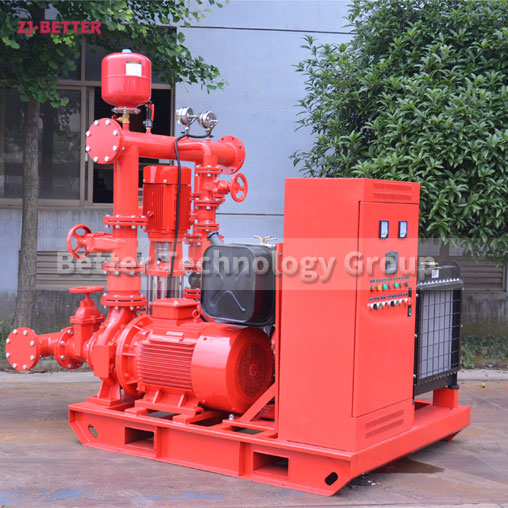
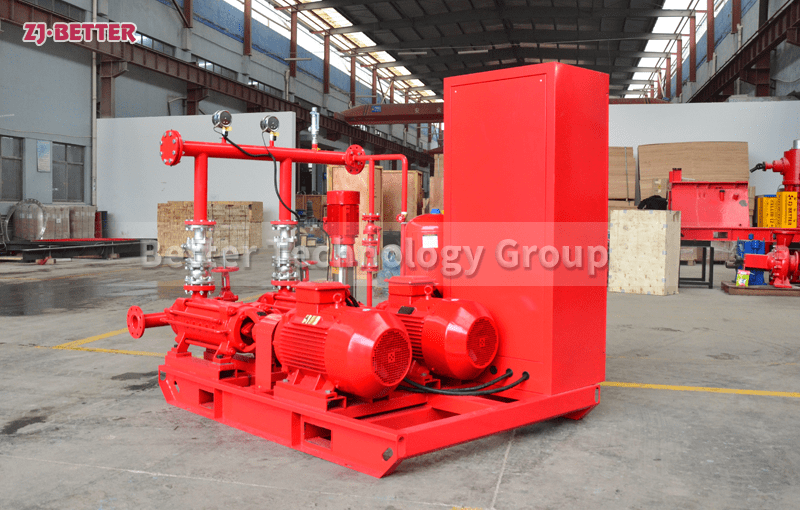
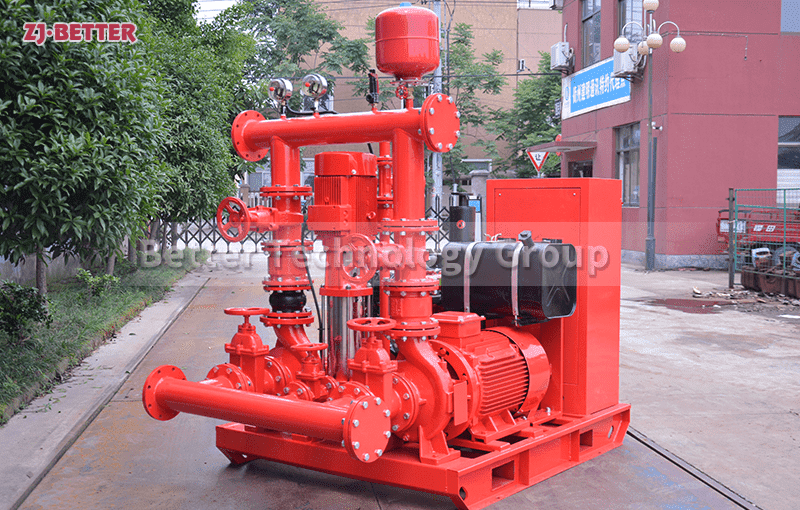
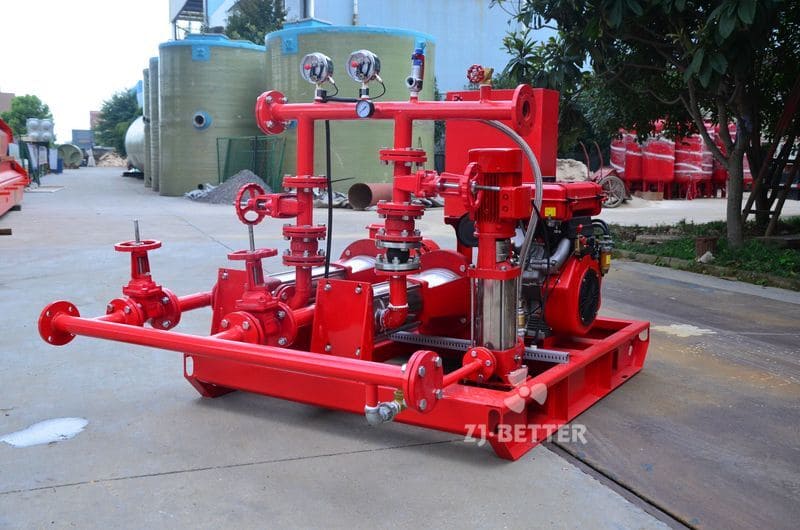
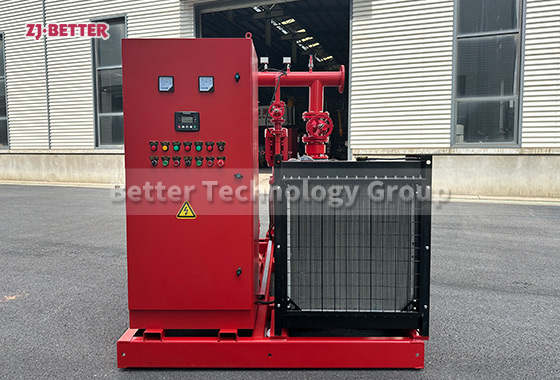
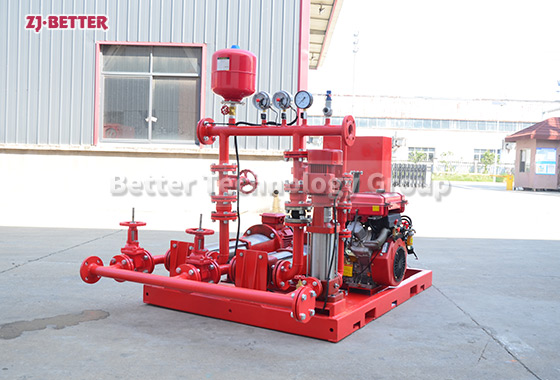
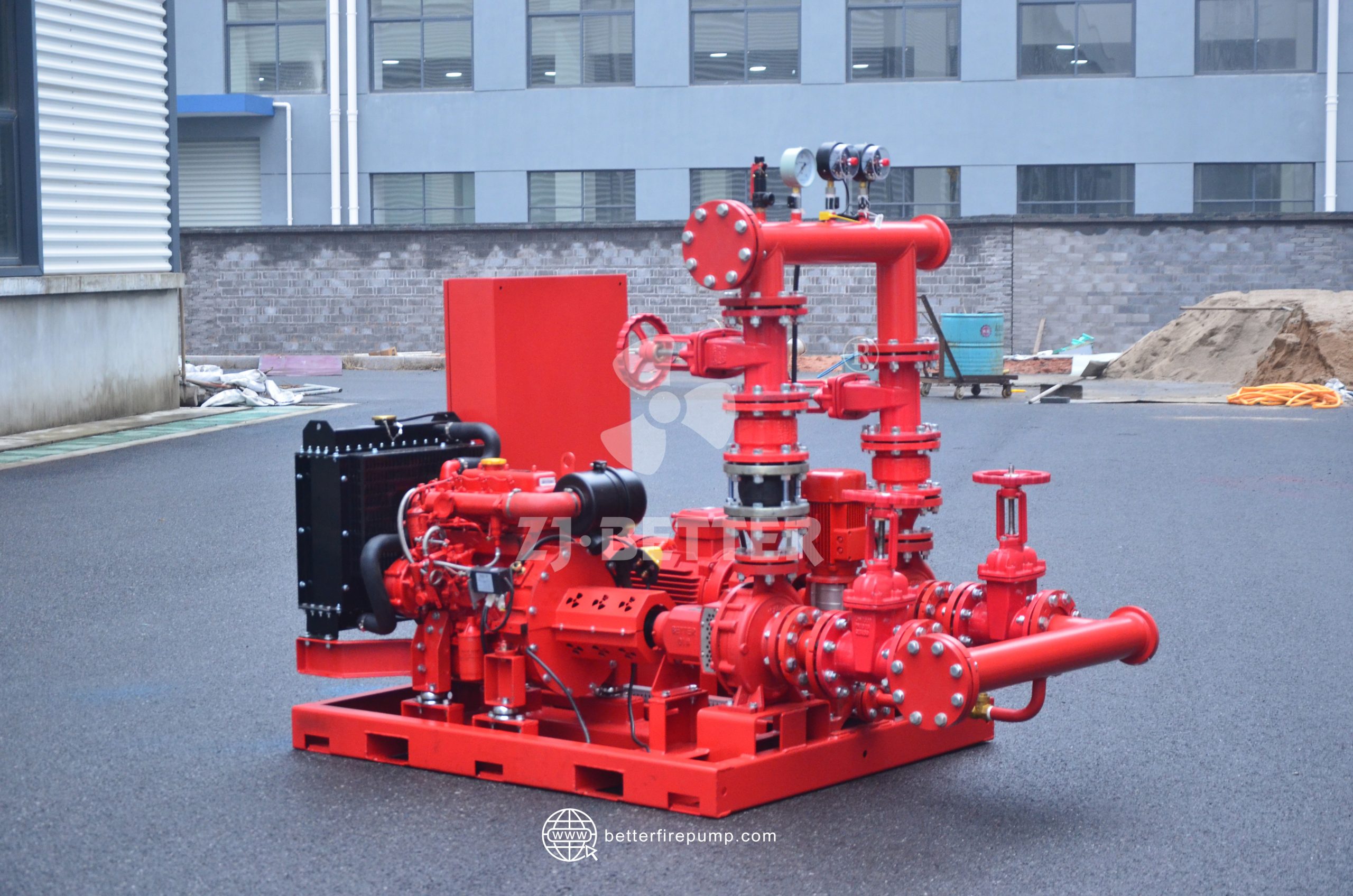
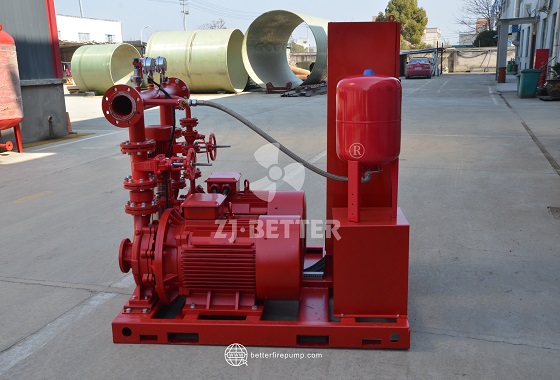
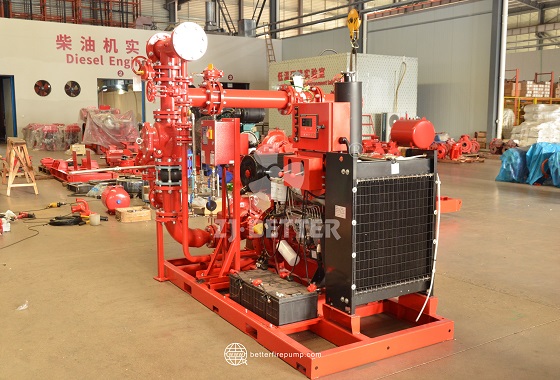
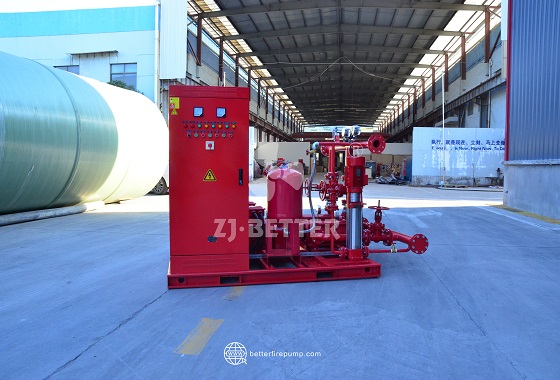
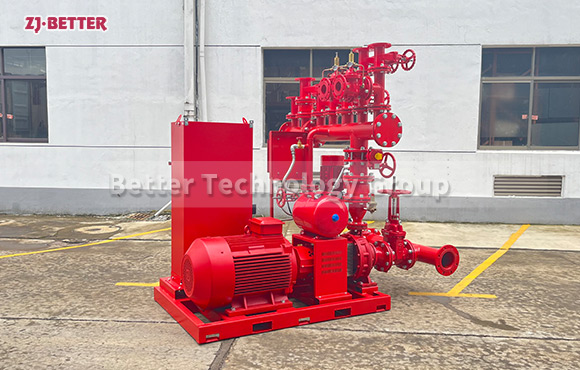
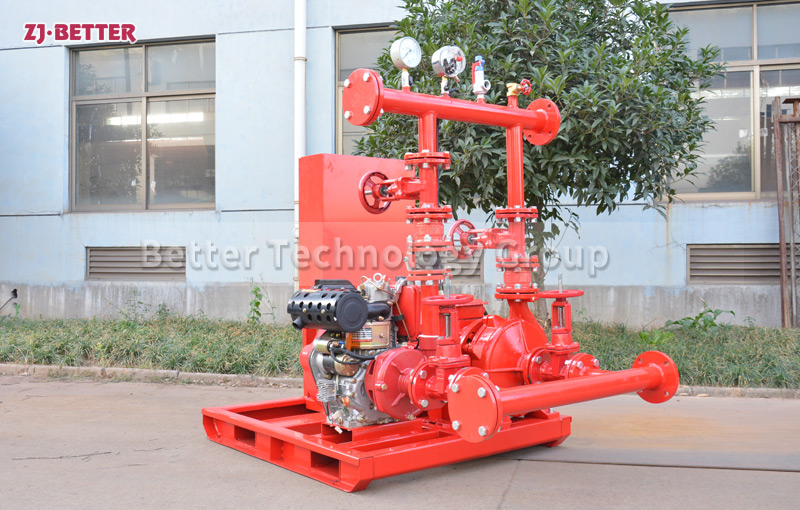
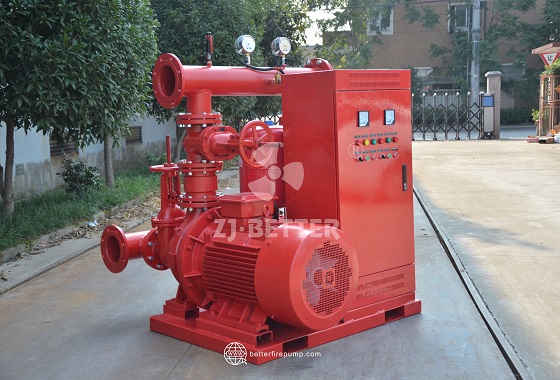
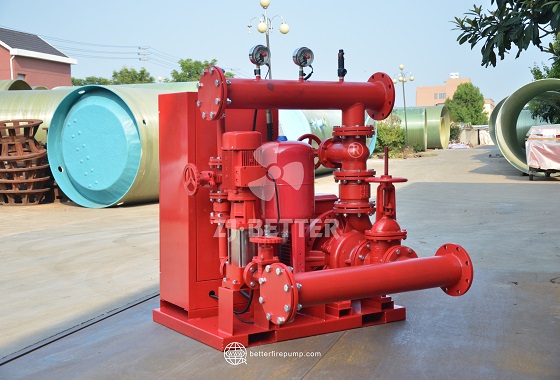
As the core water supply equipment in modern building and industrial fire protection systems, the reliability, flexibility, and automation level of vertical fire pump sets directly determine the response speed and fire extinguishing efficiency of the fire protection system in the event of a sudden fire. With the continuous improvement of building height, industrial facility scale, and fire safety standards, traditional manually operated or single-mechanical-controlled fire pump sets can no longer meet the demands of modern projects for efficient, intelligent, and sustainable operation. Vertical fire pump sets, through the integration of advanced electric motor drive technology, efficient hydraulic design, and intelligent control systems, achieve fully automated operation, greatly improving the availability and management convenience of the equipment in critical moments. Firstly, the intelligent control system enables the vertical fire pump set to have automatic start-stop functionality. The system can automatically determine the start-stop status of the pump set based on pipeline pressure, water tank level, fire alarm signals, and flow demand. During normal standby, the pump set remains stationary to save energy. However, when the pressure drops or a fire alarm signal is triggered, the pump set can automatically start within seconds, quickly establishing a stable water supply pressure to ensure that terminal equipment such as sprinkler systems, fire hydrants, and fire monitors immediately receive an effective water source. This automatic response capability not only shortens fire-fighting preparation time but also significantly reduces the risk of manual intervention, enabling buildings or industrial parks to maintain efficient fire-fighting water supply even in unattended or nighttime fire situations. Secondly, the vertical fire pump set has a compact and rational structural design, facilitating deep integration with intelligent control systems. The vertically arranged pump body occupies a small area, and the pump shaft is directly coupled to the motor, reducing power loss and mechanical wear, while also facilitating installation and maintenance in limited machine room space. The intelligent control cabinet is typically installed directly on the side of the pump set or on a prefabricated base, integrating the operating interface, alarm display, operation monitoring, and control logic. Through PLC or microprocessor control, the pump set can collect key operating parameters such as pressure, flow rate, current, speed, and temperature in real time, and adjust the pump’s output state according to preset logic to achieve load optimization and efficient operation. This integrated design reduces equipment wiring complexity, improves installation efficiency, and facilitates later maintenance and system upgrades. Thirdly, the intelligent control system has fault diagnosis and alarm functions, and can monitor the operating status of the pump set and pipeline network in real time. When the pump experiences abnormal vibration, overload, excessive temperature, or abnormal current, the control system can immediately issue an alarm signal and simultaneously take protective measures to automatically stop the pump or switch to standby pump operation, preventing equipment damage or water supply interruption. This self-protection and fault warning capability not only extends the service life of the equipment but also improves the overall reliability of the fire protection system, providing owners and managers with a more worry-free maintenance experience. The intelligent control of the vertical fire pump set also supports multi-pump collaboration and redundant configuration. For large buildings or industrial parks, a main pump + standby pump combination is typically used. The intelligent control system can select single pump operation or dual pump parallel operation based on real-time pipeline pressure and flow demand to meet peak water demand or emergency fire suppression needs. When the main pump fails, the standby pump can automatically take over operation within milliseconds, ensuring uninterrupted water supply. This automatic switching function significantly reduces the risk in fire emergency response and improves the overall safety level of the fire protection system. In addition, the intelligent control system can also realize remote monitoring and management. Through network interfaces or IoT protocols, the pump set operating status, fault information, maintenance reminders, and historical operating data can be transmitted to the building management system or remote monitoring platform in real time, allowing managers to monitor equipment dynamics without on-site supervision. This remote management capability is particularly important in large industrial parks, hospitals, data centers, and widely distributed public facilities, improving management efficiency, reducing operating costs, and enabling rapid dispatch decisions in emergencies. In terms of performance, the vertical fire pump set combines a high-efficiency centrifugal pump or single-stage/multi-stage pump design to achieve high flow rate, high head, stable pressure output, and low noise operation. The pump body’s hydraulic design optimizes the impeller and casing matching, ensuring high efficiency under various operating conditions while reducing cavitation risks and guaranteeing reliable long-term continuous operation. The motor uses a high-performance protection-grade motor, adaptable to high-temperature, humid, and industrial environments, and exhibits good adaptability to voltage fluctuations and frequent start-stop cycles. This highly reliable power system, deeply integrated with the intelligent control system, enables the pump set to demonstrate stable and efficient performance in continuous firefighting, emergency pressurization, and routine inspections. Regarding maintenance management, the vertical fire pump set’s intelligent control system can predict maintenance cycles and potential failure points in advance through operational data analysis, providing proactive maintenance suggestions. For example, by monitoring pump current, motor temperature rise, vibration frequency, and pressure fluctuations, the system can indicate when bearings, lubricants, or pump body seals need to be replaced, thus enabling planned maintenance and preventing downtime due to sudden failures. This intelligent maintenance strategy not only reduces the burden of manual inspections but also lowers maintenance costs and improves the long-term availability and system stability of the pump set. In terms of safety and energy efficiency, the intelligent control system optimizes start-stop logic, automatically adjusts the number of operating pumps, and intelligently rotates pump sets to achieve energy-efficient operation under low load conditions and stable water supply under high load conditions. Compared to traditional manual or mechanical control methods, intelligent vertical fire pump sets can significantly reduce energy consumption and mechanical wear, improve overall economy, and ensure that fire safety standards are not compromised. Furthermore, intelligent control systems typically have data recording and historical data backup functions, recording the number of pump start-stops, operating time, fault events, and changes in pipeline pressure, providing reliable data support for fire safety management, risk assessment, and project acceptance. Overall, vertical fire pump sets, through intelligent control systems, achieve efficient, reliable, and automated fire water supply solutions. Its automatic start/stop, fault protection, multi-pump coordination, remote monitoring, and high-efficiency hydraulic performance not only significantly improve the response speed and safety assurance capabilities of fire protection systems but also reduce daily management difficulty and operating costs. For modern high-rise buildings, industrial parks, public facilities, and various high-risk projects, the adoption of intelligent control vertical fire pump sets means that projects have a higher level of fire protection reliability, a more worry-free maintenance and management experience, and better economic benefits. In the future, with the continuous development of intelligent control technology, IoT integration, and energy optimization strategies, vertical fire pump sets will continue to play a key role in building fire protection, industrial water supply, and emergency water supply, becoming an indispensable core equipment in modern fire protection engineering.