Home » Fire Pump Set » What are the key factors in designing fire pump systems for oil and gas facilities?

What are the key factors in designing fire pump systems for oil and gas facilities?

– Handling of Flammable Materials: Ensuring systems are designed to handle and suppress fires involving highly flammable substances.
– Explosion-Proof Components: Using explosion-proof components to prevent ignition in volatile environments.
– High Capacity and Redundancy: Implementing high-capacity and redundant systems to ensure continuous operation.
– Compliance with Oil and Gas Safety Regulations: Adhering to stringent fire safety regulations specific to the oil and gas industry.
Rated 4.8/5 based on 288 customer reviews
Share:
Content

Handling of Flammable Materials: Ensuring systems are designed to handle and suppress fires involving highly flammable substances.

Explosion-Proof Components: Using explosion-proof components to prevent ignition in volatile environments.

High Capacity and Redundancy: Implementing high-capacity and redundant systems to ensure continuous operation.

Compliance with Oil and Gas Safety Regulations: Adhering to stringent fire safety regulations specific to the oil and gas industry.
Inquiry


    More Fire Pump Set

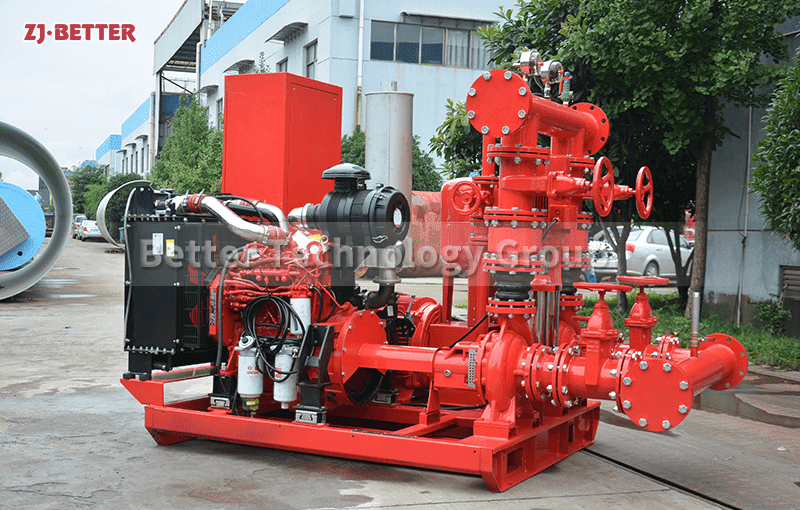
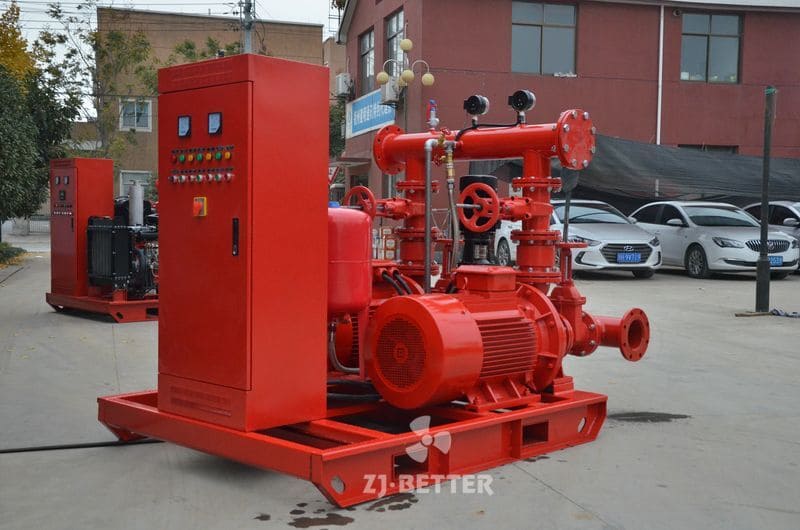
    When installing a fire pump, it is essential to adhere to specific requirements to ensure its proper functionality and compliance with safety standards. Here are some important installation requirements to consider:

    Codes and Standards: Familiarize yourself with local fire codes, regulations, and industry standards applicable to fire pump installations.

    Location and Accessibility: Choose an appropriate location for the fire pump that allows for easy access, maintenance, and serviceability.

    Foundation and Mounting: Ensure that the fire pump is installed on a stable and level foundation capable of supporting its weight and minimizing vibration.

    Electrical Connections: Electrical connections should be performed by licensed electricians following electrical codes and regulations.

    Water Supply: Ensure an adequate and reliable water supply for the fire pump.

    System Piping and Valves: The piping system should be installed following the pump manufacturer’s specifications and relevant standards.

    Controls and Monitoring: Install the pump’s control panel and associated instrumentation according to manufacturer guidelines.

    Testing and Commissioning: Thoroughly test and commission the fire pump system before placing it into service.

    Documentation and Training: Maintain comprehensive documentation of the installation, including drawings, equipment specifications, test reports, and maintenance records.

    It is crucial to consult with fire protection professionals, including fire engineers and pump manufacturers, to ensure compliance with all relevant requirements during the installation process. Proper installation is essential for the reliable operation of the fire pump and the safety of the facility and its occupants.