Home » Fire Pump Set » Optimize Fire Protection Systems with Vertical Multistage Fire Pumps

Optimize Fire Protection Systems with Vertical Multistage Fire Pumps

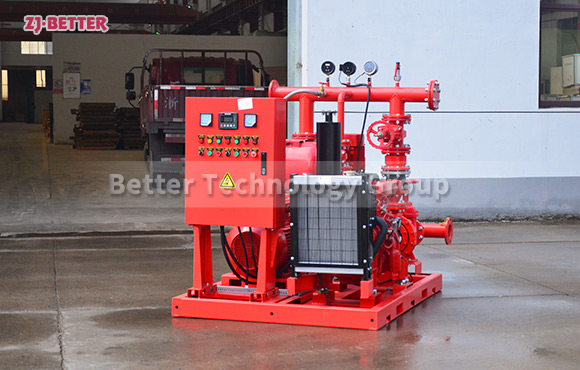
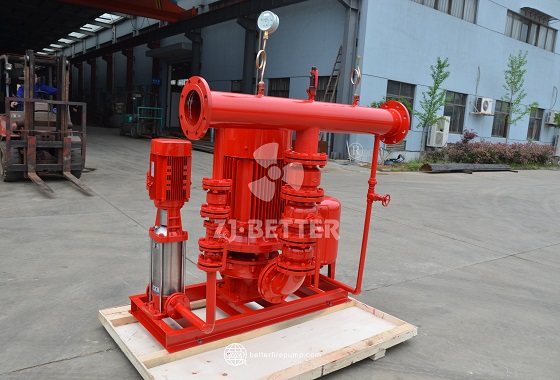
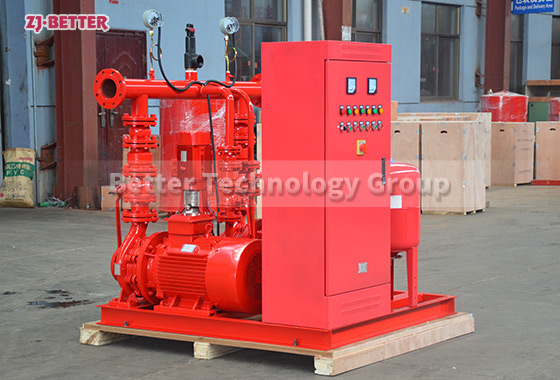
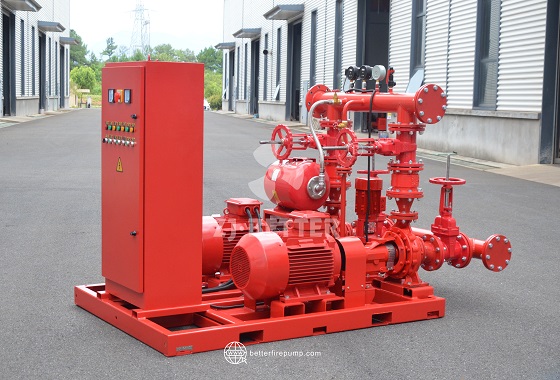
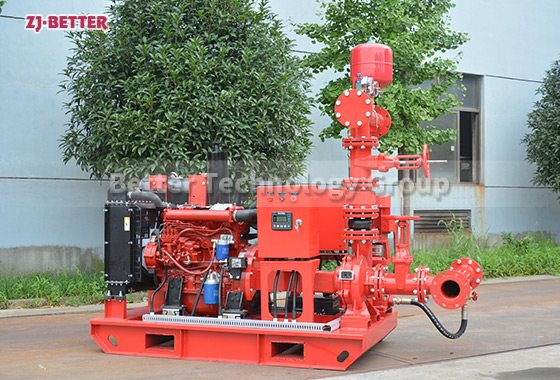
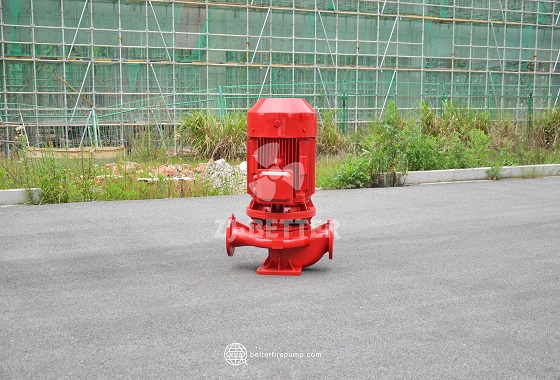
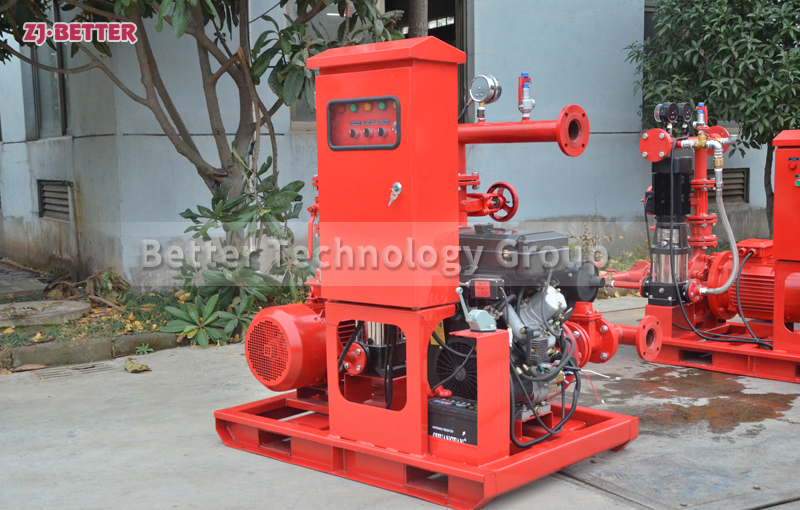
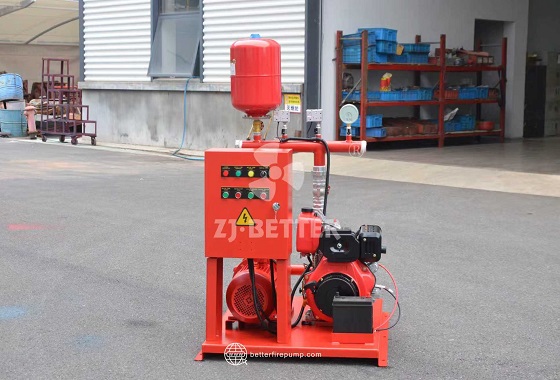
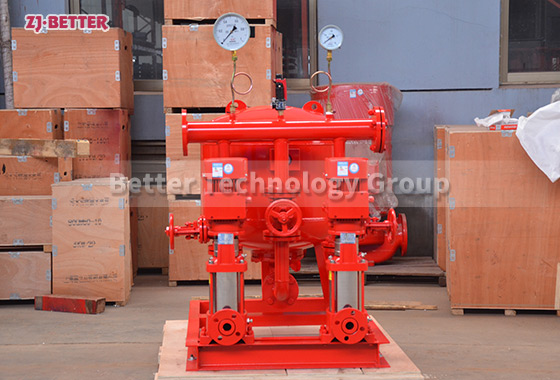
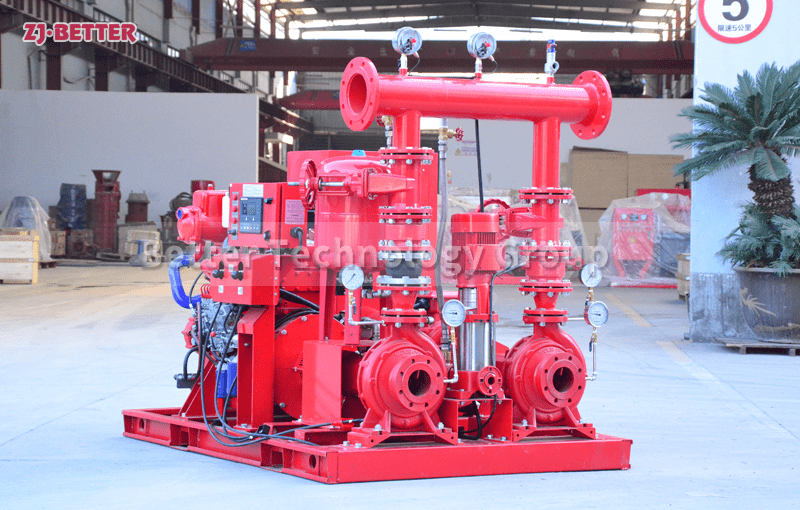
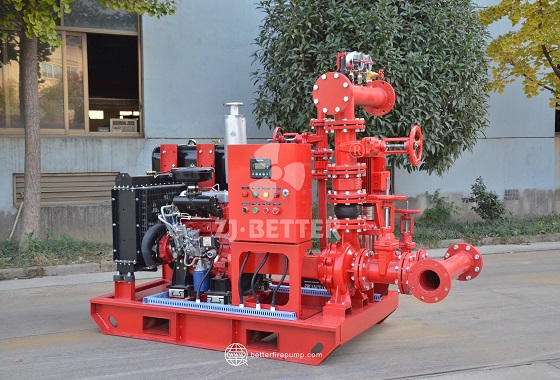
The Fire Pressure Stabilization Equipment, coupled with the CDL Vertical Multistage Fire Pump, offers a comprehensive solution to elevate fire safety measures. This powerful combination ensures a consistent water pressure for effective fire suppression. By incorporating pressure stabilization technology, this system guarantees an uninterrupted fire water supply, efficient water distribution, and reliable operation of fire hydrants and sprinkler systems. With advanced infrastructure and the ability to maximize firefighting capabilities, this configuration significantly enhances overall fire safety standards. Investing in fire pressure stabilization equipment is a proactive step towards ensuring superior fire protection and providing peace of mind in critical situations.

Rated 4.6/5 based on 478 customer reviews
Share:
Content

Let’s delve into the key features and benefits of this powerful fire pressure stabilization equipment.

1.Reliable Water Pressure:The Fire Pressure Stabilization Equipment guarantees a consistent water pressure for firefighting systems, eliminating the risk of pressure fluctuations during critical situations. With the Stabilization Tank efficiently regulating water pressure and the CDL Vertical Multistage Fire Pump maintaining the desired pressure level, you can rely on a stable water supply for immediate fire suppression.

2.Efficient Fire Suppression:The CDL Vertical Multistage Fire Pump, integrated into the fire pressure stabilization system, ensures high-performance water delivery. It offers multiple stages of impellers designed to handle increased pressure demands, resulting in efficient water flow and effective fire suppression. This combination optimizes firefighting efforts, minimizing response time and reducing the impact of fire incidents.

3.Flexible Application:The Fire Pressure Stabilization Equipment is versatile and can be tailored to various fire protection systems. Whether for commercial buildings, industrial facilities, or residential complexes, this equipment configuration adapts to diverse environments and specific water pressure requirements, ensuring comprehensive fire safety coverage.

4.Reliability and Durability:Built with robust materials and engineered with precision, both the Stabilization Tank and CDL Vertical Multistage Fire Pump demonstrate exceptional reliability and durability. These components are designed to withstand demanding firefighting conditions, ensuring long-lasting performance and minimal maintenance requirements.

5.Enhanced Fire Safety Infrastructure:By integrating the Fire Pressure Stabilization Equipment into your fire protection infrastructure, you elevate the overall fire safety standards of your premises. The reliable water pressure and efficient water delivery system enhance the effectiveness of fire sprinklers, hydrants, and other firefighting equipment, providing an added layer of protection against fire incidents.
Inquiry


    More Fire Pump Set

    1. Ability to provide a steady and reliable flow of water: Fire pumps are designed to provide a steady and reliable flow of water to the fire suppression system. This ensures that the fire is extinguished quickly and without any damage to the property.

    2. High-Pressure Output: Fire pumps can provide a high-pressure output to ensure that the water is able to reach further distances and at higher pressures than would be achievable by a standard water system. This is important in controlling and extinguishing fires, as it allows the water to reach all areas of the fire.

    3. Emergency Operation: Fire pumps are designed to be able to operate in the event of a power outage. This ensures that the fire suppression system can still be operational in the event of a power failure. This is especially important in commercial buildings and other areas where power outages can occur.

    4. Automatic Activation: Fire pumps are designed to automatically activate in the event of a fire. This ensures that the fire suppression system can be activated quickly and without any manual intervention. This is especially important in the event of a large fire, as it ensures that the system is already in operation before the fire department arrives.

    5. Low Maintenance: Fire pumps are designed to be low maintenance, requiring only regular inspections and maintenance to ensure that they are working correctly. This ensures that the fire suppression system is always ready for use and that it can be relied upon in the event of a fire.

    What kind of terrain to choose what kind of water pump

    This problem, in short, is the selection of water pumps. The following are the applicable way for you to choose water pumps from zjbetter. I hope they can help you choose water pumps and help you better. Choose the water pump that suits your design.
    1. Confirm the use terrain
    First understand the terrain in which the outfit is used, including temperature, moisture, air pressure, air cattiness, dustproof and leakproof conditions, and the position of dangerous areas.
    2. Confirm operating conditions
    Refers to the liquid face pressure( absolute) on the suction side of the liquid, the liquid face pressure on the discharge side, intermittent or nonstop work, fixed or mobile position, and the convenience of installation and conservation.
    3. Confirm the nature of the medium
    Medium temperature, viscosity, density, impregnated vapor pressure, solid flyspeck periphery and content, gas content, cattiness, volatility, trap, toxin.
    4. elect the material of the pump bathe corridor
    According to the physical and chemical parcels of the pumped medium above, the material of the inflow- passing corridor is determined.
    5. Determine performance parameters
    The performance parameters of the water pump can be determined by computation, analogy, test and other styles.
    6. Determine the installation type
    The installation of the channel is determined by the layout of the channel and the installation point, and there are direct connection, perpendicular and other types.
    8. Determine the number of pumps
    In general, spare pumps, especially fire pumps, are set up, and the number of pumps is named according to different situations.