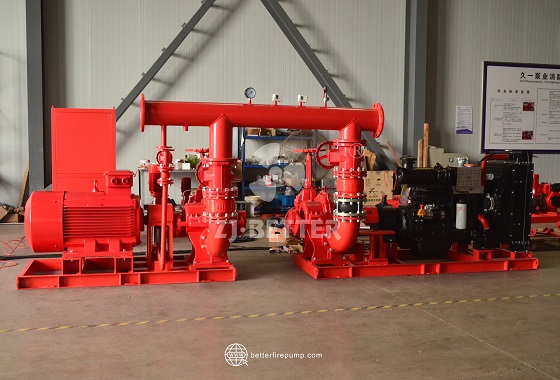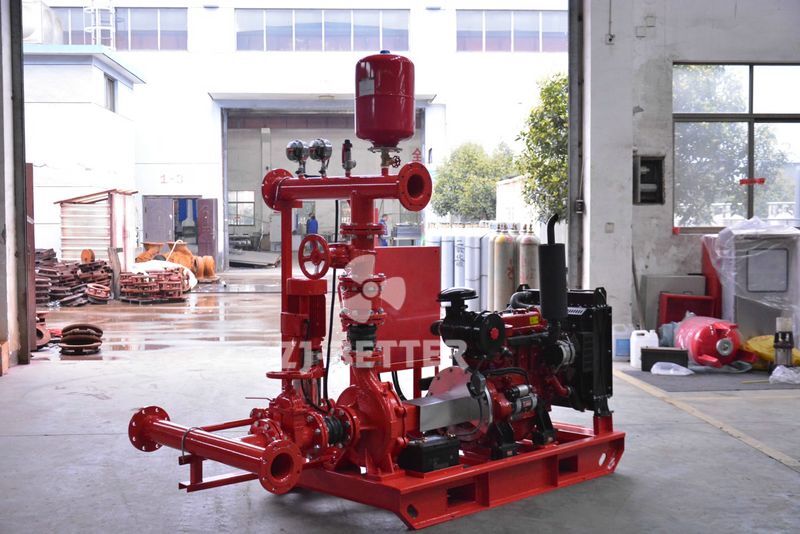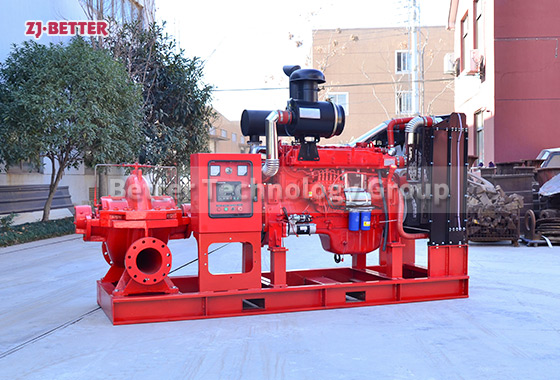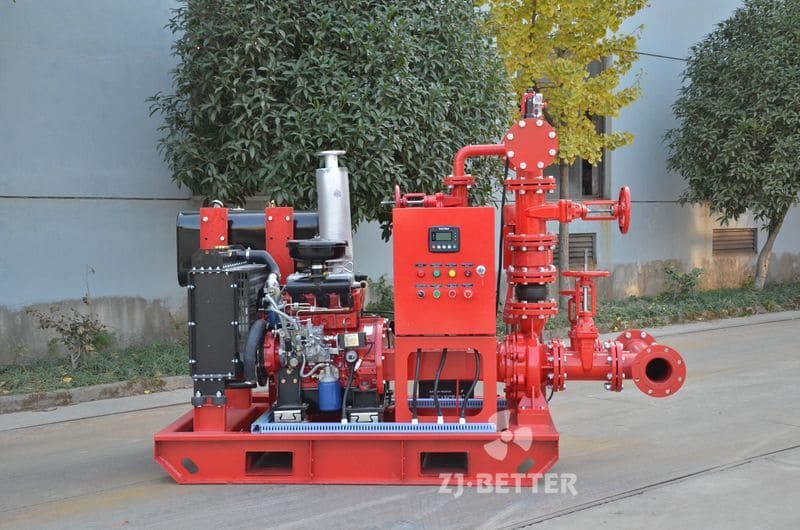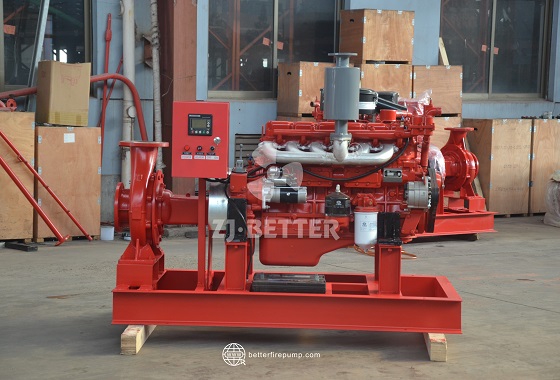
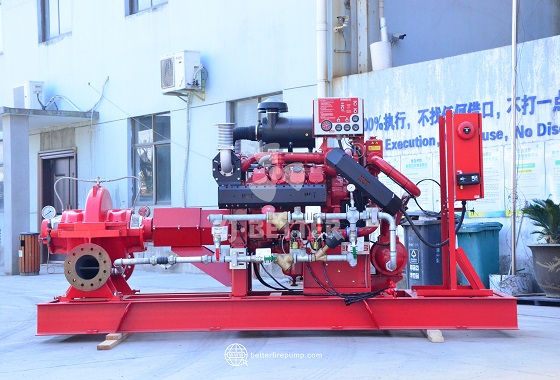
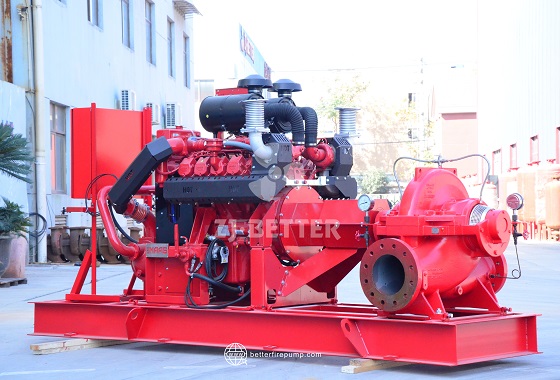
Large Building Fire Water Supply System for High Pressure Delivery
Large-scale building fire protection water supply systems have advantages such as high-pressure water delivery, intelligent control, stable water supply and remote monitoring, and are widely used in high-rise buildings, commercial complexes and industrial fire protection projects.
With the accelerating pace of modern urbanization, the number of high-rise buildings, super high-rise complexes, large industrial plants, warehousing and logistics parks, and underground commercial spaces is continuously increasing, placing higher demands on fire protection systems for water supply capacity and fire extinguishing efficiency. The complex internal structures, increasing building heights, and longer fire pipeline distances of large buildings make traditional fire water supply equipment prone to problems such as insufficient pressure, water flow attenuation, and reduced continuous water supply capacity during actual operation. In the event of a fire, a stable and reliable high-pressure fire extinguishing water supply system is crucial not only for the rapid activation of fire equipment but also for overall fire extinguishing efficiency and safe evacuation of personnel. Large-scale building fire water supply systems are essential fire protection equipment that is constantly being upgraded in response to this market demand. Through high-performance fire pumps, high-lift pressure supply technology, intelligent automatic control, and a stable water delivery structure design, this system provides modern large-scale buildings with continuous, efficient, and stable fire water supply, while further enhancing the overall safety level and intelligent management capabilities of modern fire protection engineering.
One of the biggest core advantages of large-scale building fire water supply systems lies in their powerful high-pressure water delivery capacity. Modern large-scale buildings, especially super high-rise buildings, have extremely high requirements for fire water supply pressure. Ordinary fire-fighting equipment is prone to pressure drop during long-distance water transport due to increased pipeline resistance, affecting the normal operation of high-rise sprinkler and fire hydrant systems. Large-scale building fire-fighting water supply systems, however, employ high-efficiency centrifugal pumps and optimized fluid transport structure design, maintaining a stable high-pressure output over long distances. The system can quickly establish pressure after a fire breaks out and continuously deliver a stable water flow to upper floors, ensuring sufficient water supply for sprinkler systems, fire monitors, and indoor fire hydrants, effectively improving fire-fighting efficiency.
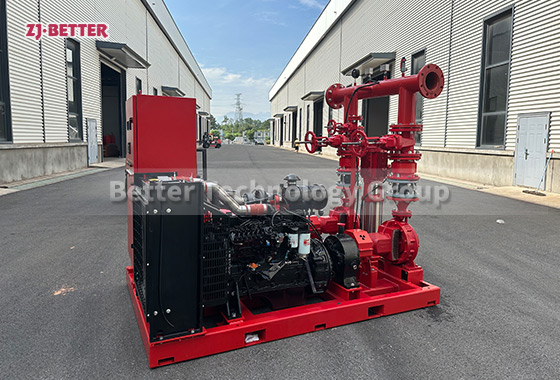
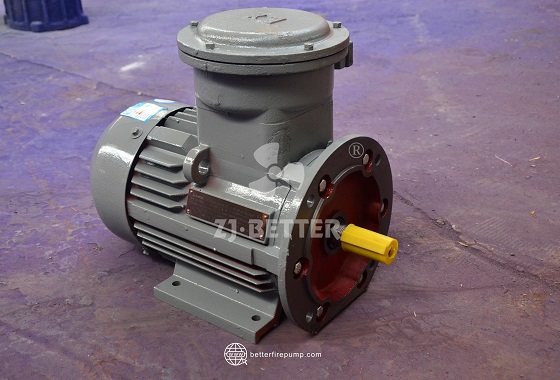
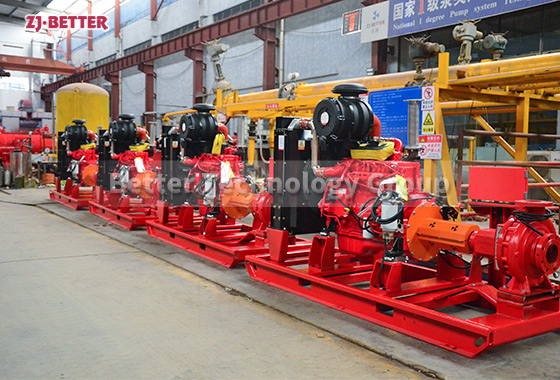
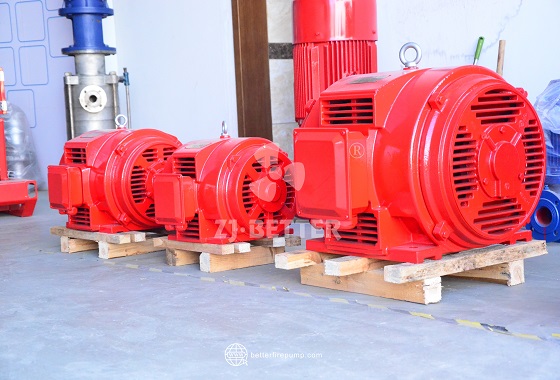
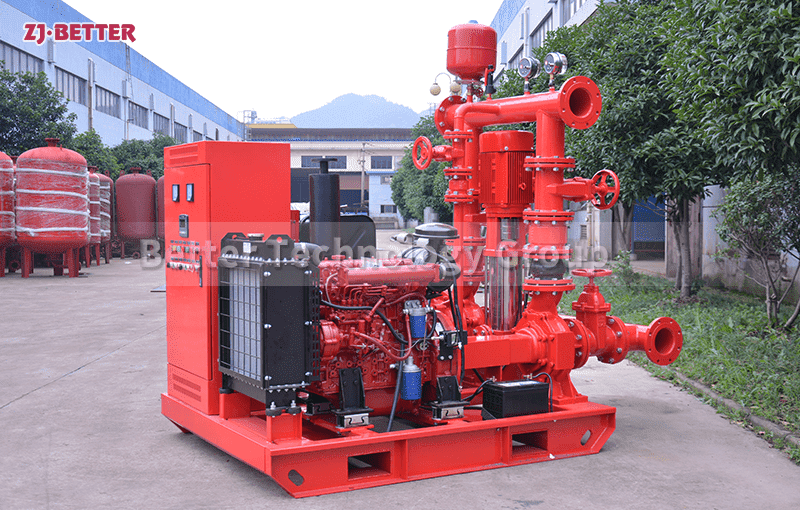
A stable and continuous water supply is one of the most important core performance characteristics of modern large-scale building fire-fighting systems. Firefighting in large buildings typically requires a continuous water supply for extended periods; therefore, fire-fighting equipment must possess high reliability. Large-scale building fire-fighting water supply systems utilize industrial-grade power equipment and high-strength pump structures, capable of withstanding long-term high-load operation. Key components undergo wear-resistant and corrosion-resistant treatment, maintaining stable performance even under high temperature, high humidity, and complex operating environments. Meanwhile, the system is also equipped with a large-capacity cooling structure and an intelligent heat dissipation system, which effectively reduces heat accumulation during long-term operation, thus ensuring that fire-fighting equipment maintains a stable water supply capacity even under continuous firefighting conditions.
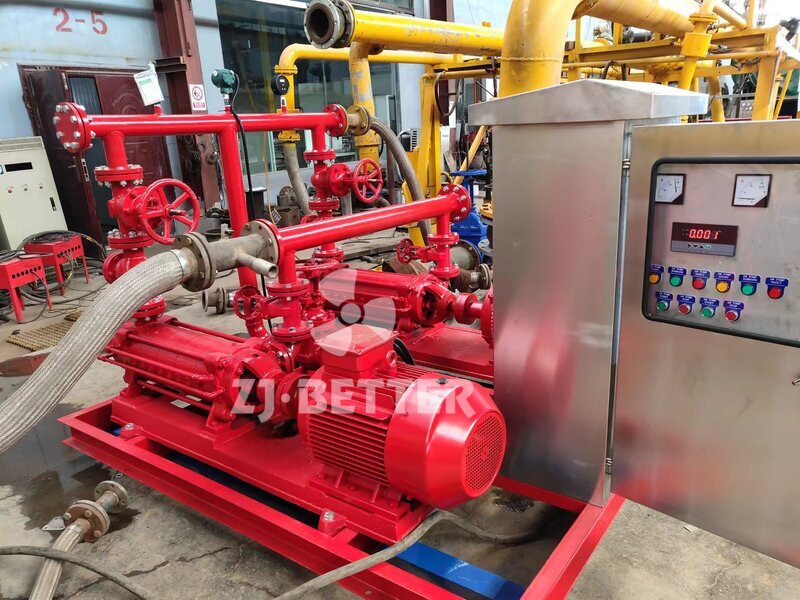
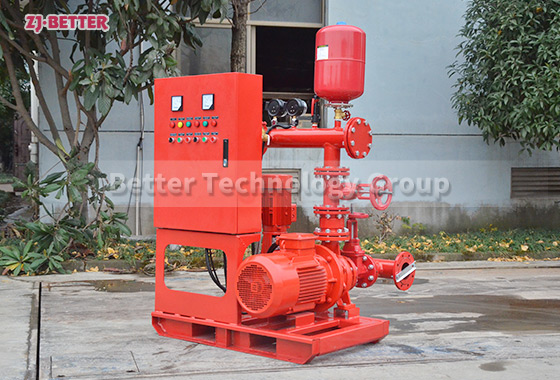
Modern large-scale building fire-fighting water supply systems are typically equipped with intelligent automatic control platforms, enabling fully automatic operation and dynamic pressure regulation. The system monitors the entire fire-fighting network’s operational status in real time through pressure sensors, flow monitoring devices, and PLC intelligent control programs. When the fire-fighting system is in standby mode, the equipment automatically maintains stable network pressure; when a fire occurs or pressure drops, the fire pumps automatically start and quickly enter a high-pressure water supply mode. When water demand changes, the system can also automatically adjust its operating frequency and output pressure, achieving more precise and efficient water supply control. This intelligent operation mode not only improves fire response speed but also reduces the risk of human intervention and operational errors.
High reliability is a key competitive advantage of large-scale building fire-fighting water supply systems. Fire-fighting equipment must be able to operate stably at critical moments; therefore, the system employs multiple safety protection designs, including overload protection, overheat protection, overpressure protection, phase loss protection, and automatic fault alarm functions. When the main equipment malfunctions, the backup equipment automatically switches operation, ensuring uninterrupted fire water supply. The system also features automatic inspection and self-check functions, periodically monitoring equipment operating status and generating operational reports to help managers identify potential problems and perform proactive maintenance. This high-reliability design effectively improves the safety level of the fire protection system, making it particularly suitable for key fire-fighting locations such as large commercial complexes, hospitals, airports, and data centers.
Large-scale building fire water supply systems also possess excellent energy-saving capabilities. Traditional fire water supply equipment typically consumes a lot of energy during long periods of standby and low-load operation. Modern fire water supply systems, through variable frequency control technology and intelligent energy-saving algorithms, can automatically adjust operating speed and output power according to actual water supply demand. Under low-demand conditions, the equipment automatically reduces operating frequency to reduce energy consumption; during a fire, the system can quickly increase output capacity to ensure stable pressure. This intelligent energy-saving mode not only reduces long-term operating costs but also reduces mechanical wear and heat accumulation, thereby extending equipment lifespan and aligning better with the development trends of modern green buildings and low-carbon fire protection engineering.
Remote monitoring and digital management have become important components of modern large-scale building fire water supply systems. The system supports IoT communication and access to smart fire protection platforms, enabling real-time uploading of equipment operation data and fire pipeline network status information. Managers can view fire pump operating status, pipeline pressure, flow data, and fault alarm information anytime via computer, mobile phone, or tablet. When system anomalies occur, the platform automatically sends alarm notifications and generates fault analysis records, thereby improving fire system management efficiency and maintenance response speed. This remote monitoring function is particularly suitable for large industrial parks, smart cities, and unmanned fire pump room construction projects.
In large buildings and complex industrial projects, fire water supply systems not only need high-pressure water delivery capacity but also must be able to adapt to complex environmental operating requirements. Large building fire water supply systems utilize corrosion-resistant materials and reinforced structural designs, allowing for long-term operation in high-temperature, high-humidity, high-dust, and complex industrial environments. The robust equipment foundation structure effectively reduces operating vibration and noise, while minimizing impact on building structures and fire pipeline networks. Low-vibration operation not only improves equipment stability but also enhances the working environment of fire pump rooms, making it particularly suitable for hospitals, schools, high-end commercial centers, and residential projects with high environmental requirements.
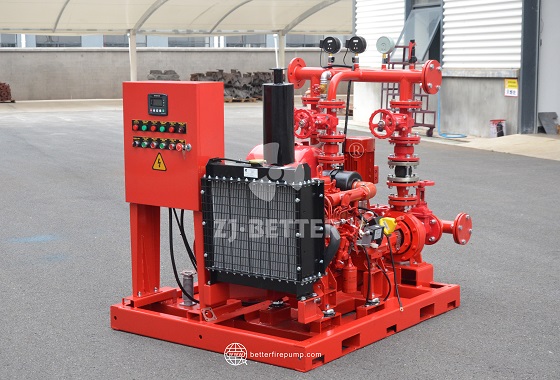
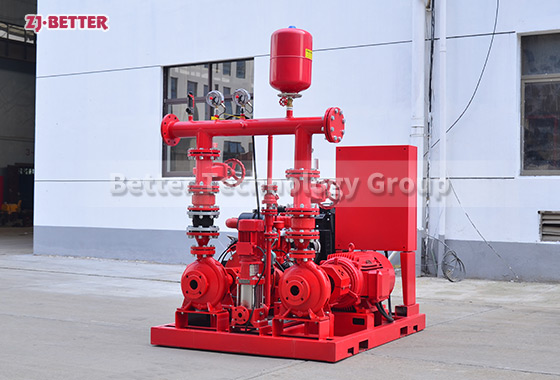
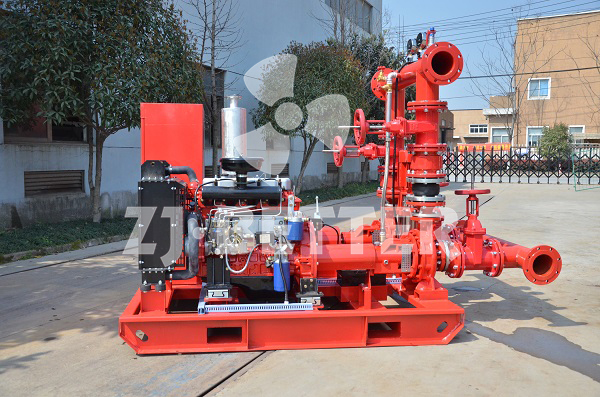
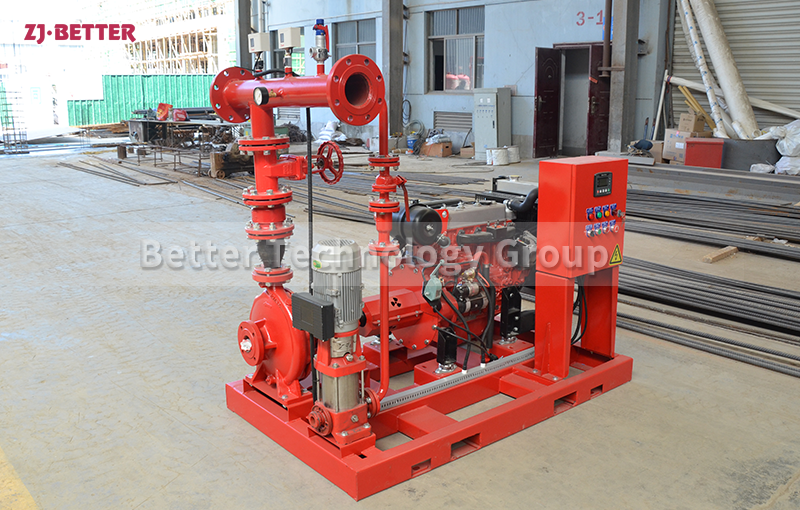
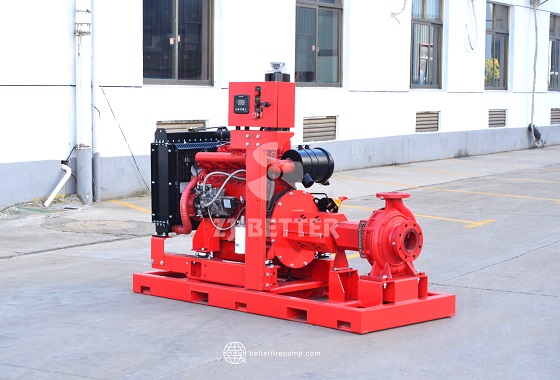
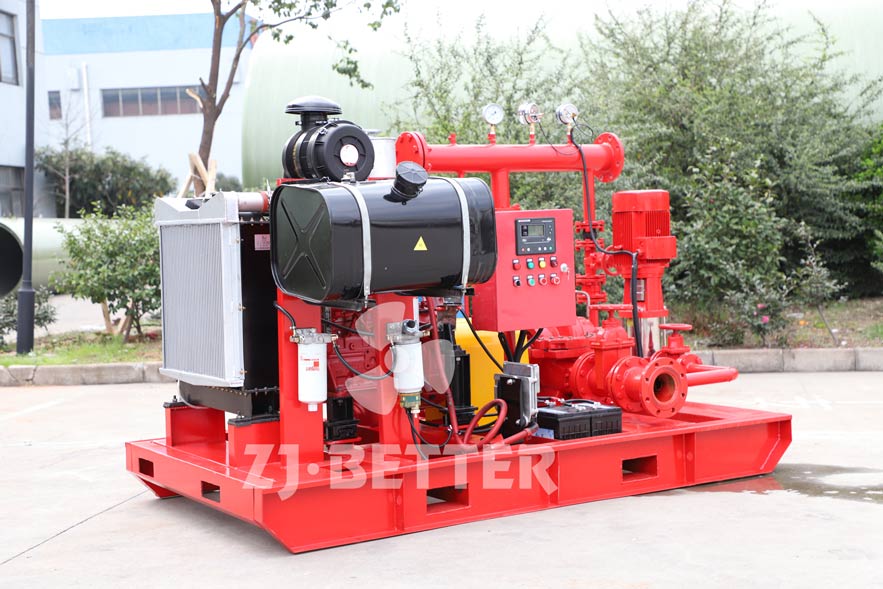
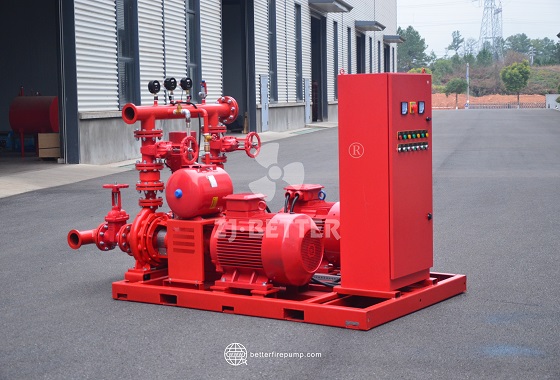
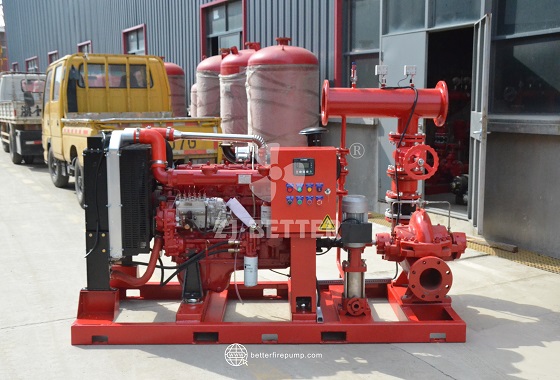
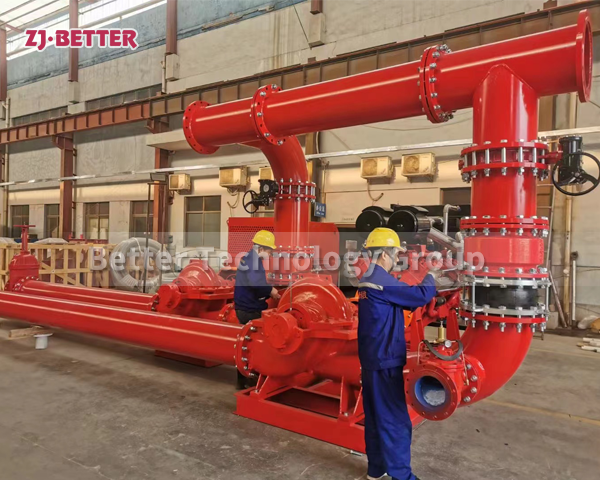
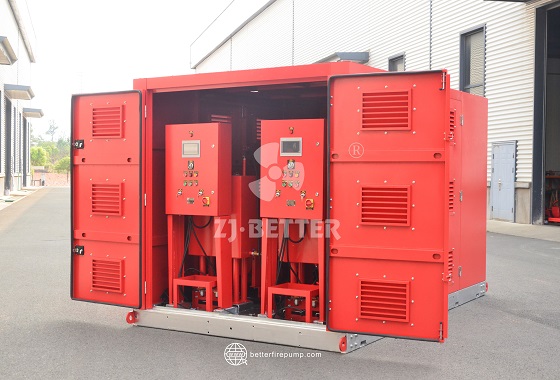
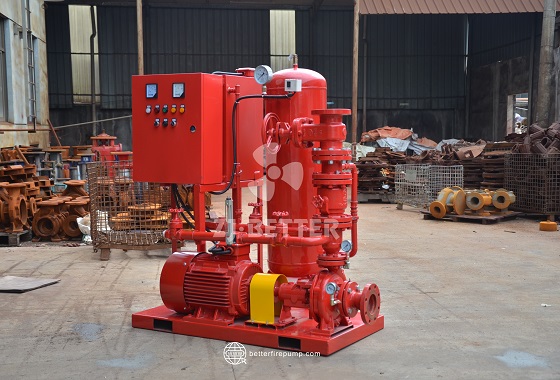
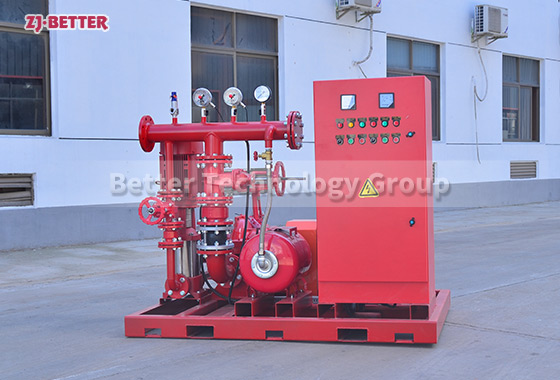
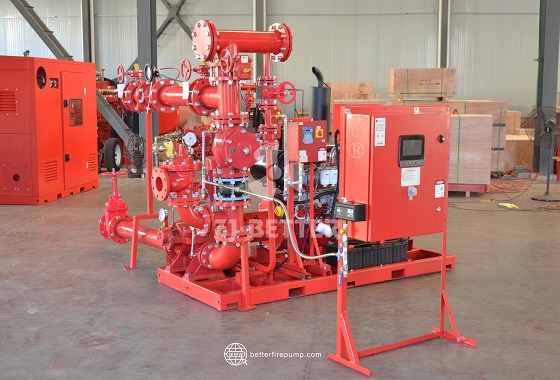
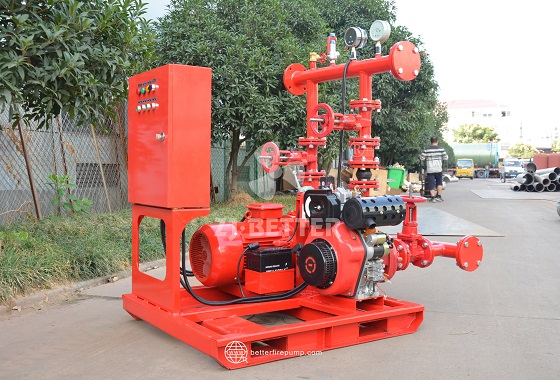
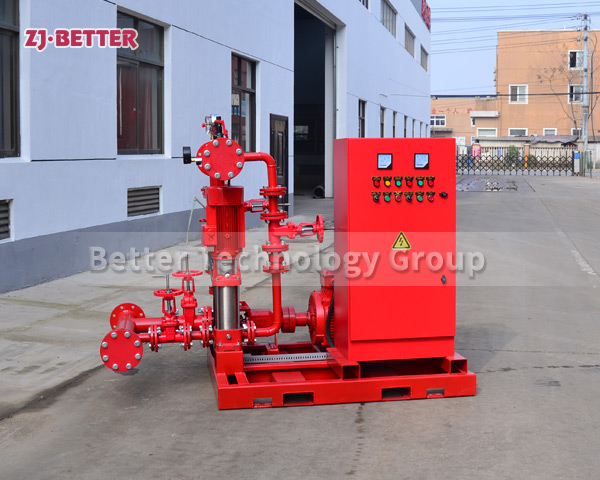
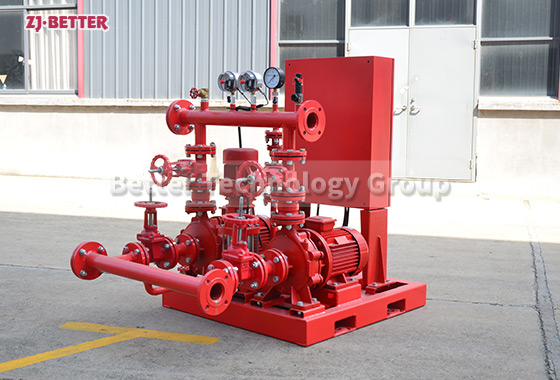
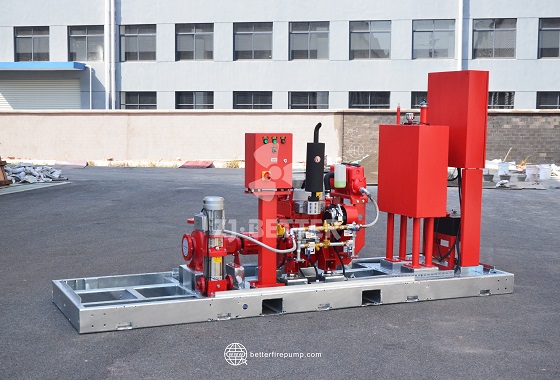
Modular structural design further enhances the installation efficiency and maintenance convenience of large-scale building fire water supply systems. The system adopts an integrated structural design, centrally installing fire pumps, control cabinets, power systems, and piping systems on a unified platform. The equipment can complete overall commissioning and performance testing before leaving the factory, requiring only simple on-site connections for rapid deployment, significantly shortening the construction cycle and reducing installation difficulty. Simultaneously, the modular structure facilitates later maintenance and parts replacement, improving equipment maintenance efficiency and reducing downtime. This structural design is particularly suitable for large commercial complexes and industrial fire protection projects, effectively improving project construction efficiency.
Large-scale building fire water supply systems have wide applicability in practical applications, suitable for various fire protection engineering scenarios such as high-rise buildings, super high-rise residential buildings, commercial complexes, industrial parks, underground spaces, airports, ports, hospitals, and large warehousing and logistics centers. In high-rise buildings, the system can provide a continuous and stable water source for high-rise sprinkler systems and indoor fire hydrants; in industrial projects, the equipment can meet the needs of complex fire piping networks and long-term continuous fire suppression; in underground spaces and commercial centers, its high-pressure water delivery capacity effectively improves fire emergency response efficiency. This multi-scenario applicability makes it a crucial core device in modern fire protection engineering.
In the future, with the continuous development of smart cities, big data, and artificial intelligence technologies, large-scale building fire protection water supply systems will be further upgraded towards digitalization, intelligence, and automation. Future systems will not only achieve more precise pressure control and energy consumption management, but also enable predictive maintenance and automatic fault diagnosis through artificial intelligence technology. The equipment can automatically analyze historical operating data and identify potential fault risks in advance, thereby reducing the probability of system downtime. Simultaneously, the system will achieve deep integration with smart building platforms, security systems, and urban emergency management centers, constructing a more efficient and comprehensive smart fire protection system, providing more reliable technical support for future urban fire safety construction.
Overall, large-scale building fire protection water supply systems, with their advantages of high-pressure water delivery, continuous and stable water supply, intelligent automatic control, remote monitoring, and high reliability operation, have become key equipment in modern large-scale building fire protection engineering. They not only improve fire extinguishing efficiency and fire response speed, but also reduce long-term operating costs and maintenance difficulty. With the continuous expansion of modern building scale and the ongoing upgrading of smart fire protection technology, large-scale building fire water supply systems will play an increasingly important role in future fire protection engineering construction, providing more efficient, safe and intelligent water supply guarantees for the fire safety of industrial, commercial and public buildings.