Lightweight High-Efficiency Diesel Fire Pumps for Rural and Forest Fire Protection
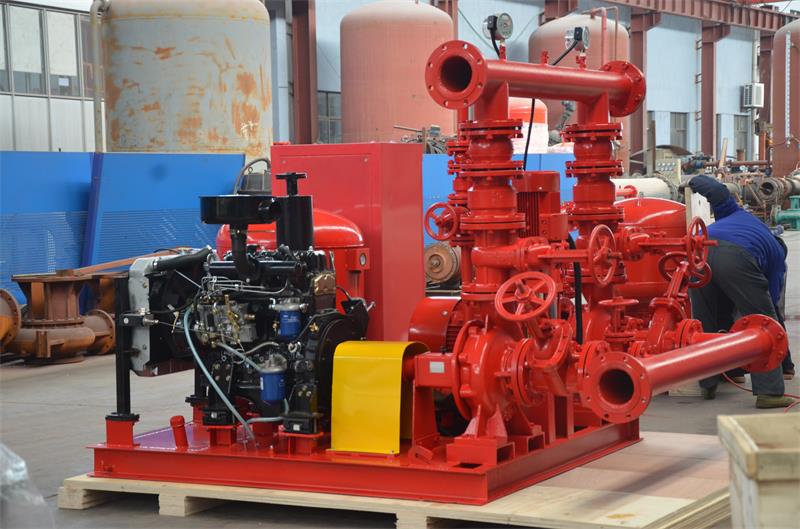
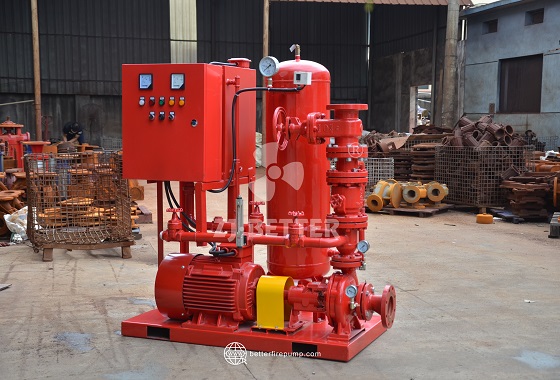
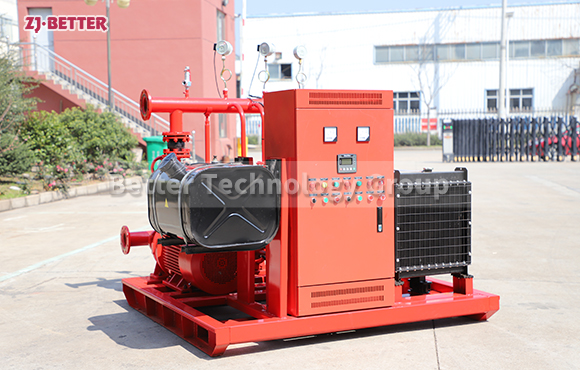
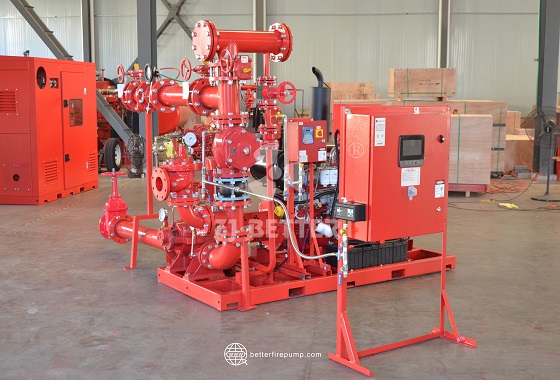
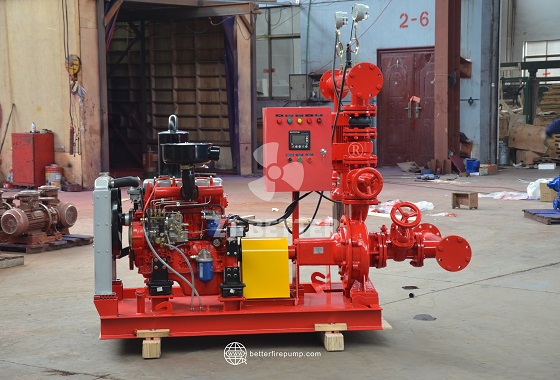
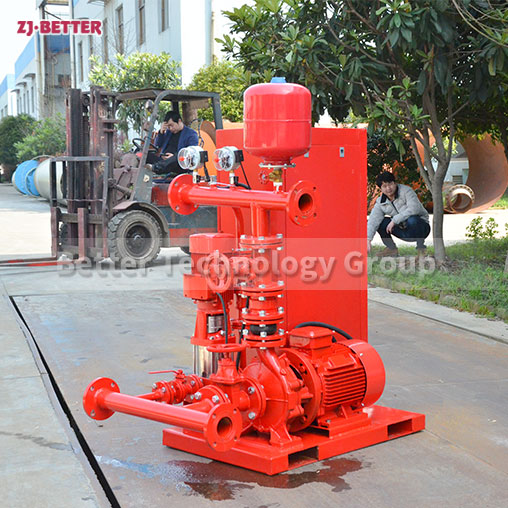
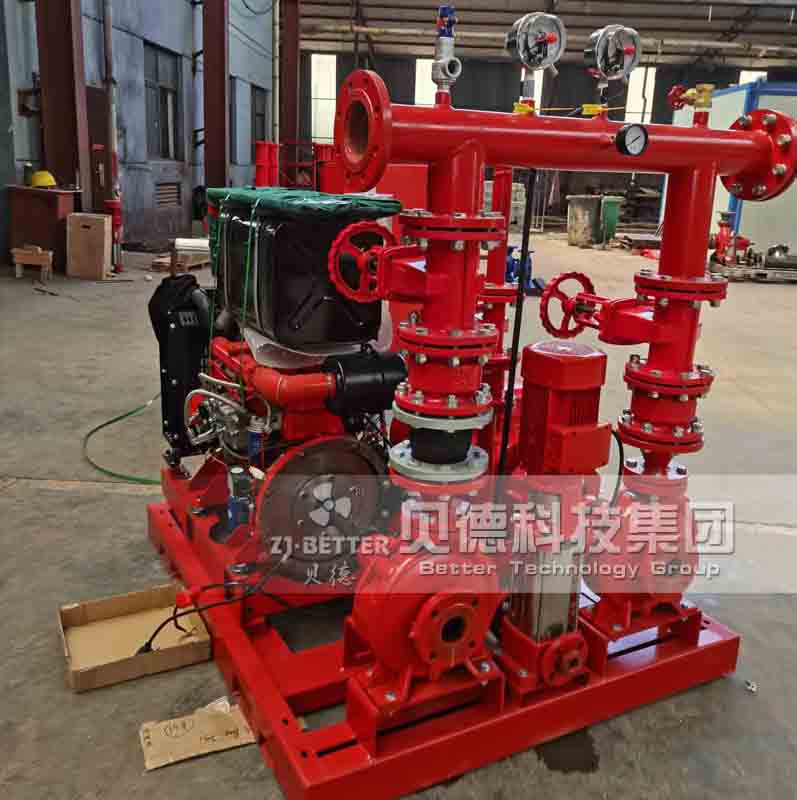
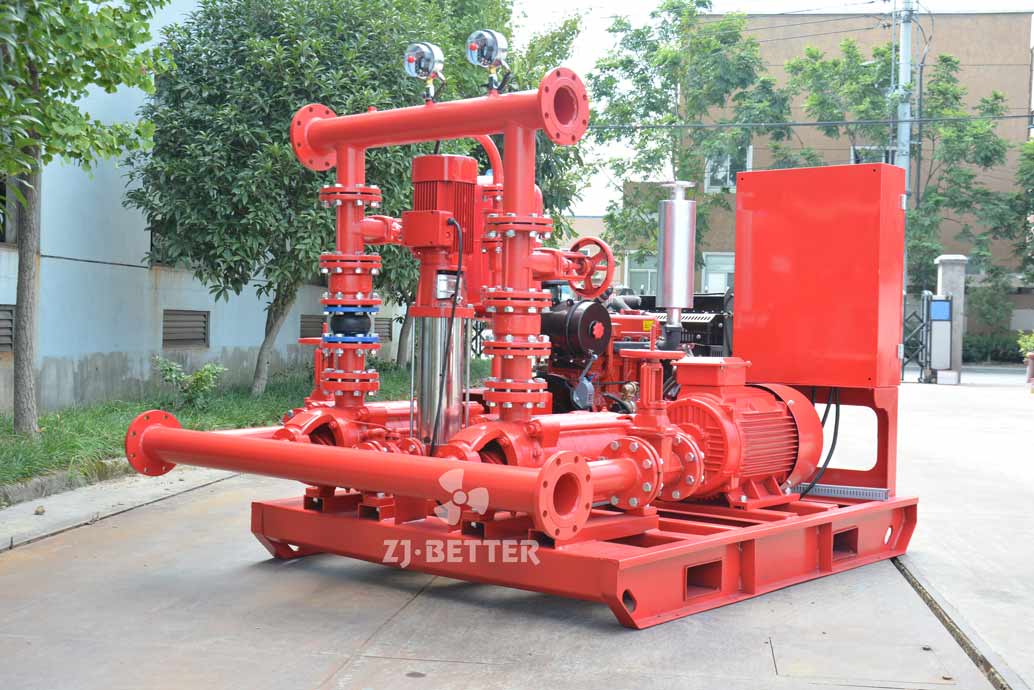
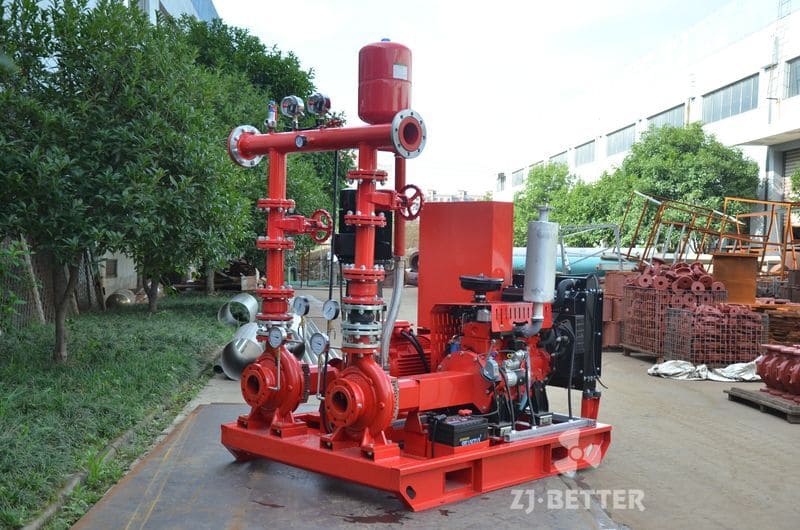
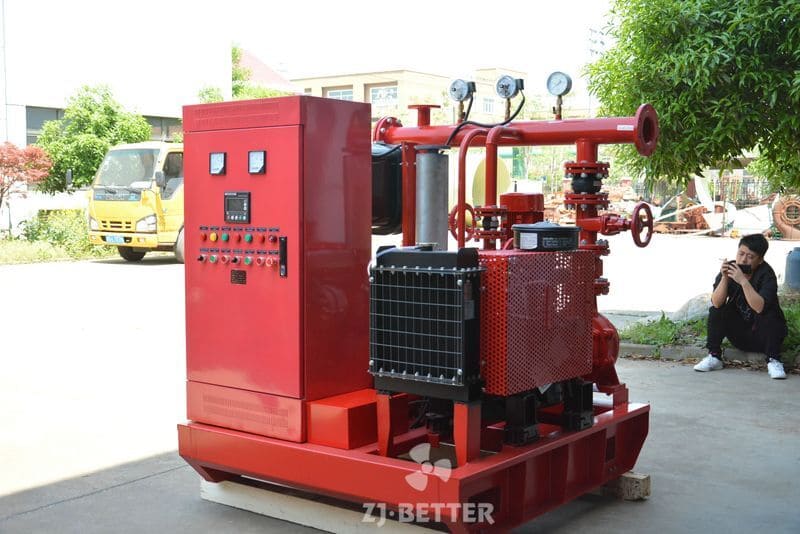
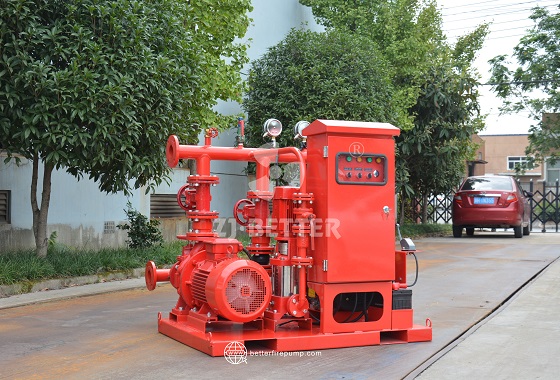
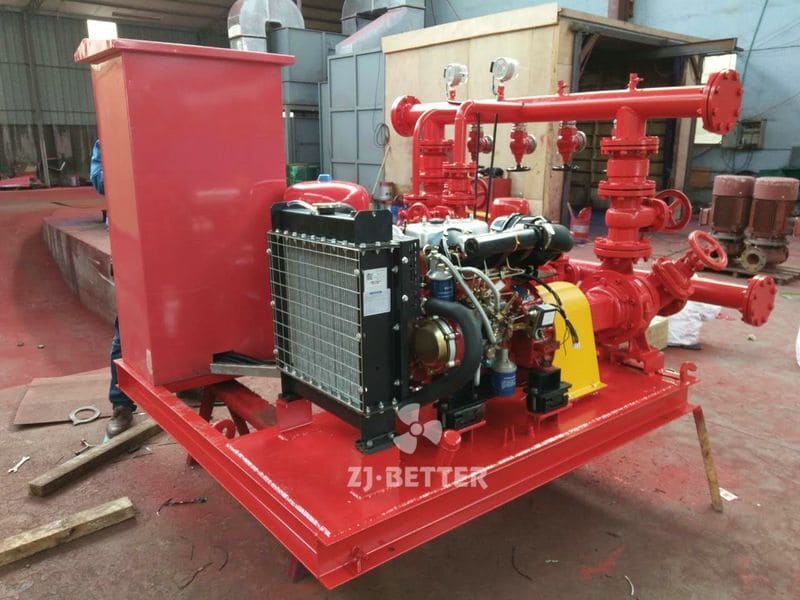
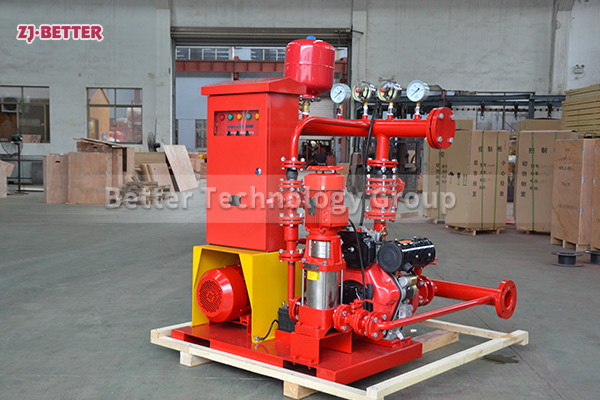
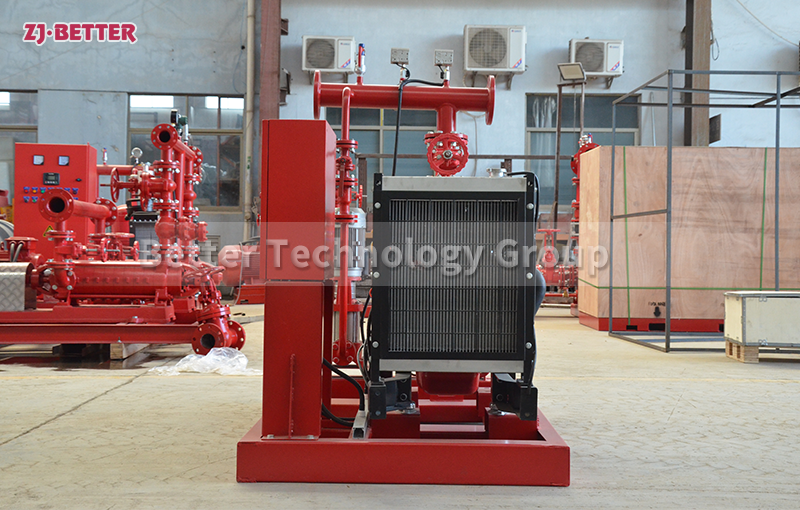
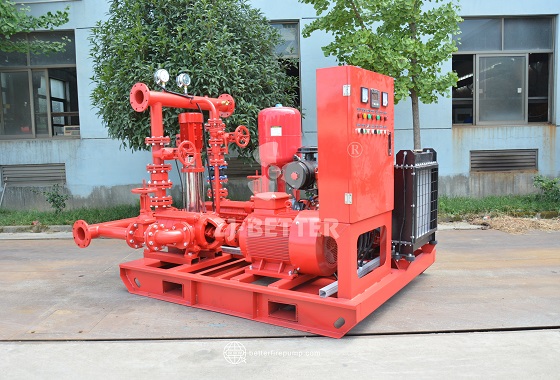
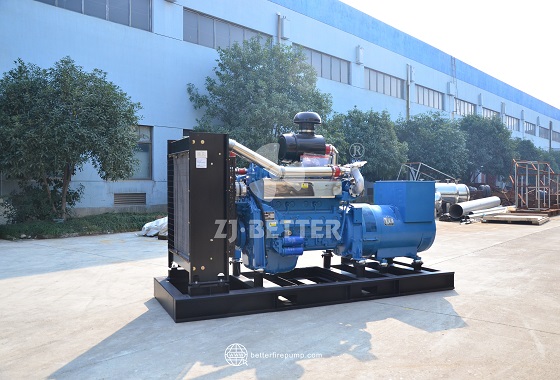
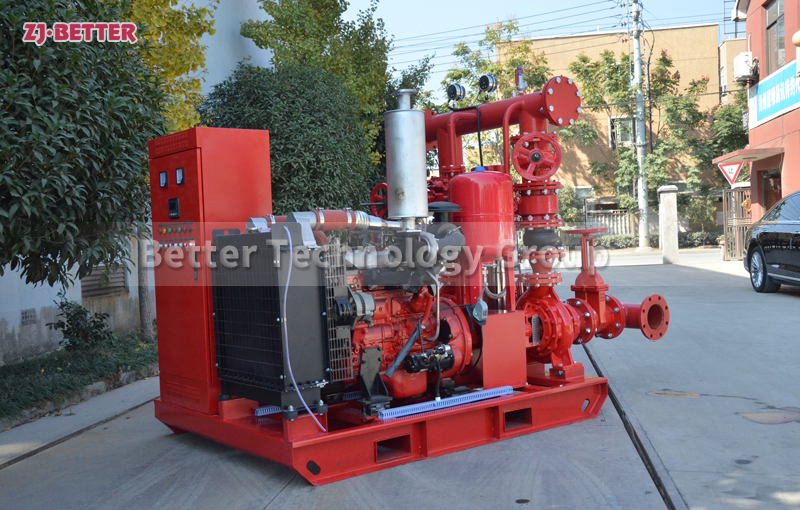
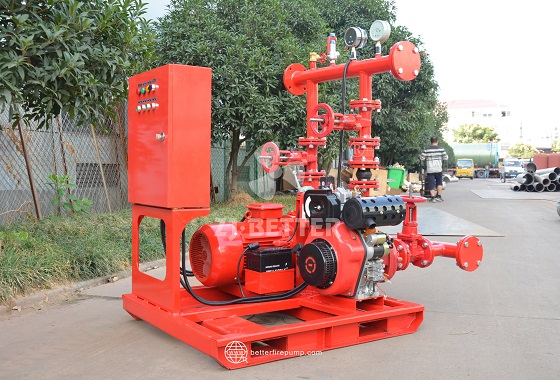
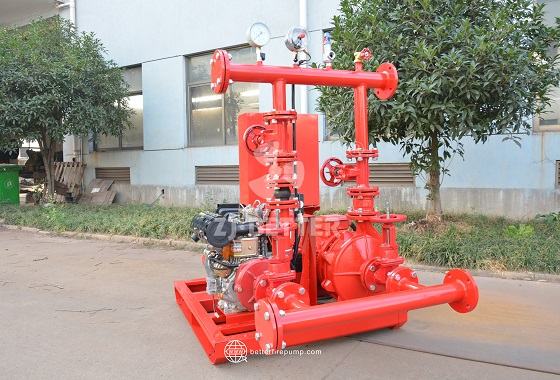
The lightweight, high-efficiency diesel fire pump is specifically designed for firefighting in rural and forested areas. Boasting exceptional portability, rapid start-up capabilities, high-head water delivery, and independent operational autonomy, it is ideally suited for combating wildfires, conducting emergency rescue operations, and facilitating long-distance water supply, thereby enhancing firefighting response efficiency and safety assurance capabilities.
In vast rural areas and forest ecosystems—characterized by complex terrain, relatively weak infrastructure, and unstable power supplies—fires often make it difficult to secure timely, adequate, and stable water support. This renders fire incidents highly prone to rapid spread, resulting in widespread damage. Consequently, in such scenarios, fire-fighting equipment possessing high mobility, independent operational capability, and stable water-supply performance is of paramount importance. It is precisely in response to these operational demands that lightweight, high-efficiency diesel fire pumps have gradually emerged as a core component of fire-fighting systems in rural and forested regions. Powered by a diesel engine core, these units operate independently without relying on external power grids; they can be rapidly deployed even in environments experiencing power outages or lacking electricity, thereby providing critical support during the initial stages of fire suppression. In the context of emergency fire response, time is often the decisive factor determining the success or failure of fire containment. Lightweight diesel fire pumps typically feature rapid-start capabilities; through optimized fuel delivery systems and starter mechanisms, these units can transition from a cold start to a stable operational state within an extremely short timeframe, thereby effectively reducing preparation time for fire suppression and enhancing overall emergency response efficiency.
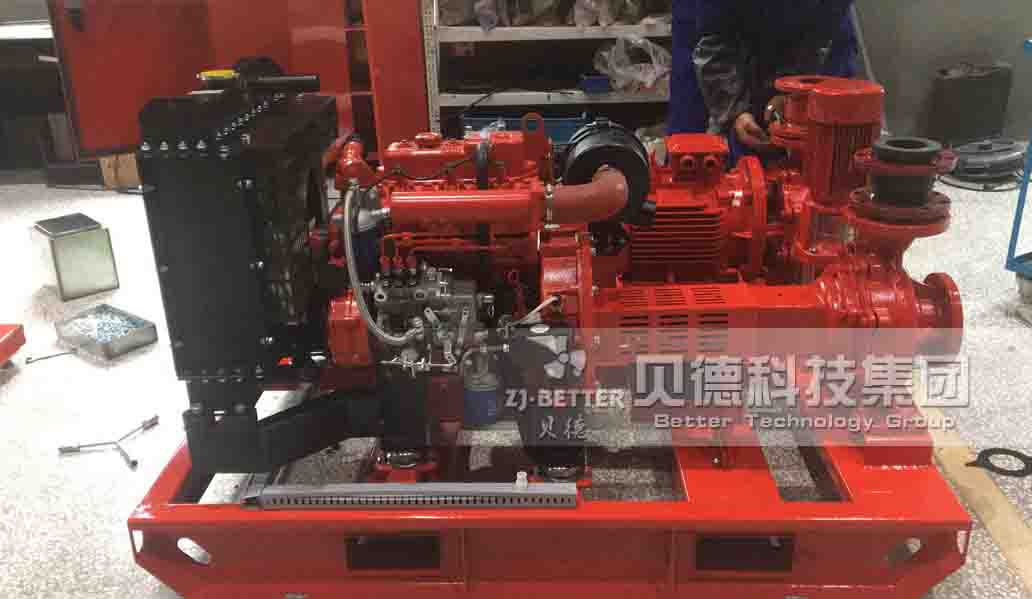
From a structural design perspective, lightweight, high-efficiency diesel fire pumps prioritize a balance between portability and practicality. By adopting a compact structural design, the overall unit is rendered smaller and lighter, facilitating ease of transport and handling. This is particularly advantageous in mountainous regions, forested areas, or locations with poor road conditions, where the equipment can be rapidly deployed to the fire scene via manual carrying, small vehicles, or even simple towing—thereby significantly boosting the unit’s mobility and deployment efficiency. Furthermore, regarding material selection, critical structural components are typically fabricated using high-strength, lightweight materials; this approach effectively reduces the unit’s overall weight while simultaneously ensuring its structural integrity and durability, making it ideally suited for use in rugged outdoor environments. In terms of pump body design, most units utilize a high-efficiency centrifugal pump configuration; by optimizing the impeller and flow channel designs, these units achieve high head and flow rate outputs while maintaining a compact physical footprint, thereby satisfying the diverse water-supply requirements of various fire-fighting scenarios. For instance, in forest fires, water sources—such as rivers, lakes, or reservoirs—often need to be conveyed over considerable distances to reach the active fire zone; in such instances, the pump’s high-head capability effectively compensates for pressure losses caused by elevation differences in the terrain, ensuring that the water flow successfully reaches its intended target location. In terms of performance, lightweight, high-efficiency diesel fire pumps demonstrate exceptional water supply capabilities and stable operational characteristics. Their diesel engines are typically optimized through specialized design to ensure excellent fuel efficiency and sustained operational capacity; even during prolonged, continuous operation, they maintain a steady output, thereby providing consistent water source support for firefighting efforts. Furthermore, the equipment’s design fully accounts for the uncertainties inherent in field environments; by incorporating reinforced cooling and filtration systems, it remains fully functional even in conditions involving high temperatures, dust, or high humidity, effectively preventing performance degradation or equipment failure caused by environmental factors. In practical application, these units serve not only for firefighting but are also widely utilized in diverse scenarios—such as emergency drainage, agricultural irrigation, and water supply assurance—thereby maximizing equipment utilization and enhancing their overall practical value.
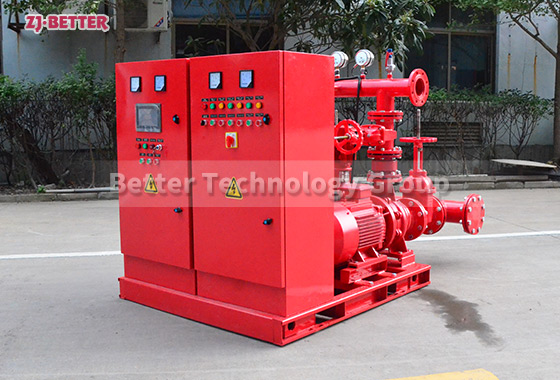
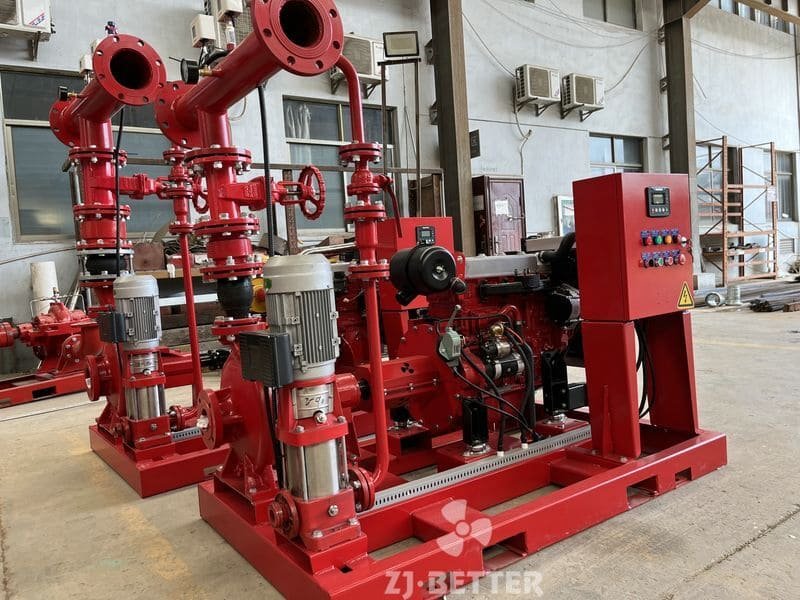
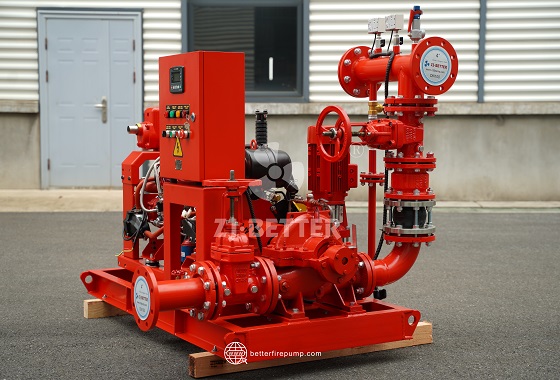
Regarding operation and control, lightweight diesel fire pumps prioritize simplicity and reliability. By featuring intuitive control interfaces and straightforward operating procedures, they enable operators to quickly master the equipment’s usage without the need for extensive, complex training. This is particularly crucial in emergency rescue situations, where—during a fire—it is often essential for non-specialized personnel to be able to rapidly participate in firefighting operations. The equipment typically comes equipped with basic operational monitoring functions—such as RPM displays, fuel level monitoring, and operational status indicators—allowing operators to constantly track the unit’s performance and make timely adjustments or perform maintenance as needed. Additionally, some models feature automatic protection mechanisms capable of automatically shutting down or triggering an alarm in the event of anomalies—such as overheating or insufficient lubrication—thereby effectively safeguarding the equipment and extending its service life.
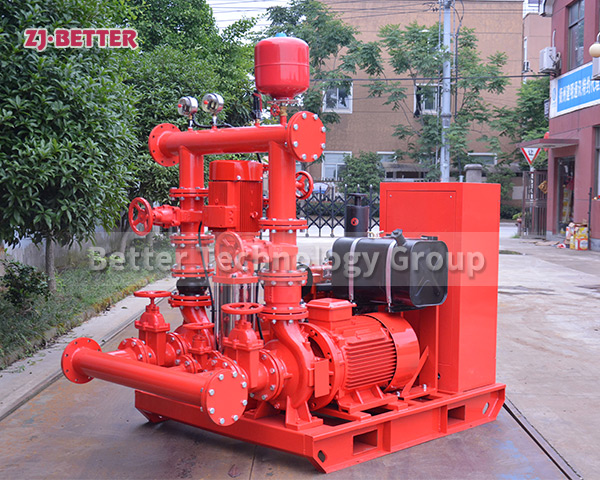
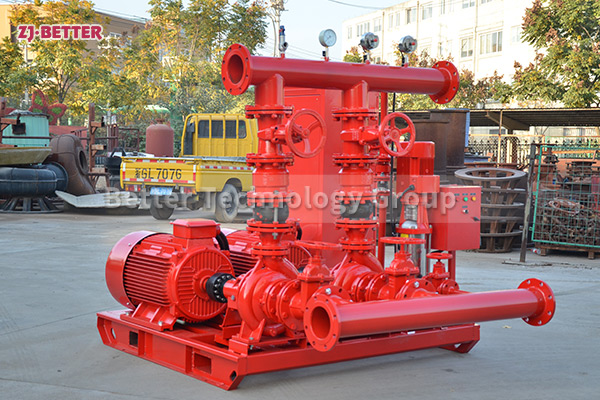
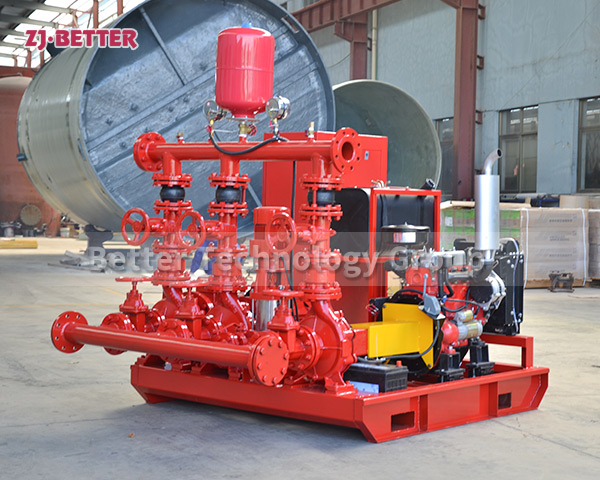
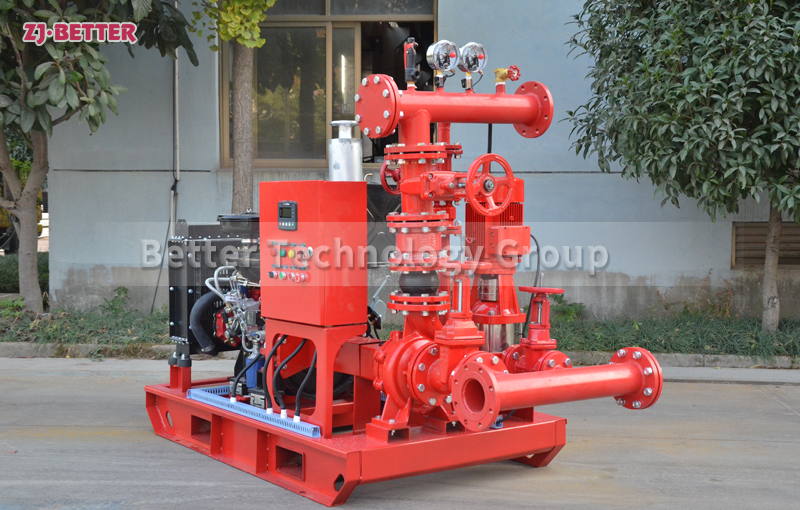
In terms of durability, lightweight, high-efficiency diesel fire pumps also excel. Their structural design is meticulously engineered to meet the rigorous demands of complex field environments; through the application of corrosion-resistant coatings and protective design features, the equipment maintains long-term, stable operation even in humid conditions or environments containing corrosive substances. Furthermore, critical components—such as the impeller and pump casing—are fabricated from wear-resistant materials, effectively shielding the equipment against abrasion caused by particulate impurities, thereby reducing maintenance frequency and extending the unit’s operational lifespan. This exceptional durability ensures that the equipment retains its optimal performance even after prolonged periods of storage, remaining ready for immediate deployment whenever the need arises. Furthermore, in terms of system adaptability, lightweight diesel fire pumps possess excellent scalability; they can be configured with intake and outlet ports of various specifications—or integrated with complementary piping systems—to suit diverse application requirements. This enables them to adapt to different types of water sources and supply methods—for instance, by connecting to fire hoses, nozzles, or sprinkler systems to facilitate a flexible combination of firefighting techniques. In forestry firefighting scenarios, these units can also be paired with hose-laying systems to ensure continuous, long-distance water supply, thereby covering a wider area of the fire zone. In rural regions, such equipment can serve as essential firefighting assets deployed within villages, towns, or local communities, establishing a distributed firefighting network that facilitates rapid response and effective containment of fires during their incipient stages.
From an economic perspective, lightweight, high-efficiency diesel fire pumps offer exceptional value for money. Characterized by their simple construction, ease of maintenance, and relatively low operating costs, they effectively minimize usage and upkeep expenses while simultaneously guaranteeing robust performance. This attribute holds significant importance for rural and grassroots firefighting units operating under budgetary constraints. Moreover, the inherent versatility of this equipment allows it to be repurposed for other applications during non-emergency periods, thereby further enhancing the overall return on investment.
In summary, lightweight, high-efficiency diesel fire pumps play an indispensable and pivotal role in rural and forestry firefighting operations, distinguished by their superior portability, rapid start-up capabilities, stable water supply, and strong environmental adaptability. Not only do they effectively accelerate emergency response times, but they also provide reliable water supply support across complex terrains and harsh environments, thereby significantly boosting firefighting efficiency and mitigating fire-related losses. As firefighting technology continues to advance, this class of equipment is poised to evolve further toward greater efficiency, lighter weight, and enhanced intelligence, offering increasingly comprehensive technical support for the development and strengthening of grassroots firefighting systems.