Heavy Duty Fire Pump Station Equipment: Performance Analysis of Vertical Turbine Fire Pump Systems
Vertical turbine fire pump systems are heavy-duty fire pump station equipment with large flow rate, high head and deep well water intake capabilities. They are widely used in industrial parks, petrochemical plants, ports and wharves and large fire pump stations to provide stable and reliable water supply for fire protection systems.
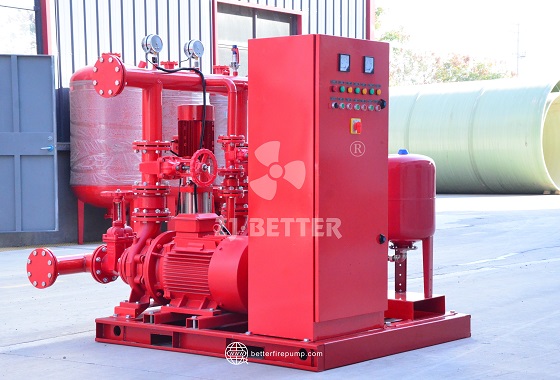
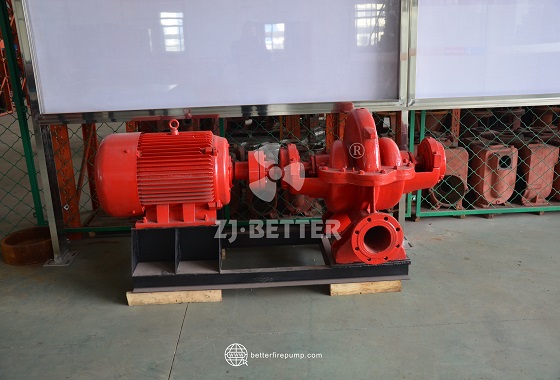
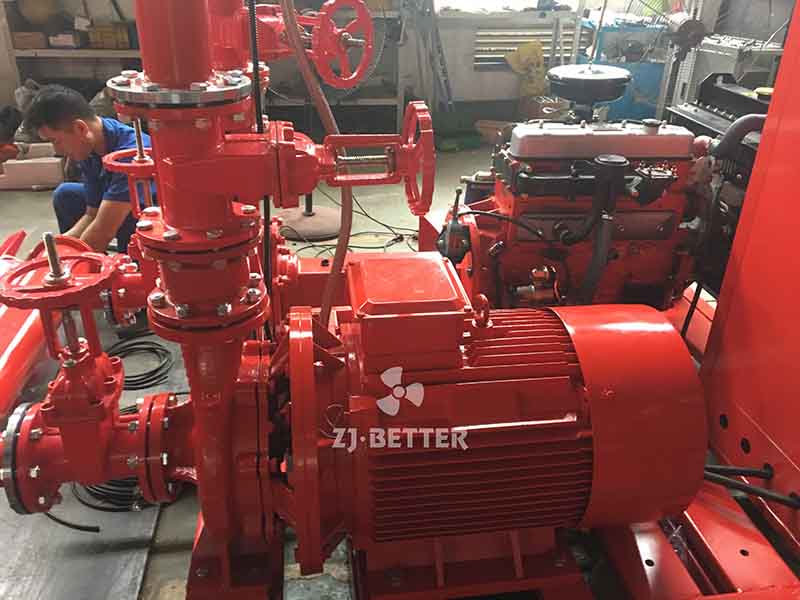
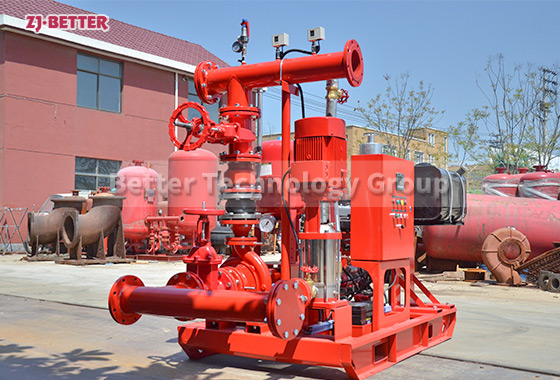
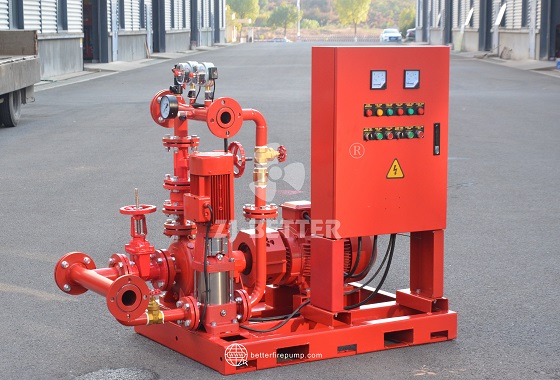
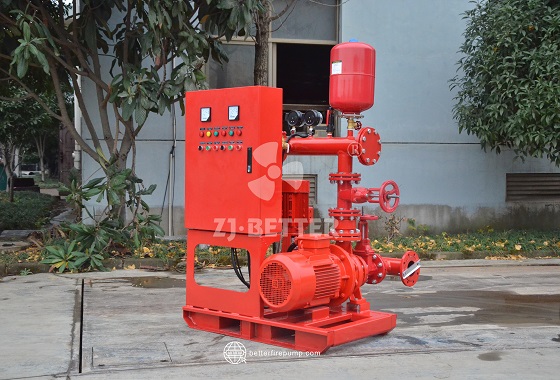
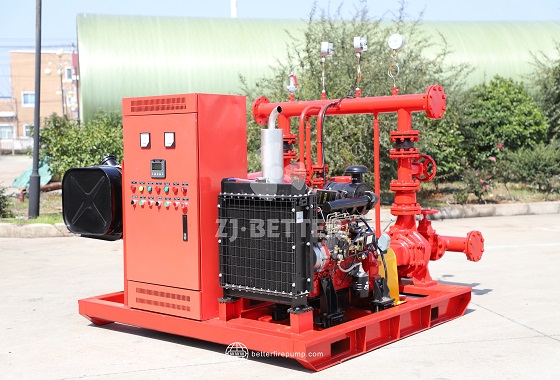
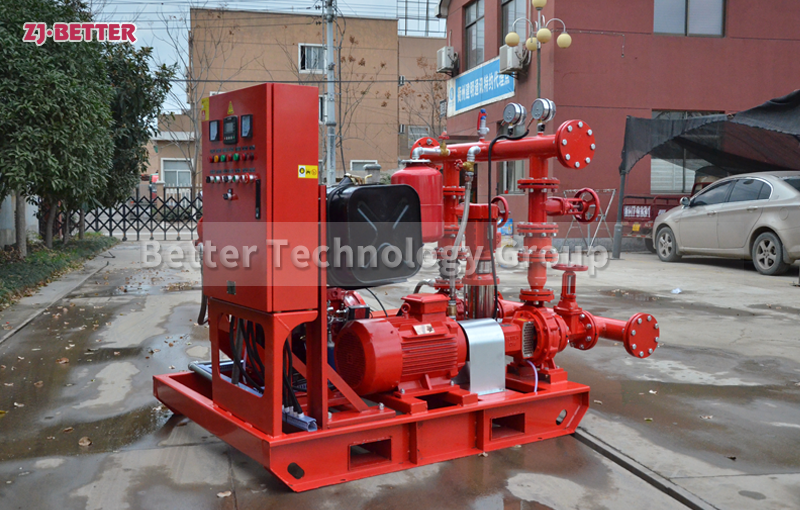
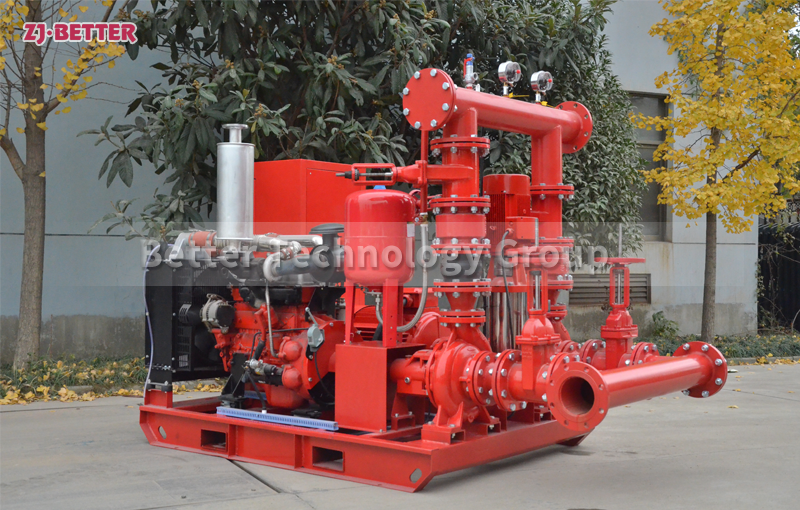
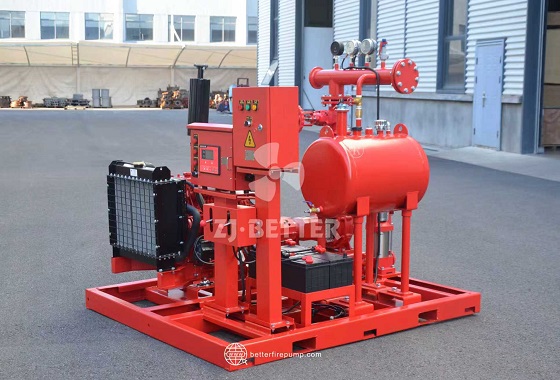
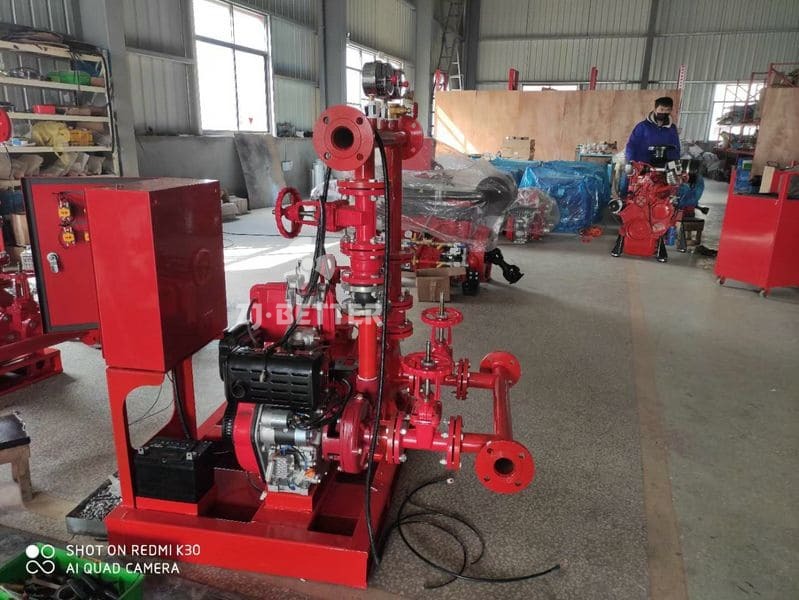
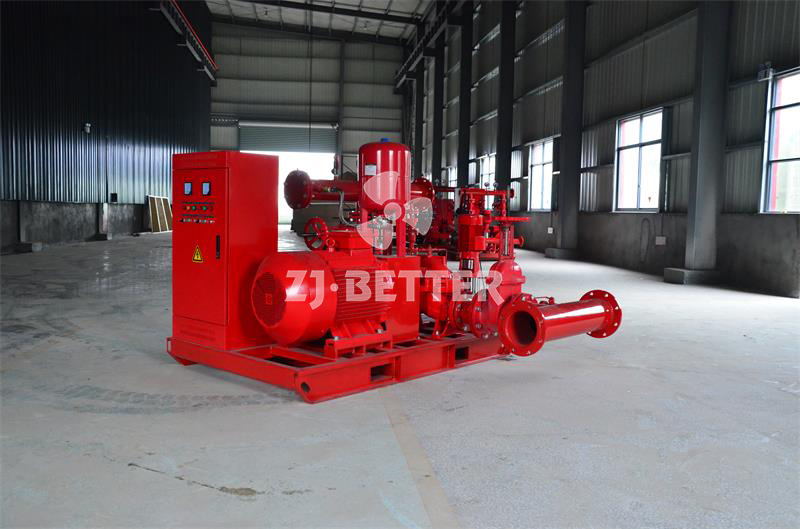
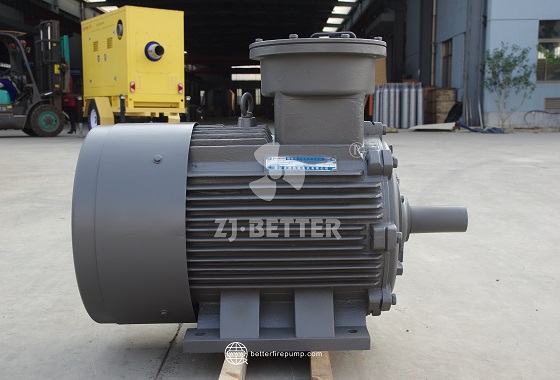
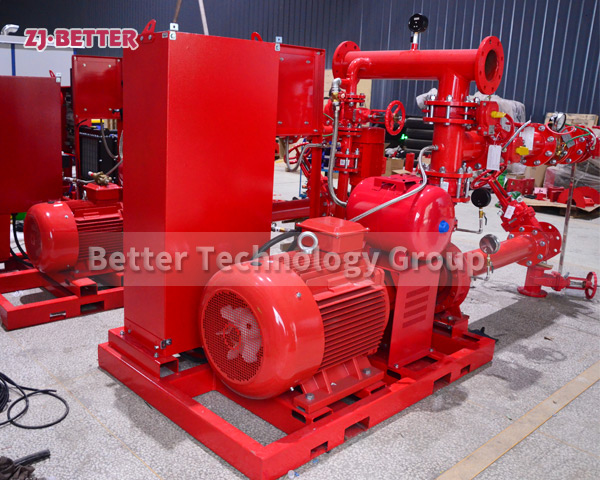
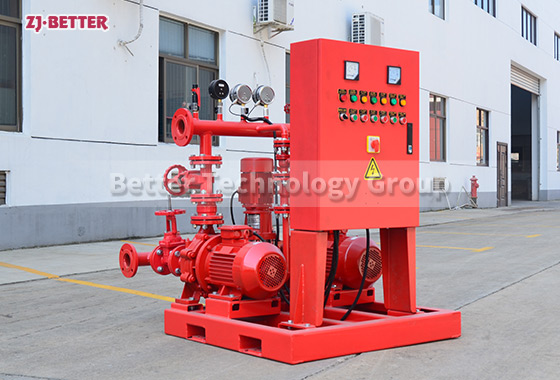
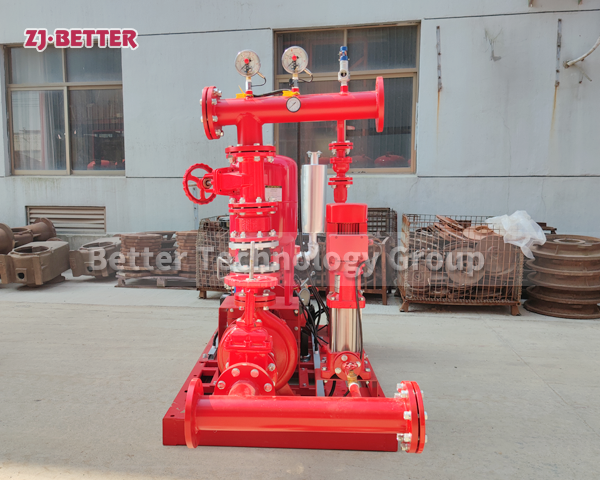
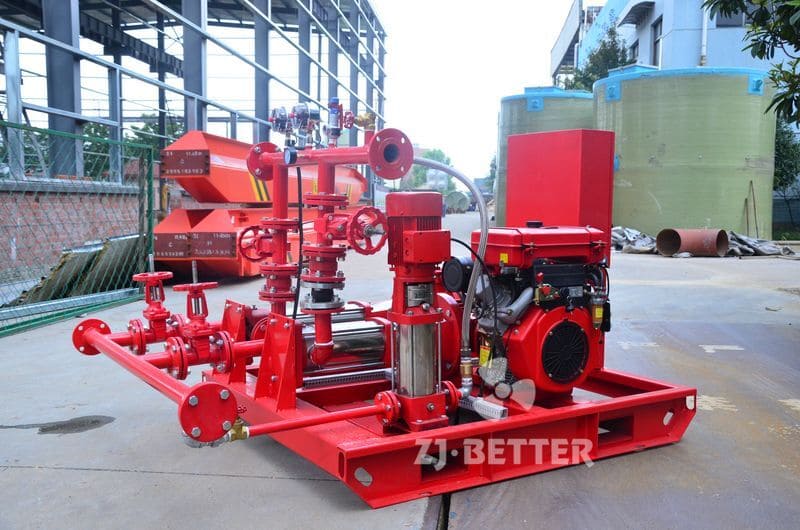
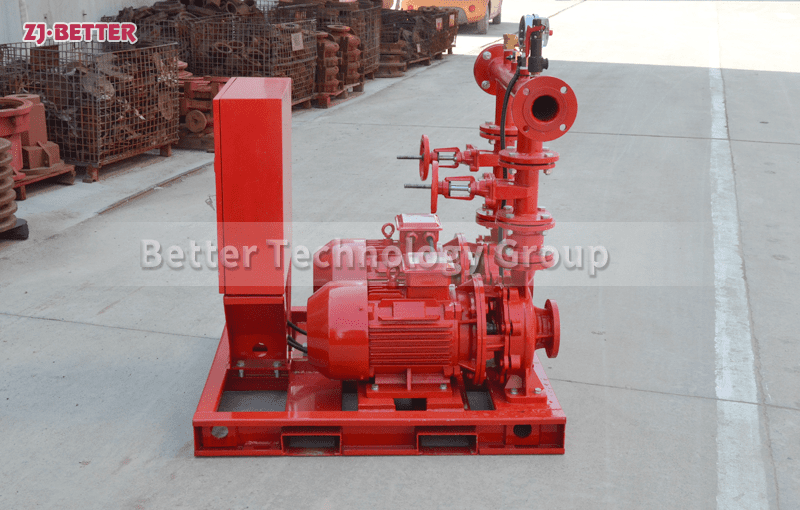
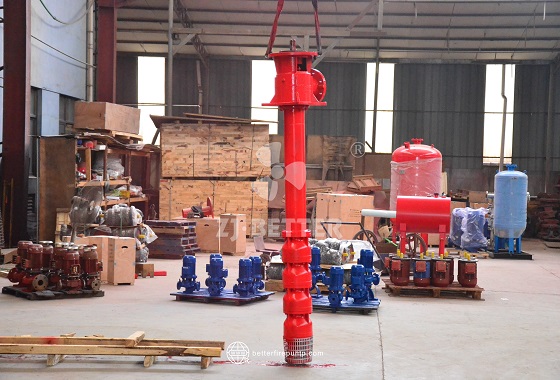
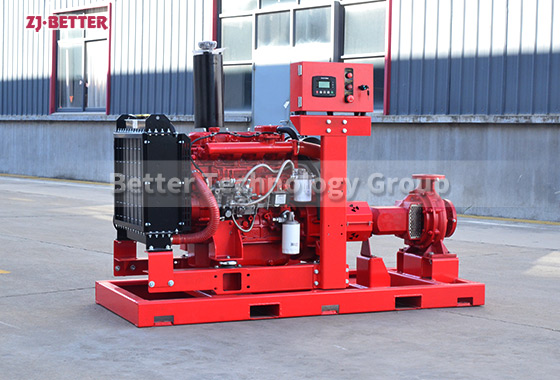
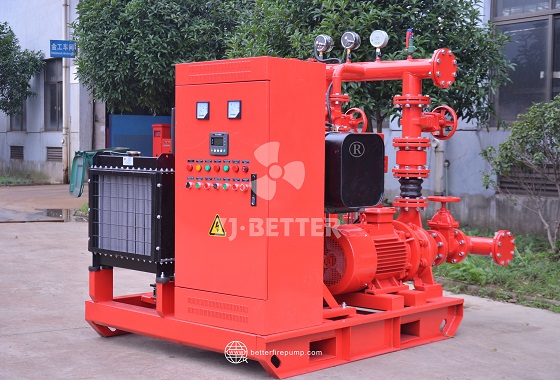
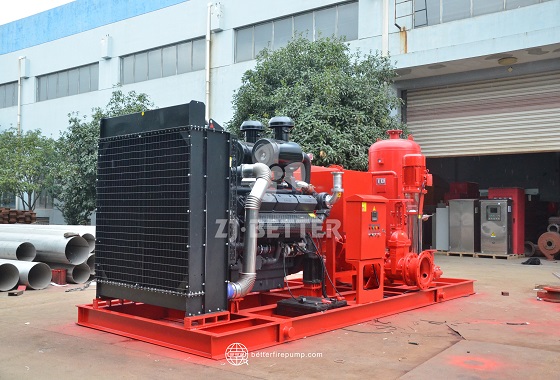
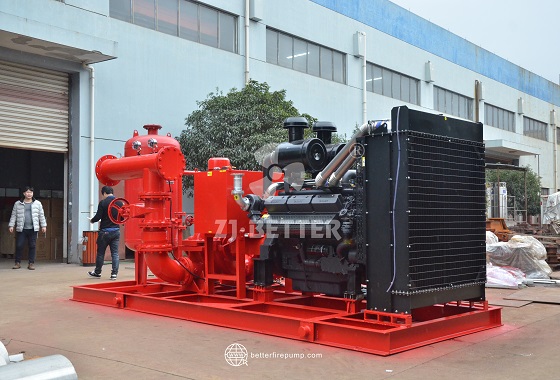
In modern fire protection engineering, a stable and reliable fire water supply system is a crucial component for ensuring the safe operation of various industrial facilities, public buildings, and infrastructure. With the continuous expansion of urban areas and the rapid development of large-scale industrial projects, many fire protection systems require water from deep wells, rivers, reservoirs, or groundwater sources. Traditional horizontal centrifugal pumps often struggle to meet the demands of deep water intake or high-lift delivery. In this context, vertical turbine fire pump systems, with their unique structural design and superior hydraulic performance, have become one of the most widely used and important pieces of equipment in large fire pump stations. A vertical turbine fire pump system typically consists of a vertical multi-stage pump body, a long-shaft drive system, a drive power unit, an outlet pipe assembly, and a control system. Through multi-stage impellers, it progressively increases the energy of the water flow, enabling stable output of large flow rates and high lift even under deep water intake conditions. This structure allows the equipment to be installed above wells, fire pools, or groundwater sources, transmitting power to the underwater impellers via the long shaft and pump stage assembly, thereby achieving efficient water intake and delivery to the fire protection network. For high-risk areas such as large industrial parks, petrochemical plants, ports, power facilities, and airports, fire protection systems must be able to provide a sufficient and stable water supply in a very short time in the event of a fire. Vertical turbine fire pump systems are a crucial core component meeting this requirement. Vertical turbine fire pump systems offer significant advantages in structural design. Their pump bodies typically employ a multi-stage impeller structure, achieving high head output through progressive pressurization. This allows the equipment to efficiently extract water from deep wells or large water tanks and deliver it to the fire protection network. Compared to traditional pump types, the multi-stage turbine structure achieves higher head output while maintaining high efficiency, thus meeting the high-pressure water supply demands of large fire protection systems. Simultaneously, the impeller and guide vane are precisely hydraulically designed to create a stable flow pattern within the pump body, reducing hydraulic losses and improving overall efficiency. In terms of material selection, key components are typically made of corrosion-resistant metals or high-strength alloys, ensuring excellent corrosion resistance in environments with prolonged contact with water sources, thereby extending equipment lifespan and reducing maintenance frequency. Vertical turbine fire pump systems are typically powered by either diesel engines or electric motors, with diesel power systems holding significant value in fire protection engineering. Diesel engines are capable of independent operation, providing continuous power even during power outages, ensuring stable operation of the fire protection system in emergencies. This feature is particularly important for large industrial facilities and remote fire pump stations, as electrical systems may be affected during a fire, while diesel power systems guarantee uninterrupted water supply. Diesel engines are usually equipped with high-efficiency cooling and fuel supply systems, enabling the equipment to maintain stable performance under prolonged high-load operation. Furthermore, large-capacity fuel storage systems can support continuous operation for hours or even longer, providing a continuous water supply for firefighting operations. In electric drive systems, high-efficiency motors provide stable power output and offer advantages such as low noise and simple maintenance, making them suitable for fire pump station environments with stable power supplies. To improve operational reliability and automation, vertical turbine fire pump systems are typically equipped with advanced automatic control systems. This system monitors the status of the fire-fighting pipeline network in real time using pressure sensors and flow monitoring devices. When the system pressure drops to a set value, the control system automatically starts the fire pump and supplies water to the pipeline network, achieving a rapid response. The control system also features multiple safety protection functions, such as engine overspeed protection, low oil pressure protection, high-temperature protection for the cooling system, and electrical system overload protection. These protective measures effectively prevent equipment from operating under abnormal conditions, thereby improving equipment safety and stability. In some modern fire protection projects, the control system can also be linked with the building’s fire alarm system. When a fire alarm is triggered, the system can automatically start the fire pump, further shortening the fire response time. The application of vertical turbine fire pump systems in large fire pump stations is of great significance. Since the fire water source for many industrial facilities or large projects is usually located in underground wells or large storage tanks, pumps capable of reliably drawing water from deep water areas must be used. Vertical turbine pumps are specifically designed for this condition. Their long-shaft structure allows power to be transmitted to the underwater impeller, while the multi-stage pump body structure enables efficient water flow lifting in deep water environments, thus meeting the fire protection system’s demand for high-flow and high-pressure water supply. Furthermore, this type of equipment can form a large-scale fire water supply system by operating multiple units in parallel. In situations requiring greater water supply capacity, the capacity can be expanded by increasing the number of pump sets, thus meeting the needs of fire protection projects of different scales. Vertical turbine fire pump systems also exhibit excellent operational stability. Because the pump body is installed above the water source and uses a vertical structure, the equipment maintains good balance during operation, reducing vibration and mechanical losses. Simultaneously, the long shaft drive system is typically equipped with high-precision bearings and a stable support structure, making power transmission smoother and reducing operating noise. In addition, advanced mechanical seals and shaft seals effectively prevent water from entering the drive system, protecting critical components and improving overall reliability. To ensure long-term stable operation, the vertical turbine fire pump system is designed with ease of maintenance in mind. The equipment typically adopts a modular design, allowing for easy disassembly and maintenance of pump body components, drive shaft components, and drive units, thereby reducing maintenance time and costs. Regular maintenance mainly includes bearing lubrication, seal inspection, impeller cleaning, and power system inspection. A reasonable maintenance plan ensures that the equipment is always in optimal working condition. With the continuous development of fire protection engineering technology, vertical turbine fire pump systems are also undergoing continuous technological upgrades. For example, optimized hydraulic design further improves pump efficiency, the use of advanced materials enhances equipment corrosion resistance, and intelligent control systems enable remote monitoring and automated management. These technological advancements allow the equipment to better adapt to the needs of modern fire protection engineering. Overall, as a crucial component of heavy-duty fire pump stations, vertical turbine fire pump systems play an irreplaceable role in large-scale fire water supply systems due to their high head, large flow rate, and stable and reliable operation. Whether in industrial parks, petrochemical bases, ports, power facilities, or large public building projects, this type of equipment provides stable and reliable water supply support for fire protection systems, thus providing strong support for firefighting operations during fires. With the continuous improvement of global fire safety standards and the ongoing construction of large-scale engineering projects, vertical turbine fire pump systems will play an even more important role in the future of fire protection engineering, providing efficient, safe, and stable solutions for various fire water supply systems.