Fire Pump Diesel Power Packages for Critical Facility Fire Protection
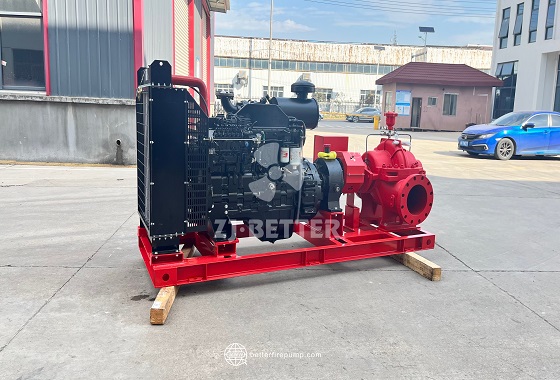
The fire pump diesel powertrain adopts a high-performance diesel engine, intelligent electronic speed control system, high-efficiency cooling system and automatic start control technology. It features high torque output, fast start, continuous operation, low fuel consumption, multiple safety protections and excellent environmental adaptability. It can be widely used in petrochemical, power, airport, port, data center, industrial park and various fire protection projects, providing a stable and reliable independent power solution for fire pump systems.
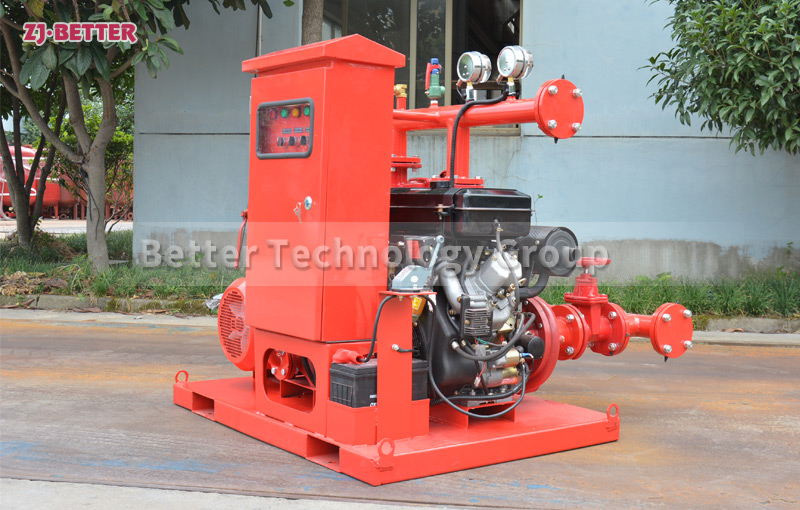
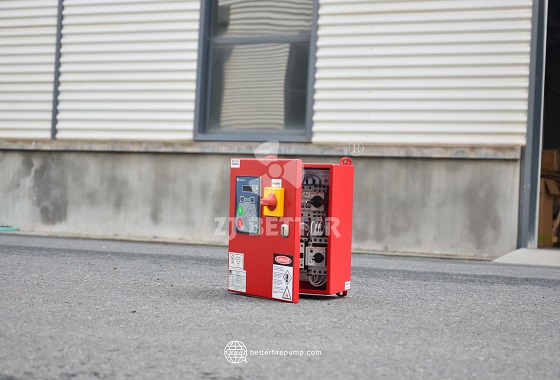
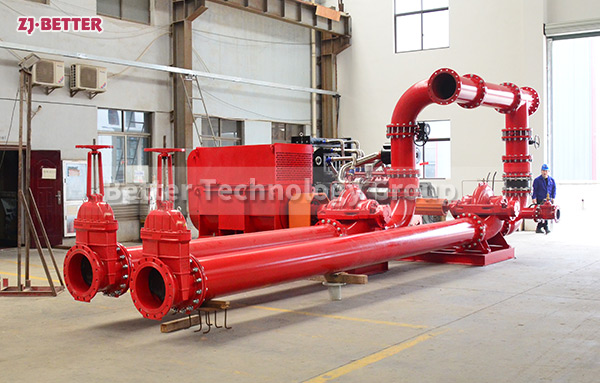
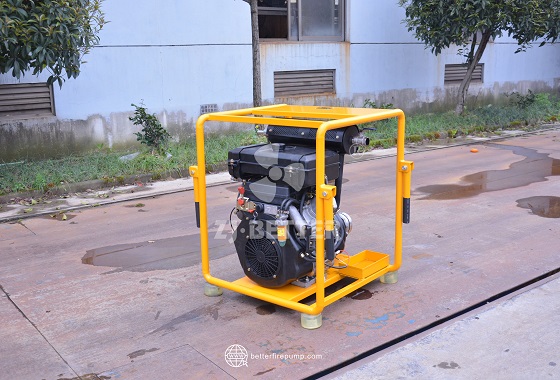
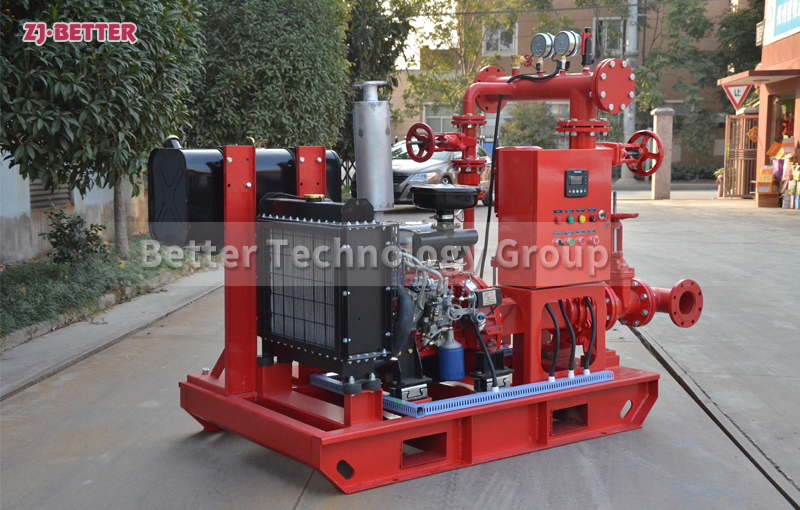
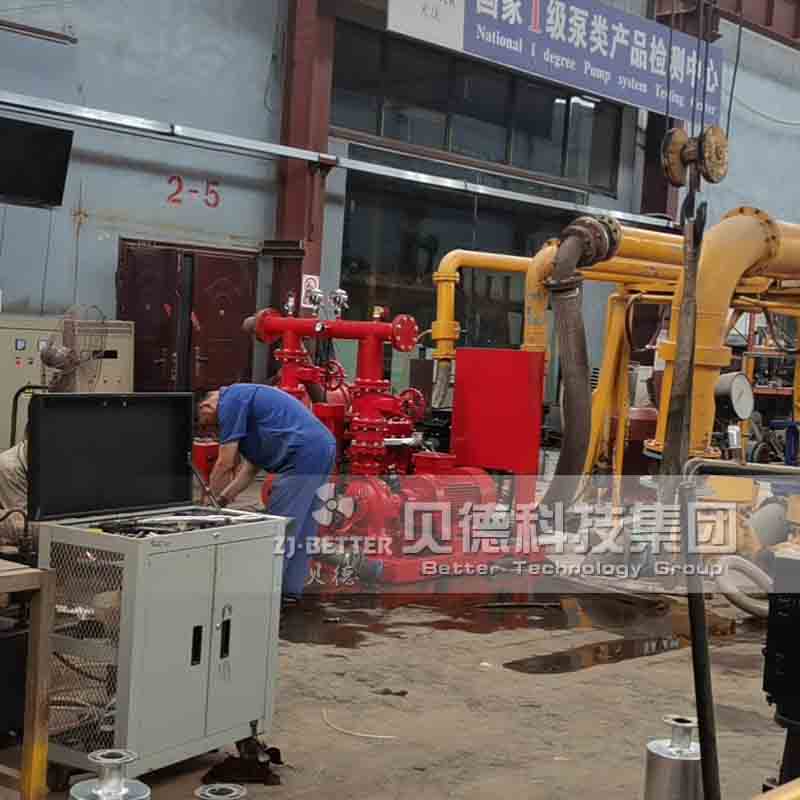
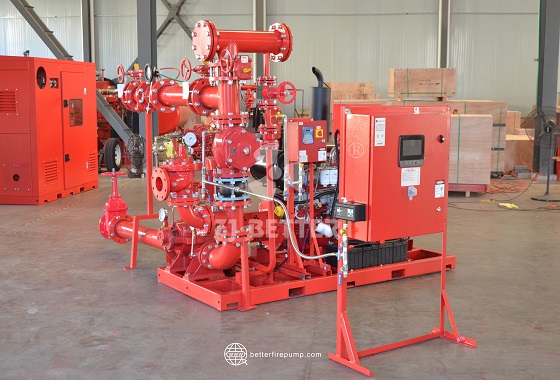
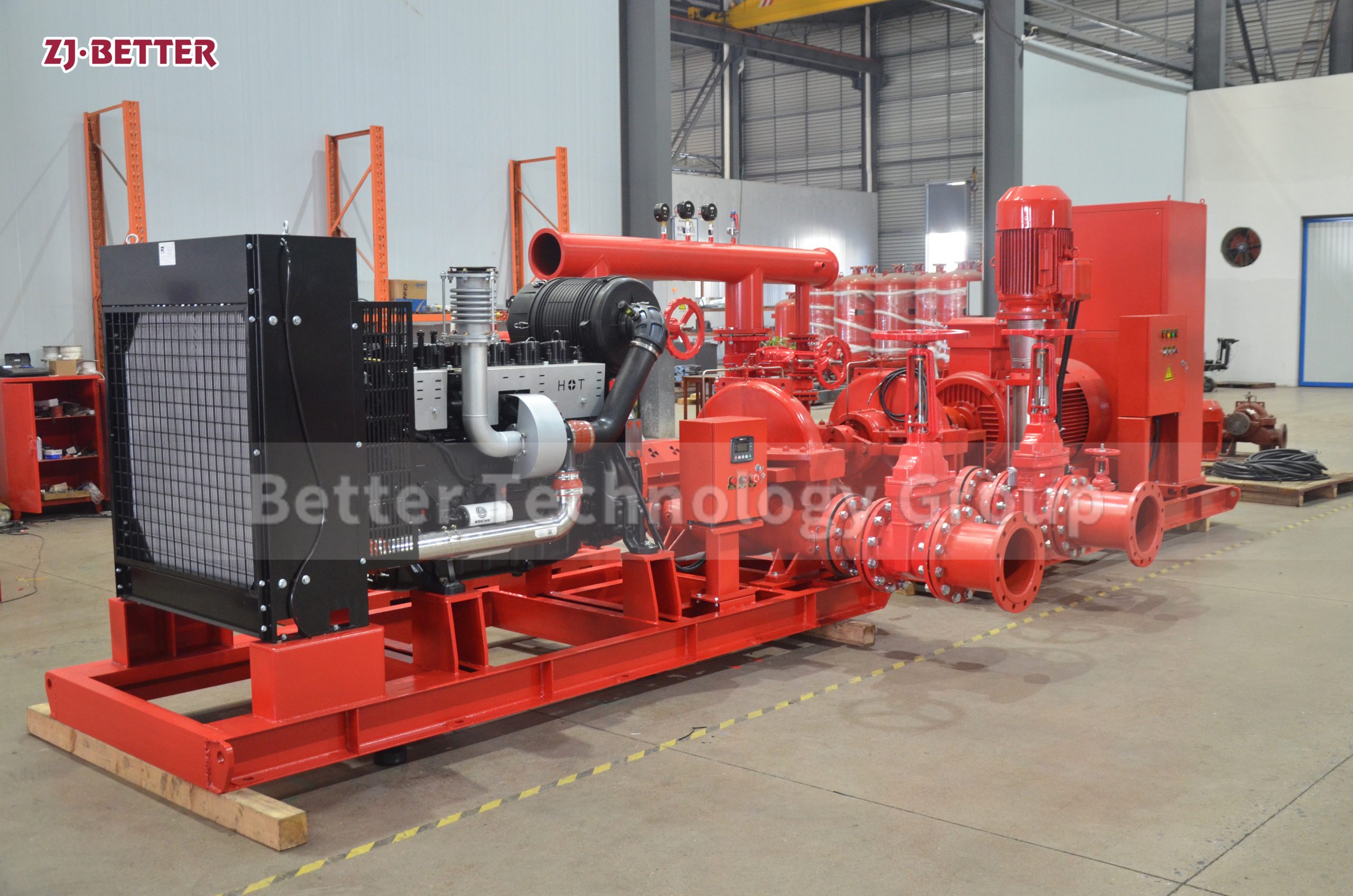
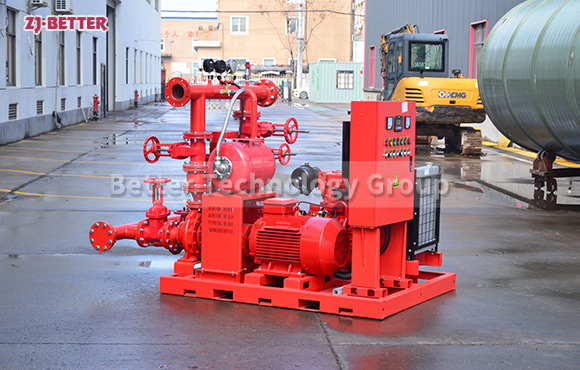
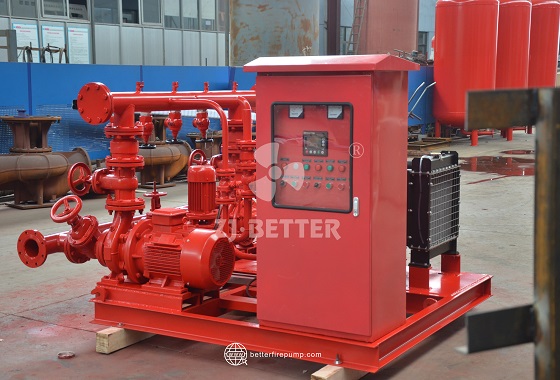
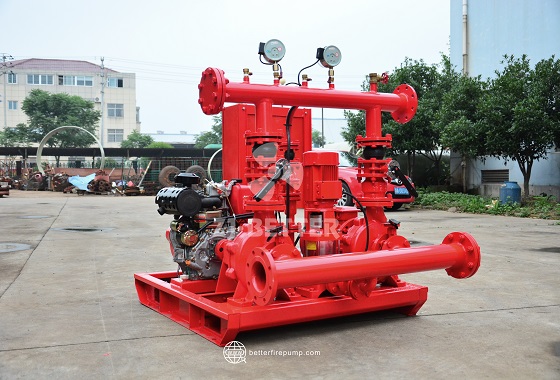
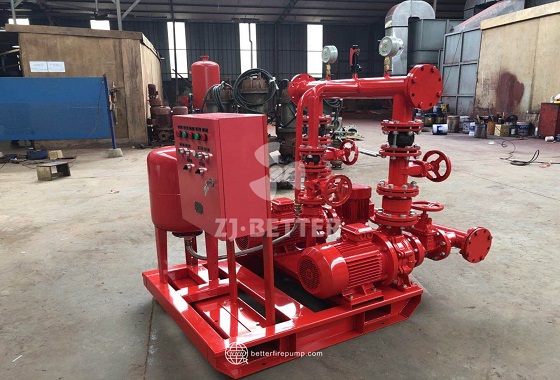
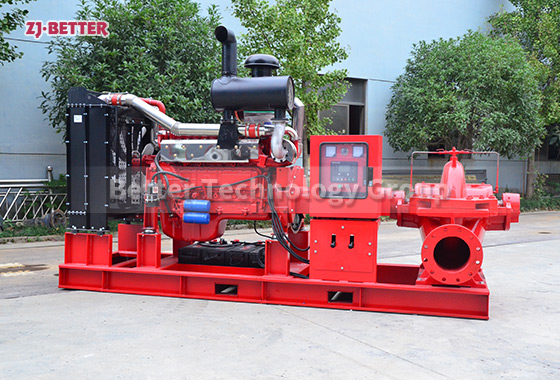
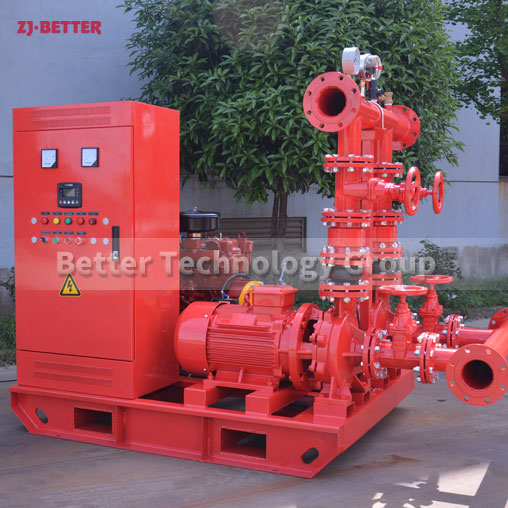
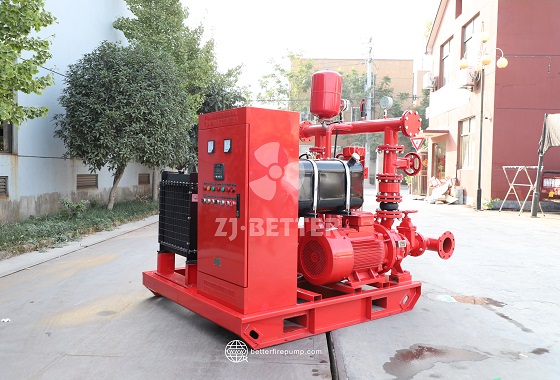
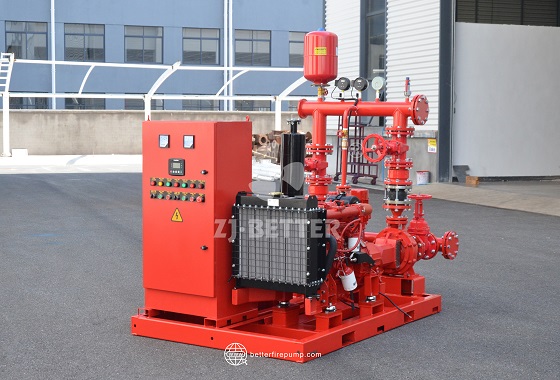
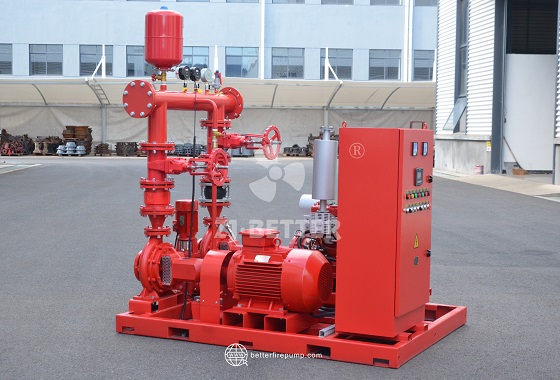
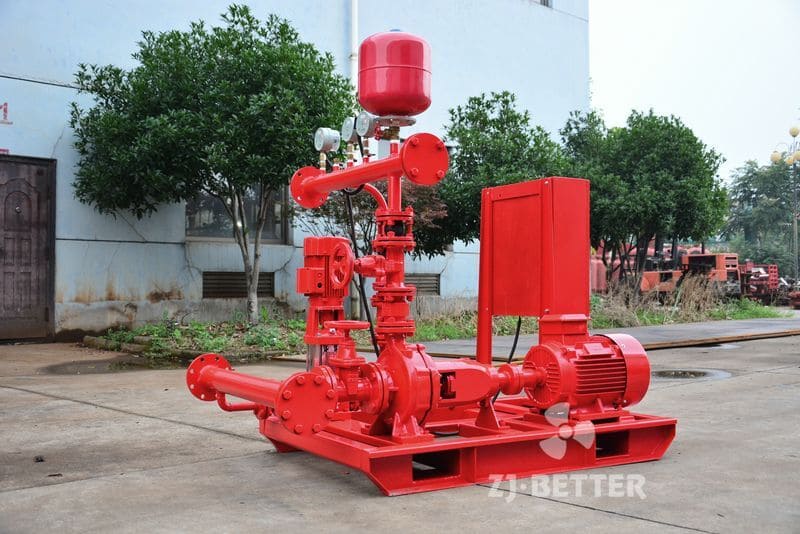
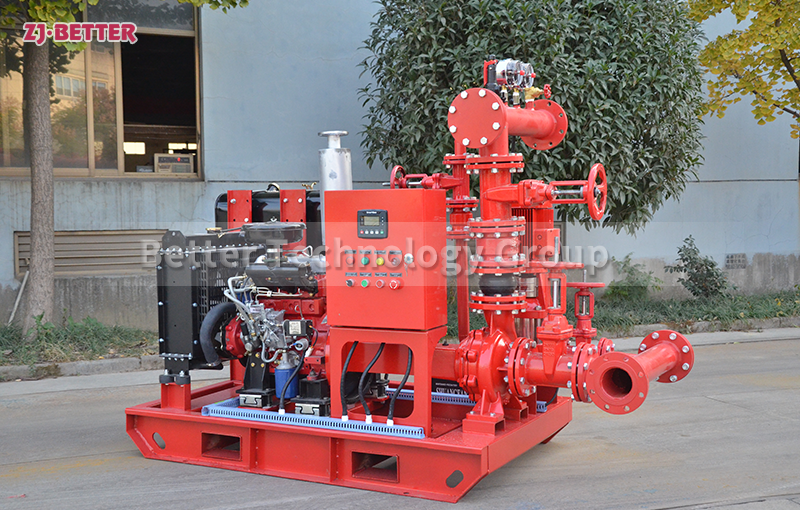
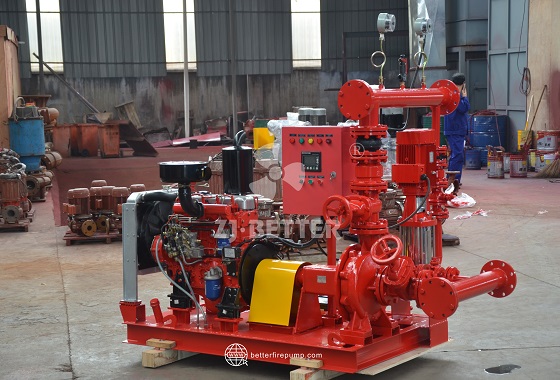
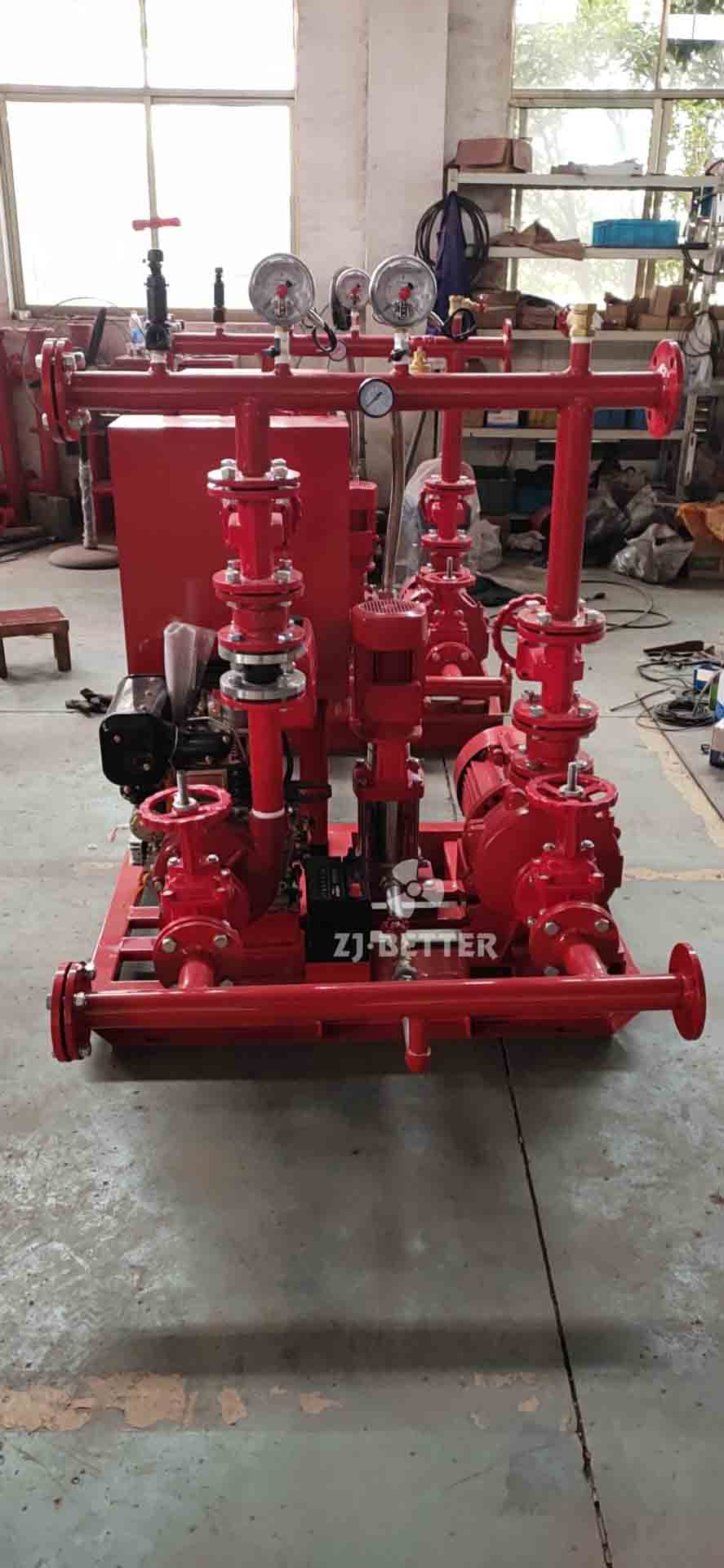
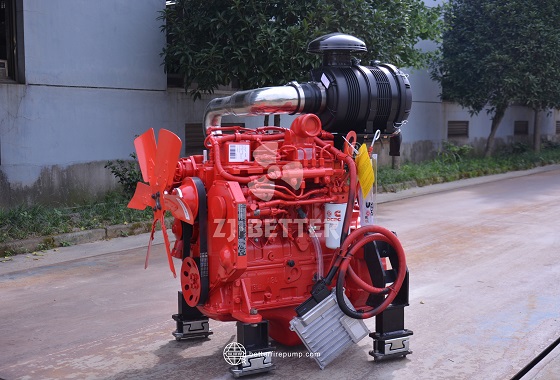
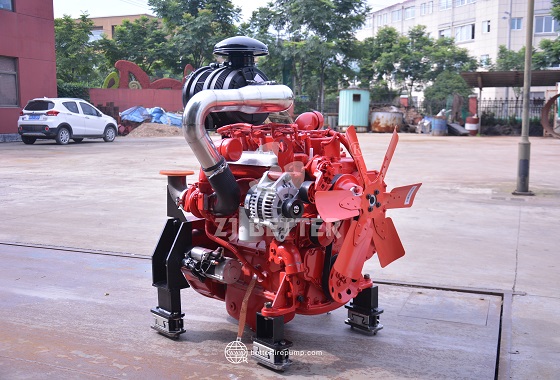
The diesel powertrain for fire pumps is the core power unit of a diesel fire pump system and a crucial foundation for ensuring the continuous and stable operation of fire water supply equipment in emergencies. This product is specifically designed for fire pumps and can be integrated with horizontal end-suction fire pumps, double-suction centrifugal fire pumps, vertical turbine fire pumps, split-type fire pumps, and other fire water supply equipment to form a complete diesel fire pump system. It is widely used in critical locations such as petrochemical plants, natural gas storage and transportation, power generation, airports, ports, rail transit, large industrial parks, data centers, hospitals, commercial complexes, high-rise buildings, and municipal fire protection projects. Compared to fire equipment reliant on mains power, the diesel powertrain has independent power supply capabilities. Even in the event of a power outage or grid failure due to a fire, it can quickly start and continuously output stable power, providing reliable drive for the fire pump and ensuring the continuous operation of the fire water supply system in critical moments. The entire powertrain adopts a modular integrated design, consisting of a high-performance diesel engine, an industrial-grade cooling system, a high-efficiency air filtration system, an intelligent electronic speed control system, an automatic start device, a fuel supply system, an exhaust system, and a multi-functional control interface. Each component is scientifically matched to ensure more stable power output and more efficient operation. The diesel engine features a power design specifically optimized for firefighting conditions, characterized by rapid start-up, ample torque reserve, strong low-speed output capability, and high continuous load capacity. During the fire pump startup phase, it can quickly provide sufficient driving force, shortening the system’s pressure-building time and improving the overall response efficiency of the firefighting system. The engine’s optimized combustion design ensures complete fuel combustion, improving power output efficiency. While maintaining high power output, it effectively reduces fuel consumption, lowers operating costs, and meets the needs of long-term continuous operation. The powertrain utilizes a high-strength cylinder block and reinforced crankshaft structure. Key moving parts undergo precision machining and rigorous dynamic balancing testing, exhibiting excellent fatigue resistance and durability, capable of withstanding long-term high-load continuous operation, providing long-term reliable protection for the firefighting system. To ensure the engine can adapt to complex environments, the equipment is equipped with an industrial-grade air filter, effectively filtering dust, particles, and impurities from the air, reducing contaminants entering the engine, improving combustion efficiency, and extending engine life. The high-efficiency cooling system employs a large-capacity radiator, high-performance cooling fan, and optimized cooling circulation design to quickly dissipate heat generated during engine operation. Even in high-temperature environments or under continuous operation, it maintains a stable operating temperature, preventing overheating from affecting power output and equipment lifespan. The lubrication system utilizes a high-efficiency oil circulation design to provide continuous lubrication to the crankshaft, connecting rods, pistons, and valve train, reducing mechanical friction, improving component wear resistance, and further enhancing the long-term operational stability of the equipment. The intelligent electronic speed control system automatically adjusts the engine speed according to the fire pump’s operating load, ensuring stable power output and effectively preventing pressure fluctuations due to load changes, thus improving the continuity of fire water supply. The automatic start system uses a highly reliable starter motor and battery configuration, enabling rapid start-up upon receiving a fire control signal, achieving rated operating status within a short time and providing strong support for establishing stable pressure in the fire pump. The control system features multiple functions including automatic start, manual start, emergency stop, operation monitoring, and fault alarms. It can monitor engine speed, oil pressure, water temperature, battery voltage, operating time, and operating status in real time, transmitting relevant data to the fire control center or remote monitoring platform, facilitating real-time monitoring of equipment operation by management personnel. To ensure safe operation, the powertrain is equipped with comprehensive protection functions, including low oil pressure protection, high coolant temperature protection, overspeed protection, start-up failure alarm, charging anomaly alarm, low fuel alarm, and multiple status monitoring functions. When equipment malfunctions, it can promptly issue alarms and take corresponding protective measures to prevent the fault from escalating, thus improving the overall safety and reliability of the system. The product adopts an integrated base mounting method, with a compact and reasonable layout of components, facilitating installation. It can be directly connected to a fire pump and coupling to form a complete unit, reducing on-site installation time and improving engineering construction efficiency. The power output end uses a high-precision connection structure to ensure stable power transmission between the engine and the fire pump, reducing vibration and mechanical losses and improving overall operating efficiency. Key connecting components are made of high-strength materials, possessing excellent impact resistance and long-term durability, maintaining stable performance even during long-term operation. The diesel powertrain has excellent environmental adaptability, operating stably in complex environments such as high temperature, low temperature, high humidity, and high dust levels, making it suitable for various industrial sites and special fire protection projects. For locations with high continuous operation requirements, such as petrochemical plants, power plants, mines, ports, steel enterprises, and large warehouses, independent diesel power systems can significantly improve the reliability of fire-fighting water supply systems, providing more comprehensive fire protection for key facilities. With the development of smart fire protection, diesel powertrains also support remote data acquisition and communication functions, enabling real-time uploading of operational data, historical record queries, remote fault diagnosis, and maintenance reminders. This helps managers establish a digital equipment management system, improve operational efficiency, and reduce manual inspection costs. Regarding equipment maintenance, the overall design fully considers daily maintenance needs. Major maintenance components such as filters, oil filters, fuel filters, cooling systems, and batteries are arranged for easy disassembly and assembly, allowing maintenance personnel to quickly complete inspections, replacements, and maintenance, shortening maintenance time and improving equipment utilization. Engines undergo rigorous factory testing, including rated power testing, continuous load operation testing, starting performance testing, temperature rise testing, and reliability testing, ensuring that each powertrain meets the long-term standby and emergency operation requirements of the fire protection system. To meet the diverse needs of different fire protection projects, various power levels and control modes can be configured to accommodate fire pumps with varying flow rates and heads, providing flexible and reliable power solutions for fire protection projects of different scales. In summary, the diesel powertrain for fire pumps, with its high power output, high torque performance, rapid automatic start-up, continuous and stable operation, intelligent electronic control, comprehensive safety protection, efficient cooling system, modular installation structure, and excellent environmental adaptability, provides a stable and reliable power guarantee for modern fire water supply systems. Whether in large industrial projects, important public buildings, or critical infrastructure, this product ensures that fire pumps can be quickly put into operation in emergencies, continuously outputting stable power, establishing a reliable, safe, and efficient power foundation for fire water supply systems, and is an indispensable core piece of equipment in modern fire protection engineering.