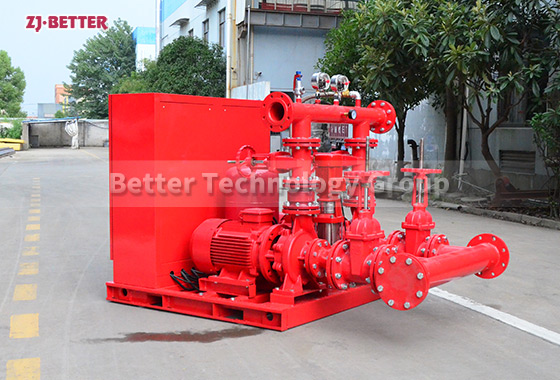
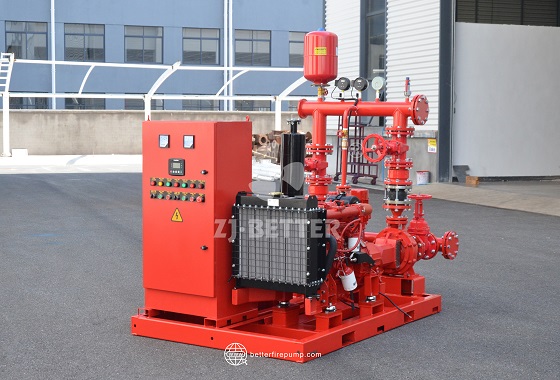
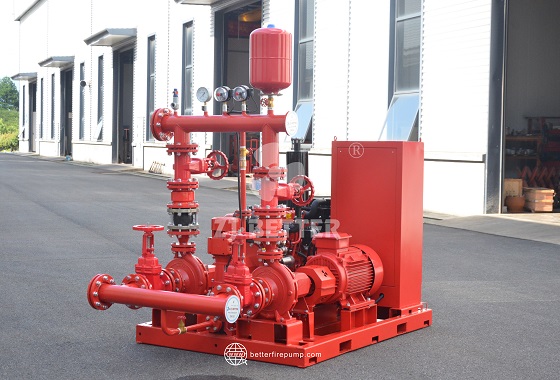
Smart Fire Pump System for Multi Scenario Emergency Water Supply
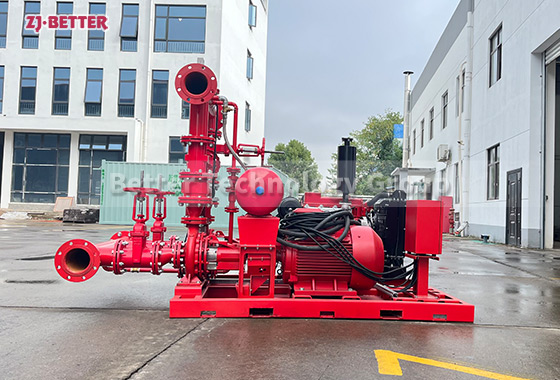
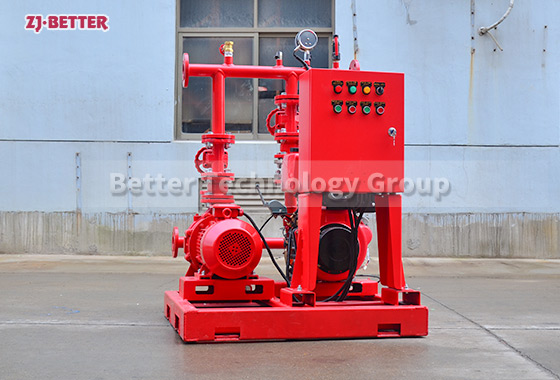
Intelligent fire pump systems integrate automatic control, stable water supply, remote monitoring, and high reliability. They are widely used in commercial buildings, industrial parks, high-rise buildings, and special engineering projects, providing efficient solutions for fire water supply and emergency fire extinguishing in multiple scenarios.
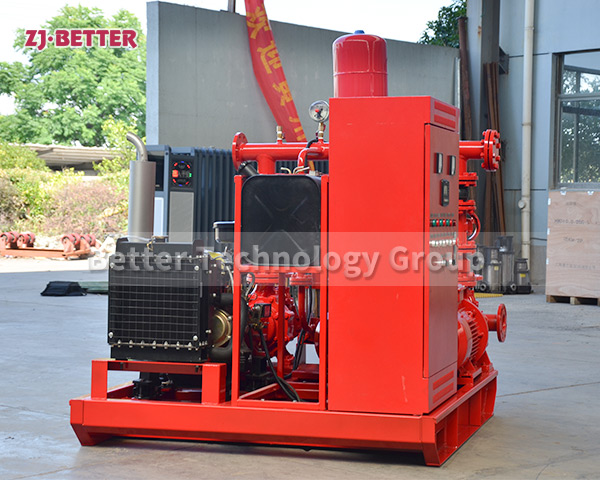
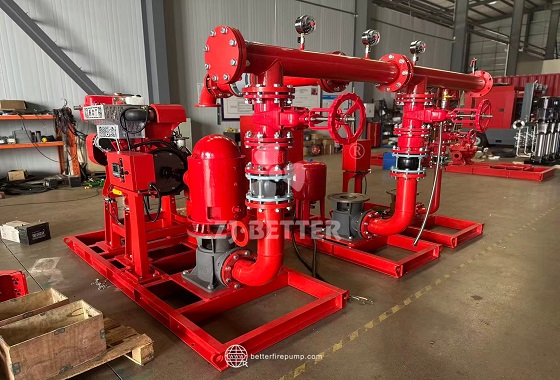
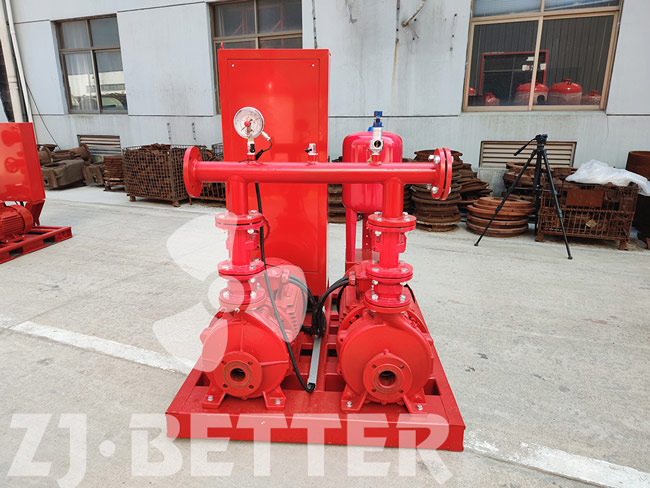
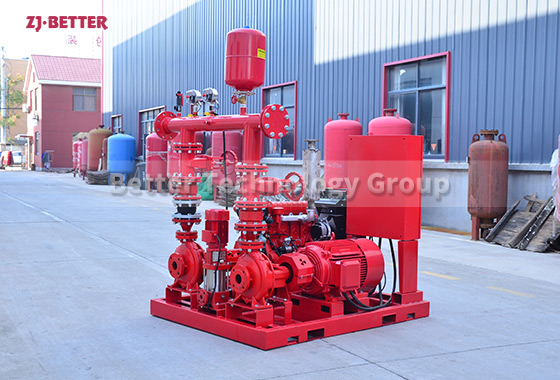
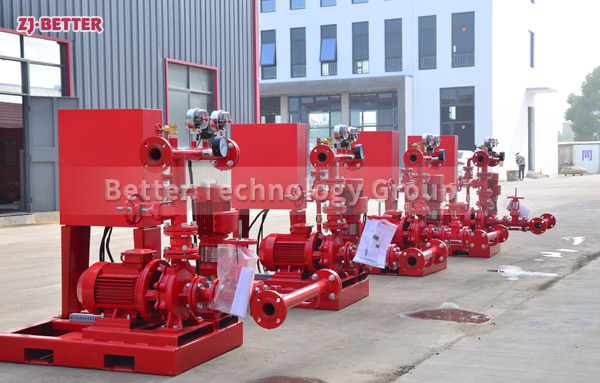
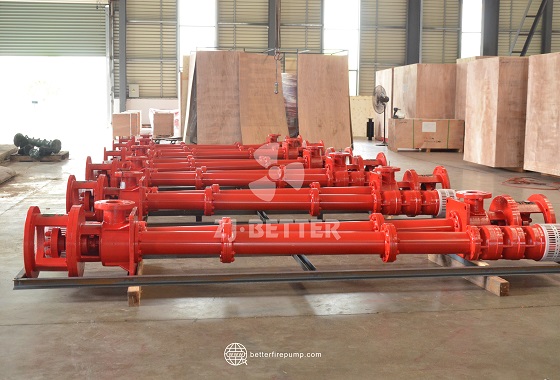
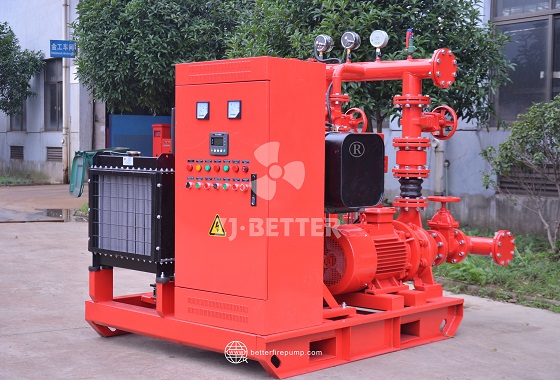
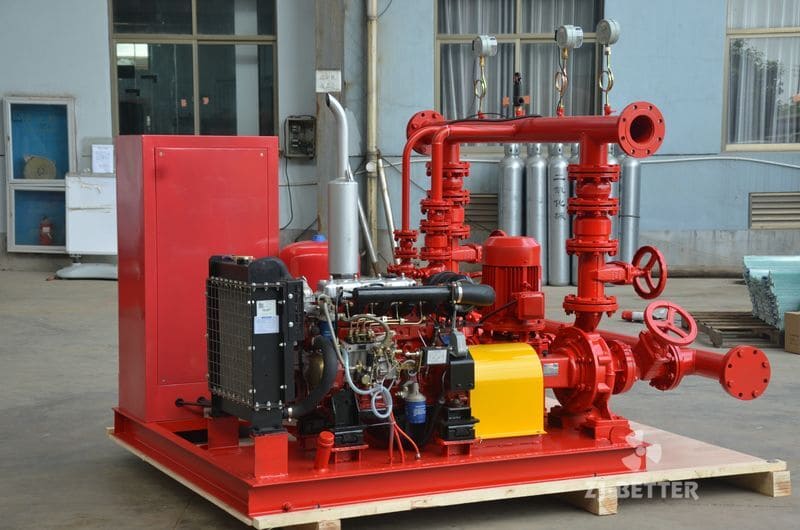
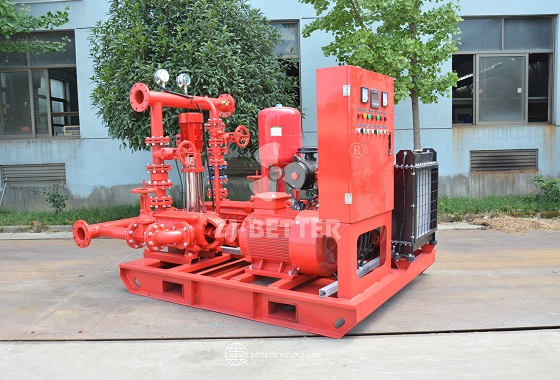
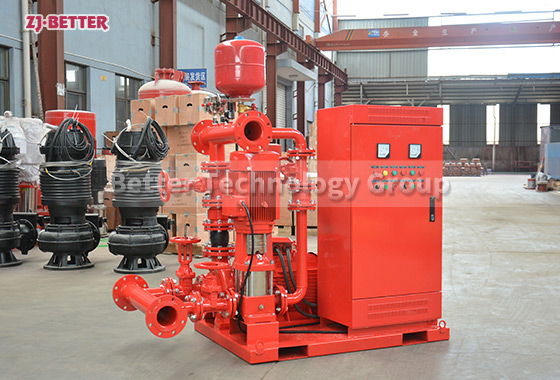
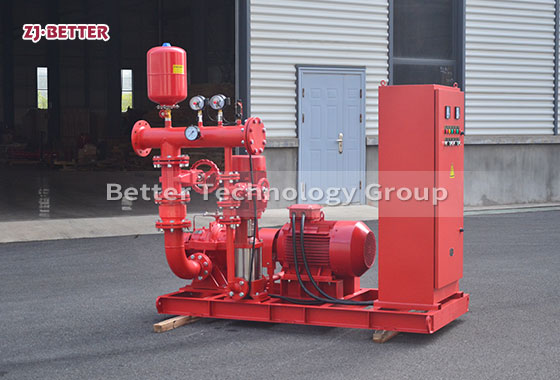
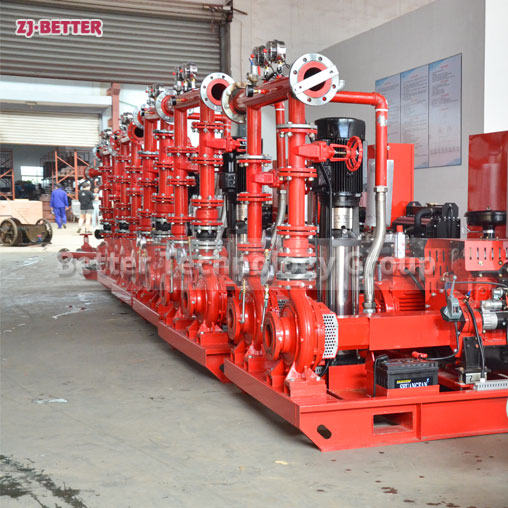
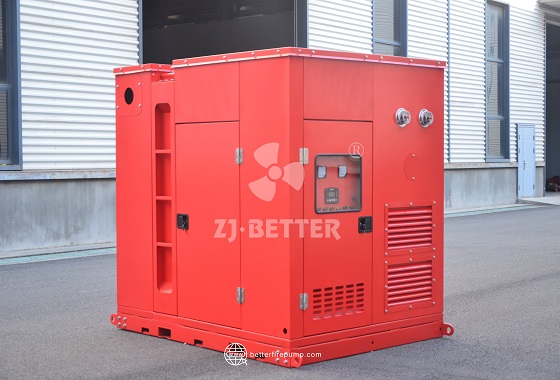
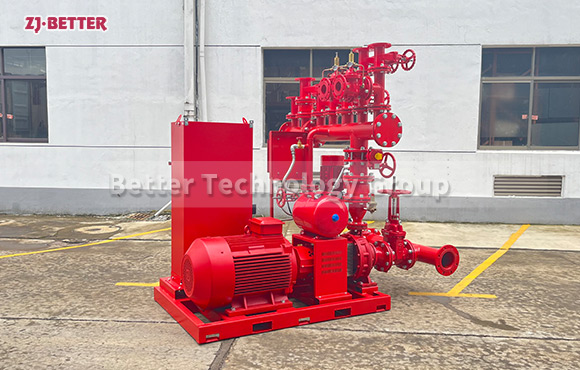
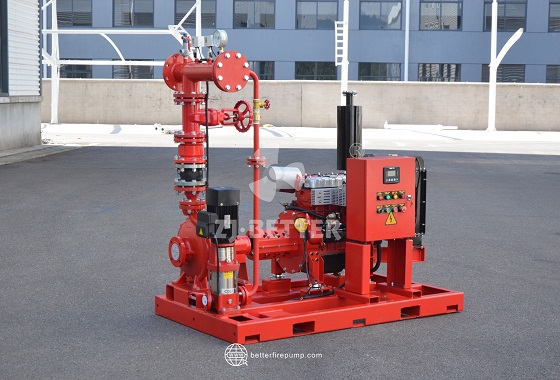
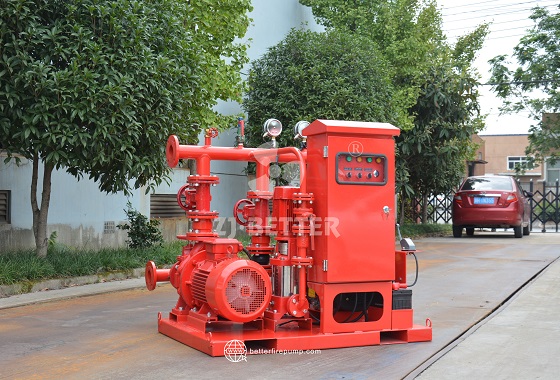
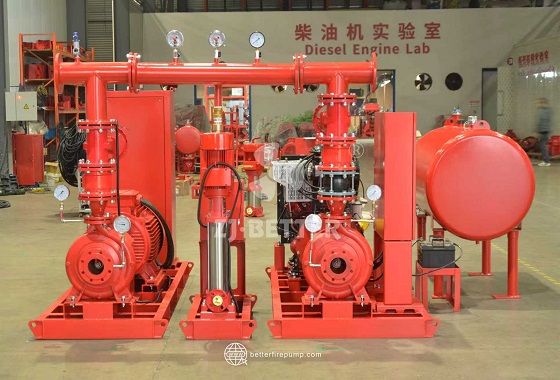
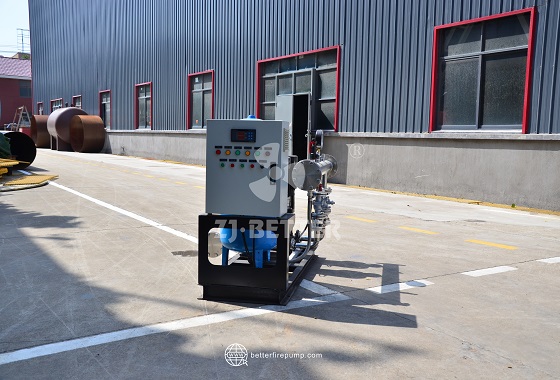
With the continuous expansion of modern building scale, the ongoing upgrading of industrial facilities, and the widespread promotion of smart fire protection concepts, the requirements for fire protection systems regarding water supply equipment have evolved from a single fire extinguishing function to a comprehensive solution emphasizing intelligence, automation, high reliability, and adaptability to multiple scenarios. Whether it’s large commercial complexes, high-rise buildings, industrial parks, warehousing and logistics centers, petrochemical projects, or municipal infrastructure construction, a stable and reliable fire water supply system is essential as a foundation for safety. Against this backdrop, intelligent fire pump systems, with their advanced automatic control technology, stable and efficient water supply capacity, and flexible scenario adaptability, have gradually become core equipment in modern fire protection engineering. This system not only meets conventional fire extinguishing needs but also rapidly establishes a water supply guarantee system in complex environments and emergencies, achieving 24/7 automatic monitoring, automatic start-up, and intelligent operation management, providing more efficient, safe, and reliable fire water supply solutions for various fields. The biggest feature of intelligent fire pump systems lies in their advanced automated control capabilities. Traditional fire pump equipment often requires manual monitoring and operation, while intelligent fire pump systems, through the integration of control cabinets, sensors, pressure monitoring modules, and automatic linkage programs, achieve fully automated management of the entire fire water supply process. When smoke detectors, heat detectors, or fire alarm systems inside a building detect a fire signal, the system automatically receives the command and quickly starts the fire pump, establishing fire water supply pressure without manual intervention. The entire startup process is fast-responding, providing sufficient water to sprinkler systems, fire hydrant systems, and fire monitor systems in the early stages of a fire, effectively controlling the spread of fire, improving firefighting efficiency, and reducing fire losses. Stable and reliable water supply performance is a key reason for the widespread application of intelligent fire pump systems in modern fire protection engineering. The core task of a fire protection system is to provide a continuous and stable water flow and pressure in emergencies. Intelligent fire pump systems, employing high-efficiency fire pumps and optimized hydraulic structure design, can achieve high head, large flow rate, and stable pressure output. Whether in the top areas of high-rise buildings, underground parking garages, long-distance fire hydrant networks, or large industrial parks, the equipment can maintain continuous water supply capacity, ensuring the normal operation of fire protection facilities at critical moments. For high-rise buildings, the system can overcome pressure loss due to height, ensuring the normal operation of sprinkler systems in high-rise areas; for large warehousing centers and industrial parks, it can meet the water supply needs of multiple fire-fighting areas simultaneously. Multi-scenario adaptability is one of the key competitive advantages of intelligent fire pump systems. Modern fire protection engineering encompasses a variety of application scenarios, including commercial buildings, industrial plants, schools, hospitals, airports, ports, subways, petrochemical projects, and data centers, each with different requirements for fire water supply systems. Intelligent fire pump systems can flexibly configure flow rate, head, and control modes according to project needs, meeting the fire water supply requirements of different scenarios. In commercial complexes, the system can be linked with building management platforms for unified monitoring; in industrial parks, it can be integrated with production safety systems to improve the overall safety level; in special industrial environments, explosion-proof designs and corrosion-resistant materials can be used to adapt to long-term operation in high-temperature, high-humidity, and corrosive environments. This strong adaptability makes it an important component of modern fire protection engineering. Intelligent monitoring and remote management functions further improve the operational efficiency of fire protection systems. Intelligent fire pump systems achieve dynamic monitoring of the entire equipment operation process by collecting data such as pressure, flow rate, speed, current, water level, and operating status in real time. When the system detects abnormal pressure, insufficient flow, or equipment failure, it can immediately issue alarm information and automatically record fault data, providing maintenance personnel with accurate diagnostic information. Some advanced systems also support IoT remote monitoring technology, allowing managers to view equipment status in real time via computer or mobile terminal, enabling them to monitor the operation of the fire protection system even when not on-site. This digital management model not only improves maintenance efficiency but also significantly reduces the risk of equipment failure. High reliability design is crucial for intelligent fire pump systems to serve critical fire protection projects for extended periods. Firefighting equipment is mostly in standby mode, but must be operational immediately in the event of a fire, thus requiring extremely high reliability. Intelligent fire pump systems are manufactured using industrial-grade core components and high-quality materials. Key components undergo rigorous durability testing and long-term operational verification to ensure stable performance under various operating conditions. The equipment typically features dual power switching, automatic backup pump activation, and automatic fault switching functions. When the main equipment malfunctions, the backup system can immediately take over, preventing water supply interruptions. Through redundant design and multiple protection mechanisms, the overall system reliability is significantly improved, providing a more robust guarantee for fire safety. Energy efficiency and environmental protection are also important development directions for modern intelligent fire pump systems. With the continuous promotion of green building and low-carbon engineering concepts, fire protection equipment must not only meet safety requirements but also reduce operating energy consumption. Intelligent fire pump systems employ high-efficiency motors, intelligent frequency conversion control, and dynamic pressure regulation technology, automatically adjusting their operating status according to actual needs to avoid unnecessary energy waste. During normal pressure stabilization operation, the system can maintain pipeline pressure at a lower power level, while rapidly switching to a high-power operating mode in the event of a fire. This intelligent adjustment mechanism not only reduces operating costs but also extends equipment lifespan, aligning with the modern trend of energy conservation and environmental protection in buildings. Ease of maintenance is also a key reason for the market favor of intelligent fire pump systems. The equipment adopts a modular design concept, with a rational layout of the control system, power system, pump body, and piping components, facilitating installation and maintenance. The intelligent control platform automatically records equipment operating data and maintenance cycles, reminding managers to conduct regular inspections and maintenance. Fault diagnosis functions can quickly locate problem areas, reducing maintenance time and downtime losses. The application of high-quality mechanical seals, wear-resistant impellers, and anti-corrosion materials further reduces equipment failure rates and improves overall operational stability. Emergency water supply capability is a prominent advantage of intelligent fire pump systems in complex environments. In the event of insufficient municipal water supply pressure, water supply interruption, or natural disasters, the system can quickly switch to a backup water source supply mode, ensuring the continuous operation of the fire protection system. Some equipment supports access to fire pools, underground water sources, and temporary water storage facilities, providing more flexible water supply solutions for emergency rescue. In industrial accidents, warehouse fires, and emergencies in large public venues, the system can quickly establish a stable water supply network, improving emergency firefighting efficiency and ensuring personnel safety. With the continuous advancement of smart city construction, intelligent fire pump systems are also developing towards greater digitalization, networking, and intelligence. In the future, the system will further integrate artificial intelligence analysis technology, big data management platforms, and cloud monitoring systems to achieve equipment status prediction, fault early warning, and remote operation and maintenance management. Through the analysis of historical operating data and real-time monitoring data, the system can identify potential problems in advance and take preventative measures, thereby further improving the reliability and safety of the fire water supply system. Overall, intelligent fire pump systems, with their advantages of automated control, stable water supply, multi-scenario adaptability, remote monitoring, high reliability, and energy conservation and environmental protection, have become important equipment in modern fire protection engineering construction. They can not only meet the fire water supply needs of commercial buildings, industrial parks, high-rise buildings, and special engineering projects, but also improve the overall operating efficiency of the fire protection system through intelligent management, providing safer, more reliable, and more efficient fire protection for modern society. In the future construction of smart fire protection systems, intelligent fire pump systems will continue to play a key role, providing strong technical support for protecting life and property and improving public safety.