Multi-Application Portable Fire Pump for Temporary and Emergency Use
Portable gasoline fire pumps feature rapid start-up, easy portability, and efficient water supply capabilities, making them suitable for rural areas, construction sites, and emergency fire-fighting scenarios, thereby improving on-site water supply flexibility and fire response efficiency.
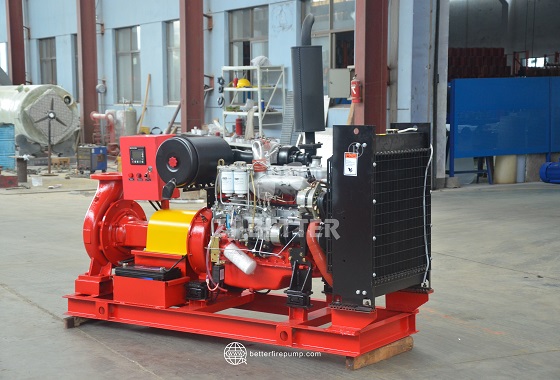
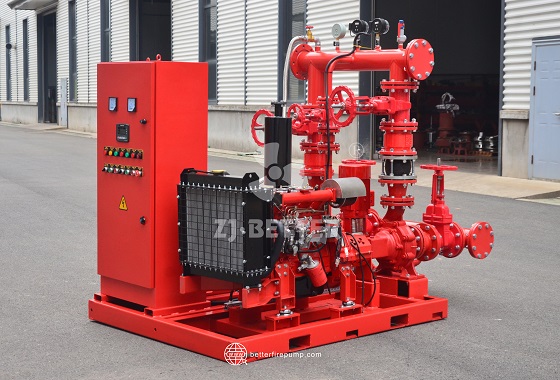
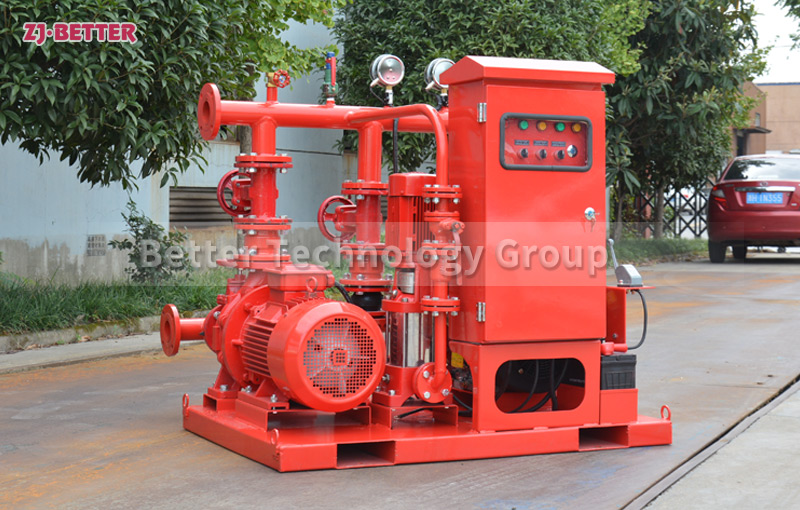
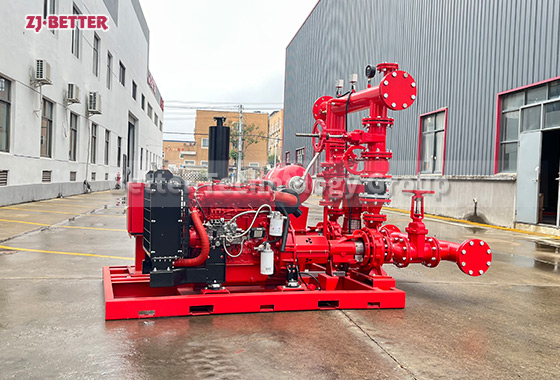
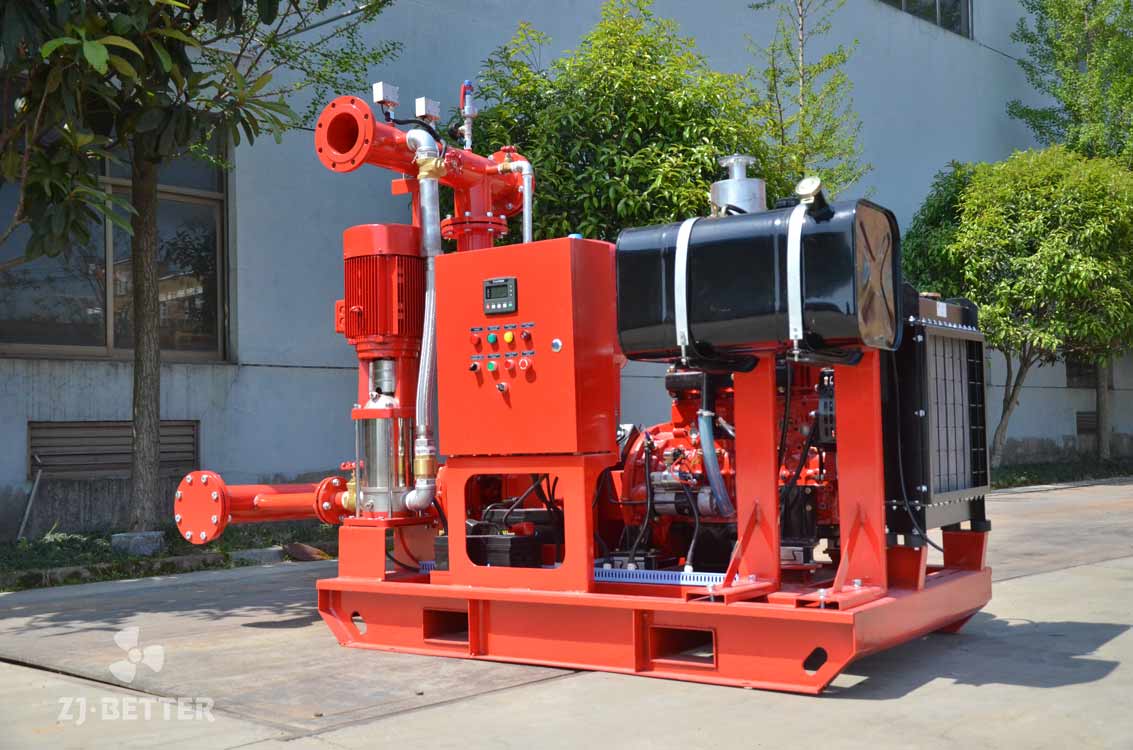
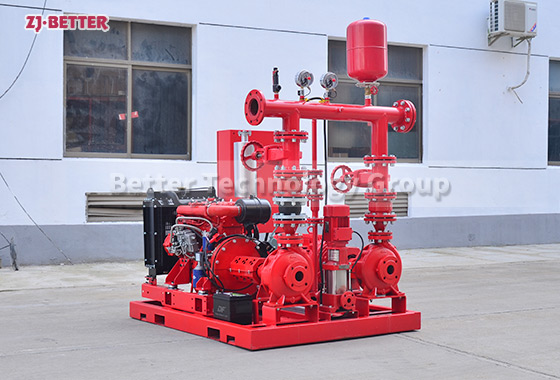
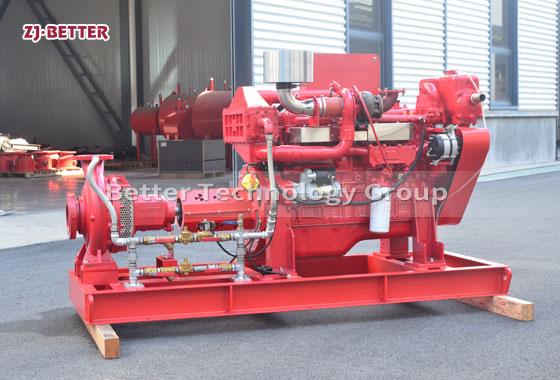
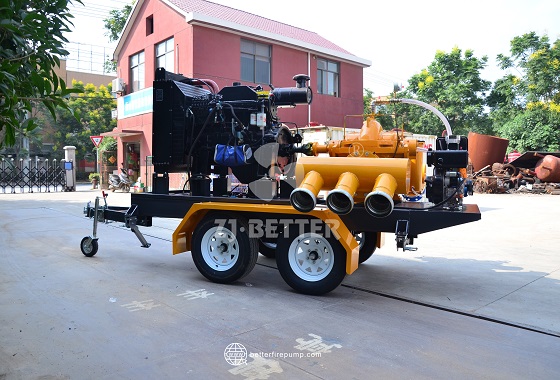
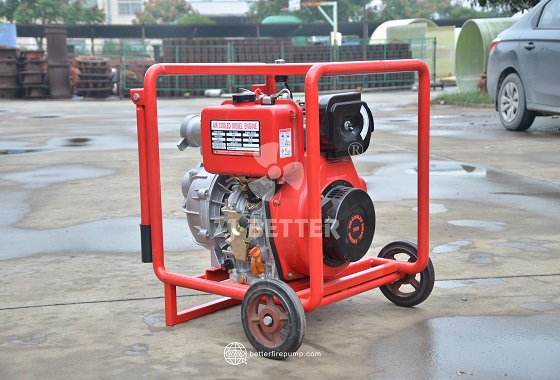
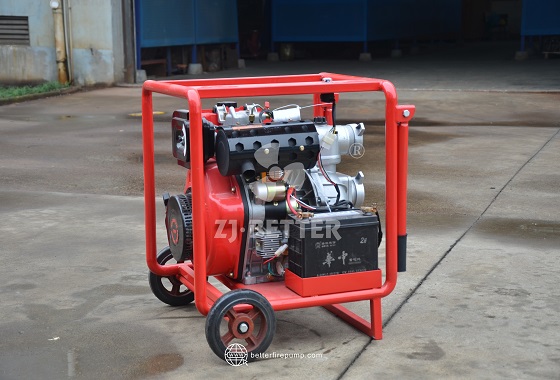
With the continuous development of modern fire protection systems towards higher efficiency and mobility, and facing the problem of insufficient fire protection infrastructure in urban fringe areas, rural areas, construction sites, and various temporary work environments, small fire-fighting equipment with rapid response capabilities and flexible deployment advantages is gradually becoming an important part of emergency fire protection systems. Among them, the portable gasoline fire pump solution, with its compact structure, rapid start-up, simple operation, and strong adaptability, has demonstrated extremely high application value in various complex environments. This type of equipment integrates a gasoline power system with a high-efficiency water pump component, enabling rapid water supply without relying on electricity, providing reliable support for on-site fire fighting and emergency rescue. The core advantage of the portable gasoline fire pump is primarily reflected in its excellent mobility and portability. The equipment adopts a lightweight design concept, effectively controlling the overall weight through optimized structural layout and material selection. It is also equipped with a robust frame and roller structure, allowing for easy movement under various ground conditions. Whether in narrow passages, complex construction sites, or uneven rural roads, it can be quickly advanced to the designated location, significantly shortening deployment time and enabling rapid intervention in the early stages of a fire, which plays a crucial role in controlling the spread of the fire. In terms of the power system, portable gasoline fire pumps use high-performance gasoline engines as the drive source, offering advantages such as rapid start-up, stable operation, and easy maintenance. Compared to diesel engines, gasoline engines perform better in cold start performance, completing startup and reaching a stable operating state in a shorter time. This characteristic allows the equipment to be deployed more quickly in emergencies. Furthermore, the gasoline power system has a relatively simple structure, making daily maintenance easier. Users can perform basic maintenance without complex technical support, thus lowering the barrier to entry and maintenance costs. Regarding hydraulic performance, these devices are typically equipped with high-efficiency centrifugal pumps or self-priming pumps. Through optimized impeller structure and internal flow channel design, they achieve rapid water intake and stable water delivery capabilities, establishing water pressure quickly and continuously outputting a stable water flow to meet the needs of small fire suppression and emergency water supply. Their excellent self-priming performance allows the equipment to draw water directly from rivers, pools, or temporary storage containers without a complex water intake system, further enhancing ease of use. In practical applications, this flexible water intake capability is particularly important in areas lacking fixed water sources. In terms of operation and control, portable gasoline fire pumps emphasize simplified design, typically employing intuitive control structures and user-friendly layouts. This allows operators to quickly master operation without specialized training, and a simple start-up process puts the equipment into working condition, significantly improving on-site emergency response efficiency. Simultaneously, the equipment exhibits low vibration and relatively controllable noise during operation, contributing to a better operating environment and enhanced user experience. Regarding structural design, these devices utilize a high-strength steel frame to fully protect core components, not only increasing overall strength but also effectively preventing damage from external impacts during transportation and use. The open structure design facilitates heat dissipation and maintenance, ensuring the engine and pump body maintain optimal operating conditions during extended operation, thus extending the equipment’s lifespan. Furthermore, the equipment surface is typically treated with an anti-corrosion coating, enabling it to withstand humid, dusty, and complex outdoor environments, improving overall durability. In terms of operational reliability, portable gasoline fire pumps demonstrate excellent stability. Key components undergo rigorous quality control and performance testing, maintaining stable output during continuous operation. The equipment design fully considers emergency use needs, employing wear-resistant and impact-resistant materials in key structures to reduce the probability of failure and ensure normal operation in critical moments. In terms of maintenance and upkeep, this type of equipment has significant advantages. Its simple structure, few components, and rational layout make daily maintenance more convenient. Users can quickly perform operations such as oil changes, spark plug checks, and filter cleaning, thus maintaining the equipment in good operating condition. Furthermore, its small size makes storage and transportation easier, facilitating long-term storage and immediate deployment. Regarding environmental adaptability, portable gasoline fire pumps can adapt to various complex working conditions, including high-temperature, humid, and dusty environments. They can also be used flexibly in different terrain conditions, operating stably in urban roads, rural areas, and construction sites. This wide adaptability makes them valuable in various emergency scenarios. In practical applications, portable gasoline fire pump solutions are widely used in rural fire fighting, construction sites, forest fire prevention, urban emergency rescue, and small industrial sites. Through rapid deployment and efficient water supply capabilities, they provide crucial support for initial fire control. Before large fire-fighting equipment arrives, they can play a vital role as the first response device, effectively reducing fire losses. Their flexibility, portability, and low cost also make them an important choice for grassroots fire-fighting deployment. With the continuous development of fire-fighting equipment technology, portable gasoline fire pumps are also constantly being optimized and upgraded. By adopting more efficient engines to improve power performance, improving hydraulic design to enhance water supply efficiency, and optimizing the structure to further reduce weight and enhance durability, the equipment is continuously improving in terms of performance and user experience, better meeting modern fire-fighting needs. Overall, the portable gasoline fire pump solution, through the organic combination of lightweight design, independent power system, and high-efficiency hydraulic performance, achieves a comprehensive improvement in the mobility, response speed, and water supply capacity of fire-fighting equipment. It not only meets the emergency fire-fighting needs in various complex environments but also provides a flexible and reliable supplementary solution to modern fire-fighting systems, playing a vital role in protecting human lives and reducing fire losses.