Smart Control Meets Efficient Water Delivery: Next-Generation Diesel Fire Pump Unveiled
The next-generation diesel-driven fire pump system combines smart control, efficient water delivery, and modular design. Ideal for high-risk fire protection scenarios, it complies with NFPA20 standards, supporting intelligent firefighting infrastructure.
In the construction and upgrading of modern fire protection systems, the reliability of power sources and intelligent control capabilities have become key indicators for evaluating the performance of core equipment. Diesel-powered fire pumps, as the primary equipment in environments where electricity is unavailable or power supply is unstable, have become increasingly important. The new generation of diesel-driven fire pumps, equipped with integrated intelligent control systems, optimized hydraulic structures, enhanced power efficiency, and strengthened modular integration, provides a more comprehensive and efficient solution for high-intensity, high-risk application scenarios, fully meeting the demand for stable, high-pressure, continuous water supply across industrial, commercial, and municipal sectors.
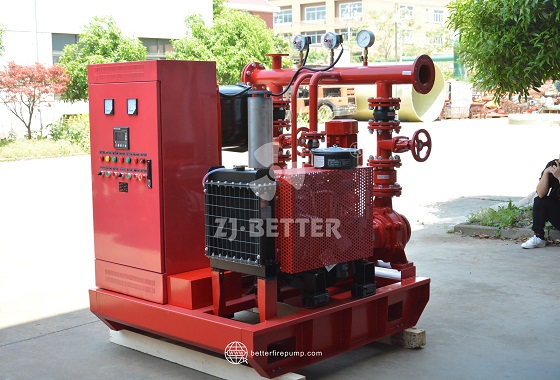
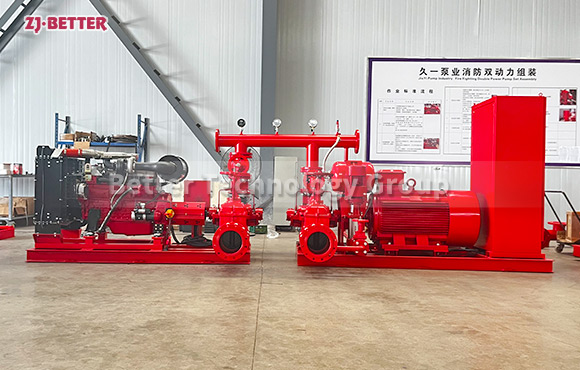
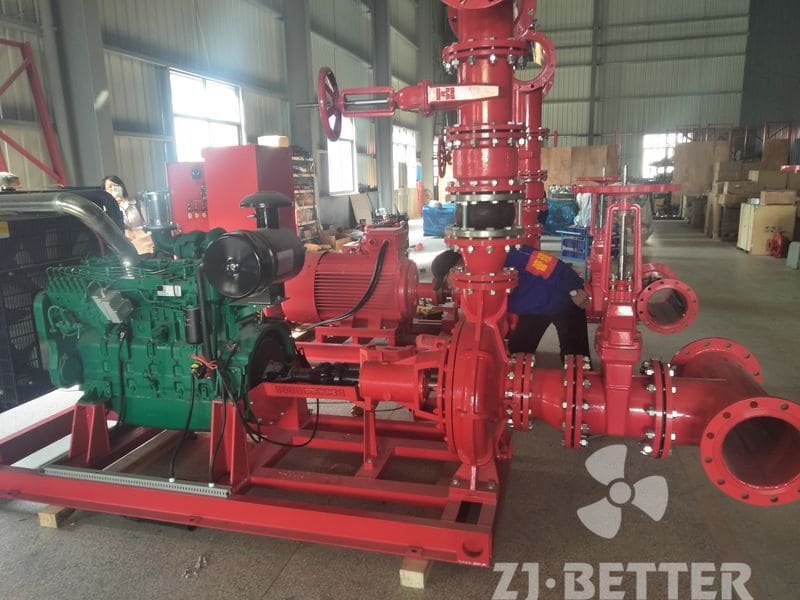
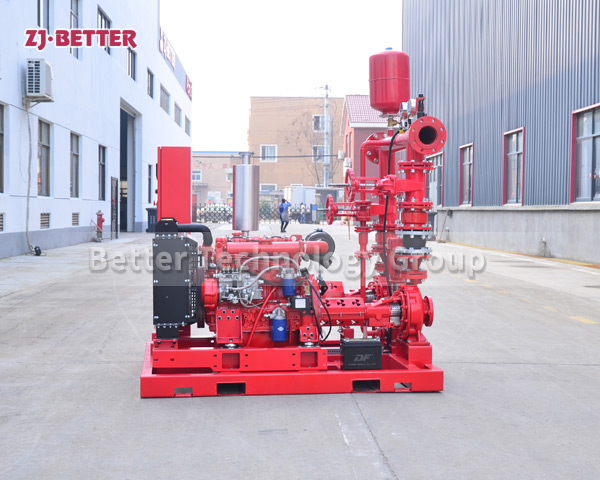
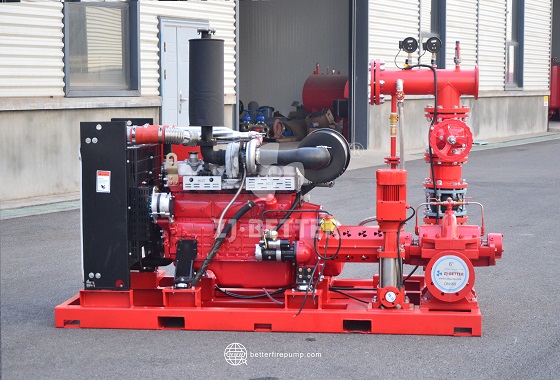
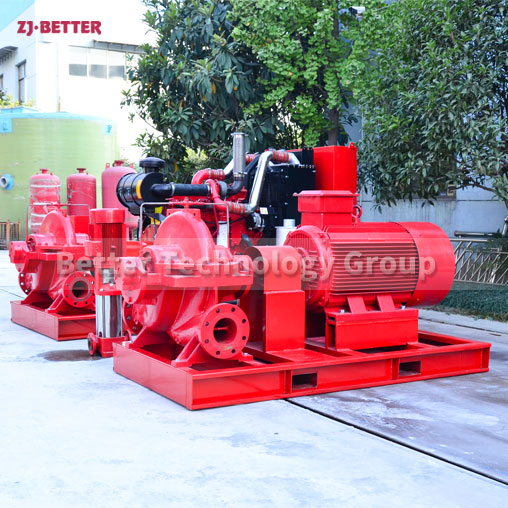
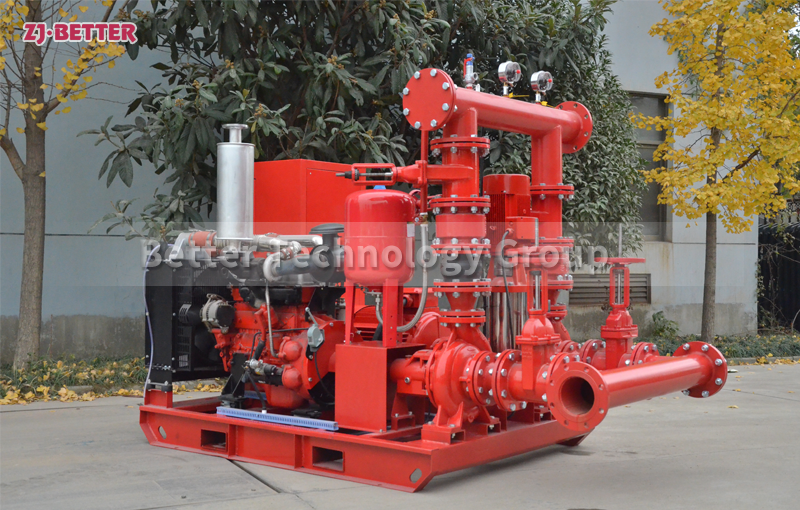
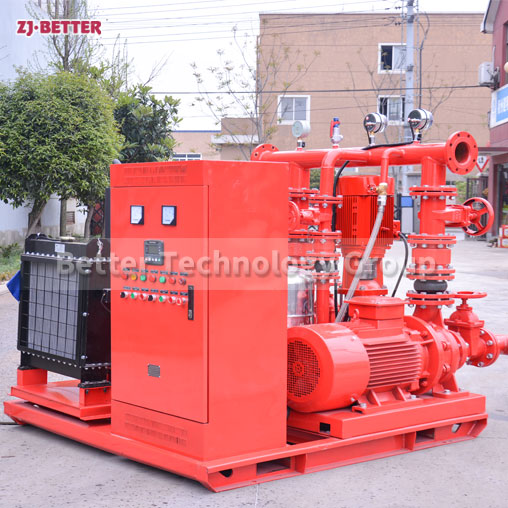
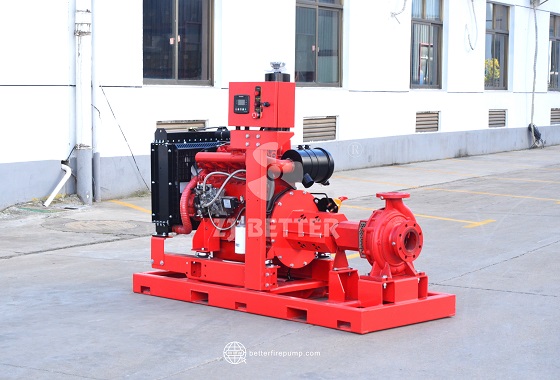
Firstly, this series of diesel-powered fire pump systems adopts imported or domestically produced diesel power cores from well-known brands such as Cummins, Yuchai, and Weichai, offering advantages such as high power output, low fuel consumption, and rapid startup. This ensures swift response in emergency fire situations, with startup time controllable within 15 seconds. Combined with an electronic speed control system and CAN bus interface, the system enables real-time monitoring and closed-loop control of operational parameters such as speed, power output, and fuel system status, providing extremely high safety redundancy for equipment operation.
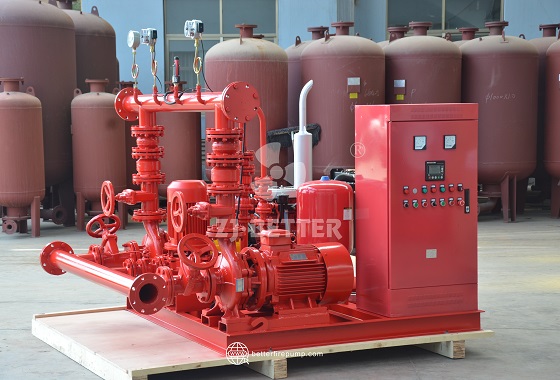
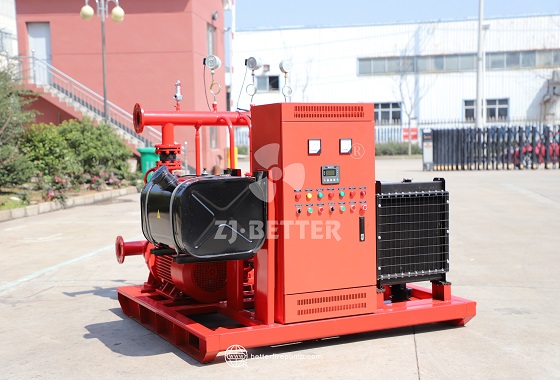
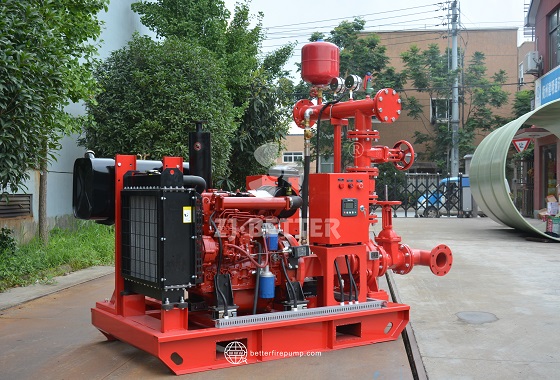
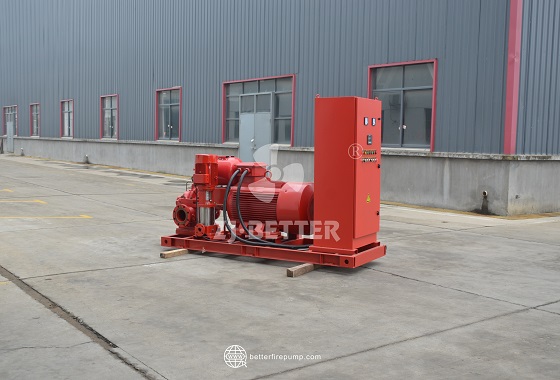
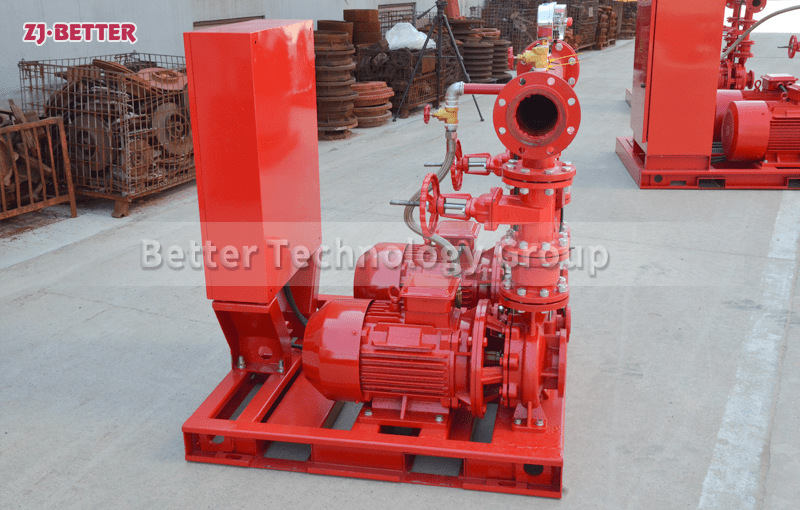
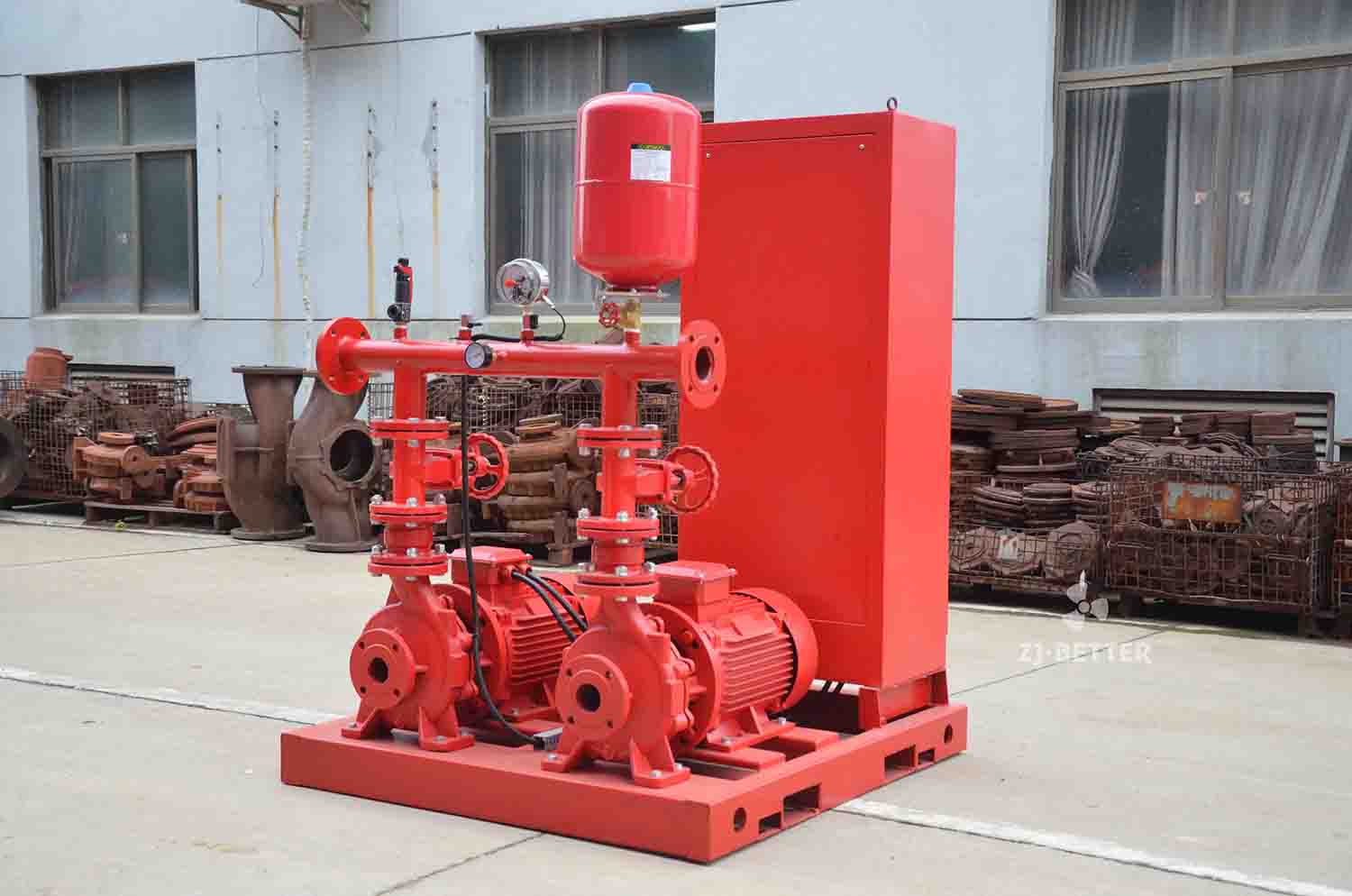
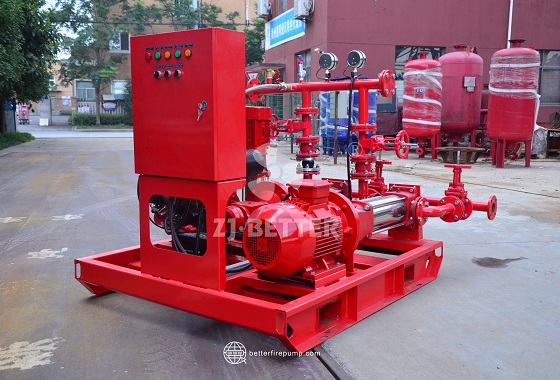
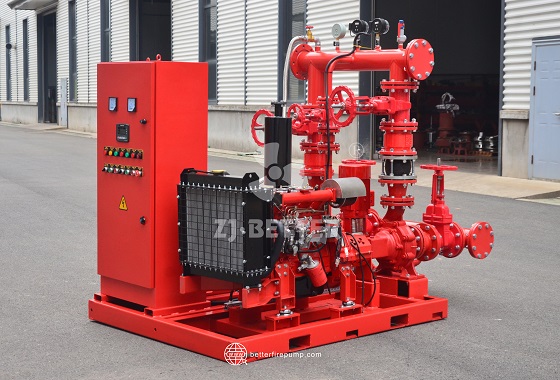
In terms of the control system, the product is equipped with an integrated intelligent fire control cabinet, which integrates PLC logic control, LCD human-machine interface, automatic inspection function, pressure start/stop, remote control, and signal feedback functions. Users can set automatic start/stop parameters according to actual operating conditions to achieve intelligent operation in unmanned situations. The control system supports dual power supply switching between mains power and diesel engines, featuring automatic alarms, self-diagnosis, and operational record storage functions, truly realizing the “intelligent control collaboration” operational philosophy.
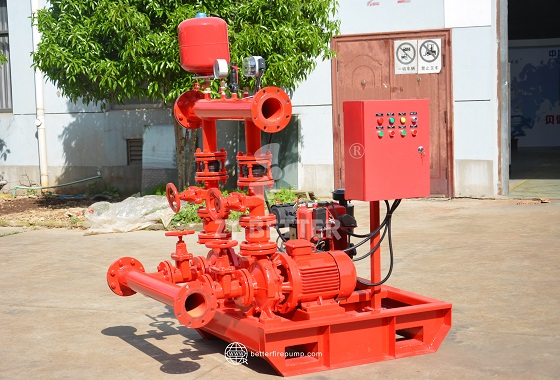
From a hydraulic design perspective, this fire pump system adopts a horizontal split-case or end-suction pump body structure, featuring wide flow channels and high impeller balance, effectively reducing system operation vibration and noise while enhancing hydraulic efficiency. The rated flow rate ranges from 50 to 1,500 m³/h, with a pressure range up to 0.3 to 2.0 MPa, meeting the water supply pressure requirements of various locations such as high-rise buildings, chemical plants, and large warehousing areas. The pump body is made of ductile iron or stainless steel, with internal components upgradable to copper alloy or ceramic seals based on operating conditions, significantly enhancing corrosion resistance and service life.
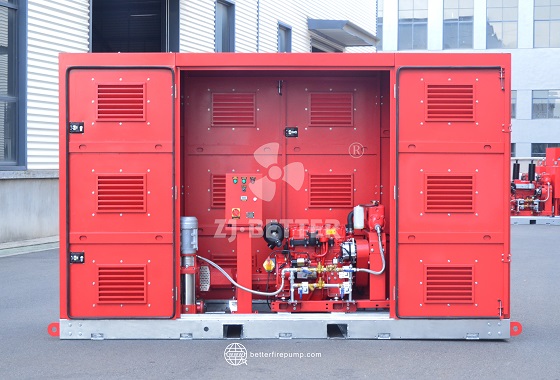
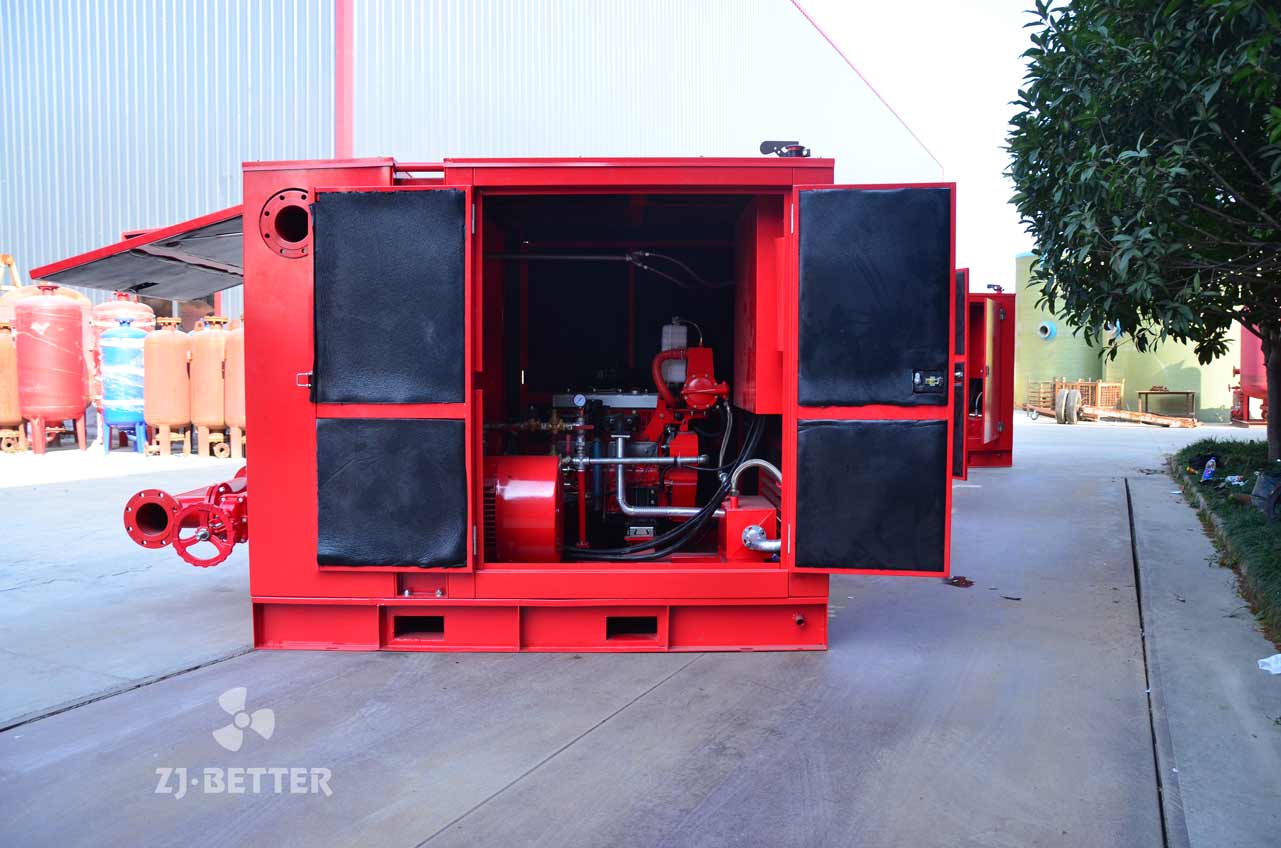
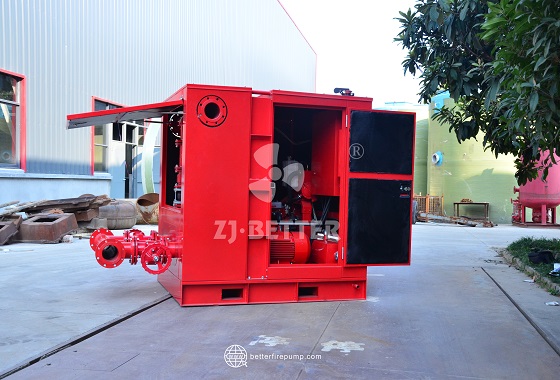
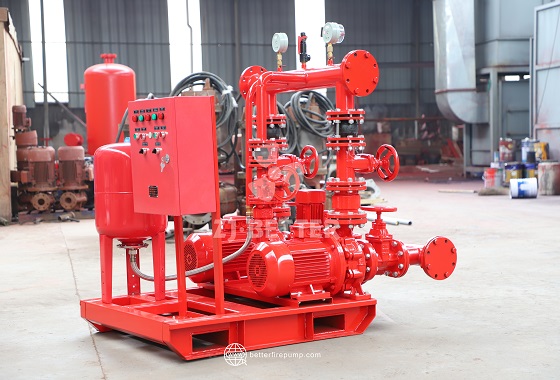
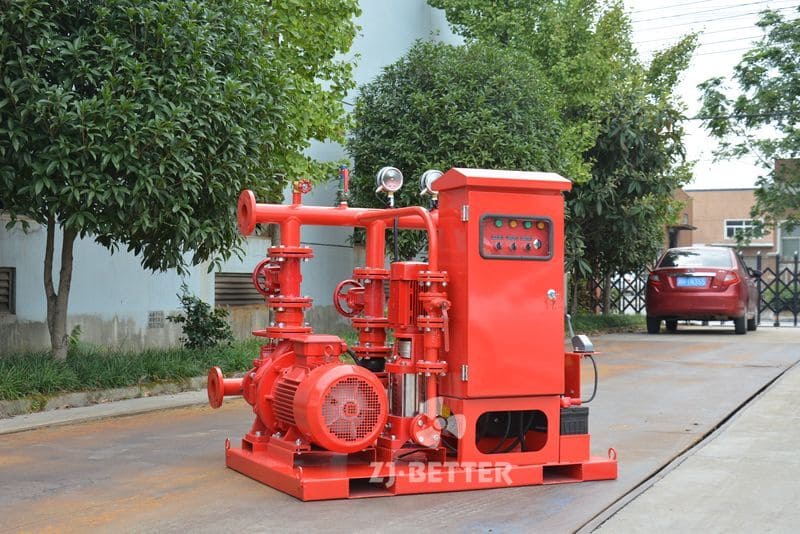
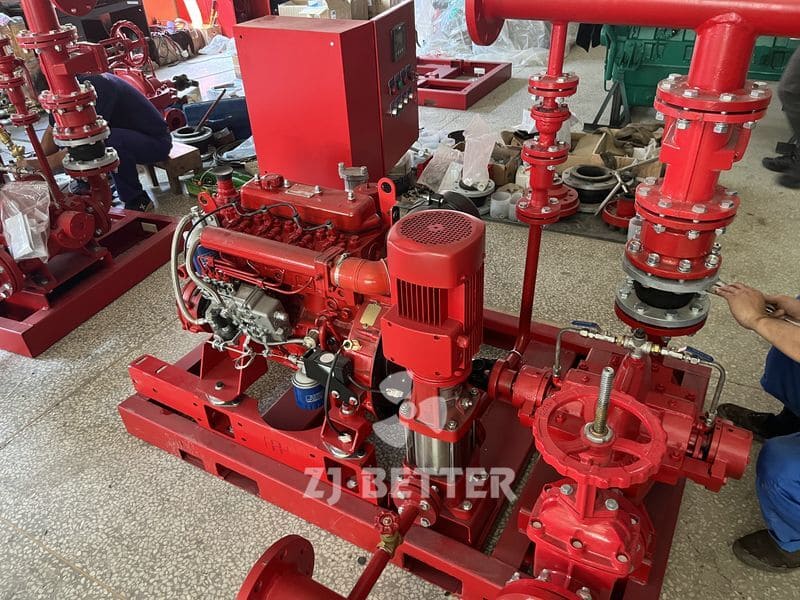
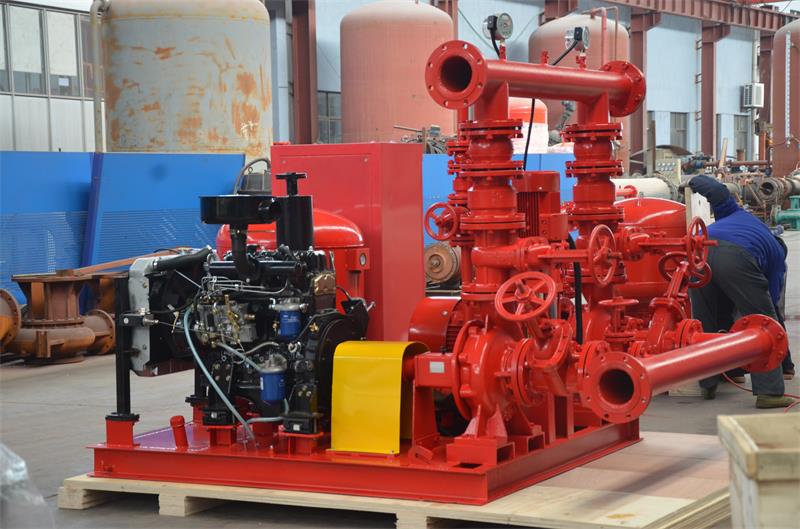
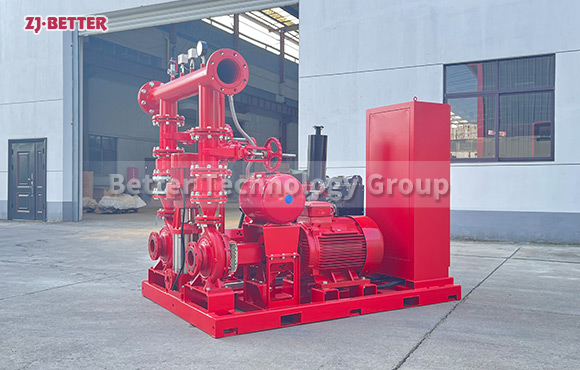
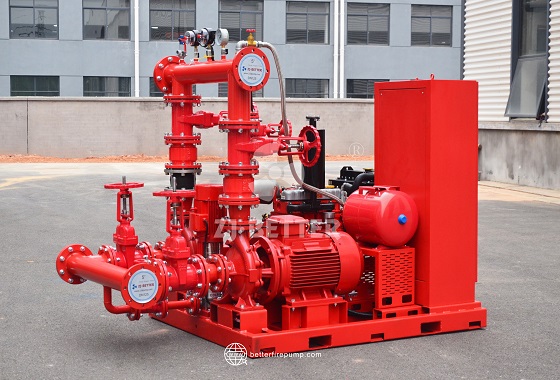
The entire diesel fire pump assembly adopts a modular base design, with all subsystems—including the diesel power unit, pump, control cabinet, starting battery pack, radiator, fuel system, and exhaust system—mounted on a unified steel base. The base is equipped with vibration-damping pads and lifting holes for convenient transportation, installation, and maintenance. Users can choose from optional upgrades such as a pressure accumulator, fuel tank expansion, soundproof enclosure, and remote module to achieve flexible customization based on project requirements.
In terms of energy efficiency and environmental friendliness, the new generation of diesel-powered fire pumps is strictly designed in accordance with the NFPA 20 international standard, compliant with the latest environmental emission regulations, and features low fuel consumption, low noise, and low emissions. The pump set achieves an operational efficiency of over 80%, effectively reducing energy waste and aligning with green building and sustainable development trends. The starting battery pack uses maintenance-free high-capacity batteries, and the charging controller features overload protection and intelligent charging functions, ensuring the equipment remains in optimal working condition for extended periods in standby mode.
In terms of application, diesel-powered fire pumps are widely used in emergency fire protection systems with extremely high reliability requirements, such as petrochemical plants, power systems, highway tunnels, large airports, port terminals, and urban rail transit. Their stable standalone operation capability and powerful hydraulic output performance enable them to demonstrate exceptional emergency response capabilities in harsh environments such as extreme weather conditions, power outages, and remote areas, ensuring uninterrupted supply of firefighting water.
In summary, the perfect integration of intelligent control and efficient water delivery has enabled the next-generation diesel-driven fire pump system to achieve comprehensive breakthroughs in technical performance, operational stability, intelligence levels, and application scope. In the future, with the continued development of smart fire protection and industrial IoT, such products will evolve toward greater efficiency, integration, environmental friendliness, and intelligence, becoming one of the key devices in constructing urban and industrial safety barriers.