Home » Fire Pump Set » Can fire pumps be retrofitted or upgraded in existing buildings?
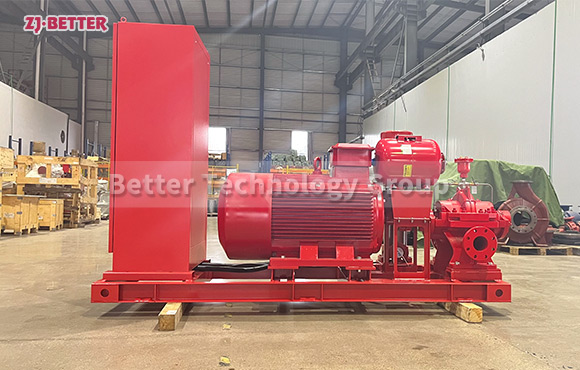
Can fire pumps be retrofitted or upgraded in existing buildings?

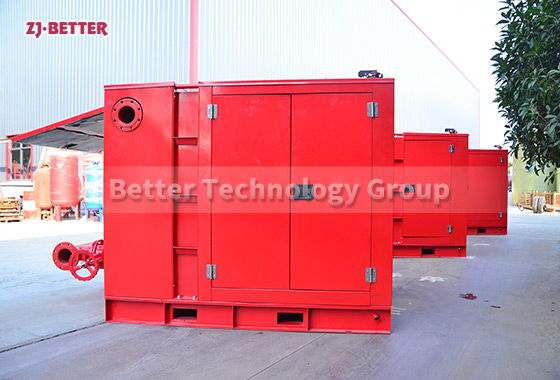
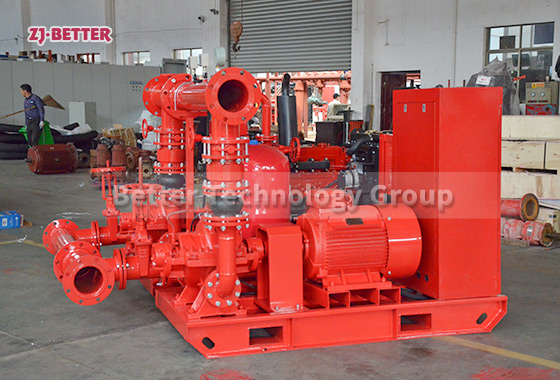
In some cases, existing buildings may need to retrofit or upgrade their fire pump systems to comply with updated building codes or address changes in occupancy. Consulting with a fire protection professional is crucial to ensure proper modifications.

Rated 5/5 based on 496 customer reviews
Share:
Content

In some cases, existing buildings may need to retrofit or upgrade their fire pump systems to comply with updated building codes or address changes in occupancy. Consulting with a fire protection professional is crucial to ensure proper modifications.

Inquiry


    More Fire Pump Set
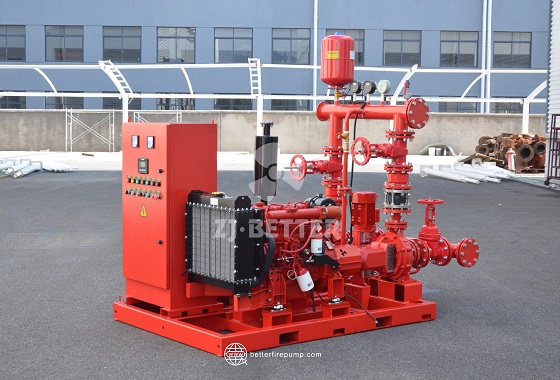
    First, what’s a water pump? It’s a device used to transport liquid, pressurize the liquid, and make the liquid from the first liquid position to the high liquid position. The first water pump constructed by the Chinese is called” water windmill”. latterly, around 300 BC, the emergence of the” Archimedes screw pump” is more analogous to ultramodern pumps. In addition, the following introductory knowledge points are what you must understand.
    1. Centrifugal pump

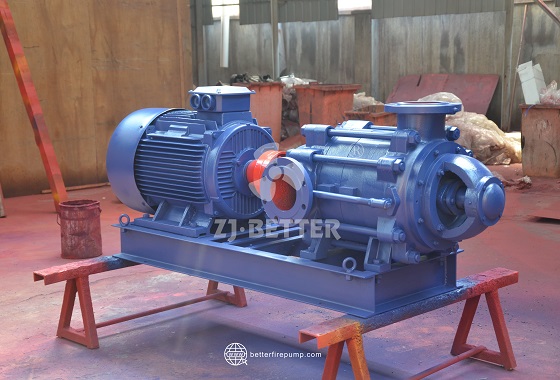
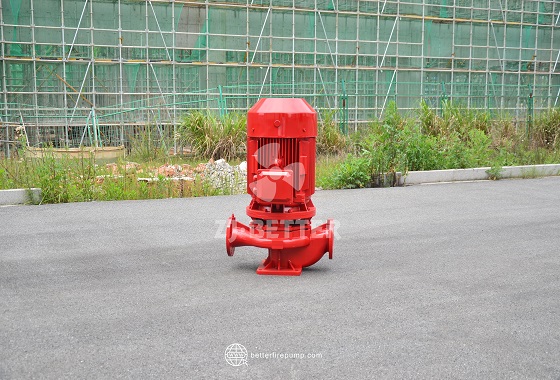
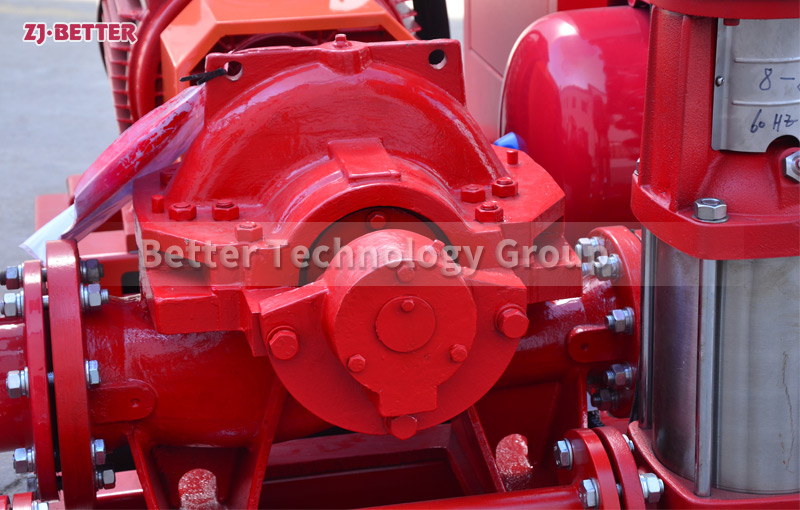
    Centrifugal pump is the most common type of pump. In simple terms, the working principle of centrifugal pump is to rotate the impeller to drive the liquid under the action of centrifugal force. The liquid leaves the impeller and enters the volute. As the inflow passage of the volute gradationally expands, the fluid haste slows down, and the pressure rises continuously, and eventually it’s discharged through the conduit.
    2. Impeller
    The impeller is one of the main factors in the water pump, and it’s the core element that transmits mechanical energy to the liquid. The impeller is substantially divided into three types open type,semi-open type and closed type. The material conditions for the impeller are high, wear resistance is needed, and the manufacturing process is good.

    3. Cavitation

    Cavitation is the conformation of numerous bitsy recesses when the liquid connections the liquid under high- speed inflow and pressure, and gradationally expands into grottoes when serious, and cavitation frequently occurs in the impeller and pump covering.

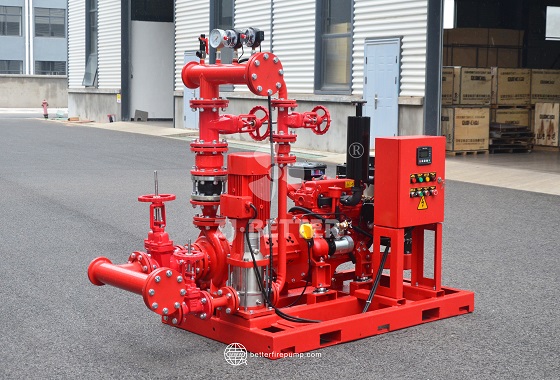
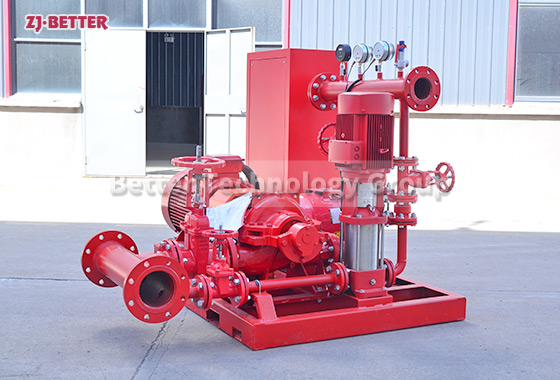
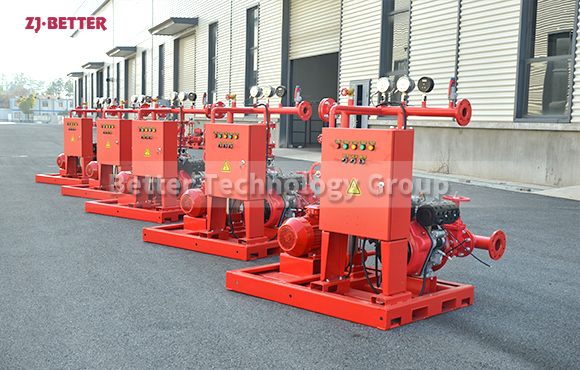
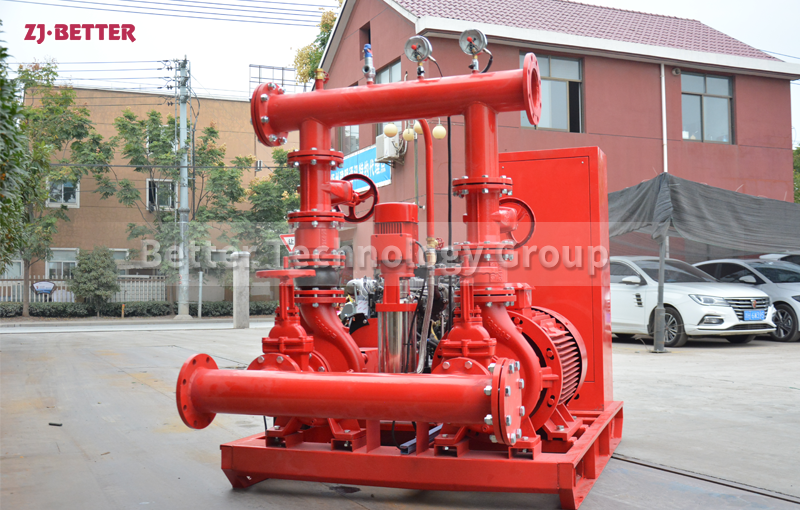
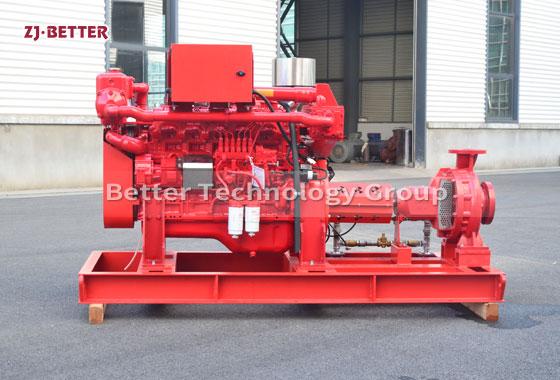
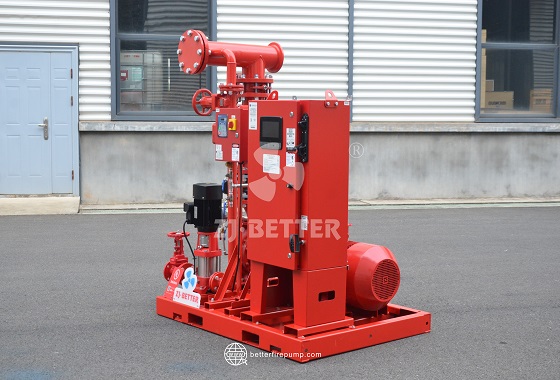
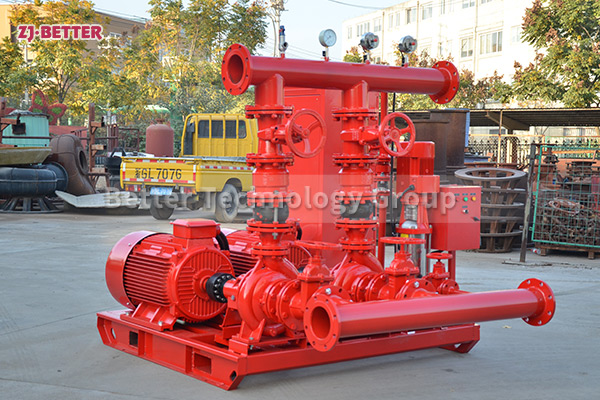
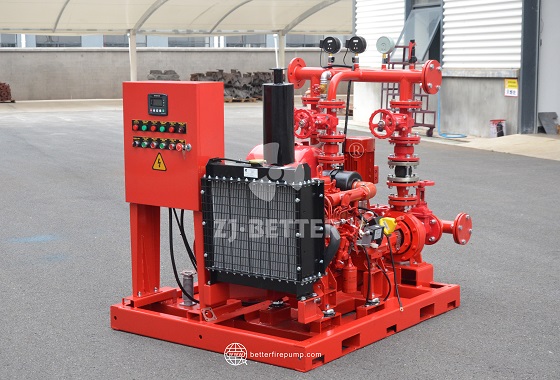
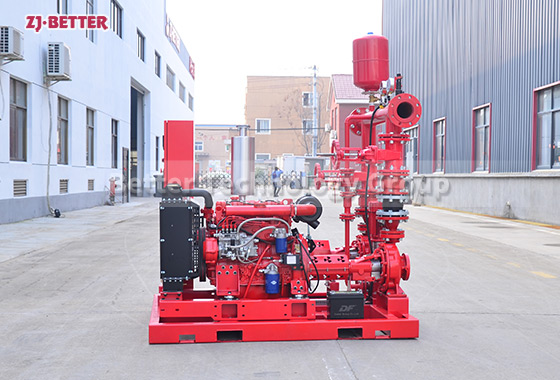
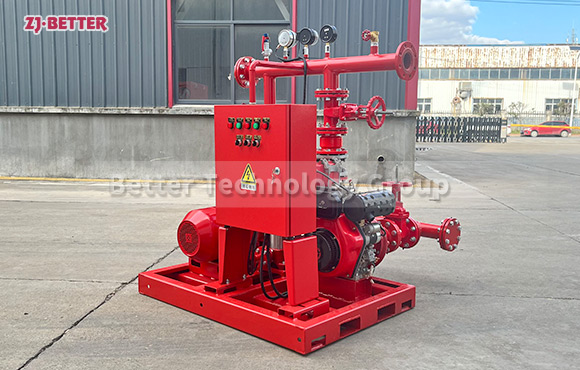
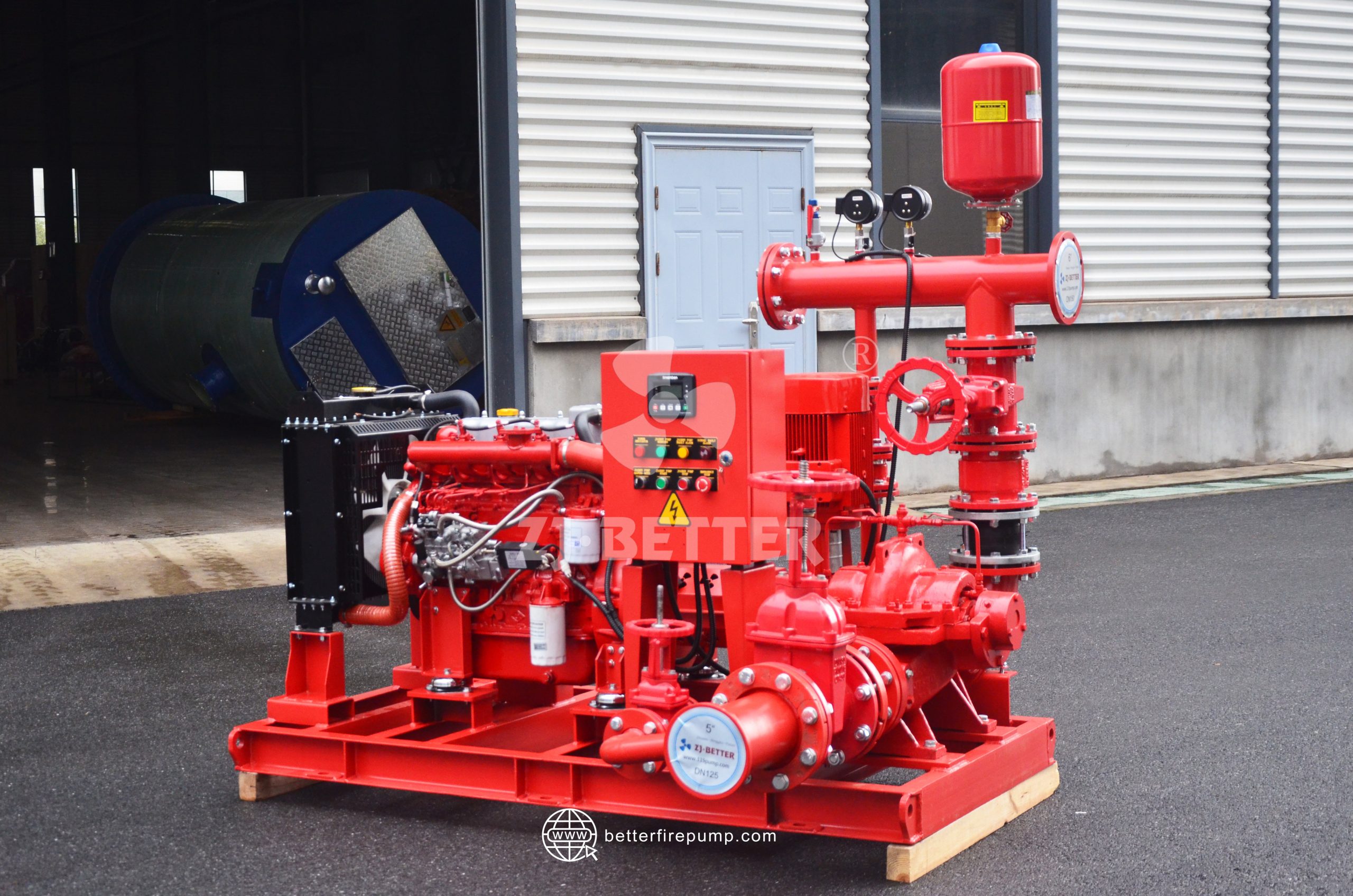
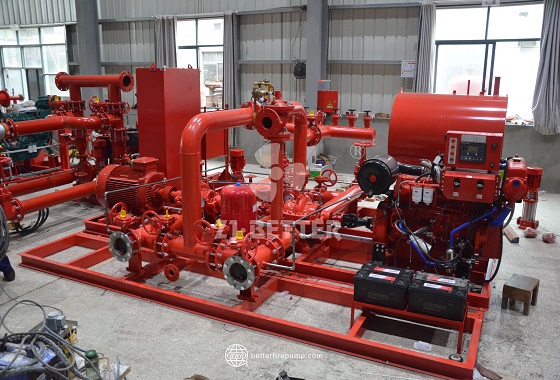
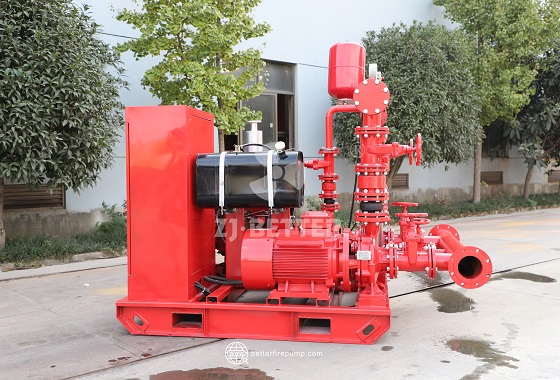
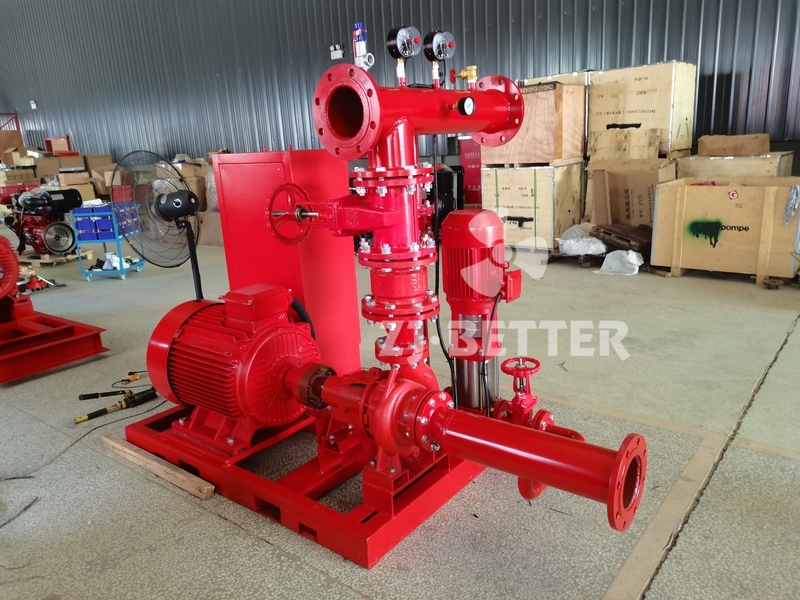
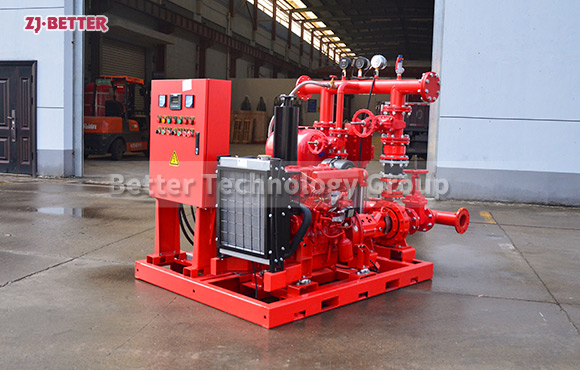
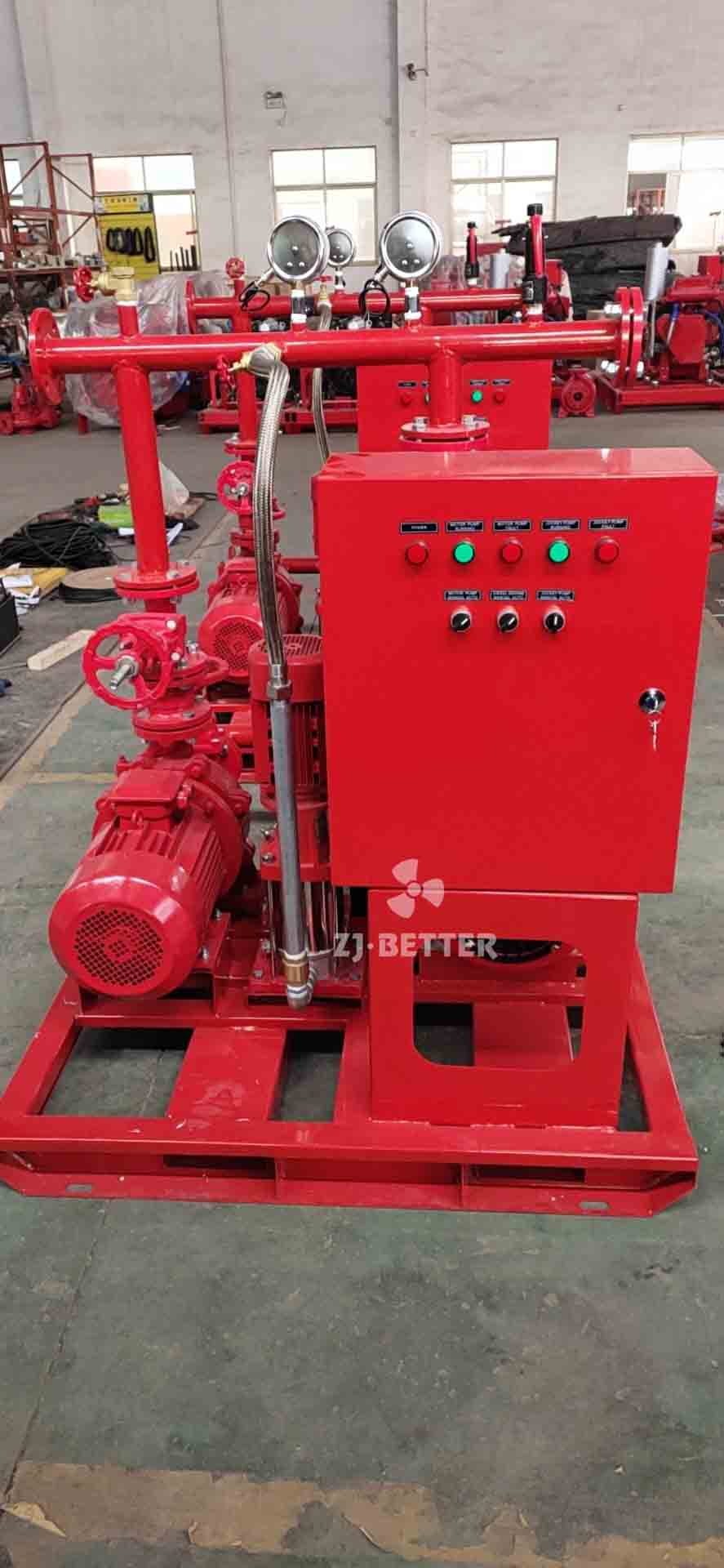
    When selecting a fire pump, understanding the advantages and suitable scenarios for electric fire pumps and diesel engine fire pumps is essential. Each type of pump has its unique features, providing different fire protection solutions to meet varying needs.

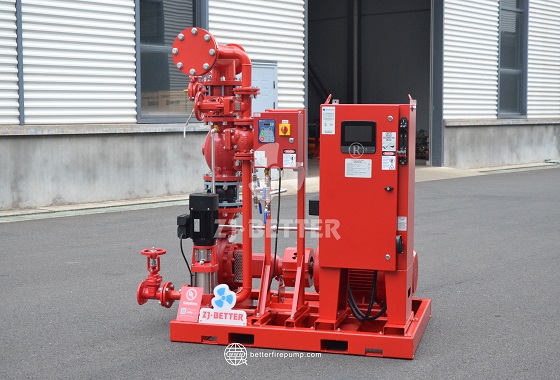
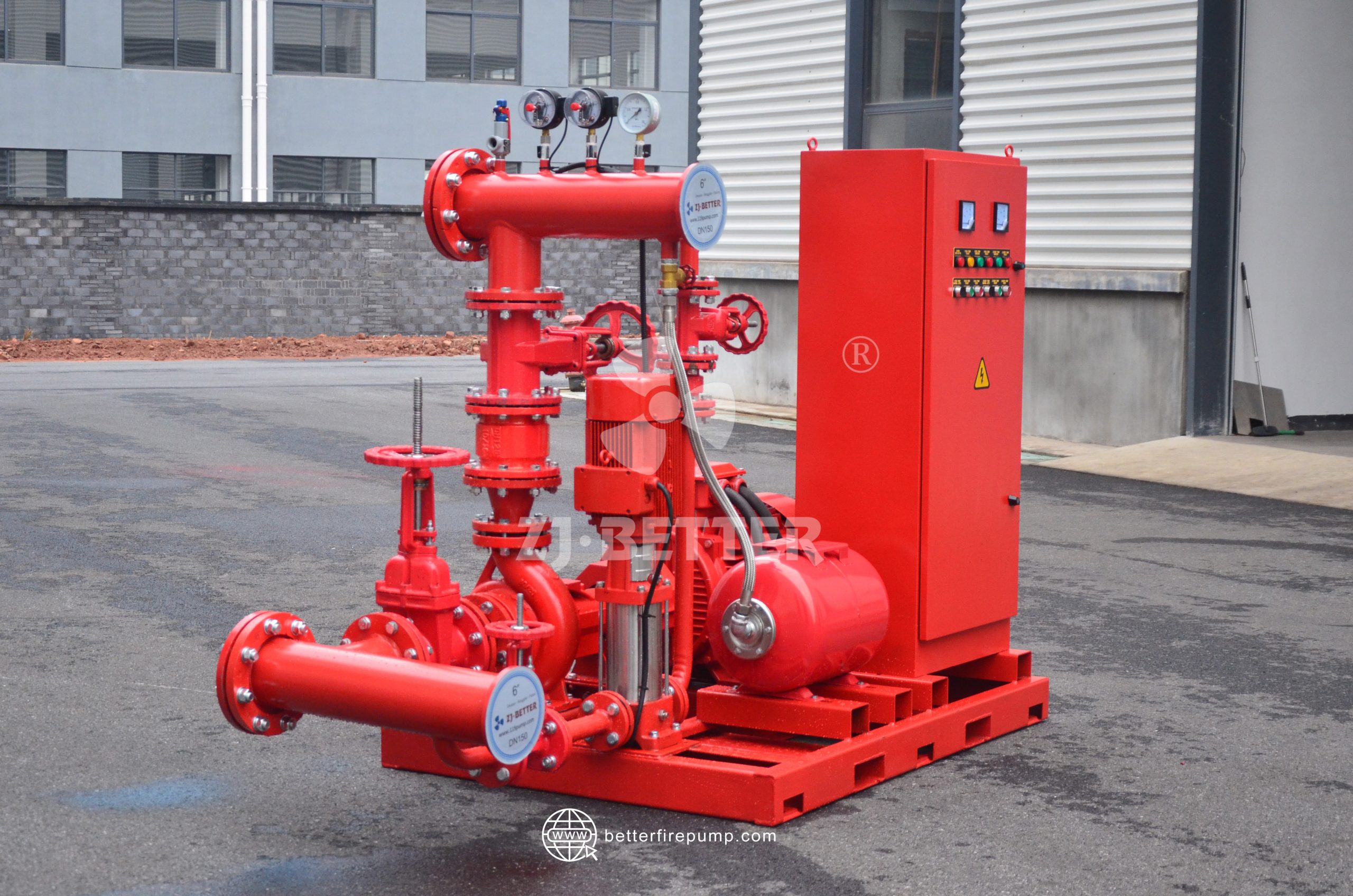
    Electric fire pumps are ideal for environments with stable power supply. They typically have lower operational costs and higher efficiency. Electric pumps start quickly, produce less noise, and require less maintenance, making them the perfect choice for most modern buildings and commercial facilities. Their intelligent control system supports automatic start-stop, fault diagnosis, and remote monitoring, ensuring the system operates efficiently and safely.

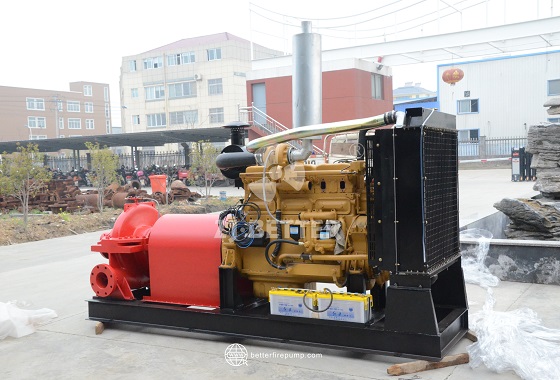
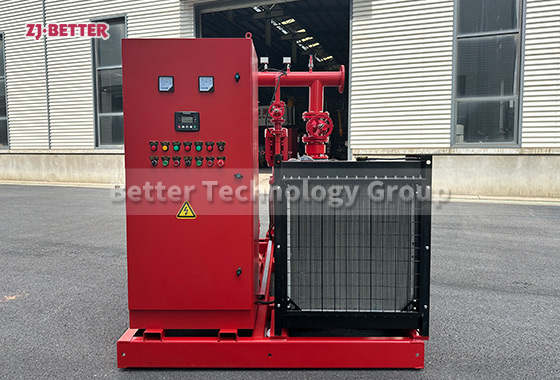
    Diesel engine fire pumps, on the other hand, are better suited for locations with unstable or no power supply. Diesel pumps can operate independently in the absence of electricity, ensuring a stable water source during emergencies. Although diesel pumps are usually more expensive and require more maintenance, they have exceptional emergency capabilities and can operate reliably in any environment, making them particularly suited for industrial parks, mining areas, and remote regions.

    Choosing the right fire pump system should depend on the site’s power supply situation, operating costs, maintenance capabilities, and the required emergency response capacity. Whether opting for an electric fire pump or a diesel engine fire pump, we are committed to providing you with the most reliable and efficient fire protection solutions.