Home » Fire Pump Set » How to Improve Fire Pump System Reliability and Safety through Proper Selection

How to Improve Fire Pump System Reliability and Safety through Proper Selection

Fire pump systems play a crucial role in fire protection. When selecting a system, it is essential to consider factors such as building size, flow requirements, head pressure, and power source to ensure stable water supply in emergencies. Properly matching the pump model not only prevents overload or mismatches but also extends the equipment’s service life. Additionally, focus on product quality, manufacturer credentials, and compliance with national and international standards. Regular maintenance and inspections after installation further enhance the system’s overall safety and reliability.

Rated 5/5 based on 583 customer reviews
Share:
Content

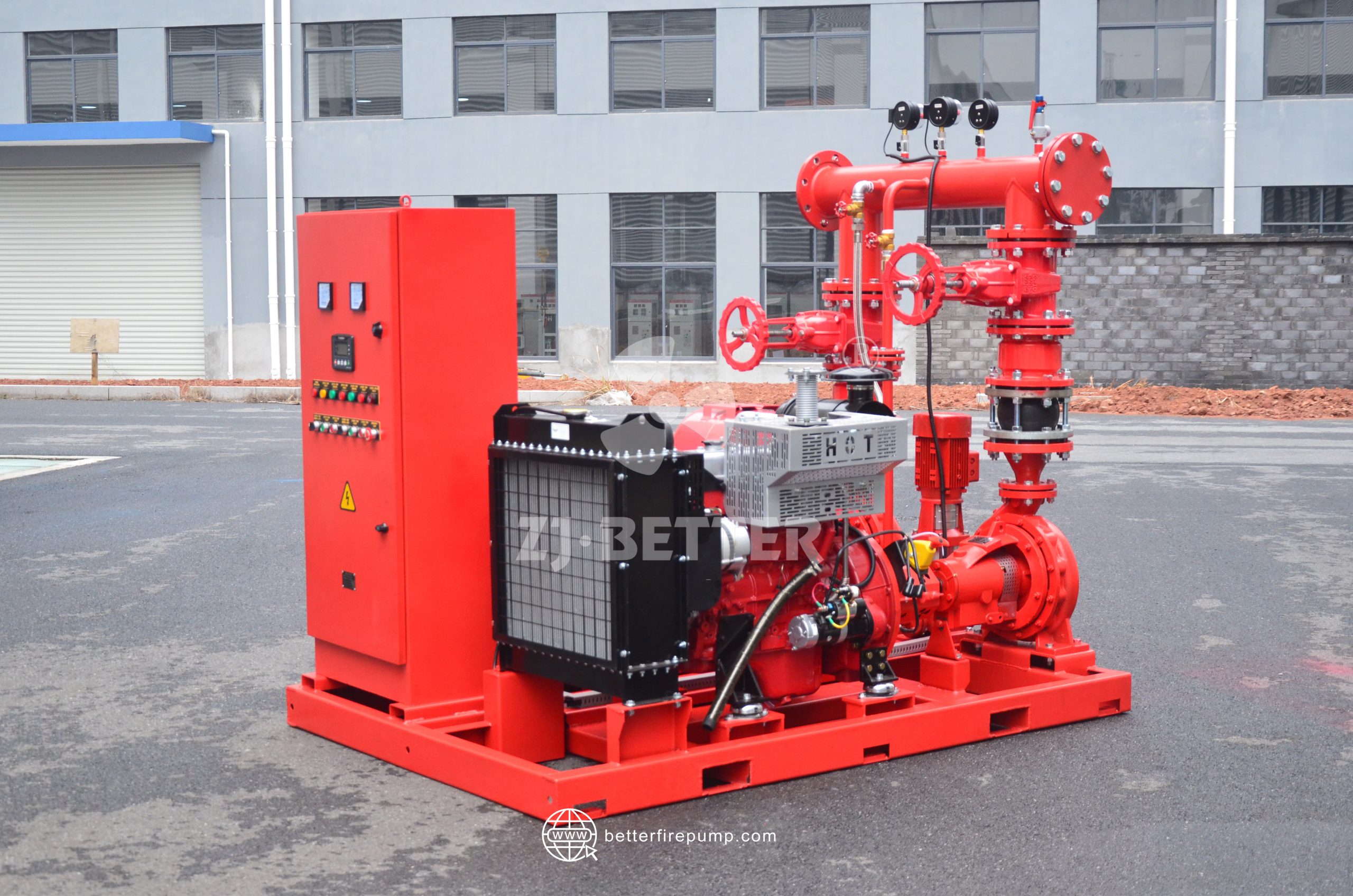
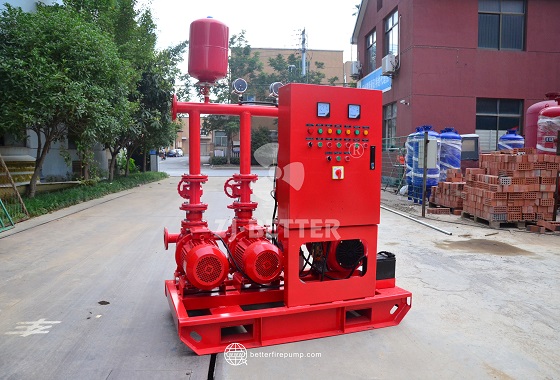
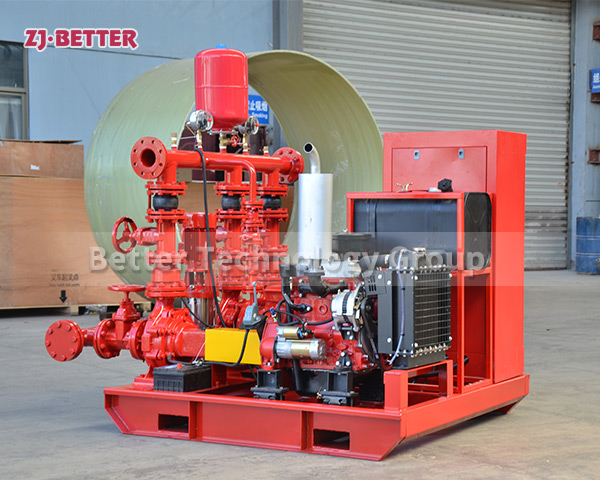
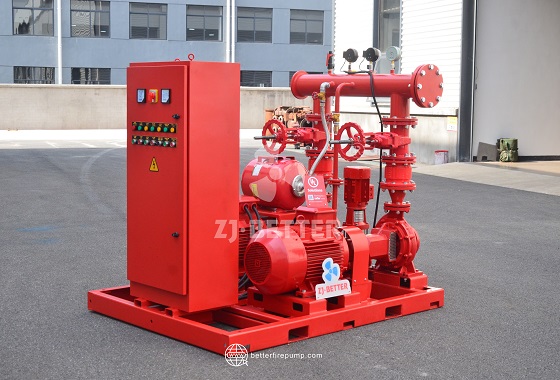
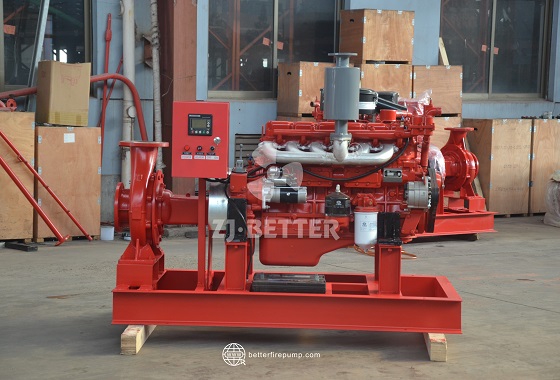
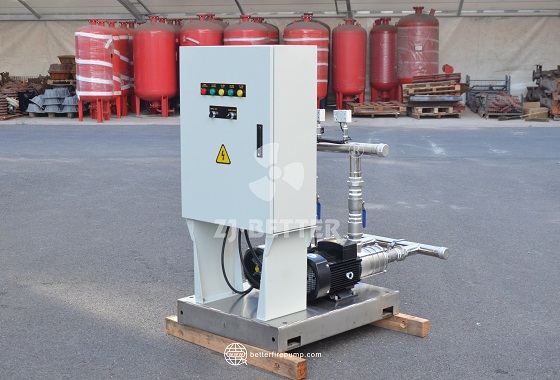
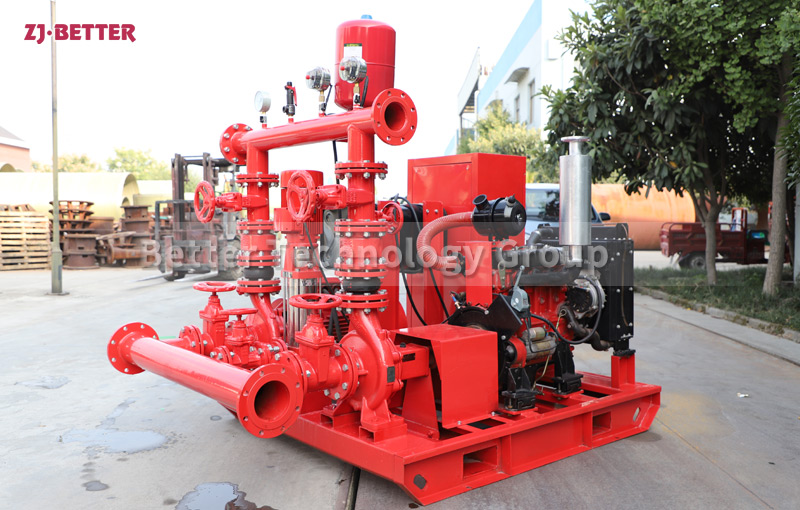
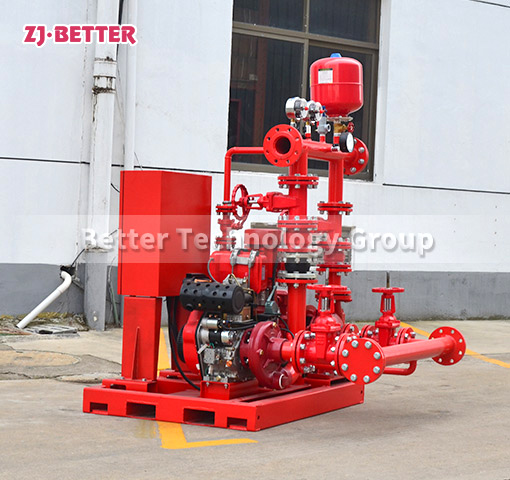
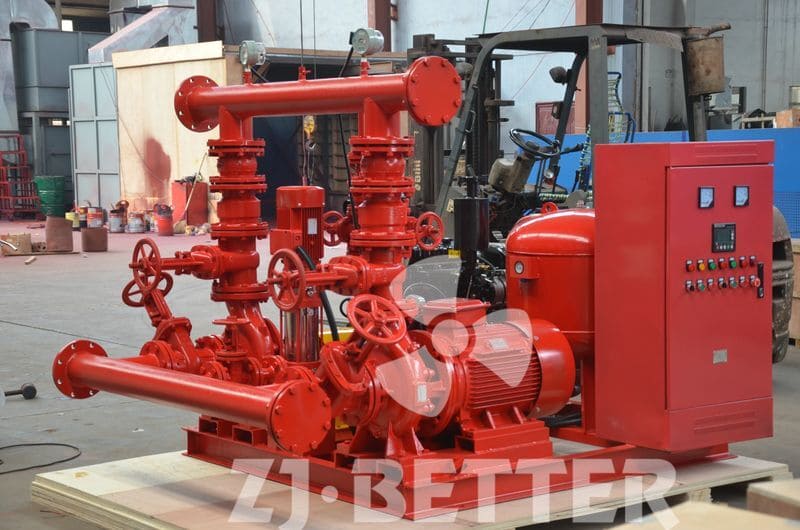
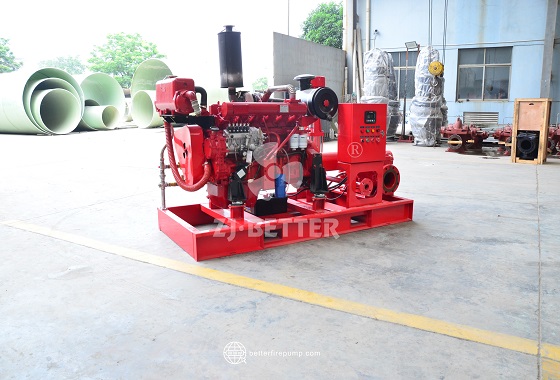
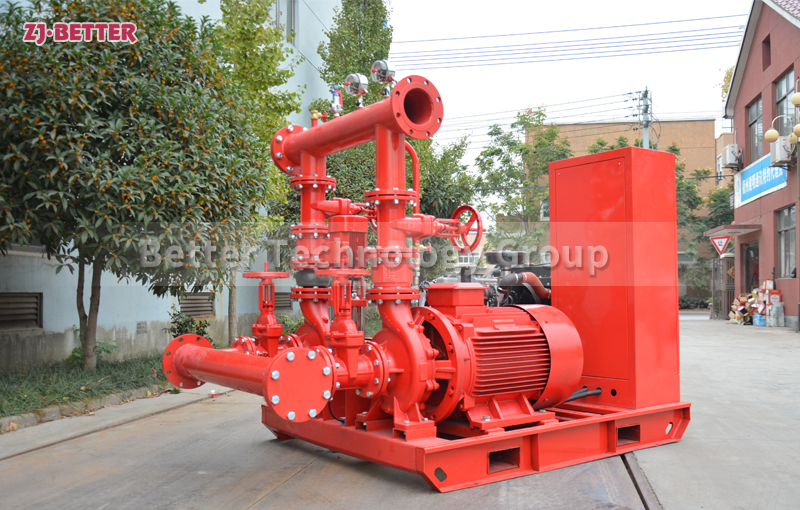
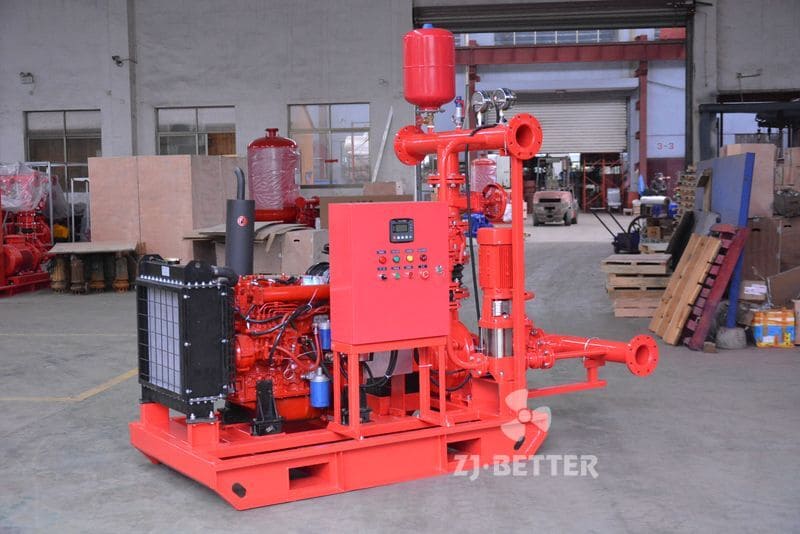
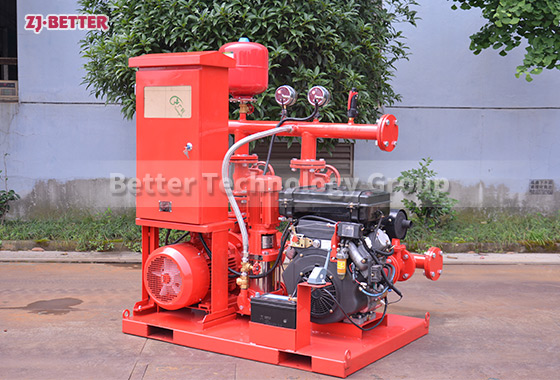
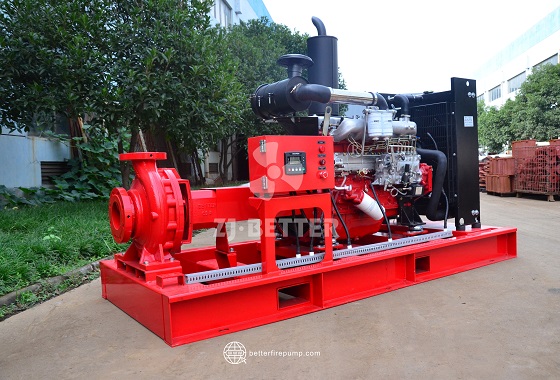
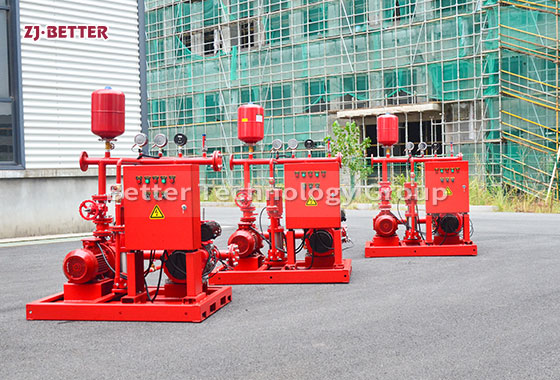
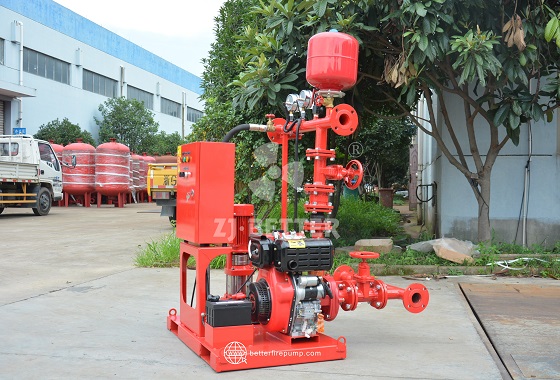
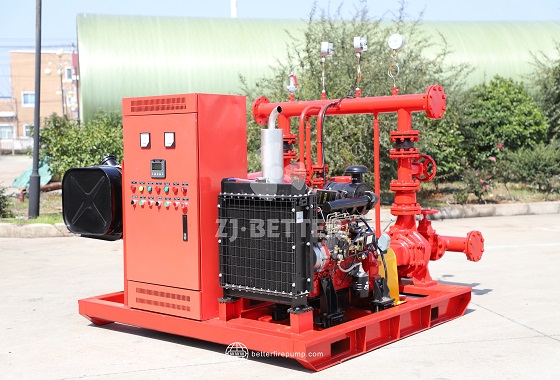
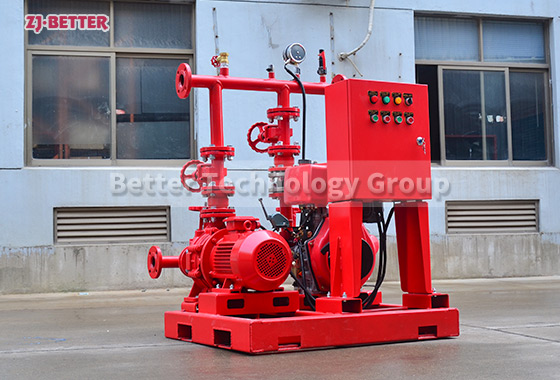
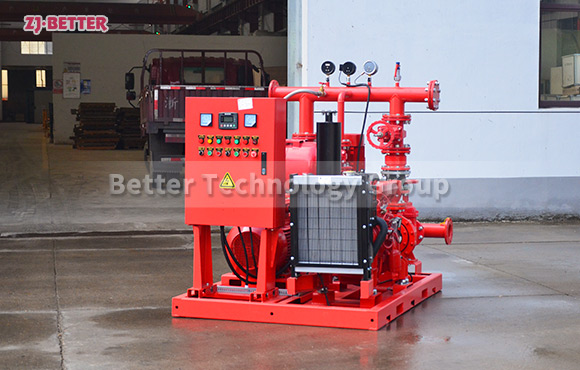
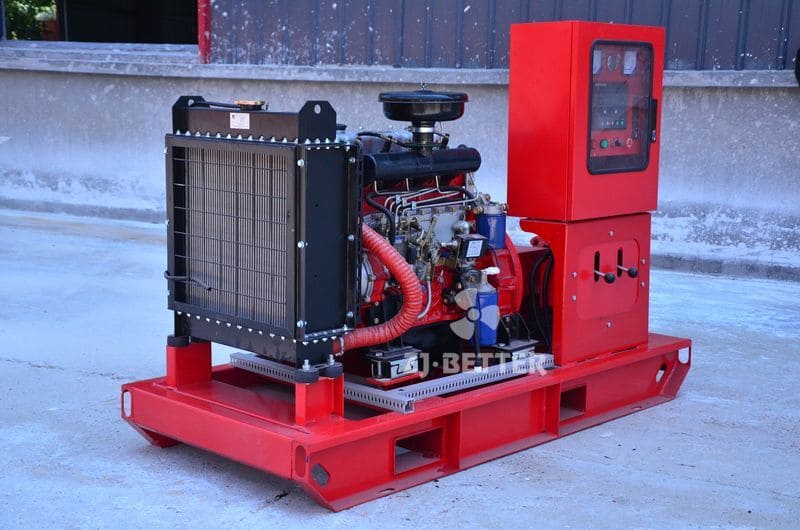
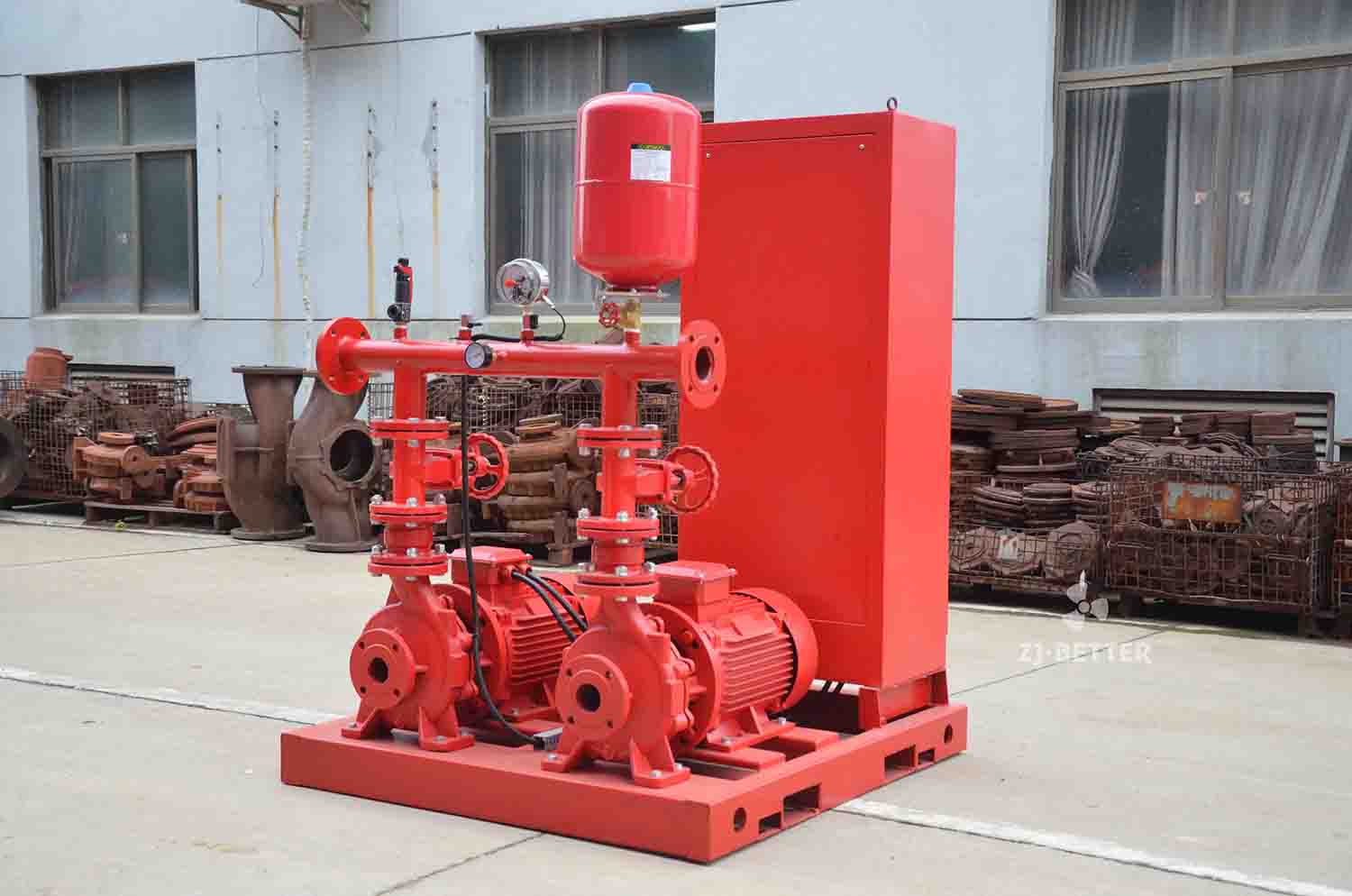
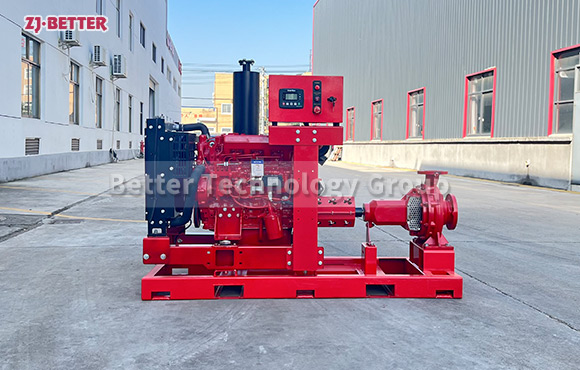
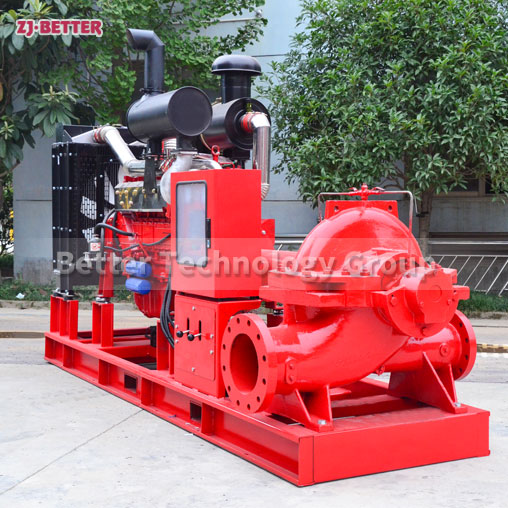
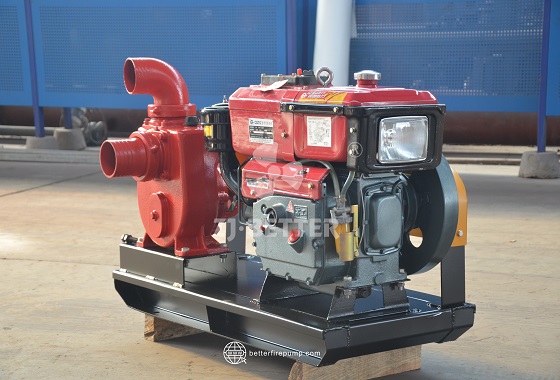
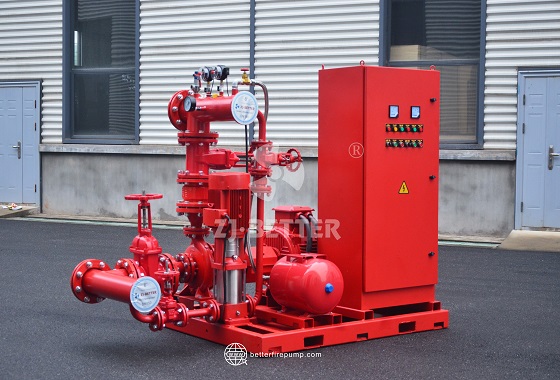
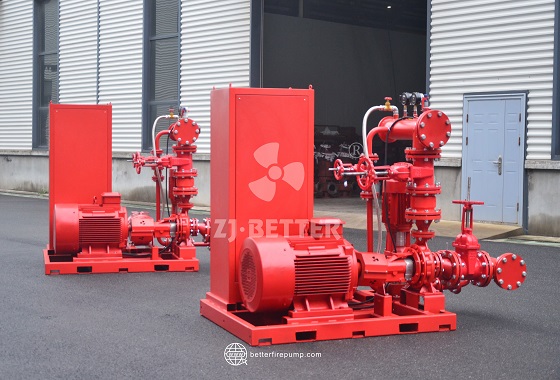
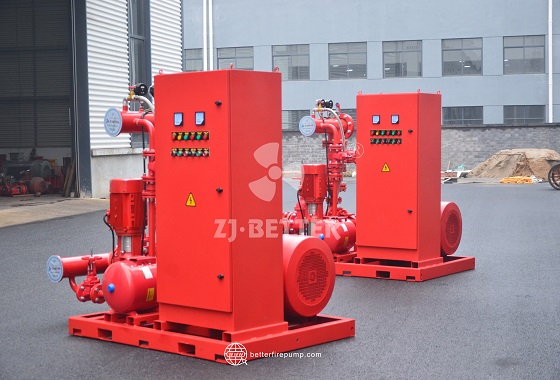
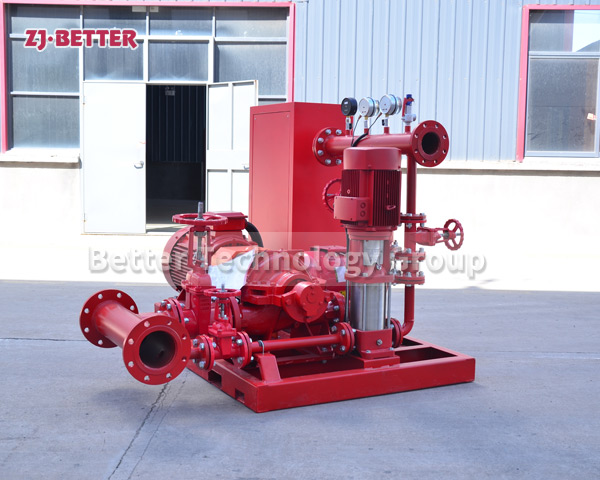
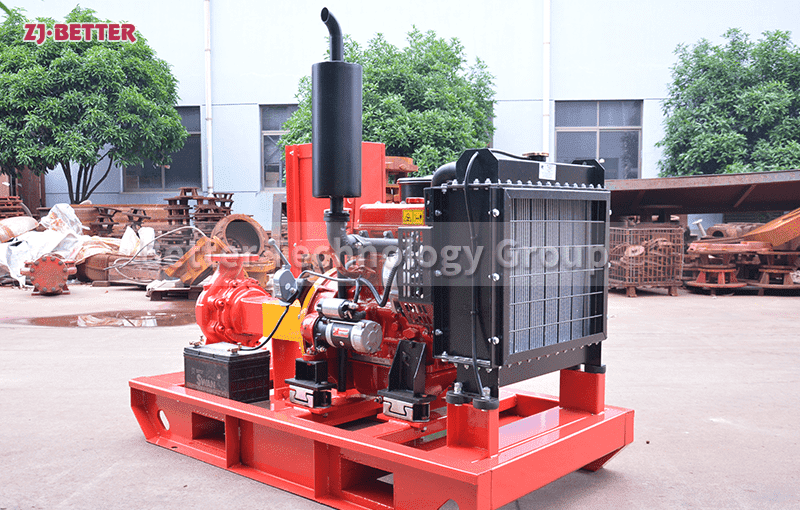
This enterprise specializes in the research, development, and manufacturing of fire pumps and fire water supply systems, offering electric fire pumps, diesel engine fire pumps, and integrated fire pump units. These products are widely used in high-rise buildings, industrial parks, logistics centers, and public facilities. All items strictly comply with relevant fire safety standards and undergo advanced processes and rigorous testing to ensure efficient and stable water supply performance. The enterprise values innovation and quality, providing customized firefighting solutions for various environments and earning customer trust through reliable after-sales support, with the goal of creating a safer fire protection landscape.
Inquiry


    More Fire Pump Set

    When installing a fire pump, it is essential to adhere to specific requirements to ensure its proper functionality and compliance with safety standards. Here are some important installation requirements to consider:

    Codes and Standards: Familiarize yourself with local fire codes, regulations, and industry standards applicable to fire pump installations.

    Location and Accessibility: Choose an appropriate location for the fire pump that allows for easy access, maintenance, and serviceability.

    Foundation and Mounting: Ensure that the fire pump is installed on a stable and level foundation capable of supporting its weight and minimizing vibration.

    Electrical Connections: Electrical connections should be performed by licensed electricians following electrical codes and regulations.

    Water Supply: Ensure an adequate and reliable water supply for the fire pump.

    System Piping and Valves: The piping system should be installed following the pump manufacturer’s specifications and relevant standards.

    Controls and Monitoring: Install the pump’s control panel and associated instrumentation according to manufacturer guidelines.

    Testing and Commissioning: Thoroughly test and commission the fire pump system before placing it into service.

    Documentation and Training: Maintain comprehensive documentation of the installation, including drawings, equipment specifications, test reports, and maintenance records.

    It is crucial to consult with fire protection professionals, including fire engineers and pump manufacturers, to ensure compliance with all relevant requirements during the installation process. Proper installation is essential for the reliable operation of the fire pump and the safety of the facility and its occupants.