Industrial End Suction Fire Pump for Reliable Operation in Harsh Environments
Industrial-grade end-suction fire pump units are diesel-driven and designed with high-efficiency centrifugal pumps, featuring stable water supply, automatic control, and strong environmental adaptability. They are widely used in industrial and infrastructure fire protection systems.
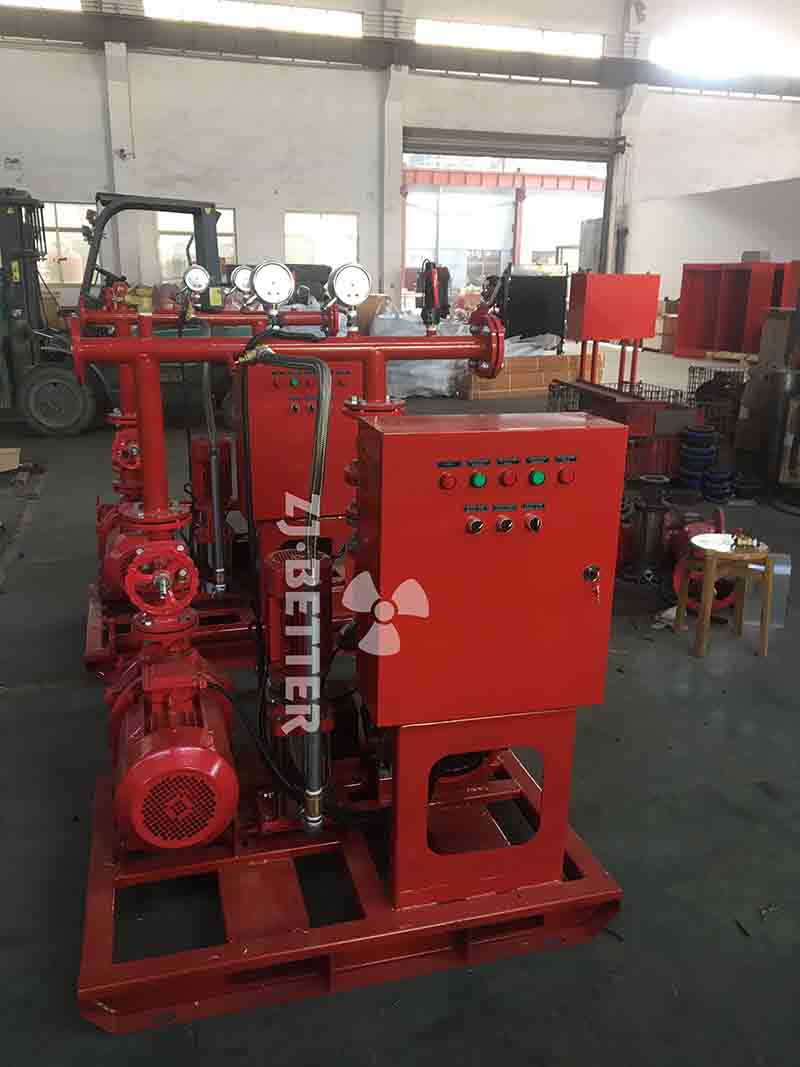
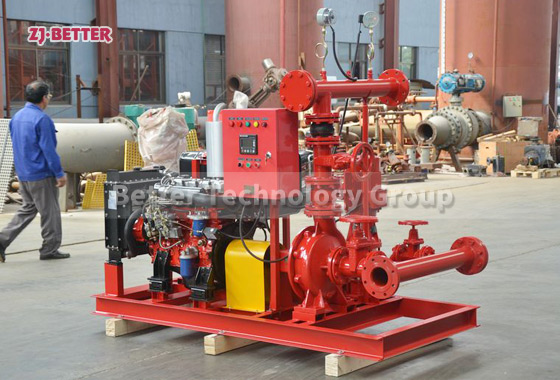
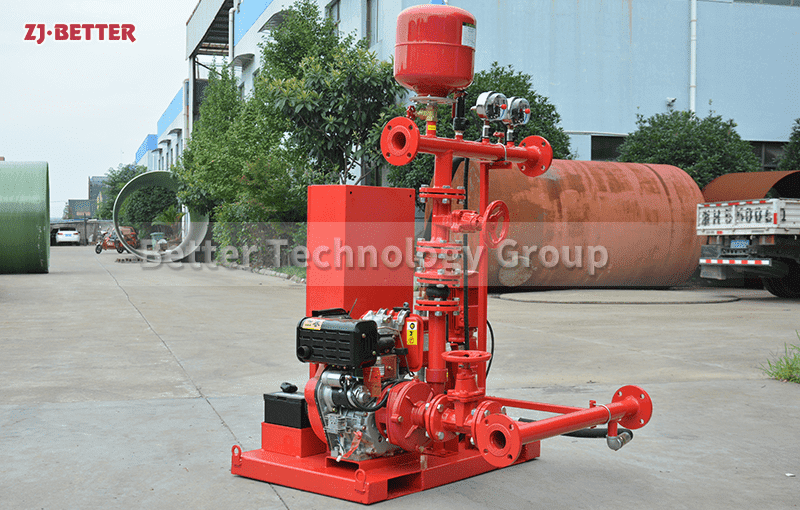
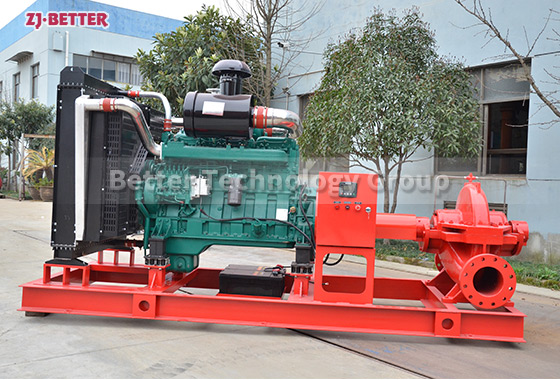
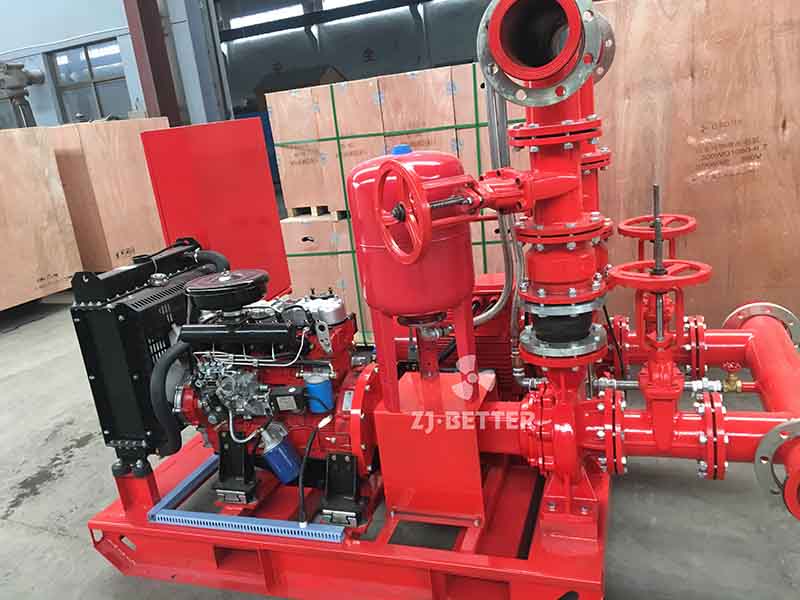
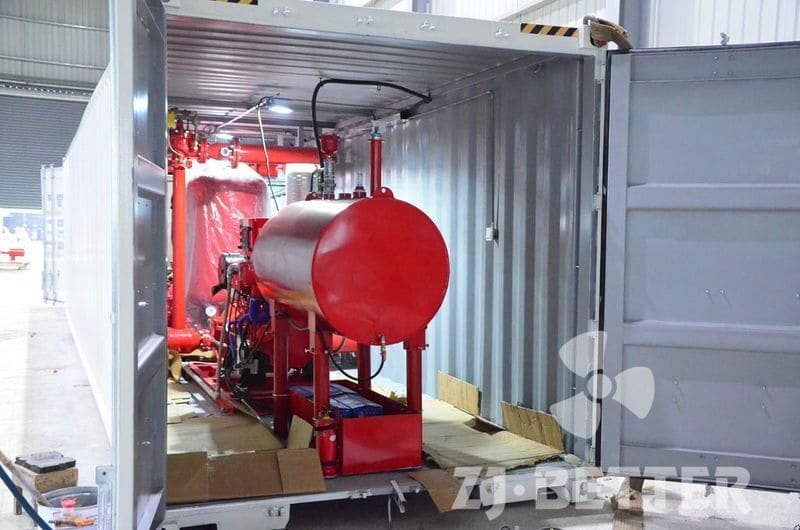
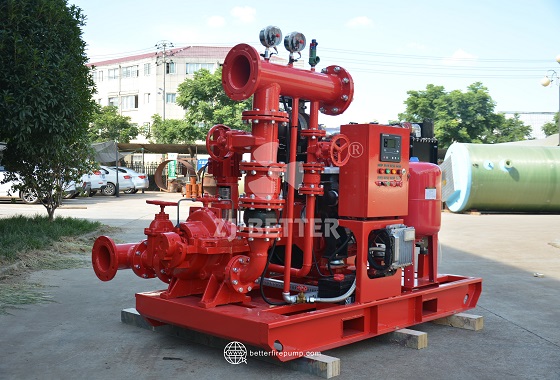
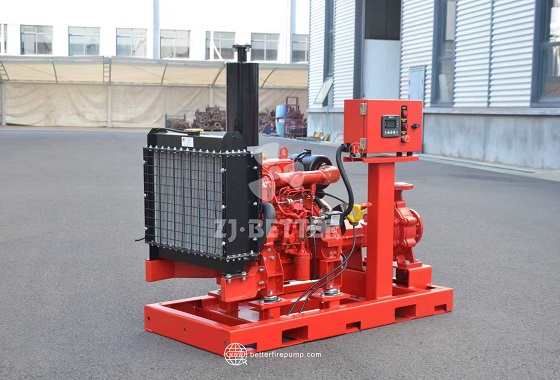
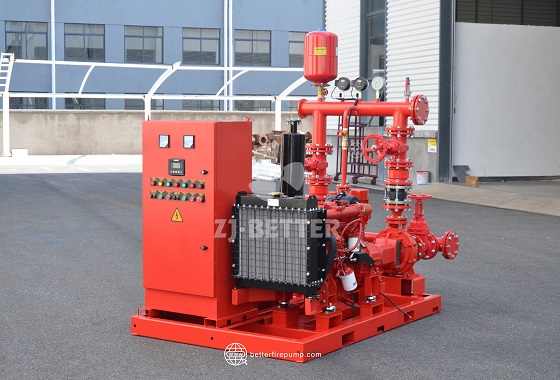
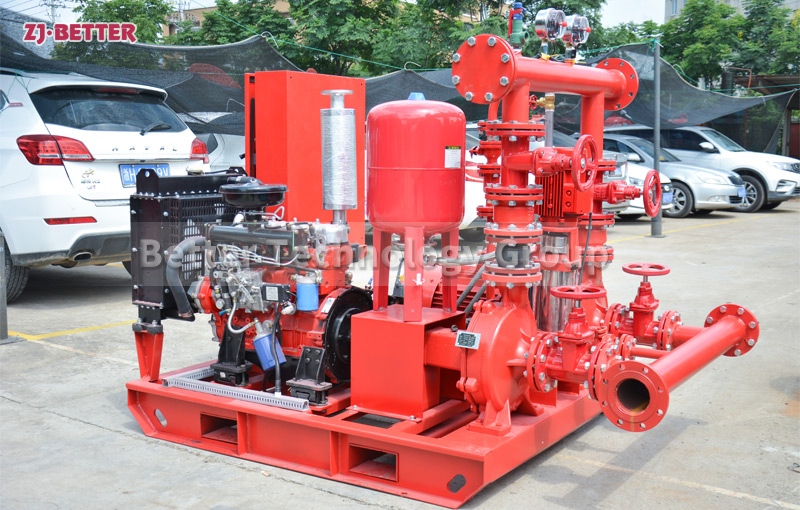
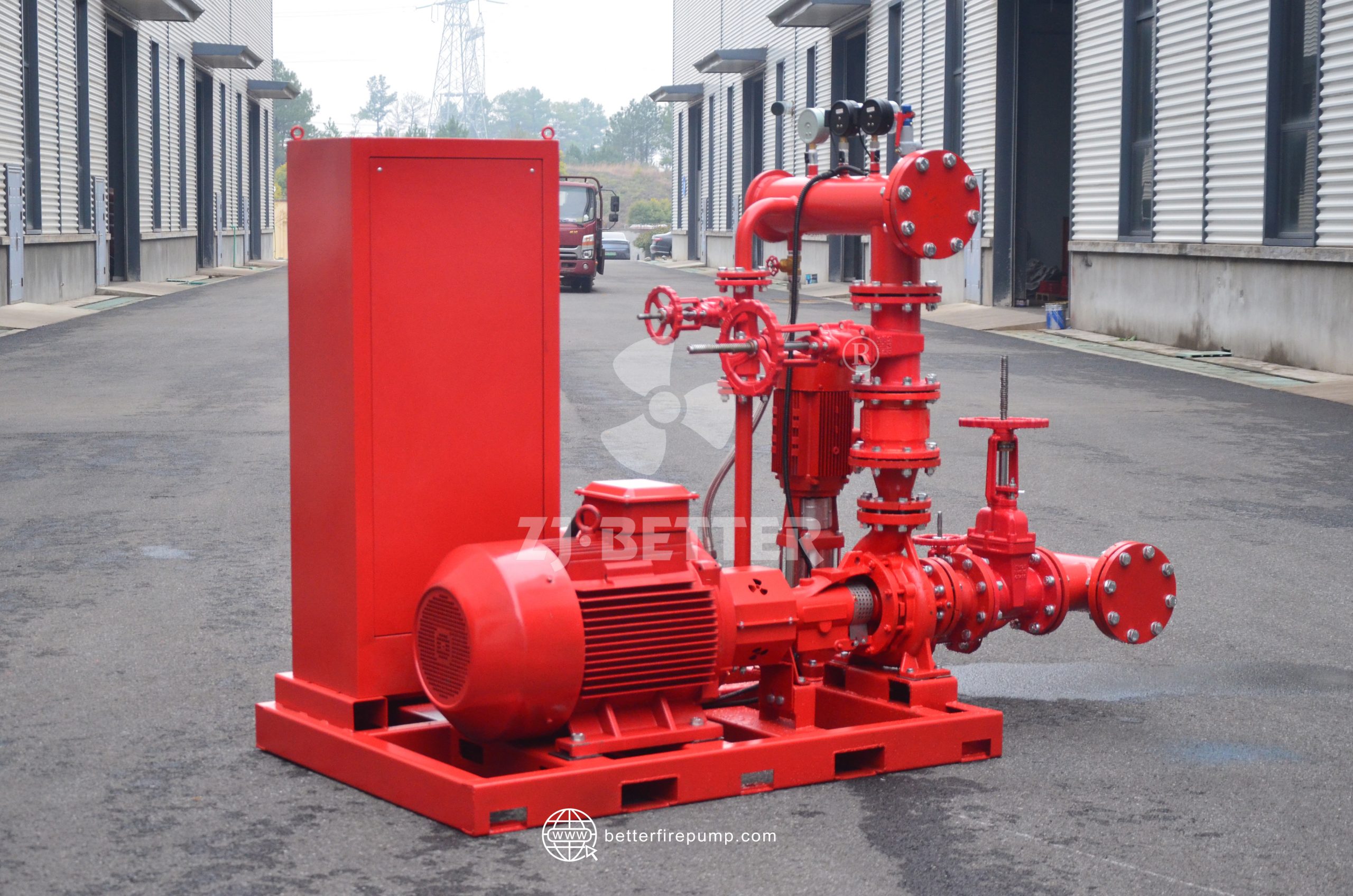
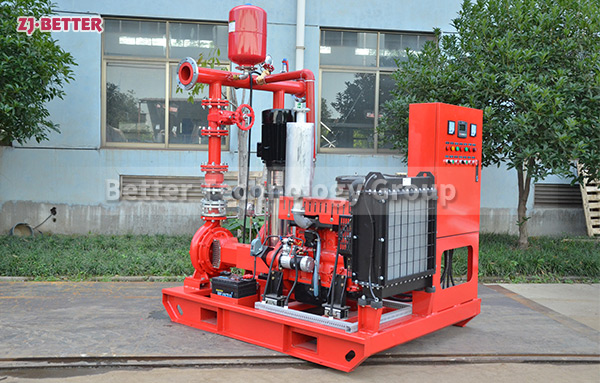
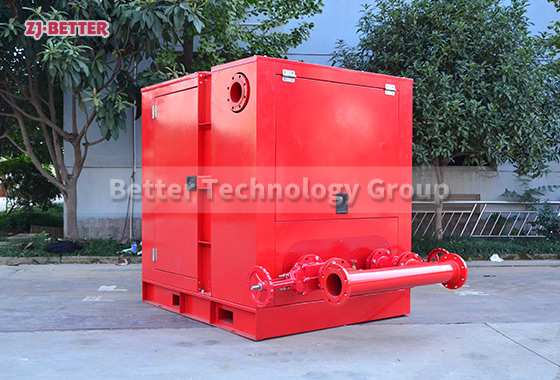
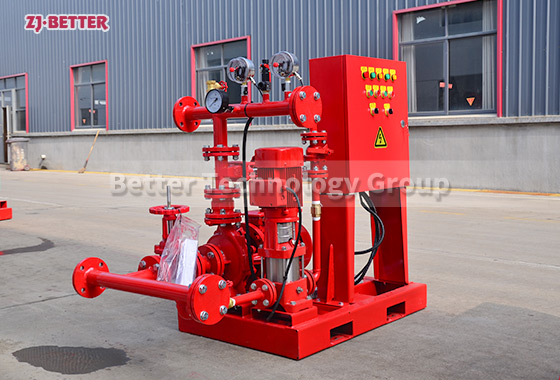
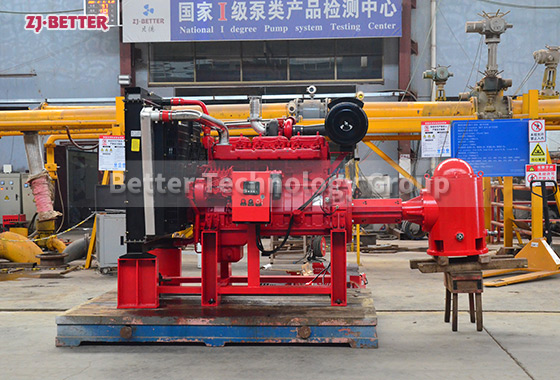
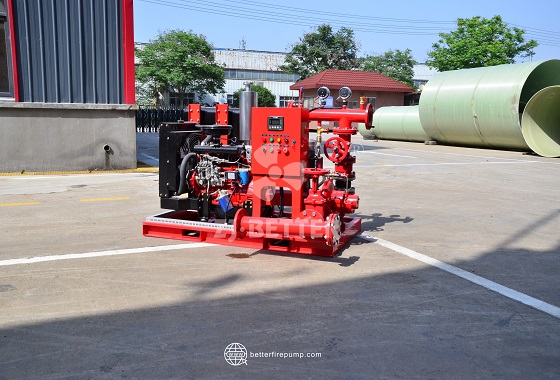
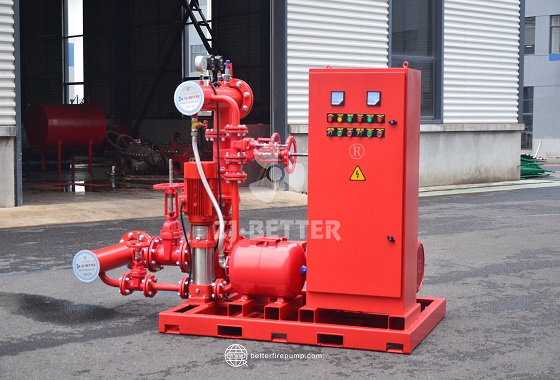
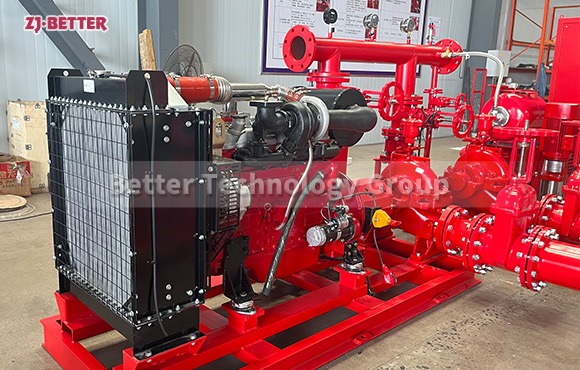
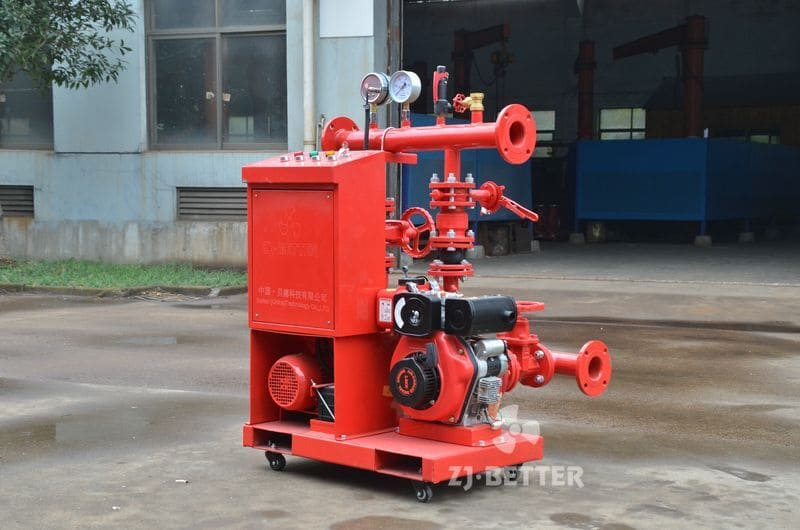
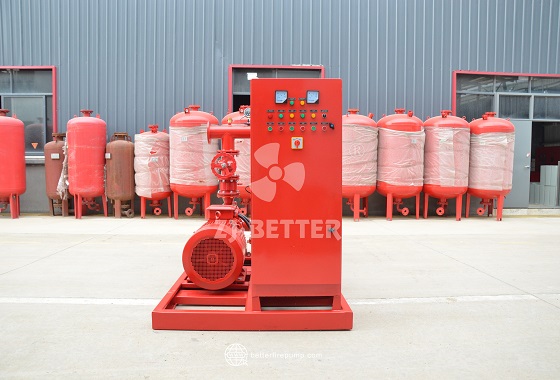
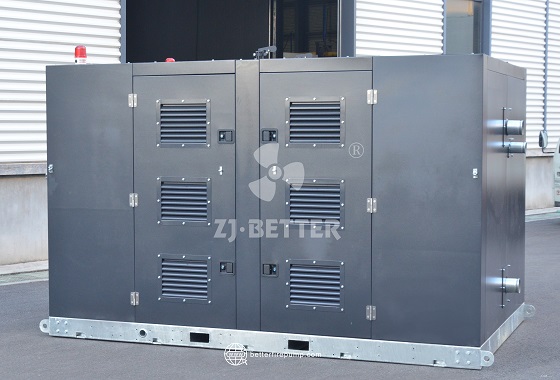
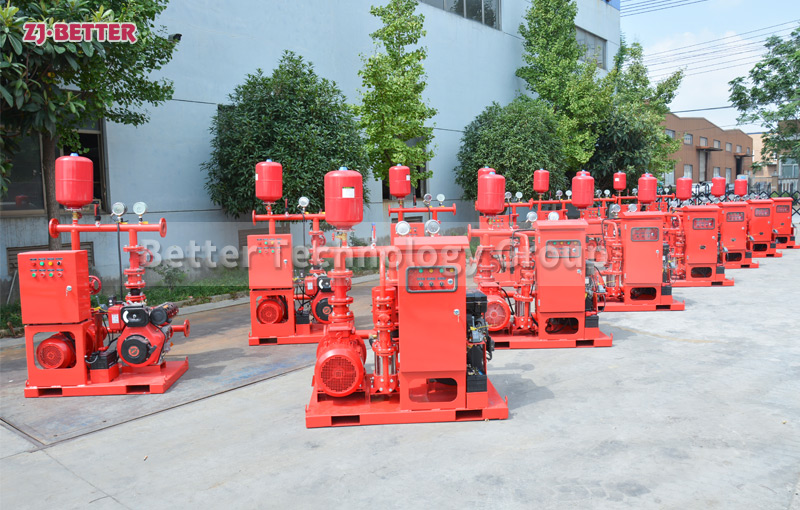
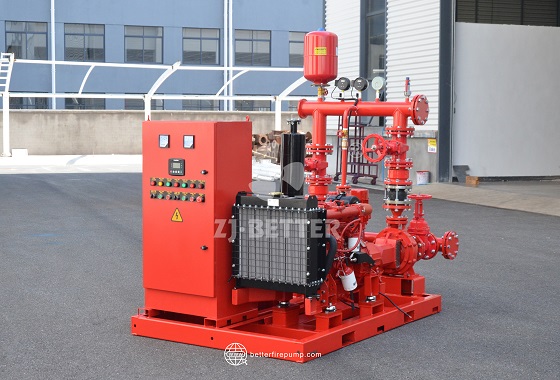
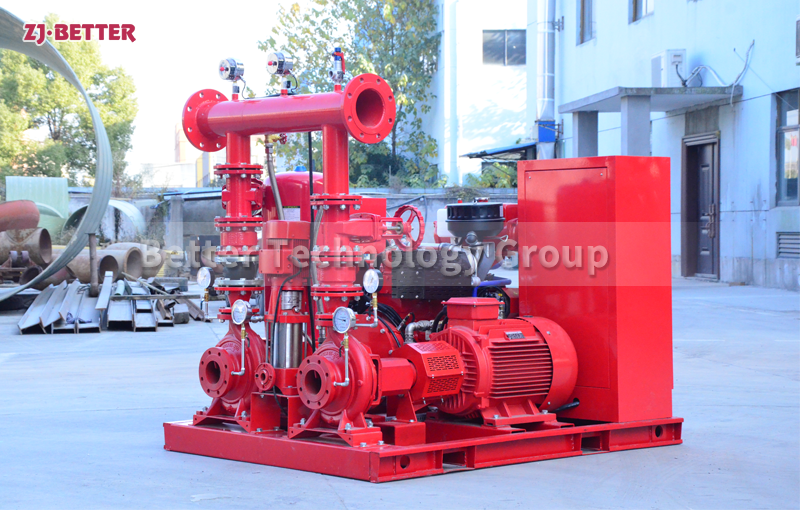
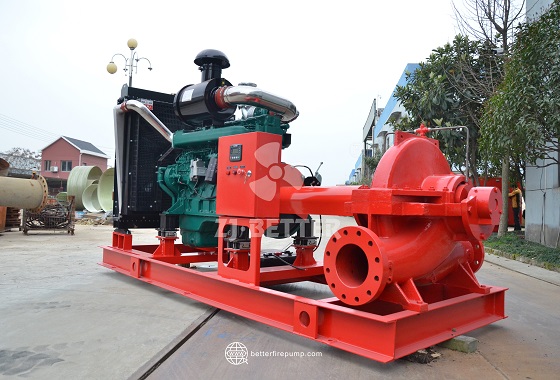
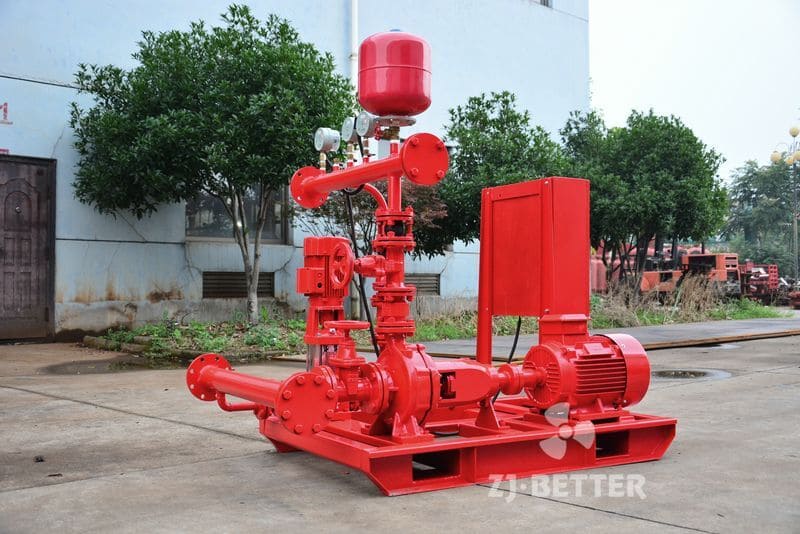
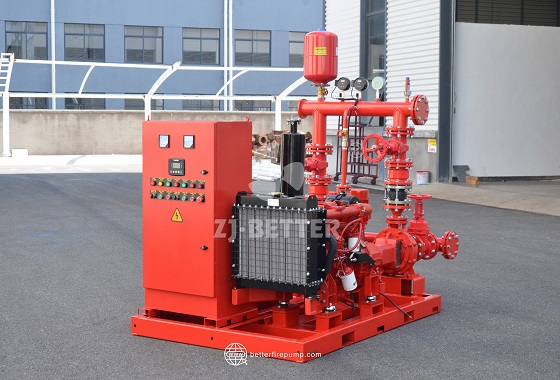
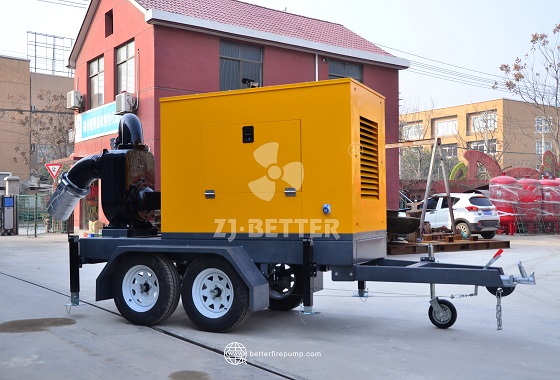
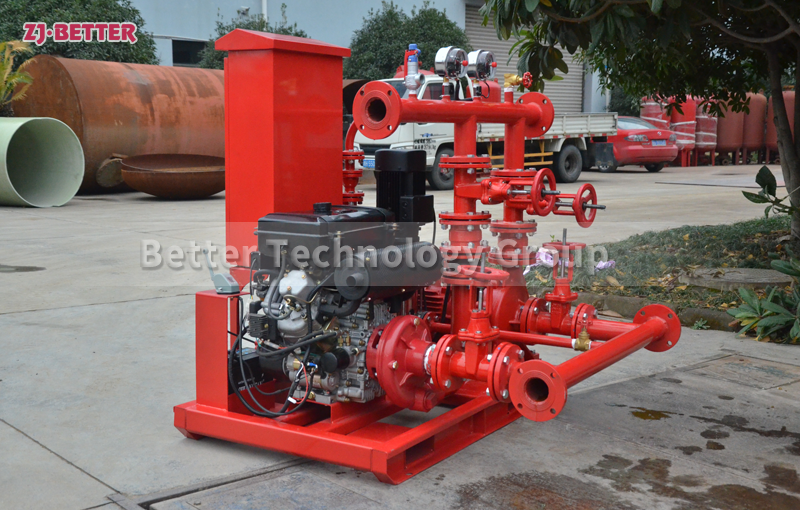
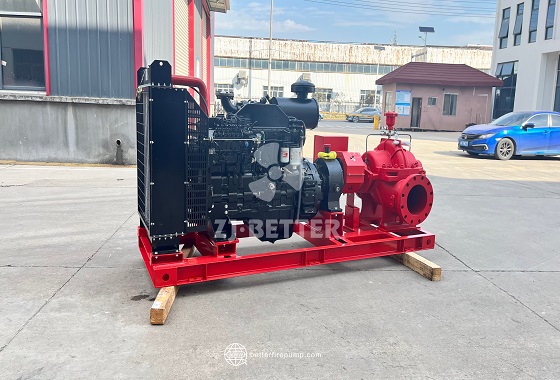
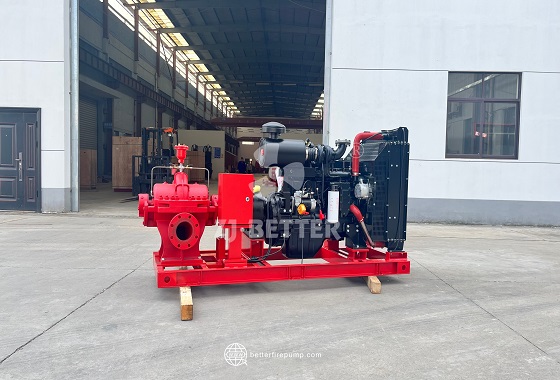
Against the backdrop of rapid industrialization and urbanization, the requirements for fire safety in various industrial facilities and infrastructure projects are constantly increasing. In particular, in petrochemical, power energy, manufacturing parks, large-scale warehousing and logistics centers, and municipal infrastructure projects, once a fire occurs, the fire protection system must be able to respond quickly and provide a stable and reliable water supply in a very short time. As one of the core equipment in the fire water supply system, the industrial-grade end-suction fire pump unit has become the preferred solution in many projects due to its mature structure, stable performance, and strong adaptability. This type of equipment achieves the ability to maintain efficient operation under complex environmental conditions through the organic combination of diesel power system and high-efficiency end-suction centrifugal pump, providing a solid water source guarantee for the fire protection system. The core design feature of industrial-grade end-suction fire pump units lies in their efficient and reliable power and hydraulic system combination. The equipment typically uses a diesel engine as the drive source, enabling it to operate completely independently. It can still start quickly and supply water continuously even in the event of a power outage or unstable power grid. This feature is particularly important for critical industrial projects, as it can effectively avoid the risk of fire protection system failure due to power failure. At the same time, diesel engines have advantages such as high output torque, strong environmental adaptability, and excellent continuous operation performance. They can still maintain stable operation in high-temperature, dusty, or humid environments, thus ensuring that the equipment can perform as expected under various complex working conditions. In terms of hydraulic performance, the end-suction centrifugal pump, as the core component of the unit, has a simple structure and high efficiency. By optimizing the impeller design and flow channel structure, the water flow can be smoothly delivered and efficiently pressurized inside the pump body, thereby maintaining stable pressure while ensuring a large flow output. This performance enables the equipment to meet the dual requirements of industrial fire protection systems for continuous water supply and efficient fire extinguishing. It can provide reliable support in both large-area factory water supply and long-distance water transmission scenarios. At the same time, the end-suction structure facilitates maintenance and repair, allowing the equipment to maintain good condition during long-term operation. In terms of automation control, industrial-grade end-suction fire pump units are typically equipped with intelligent control systems. These systems monitor pipeline pressure changes in real time through pressure sensors. When the pressure drops below the set value or a fire alarm signal is received, the system can automatically start the diesel engine and drive the water pump to quickly enter operation, thereby establishing fire water supply pressure in the shortest possible time and providing critical support in the initial stage of a fire. In addition, the control system also has a variety of protection functions, including low oil pressure protection, high temperature protection, overload protection, and fault alarms. When equipment malfunctions, timely measures can be taken to prevent the fault from escalating and ensure the safe operation of the system. At the same time, the system can also set parameters according to actual needs to achieve more flexible operation control. In terms of structural design, these units typically adopt a skid-mounted integrated structure, mounting the diesel engine, pump body, control system, and auxiliary devices on a robust steel base. This results in a compact layout, stable structure, and easy transportation and on-site installation. The equipment undergoes overall commissioning before leaving the factory, requiring only simple connections on-site for immediate use. This significantly shortens the construction cycle and reduces installation costs. This design is particularly suitable for projects requiring rapid deployment. Furthermore, the base structure has excellent seismic resistance, effectively reducing the impact of vibration on the system during operation, thereby improving overall stability and service life. Regarding operational reliability, industrial-grade end-suction fire pump units demonstrate superior performance. Key components are manufactured using high-quality materials and undergo rigorous quality and performance testing, maintaining stable output under high-load operation. The design fully considers the complexity of industrial environments, enhancing system durability and anti-interference capabilities through reinforced structure and optimized layout, ensuring continued high efficiency and stability during long-term operation. In terms of maintenance and upkeep, this type of equipment also has significant advantages. Its simple structure and reasonable component layout make daily maintenance more convenient. Operators can quickly complete tasks such as oil changes, filter cleaning, and system checks, thereby reducing downtime and improving equipment availability. Furthermore, the structural characteristics of the end-suction pump body make it easy to disassemble and repair, allowing for rapid replacement of parts or maintenance, further reducing maintenance costs. Regarding environmental adaptability, industrial-grade end-suction fire pump units can adapt to various complex working conditions, including high-temperature, high-humidity, and dusty environments. Rainproof, dustproof, and corrosion-resistant measures can be configured according to project requirements, enabling stable operation in harsh environments. For cold regions, preheating devices can be added to improve the low-temperature starting performance of the diesel engine, ensuring good working capabilities even in extreme climatic conditions. This wide adaptability allows it to play an important role in different regions and industries. In practical applications, industrial-grade end-suction fire pump units are widely used in petrochemical, power, mining, port terminals, large manufacturing bases, and municipal engineering fields. Through their efficient water supply capacity and stable operation, they provide reliable protection for various fire protection systems. They can respond quickly and continuously provide sufficient water during a fire, effectively controlling the spread of fire and reducing losses. Their high reliability and low maintenance costs also bring good economic benefits to users. With the continuous development of fire protection technology and the increasing demands of the industry, industrial-grade end-suction fire pump units are also being continuously optimized. Efficiency is improved by introducing more advanced hydraulic designs, intelligent management is achieved through upgraded control systems, and equipment durability is improved through optimized structural designs, thus continuously improving their performance and reliability to better meet the needs of modern fire protection engineering. Overall, industrial-grade end-suction fire pump units, through the organic combination of diesel power systems and high-efficiency end-suction centrifugal pumps, achieve efficient operation and stable water supply in complex environments. They not only meet the high-standard fire protection requirements of industrial and infrastructure projects but also provide a more reliable and efficient solution for modern fire protection systems, playing a crucial role in protecting human lives and reducing fire losses.