Home » Fire Pump Set » Fire pump sets designed to work outdoors

Fire pump sets designed to work outdoors

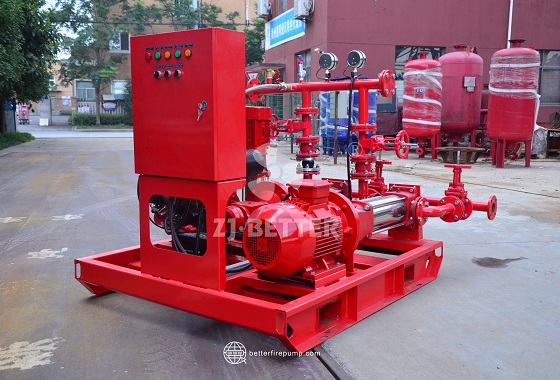
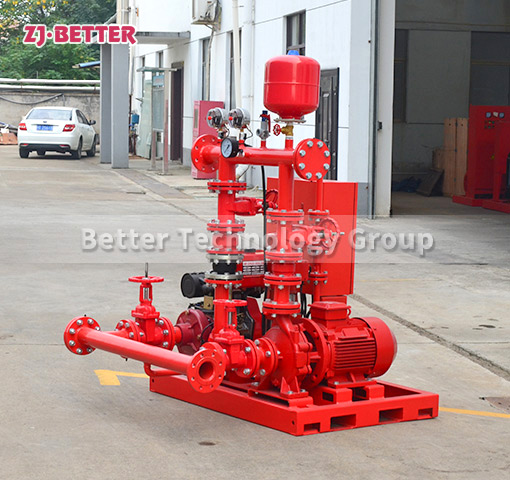
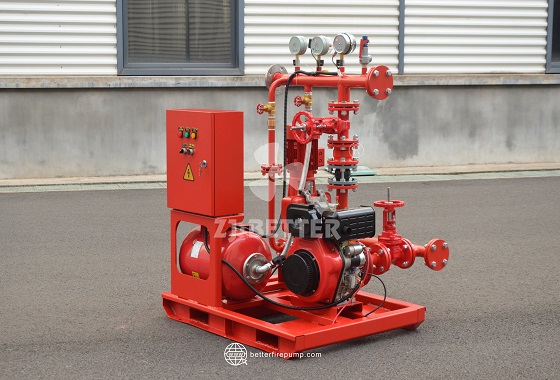
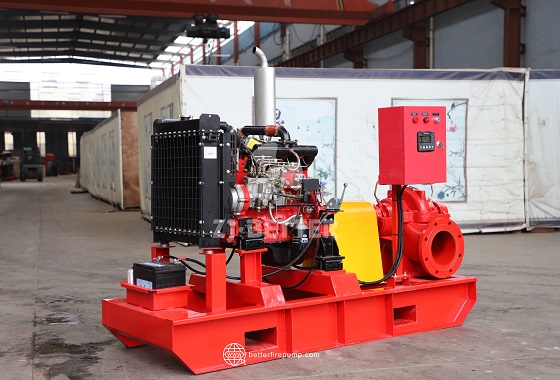
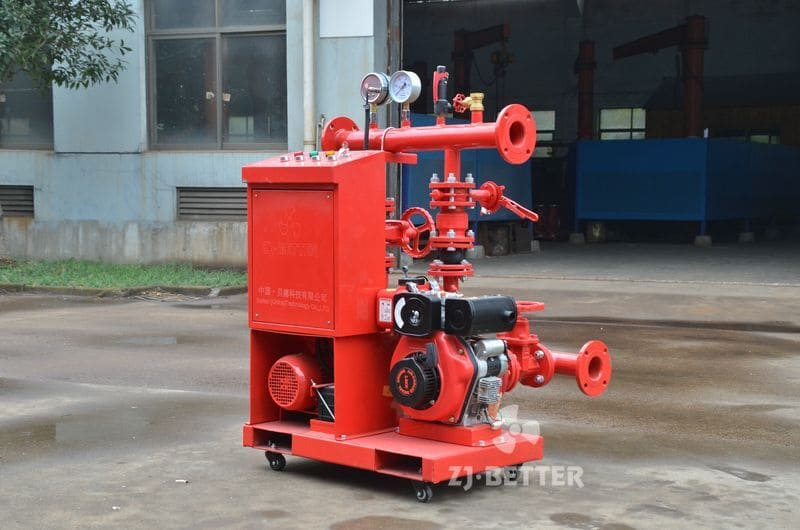
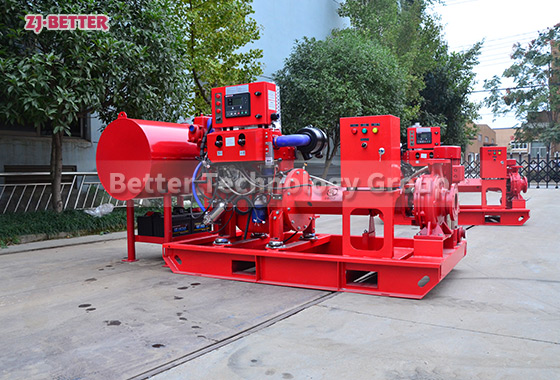
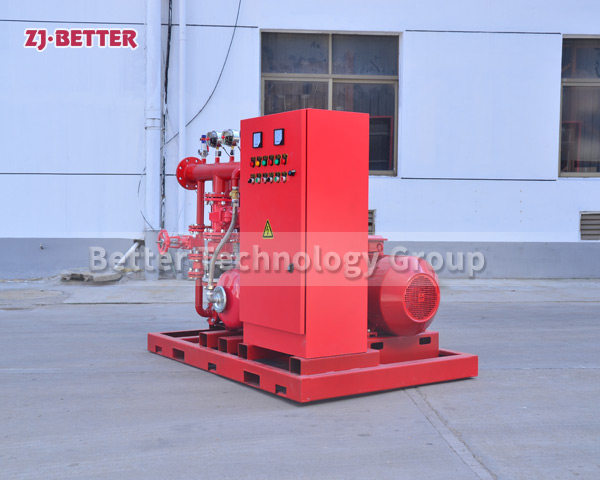
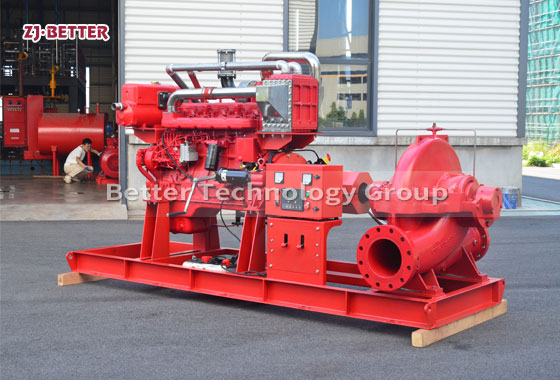
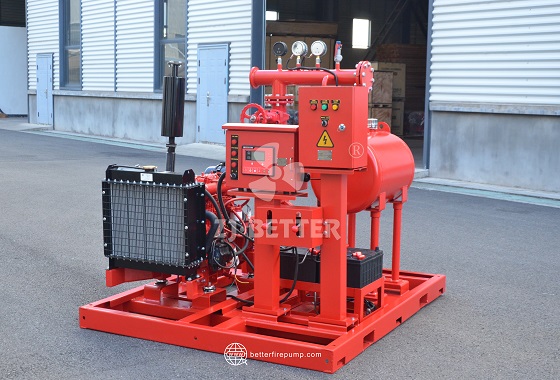
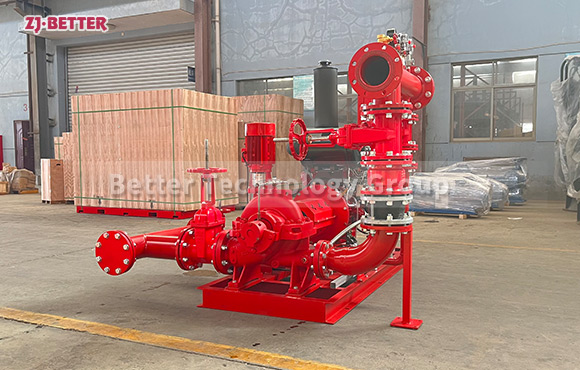
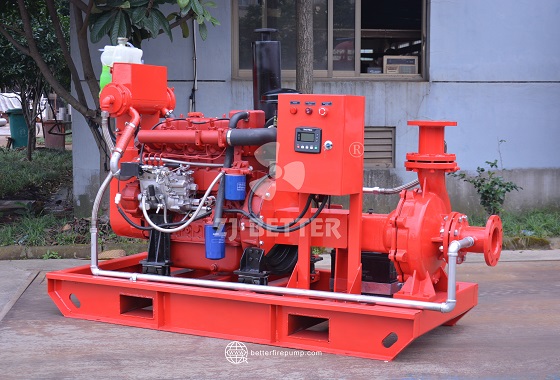
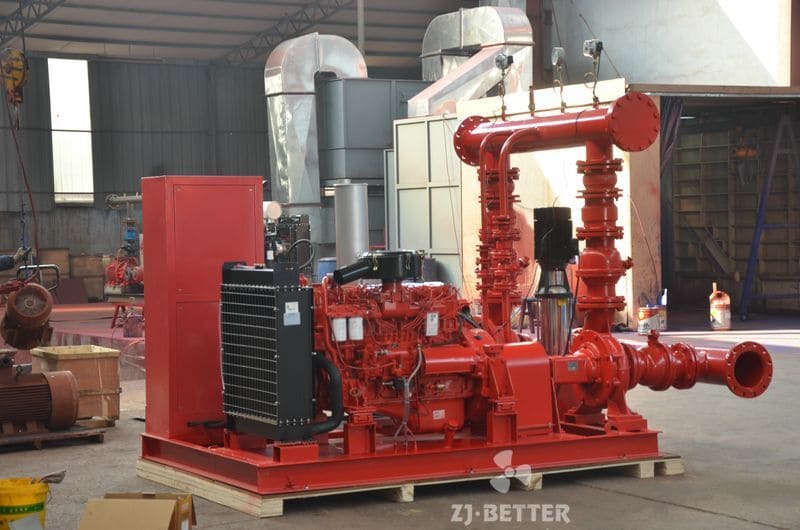
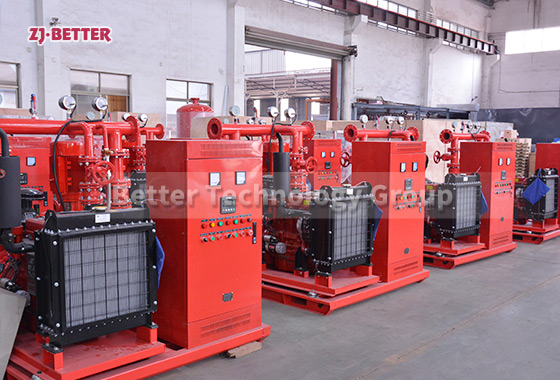
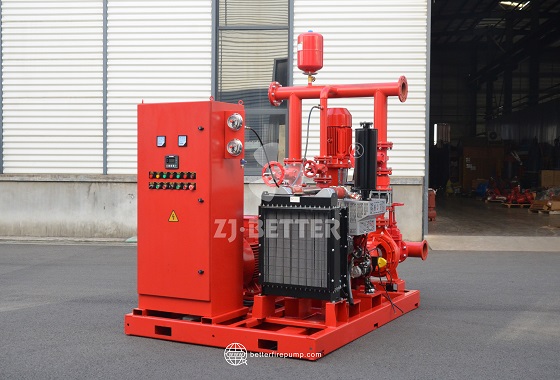
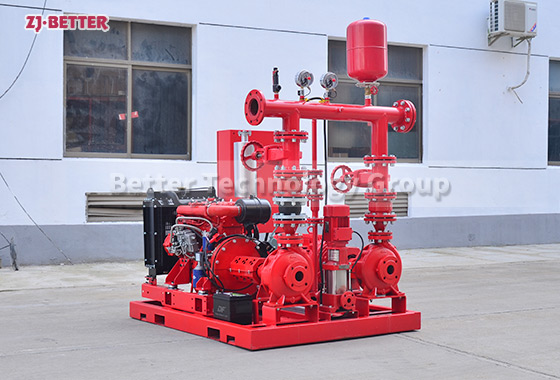
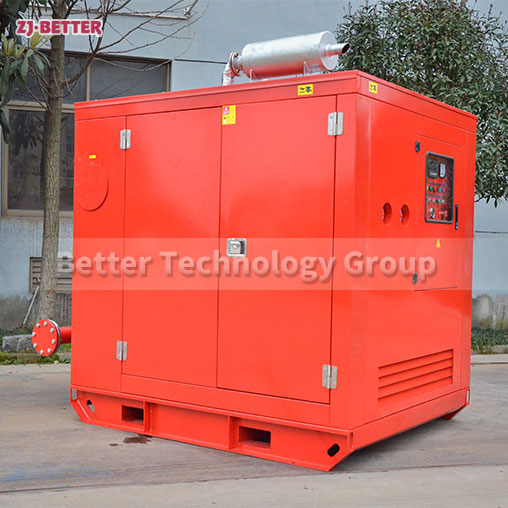
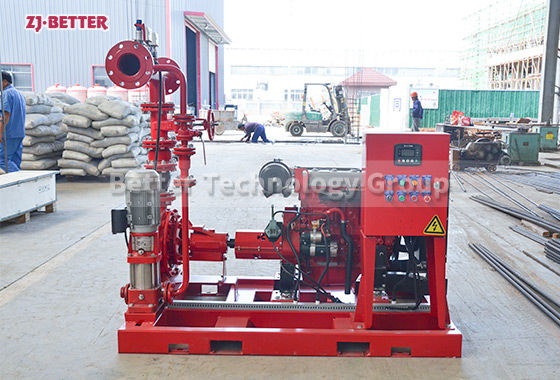
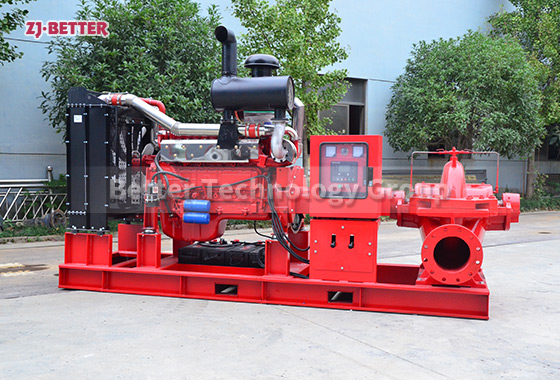
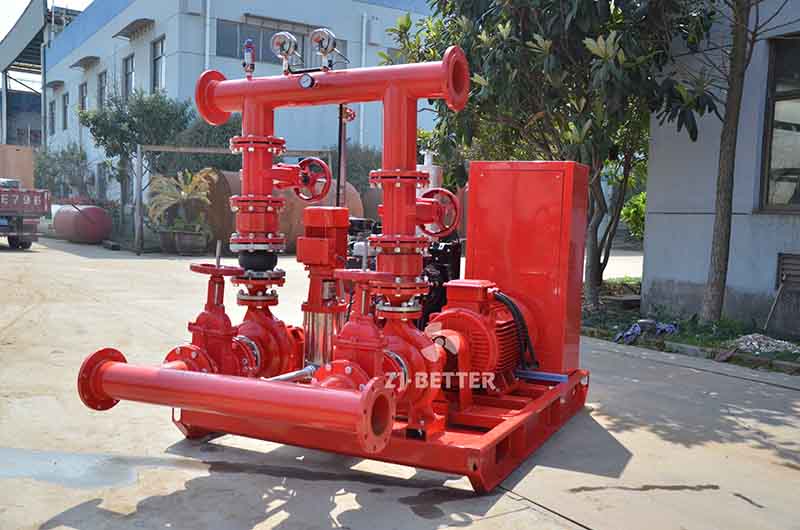
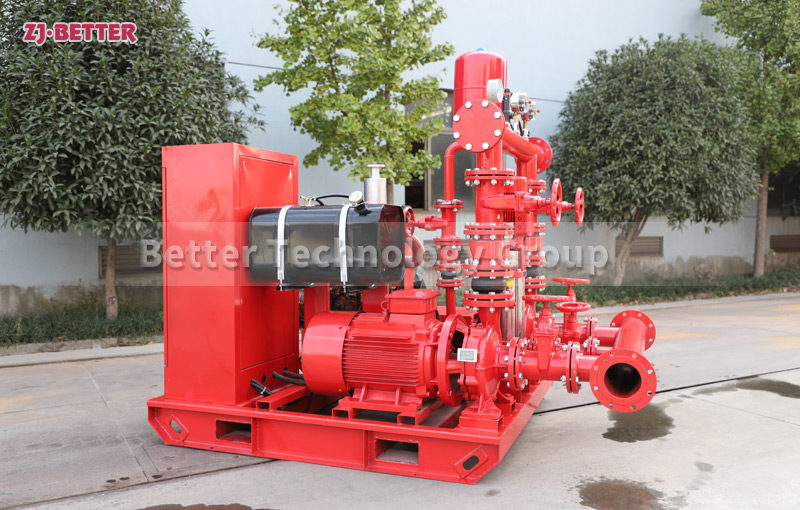
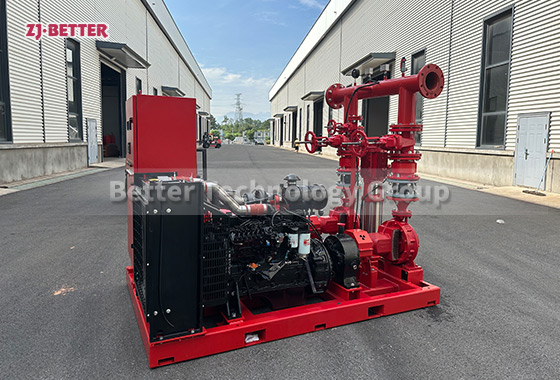
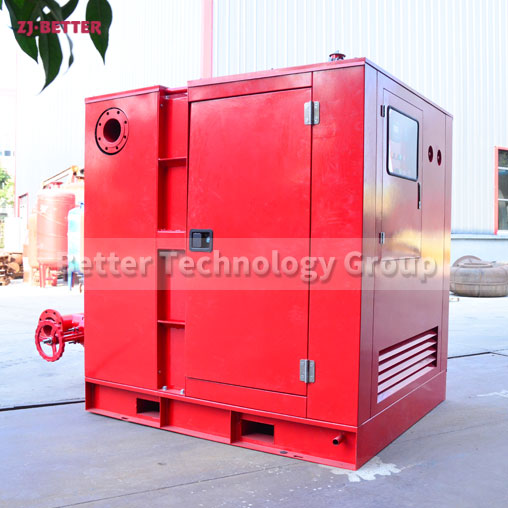
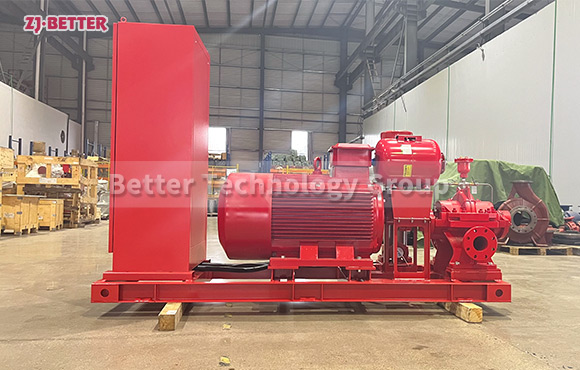
The national standard name of the diesel engine fire pump is “engineering diesel engine fire pump set”, and the national standard model is XBC-QYW/XBC-QYS where L is the lift value and Q is the flow value. XBC diesel engine fire pump set is the latest according to the national standard GB6245-2006 “fire pump performance requirements and test methods”. This series of products has a wide range of lift and flow, and can fully meet the fire water supply in various occasions such as warehouses, docks, airports, petrochemicals, power plants, liquefied gas stations, textiles and other industrial and mining enterprises.

Rated 4.5/5 based on 531 customer reviews
Share:
Content

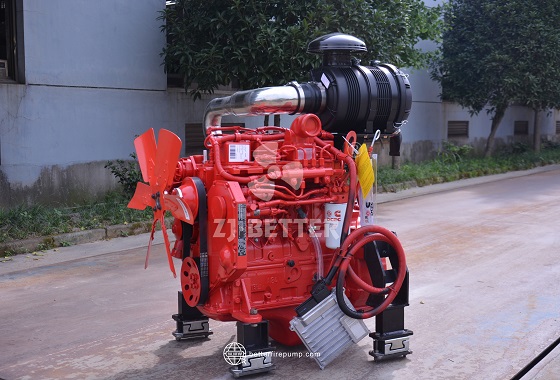
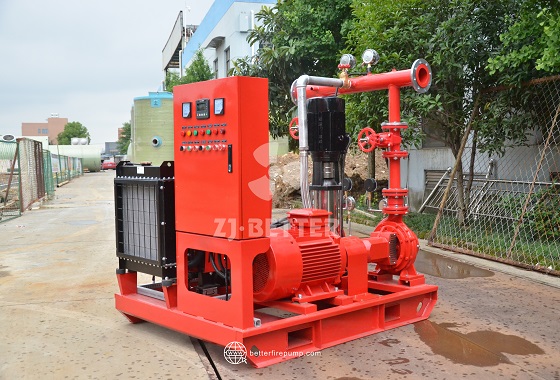
The engine cooling system of the diesel engine fire pump adopts double closed-loop heat exchangers. The system has the advantages of high cooling efficiency and little influence on the ambient temperature of the pump room. The cooling water flow direction is controlled by a ball valve from the pump outlet pipe to the heat exchanger, so that the cooling water temperature of the body is between 85 and 95 °C. If the water temperature is too high, the opening of the ball valve can be increased, the heat dissipation capacity of the heat exchanger can be increased, and the water temperature of the engine cooling water can be reduced. On the contrary, the opening of the ball valve can be closed to increase the water temperature of the engine cooling water.​​
Diesel engine fire pump sets, such as automatic control fire pump sets, add a solenoid valve in parallel with the ball valve in the heat pipe. Under normal circumstances, the solenoid valve is closed, and the cooling water can meet the engine cooling requirements through the gate valve. When the engine cooling water temperature exceeds 95°C, the solenoid valve will automatically open to increase the cooling water flow and reduce the engine cooling water temperature. After 20 seconds, when the water temperature of the diesel engine still exceeds 95°C, the automatic control system will issue an audible and visual alarm and call the staff to the scene to check the cause.
Inquiry


    More Fire Pump Set

    First, what’s a water pump? It’s a device used to transport liquid, pressurize the liquid, and make the liquid from the first liquid position to the high liquid position. The first water pump constructed by the Chinese is called” water windmill”. latterly, around 300 BC, the emergence of the” Archimedes screw pump” is more analogous to ultramodern pumps. In addition, the following introductory knowledge points are what you must understand.
    1. Centrifugal pump

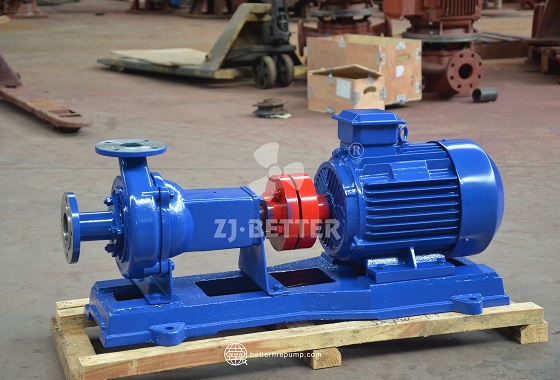
    Centrifugal pump is the most common type of pump. In simple terms, the working principle of centrifugal pump is to rotate the impeller to drive the liquid under the action of centrifugal force. The liquid leaves the impeller and enters the volute. As the inflow passage of the volute gradationally expands, the fluid haste slows down, and the pressure rises continuously, and eventually it’s discharged through the conduit.
    2. Impeller
    The impeller is one of the main factors in the water pump, and it’s the core element that transmits mechanical energy to the liquid. The impeller is substantially divided into three types open type,semi-open type and closed type. The material conditions for the impeller are high, wear resistance is needed, and the manufacturing process is good.

    3. Cavitation

    Cavitation is the conformation of numerous bitsy recesses when the liquid connections the liquid under high- speed inflow and pressure, and gradationally expands into grottoes when serious, and cavitation frequently occurs in the impeller and pump covering.

    In the fire fighting pipeline pump, according to the different installation methods can be divided into vertical fire pumps and horizontal fire pumps, many people have questions about these two common pumps, what is the difference between the two? Shanghai Xizhiquan will explain the difference between horizontal and vertical pumps.

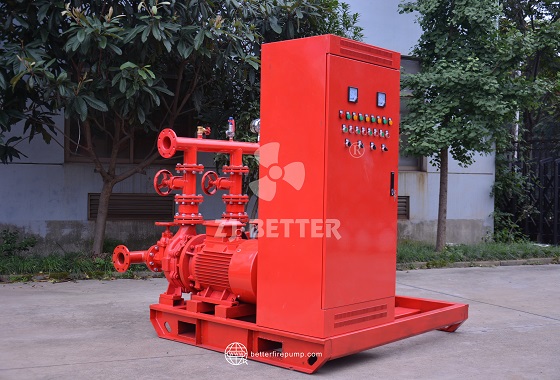
    Obviously, different installation methods take up different space. Vertical pipeline pumps are installed vertically, covering a relatively small area, and vertical fire pumps do not require a foundation, while horizontal fire pumps need to be equipped with a base.

    According to the different structures of the two pumps, it can be concluded that there is also a certain difference in the ease of maintenance of the two types of fire fighting pipeline pumps. The impeller of the vertical fire pump needs to be dismantled from top to bottom, which makes maintenance more difficult; the horizontal fire pump only needs to have the inlet pipe removed so that the impeller can be overhauled, which is relatively simple.

    Due to the different inlet and outlet pipe directions, the pipeline connection between vertical and horizontal is also different. As the vertical pump is a bottom-up structure, while the horizontal fire pump is longitudinally arranged on the base, so the motor of the vertical pump and the pump body are connected in the form of sub-mouth connection, while the horizontal pump needs to use couplings to connect with the motor, and the horizontal pipeline pump needs to be corrected regularly.

    Translated with www.DeepL.com/Translator (free version)

    1. When the pipeline fire pump noise occurs, the most likely fault is the imbalance of the fire pump rotor. Since the water output of the fire pump mainly depends on the high-speed rotation of the rotor, when the rotor is unbalanced for some reason, it will cause the fire pump to deviate from the original rotation track during the rotation process, resulting in the fire pump appearing in the pipeline. When judging the failure of the rotor, it is mainly to replace the rotor of the pump or make a balance hole on the rotor blade of the pump to find out the balance difference.

    2. The production noise of the fire pump pipeline has a certain effect. For example, forcing a small flow of a pipe “fire pump” to increase power to increase the original flow will create vibrations in the fire pump. Therefore, whether you use a pipeline fire pump or other types of water pumps, you should follow the water pump use standards to prevent the water pump from making noise, which will affect the service life of the water pump. The solution is to use the pump according to the instructions. If the efficiency of use is affected, it is recommended to replace the appropriate pipeline “fire pump” for use.

    3. The installation did not meet the standards, resulting in abnormal noise from the pipeline fire pump. Fire pumps and fire hydrant pumps vibrate at a high frequency during operation, so they must be fixed during installation. If the bolt between the pump body and the base or between the base and the base is loose when installing the pipe fire pump, the transmission shaft between the pump body and the motor of the pipe pump will be bent. It lowered the concentricity and caused an imbalance in the fire pump rotor. This is one of the noise phenomena of fire pumps. In order to improve this phenomenon, the pump shaft of the fire pump needs to be balanced and then reinstalled. Finally, the base of the pump was reinforced.

    4. Blockage of the impeller passage can also cause fire pump noise. When the internal flow channel of the fire pump is blocked by foreign matter, it will cause uneven resistance of the fire pump impeller and vibrate the fire pump. Therefore, it is necessary to regularly disassemble and maintain the fire pump to prevent foreign matter from blocking the pipeline.

    5. The bearing of the fire pump is damaged. Bearing damage generally does not occur on the main body of an in-line fire pump. If there is a problem with the quality of the pump, or because some hard objects enter the pump body of the tube pump, the bearing is damaged, and the rotor is unstable at first. Causes noise from pipeline fire pumps.

    6. Finally, cavitation, cavitation occurs in any type of pump, but some are obviously not noticeable. If cavitation occurs, consider raising the fire pump or increasing the pressure in the piping. If the cavitation phenomenon cannot be changed, the fire pump model needs to be redesigned and replaced.