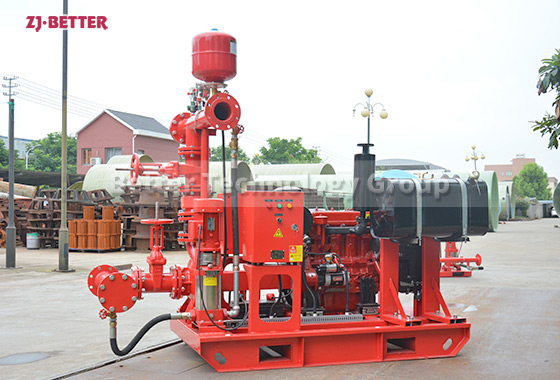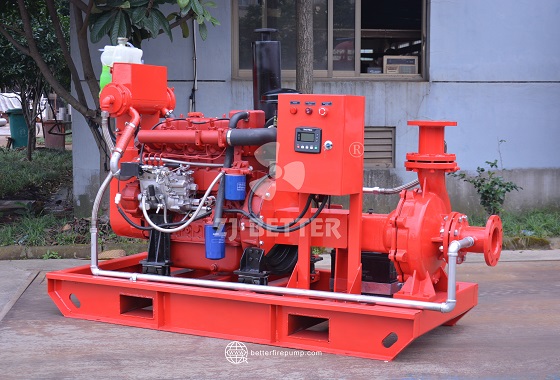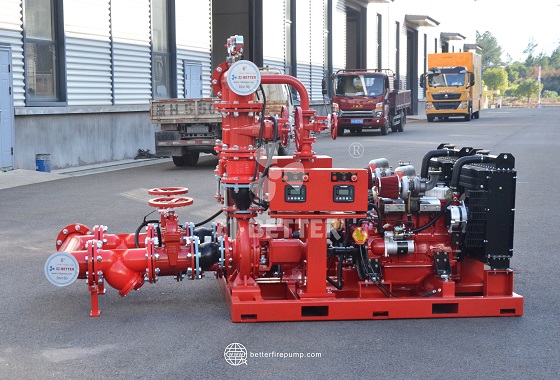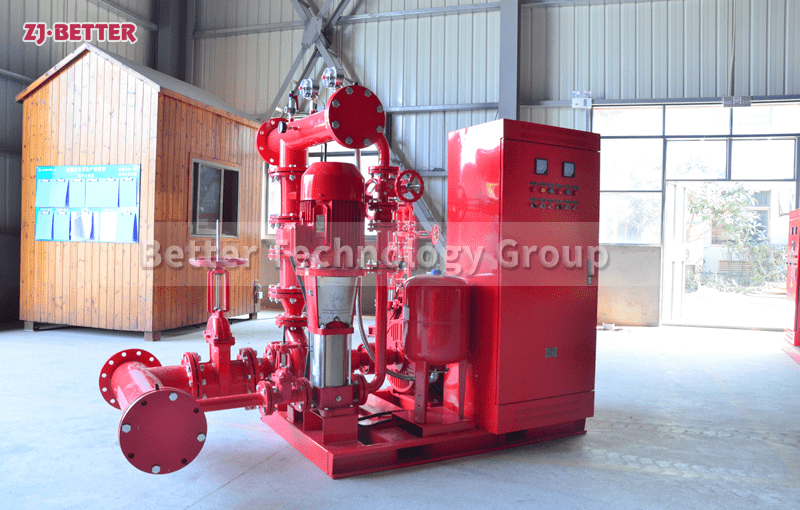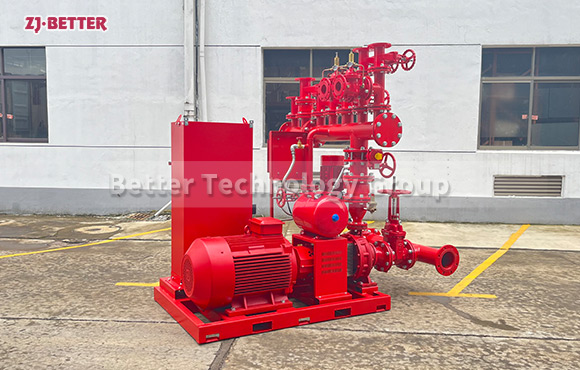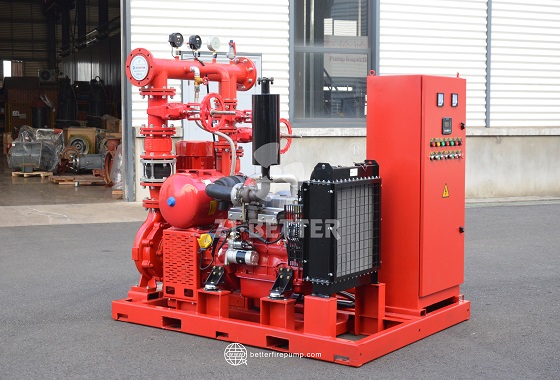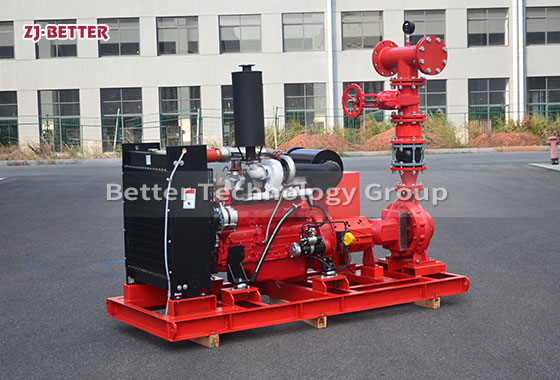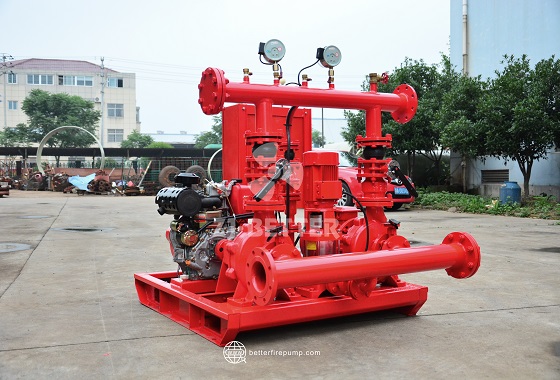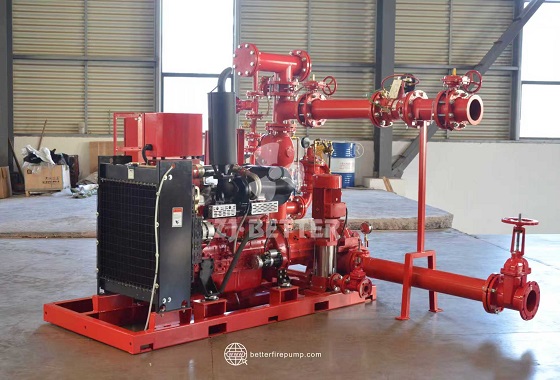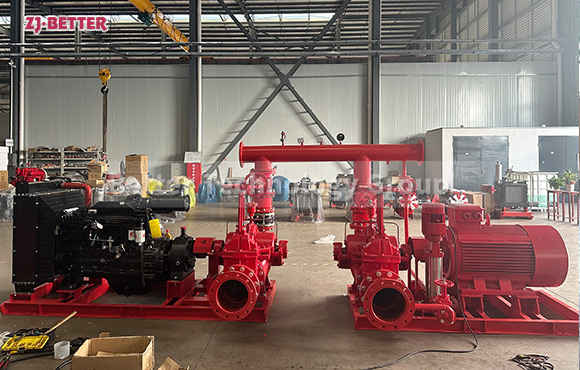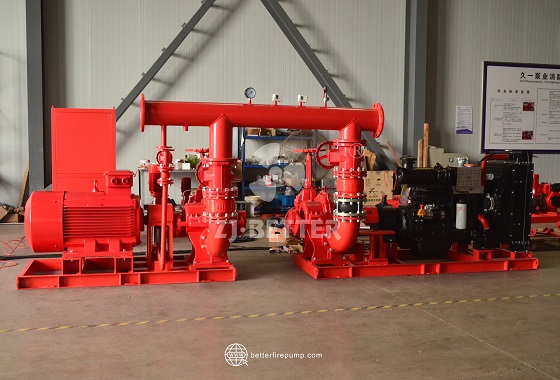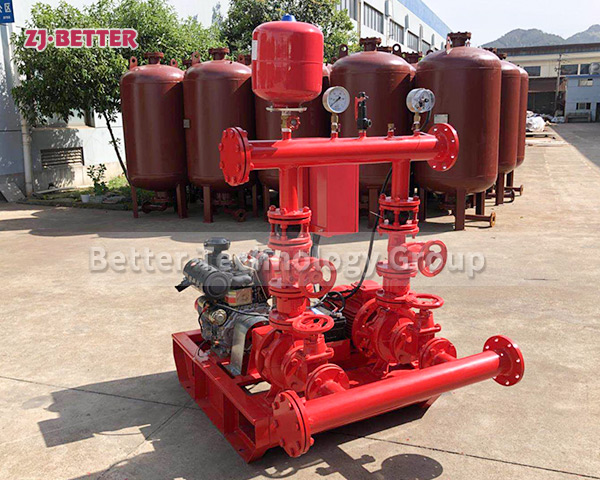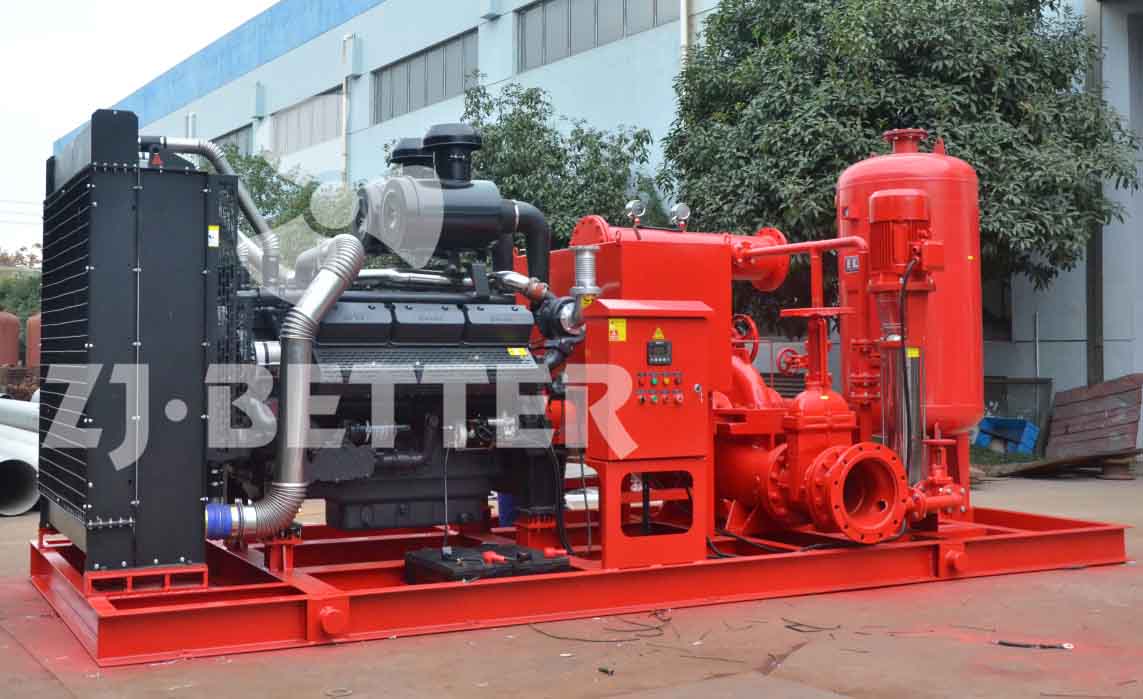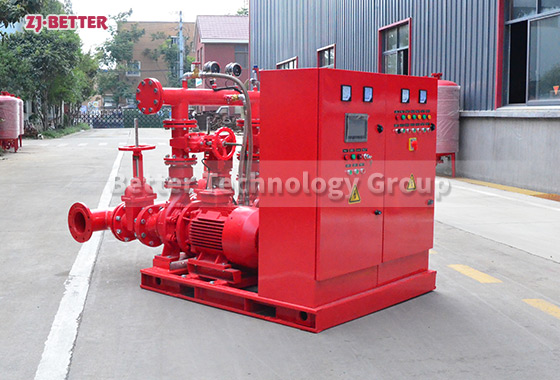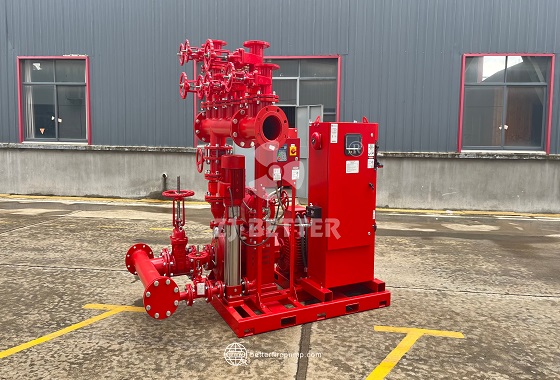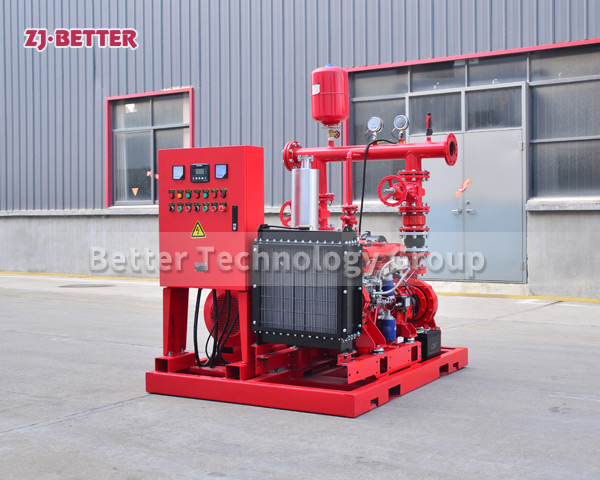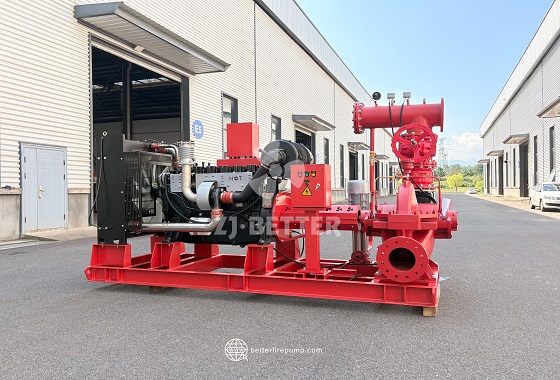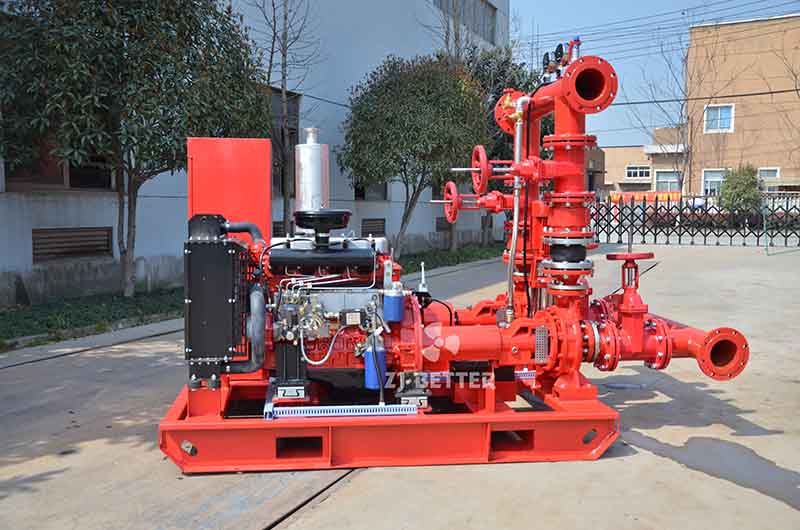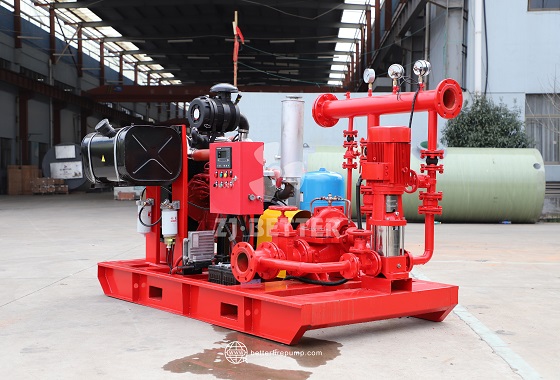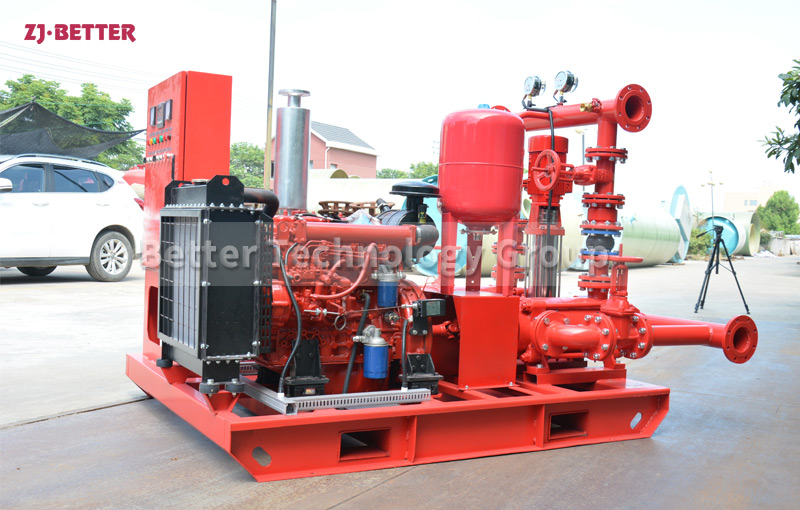
High Head Diesel Pump Units Designed for Challenging Construction Dewatering Tasks
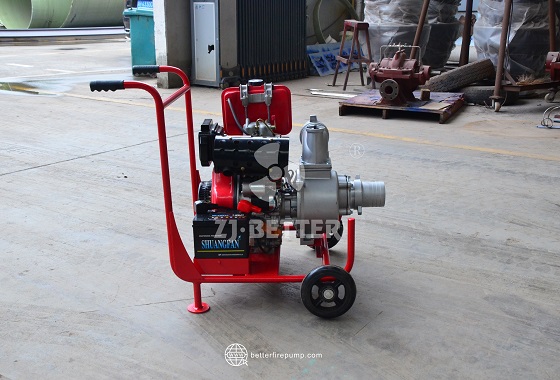
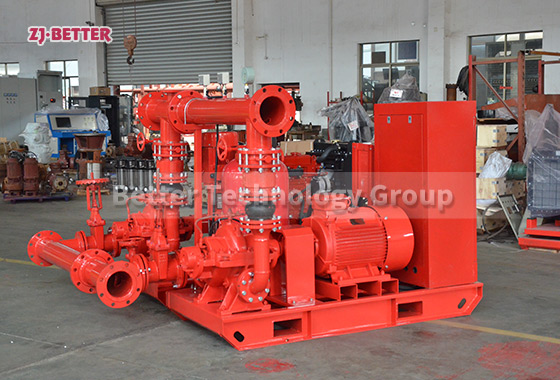
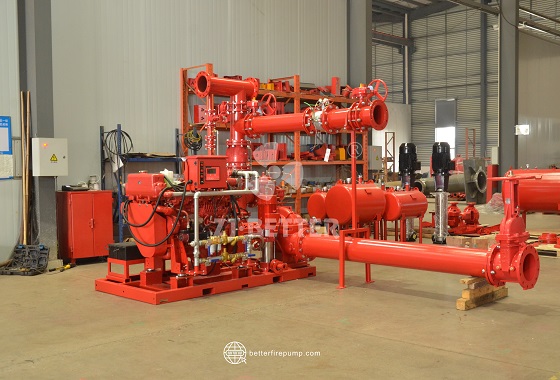
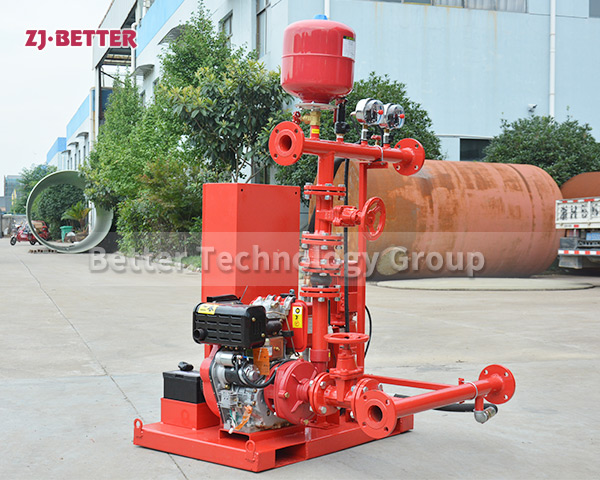
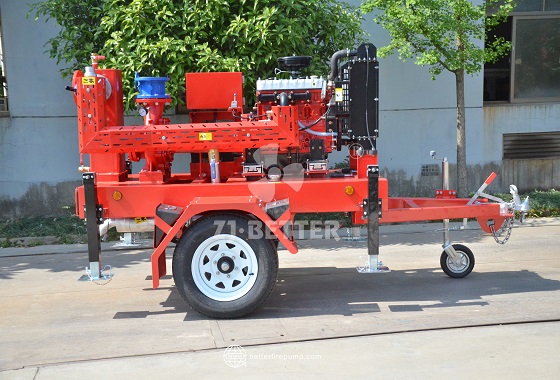
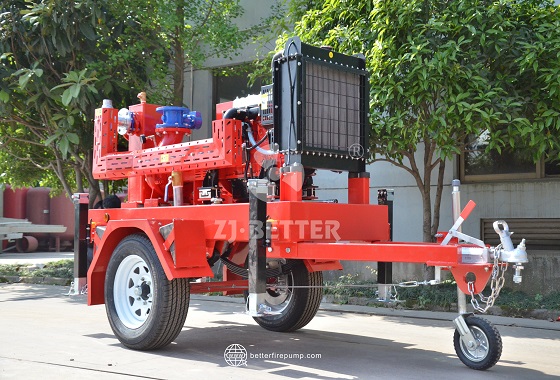
The mobile pumping solution for construction site dewatering projects adopts a trailer-mounted diesel self-priming pump design, which has advantages such as rapid deployment, large flow rate drainage, strong self-priming capability, independent diesel power, continuous and stable operation, and intelligent control. It is widely used in foundation pit dewatering, subway construction, municipal engineering, flood control and drainage, mine drainage, and emergency rescue projects, providing efficient and reliable drainage for modern engineering construction.
With the rapid development of modern construction engineering, the number of underground space development, high-rise building construction, rail transit construction, municipal infrastructure construction, and large-scale industrial projects continues to increase, leading to a growing demand for efficient drainage and groundwater control equipment at construction sites. Especially during deep foundation pit excavation, underground parking garage construction, subway station construction, tunnel engineering, and bridge foundation construction, groundwater seepage, rainy season water accumulation, and sudden water inrushes frequently affect construction progress and project quality. If accumulated water cannot be drained in time, it can not only deteriorate the construction environment but also cause a series of problems such as slope instability, equipment damage, foundation settlement, and project delays. Therefore, an efficient, reliable, flexible, and rapidly deployable mobile pumping solution has become an indispensable piece of equipment on modern construction sites. The mobile pumping solution specifically designed for construction site dewatering projects adopts a trailer-mounted structural design, a high-performance diesel power system, and advanced self-priming pump technology, providing continuous and stable high-flow drainage capacity in various complex construction environments, offering a solid guarantee for modern engineering construction.
One of the biggest advantages of this equipment is its superior mobility. Traditional stationary drainage equipment typically requires specialized foundations and complex installation, while mobile pumping units utilize an integrated trailer design, allowing for rapid transport to construction sites via tow vehicles. Whether for urban subway projects, mountain road construction, bridge construction, or remote infrastructure projects, the equipment can quickly reach the work area and be put into use. The chassis is constructed with heavy-duty steel, possessing excellent load-bearing capacity and seismic resistance, maintaining stable transport even under complex road conditions. For projects with constantly changing construction areas, the equipment can be flexibly moved according to the project schedule, significantly improving equipment utilization and reducing overall construction costs.
Advanced self-priming technology is one of the key advantages of mobile pumping equipment. Traditional centrifugal pumps often require manual priming before startup, while this equipment employs a highly efficient self-priming design that automatically removes air from the suction pipe, establishing a vacuum environment and rapidly completing the water intake process in a very short time. For emergency drainage tasks involving sudden flooding or heavy rain at construction sites, the self-priming function significantly shortens equipment startup time and improves on-site response speed. When a large amount of groundwater seepage suddenly occurs in the foundation pit or water accumulates in the construction area, the equipment can quickly establish pumping capacity, effectively preventing water accumulation from affecting the construction progress and project quality. Its powerful self-priming capability also allows it to adapt to deeper suction conditions, providing a more flexible application solution for complex construction environments.
In terms of drainage performance, this mobile pumping solution uses an optimized high-efficiency impeller and advanced fluid dynamics structure, giving the equipment excellent high-flow-rate delivery capabilities. When facing large-scale foundation pit dewatering projects, diaphragm wall construction, and large-area site water accumulation treatment tasks, the equipment can quickly discharge large amounts of water in a short time, effectively lowering the groundwater level and restoring construction conditions. The optimized flow channel design not only improves water delivery efficiency but also reduces hydraulic losses, enabling the equipment to achieve more economical operation while maintaining high flow output. For large projects requiring continuous dewatering, high-efficiency drainage capacity means shorter construction cycles and higher project benefits.
The diesel power system gives the equipment independent operating capabilities, making it unrestricted by external power conditions. Many construction projects are located in temporary construction areas or remote areas with limited power supply or even no established power supply system. The equipment utilizes a high-performance industrial diesel engine as its power source, featuring strong output power, excellent fuel economy, and stable continuous operation. Even without external power, the equipment can maintain stable operation for extended periods. For mountainous engineering projects, highway construction projects, water conservancy construction sites, and post-disaster rescue missions, the independent power system significantly improves the equipment’s adaptability and on-site operational efficiency.
Continuous operation capability is a crucial standard for evaluating the quality of drainage equipment. Construction site dewatering projects often require equipment to operate continuously for days or even weeks to maintain groundwater levels within safe limits. This mobile pumping solution adopts industrial-grade design standards, with key components undergoing rigorous durability testing and reinforcement. The engine is equipped with a high-efficiency cooling system, enabling stable operation in high-temperature environments; the pump body is made of wear-resistant materials, capable of withstanding high-flow-rate conditions for extended periods; and the bearings and sealing system are optimized to reduce wear and extend service life. Excellent continuous operation capability effectively ensures construction progress and prevents project shutdowns due to equipment failure.
To adapt to complex construction environments, the equipment’s structural design fully considers durability and reliability. The overall frame is welded from high-strength steel, providing excellent impact resistance and vibration resistance. The external protective cover undergoes anti-corrosion treatment, effectively protecting against rain, mud, high humidity, and construction dust. Key components undergo rigorous quality testing to ensure long-term stable operation under harsh conditions. For long-term outdoor projects, the robust and durable structural design not only improves equipment reliability but also reduces maintenance costs and replacement frequency.
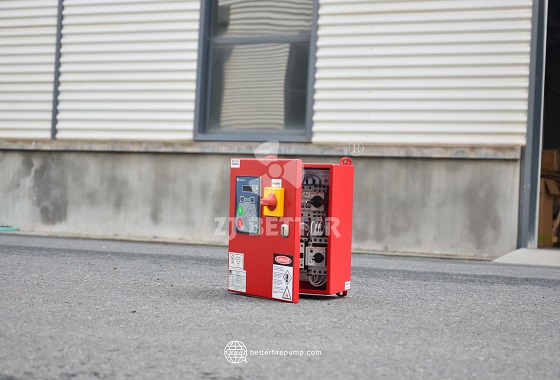
The intelligent control system further enhances equipment management efficiency and operational safety. The control panel integrates engine monitoring, water pump status monitoring, running time statistics, and fault alarm functions, allowing operators to monitor equipment operation in real time. When the system detects abnormal temperature, low oil pressure, insufficient fuel, or other faults, it automatically issues alarms and takes protective measures to prevent equipment damage. Some configurations also support automatic start-stop control and remote monitoring functions, helping managers achieve more efficient equipment management. Intelligent control technology not only reduces the difficulty of manual operation but also improves the overall safety level of the equipment.
Ease of maintenance is also a significant advantage of this product. The equipment adopts a modular design concept, with a reasonable layout of functional components, facilitating inspection, maintenance, and repair by technicians. The engine maintenance area, filter replacement location, and major wear parts are all optimized for quick routine maintenance. Standardized component structures not only improve spare parts versatility but also reduce inventory management pressure. For construction companies, convenient maintenance translates to lower operating costs and higher equipment utilization, thereby enhancing the overall economic benefits of the project.
Beyond construction site dewatering projects, this mobile pumping solution is widely used in municipal drainage, flood control and drainage, mine drainage, water conservancy projects, agricultural irrigation, and industrial wastewater transfer. In heavy rain, it can be used for emergency drainage of urban floodwaters; in mining projects, it can be used for tunnel drainage and groundwater control; in agriculture, it can be used for large-scale irrigation and water conveyance projects; and in industrial projects, it can undertake temporary drainage and liquid transportation tasks. This wide range of applications gives the equipment a higher return on investment and a competitive advantage in the market.
With the continuous expansion of global infrastructure construction and the increasing frequency of extreme weather events, the importance of efficient drainage equipment is becoming increasingly prominent. Mobile pumping solutions for construction site dewatering projects have become essential equipment in modern engineering construction due to their comprehensive advantages, including mobility, high efficiency with self-priming, large-flow drainage, independent diesel power, stable continuous operation, intelligent control, and robust durability. Whether on large-scale construction sites or in emergency flood control and disaster relief missions, this equipment demonstrates superior performance and reliability, providing strong guarantees for project safety, construction efficiency, and successful implementation. For engineering companies seeking efficient construction management and long-term operational value, choosing high-performance mobile pumping equipment not only enhances project competitiveness but also creates sustainable value for future development.