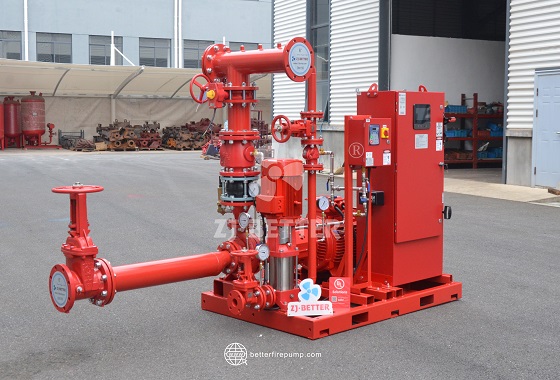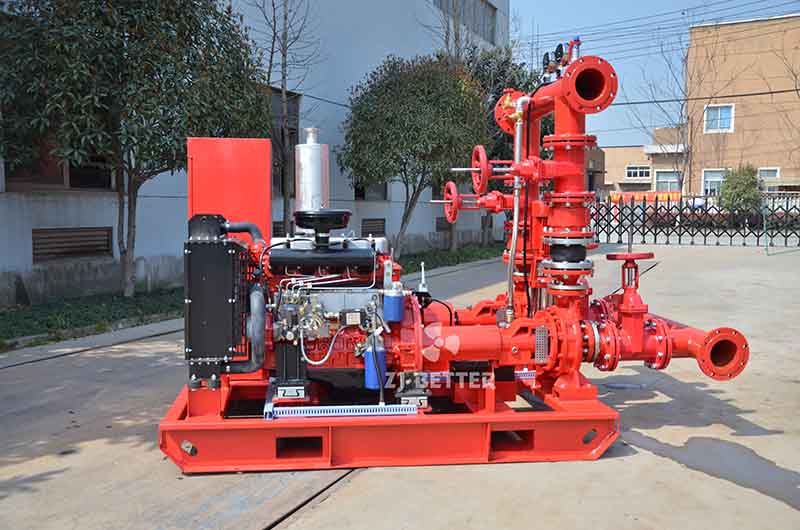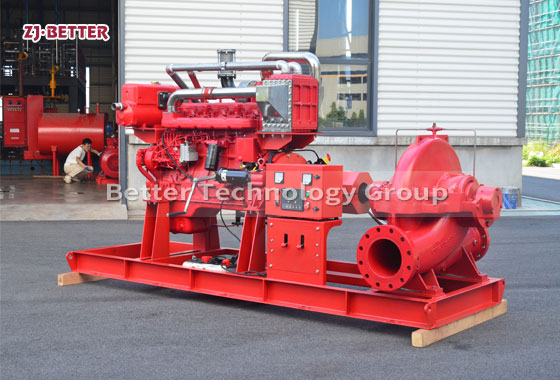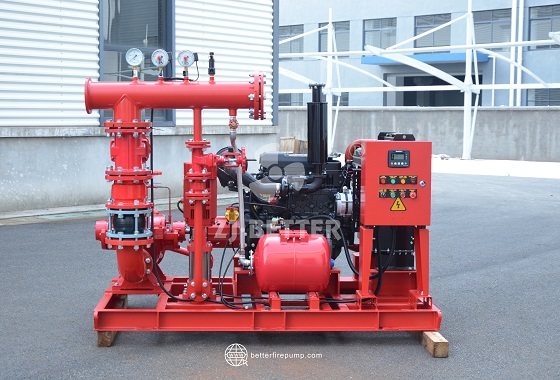
High Pressure Fire Water Supply Solutions with Vertical Multistage Fire Pump Systems
Vertical multistage fire pump systems provide high-pressure fire water supply solutions, featuring advantages such as high head, high efficiency, and compact structure. They are widely used in high-rise buildings, commercial complexes, and industrial fire protection projects to ensure the stable and reliable operation of fire protection systems.
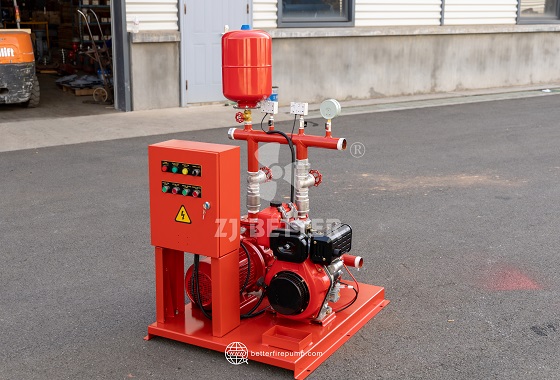
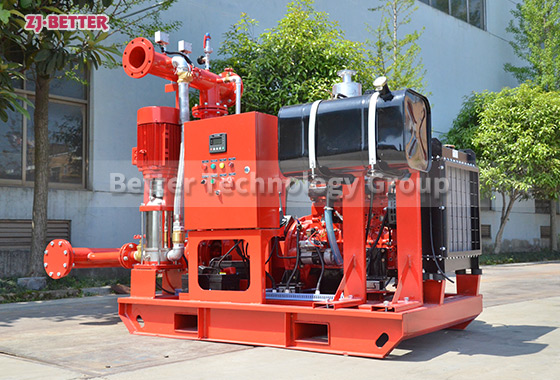
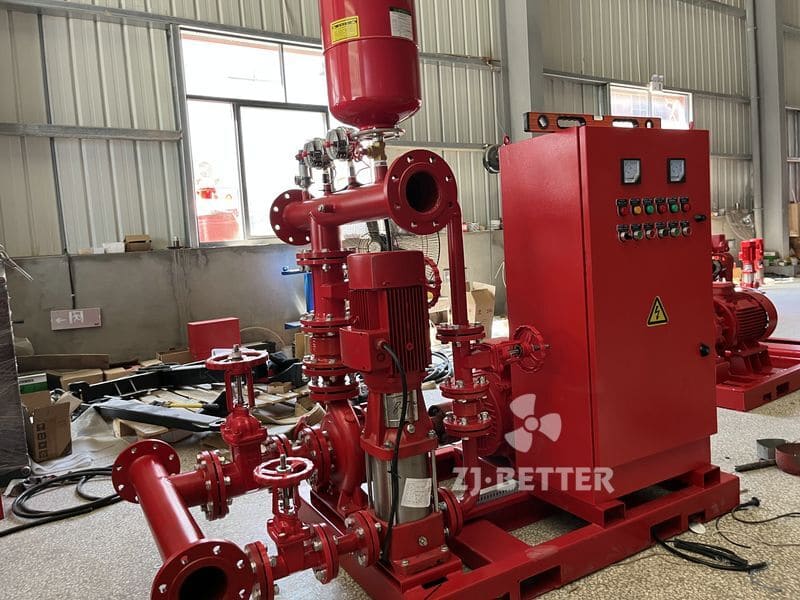
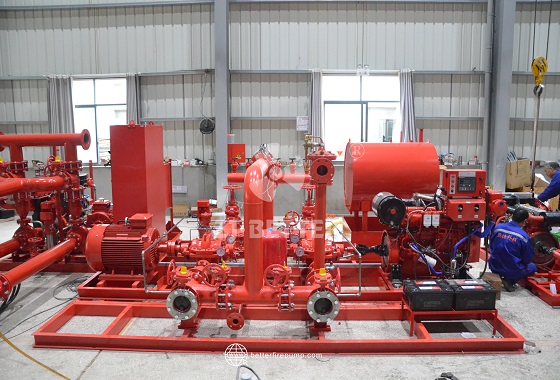
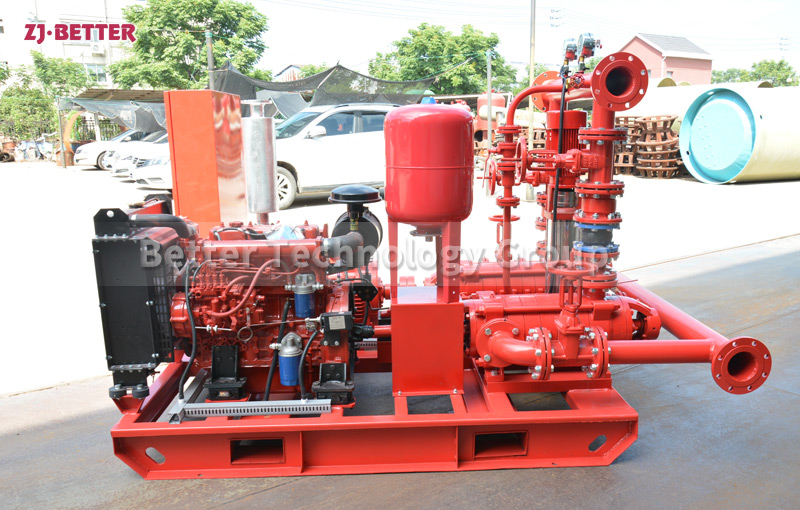
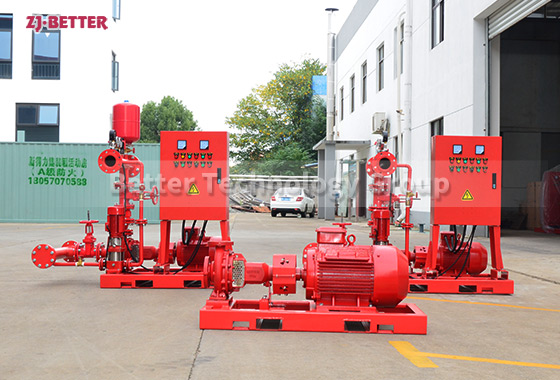
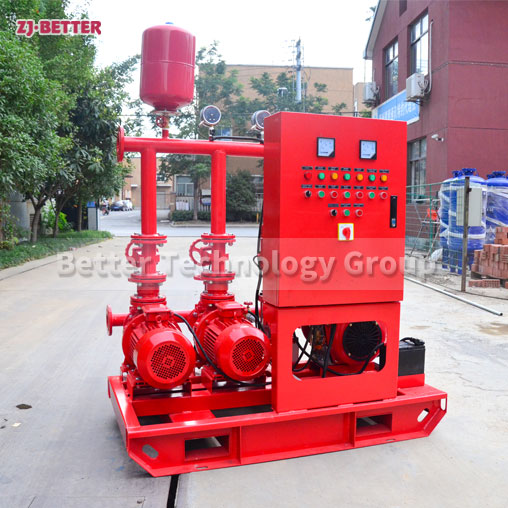
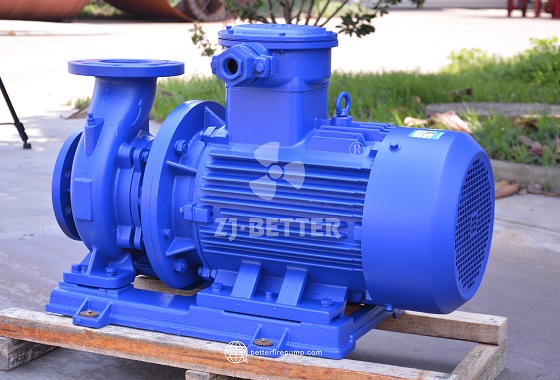
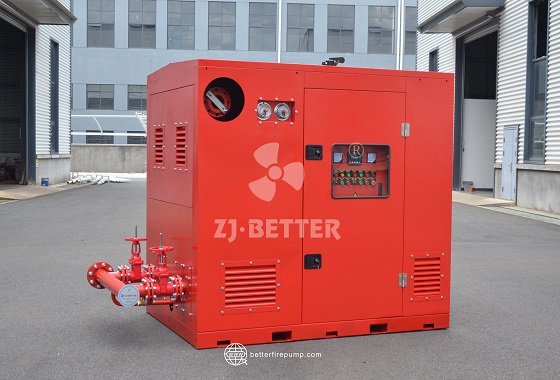
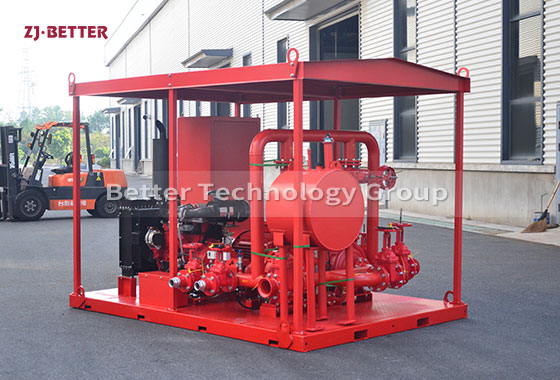
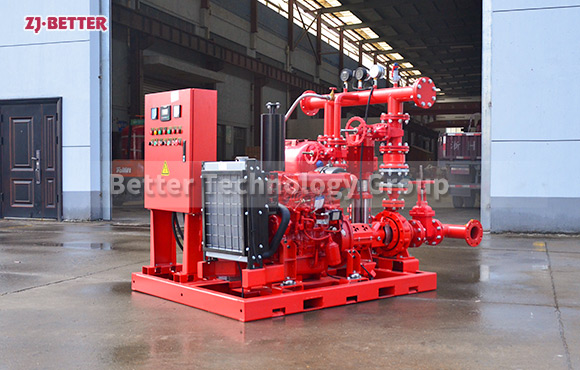
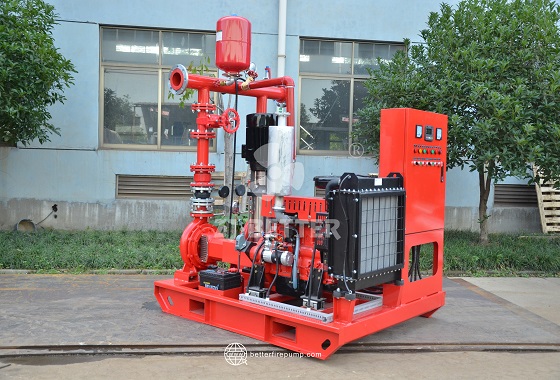
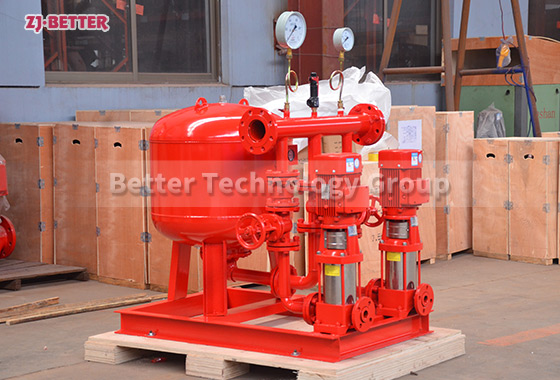
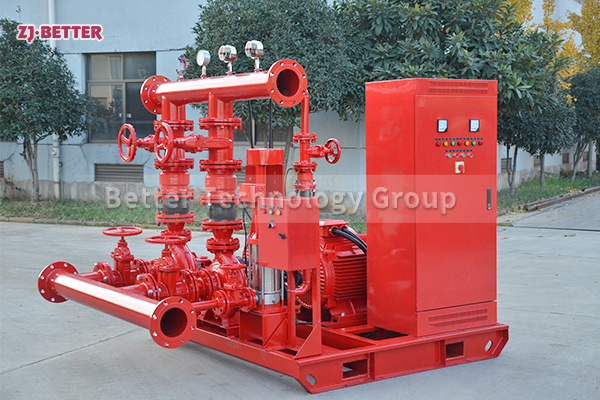
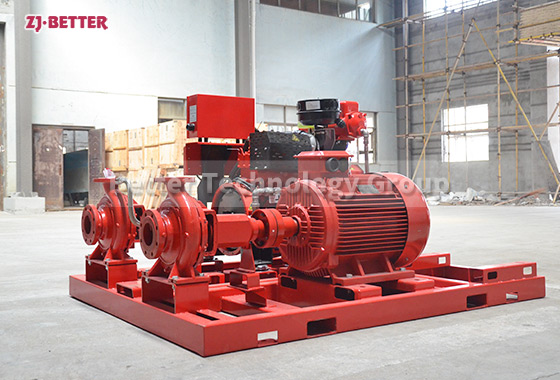
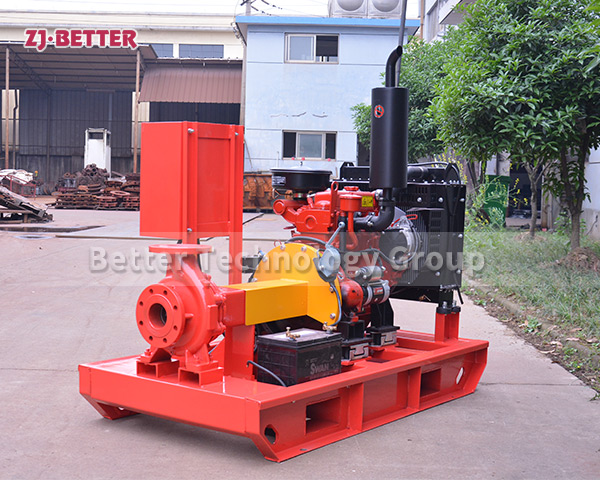
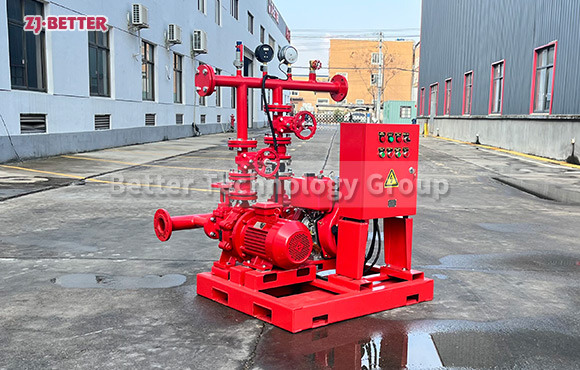
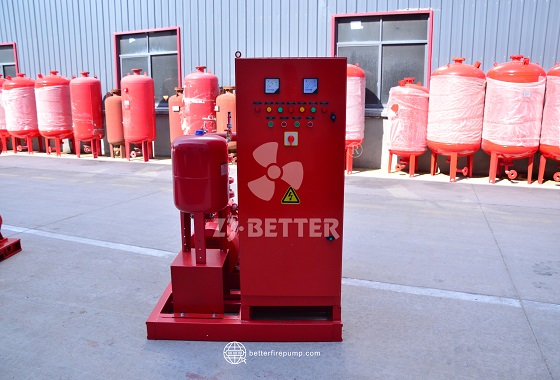
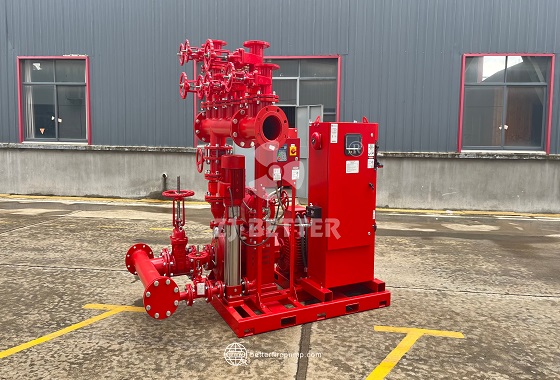
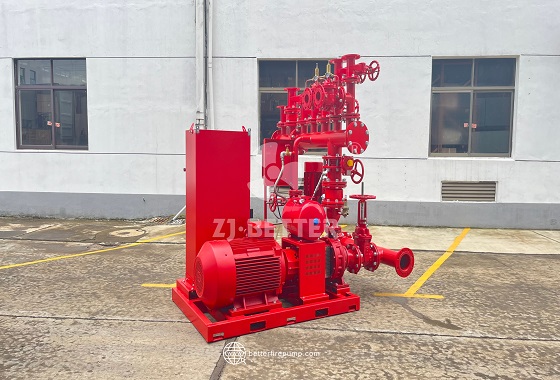
In modern fire protection engineering systems, stable and sufficient fire water supply pressure is one of the core conditions for ensuring the normal operation of fire extinguishing systems. With the continuous advancement of urbanization, the number of complex building structures such as high-rise buildings, super high-rise buildings, large commercial complexes, underground spaces, industrial plants, and large warehousing and logistics centers is constantly increasing. These projects place higher technical demands on fire water supply systems. Especially in high-rise or long-distance water supply scenarios, fire protection systems need to have higher water supply pressure and more stable operating capabilities to ensure that automatic sprinkler systems, fire hydrant systems, and other fire extinguishing equipment can quickly function in emergencies. Against this backdrop, vertical multistage fire pump systems, with their advantages of high head, high efficiency, compact structure, and stable operation, have gradually become one of the important devices in modern fire water supply systems. This system, through its multistage impeller structure design, can continuously provide high-pressure water flow, providing reliable water supply for high-rise buildings and large-scale fire protection projects, thus providing stable water support for fire extinguishing operations during a fire. A vertical multistage fire pump system typically consists of multistage centrifugal pumps, motors, control systems, valve assemblies, and related piping equipment, forming a highly efficient and stable fire water supply device through overall structural design. Compared to traditional single-stage fire pumps, multi-stage pumps use a series of impellers to progressively increase water pressure, enabling stable operation even at higher head conditions. This design allows the equipment to provide stable water pressure in high-rise buildings or long-distance water supply environments, ensuring sufficient water supply to all floors or remote areas of the fire protection system. During fire system operation, stable water pressure not only guarantees the normal operation of fire extinguishing equipment but also improves the response speed and fire extinguishing efficiency of the entire system. The core component of a vertical multi-stage fire pump is the multi-stage impeller assembly, which is manufactured using precision hydraulic design and high-precision manufacturing processes to create a continuous pressurization process within the pump body. Water gains initial pressure upon entering the first-stage impeller, and the pressure increases progressively in subsequent impellers, resulting in high head output. By optimizing the impeller structure and flow channel design, the pump can maintain high efficiency over a wide flow range, thus meeting the water supply needs of different fire-fighting conditions. For example, in high-rise building fire protection systems, when multiple sprinkler zones are activated simultaneously, the equipment needs to maintain stable pressure under high flow conditions, and a multi-stage impeller structure can effectively meet this requirement. At the same time, high-performance impeller materials can improve the equipment’s wear resistance and corrosion resistance, enabling the equipment to maintain stable performance in long-term operating environments. Vertical multi-stage fire pump systems also have significant advantages in structural design. The vertical structure allows the equipment to be directly installed in the fire piping system, thereby reducing complex piping layouts and additional resistance. The compact structure not only saves installation space but also reduces equipment weight, making the layout of the fire pump room more rational. For building equipment rooms or underground pump rooms with limited space, the vertical structure can significantly reduce the equipment’s footprint and improve space utilization. Simultaneously, because the water flows vertically inside the pump body, the equipment maintains low vibration and low noise during operation, thereby improving system operational stability. In terms of the power system, vertical multi-stage fire pumps typically use high-efficiency electric motors as drive devices. The motor is connected to the pump shaft via a coupling, enabling stable power transmission to the impeller assembly, thus achieving continuous water supply. When the fire protection system is activated, the electric motor can quickly reach its rated speed, enabling the pump to establish stable water pressure within a short time and provide timely water supply to the fire protection system. High-efficiency electric motors not only provide stable power but also reduce energy consumption, ensuring good economic performance during long-term operation. Simultaneously, high-quality bearing systems and mechanical seals ensure stable performance even at high speeds and effectively prevent leaks. To ensure rapid response in emergencies, vertical multistage fire pump systems are typically equipped with advanced automatic control systems. These systems monitor the fire protection network pressure in real time using pressure sensors. When the system detects a drop in network pressure, the equipment automatically starts and begins supplying water. When the pressure returns to the set range, the system automatically stops operating, maintaining stable network pressure. Automatic control systems not only improve equipment operating efficiency but also reduce manual operation requirements, making fire protection system management more convenient. In some modern fire protection projects, the control system can also be linked with the fire alarm system. When a fire alarm signal is triggered, the system automatically starts the fire pump, further shortening the response time. In large-scale fire protection projects, vertical multistage fire pump systems are often combined with pressure-stabilizing pumps and standby fire pumps to form a complete fire water supply system. The pressure-stabilizing pump maintains the daily pressure of the fire protection network, while the main fire pump provides a large flow of high-pressure water during a fire. This multi-device collaborative system structure significantly improves the overall reliability of the fire protection system. When system pressure changes, the pressure-stabilizing equipment can make fine adjustments, and when a fire requires a large supply of water, the multi-stage fire pumps can quickly be put into operation, providing a continuous and stable high-pressure water source for the fire protection system. In practical applications, vertical multi-stage fire pump systems are widely used in various building and industrial fire protection projects. For example, in high-rise residential and office building projects, this equipment can provide stable fire water pressure to each floor, keeping sprinkler and fire hydrant systems on standby. In large commercial complexes and public buildings, a stable and reliable fire water supply system can effectively ensure the safety of densely populated areas. In the industrial sector, such as petrochemical plants, power facilities, manufacturing plants, and warehousing and logistics centers, vertical multi-stage fire pumps also play a crucial role. These industrial facilities typically have a high fire risk and therefore require a highly reliable fire water supply system to ensure safety, while high-lift fire pump equipment can quickly provide a large amount of high-pressure water in emergencies. With the continuous development of fire protection technology, vertical multistage fire pump systems are also undergoing continuous technological upgrades. For example, optimizing the pump body flow channel structure through advanced computational fluid dynamics technology can further improve hydraulic efficiency and reduce energy loss; using high-performance materials can improve the equipment’s corrosion resistance and wear resistance; and intelligent control technology enables remote monitoring and automated management, making equipment maintenance more convenient. These technological advancements not only improve equipment performance but also further enhance the safety and economy of fire protection systems. Overall, vertical multistage fire pump systems play a vital role in modern fire water supply engineering due to their advantages such as high head, high efficiency, compact structure, and stable operation. Through reasonable design and scientific configuration, this system can provide a continuous and stable high-pressure water supply for high-rise buildings and large-scale fire protection projects, thereby ensuring that the fire protection system can be quickly put into operation in emergencies. With the continuous expansion of urban construction and the continuous improvement of fire safety standards, vertical multistage fire pump systems will play an even more crucial role in future fire protection engineering, providing safer, more efficient, and more reliable fire water supply solutions for various buildings and industrial facilities.