Smart Dual Jockey Pump Systems Improving Fire Water Supply Stability
The intelligent dual-pump fire protection pressure stabilization system is used to maintain stable pressure in the fire protection pipeline network. It has advantages such as automatic control, dual-pump redundancy design and high-efficiency operation. It is widely used in high-rise buildings, commercial complexes and industrial fire protection systems to ensure the stability and reliability of the fire water supply system.
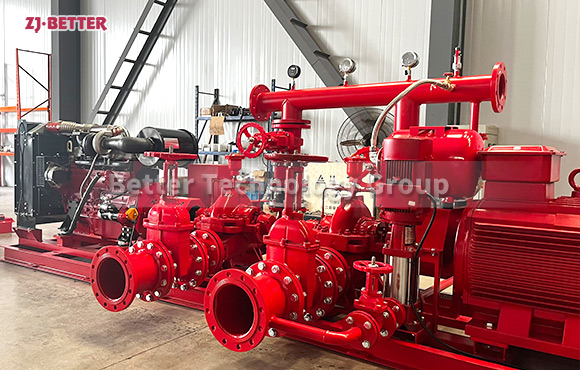
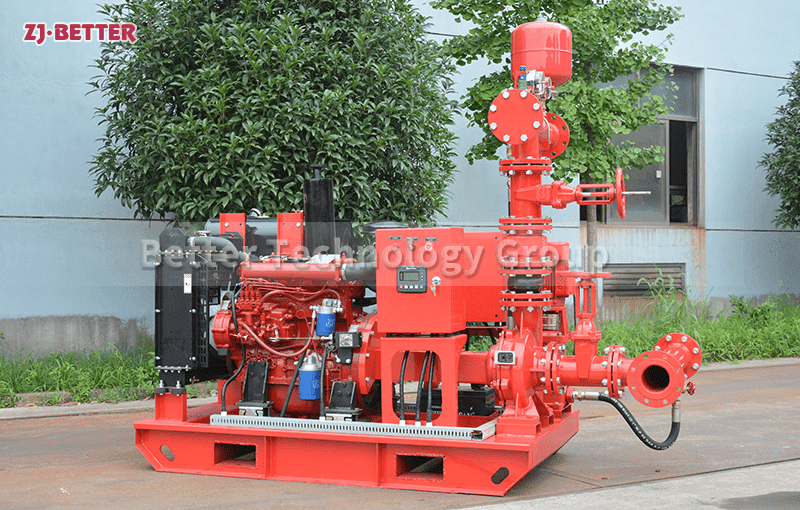
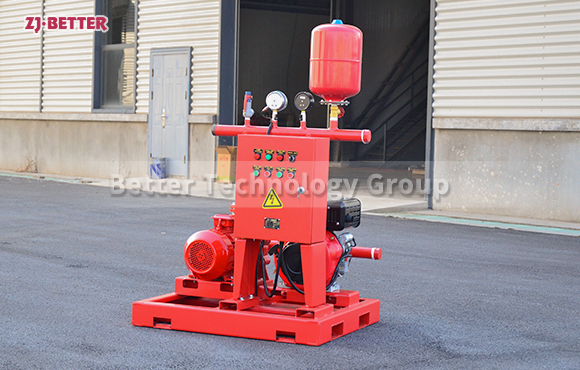
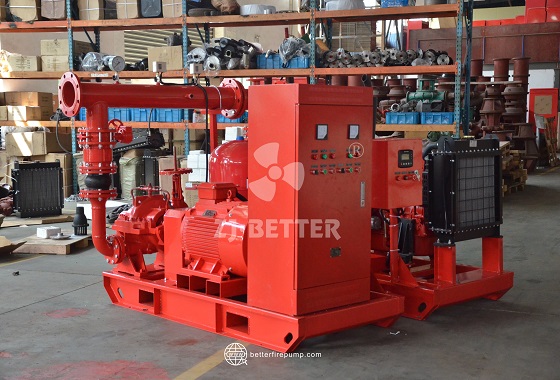
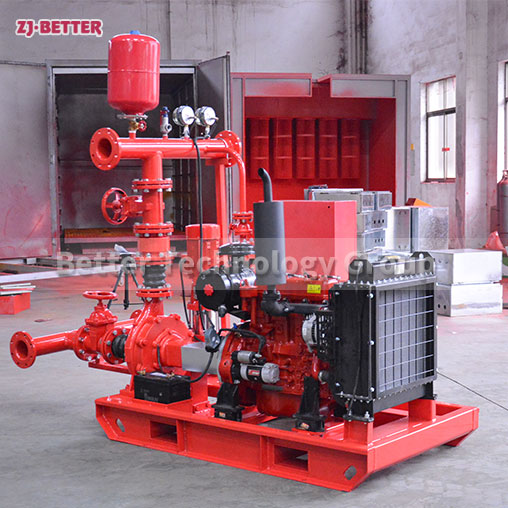
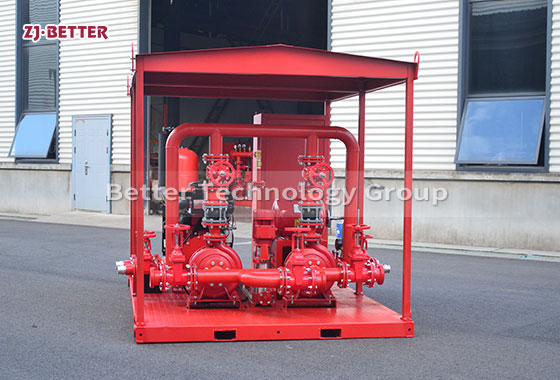
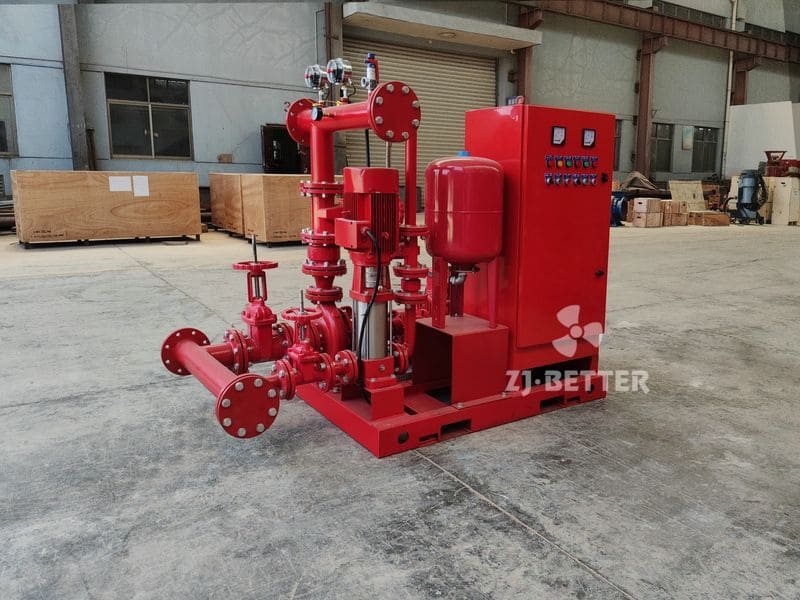
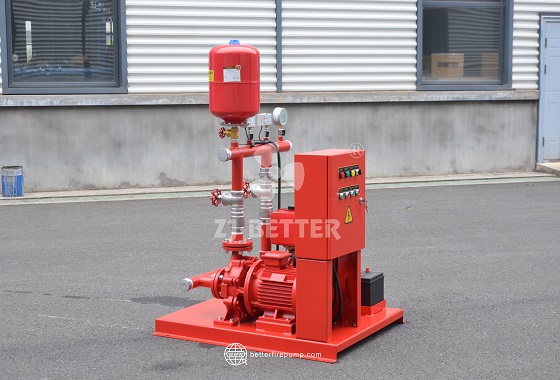
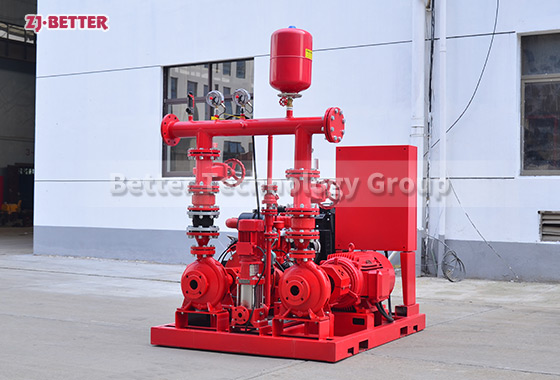
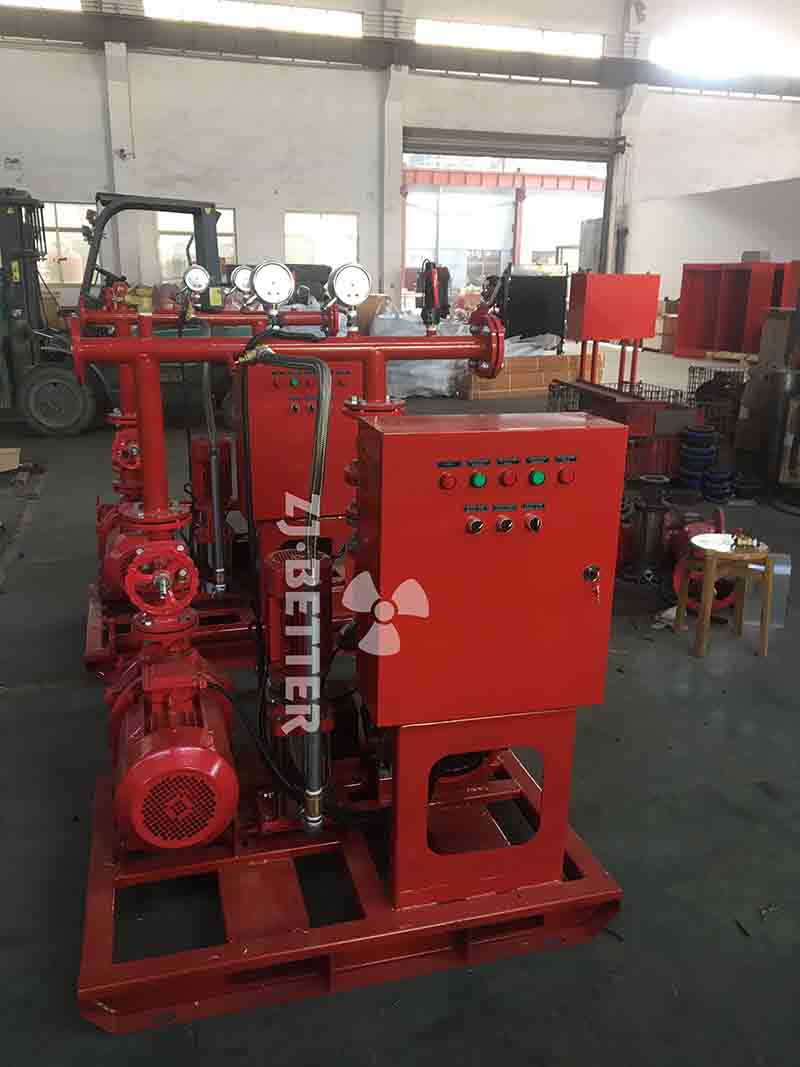
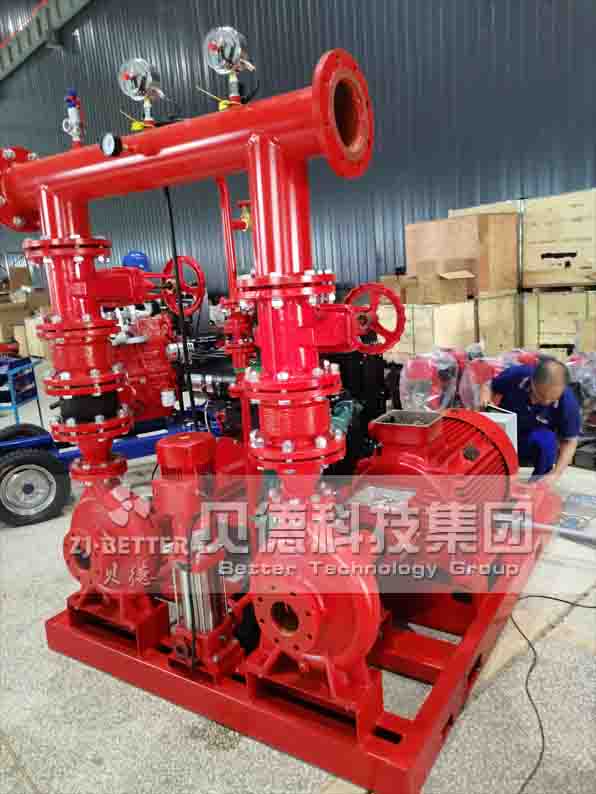
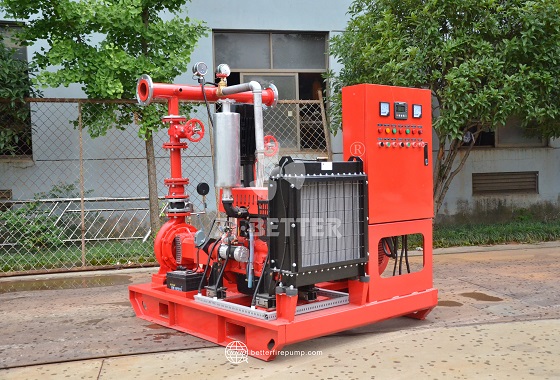
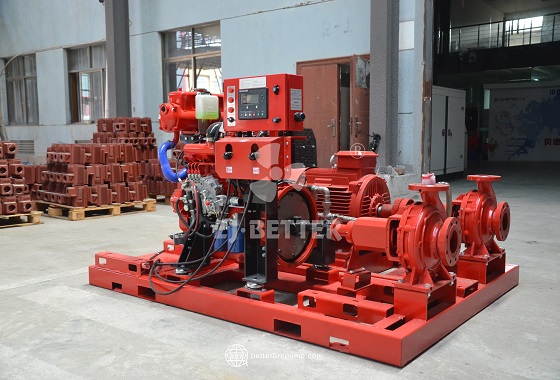
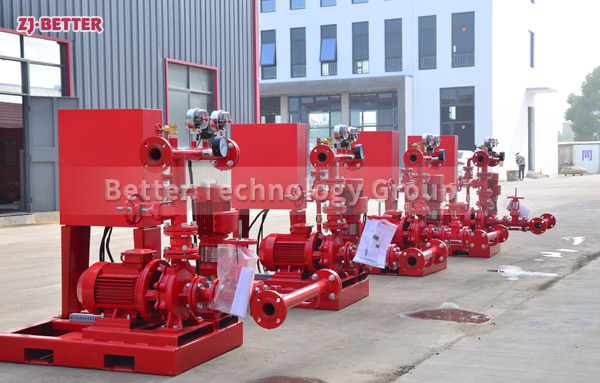
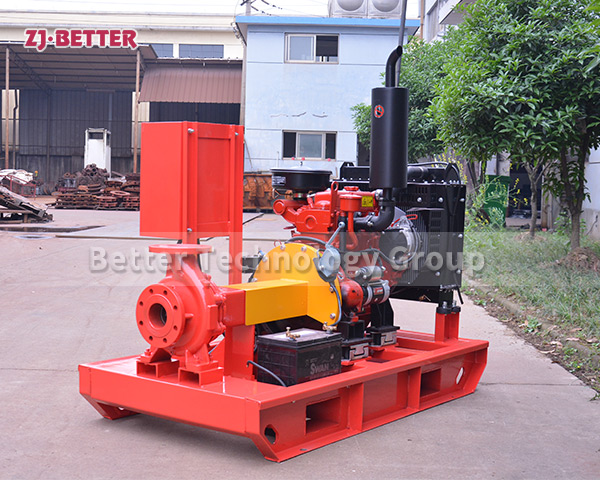
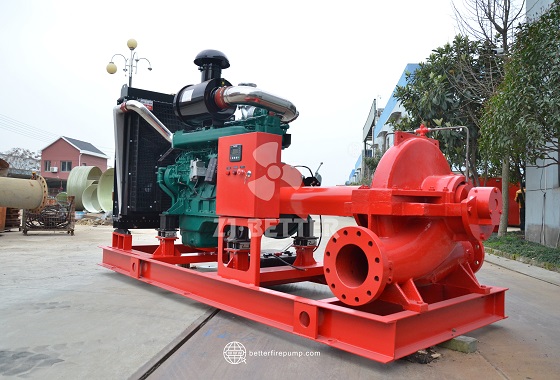
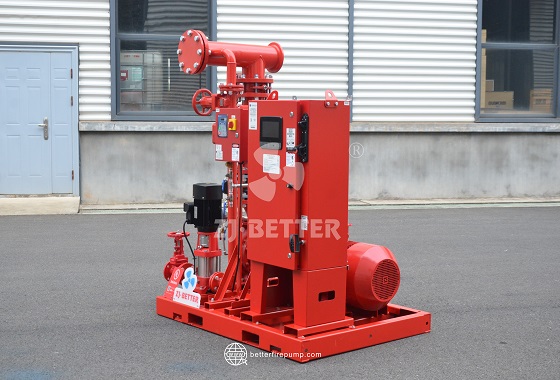
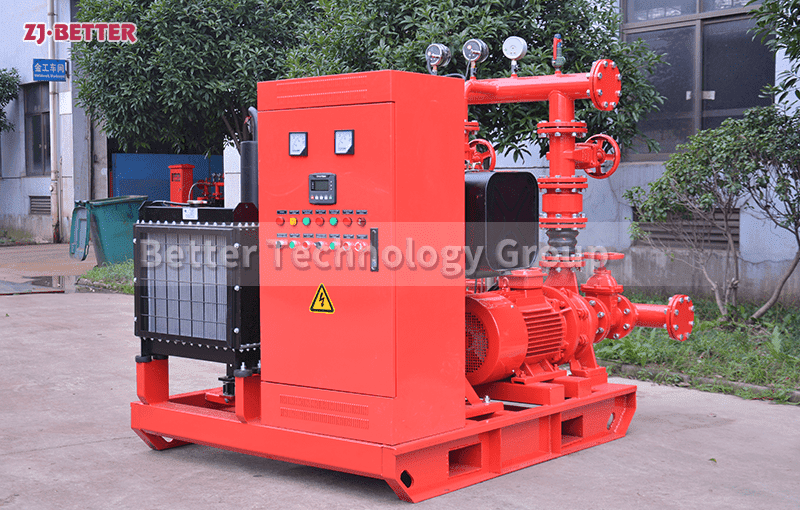
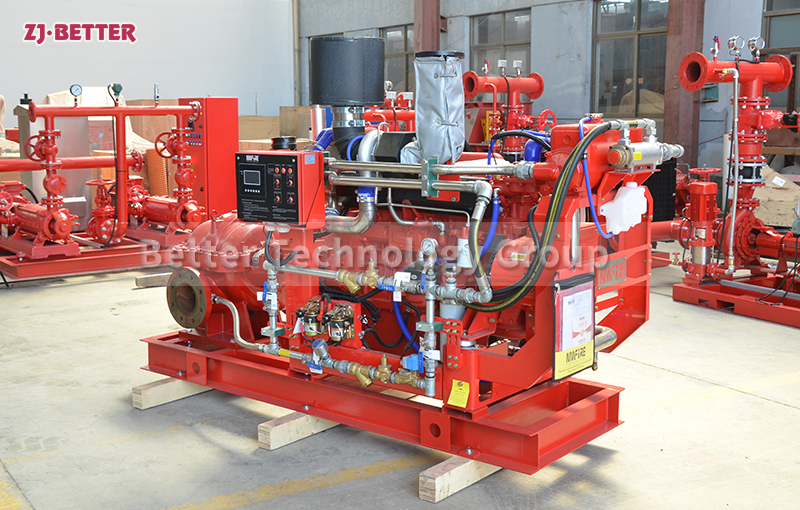
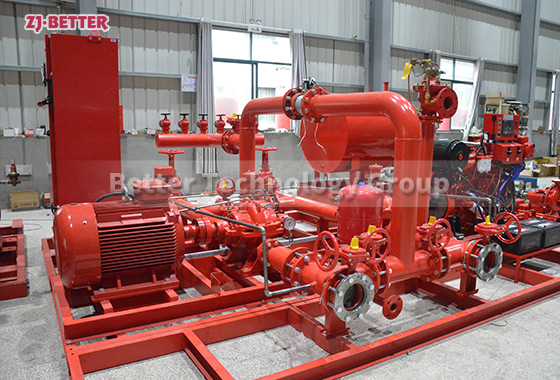
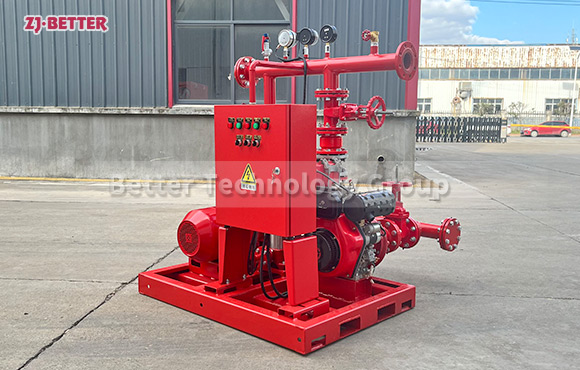
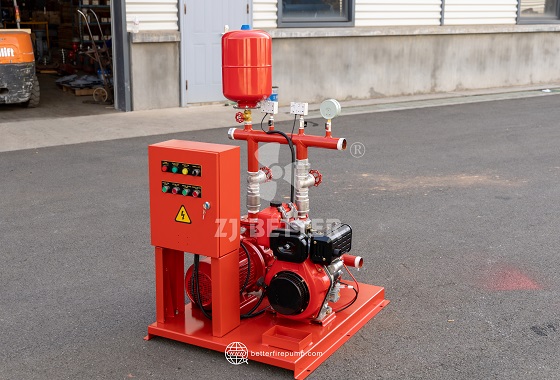
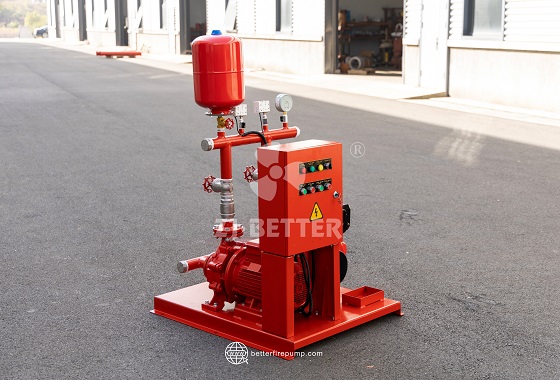
In modern building fire protection systems, stable and reliable fire water supply pressure is one of the key factors ensuring the normal operation of the entire system. With the continuous expansion of urban building scale and the increasing complexity of building structures, high-rise buildings, commercial complexes, industrial parks, underground spaces, and large public facilities place higher demands on the stability and reliability of fire water supply systems. Under normal circumstances, fire protection systems need to maintain a certain pipeline pressure to ensure that automatic sprinkler systems, fire hydrant systems, and other fire extinguishing equipment can be quickly put into operation in the event of a fire. However, in actual operation, the fire pipeline pressure fluctuates due to temperature changes, minor pipeline leaks, or changes in equipment operating conditions. Without reliable pressure stabilization equipment, the main fire pump may start frequently, increasing equipment wear and affecting system stability. Therefore, the intelligent dual-pump fire pressure stabilization system, as an important component of the fire water supply system, provides reliable protection for the entire fire protection system by continuously maintaining stable fire pipeline pressure. An intelligent dual-pump fire pressure stabilization system typically consists of two pressure-stabilizing pumps, motors, control cabinets, pressure sensors, pressure tanks, and related piping components, which, through proper configuration, form a complete fire pressure stabilization device. Compared to traditional single-pump pressure stabilization systems, the dual-pump structure offers higher system reliability and more flexible operation. During system operation, the two pressure-stabilizing pumps can automatically alternate or operate simultaneously based on changes in pipeline pressure, thus maintaining stable system pressure under different operating conditions. When the pipeline pressure drops slightly, the system automatically starts one pressure-stabilizing pump to replenish water; when the pressure change is significant, the second pressure-stabilizing pump can be started to operate together to quickly restore system pressure. This flexible operating mode not only improves system response speed but also reduces wear and tear caused by long-term continuous operation, thereby extending equipment lifespan. The intelligent dual-pump fire-fighting pressure stabilization system adopts advanced automatic control technology, using high-precision pressure sensors to monitor changes in fire-fighting pipeline pressure in real time. When the pressure falls below the set value, the control system automatically starts the pressure-stabilizing pump to replenish water; when the pressure recovers to the set range, the system automatically stops operating, thus maintaining stable pipeline pressure. The automatic control system typically uses an intelligent control module that can monitor the equipment’s operating status in real time and provide operators with data such as system pressure, motor operating status, and alarm information through a display interface. Through this intelligent management approach, fire protection system managers can promptly monitor equipment operation and perform maintenance, ensuring the system remains in optimal working condition. In terms of equipment structure, intelligent dual-pump fire-fighting pressure-stabilizing systems typically employ vertical pipeline pumps as the core pump body. The vertical design allows the pump body to be directly installed in the piping system, reducing complex pipe connections and hydraulic losses, thereby improving overall delivery efficiency. The compact vertical pump body occupies little space, making it ideal for installation in fire pump rooms or equipment rooms with limited space. Furthermore, because the water flow maintains a stable, straight path within the pump body, the equipment operates with low vibration and low noise, resulting in smoother and more reliable system operation. The core component of the pressure-stabilizing pump is the high-efficiency impeller. Through advanced hydraulic design and precision manufacturing, this impeller optimizes the water flow within the pump body, improving pump efficiency and reducing energy loss. During rotation, the impeller rapidly converts the mechanical energy output from the motor into the kinetic energy of the water flow, quickly restoring the fire-fighting network pressure to the set range. To ensure stable performance under long-term operating conditions, impellers and pump bodies are typically made of corrosion-resistant materials, improving wear resistance and corrosion resistance. Meanwhile, high-quality bearing systems and reliable mechanical seals ensure stable performance even at high speeds and prevent pump leakage. To further enhance system stability, intelligent dual-pump fire-fighting pressure stabilization systems are usually equipped with pressure tanks or air tanks as auxiliary equipment. The air tank stores a certain amount of compressed air and water, which absorbs the impact of pressure changes in the pipeline network through the elasticity of the air, thus reducing the frequency of pressure-stabilizing pump starts. When the fire pipeline network pressure changes slightly, the air tank can maintain pressure balance by releasing or absorbing water, keeping the system pressure stable. By properly configuring the air tank capacity and control parameters, the number of pressure-stabilizing pump starts can be significantly reduced, thereby reducing equipment wear and improving system operating efficiency. This design is widely used in modern fire-fighting systems because it not only improves system stability but also reduces energy consumption and maintenance costs. Intelligent dual-pump fire-fighting pressure stabilization systems also have comprehensive safety protection functions, such as motor overload protection, short-circuit protection, phase loss protection, and equipment fault alarms. When the system malfunctions, the control device automatically takes protective measures and issues an alarm signal, thereby preventing equipment damage and improving system safety. In some large-scale building fire protection systems, the intelligent pressure stabilization system can also be linked with the fire alarm system. When a fire alarm signal is triggered, the system can automatically switch to fire protection mode, ensuring that the fire water supply system can be quickly put into operation. Intelligent dual-pump fire pressure stabilization systems are widely used in various building fire protection projects. In high-rise residential buildings, this system can maintain stable pressure in the fire pipeline network, keeping sprinkler and fire hydrant systems always on standby. In large commercial centers, hotels, hospitals, office buildings, and public buildings, a stable fire water supply system can effectively protect personnel and property safety. In the industrial sector, such as petrochemical plants, power facilities, warehousing and logistics centers, and manufacturing enterprises, intelligent dual-pump fire pressure stabilization systems also play a crucial role. These industrial facilities typically have a high fire risk, thus requiring a reliable fire water supply system to ensure safety, and stable pipeline pressure is an important condition for ensuring the normal operation of fire protection equipment. With the continuous development of fire protection technology, intelligent dual-pump fire pressure stabilization systems are also constantly undergoing technological upgrades. For example, optimizing hydraulic design improves equipment efficiency, using high-performance motors reduces energy consumption, intelligent monitoring systems enable remote management, and integration with building automation systems achieves centralized control. These technological innovations enable the equipment not only to meet the stability requirements of modern fire protection systems but also to provide higher-level solutions in terms of energy saving and intelligence. Overall, the intelligent dual-pump fire-fighting pressure stabilization system, with its advantages of automatic control, dual-pump redundancy design, stable operation, and convenient maintenance, has become an important piece of equipment in modern building fire-fighting water supply systems. By continuously maintaining stable pressure in the fire-fighting pipeline network, the system can effectively prevent frequent starts of the main fire pump and ensure that fire-fighting equipment can be quickly put into use in emergencies, providing reliable water support for fire-fighting operations. As urban construction continues to expand and fire safety standards continue to rise, the intelligent dual-pump fire-fighting pressure stabilization system will play an even more important role in future fire protection engineering, providing more stable, efficient, and safe fire-fighting water supply for various buildings and industrial facilities.