Smart Fire Pressure Maintenance Pump Systems in Modern Building Fire Protection
Intelligent fire-fighting pressure-stabilizing pump systems are used to maintain stable pressure in fire-fighting pipelines. They have advantages such as automatic control, high-efficiency operation, and compact structure, and are widely used in high-rise buildings, commercial complexes, and industrial fire protection systems to ensure that fire-fighting equipment is always in a reliable standby state.
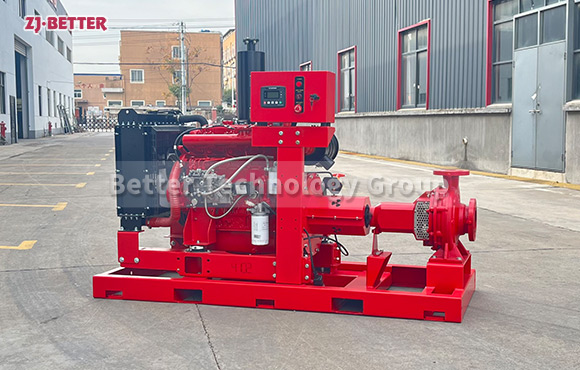
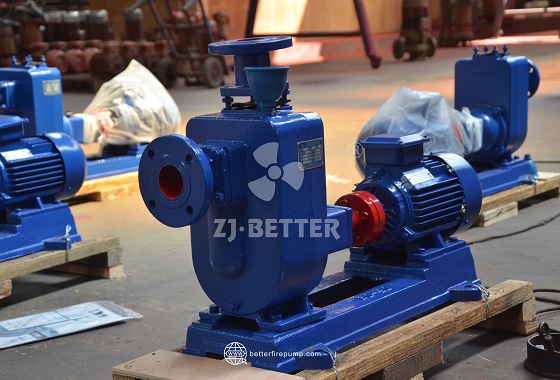
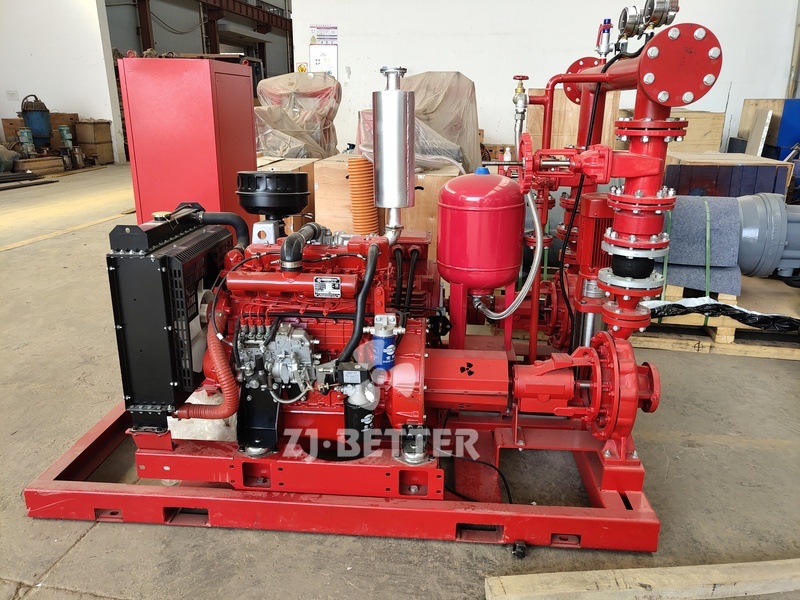
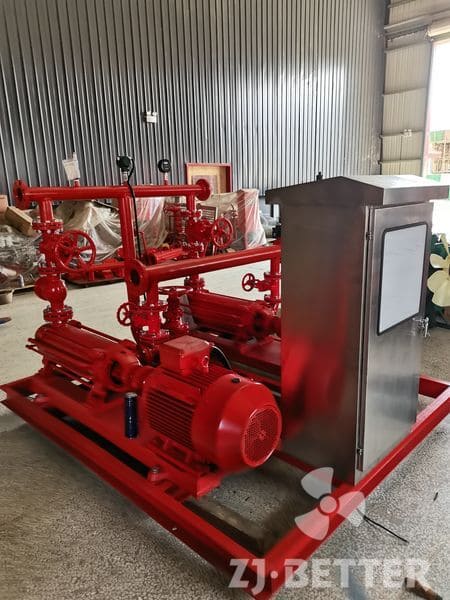
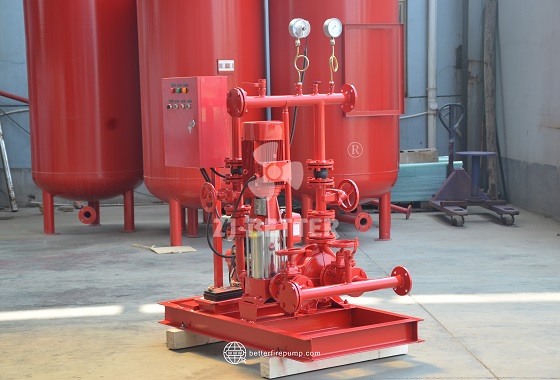
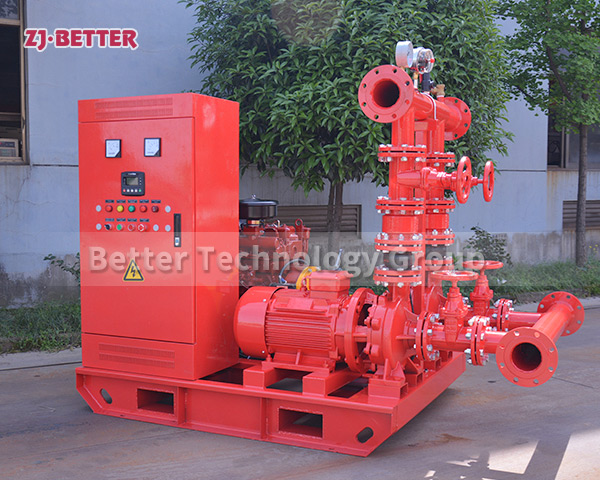
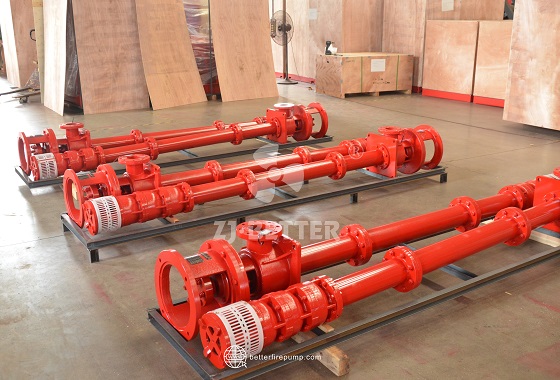
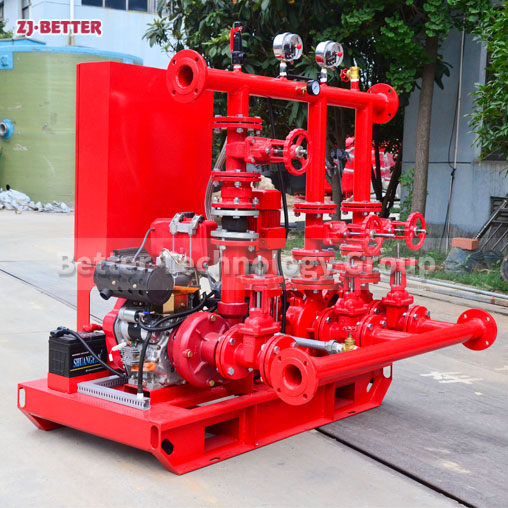
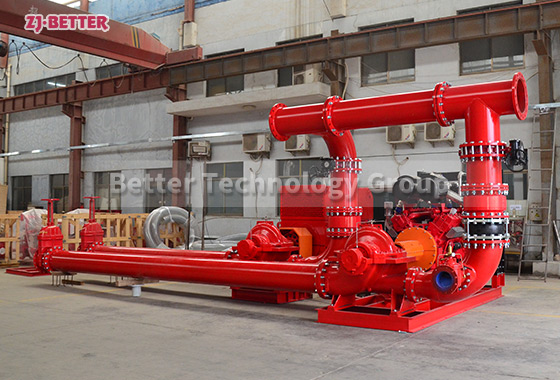
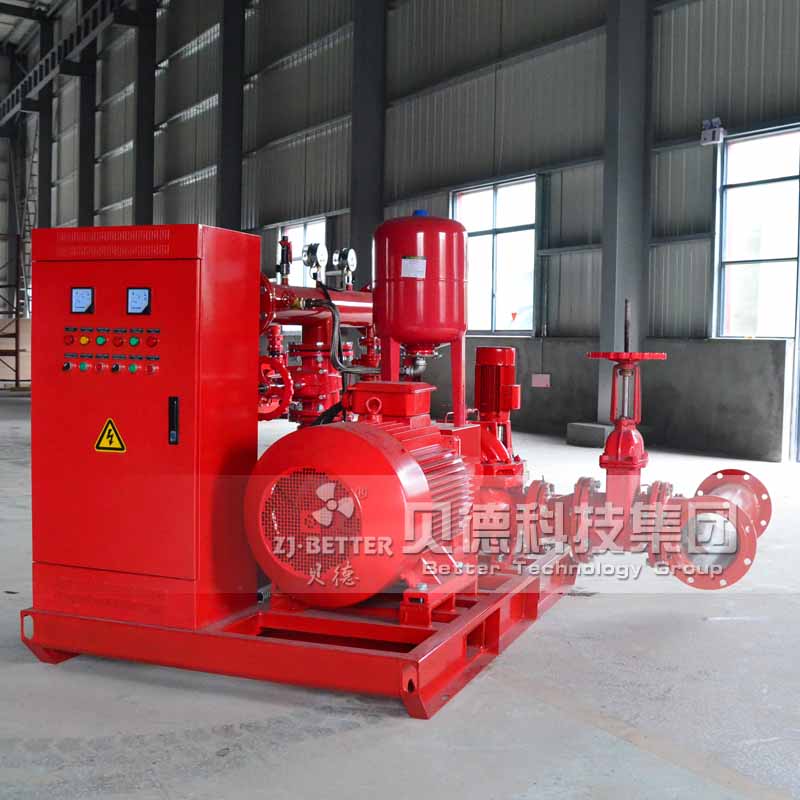
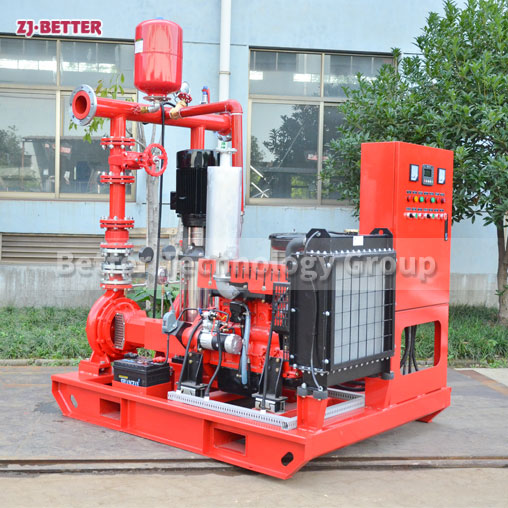
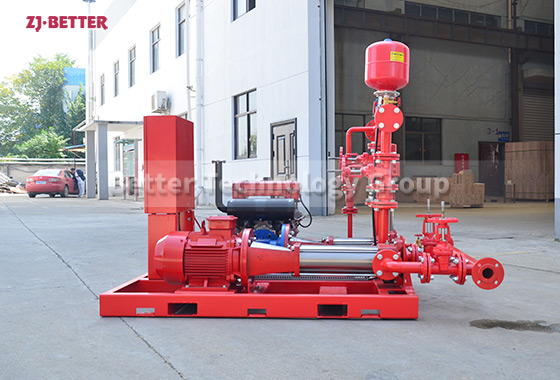
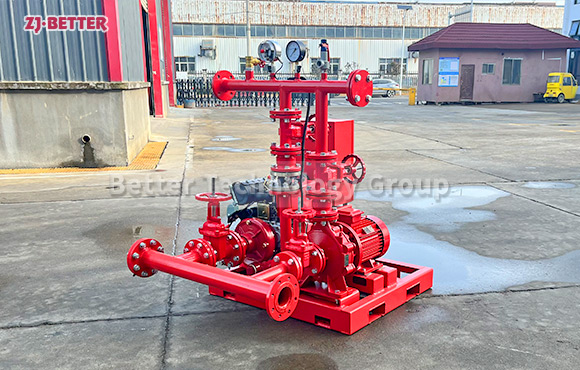
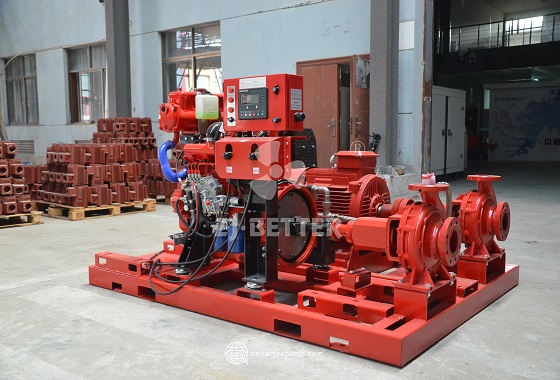
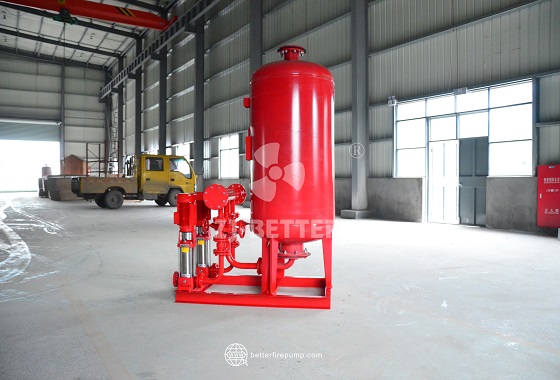
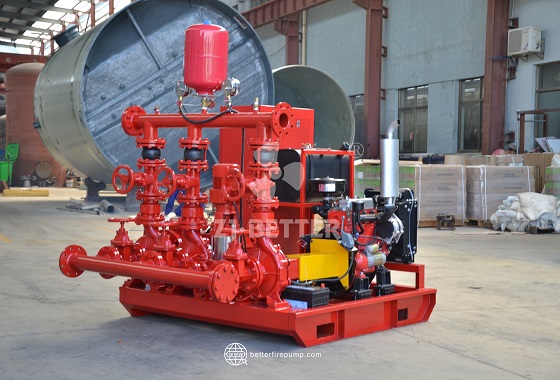
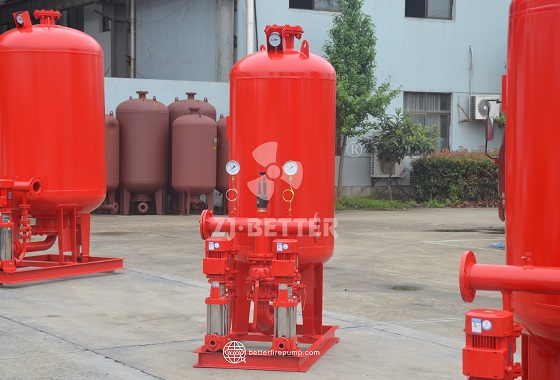
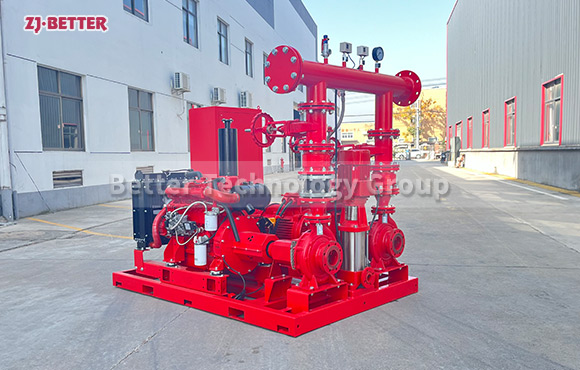
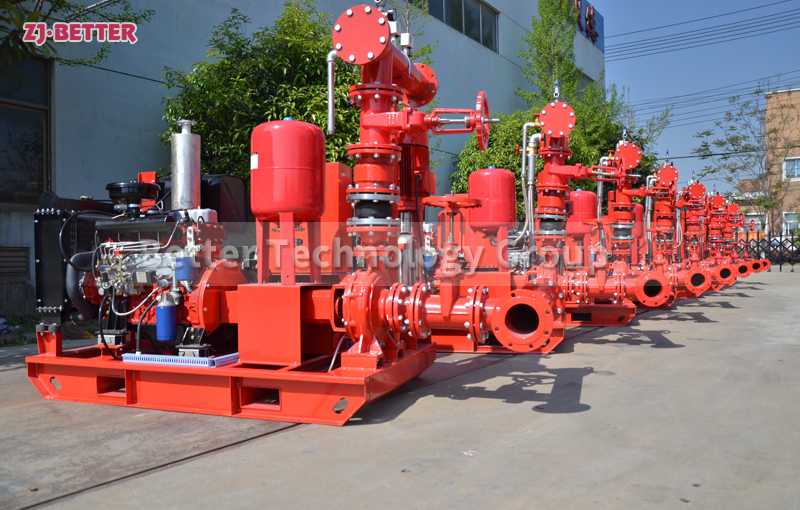
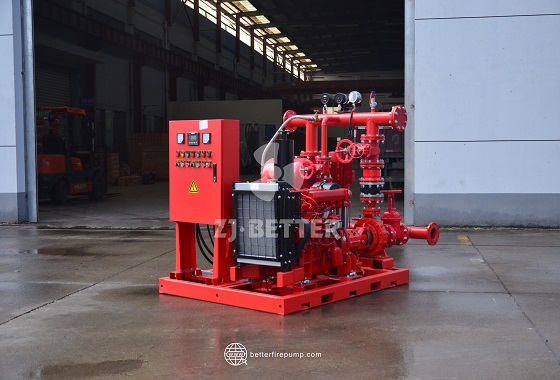
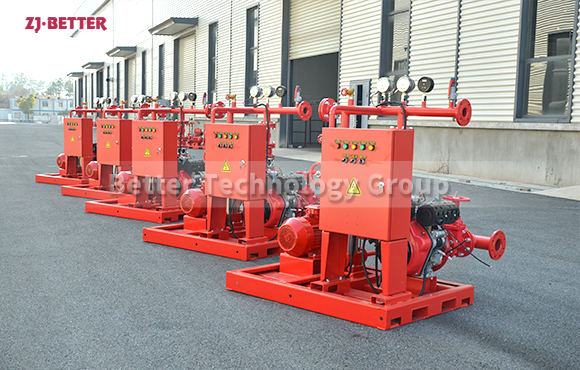
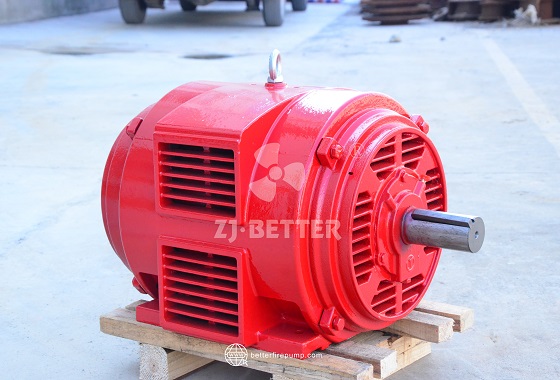
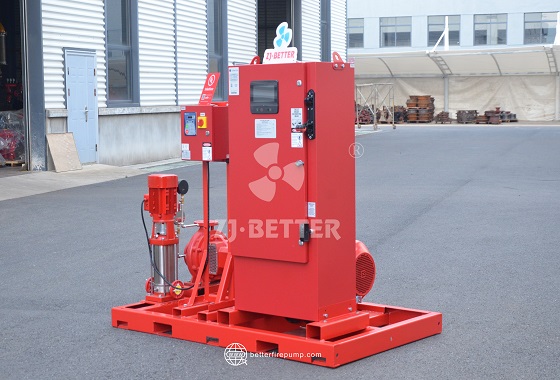
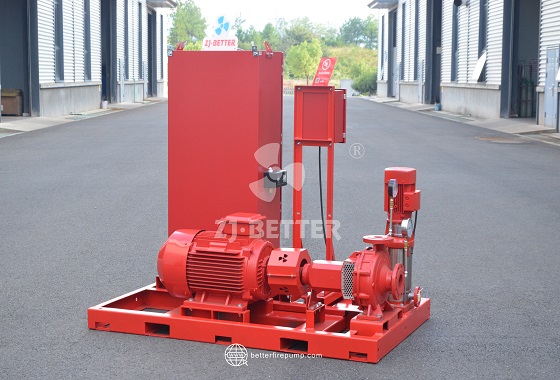
With the continuous advancement of urbanization, the number of high-rise buildings, commercial complexes, industrial parks, and public infrastructure is rapidly increasing, and building structures are becoming increasingly complex, placing higher demands on the safety and reliability of fire protection systems. In modern fire protection engineering, stable fire water supply pressure is one of the key conditions for ensuring the normal operation of fire extinguishing equipment. Automatic sprinkler systems, indoor and outdoor fire hydrant systems, and other fire extinguishing equipment all require stable pipeline pressure during a fire. If the fire pipeline pressure remains unstable for a long period, it may lead to false alarms in the fire protection system or frequent starts of the main fire pump, thereby affecting the service life of equipment and even the reliability of the system. Therefore, in a complete fire water supply system, an intelligent fire pressure-stabilizing pump system has become an indispensable and important piece of equipment. This system automatically monitors the fire pipeline pressure and intelligently adjusts it to keep the pipeline within a safe and stable pressure range, thereby ensuring that the entire fire protection system is always available and providing reliable protection for building fire safety. An intelligent fire pressure-stabilizing pump system typically consists of a vertical pressure-stabilizing pump, a motor, a pressure control device, an automatic control cabinet, and supporting piping components. Its overall structure is compact and rationally laid out, enabling it to perform fire pressure stabilization functions within limited equipment space. Pressure-stabilizing pumps typically employ a high-efficiency vertical pipeline pump design, with their inlet and outlet directly connected to the pipeline. This allows water to form a stable, straight flow path within the pump body, reducing hydraulic losses and improving delivery efficiency. This structure not only reduces pipe bends and additional resistance but also lowers system energy consumption, ensuring good energy-saving performance during long-term operation. The vertical structure also facilitates installation, allowing for flexible layout based on the actual space conditions of the building’s fire pump room or equipment room, thereby improving equipment utilization and reducing installation costs. During the operation of a fire protection system, pipeline pressure fluctuates due to environmental changes, minor system leaks, and temperature variations. Without pressure-stabilizing equipment, the main fire pump may frequently start due to pressure changes, increasing energy consumption and accelerating equipment wear. Intelligent fire pressure-stabilizing pump systems monitor the fire pipeline pressure in real time using high-precision pressure sensors. When the pressure drops to a set range, the control system automatically starts the pressure-stabilizing pump to replenish water to the pipeline, restoring system pressure. Once the pressure returns to the set range, the system automatically stops operating, maintaining stable pipeline pressure. This automatic adjustment mechanism not only avoids frequent starts of the main fire pump but also effectively extends the service life of the main pump and pipeline system, improving the operational reliability of the entire fire protection system. To enhance overall system stability, intelligent fire-fighting pressure-stabilizing pump systems are typically used in conjunction with pressure tanks or air tanks. The pressure tank stores a certain amount of compressed air and water, which absorbs the impact of pipeline pressure changes through the elasticity of the air, thus acting as a buffer. When the pipeline pressure changes slightly, the pressure tank can release or absorb water through its stored energy to maintain stable system pressure. By rationally configuring the pressure tank capacity and control parameters, the number of times the pressure-stabilizing pump starts can be reduced, thereby reducing equipment wear and improving system operating efficiency. This combined design is widely used in modern fire protection systems because it not only improves system stability but also reduces maintenance costs. In terms of structural design, intelligent fire-fighting pressure-stabilizing pump systems use high-strength materials to manufacture key components such as the pump body, impeller, and shaft assembly to ensure stable performance under long-term operating conditions. The impeller is typically designed using a precise hydraulic model to optimize water flow within the pump body, thereby improving pump efficiency and reducing energy loss. The high-efficiency impeller rapidly converts mechanical energy into water kinetic energy during rotation, quickly restoring the fire-fighting pipeline pressure to the set range. Simultaneously, high-quality bearings and mechanical seals ensure stable operation at high speeds and prevent leakage, thus improving overall equipment reliability. The automatic control system is a crucial component of the intelligent fire-fighting pressure-stabilizing pump system. Modern control systems typically employ intelligent control technology, using PLC or microcomputer control modules to achieve automatic monitoring and control functions. The control system can display pipeline pressure, motor operating status, and equipment alarm information in real time, allowing operators to monitor system operation at any time. When abnormal conditions occur, such as motor overload, power failure, or abnormal pressure, the control system automatically issues alarm signals and takes protective measures to prevent equipment damage. This intelligent control method not only improves equipment operational safety but also reduces the need for manual operation, making fire protection system management more efficient. In practical applications, intelligent fire-fighting pressure-stabilizing pump systems are widely used in various building fire protection projects. For example, in high-rise residential buildings, this system can maintain stable pressure in the fire protection network, keeping sprinkler and fire hydrant systems always on standby. In large commercial complexes and shopping malls, a stable fire water supply system ensures that densely populated areas receive timely firefighting support in the event of a fire. In public buildings such as hospitals, hotels, office buildings, and schools, intelligent pressure stabilization systems also ensure that fire-fighting equipment is always available. Furthermore, in the industrial sector, such as petrochemical plants, power facilities, warehousing and logistics centers, and manufacturing enterprises, intelligent fire-fighting pressure-stabilizing pump systems also play a crucial role. These industrial sites typically have a high fire risk, thus requiring reliable fire water supply systems to ensure safety, and stable network pressure is a vital condition for achieving this goal. With continuous advancements in fire protection technology, intelligent fire-fighting pressure-stabilizing pump systems are also constantly being upgraded. For example, by adopting advanced energy-saving motors and optimized hydraulic design, equipment operating efficiency can be further improved and energy consumption reduced; through remote monitoring technology, remote monitoring and management of equipment operating status can be achieved, enabling maintenance personnel to promptly identify and address problems; and by linking with building automation systems, centralized management of the fire protection system can be achieved, improving the overall safety management level of the building. These technological advancements have enabled intelligent fire-fighting pressure-stabilizing pump systems to play an increasingly important role in modern building fire protection engineering. Overall, intelligent fire-fighting pressure-stabilizing pump systems, with their advantages of automatic control, high-efficiency operation, compact structure, and convenient maintenance, have become a crucial component of modern building fire-fighting water supply systems. By continuously maintaining stable pressure in the fire-fighting pipeline network, this system ensures that fire-fighting equipment can be quickly deployed in emergencies, providing reliable water support for firefighting operations. As urban construction continues to expand and fire safety standards continue to rise, intelligent fire-fighting pressure-stabilizing pump systems will play an even more critical role in future fire protection engineering, providing safer, more stable, and more efficient fire-fighting water supply solutions for various buildings and industrial facilities.