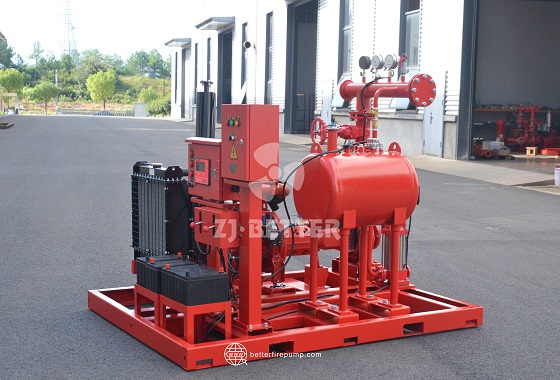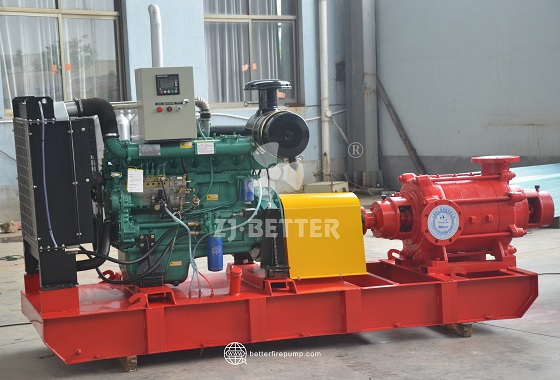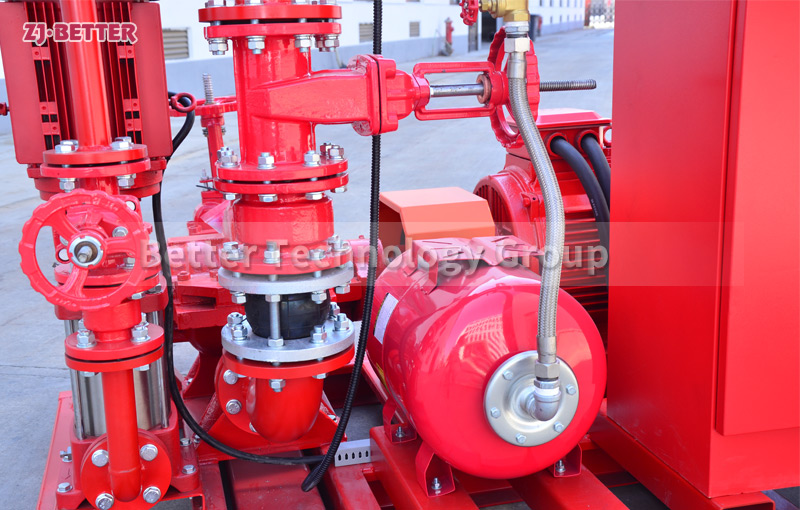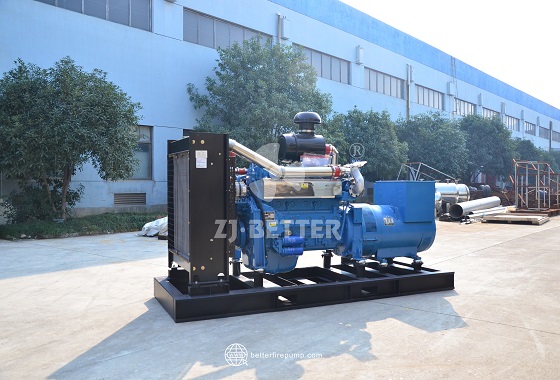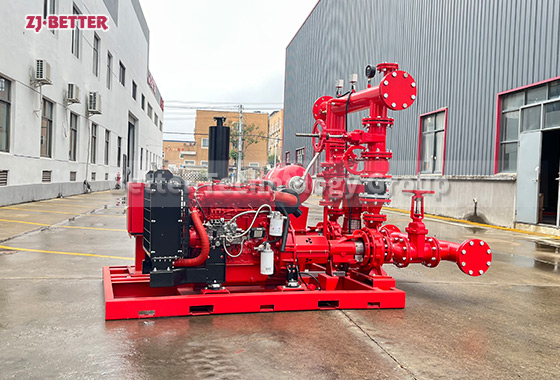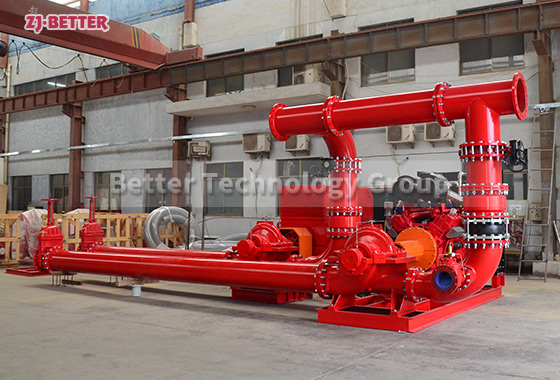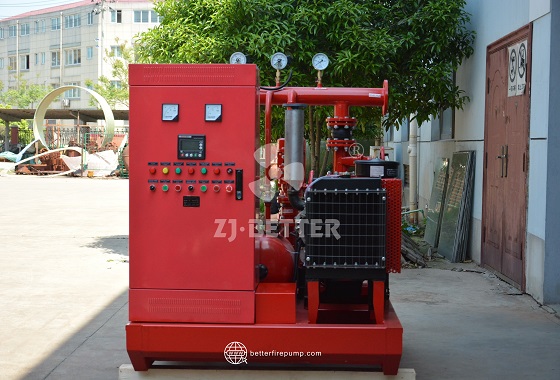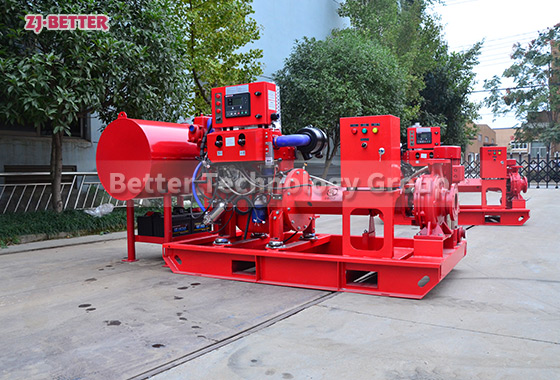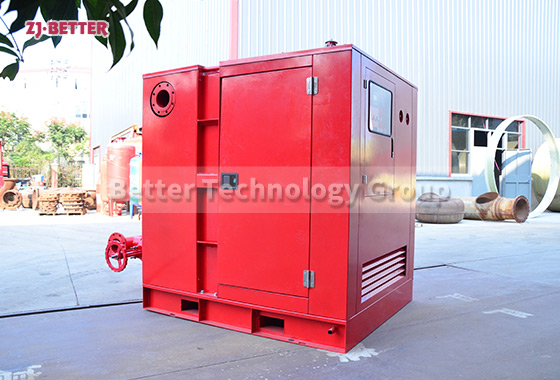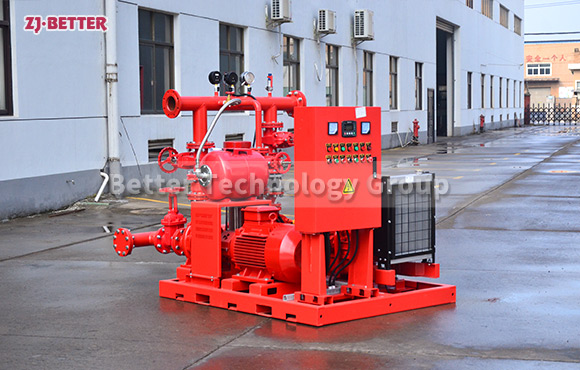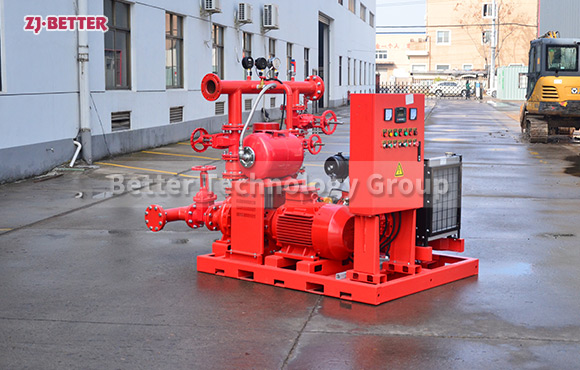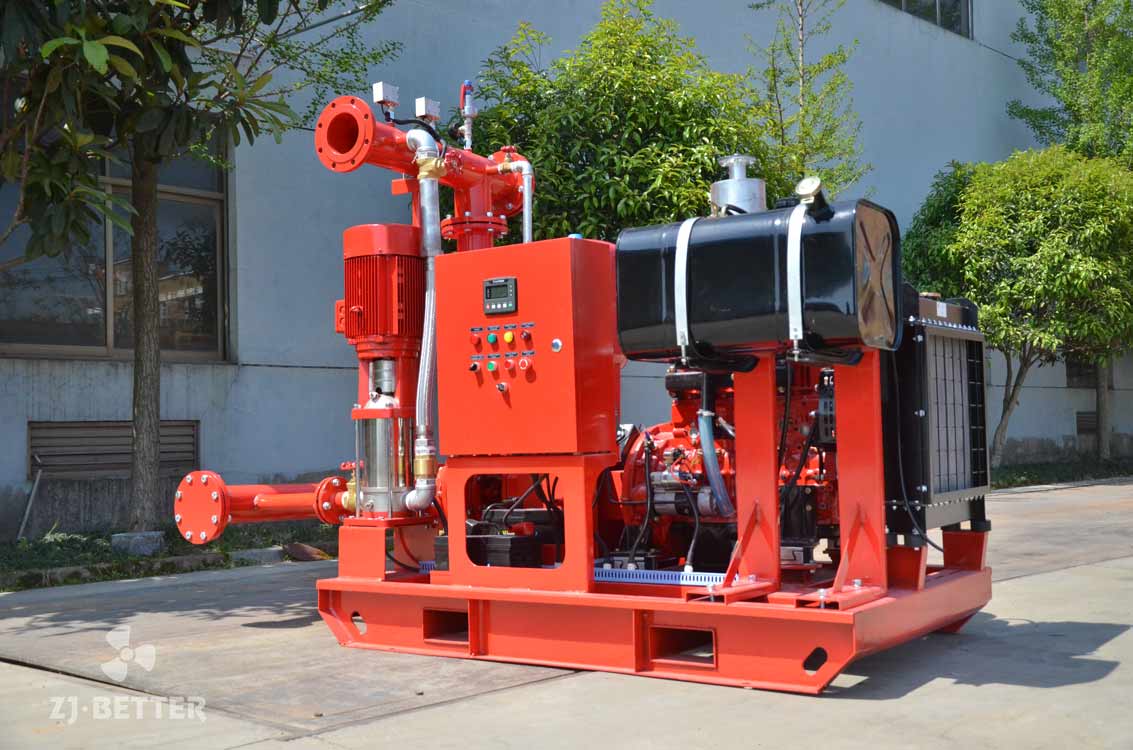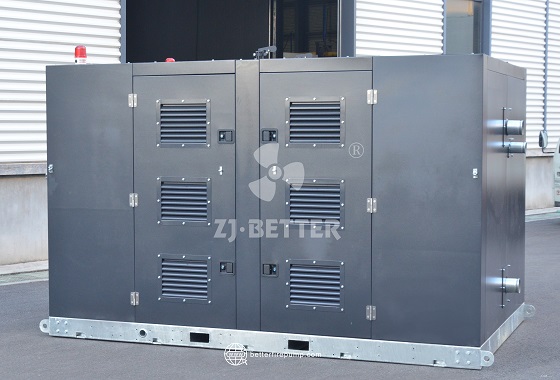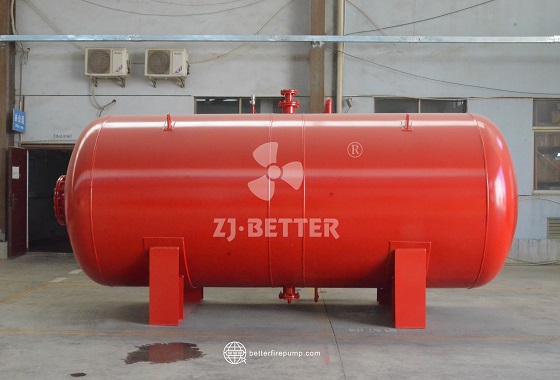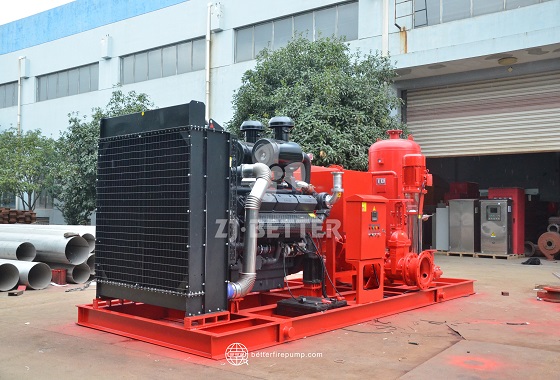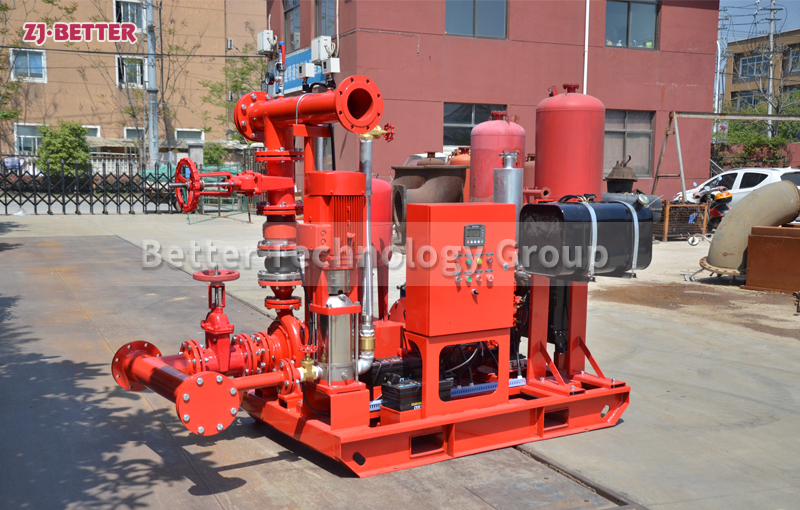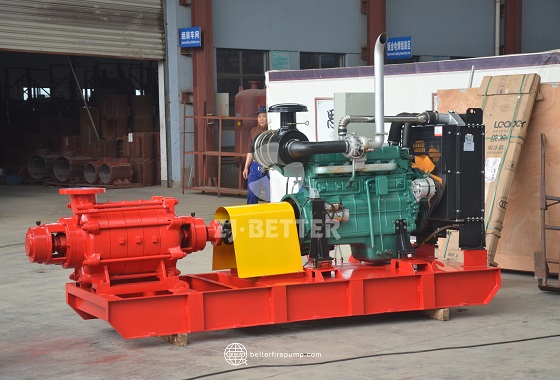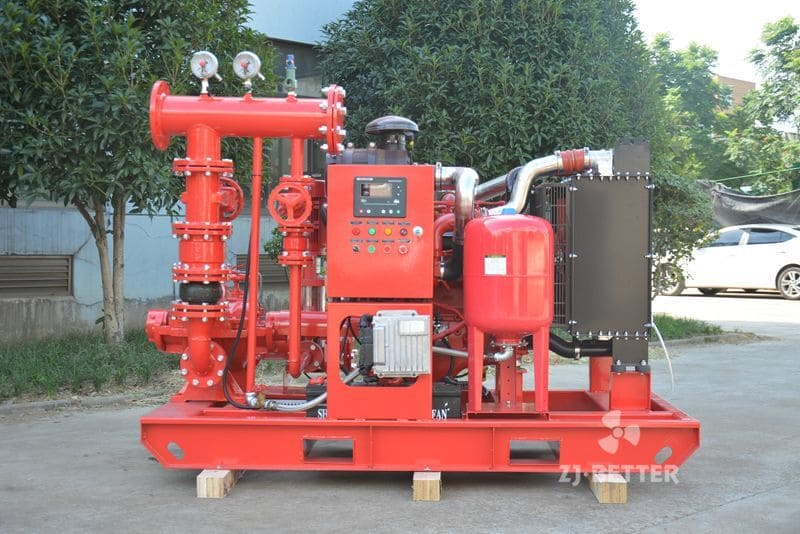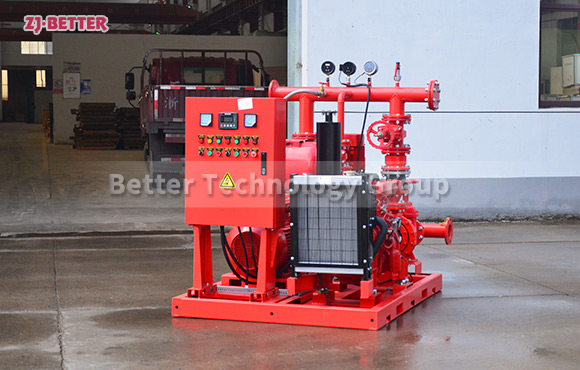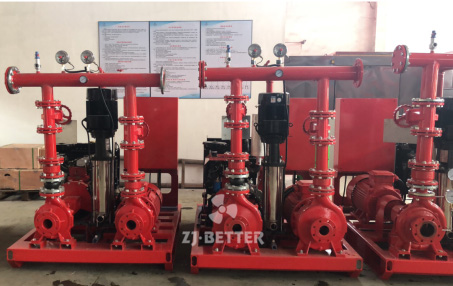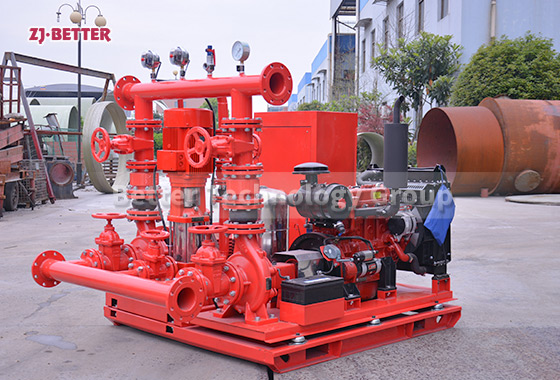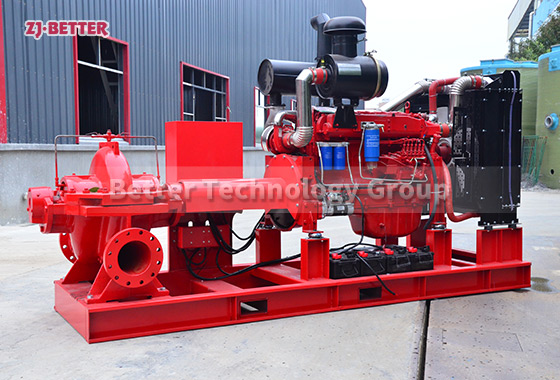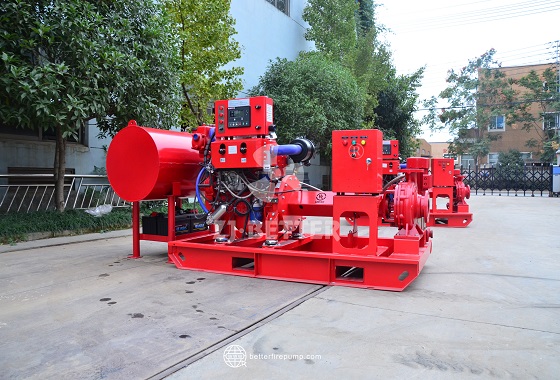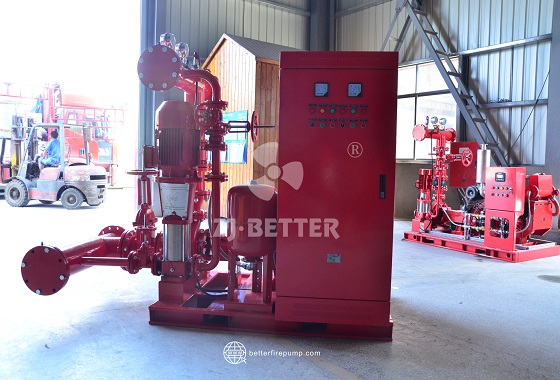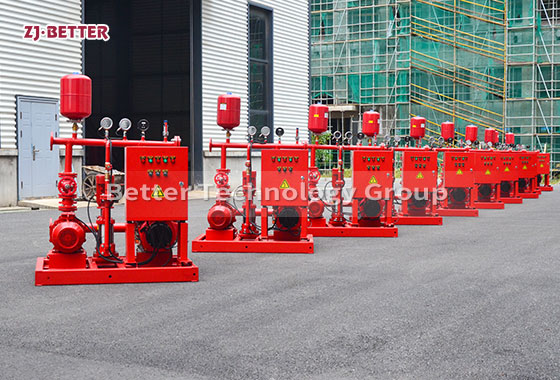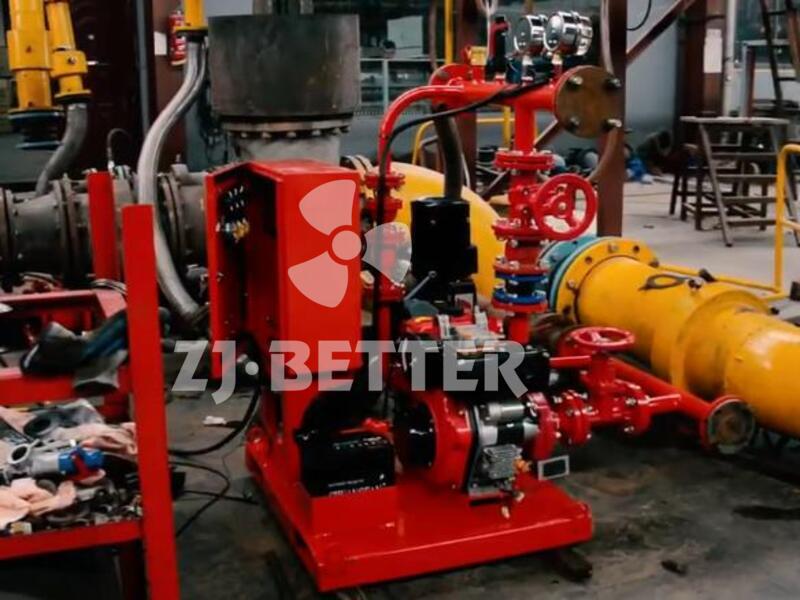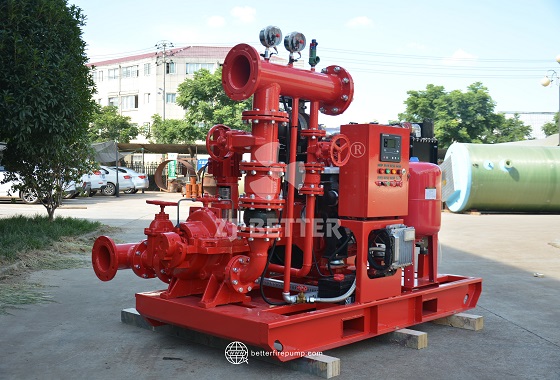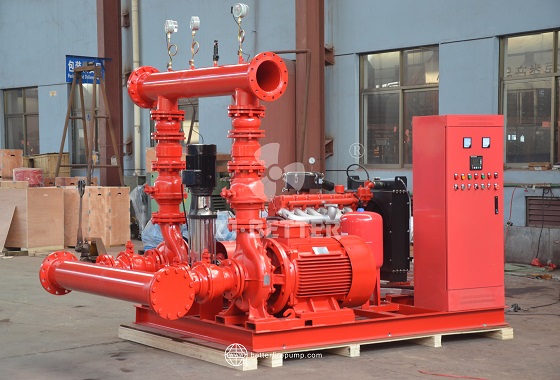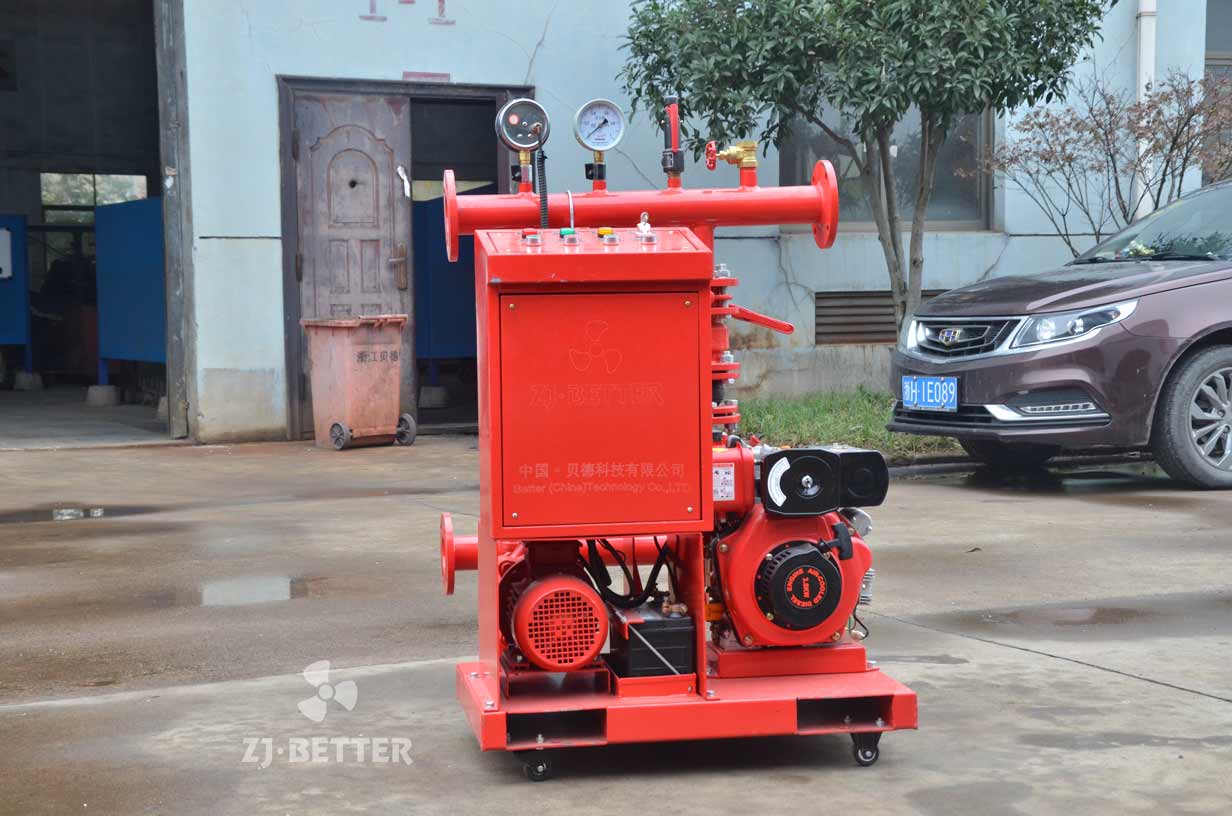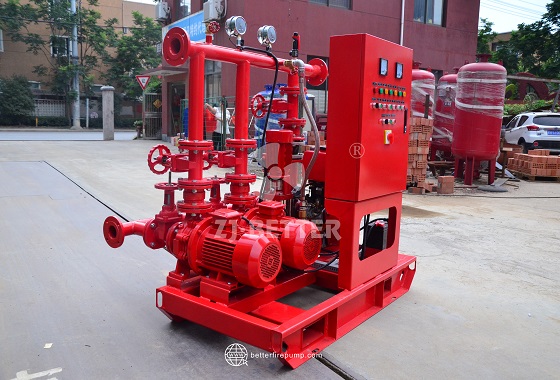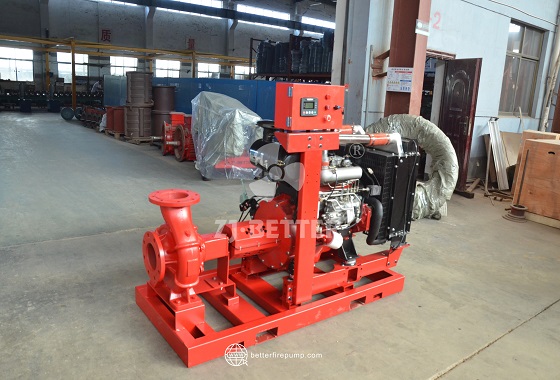
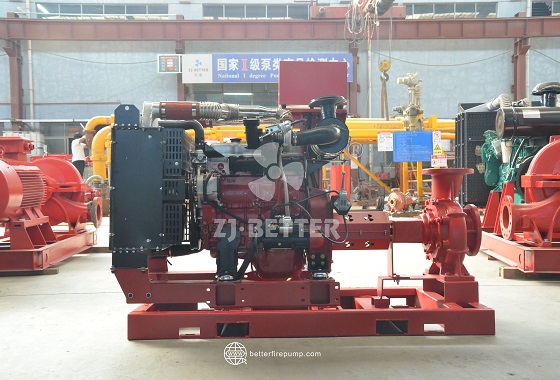
In the context of the continuous development of modern commercial and industrial buildings, fire safety has become an indispensable key component in both building design and operational processes. As urbanization accelerates, increased building density, complex equipment, and heightened fire risks have placed higher demands on the response speed, independence, and reliability of fire protection systems. Particularly in scenarios with unstable power supply or in remote areas, traditional electric fire pumps have revealed limitations due to their reliance on power supply and complex wiring. As a compact, power-independent, and stable firefighting device, small-power diesel fire pumps offer advantages such as flexible deployment, ease of operation, and low maintenance costs, making them an ideal fire safety solution for various scenarios including industrial parks, commercial plazas, warehousing and logistics centers, underground facilities, and rural buildings. These diesel fire pumps typically use air-cooled or water-cooled diesel engines as their power source, paired with efficient centrifugal pumps or self-priming pump structures. They transmit power directly via couplings or elastic connections, enabling rapid startup and stable high-pressure, high-flow water supply without relying on external power, thereby meeting the urgent needs of initial fire suppression. Especially in situations such as building power outages, weak nighttime staffing, or the absence of municipal water supply systems in the surrounding area, small diesel fire pumps can be deployed immediately to minimize fire damage. Additionally, to adapt to complex building environments, such equipment is often designed as a fully integrated skid-mounted structure, occupying minimal space and capable of being directly installed in pump rooms, platforms, corners, or other confined spaces. It can also be fitted with mobile wheel frames or trailer chassis to transform into a mobile emergency device, enabling rapid deployment and long-distance relocation. In terms of key performance, small-power diesel fire pumps are typically equipped with intelligent control panels that enable one-button startup, automatic start/stop, fuel level monitoring, water pressure display, and fault alarms, allowing operators without professional backgrounds to use them easily, lowering the usage threshold, and improving system response efficiency. The pump body is typically made of corrosion-resistant cast iron, stainless steel, or ductile iron, ensuring long-term operation without corrosion or leakage in harsh conditions such as high temperatures and humidity. The impeller is designed with a closed, high-efficiency hydraulic configuration based on the required head and flow rate, providing stable performance and compatibility with various terminal devices such as sprinklers, fire hydrants, and water cannons. In terms of maintenance convenience, small diesel fire pumps widely adopt a modular component structure design. During repairs, only key modules need to be disassembled, eliminating the need for complete disassembly, significantly improving after-sales response efficiency and reducing operational maintenance costs. Compared to large fixed diesel pumps, small-power equipment offers lower fuel consumption, reduced vibration, and quieter operation, making it more suitable for use in commercial spaces sensitive to noise control and vibration impact, such as hotels, shopping malls, and office buildings. Additionally, these devices support various optional accessories, including stainless steel fuel tanks, engine covers with soundproofing, automatic charging devices, and wireless remote control modules. Customers can flexibly select these options based on project requirements to create a customized fire protection system. In terms of safety design, small diesel fire pumps are manufactured in strict accordance with relevant domestic and international standards, such as GB27898.3, NFPA20, and ISO9001. They feature multiple safety protection mechanisms, including high-temperature protection, low oil pressure alarms, shutdown due to excessive water temperature, and anti-backfire settings, ensuring reliable operation even under extreme conditions. They also feature multiple corrosion-resistant, high-temperature-resistant, and freeze-crack-resistant processes, such as double-layer anti-rust paint coating on the surface, motor-mounted thermal protectors, and automatic drain valves in the piping design, ensuring year-round usability and resilience against environmental challenges. In addition to initial installation in new construction projects, small-power diesel fire pumps are widely used in the renovation of old fire systems or upgrades to pressurized water supply systems. Thanks to their flexible connectivity and standalone operation capabilities, they significantly reduce renovation complexity and construction timelines, making them particularly suitable for locations with strict requirements for system downtime. Furthermore, in fields such as water resource allocation, agricultural irrigation, flood control, and drainage, this type of equipment also has extensive extended application value, achieving “firefighting + multi-function” multi-purpose use, further enhancing the cost-effectiveness of procurement and use. From a market demand perspective, as the demand for emergency independent fire protection systems in overseas construction projects continues to rise, small diesel fire pumps have become a key procurement target for customers in regions such as Southeast Asia, the Middle East, Africa, and South America, demonstrating exceptional performance in addressing sudden fires, power shortages, and rapid response requirements. To meet export market demands, many products also offer one-stop services such as multi-language interface displays, marine-grade reinforced packaging, third-party inspection and certification, and on-site commissioning and training, helping international customers achieve rapid deployment and establish stable operational support. Under the trend of intelligentization, some small diesel fire pumps also support IoT remote monitoring, allowing users to view real-time device operation status, fuel level changes, startup records, and remotely control startup/shutdown via mobile apps or computer terminals, achieving true “unmanned operation and remote monitoring,” making equipment management more scientific, efficient, and safe. In summary, small-power diesel fire pumps, with their flexible deployment, stable performance, intelligent control, and high adaptability, have become an indispensable component of modern industrial and commercial building fire protection systems. They not only provide a stable water supply quickly in emergency fire situations but also offer multiple advantages such as multi-scenario compatibility, easy maintenance, and cost-effective operation. They are a high-value-for-money choice that no engineering project focused on fire safety and system stability should overlook.