Fire Jockey Pump Set – Vertical Pumps and Pressure Tank for Continuous Fire Pipeline Pressure Maintenance
The fire-fighting pressure-stabilizing pump unit consists of a vertical pump combined with a pressure tank. It maintains a stable pressure within the fire-fighting piping network through pressure monitoring and automatic water replenishment. Characterized by a compact design, a fully integrated configuration, and stable operation, it is suitable for fire-fighting water supply systems in both buildings and industrial facilities.
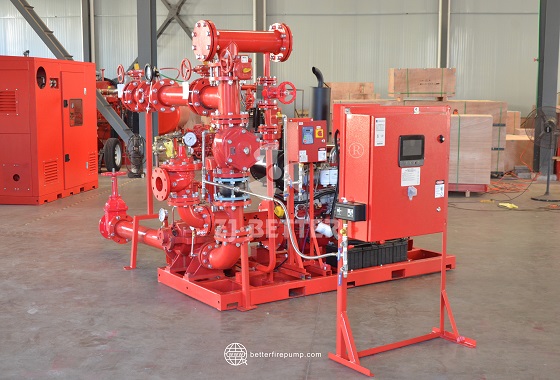
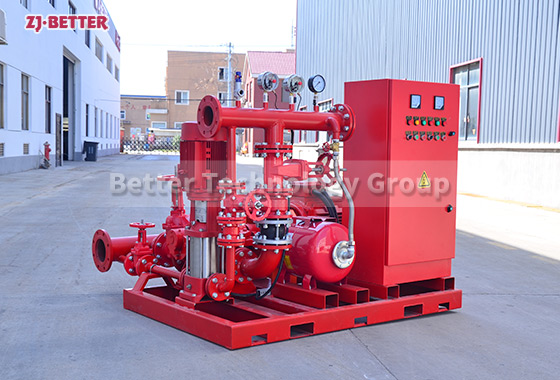
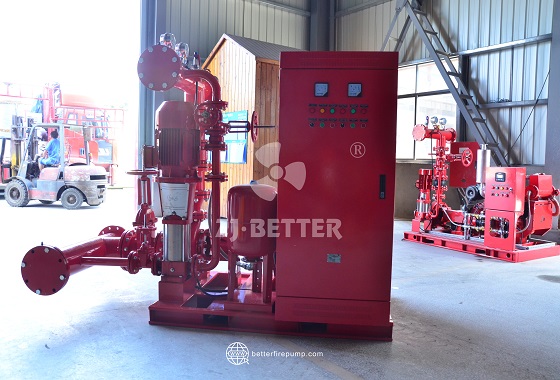
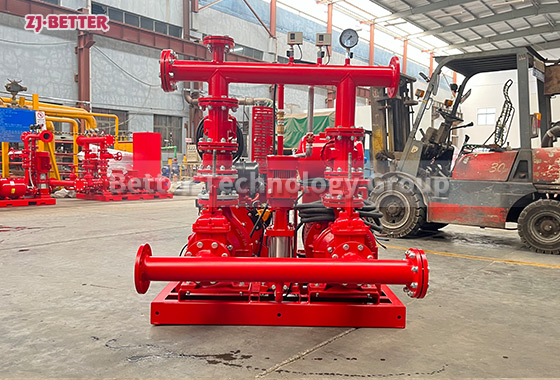
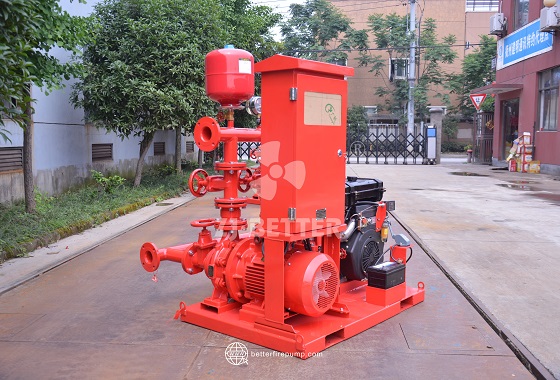
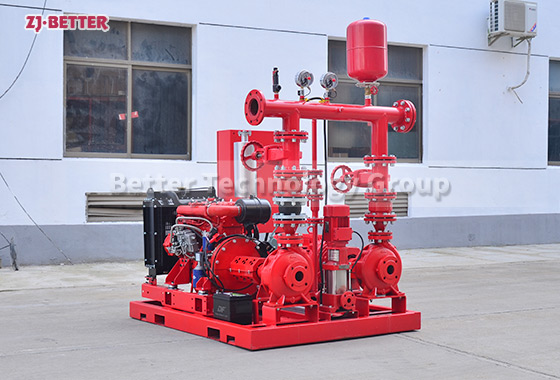
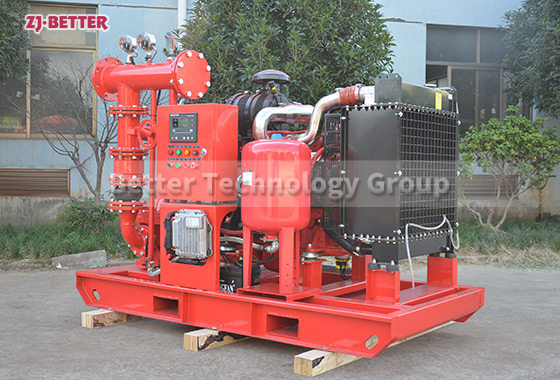
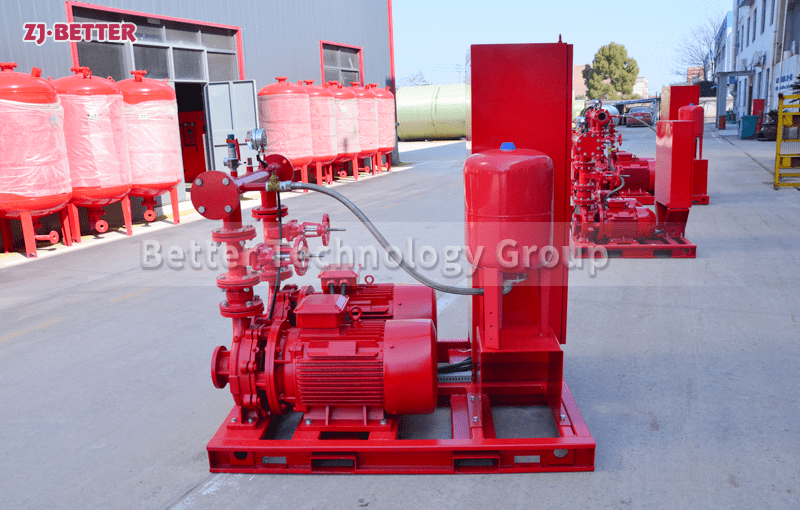
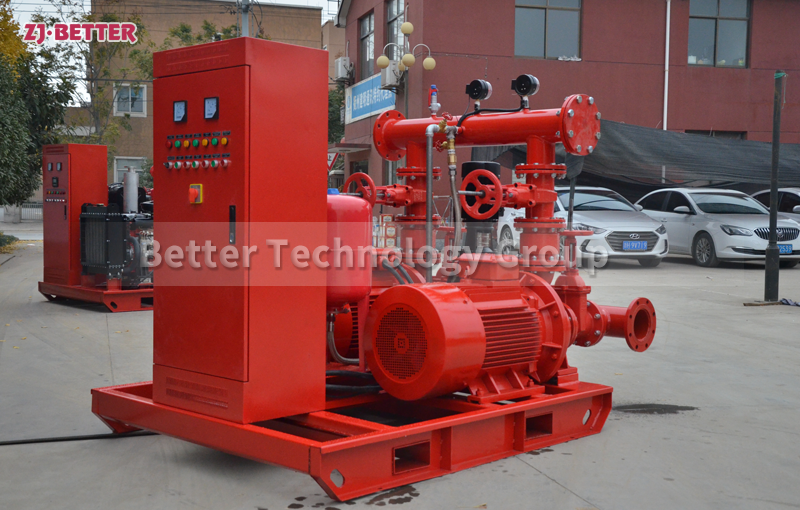
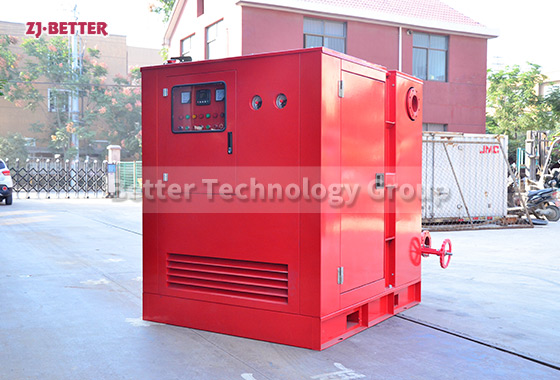
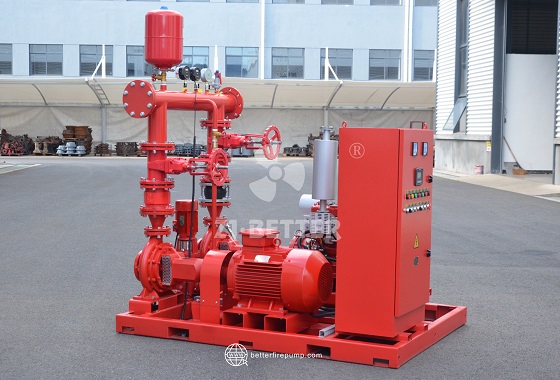
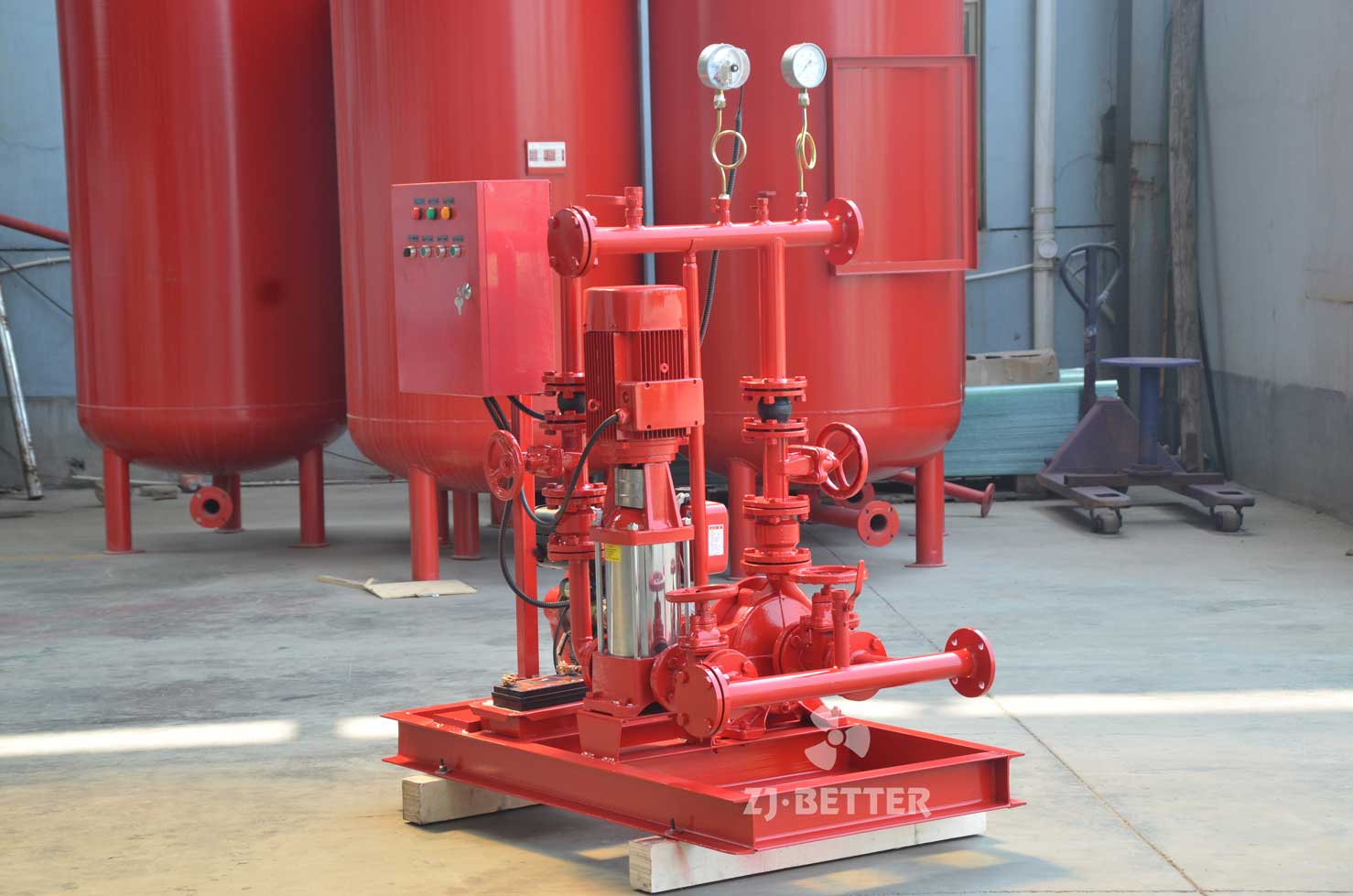
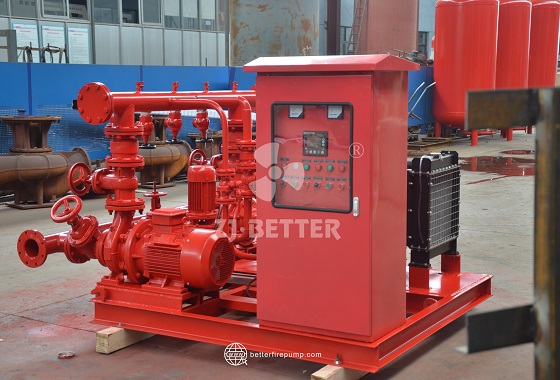
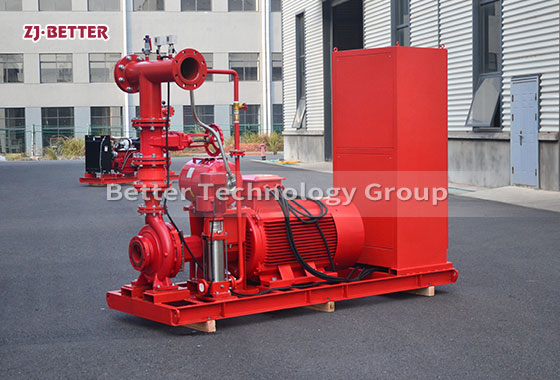
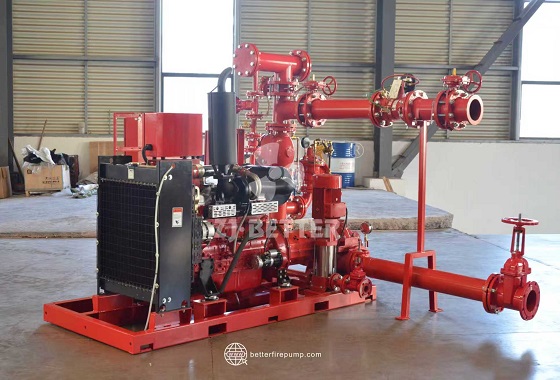
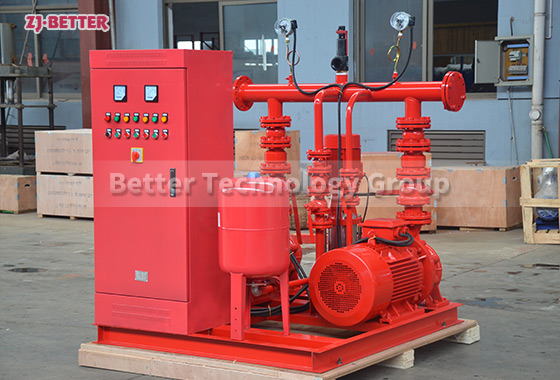
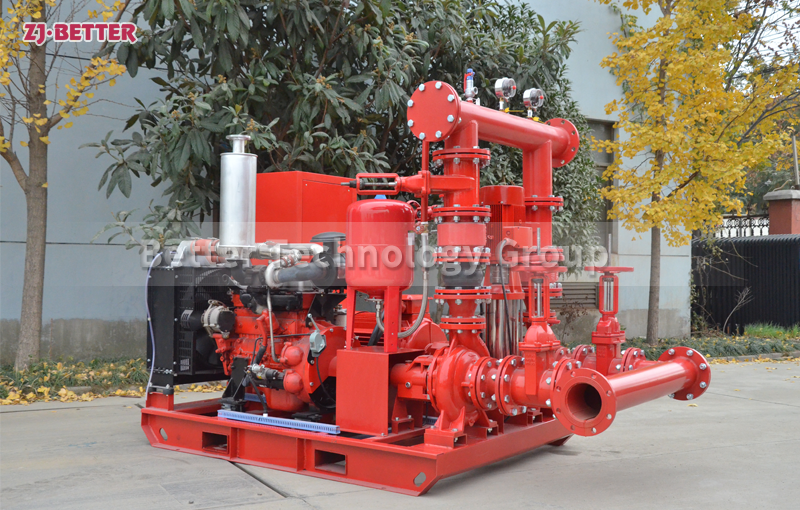
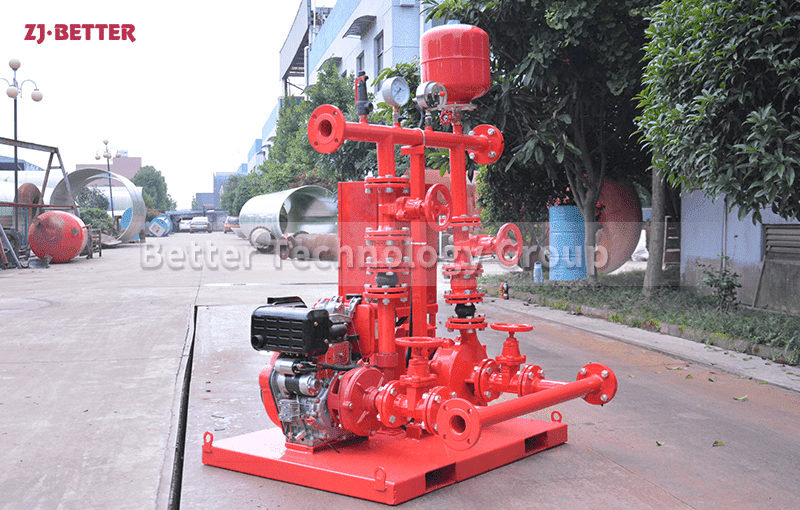
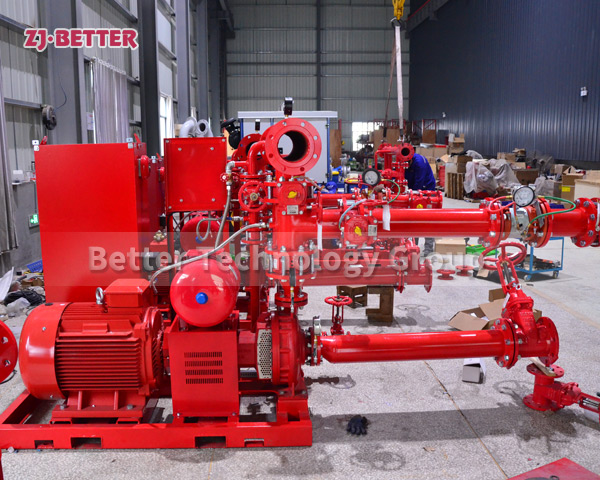
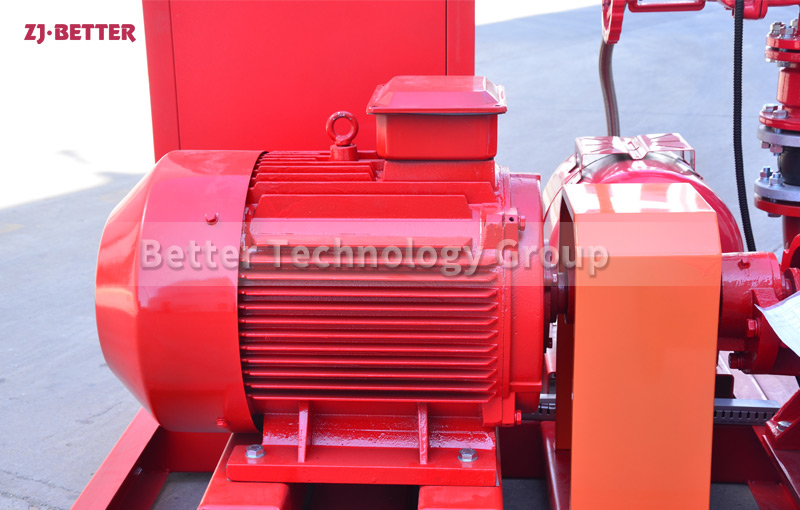
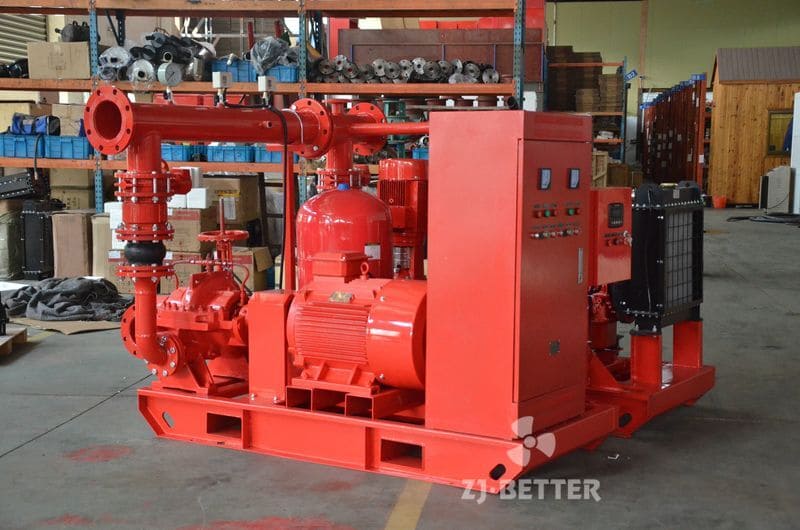
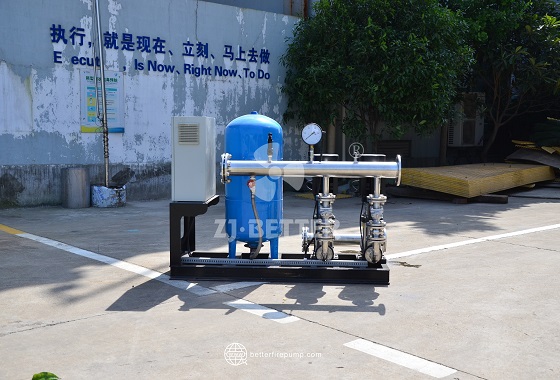
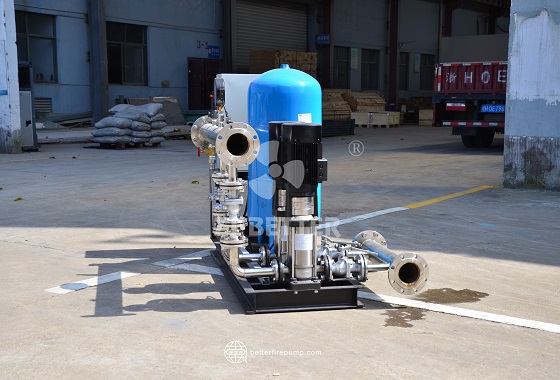
A fire-fighting pressure-stabilizing pump set is a critical auxiliary component in fixed fire-fighting water supply systems, primarily designed to maintain stable pressure within the fire-fighting piping network during standby mode. When pressure drops due to minor leaks, temperature fluctuations, or other routine factors, the pressure-stabilizing pump automatically replenishes water and compensates for the pressure loss based on preset parameters. This keeps the network within an optimal standby pressure range, thereby preventing the main fire-fighting pumps from starting up too frequently in response to minor pressure fluctuations. The equipment shown in the image features a skid-mounted, integrated design—housing a vertical pump, pressure tank, pressure gauges, valves, piping, and a control unit—which ensures a clear, compact layout that facilitates transport, installation, and future maintenance. The vertical multistage pump utilizes a series of impellers to achieve high head (pressure lift) through progressive pressurization, making it well-suited for applications that require high pressure within the fire-fighting network. According to product specifications, these vertical multistage fire-fighting pumps can be configured—in terms of flow rate, head, power, and pipe diameter—to meet specific project requirements; certain models offer flow rates ranging from 1 to 100 L/s and heads from 0.2 to 2.6 MPa (actual performance depends on the specific model and project operating conditions). The pressure tank is a key component of this system; it stores a volume of pressurized water and uses the interaction between air and water to manage minor water demand or pressure variations in the network. When a slight pressure drop occurs, the pressure tank works in tandem with the pressure-stabilizing pump to restore pressure, reducing unnecessary, frequent cycling of the equipment and enhancing the overall stability of the fire-fighting water supply system. These pressure-boosting units are primarily intended to handle small-scale water usage and network leakage, while also minimizing the frequency of pump start-stop cycles. The vertical pump configuration meets fire-fighting pressure requirements while minimizing the equipment’s footprint, making it an ideal solution for buildings or industrial facilities with limited space in the pump room. With the motor and pump body arranged vertically and multiple impellers working in sequence to boost pressure, this type of pump is highly effective for fire-fighting pressure-stabilization scenarios that demand a high head. The equipment can be configured with pressure gauges and pressure-sensing components to monitor the operating pressure within the piping network, with pressure fluctuations integrated into the control system. When the actual pressure falls below a set threshold, the control system—based on pre-configured parameters—activates a pressure-maintenance pump to replenish water. Once the pressure is restored, the pump ceases operation, establishing a fully automated pressure-stabilization process. The specific control logic, start/stop pressure thresholds, and protective functions must be determined in accordance with project design specifications and fire protection system requirements. In terms of structural design, the pump assembly integrates the pumps, pressure tanks, valves, piping, control cabinets, and base frames into a single, centralized unit. This minimizes the need for on-site assembly of disparate components and ensures a more organized, standardized equipment layout. This integrated, modular design also facilitates transportation and on-site positioning, allowing for efficient installation within a fire pump room, tailored to the available space and piping orientation. Pressure-maintenance pumps typically feature low flow rates and relatively high heads; their primary function is not to replace the main fire pumps for high-volume water supply, but rather to maintain the baseline pressure within the fire-fighting piping network. In the event of a significant demand for fire-fighting water, the main fire pumps—designed to meet the system’s primary capacity requirements—take over the water supply, while the pressure-maintenance pump continues to support pressure stability and provide supplementary water. Product documentation consistently defines these units as low-flow, high-head pressure-maintenance equipment. Regarding materials and configuration, the pump body, shaft, and impeller can be specified based on the particular model and project conditions. The system may also incorporate various fire-fighting piping accessories, such as check valves, gate valves, flexible connectors, and flanges. A well-planned arrangement of valves and piping simplifies the connection to the main fire-fighting network and streamlines future maintenance and component replacement. For projects with varying building heights, piping network lengths, and pressure requirements, the selection of the pump model, flow rate, head, pressure tank capacity, and control scheme must be based on specific design parameters rather than merely on the physical appearance or dimensions of the equipment. This type of fire-fighting pressure-stabilizing pump unit is suitable for use in high-rise buildings, industrial facilities, commercial complexes, warehousing and logistics centers, hospitals, schools, airports, ports, and other fixed fire-fighting water supply systems. By combining a vertical pump with a pressure tank, the unit provides continuous pressure maintenance for fire-fighting piping networks. Overall, these pump units feature a compact vertical design, stable pressure compensation, a high degree of system integration, centralized piping, and ease of installation—making them particularly well-suited for fixed fire-fighting water supply systems that require constant pressure within the piping network. In practical application, the selection of equipment should be based on a comprehensive assessment of factors such as the required fire-fighting design flow rate, head, network pressure, pressure tank capacity, available space in the pump room, and specific control requirements, ensuring that the pressure-stabilizing equipment operates in harmony with the entire fire-fighting water supply system.