Vertical Fire Booster Pump with Multistage Hydraulic Design for High-Pressure Water Supply
The vertical fire-fighting booster pump utilizes a multi-stage centrifugal hydraulic structure, featuring high head, stable pressure, automatic control, and a compact installation footprint. Suitable for high-rise buildings, industrial facilities, and fixed fire-fighting water supply systems, it can be flexibly configured to meet specific flow rate and head requirements.
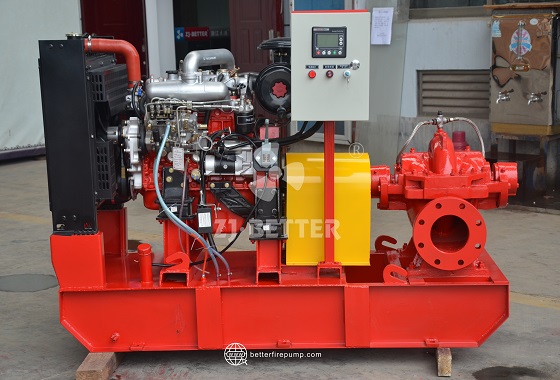
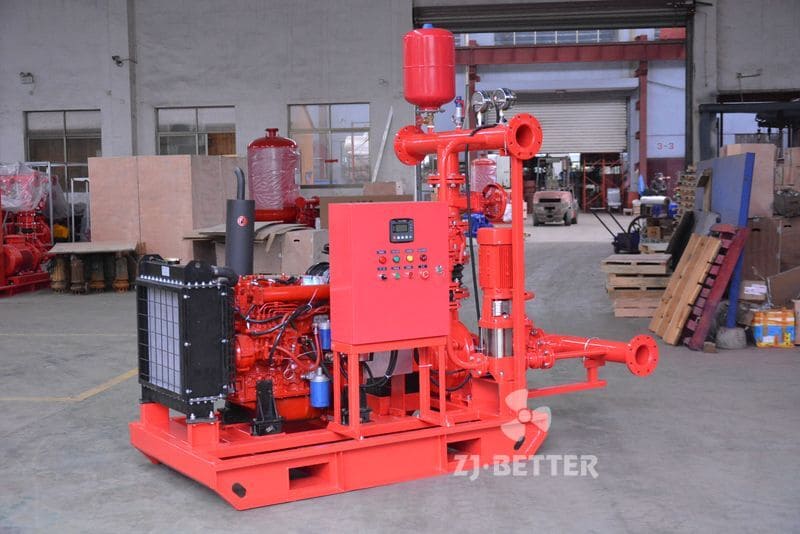
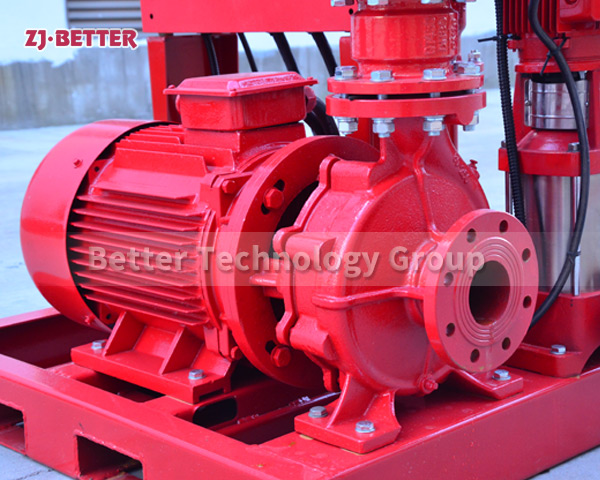
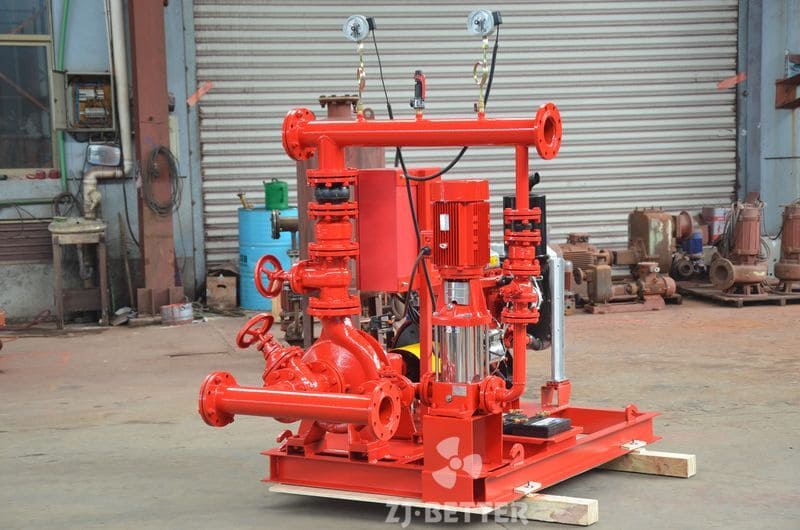
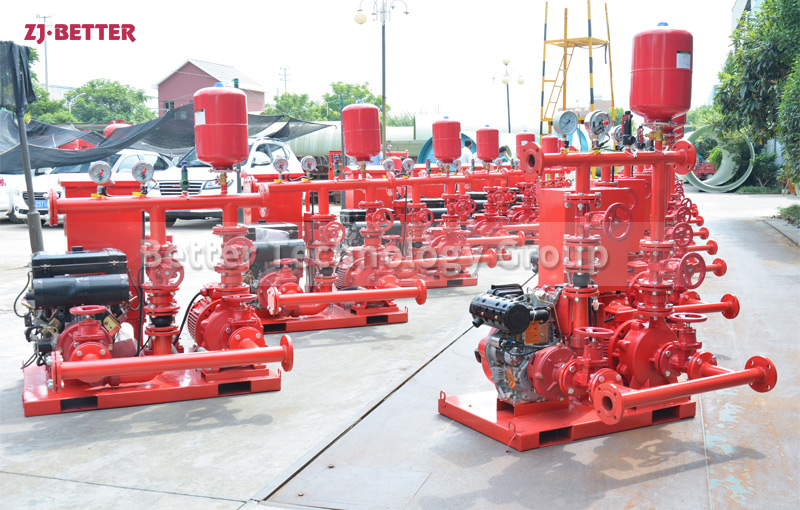
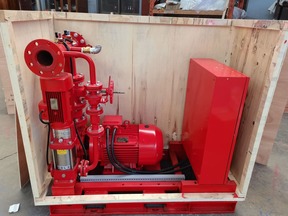
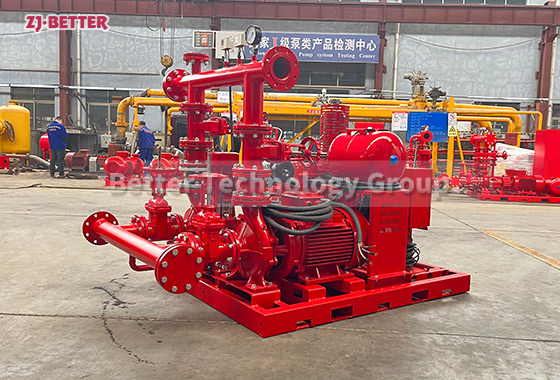
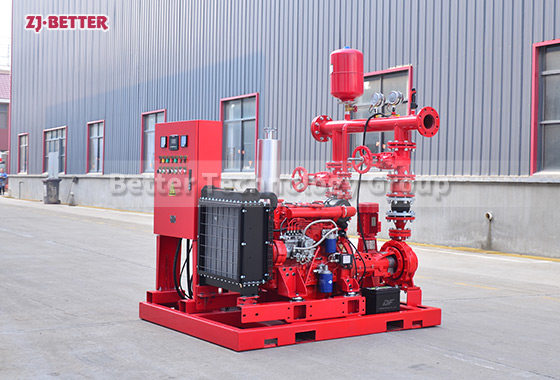
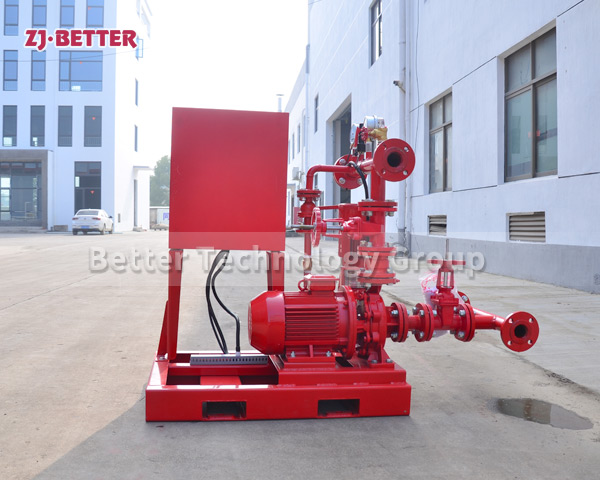
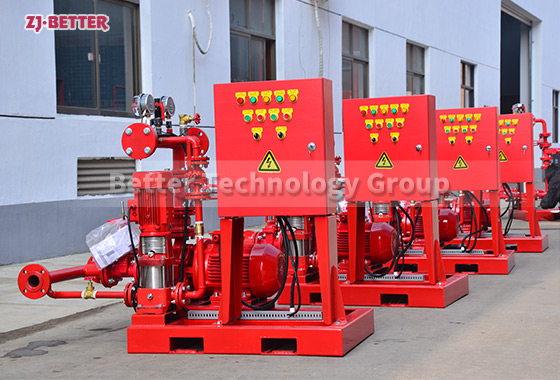
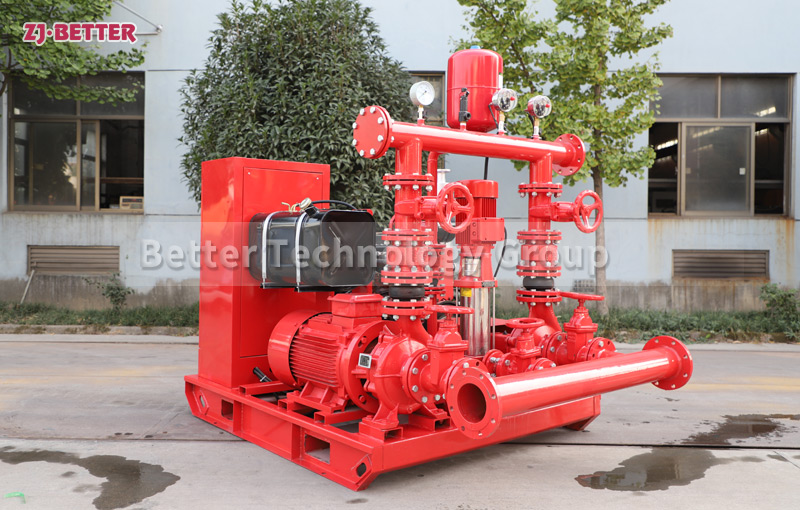
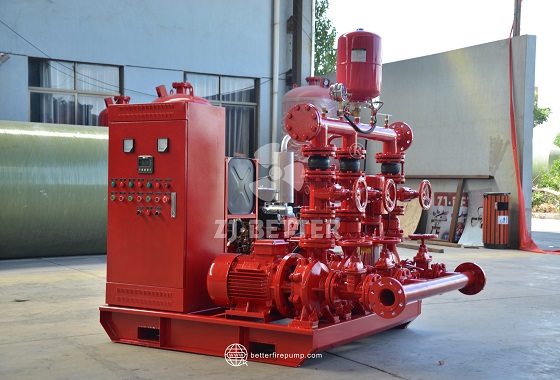
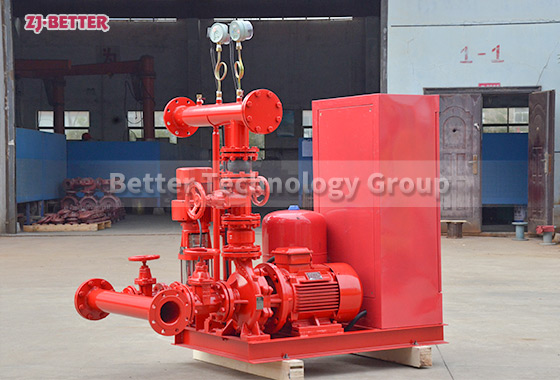
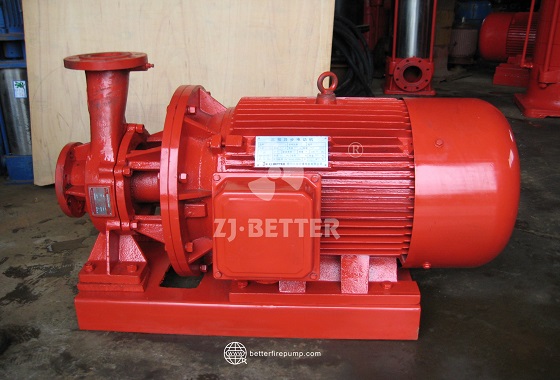
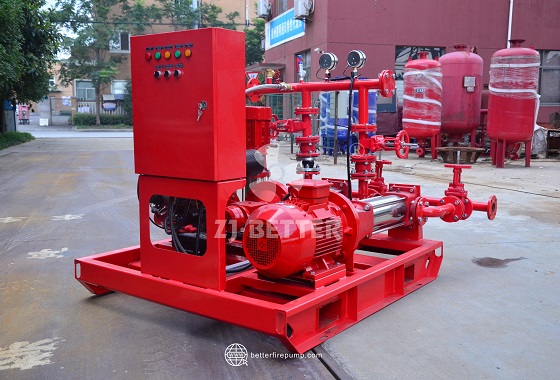
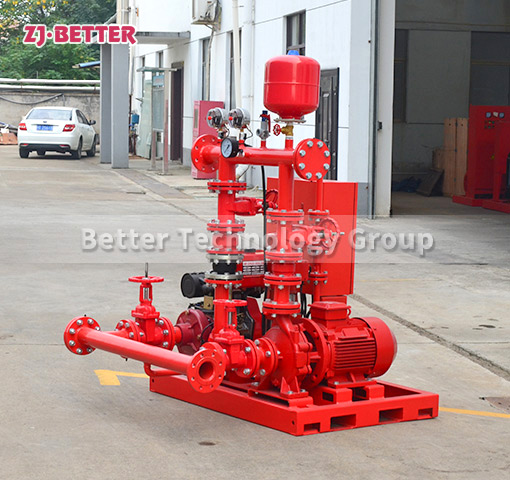
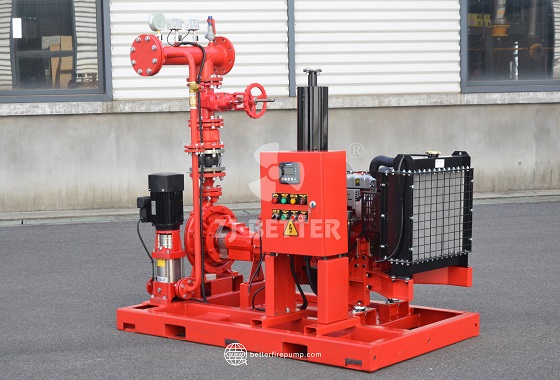
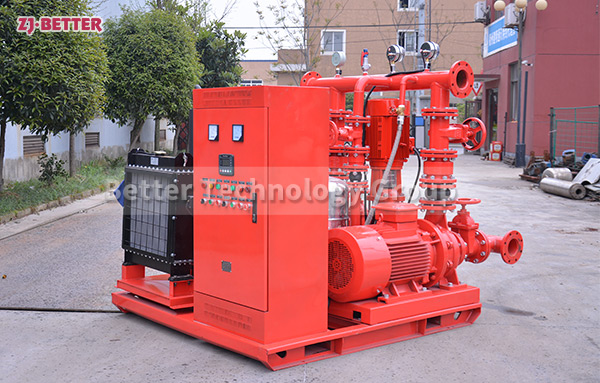
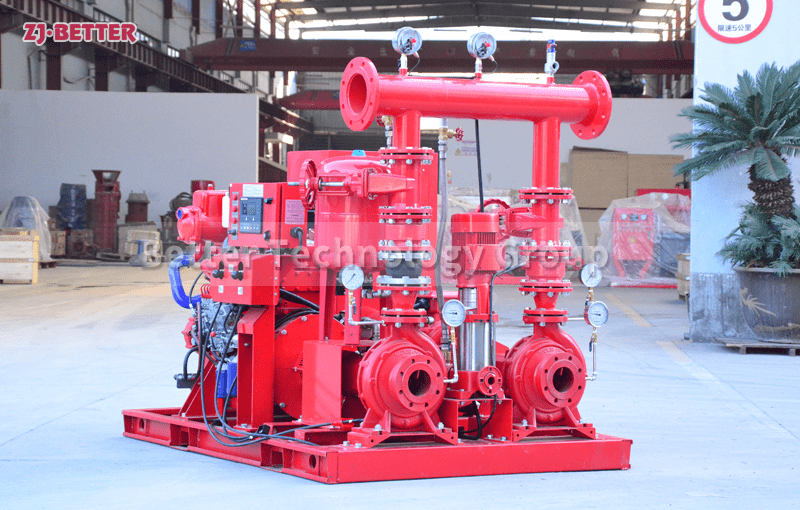
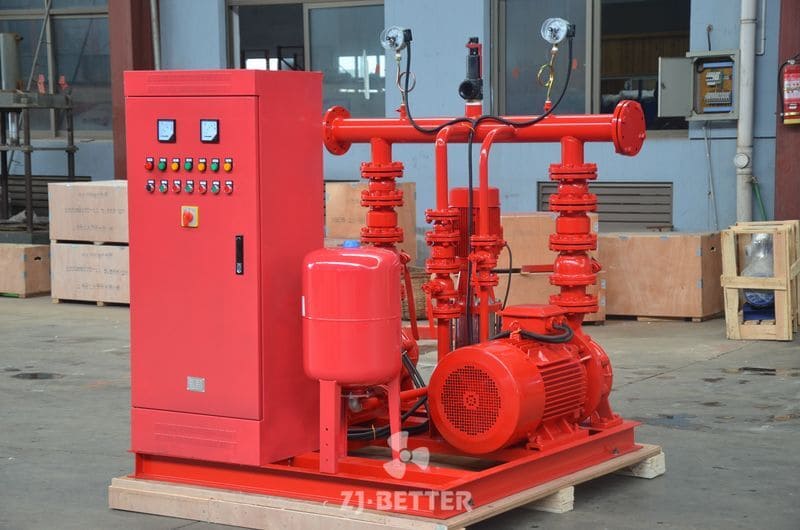
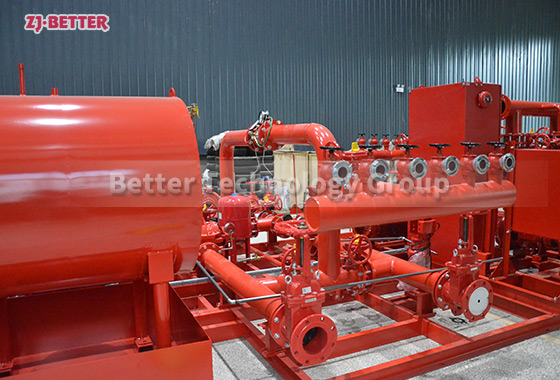
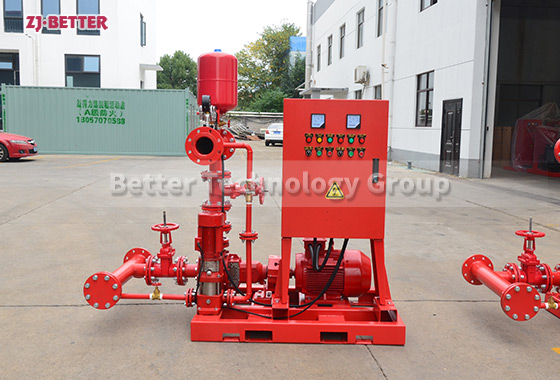
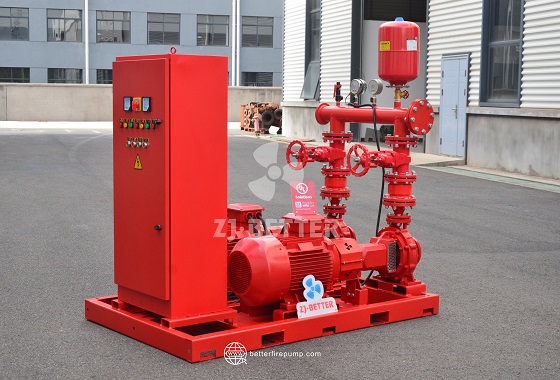
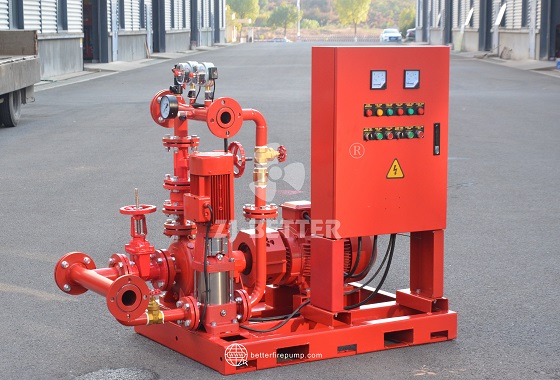
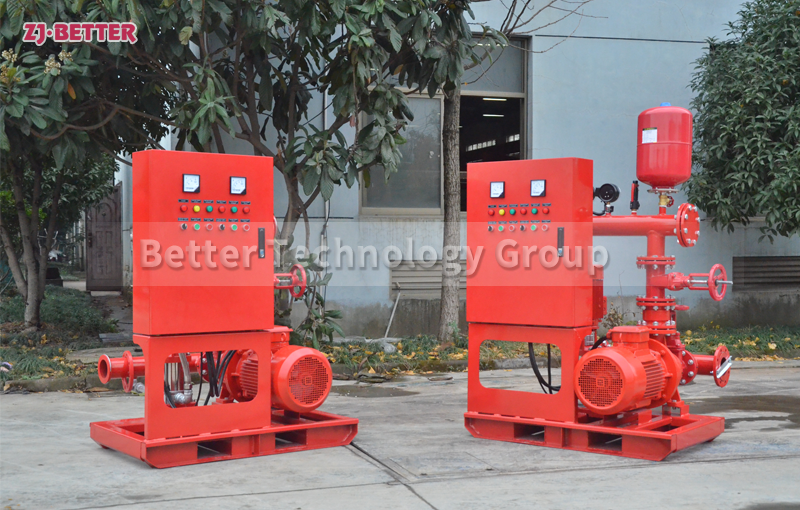
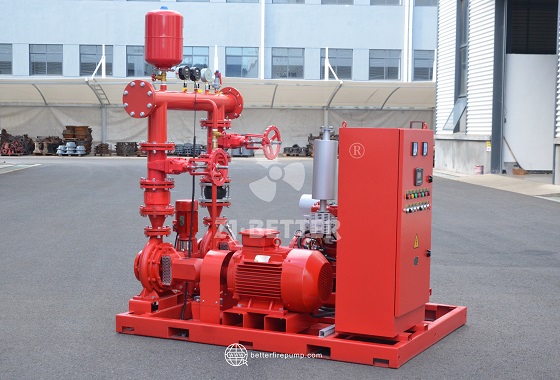
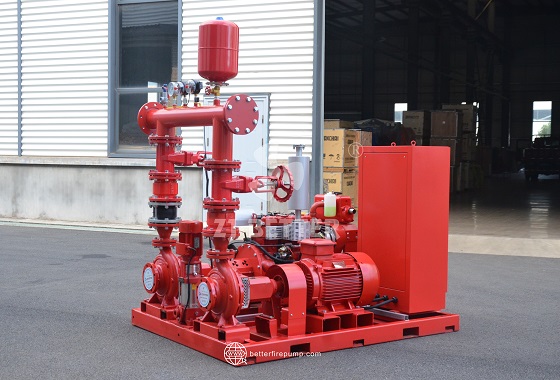
The vertical fire-fighting booster pump is a water supply unit designed with a multi-stage centrifugal structure, primarily used for pressure compensation in fire-fighting piping networks, automatic pressure stabilization, and continuous water supply for fixed fire-fighting systems. The equipment shown integrates a vertical multi-stage fire pump, electric motor, pressure tank, control cabinet, pressure monitoring instruments, valves, and piping components into a compact, complete fire-fighting pressure stabilization system. It is suitable for high-rise buildings, industrial plants, logistics centers, commercial complexes, hospitals, schools, and other facilities with fixed fire-fighting installations. According to official specifications, the vertical multi-stage pump utilizes a series arrangement of multiple impellers to boost pressure, achieving high head with a small footprint; it offers a flow rate range of 6–600 m³/h and a head range of 20–270 m, meeting the diverse pressure and flow requirements of various fire-fighting systems. The multi-stage hydraulic structure is a key feature; water flows sequentially through multiple impellers to generate stable output pressure. Compared to single-stage pumps, this design is better suited for high-rise buildings, long-distance piping networks, and fire-fighting projects requiring high water supply pressure. An optimized hydraulic model enhances energy conversion efficiency and minimizes energy loss during operation, ensuring high efficiency alongside stable pressure output. The equipment features a vertical layout with the motor directly coupled to the pump body, resulting in a compact footprint ideal for fire pump rooms with limited space, while also facilitating transport, installation, and on-site piping connections. The control cabinet, combined with pressure sensors, enables real-time monitoring of network pressure; it automatically activates the booster pump when system pressure drops below the set value and shuts it down once pressure is restored, allowing for unattended operation and maintaining the fire-fighting network in a stable standby state. The pressure tank acts as an energy storage and buffer component, mitigating pressure fluctuations and reducing frequent starts of the main fire pump caused by minor leaks or natural pressure drops, thereby extending the service life of the entire fire-fighting water supply system. The equipment can be configured with various flow rates, heads, voltages, and control methods to meet specific project requirements, and supports features such as dual-pump redundancy, automatic switching, and remote monitoring to comply with diverse national and industry standards. In terms of structural design, the pump body, impeller, bearings, and sealing components are optimally matched to ensure low vibration and noise levels during operation, as well as excellent continuous operating capability. The integrated base mounting design consolidates the motor, pump body, control system, and piping components into a unified unit, thereby enhancing equipment integration and facilitating future maintenance and management. As modern fire protection engineering increasingly demands automation and stable water supply, vertical fire-fighting booster pumps—featuring multistage hydraulic structures—provide continuous, reliable pressure support for fire-fighting piping networks, serving as a critical component of fixed fire-fighting water supply systems.