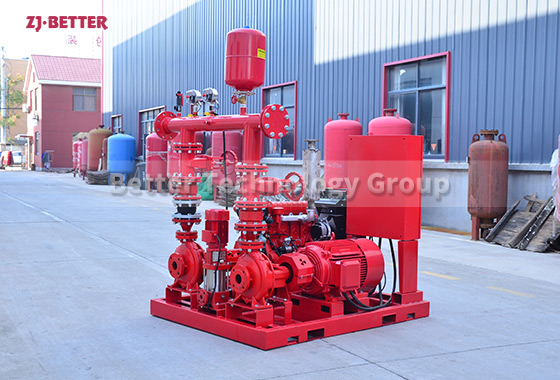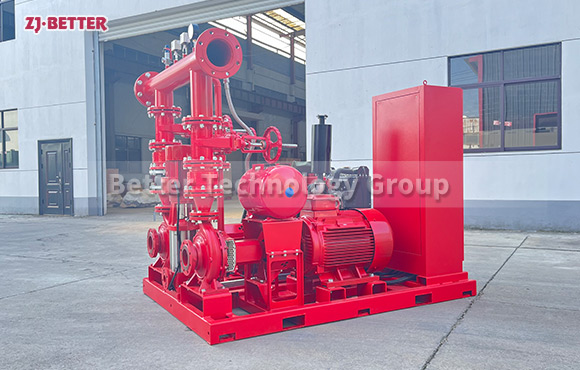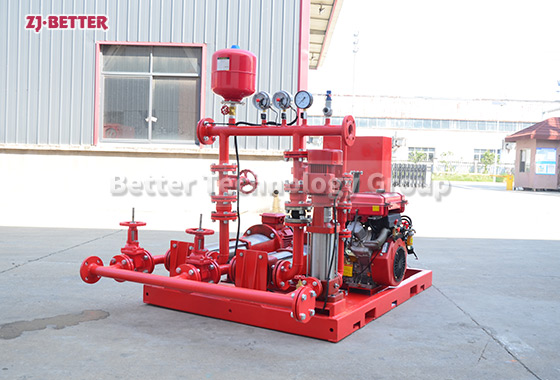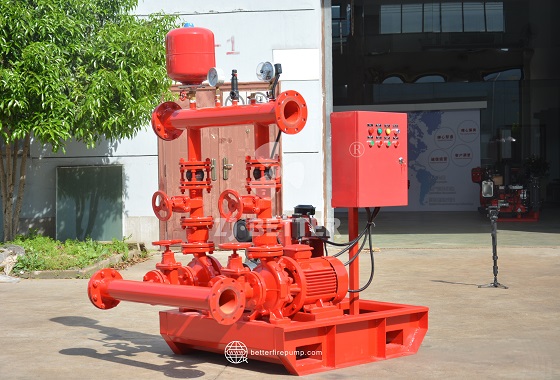
Automated Fire Water Supply System for Faster Fire Response and Improved Suppression Efficiency
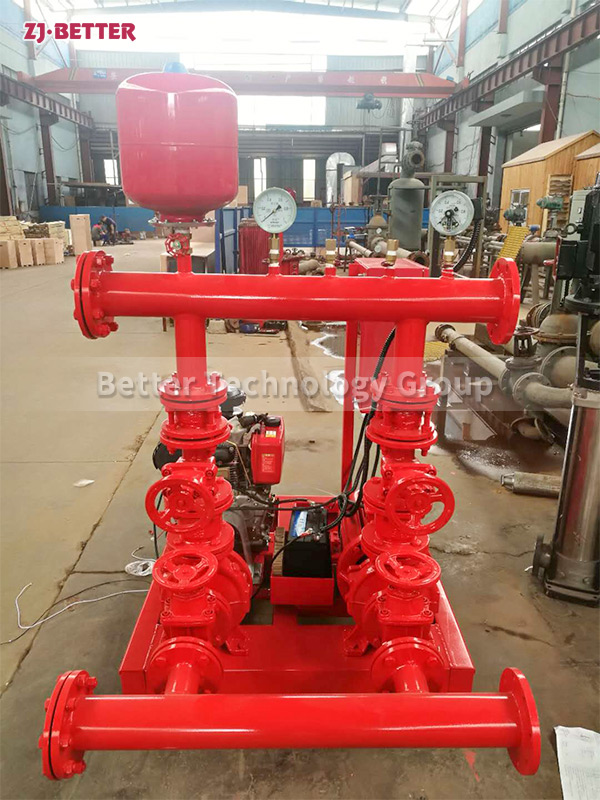
Automated fire-fighting water supply systems feature rapid response, stable pressure output, intelligent control, and high reliability. They are suitable for large buildings, industrial parks, and critical facilities, providing reliable protection for efficient fire extinguishing and continuous fire-fighting water supply.
In modern fire protection engineering systems, fire risk management is no longer limited to the capabilities of individual equipment, but focuses more on the response speed, water supply stability, and continuous operation capability of the entire fire protection system in emergency situations. Especially in large commercial complexes, industrial parks, high-rise buildings, warehousing and logistics facilities, and critical infrastructure projects, once a fire occurs, the fire protection system must establish a reliable water supply within a very short time and ensure continuous and stable pressure to support the efficient operation of sprinkler systems, fire hydrant systems, and linked fire protection facilities. Automated fire water supply systems have gradually become a crucial core component of modern fire protection engineering in response to this need. Through highly integrated automatic control technology, efficient pumping capabilities, and intelligent operation management, this system can achieve rapid response, automatic start-up, stable water supply, and continuous operation, providing more reliable safety guarantees for complex fire scenarios.
The core advantage of automated fire water supply systems lies first and foremost in their rapid response capability. In the event of a fire, time means lost control and determines the effectiveness of personnel evacuation and firefighting. Traditional fire water supply systems may require manual confirmation, on-site operation, and a step-by-step start-up process, while automated fire water supply systems achieve rapid start-up upon receiving a fire signal through pressure detection, alarm linkage, and automatic control logic. When the pressure in the fire hydrant network drops, the fire alarm system issues a start command, or the sprinkler system enters operational status, the equipment can automatically complete the startup process, establishing water pressure in a very short time and delivering fire water to the target area, thereby significantly reducing response delay and improving initial fire control capabilities.
From a water supply performance perspective, automated fire hydrant systems emphasize continuous and stable high-flow output capabilities. Fire hydrant supply differs fundamentally from ordinary industrial water supply; it must handle sudden high loads, simultaneous water supply to multiple areas, and continuous operation. The system typically employs optimized hydraulic structure design and a combination of high-efficiency pumps, maintaining stable pressure output under complex pipe network conditions and supporting the simultaneous operation of multiple fire terminals. Whether multiple fire hydrants are opened simultaneously within a large building or multiple sprinkler zones are operating simultaneously, the system can continuously provide sufficient flow and pressure, preventing insufficient water supply from affecting fire extinguishing effectiveness.
This system possesses excellent pressure stability capabilities, a crucial foundation for ensuring fire extinguishing efficiency. During fire system operation, excessive pressure fluctuations directly lead to insufficient sprinkler coverage, reduced water flow intensity, and weakened local fire extinguishing capabilities. Automated fire-fighting water supply systems continuously monitor the pipeline network status through pressure feedback control technology, dynamically adjusting the operating mode according to actual needs to achieve automatic pressure compensation and stable output. When water supply demand changes, the system can quickly adjust operating parameters to ensure that the fire-fighting terminals are always in optimal working condition.
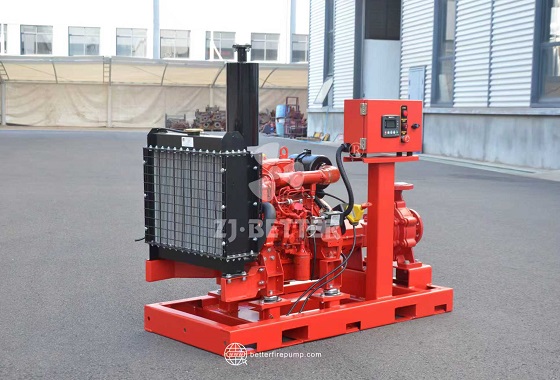
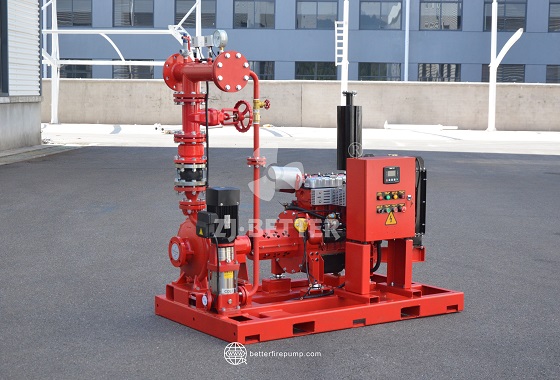
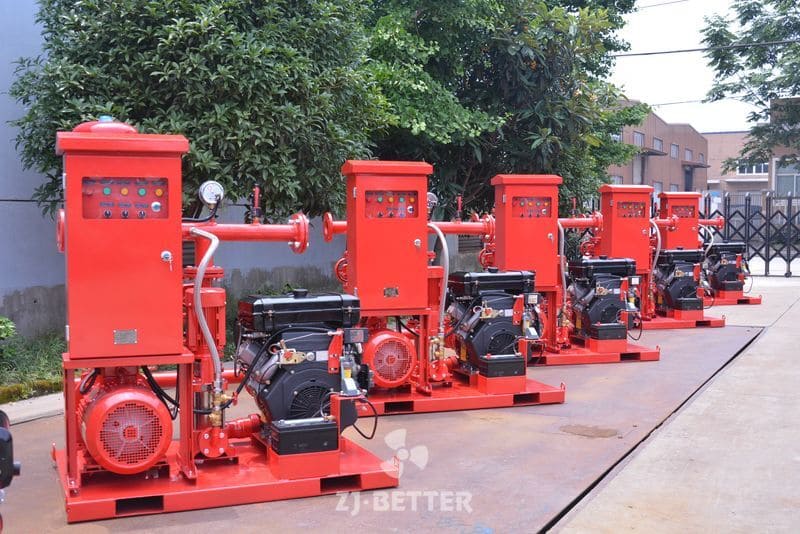
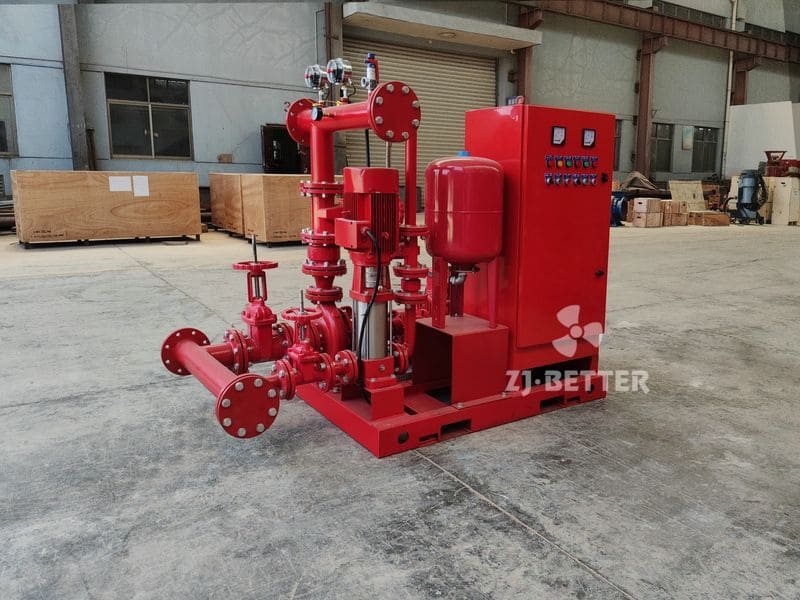
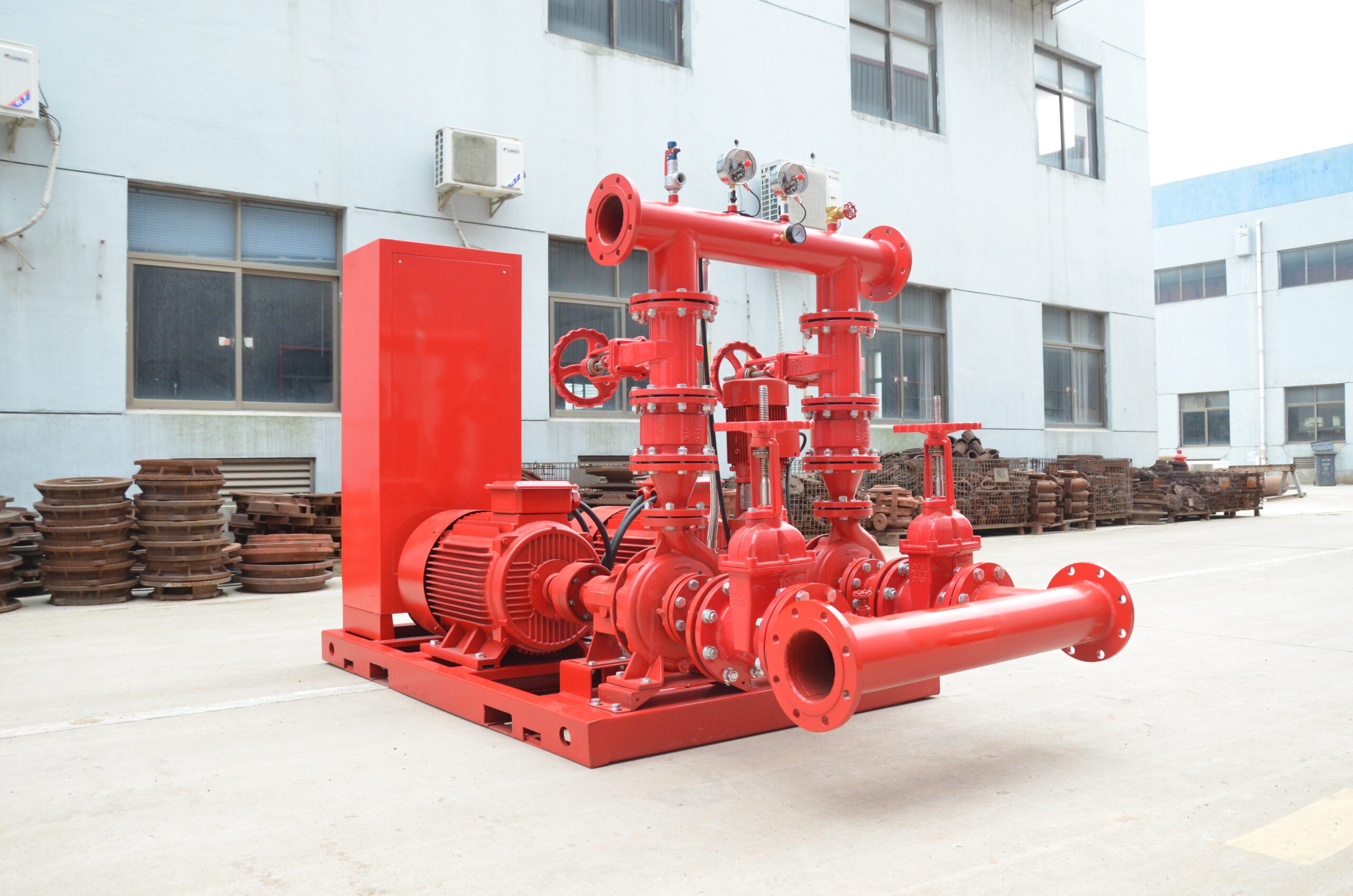
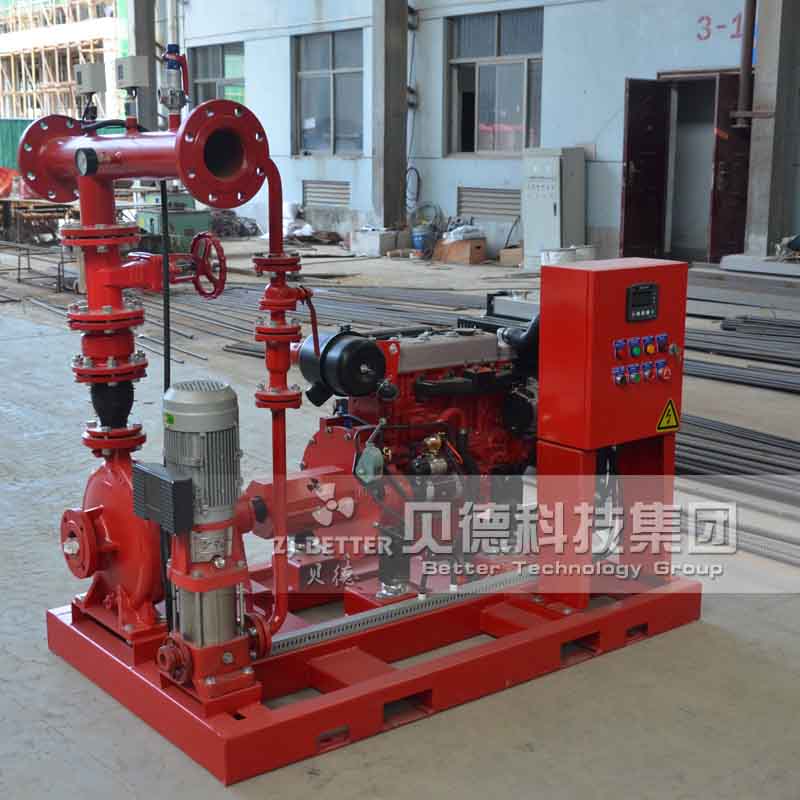
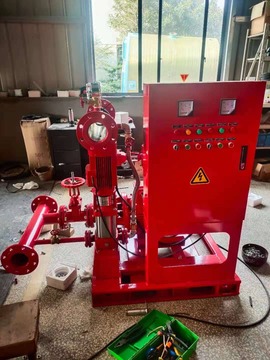
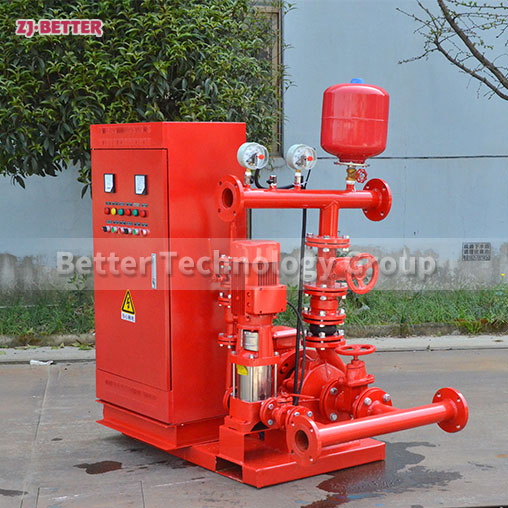
Automated control capabilities further enhance equipment operational reliability. The system typically integrates intelligent control cabinets, operation monitoring modules, and protection functions to achieve fully automated management of the entire process. The equipment can collect current, voltage, pressure, flow rate, operating time, and alarm information in real time and display the current status through a visual interface. When the system detects abnormal operating conditions, it will immediately issue an alarm and automatically take protective measures to prevent equipment damage. For example, in the event of abnormal pressure, overload operation, power fluctuations, or exceeding operating limits, the system can promptly adjust its operating strategy to improve the overall safety level.
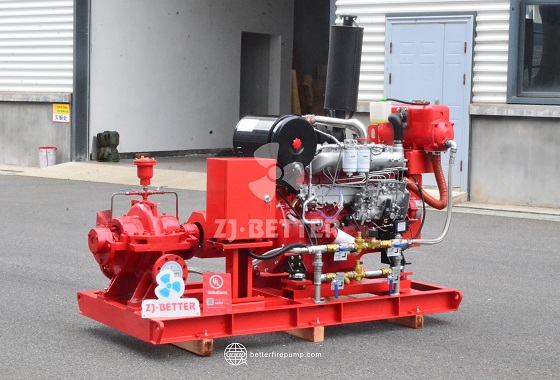
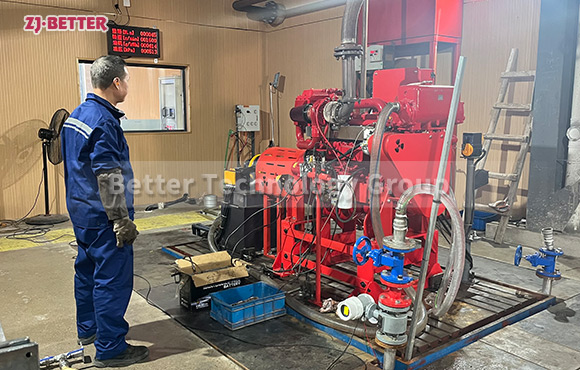
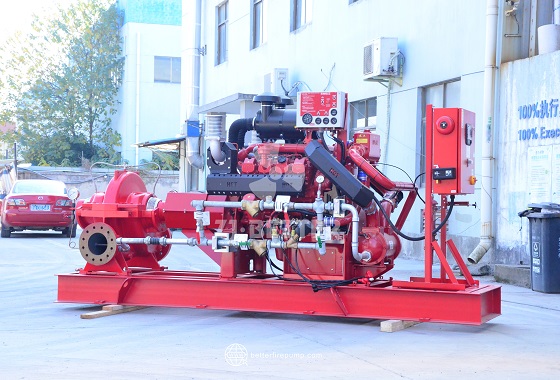
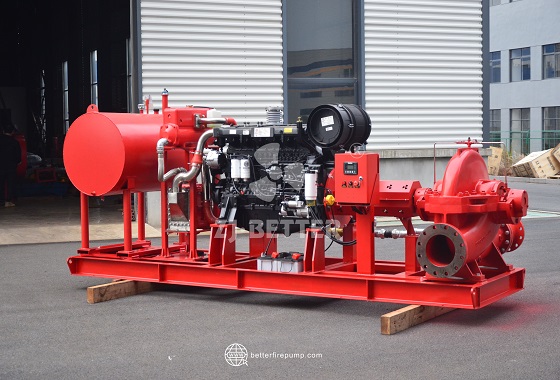
In terms of continuous operation capability, automated fire-fighting water supply systems exhibit high adaptability. Large industrial parks, public buildings, and logistics facilities typically require fire-fighting equipment to have long-term standby capabilities and sudden start-up capabilities. The equipment adopts an industrial-grade structural design, and key components have high durability, enabling it to maintain rapid start-up and stable output even when in standby mode for extended periods. Meanwhile, by optimizing the heat dissipation structure and operating logic, the system can maintain continuous operation under high loads, meeting the continuous fire-fighting water supply needs.
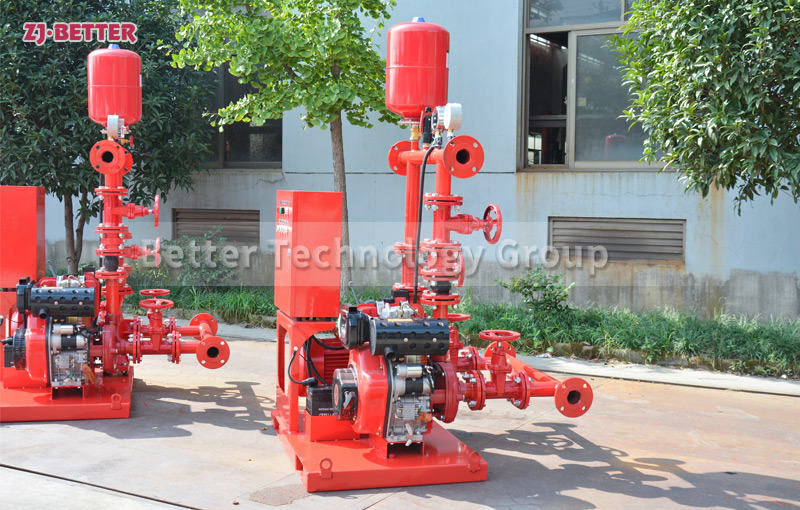
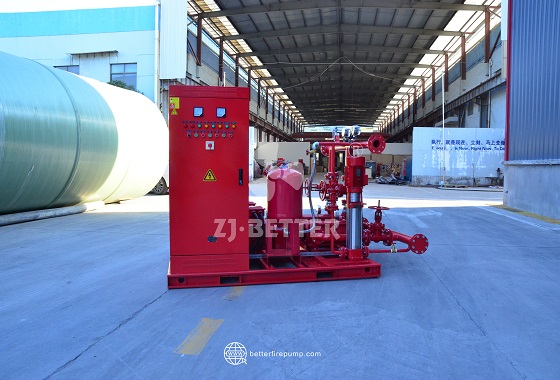
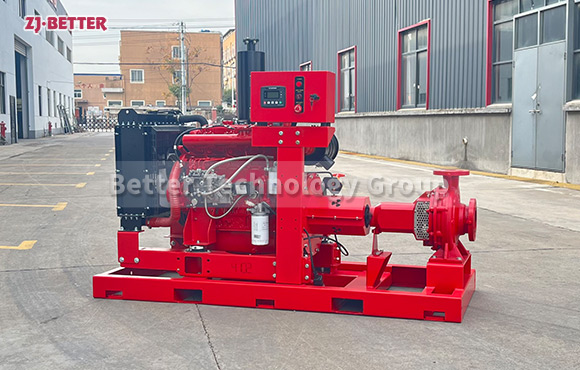
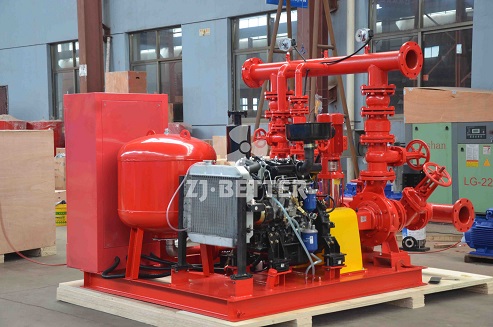
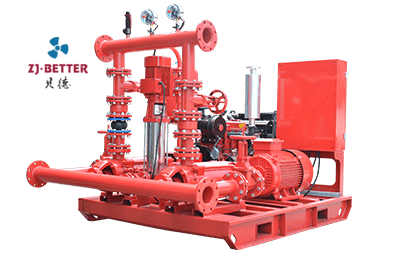
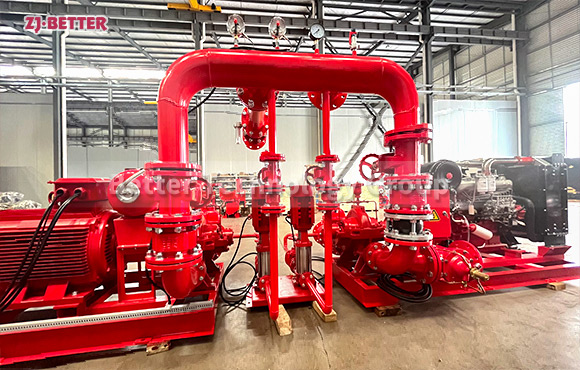
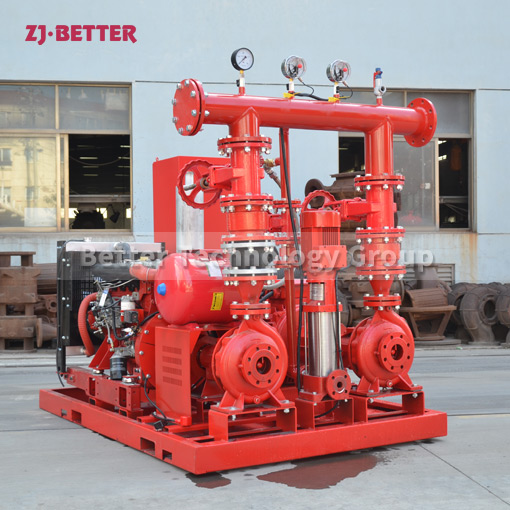
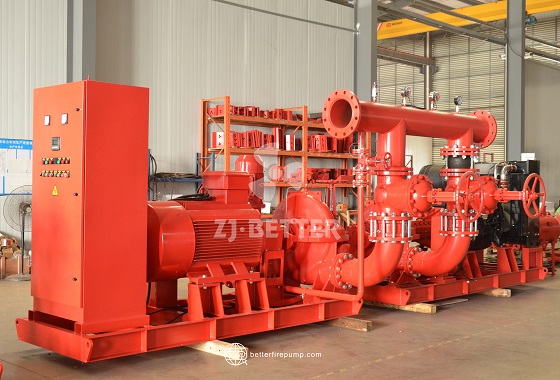
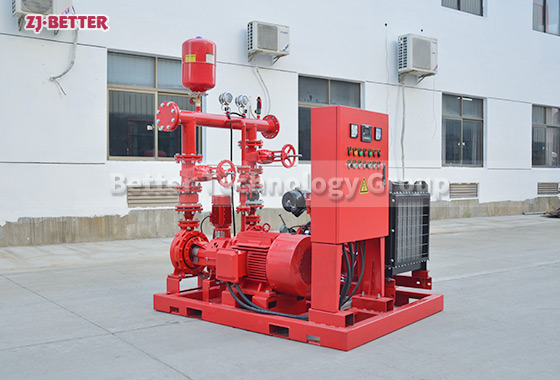
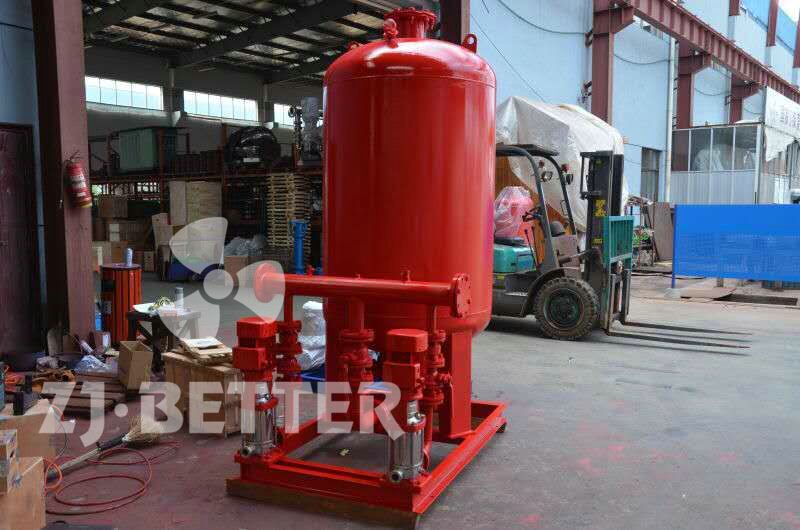
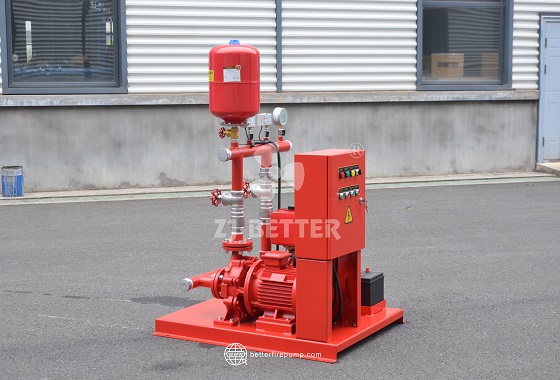
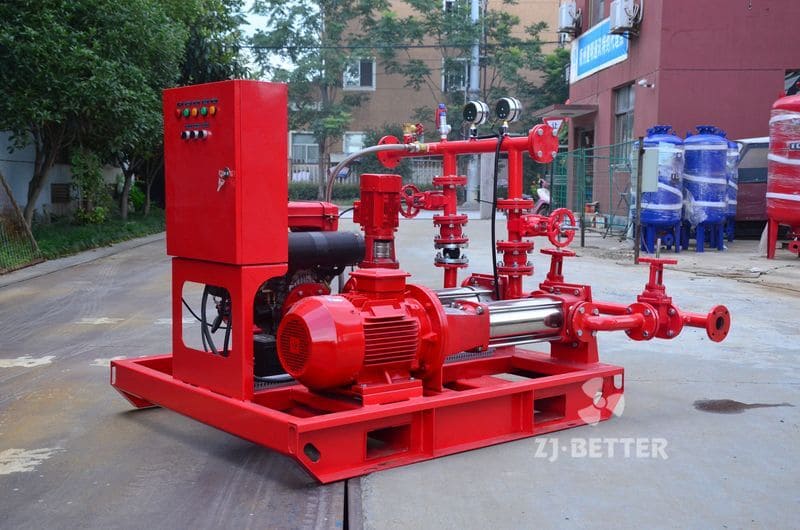
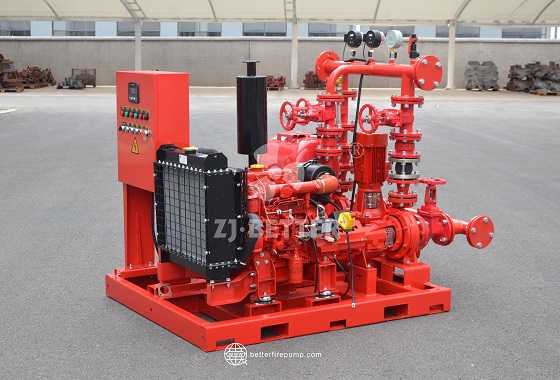
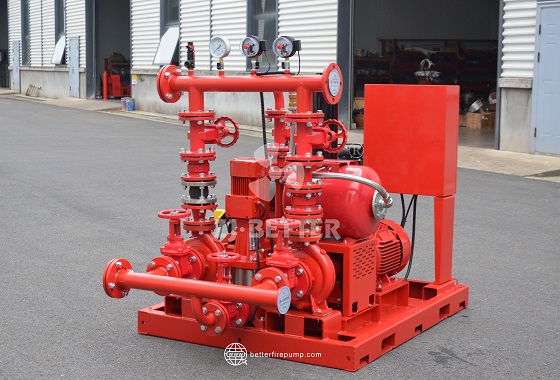
Ease of installation and maintenance is also a key feature of automated fire-fighting water supply systems. Modern fire protection projects generally require equipment with high integration to reduce on-site construction difficulties and subsequent maintenance costs. The system adopts a modular layout, rationally integrating pumps, control units, pipeline connections, and monitoring components, which not only improves installation efficiency but also facilitates later inspection and maintenance. Maintenance personnel can quickly obtain equipment status information through the control interface, enabling rapid fault location and improving operation and maintenance efficiency.
Energy-saving operation capabilities make automated fire-fighting water supply systems more in line with modern green engineering construction requirements. Although fire-fighting equipment is mainly used in emergency scenarios, reasonable energy consumption levels still need to be maintained during daily pressure stabilization and periodic testing. Through intelligent control strategies, the system can adjust the operating frequency and output capacity according to actual water supply needs, reducing energy waste while ensuring fire safety. The high-efficiency operation mode not only reduces long-term operating costs but also extends equipment lifespan and improves overall economic value.
The system also has strong environmental adaptability for complex application environments. Large-scale projects may present challenges such as high temperature, high humidity, dust, diurnal temperature variations, and continuous operation. Therefore, fire-fighting water supply equipment must possess excellent mechanical stability and environmental tolerance. Automated fire-fighting water supply systems, through high-strength structural design, superior sealing solutions, and reliable protection levels, ensure long-term stable operation, providing continuous protection for various fire-fighting applications.
With the continuous advancement of smart fire protection construction, automated fire-fighting water supply systems are developing towards digitalization, networking, and intelligence. Future systems will further integrate remote monitoring, data analysis, and intelligent operation and maintenance technologies to achieve operational status prediction, fault early warning, and remote management. Through continuous optimization of equipment performance and management efficiency, fire-fighting water supply systems will gradually shift from a traditional passive response mode to a proactive prevention and intelligent protection mode, providing a higher level of support for building safety and public safety.
Overall, automated fire-fighting water supply systems, with their rapid response, stable water supply, intelligent control, highly reliable operation, and excellent maintainability, provide a more efficient, reliable, and adaptable water supply solution for modern fire protection engineering. It can not only meet the growing fire protection needs of large-scale building and industrial projects, but also effectively improve fire fighting efficiency and overall safety level, providing solid support for personnel safety, asset protection and continuous operation.