Fire Pump Vacuum Priming System for Reliable Priming of Suction-Lift Fire Pumps
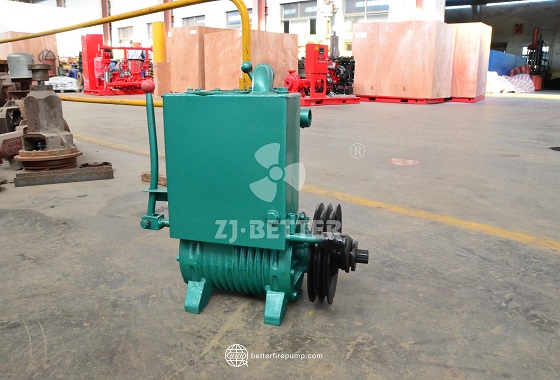
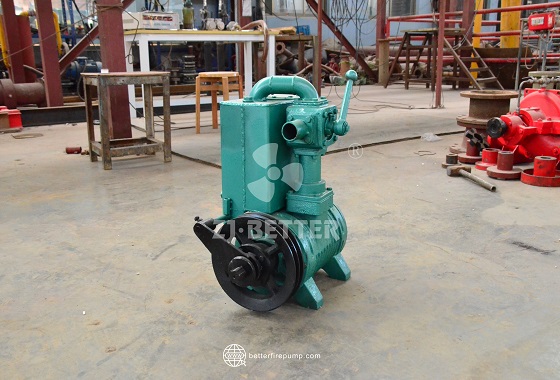
The fire pump vacuum priming system helps the suction-type fire pump establish a stable vacuum and quickly complete priming by rapidly removing air from the pump body and suction pipe. It is suitable for low-level water sources, underground water tanks, and various fire water supply projects.
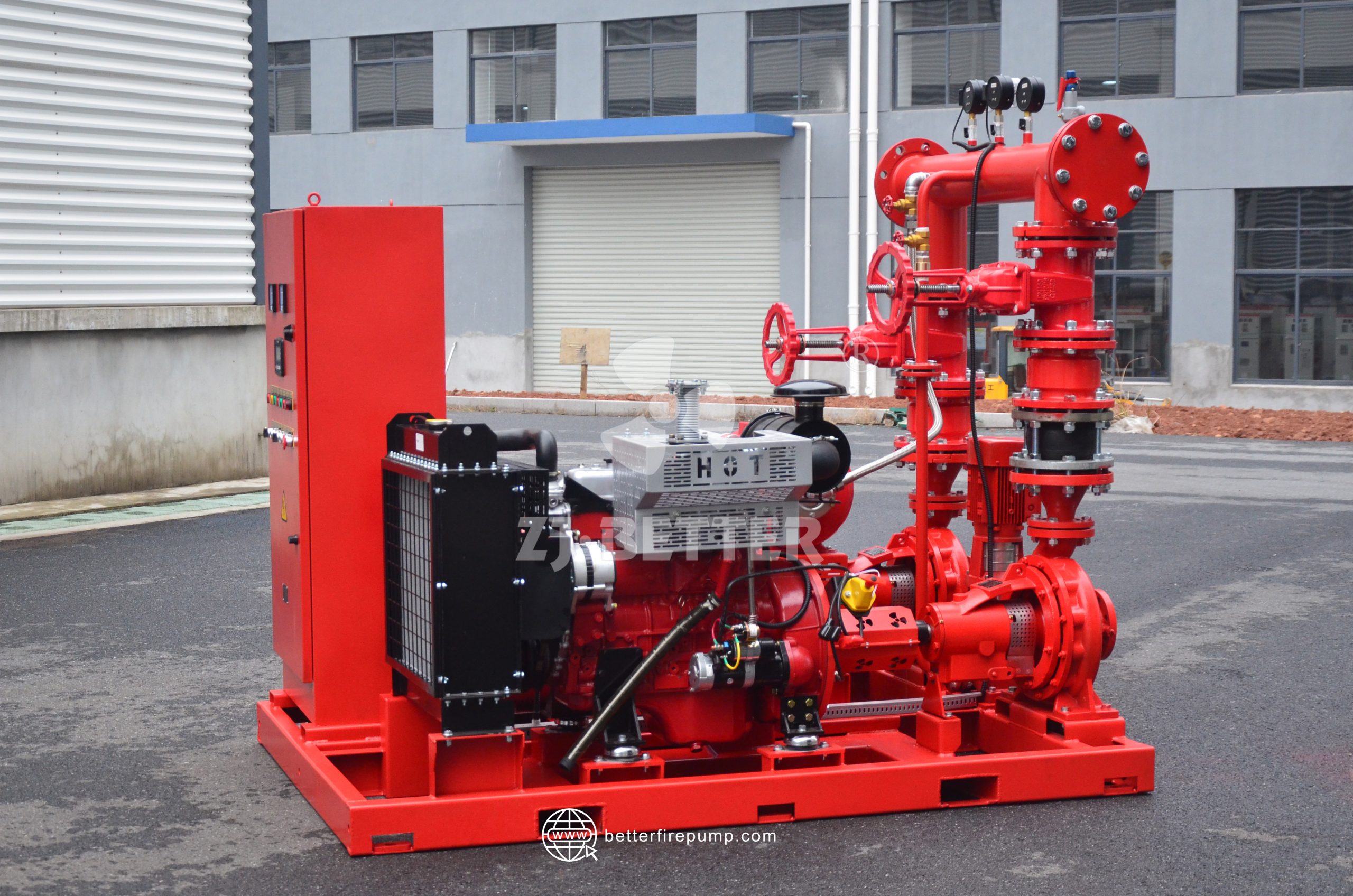
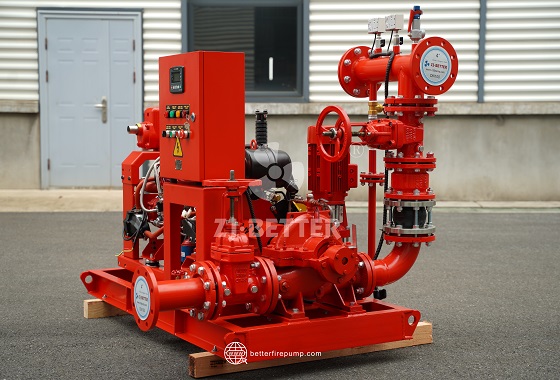
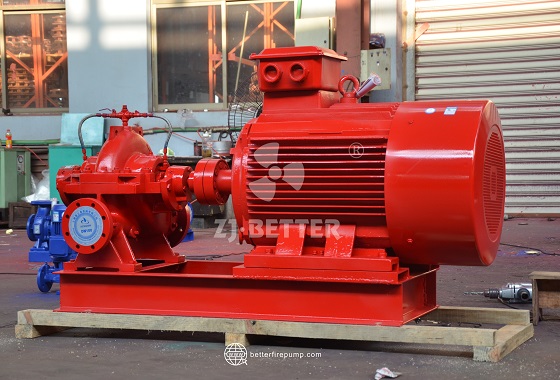
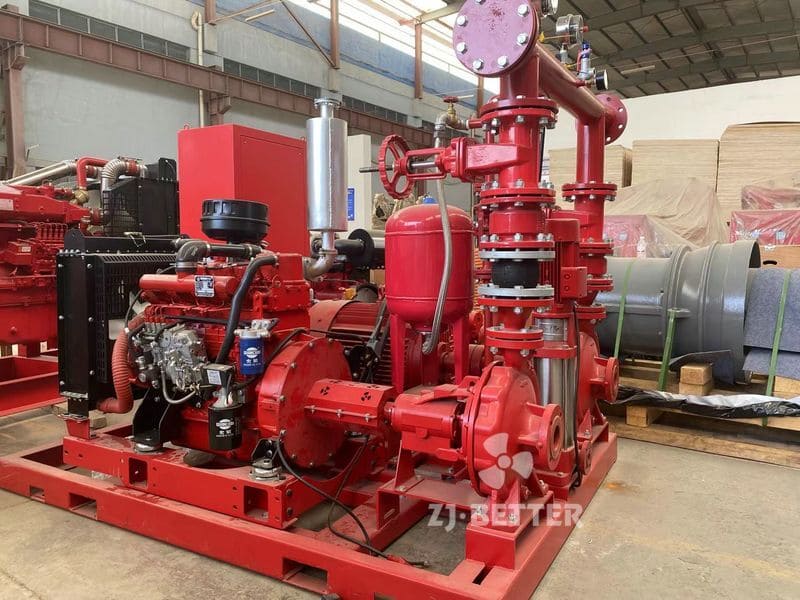
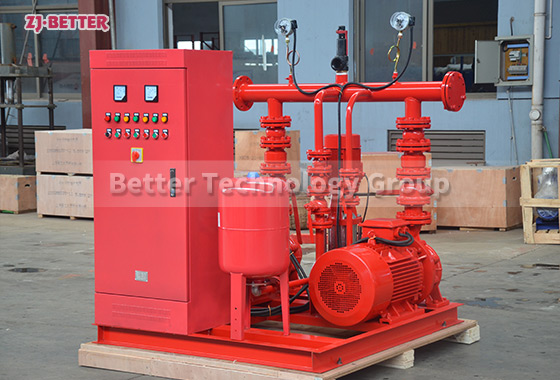
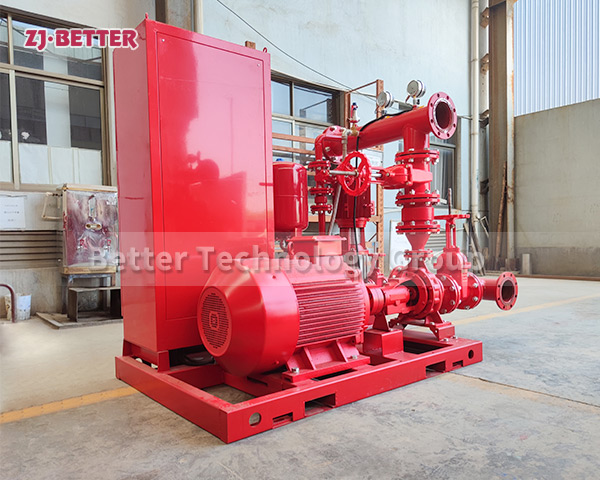
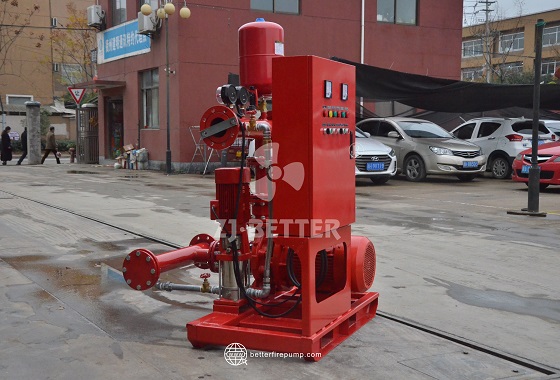
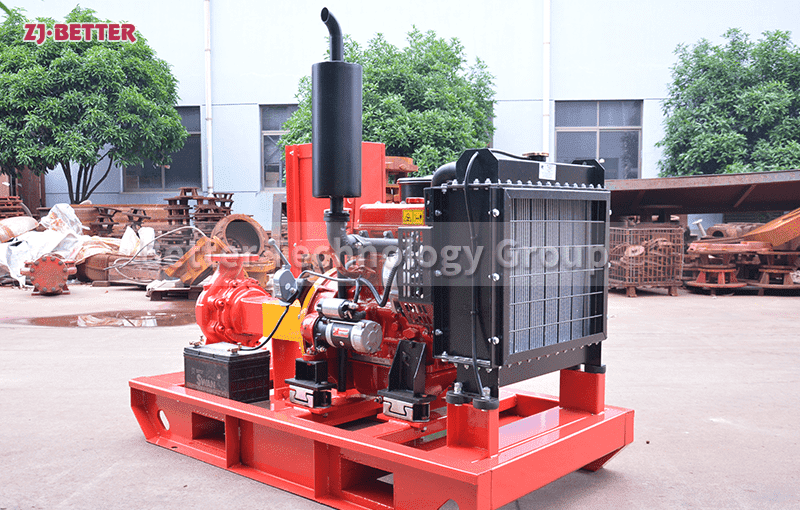
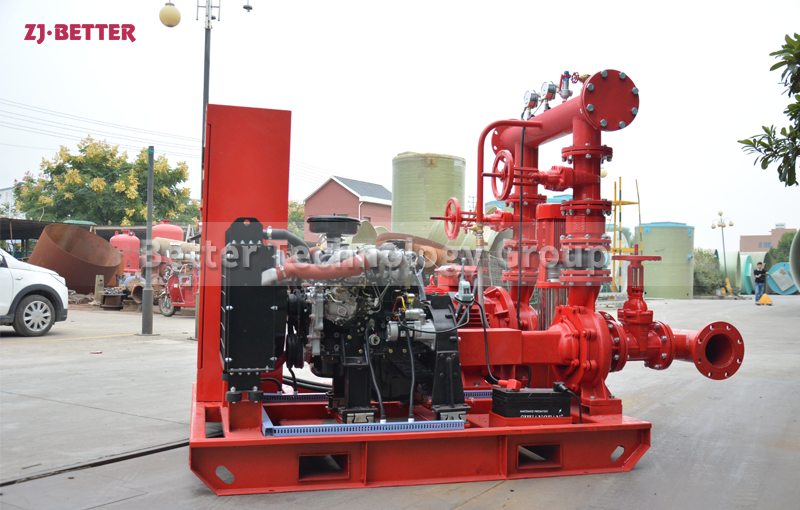
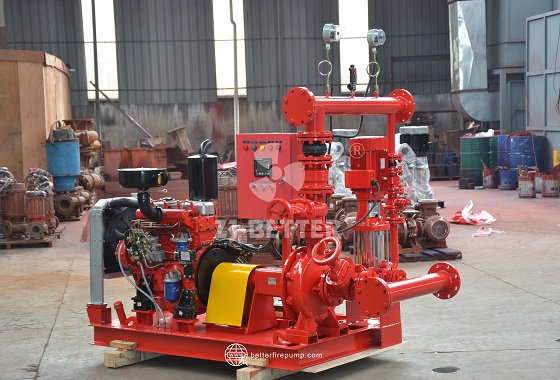
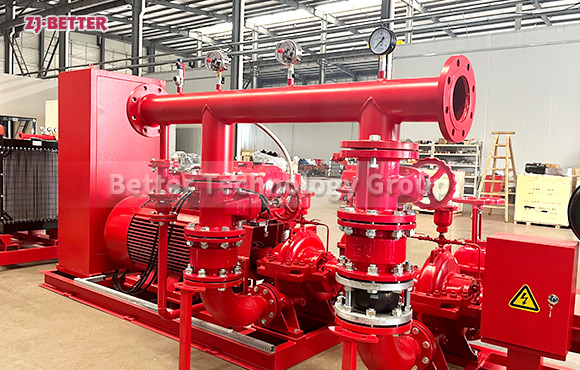
In some fire protection projects, when the fire pump is installed above the water source level, or when the suction pipe is long and air is easily trapped inside, the priming issue before starting the fire pump directly affects the normal operation of the equipment. A fire pump vacuum priming system removes air from the pump body and suction pipe in advance using a vacuum pump, helping the fire pump quickly establish a stable vacuum condition, allowing water to smoothly enter the pump body, thus improving the priming performance of the suction-type fire pump. This product is particularly suitable for engineering scenarios with high requirements for rapid fire pump start-up and reliable water supply, and can serve as an important auxiliary device for fire pump sets. Traditional suction-type fire pumps, if air is present in the pump body or suction pipe during startup, are prone to problems such as inability to draw water normally, insufficient flow, or even inability to continuously supply water after startup. Therefore, a reliable vacuum priming device plays a crucial role. The core advantage of this vacuum priming system is its ability to actively remove air from the suction system. By rapidly reducing the internal pressure of the pump body and suction pipe through a vacuum pump, water enters the suction pipe and reaches the fire pump under atmospheric pressure, thereby reducing manual priming and repeated air venting operations and improving equipment startup efficiency. Compared to relying solely on manual priming, automated vacuum priming is better suited for fire-fighting water supply systems requiring rapid deployment. The product can be matched to the fire pump set’s structure, suction height, and on-site installation conditions, ensuring the vacuum pump’s pumping capacity aligns with the actual needs of the fire pump. For applications with low-lying water sources, underground water tanks, and where there is a height difference between the pump room and the water source, vacuum assistance effectively improves the fire pump’s water intake conditions. Its structural design emphasizes practicality and reliability, with a rational layout of the pump body, transmission components, and related interfaces, facilitating installation into the fire pump set or corresponding piping system, while also simplifying later inspection, maintenance, and replacement of vulnerable parts. Some supporting solutions can also achieve automatic auxiliary operation through clutch control; when the system detects water has been drawn in, the vacuum pump can stop operating via the clutch mechanism, avoiding unnecessary energy consumption and mechanical wear caused by continuous vacuum pump operation. In terms of actual performance, the main function of the vacuum priming system is not to replace the main fire pump, but rather to improve the water intake conditions before the main pump starts. Therefore, it is necessary to select a suitable system based on the fire pump model, suction height, pipeline length, pipe diameter, and system sealing performance. Especially in projects with long suction pipes or high installation heights, good sealing performance and reasonable pipe design are equally important, as air leaks, poor foot valve sealing, and excessive bends can all reduce the water intake capacity of the fire pump. This product also has good engineering adaptability and can be designed to be matched with different types of fire pump sets. Appropriate vacuum pumps, transmission mechanisms, control devices, and connecting accessories can be configured according to project requirements to form a complete automatic vacuum priming solution. For industrial plants, storage facilities, petrochemical projects, ports, agriculture, and other projects requiring water intake from low-lying water sources, proper configuration of vacuum priming equipment can help fire pumps establish operational status more quickly. According to product information on the website, suction-type and self-priming pump sets can cover different flow rates, heads, and suction lift ranges; therefore, actual projects should match parameters according to specific operating conditions. In fire protection systems, start-up speed and water supply continuity are crucial performance indicators. Vacuum priming systems reduce air interference during the start-up phase, establishing more stable water intake conditions for the main fire pump and helping to improve the emergency response capability of the entire pump set. In general, the fire pump vacuum priming system is a professional auxiliary device designed for the priming needs of suction-type fire pumps. It has advantages such as rapid venting, assisting in vacuum establishment, improving water suction conditions, automatic control, and easy engineering integration. It can effectively solve the priming problems in some fire pump installation environments and provide reliable support for the rapid and stable operation of fire water supply systems.